Leonardo retweetledi
आदरणीय @narendramodi जी, @AmitShah जी।
प्रधानमंत्री श्री नरेन्द्र मोदी जी स्वयं इस बात के बहुत बड़े समर्थक हैं कि ग्राउंड लेवल पर काम करने वाले कार्मिक को ऊपर पदों पर आगे बढ़ाना चाहिए और उन्होंने अपनी पार्टी के जमीनी स्तर के कार्यकर्ता को राज्य के मुख्यमंत्री बनाकर राष्ट्र के सम्मुख एक बेहतरीन उदाहरण प्रस्तुत किया है, तो फिर CAPF के ग्राउंड कमांडर को भी ये मौका क्यों नहीं दिया जा रहा है।
जब सरकार और मंत्रालय तक #CAPF का कोई भी अधिकारी या प्रतिनिधि सीधा अपनी बात नहीं पहुंचा सकेगा तो उनके महत्व और कार्यों की उपलब्धि कोई अन्य सेवा ही सरकार के पास अपनी उपलब्धि बताकर प्रस्तुत करेगी। शायद हो भी यही रहा है इस वक़्त। बस यही समस्या CAPF के मनोबल को तोड़ रही है। आखिर एक ही सर्विस के लोग सभी महत्वपूर्ण विभागों और मंत्रालयों में क्यों उच्च पदों पर बैठ कर अपनी सर्विस की खोखली महानता बयान कर रहे हैं।
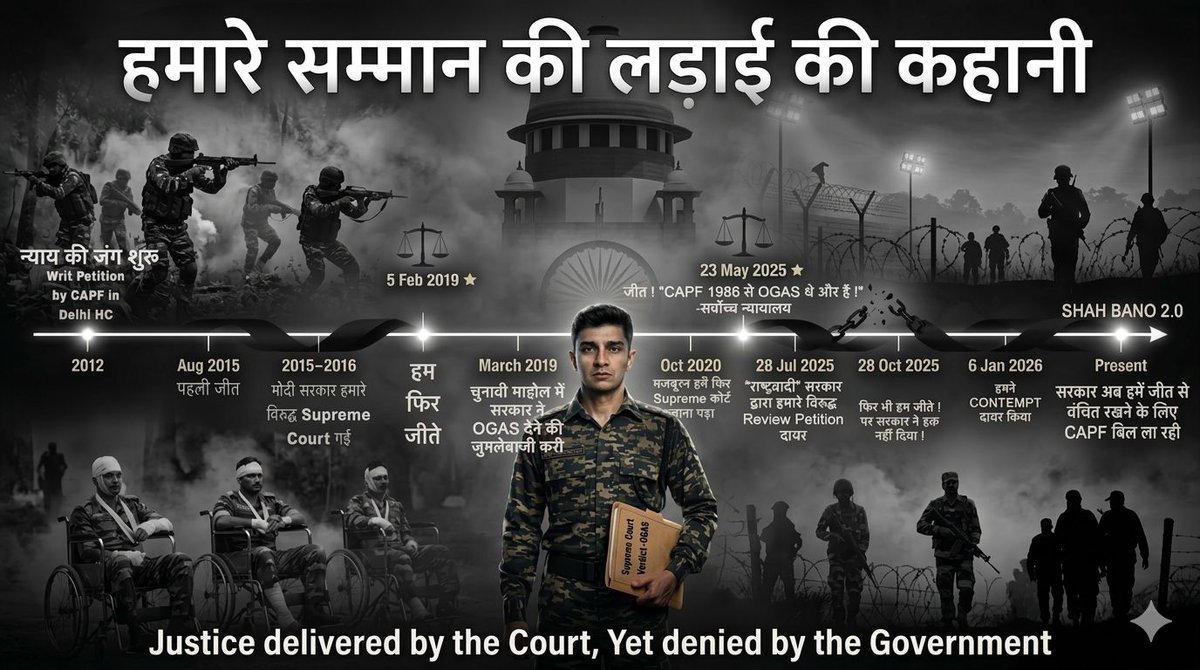
#CAPF भारत सरकार का बल है न कि किसी राज्य पुलिस सेवा का। अतः माननीय प्रधानमंत्री @narendramodi महोदय से विनम्र निवेदन है कि आप #CAPFs पर भरोसा करें और इन बलों को एक केंद्रीय संस्थान के रूप में संगठित सेवा का दर्जा देकर सर्वोच्च न्यायालय के निर्णय का सम्मान करें।
आश्वस्त रहें #CAPF भारत की आंतरिक सुरक्षा को सुदृढ़ करने में अपना सब कुछ न्योछावर कर रहा है और करता रहेगा।
जय हिन्द 🇮🇳
जय भारत 🇮🇳
जय #CAPF 🇮🇳
महाभारत 🇮🇳@__Mahabharat__
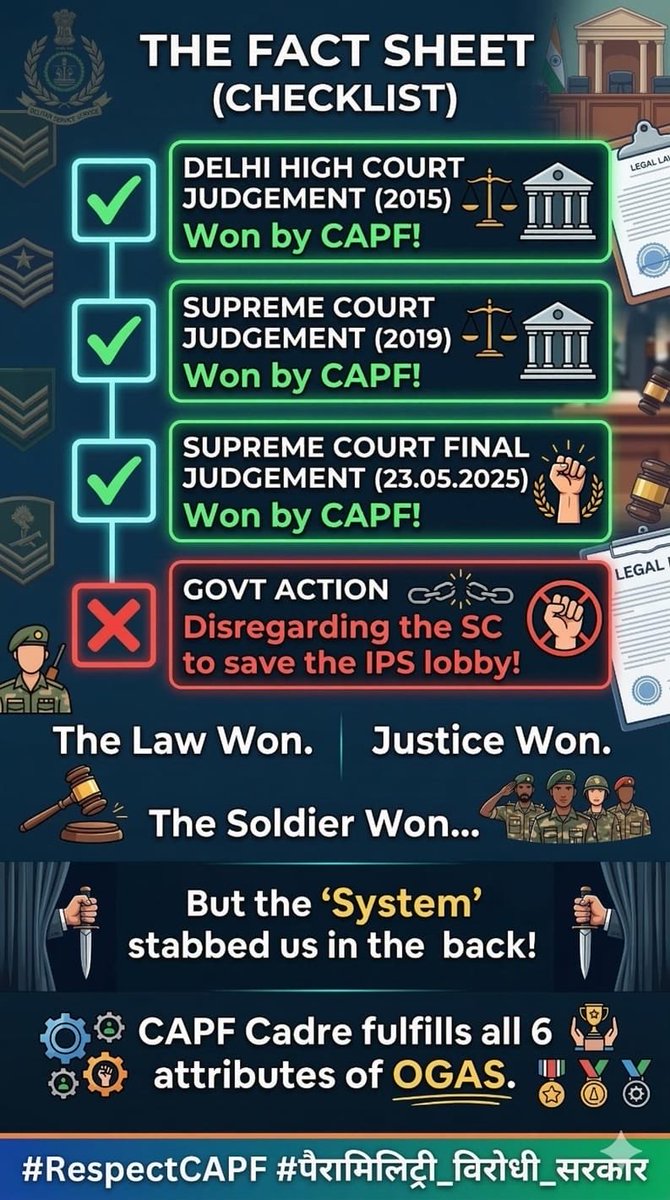
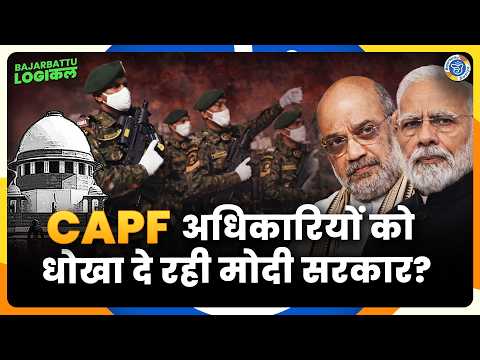
This is a grave injustice to all #CAPF officers whose boots are on ground. 👢 Anger and discontent in CAPF ranks as MHA likely to bring a bill this budget session to codify IPS deputation in CAPFs. The Hindu reported first on Feb 14 that govt is considering a law against the SC judgement giving CAPFs an organised status.
हिन्दी