Sabitlenmiş Tweet

@AlboMP @SenatorWong
@Greens @AustralianLabor
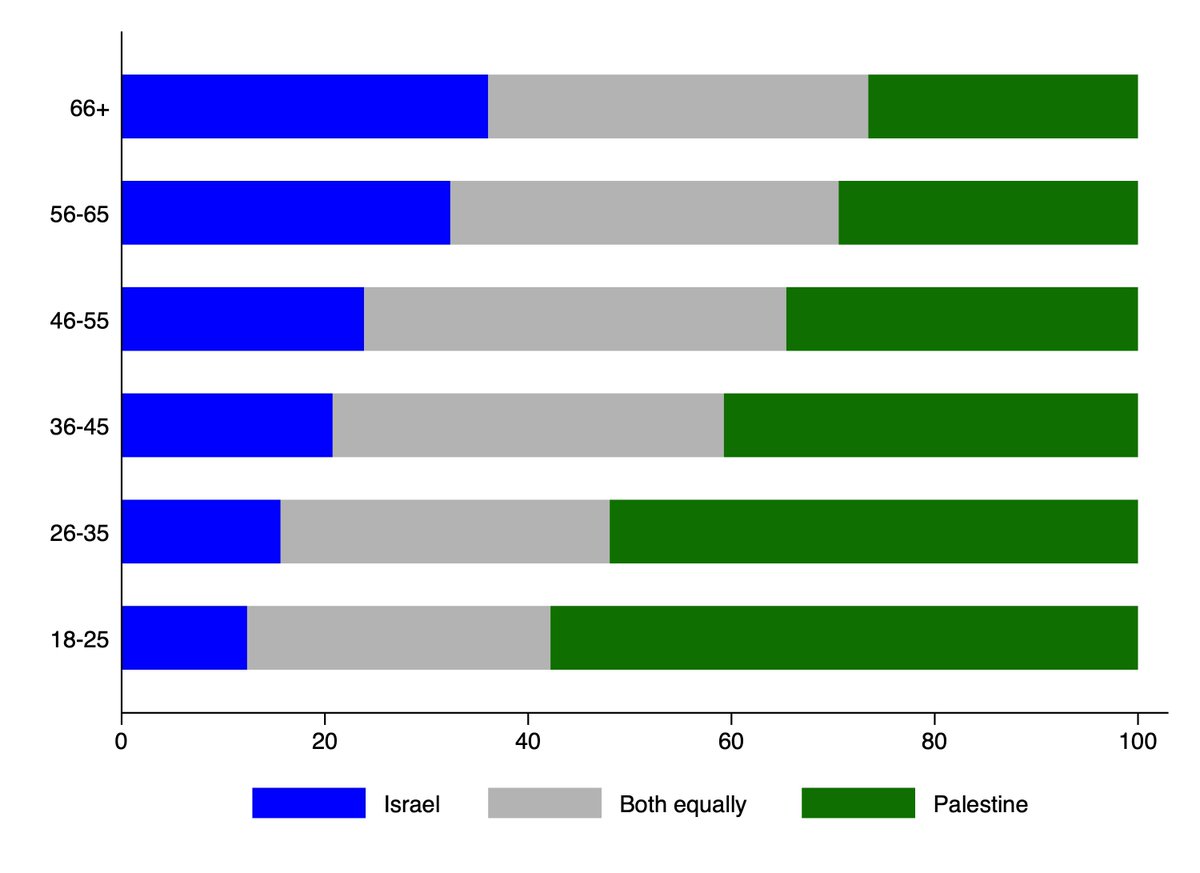
This is what you fund and support with my tax dollars.
English
(((Cazador-de-Chimba))) 🇦🇺 🖖
3.7K posts
@Cazador_Chimba
mi billetera es gruesa







Probably no more than 10% of the American professoriate are unreconstructed Marxists. Many more are Marxist-adjacent and like to strike the pose. The more interesting fact is that in 2026 most academic departments would be more comfortable hiring a Marxist than a Republican.





🚨 NEW: A Government review has found employers must adapt to the "bedroom generation" of unemployed 16-24 year olds by offering more flexibility It says they're "not snowflakes or faking it" and their anxiety and depression is linked to growing up on social media [@thetimes]


This is so incredibly good: Economist Joseph Schumpeter warned that capitalism weakens when prosperous societies become so comfortable they forget where prosperity came from – and begin resenting the entrepreneurial class that created it. A country might survive high taxes for periods of time. What becomes dangerous is something deeper: the moral suspicion of ambition itself. The creeping belief that commercial success is inherently exploitative, that profit is morally dubious, or that founders should quietly accept punishment for surviving years of uncertainty. Prime Minister Anthony Albanese and Treasurer Jim Chalmers should think carefully about the signals embedded in this budget. Tax policy communicates values. This budget signals that founders are not viewed as partners in national prosperity, but simply reservoirs of revenue whose success is viewed with suspicion... Civilisation advances because some people are willing to bet on tomorrow before tomorrow exists. Australia should be doing everything possible to encourage those people to build businesses here. Because once a society begins treating ambition as something suspect rather than admirable, it eventually discovers that no nation can remain prosperous after teaching its most ambitious people that they are unwelcome. afr.com/politics/feder…

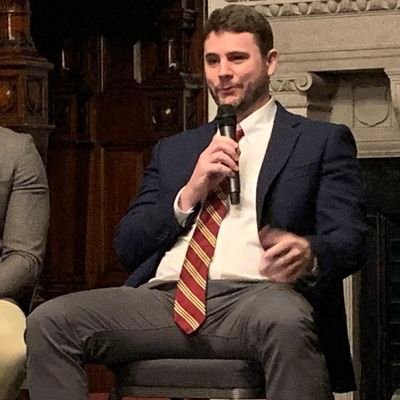



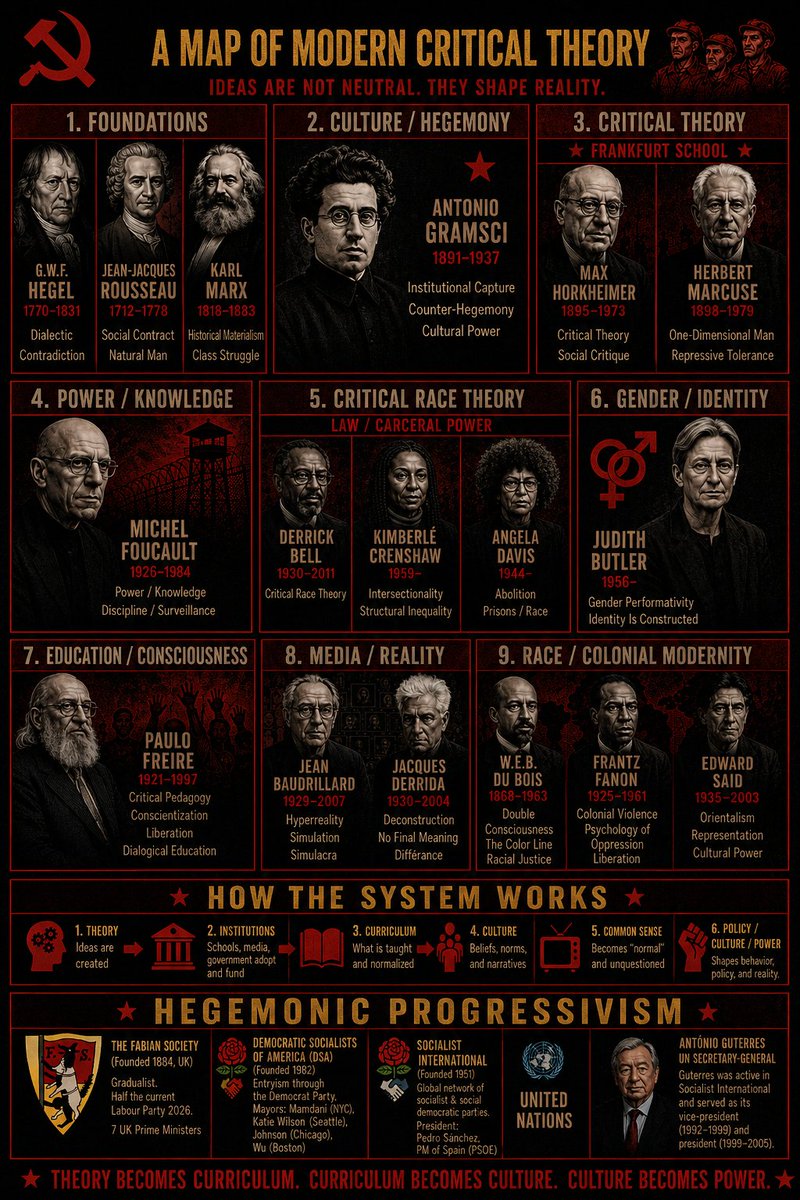
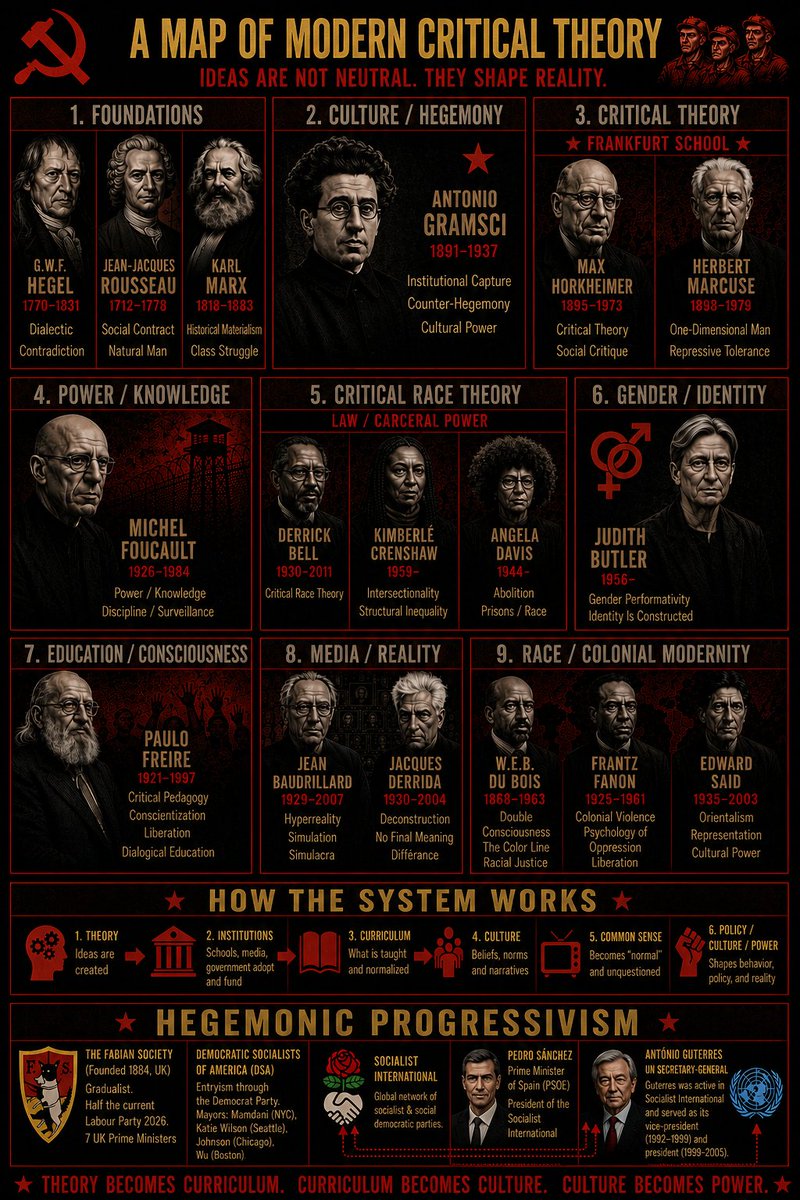
By the 1930s many Western intellectuals reluctantly realised that classical Marxism had failed and the proletariat wasn’t revolting. But then a group of exiled German Marxists led by Max Horkheimer, Theodor Adorno, Erich Fromm and Herbert Marcuse decided to change the battlefield. Instead of economics, they targeted the “cultural superstructure”: family, religion, tradition, sexual norms and the very idea of objective truth. Their weapon was Critical Theory - a relentless campaign of negative criticism designed to portray every Western institution as inherently oppressive and capitalism as not just economically flawed, but psychologically and morally corrupt. Marcuse gave the strategy its most powerful tactical manual in his 1965 essay “Repressive Tolerance”: true liberation, he argued, required “liberating tolerance” - tolerance only for progressive ideas and outright intolerance for conservative or “regressive” ones. Free speech, in other words, was only legitimate when it served the revolution. The intellectual poison of the Frankfurt School was extraordinarily influential and as its graduates and intellectual heirs colonised universities, media, NGOs and corporate HR departments, Critical Theory evolved into today’s identity politics, DEI mandates and cancel culture - a cultural Marxism that attacks the individual in the name of group grievance. What began with a small circle of German émigrés in the 1930s now shapes the moral vocabulary of much of the Western elite. The result has been a softer, more pervasive authoritarianism: the dictatorship of the politically correct.