Edgar Kaiser retweetledi

Edgar Kaiser
416 posts

@Edgar_k2000
25 year old human rights lawyer endeavoured to fight against human rights violations.

Dear PM @narendramodi, yesterday you introduced FCRA amendment bill which is essentially an asset grab by stealth attempt. Now, I am not sure if you've read the bill, or had your typical photogenic look at the pages. Whatever the case may be, you may educate yourself by reading what is written below. This bill transforms regulatory oversight into a mechanism for potential asset appropriation, operational takeover, and selective enforcement, under broadly defined and politically controllable standards. An Act Full Of Perverse Incentives 1. Asset Capture Mechanism Section 16A(2): Assets created even partly from foreign contribution vest wholly in the Designated Authority. This creates a powerful incentive for the state to pursue technical or minor violations to trigger cancellation/surrender and capture high-value infrastructure (buildings, hospitals, schools) that may have been primarily funded domestically Organizations that blend foreign and domestic funding face disproportionate risk: a small foreign grant could jeopardize entire assets. 2. Delaying The Renewal Certificate cessation under Section 14B triggers provisional vesting. If a "fresh certificate" is not obtained within a "prescribed period", assets become permanently vested. Now administrative delays (deliberate or otherwise) in processing renewals could be used to engineer permanent vesting a "death by procedure" risk. Government can actually delay the renewal to take over the assets!!! 3. State Takeover of Activities Section 16A(3)(b) permits the Designated Authority to "undertake the management of activities of the person" if deemed expedient in public interest. This effectively enables state operational control of NGOs under the guise of asset supervision without requiring any proof of wrongdoing. 4. Prohibition on Repurchase - Way to help your cronies Section 16A(6) proviso bars original functionaries (or anyone acting on their behalf) from acquiring assets disposed of by the Designated Authority. Even if assets are sold at fair market value, the original creators cannot bid eliminating market fairness and potentially depressing asset values to benefit state-connected buyers.

A final-year law student, Rishi Kumar from Tamil Nadu National Law University, refuses to delete his blog criticising the Supreme Court… despite pressure from his own university. Why? Because the administration allegedly received calls from advocates, judges, and others claiming the post harms the institution’s “reputation.” The blog titled “The Supreme Court of India Has No Spine” questioned the court’s decision to ban an NCERT textbook chapter on judicial corruption. But here’s the real issue: A law student is being told to silence himself… for expressing a legal opinion. His response? Clear and powerful: “My opinions are mine… you do not own my voice or my conscience.” He even said he’s ready to face disciplinary action rather than back down. This isn’t just about one blog. This is about academic freedom vs institutional pressure. If law students… the future of the judiciary are discouraged from questioning the system, then who exactly is allowed to question it? Criticism of institutions ≠ disrespect. Silencing criticism = weakening democracy.





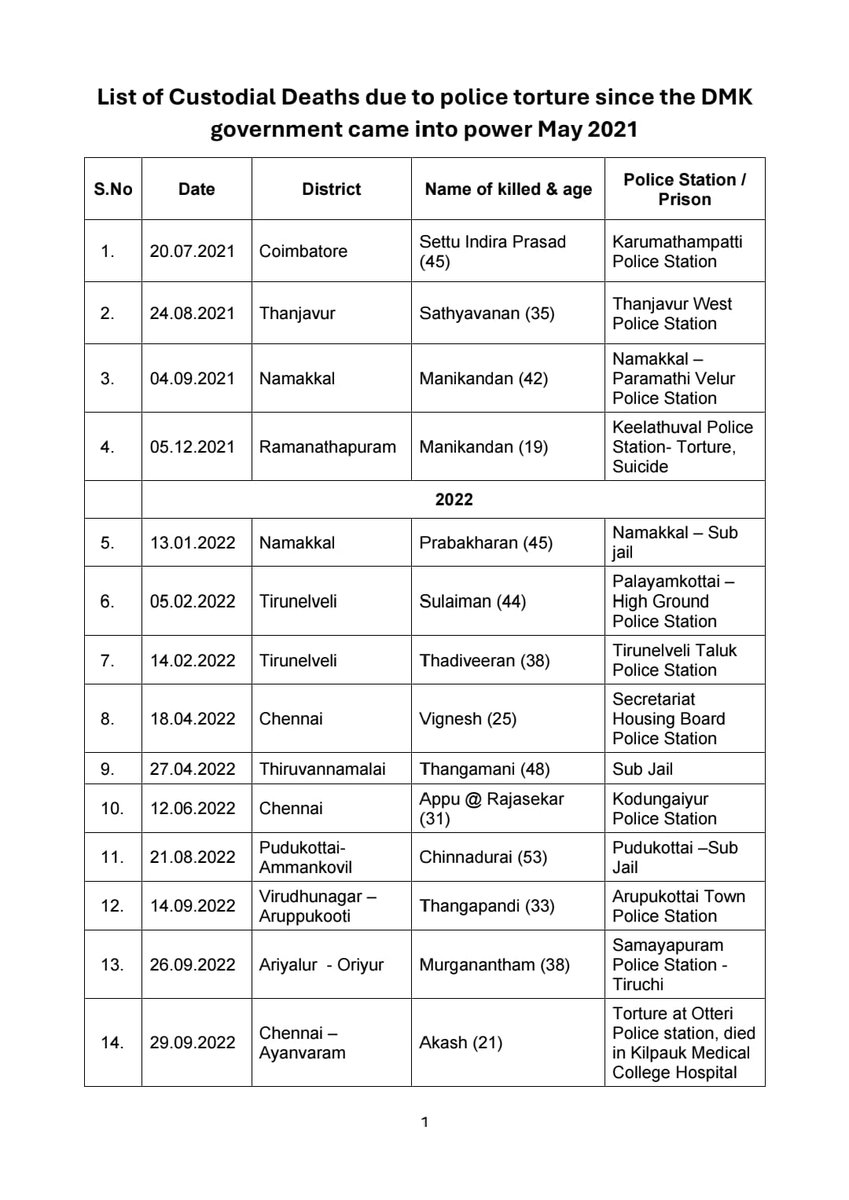
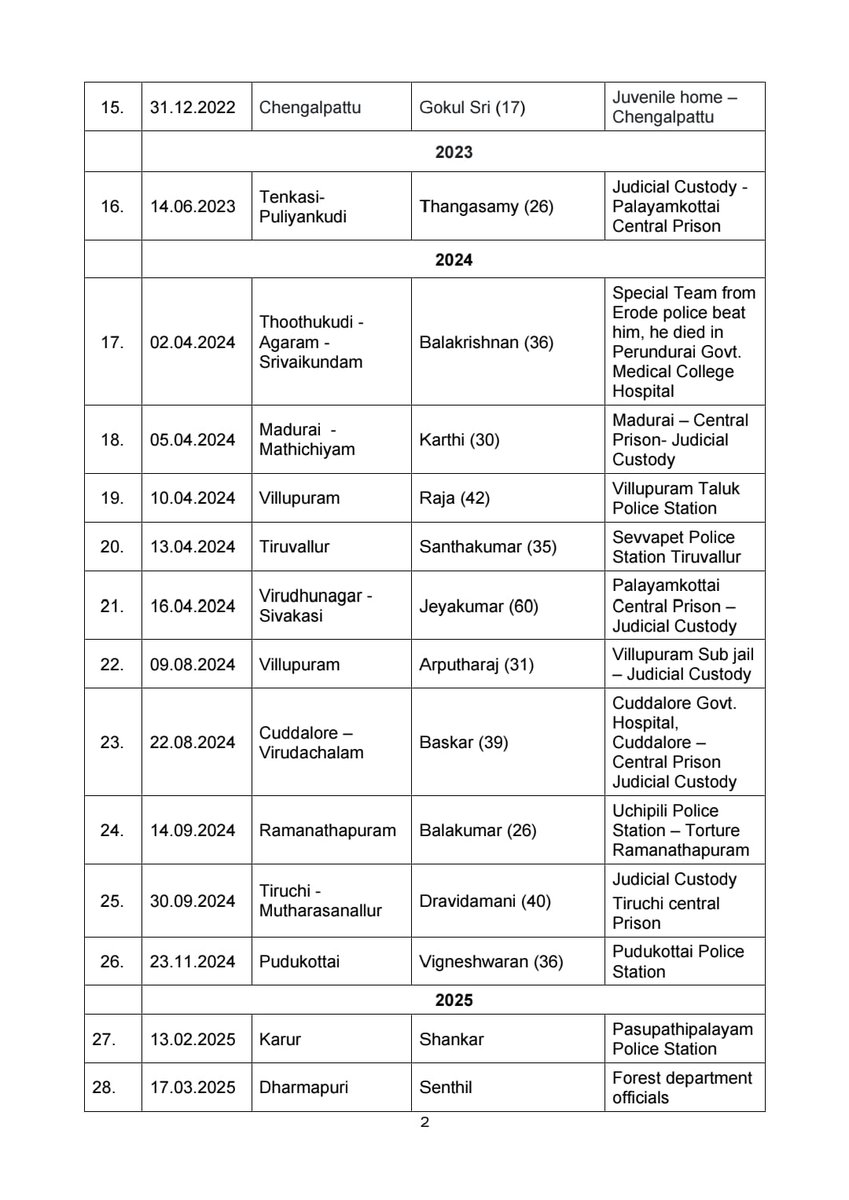
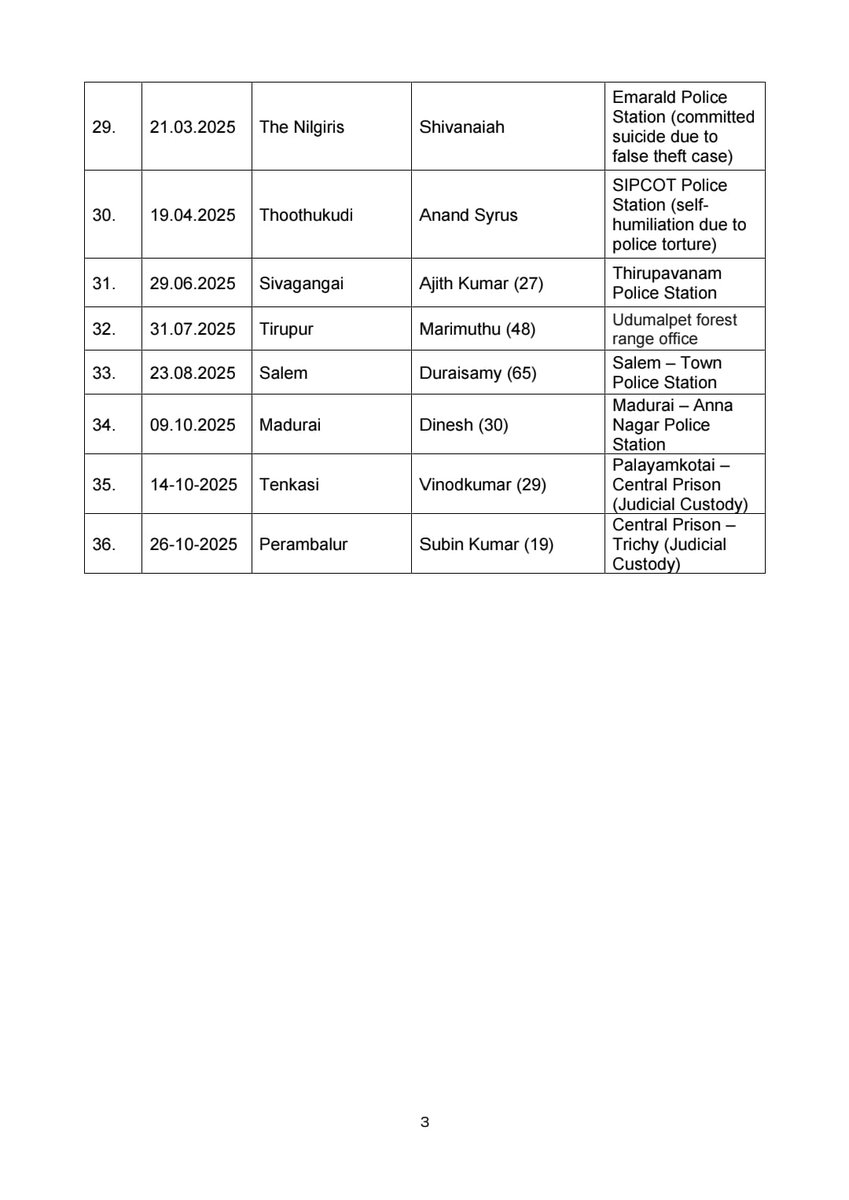
26வது காவல் மரணம். தலித் வகுப்பைச் சேர்ந்த ஆகாஷ் (26) மானாமதுரை காவல்துறையினர் சித்திரவதையால் இன்று (08.03.2026) மரணம். வழக்கறிஞர் ஹென்றி திபேன் கண்டனம். @tnpoliceoffl @jaacttn @CMOTamilnadu @tnpoliceoffl @svgsocialmedia @SouthZoneTNpol @svgsocialmedia @thinak_