Polycarp's Smoldering Ghost

1.1K posts

Polycarp's Smoldering Ghost banner
Polycarp's Smoldering Ghost

Polycarp's Smoldering Ghost

@Ingathewinger

Increasingly less optimistic

Out on the wing Katılım Ağustos 2012
292 Takip Edilen129 Takipçiler
Aris Roussinos
Aris Roussinos@arisroussinos·
If you live in London, you should know that Brân (raven), son of Llŷr, had his head, lopped off in a battle with invading Irish, buried on Tower Hill to protect the kingdom, at which Branwen died of a broken heart. This is England’s deep mythology too.
Aris Roussinos@arisroussinos

Everyone in Britain is heir to an extremely complex & ancient Celtic mythological cycle of native gods & heroes, just like Ireland, but set in the country in which they live, yet the British educational system actively ignores it. I doubt 1/10000 children could name a British god

English
20
51
935
88.2K
Derek Thompson
Derek Thompson@DKThomp·
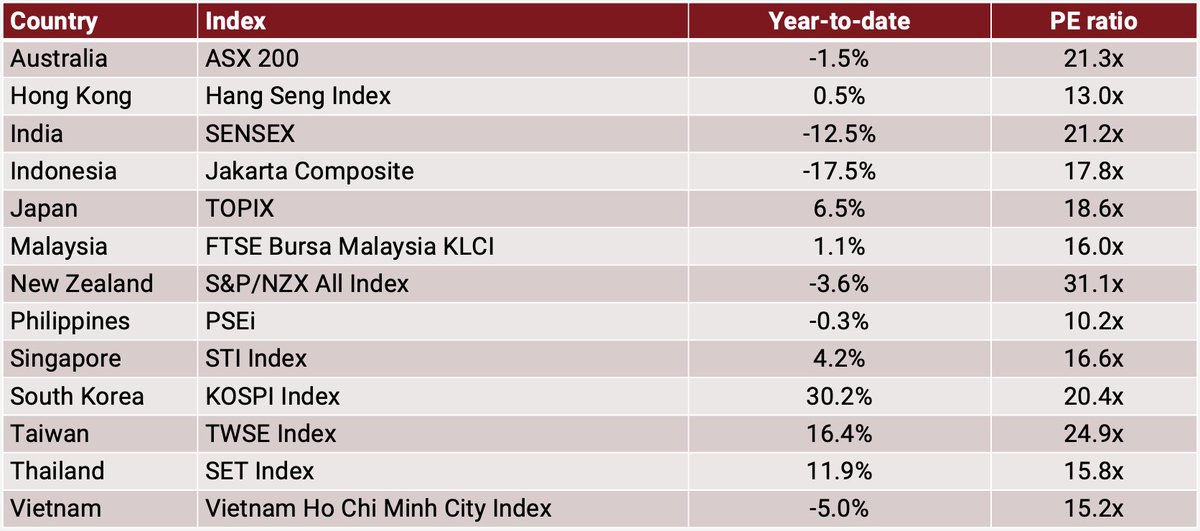
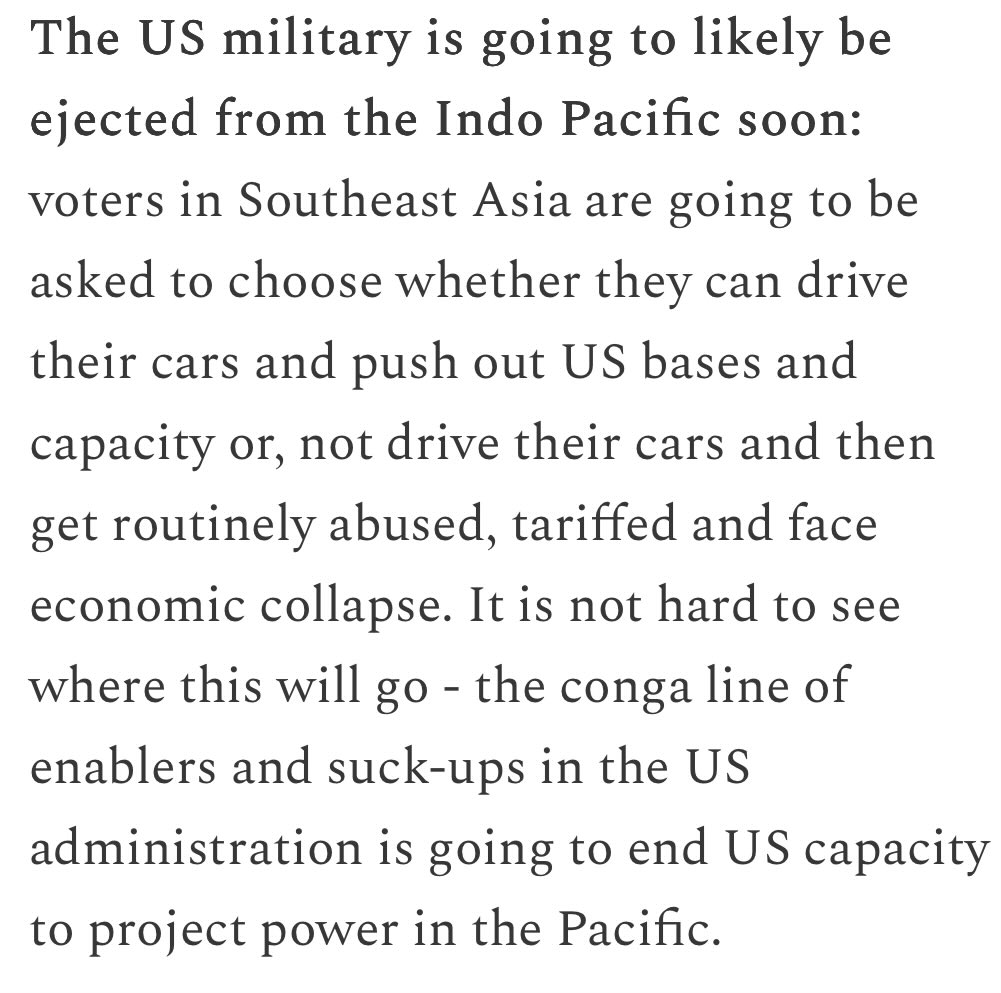
America’s foreign policy toward Southeast Asia under Trump has been: 1. Slap them with the some of the highest tariff rates in the world 2. Launch Section 301 investigations of their trade practices 3. Create a global energy and commodities crisis that singles them out for special pain bc of the region’s reliance on Strait of Hormuz The scenario below is dark, dark, dark … but we have basically waged slow-motion economic warfare against our allies in one of the most important regions in the world. (via @alexbhturnbull)
Derek Thompson tweet media
English
29
162
817
81.1K
Polycarp's Smoldering Ghost
Polycarp's Smoldering Ghost@Ingathewinger·
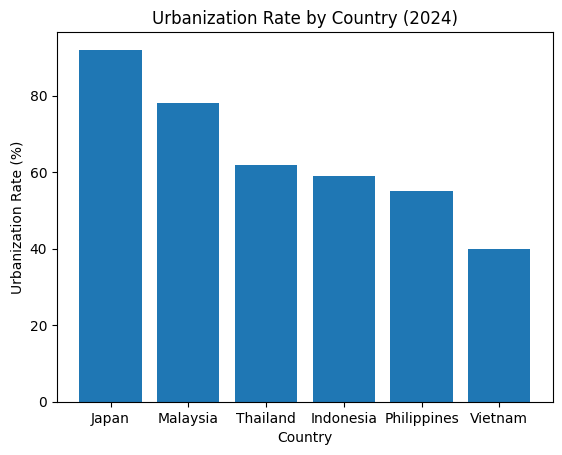
@DatFollowButton @phl43 Small neighbourhoods of KL and Penang are mini Singapore but large swathes of the country are akin to Vietnam. Klang Valley is a 9m megalopolis. It’s government is similarly patchy in competence.
English
0
0
1
247
Polycarp's Smoldering Ghost
Polycarp's Smoldering Ghost@Ingathewinger·
@MichaelARothman @TheBondFreak “Europeans never agree to go anywhere near a conflict unless they think the winning side has already been determined.” What has he been studying? The 20th century was basically Europeans starting wars and American entering late to join the winning side.
English
0
0
0
122
M.A. Rothman
M.A. Rothman@MichaelARothman·
𝗩𝗗𝗛: 𝗧𝗛𝗘 𝗦𝗜𝗚𝗡𝗔𝗟𝗦 𝗔𝗥𝗘 𝗔𝗟𝗟 𝗣𝗢𝗜𝗡𝗧𝗜𝗡𝗚 𝗧𝗛𝗘 𝗦𝗔𝗠𝗘 𝗗𝗜𝗥𝗘𝗖𝗧𝗜𝗢𝗡. Victor Davis Hanson has spent fifty years studying how wars end. When he says the tide is turning, it's worth listening to why. His argument isn't based on what the Pentagon is saying. It's based on how everyone else is behaving. 𝗧𝗵𝗲 𝗘𝘂𝗿𝗼𝗽𝗲𝗮𝗻𝘀. VDH's rule: Europeans never agree to go anywhere near a conflict unless they think the winning side has already been determined. They didn't help in the early days. Now they're starting to move. That movement is not idealism. It's a calculation. They've looked at the battlefield and decided which way this ends. 𝗧𝗵𝗲 𝗚𝘂𝗹𝗳 𝗽𝗲𝘁𝗿𝗼-𝗻𝗮𝘁𝗶𝗼𝗻𝘀. The Saudis, the Emiratis, the Qataris — these governments have survived for generations by reading the regional climate with precision. When they expel Iranian military attachés, when they intercept Iranian missiles over their own capitals and say nothing about American strikes, when the UAE reaffirms its $1.4 trillion investment commitment to the United States mid-war — they are not making ideological statements. They are placing bets. And they are betting on the United States. 𝗔𝗹 𝗝𝗮𝘇𝗲𝗲𝗿𝗮. This is the one that should stop you cold. Al Jazeera — the Qatari state media network, historically critical of American military action, the network Tucker Carlson and the anti-war right love to cite against Israel — is now calling the U.S. bombing campaign brilliant and effective, and saying it has been underestimated. When the media outlet of a nation that hosts both the largest American air base in the Middle East and a Hamas political office starts praising American military effectiveness, the message is unmistakable: 𝘵𝘩𝘦𝘺 𝘵𝘩𝘪𝘯𝘬 𝘸𝘦'𝘳𝘦 𝘨𝘰𝘪𝘯𝘨 𝘵𝘰 𝘸𝘪𝘯. 𝗧𝗵𝗲 𝗺𝗶𝗹𝗶𝘁𝗮𝗿𝘆 𝘀𝗶𝗴𝗻𝗮𝗹. A-10 Warthogs and Apache helicopter gunships are now flying strike missions in Iranian airspace at will. VDH's point: you only deploy those aircraft when there is effectively no air defense left to threaten them. They are slow, low-flying, close-support platforms. Their presence confirms what the Pentagon has been claiming — Iran has no meaningful air defense remaining. Iran's strategy now is rope-a-dope. Run out the clock. Wait for American public opinion to shift. Hope the midterms create political pressure on Trump to stop. It is the only play they have left. VDH's conclusion: if Trump sees it through — and he believes he will — the regime falls. Not in years. 𝗣𝗿𝗲𝘁𝘁𝘆 𝘀𝗼𝗼𝗻. 𝗪𝗮𝘁𝗰𝗵 𝘄𝗵𝗮𝘁 𝗽𝗲𝗼𝗽𝗹𝗲 𝗱𝗼, 𝗻𝗼𝘁 𝘄𝗵𝗮𝘁 𝘁𝗵𝗲𝘆 𝘀𝗮𝘆. 𝗘𝘃𝗲𝗿𝘆𝗼𝗻𝗲 𝘄𝗶𝘁𝗵 𝘀𝗸𝗶𝗻 𝗶𝗻 𝘁𝗵𝗲 𝗴𝗮𝗺𝗲 𝗶𝘀 𝗯𝗲𝘁𝘁𝗶𝗻𝗴 𝗼𝗻 𝗔𝗺𝗲𝗿𝗶𝗰𝗮.
English
1.1K
9.5K
32.1K
2.2M
Policy Tensor
Policy Tensor@policytensor·
It’s not just Hormuz. Consider the Iranian power revealed in this war. It has absorbed an all-out attack by the US and Israel, including a deep decapitation attack that removed the top few levels of leadership of the main organs of the state, and not only lived to tell the tale but stayed in the fight. Despite absorbing this massive attack at the heart of the nation-state, Iran has basically wrecked all US bases in the region, pushing US forces back a thousand miles. It has partially blinded US forces by taking out so many (all?) US radars in the region, so that the US is forced to rush E-3 recon planes to do the battlefield recon on which modern military ops depend. It has downed a number of US drones, warplanes and aerial refueling tankers. It has attacked every state across the gulf simultaneously, and intimidated them all to eat the punishment. It has kept up the punishment of Israel, with most of the damage suppressed by Israeli censors, which seems to have been considerable. It is sustaining the largest missile and drone attack in history that shows no sign of slowing down. It is likely to keep going for a lot longer than people suspect. It has destroyed a dozen or so ships in the gulf. It has established effective control over the Strait of Hormuz, and started to impose cumulating costs on the US and its allies. It has allies and proxies in Iraq and Lebanon who are doing real damage to the enemy. It has conducted at least one successful cyberattack so far. And it holds lots of escalation options in reserve: the Houthis, the land threat, more damaging targeting options, and asymmetric threats. Not to mention the implied threat of an insurgency war, deterring an invasion by US ground forces. You have to understand that a country that can do all this under an all-out attack by the United States is a formidable power. British, France or Germany are not capable of this. If you have not been surprised and impressed, you are not paying attention.
Policy Tensor@policytensor

Agree with most of your argument @ProfessorPape. But you’re mistaken to think that the US can walk away and book a limited loss. Walking away is not an option. It would leave Iran in firm control of Hormuz, and, in effect, as the regional hegemon of the gulf, as @gideonrachman but it this morning. So, war termination is not a solved problem here by any means. In fact, even if Witkoff can secure a ceasefire with the Iranians (which means he would have to cede a whole lot), that would still leave Iran with a gun cocked at Hormuz permanently. Short of occupying Iran and emplacing a pro-Western puppet regime, there are no decisive solutions here at all. A potential partial solution is to bring Iran back into the international system; make it sign up for an inspection regime; and lay down a progressive pathway towards full sanctions relief. The goal would be to moderate Iranian behavior and dissuade proliferation. As for the Hormuz weapon, which had been latent all along but is now manifest. The genie is out of the bottle and cannot be funneled back in. All that can be done is turn the knob off sooner rather than later; then bracket it and move on. I see no reason why its existence cannot be forgotten, given the standards of the Western press.

English
114
822
2.9K
235.6K
stephen
stephen@stephenlondoner·
@GrayConnolly This seems antithetical to the thesis of his book donkeys where he argued leadership of the British Army was poor in the first world war
English
1
0
2
356
Polycarp's Smoldering Ghost
Polycarp's Smoldering Ghost@Ingathewinger·
@MikeFritzell In all of them. But have to stock pick not market pick. Philippines stands out for retail guys because liquidity is not a constraint for those investors as it is for institutional.
English
0
0
2
176
Polycarp's Smoldering Ghost
Polycarp's Smoldering Ghost@Ingathewinger·
@Mauerback The oil shock of the 70s is why the US and other major importers like Japan have SPRs. It buys time for a resolution
English
1
0
1
12
Marshall Auerback
Marshall Auerback@Mauerback·
telegraph.co.uk/gift/4781cce42… Not to sound too Pollyannish, but the oil price shock today is nothing compared to the oil shocks of 1973 and 1979, where the intensity of oil usage was far greater, and the US was a huge net importer of oil.
English
1
0
1
160
Andreas Steno Larsen
Andreas Steno Larsen@AndreasSteno·
@TheBTCTherapist On a serious note: it would take 10.000 trucks pr VLCC It would require a logistical exercise of bibilical proportions Next suggestion please
English
25
4
149
10.3K
Polycarp's Smoldering Ghost
Polycarp's Smoldering Ghost@Ingathewinger·
@MikeFritzell And the Proton and Perodua cars - the local car is a cheap option. Also low roadtax and the lack of MOT and you get old bangers on the road long after they should be scrapped. Finally no enforcement on insurance - half the cars are 4wheel naked shorts
English
4
0
3
522
Polycarp's Smoldering Ghost
Polycarp's Smoldering Ghost@Ingathewinger·
@Geiger_Capital And America. Other than Germany, no one worked harder to damage Britain over the past 100+ years. The fact most Brits think we have a special relationship is pure stockholm syndrome.
English
0
0
0
4
Citrini
Citrini@Citrini7·
Rooting for the immediate v shaped recovery in KOSPI/Nikkei but, in my experience, violent deleveraging events are seldom limited to a single session. Held off on any aggressive dip buying today.
English
36
63
1.1K
318K
Trinh
Trinh@Trinhnomics·
In Asia, Thailand and South Korea have the highest GDP exposure to imported oil & so the violence today in Korea and Thai markets reflects fear how that will play out. Note that this is negative for Asia in general but some more than others. The first shock is energy, next comes food. India and the Philippines have deficits in oil and also current account deficits so while their net oil position is less short as a share of GDP than Thailand or Korea, their financing of it is more dependent on foreign flows.
English
23
238
979
75.4K
Polycarp's Smoldering Ghost
Polycarp's Smoldering Ghost@Ingathewinger·
@bubbleboi Foreigners have been net sellers of Korea for the past 2 months. It has been Korean retail - late to the party - that has driven the parabolic move since November. They are getting margin called.
English
0
0
4
466
bubble boi
bubble boi@bubbleboi·
What many people are not understanding about Korea’s sell off is it’s not primarily about an oil shortage or a gas one. It’s the second order effect of the dollar spiking. All oil in the world is traded and priced in dollars, which means if all other variables are kept the same, a spike in oil prices means demand for more dollars. Now if there is a REAL shortage being telegraphed for a crucial commodity the dynamics are EVEN worse. There’s a rush to convert local currencies to dollars to buy the commodity before it can’t be sourced anymore. Every macro trader knows this… but how is this effecting Korean markets? We have to add some color the current environment. The inflows into EWY and Korean stocks have been huge over the past 6 months but this is mainly being driven by foreign capital. The clearest evidence is the won, which has lost over 6.5% of its value against the dollar in that same window. And unlike Japan where yen weakness is primarily a carry trade and BoJ policy story, Korea’s currency pressure is more directly tied to this foreign equity unwind. When you compare the indices Taiwan is doing a lot better than Korea, reflecting the massive appetite for Korean stocks which have been inaccessible to foreign investors for decades and are just now starting to open up. Korea does import nearly all of its energy, so higher oil prices in a stronger dollar environment means the import bill is getting squeezed from both sides simultaneously. But so does Taiwan & Japan which imports 98% and 97% of their energy respectively. If you then look at the semiconductor side of the equation, oil isn’t actually the most critical input. The energy exposure is real, but it’s not the existential supply chain risk for chips like high quality quartz is… Meanwhile NAND prices are forecasted to surge 85-90% quarter-over-quarter in Q1 alone which means these companies will be producing record profits as the exploit their own shortage. So I say this all to say that this is a repricing shock, not a structural break in the memory thesis. A stronger dollar with a weaker won is exactly what a powerful export nation like Korea wants. They get to pay labor in a cheap local currency and get paid by Apple, Nvidia, etc. in a very valuable one. The energy import pain is transient but the export advantage is structural and becoming stronger. So I say this all to say buy the fucking dip! Borrow if you have to. 🫡
bubble boi tweet media
English
13
21
283
48.2K
goldenlabubuwatch
goldenlabubuwatch@pandawatch88·
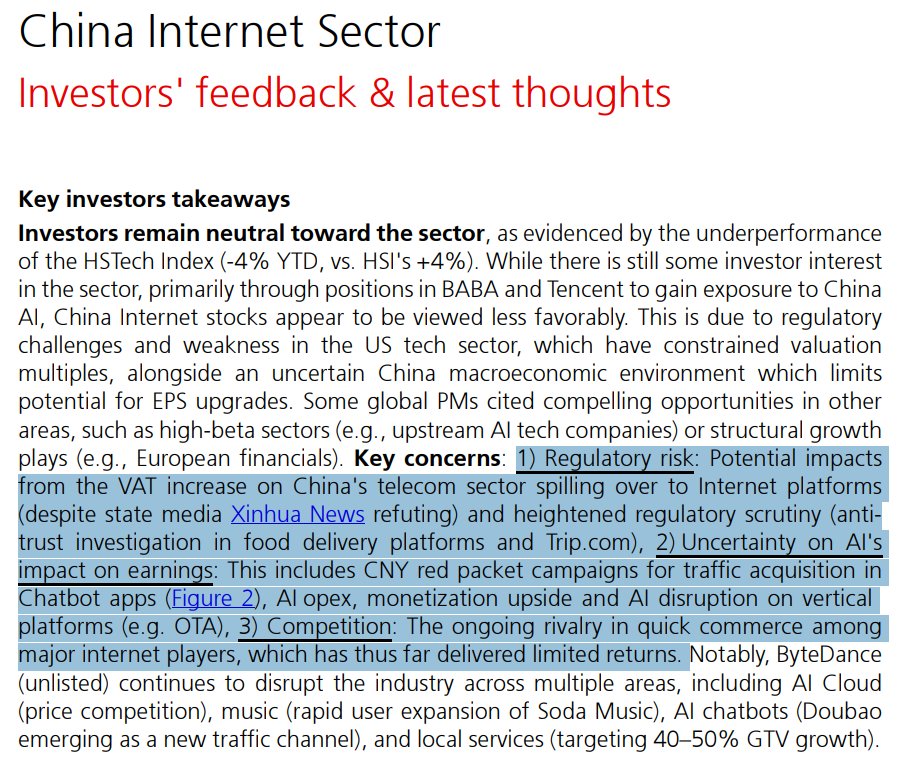
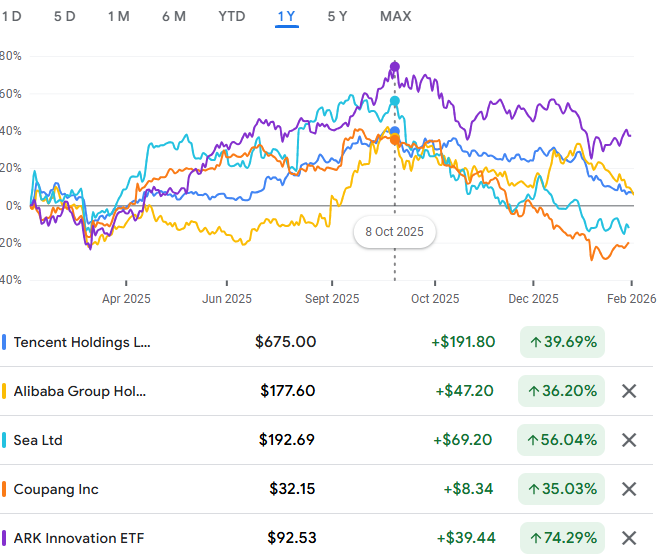
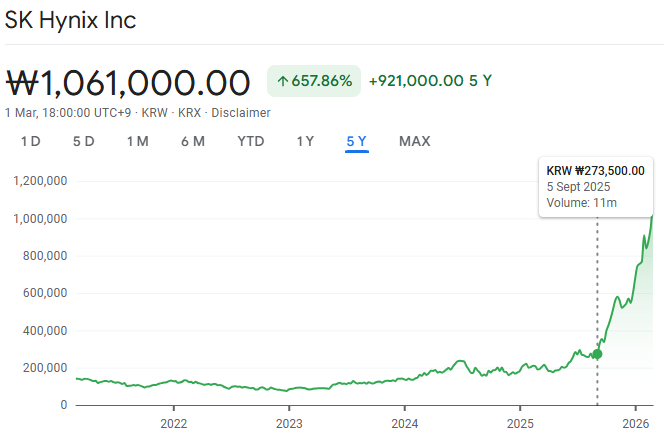
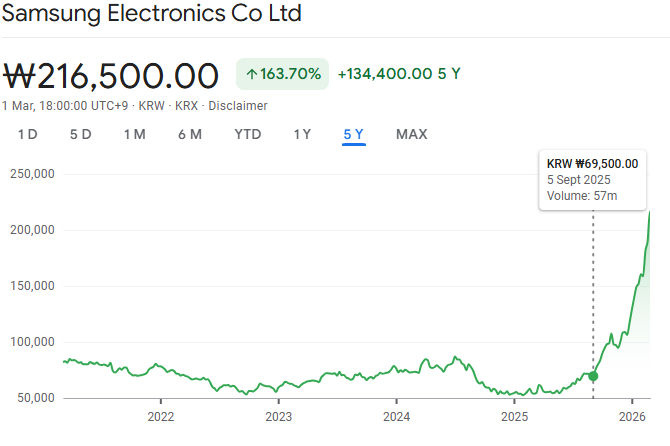
It is funny to see how we build these very thoughtful stock/industry specific narratives (see UBS investor feedback note on China internet) to explain price, when in reality the explanations may be a lot simpler. Many global stocks peaked end of September and are down since. Instead of looking at them as a group, we look at them separate, each in our little parcel of land, and come up with something to explain "what's going on" (saying "no idea" to your clients is unacceptable). -Why Tencent down? because late to AI.. -Why BABA down? because ecommerce wars.. -Why Coupang down? because of data breach.. -Why Meli down? because of heavy spending on logistics.. -Why Bitcoin down? because gold up.. -Why Grab down? because ride hailing profitability.. -Why SEA down? because of TikTok shop competition.. -Why ARKK down? because whatever.. -Why Nvidia down? (though that one, being the strongest, peaked the latest a month later) because... whatever But if you take 10 steps back, perhaps everything is down because they had to be sold. Sold why? to buy something else: SK and Samsung, which started to go parabolic in September, and every EM manager and global tech manager had to chase. So either that, or bad luck that all the above 10 different global issues related to regulators, competition, macro, operational, came together at the end of September.
goldenlabubuwatch tweet mediagoldenlabubuwatch tweet mediagoldenlabubuwatch tweet mediagoldenlabubuwatch tweet media
English
7
4
54
4.6K