Minicircle

52 posts

Minicircle banner
Minicircle

Minicircle

@MinicircleDNA

Plasmid gene therapy for health and wellness ❤️

Austin, TX Katılım Mart 2024
60 Takip Edilen1.1K Takipçiler
Minicircle
Minicircle@MinicircleDNA·
@AbudBakri Great history of BPC-157, the world's most popular peptide!
English
1
0
0
79
Abud Bakri MD
Abud Bakri MD@AbudBakri·
The Truth about BPC-157: Why it isn’t FDA Approved and Why It Will Never Be BPC-157 is one of the hottest compounds on the market right now with many people, especially in the bodybuilding and functional medicine space swearing by its beneficial effects for gut health and joint healing, among a whole host of other proposed possible benefits. It is not however, a FDA approved pharmaceutical. Clinicians are prescribing it through compounding pharmacies without a clear, approved indication and people are buying it as a “research chemical” for “not human consumption” online.  After ending up on the FDA “do not compound” list in late 2023, sources of injectable BPC have become scarce.  Some have relabeled it as Pentadecapeptide Aringate or PDA (changing the acetate to an arginate) and are prescribing it for subcutaneous administration that way, while the confusion about its status has led to a vibrant oral capsule market for BPC in what appears to be a grey area of legality.  (did the FDA accidentally make this into an OTC supplement by adding it to the do not compound list?) So if it's so effective, why is it not approved by the FDA for human use? Is there some sort of conspiracy against “good” medicines that have potential to “heal” by big pharma? Are they worried it may cut into the profits of their other drugs, such as NSAIDs, PPIs, and biologics? While those who stand to profit from BPC-157 sales on the internet would have you believe that, the answer is no. As far as I can tell in my deep inquiry there is no global conspiracy against BPC-157. There are, however, simple economics of drug development processes that make it so BPC-157 likely will never go through the full process of drug approval because of financial incentives. I would even venture to believe that a pharmaceutical company like Merck would LOVE to have the exclusive rights to BPC-157. However, because of the patents being filed and the way patents work on small peptides, pushing BPC through the entire FDA product, which would cost millions of dollars, is not going to happen. Let’s look at how we got here: BPC-157 is not new.  Croatian researchers isolated the full, larger peptide BPC in 1998 from gastric juices and found the 15 amino acid sequence, BPC-157 to be the active part responsible for its clinical effects (the story of how it was discovered is fascinating, but that is a conversation for a different day if there is enough interest, let me know below). The first human safety study on health volunteers was conducted in 2002 and a “phase 2” double blind, randomized clinical trial (small and not sufficient for US phase 2 purposes) was conducted in 2005 with BPC-157 enemas for ulcerative colitis, with some promising effects (see research name PL 14736 to find the references).  Yes, there were human studies with BPC-157 showing no known adverse effects and safety, however since those two initial trials it appears almost all the data has been in animal models, with a few, small studies here and there for human use. If only 10% of the animal data on BPC-157 ends up being valid and applicable to humans, this is a blockbuster drug/compound that has great potential for human use.  But this also may be part of the problem of pushing BPC through regulatory constraints (yes BPC-57 is suffering from success). To get a drug FDA approved, a company must conduct phase 1, 2 and 3 clinical trials proving safety and efficacy of the compound through a laborious, multi year and extremely costly process.  We’re talking a decade or more and hundreds of millions of dollars.  The drug needs to be proven to work for a specific disease indication to get approval, while BPCs effects seem to be pleiotropic and the research cannot seem to focus on one, singular disease case to focus on. Diagen is the company that currently owns the BPC-157 US patent (the European patent is expired), which was filed in 2012, approved in 2017 with an expected expiration of 2033.  These are all the conditions listed in the patent: Conditions and Disorders: 1.    Stress-Related Diseases & Disorders 2.    Gastrointestinal Conditions •    Ulcers in any part of the gastrointestinal tract •    General anti-inflammatory activity •    Gastrointestinal inflammatory diseases •    Crohn’s disease •    Acute pancreatitis 3.    Organoprotective Needs •    Diseases, conditions, or disorders requiring organoprotective activity 4.    Viral Infections •    Hepatitis A •    Herpes strains •    Influenza A •    Arthropod-borne (ARBO) viruses, including: •    Tick-borne encephalitis •    West Nile fever •    Dengue (types 1-4) •    Cytomegalovirus (CMV) •    Lymphocytic choriomeningitis (LCM) virus •    Feline leukemia virus 5.    Oncology & Tumors •    Melanoma and related tumors 6.    Tissue & Wound Healing •    Accelerated healing of wounds, burns, and bone fractures •    Regeneration of ruptured nerve linkages •    Achilles tendon and muscle repair •    Spinal cord injury recovery 7.    Nitric Oxide (NO)-Related Disorders •    Hypertension •    Hypotension •    Anaphylaxis •    Circulatory and septic shock •    Thrombocyte aggregation 8.    Neurological & Autoimmune Disorders •    Multiple sclerosis •    Myasthenia gravis •    Lupus erythematosus •    Neuropathy •    Somatosensory nerve dysfunction •    Asthma •    Rhinitis •    Pemphigus •    Eczema 9.    Neurochemical & Substance-Related Disorders •    Catecholaminergic dysfunction •    Schizophrenia •    Withdrawal effects from amphetamines, drugs, and alcohol 10.    Corticosteroid & NSAID-Related Disorders 11.    Ophthalmological Conditions •    Squamous degeneration of the macula 12.    Vascular & Circulatory Needs •    Conditions requiring rapid reorganization of blood supply 13.    Animal Health & Reproductive Enhancement •    Weight gain in animals •    Increased sperm stability in storage (in animals) 14.    Liver & Pancreatic Conditions •    Hepatic and pancreatic lesions While this list seems impressive, BPC-157 would have a much easier time coming to market if one disease state was focused on and pushed through the regulatory process. Then, more off label uses could be found. So why isn’t Diagen pushing this amazing molecule through regulation if its so effective? Are they cash strapped? It appears so, as they are actually trying to sell the BPC patent. So then why doesn’t another big pharmaceutical company swoop in, buy the patent, and use their exhaustive funds to get BPC FDA approved, then make billions of dollars selling the drug to an already interested market. Because big pharma is evil? Not really. If BPC-157 was purchased today, the patent would likely expire in 2033 before the phase 1-2-3 trials would be completed, at which point all the generic manufacturers would be able to push the product on the back of all the hard work a pharmaceutical company can do (I’m not sure if FDA approval would push the expiration of the patent back, but even then it would not be so financial lucrative). On top of this, the market is already flush with BPC-157.  Why would a company work so hard for this drug when people are getting it cheaply through compounded and grey/black market sources. Diagen seems unable to go after and sue all these people despite owning the patent, while Eli Lily with their deep pockets is going after GLP-1 compounders. To complicate things further, over the last few years, several patents have come up for different use cases and applications of BPC-157.  Because of the way patents for small peptides work, anyone can make a small change to a molecule, adding one amino acid here or there and now have a competing product that would not fall under the patent.  For example,  N-acetylated versions of BPC-157 will likely be pushed through for patent soon.  Why would anyone spend a decade and hundreds of millions of dollars when tomorrow someone will make a small change to it and have their own product? To get it FDA approved would require someone who so believes in the effects of BPC-157 to cough up a nice chunk of cash and support the research for its potential (I’m still bullish) restorative effects.  To get it approved, you would need to: 1. Buy the patent (its for sale) 2. Figure out a specific disease indication to apply for BPC-157 approval 3. Hire a research team to run phase 1, 2, 3 trials The financial incentives make it so that BPC-157 will likely never go through the full FDA approval process, which is a shame given how promising this compound is. It is also a shame given the risk calculations in my mind for these small, short chain peptides is far different than a traditional pharmaceutical drug, given this is, in some ways, replacing/replenishing an endogenous gastric peptide that appears to decrease with age/stress.  Given the human trials in early 2000’s showed no adverse events, despite using enormous doses, and the animal data corroborating this, many practitioners feel comfortable prescribing/recommending BPC-157 (I am not making such a recommendation). The best hope for BPC is that this new regulatory environment allows for oral versions of the peptide to continue as OTC supplements (no GRAS indication has been given) while injectable forms are prescribed with modifications through compounding pharmacies as PDA or N-acetyl-BPC-157.  And if we are lucky, someone with deep pockets will experience beneficial effects of this drug and decide to fund these studies themselves for the betterment of humanity. This could easily go south if new safety concerns were brought forward for oral/injectable forms or impurities in the production by those who are seeking to profiteer off of this compound lead to adverse events.  The large telehealth and compounding companies could fund this research to help people become more comfortable with using this compound. If you’re interested, you can buy the BPC-157 patent here, before it expires early next decade. bpc157.si/bpc-157-stable… In summary: - BPC-157 is a promising compound for different cytoprotective uses - It is not FDA approved for human use - There is not some shadow cabal blocking the use of BPC-157 - Financial incentives make it so that BPC-157 is challenging to push through the regulatory process - It will likely never receive FDA approval, but will be available in some form as oral supplement or through compounding pharmacies, with some modification This is not medical advice.  I am not suggesting you use BPC-157. It is not a FDA approved as a drug and the safety profile is still not clear.  Discuss this with your doctor, with the hope that your doctor is aware of what BPC-157 is or find a doctor that is comfortable with this compound.
Abud Bakri MD tweet media
English
87
213
1.3K
269.2K
Minicircle
Minicircle@MinicircleDNA·
Q: Why do Minicircle treatments last around 1 year? Angelica Giuffre, Minicircle’s Research and Development Manager shares why Follistatin, which is injected into fat cells, delivers benefits for approx. one year. Have other questions? Drop them into the comments below and our science team will answer them.
English
0
0
2
548
Minicircle
Minicircle@MinicircleDNA·
@quintinfrerichs We were founded as a human enhancement company. 🙂 Gene therapies must be broadly available not just to treat or cure disease but to enhance the function and resilience of human consciousness.
English
0
0
0
104
Quintin Frerichs
Quintin Frerichs@quintinfrerichs·
There's a new kind of biotech company in silicon valley, the 'human enhancement company'. I believe this is the next new category of technology company to yield not only a >$100B household name, but to truly uplevel human health and wellbeing. These companies are mission-driven, led by elite founders with high talent-density teams, well funded and focused on more than just treating health conditions. They're working on everything from portable read-write brain interfaces to turning stem cells into human eggs. In 2020 there were ~0 great 'human enhancement companies', in 2025 there are ~5. I've been fortunate to spend the last couple of years co-founding and leading @nudge through its 0 to 1 trajectory, as well as investing in multiple others (@newlimit, @Conception). I think there are somewhere between 1-3 new companies of this quality to be founded in the coming few years, and the opportunity for each is enormous. I am stepping down from my role at Nudge to work fulltime on investing in, incubating and building them. I'll continue to work closely with @FEhrsam to that end and to support Nudge in its mission. So excited about both where the company is today and building this ecosystem writ large.
English
73
61
716
147.4K
Minicircle retweetledi
Parsifal Al-Nafis
Parsifal Al-Nafis@rosicrucial·
Nothing tastes as good as reality feels.
English
0
2
3
748
Patrick Boyle — e/🦀
Patrick Boyle — e/🦀@p_maverick_b·
Has anyone even asked the cells if they wish to be perturbed
English
7
19
231
12.3K
Minicircle
Minicircle@MinicircleDNA·
@lgngrvs @MichaelDmrks Scalable means widely distributable logistics and manufacturing, low cost of production, accessible pricing, low immunologic risk at point of administration.
English
0
0
1
26
michael
michael@MichaelDmrks·
atm im working on figuring out scalable longevity, the work by @MinicircleDNA is a great start, the question is how far we can hit molecular targets with interventions and gain more time to live. living is the most important thing
English
1
0
1
105
Minicircle retweetledi
Patri Friedman 🌆
Patri Friedman 🌆@patrissimo·
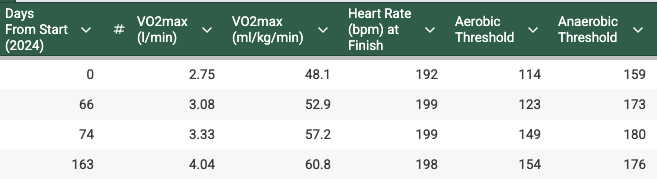
TLDR: The @MinicircleDNA follistatin gene therapy increased my VO2 max by as much in a week as 3 months of training. I'm sharing this due to the doubt I've seen both from anti-tech media & my skeptical, well-intentioned friends like @yashgaroth & @s_r_constantin. I'm not qualified to evaluate the science & I don't have N=many data, but I can speak as an N=1 who saw significant performance impact from this treatment @farbood, @bryan_johnson, @michaelmalice & others got at @ProsperaGlobal. My first treatment was in 2023, and I was expecting mainly muscle growth effects. A week later, my cardio performance improved drastically, in a way that was both unexpected & subjectively unmistakeable: one day I was suddenly running almost 50% longer with the same effort. I later participated in their reversibility study to turn off the gene therapy, and of course afterwards I got the therapy again. The second time, I decided to collect VO2max data before, during, and after. From the baseline first row, you can see that V02max increased by 4.8 ml/kg/min in 2 months of training; 4.3 in one week after the therapy, and another 3.6 in 3 months of training. These differences exceed the expected 2%-5% per-trial variation of 1-3 ml/kg/min. I get the skepticism (it's a new treatment and there's little public data), and I think it's healthy to have doubt and pushback from those with high integrity like Max & Sarah (though I could do without the clickbait tech-hating MSM). But when I read things insisting this therapy can't do anything meaningful, I know from direct personal experience that this is simply not true. I encourage anyone else doing this therapy to collect similar data and report back - my DMs are always open 🙏.
Patri Friedman 🌆 tweet media
English
17
13
162
62.6K
Minicircle
Minicircle@MinicircleDNA·
Another reason to go to Cabo for your next vacation: Minicircle’s Follistatin is now available at Proactive Longevity, one of Mexico’s leaders for longevity treatments and comprehensive wellness solutions. 
 Learn more and book your appointment at minicircle.io.
Minicircle tweet mediaMinicircle tweet media
English
1
0
3
648
Minicircle
Minicircle@MinicircleDNA·
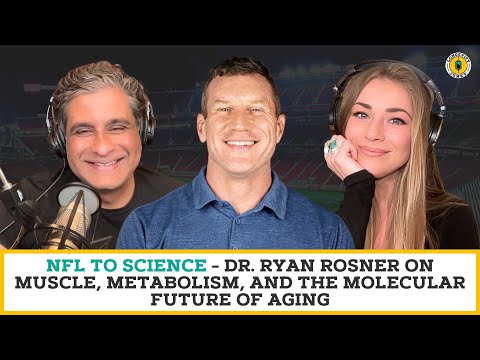
We’re lucky to have Ryan Rossner on our team as Chief Research Officer. As an athlete turned scientist, he brings a unique perspective to the longevity space — one that’s rooted in rigor and curiosity. On the podcast @Wellpower last winter, Ryan shared about his background, work with Minicircle, and hopes for the future of biohacking and longevity. It’s worth a listen!
Minicircle tweet media
English
0
0
4
490
Minicircle
Minicircle@MinicircleDNA·
RAADfest 2025, hosted by @RLECoalition, was a success! We had a great time in Vegas getting inspired and meeting with the longevity community. ♾️ It was particularly special to hear our CEO and Co-Founder Mac Davis as well as our Chief Revenue Officer Jay Spall share about our gene therapy technology and mission on the big stage. Thanks to everyone who stopped by our booth. #RAADfest #longevity #biotech
Minicircle tweet media
English
2
1
5
608
Elon Musk
Elon Musk@elonmusk·
Anyone else think of this yesterday?
Elon Musk tweet media
English
13.9K
11.4K
183.7K
47.5M
Minicircle
Minicircle@MinicircleDNA·
🧬 Fascinating deep dive into plasmid gene therapy with our own @ryanjrossnerphd Topics covered: - How plasmids work - Real human trial data: 2 lbs lean mass gain, 8% body fat reduction - Effects estimated to last ~1 year Worth watching if you're interested in the future of genetic medicine 👇
ModernHealthspan@MHealthspan

The future of muscle growth is here, and it's more accessible than you think! Our interview with Dr. Ryan Rossner of @Minicircle dives into Follistatin via plasmid technology. A massive thanks to Dr. Rossner for sharing this groundbreaking science! youtu.be/iaTEK_GizDc

English
1
1
4
676
Minicircle retweetledi
Bryan Johnson
Bryan Johnson@bryan_johnson·
Sleep increases your odds of success.
English
335
422
6.7K
278.5K
Minicircle
Minicircle@MinicircleDNA·
@CarlisleDiana it’s the best place to build a radical health business 😎
English
0
0
0
92
Carlisle
Carlisle@CarlisleDiana·
the energy to build a new business in austin right now is absolutely electric, no other city in the US currently compares
English
1
0
11
1.2K
Minicircle retweetledi
Shriya Bhat
Shriya Bhat@ShriyaPBhat·
George Church is bullish on gene therapy for aging. We target rare diseases, so by economies of scale, prices remain high. But aging is the most common disease. Once we scale viral-vector factories like mRNA vaccine plants, per-dose costs could drop below a domestic flight.
English
3
13
84
5.8K