Spotsquid45 retweetledi

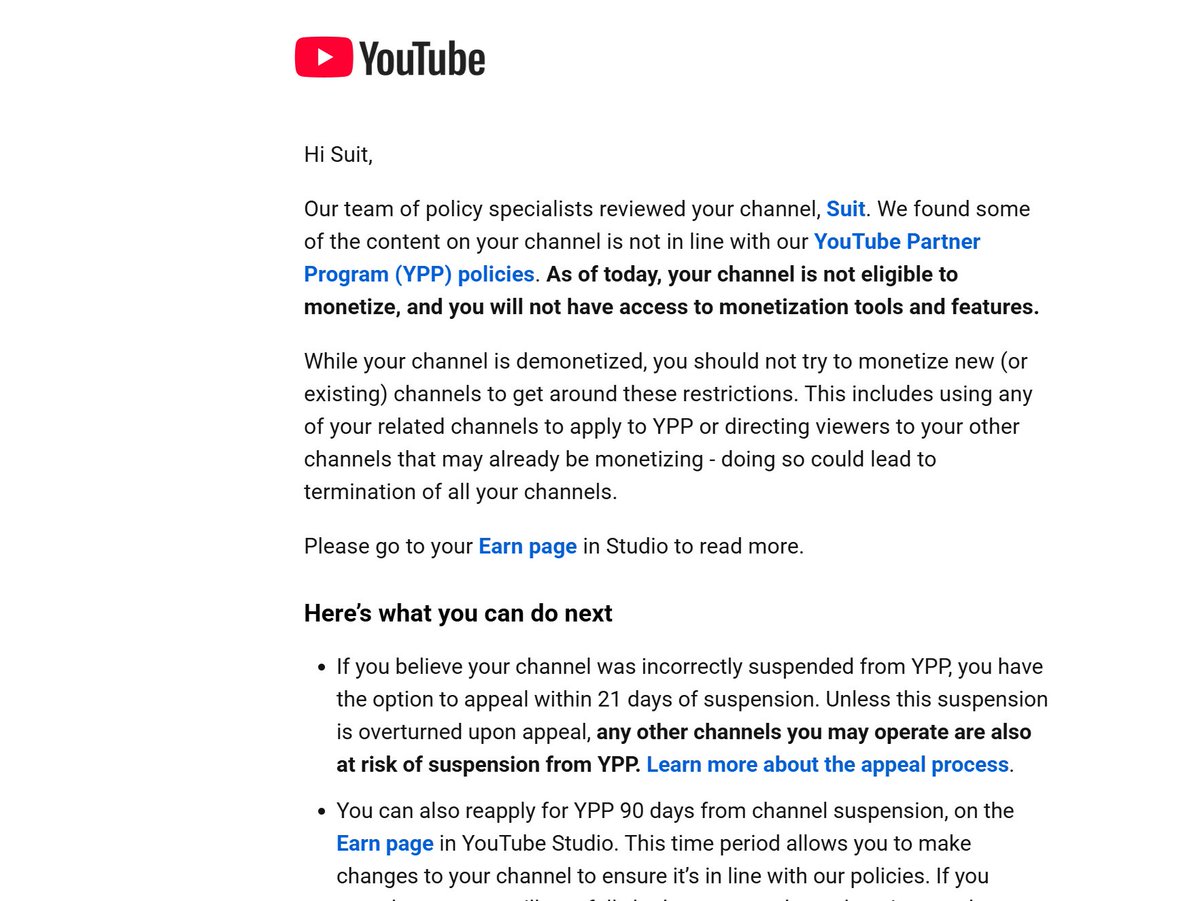
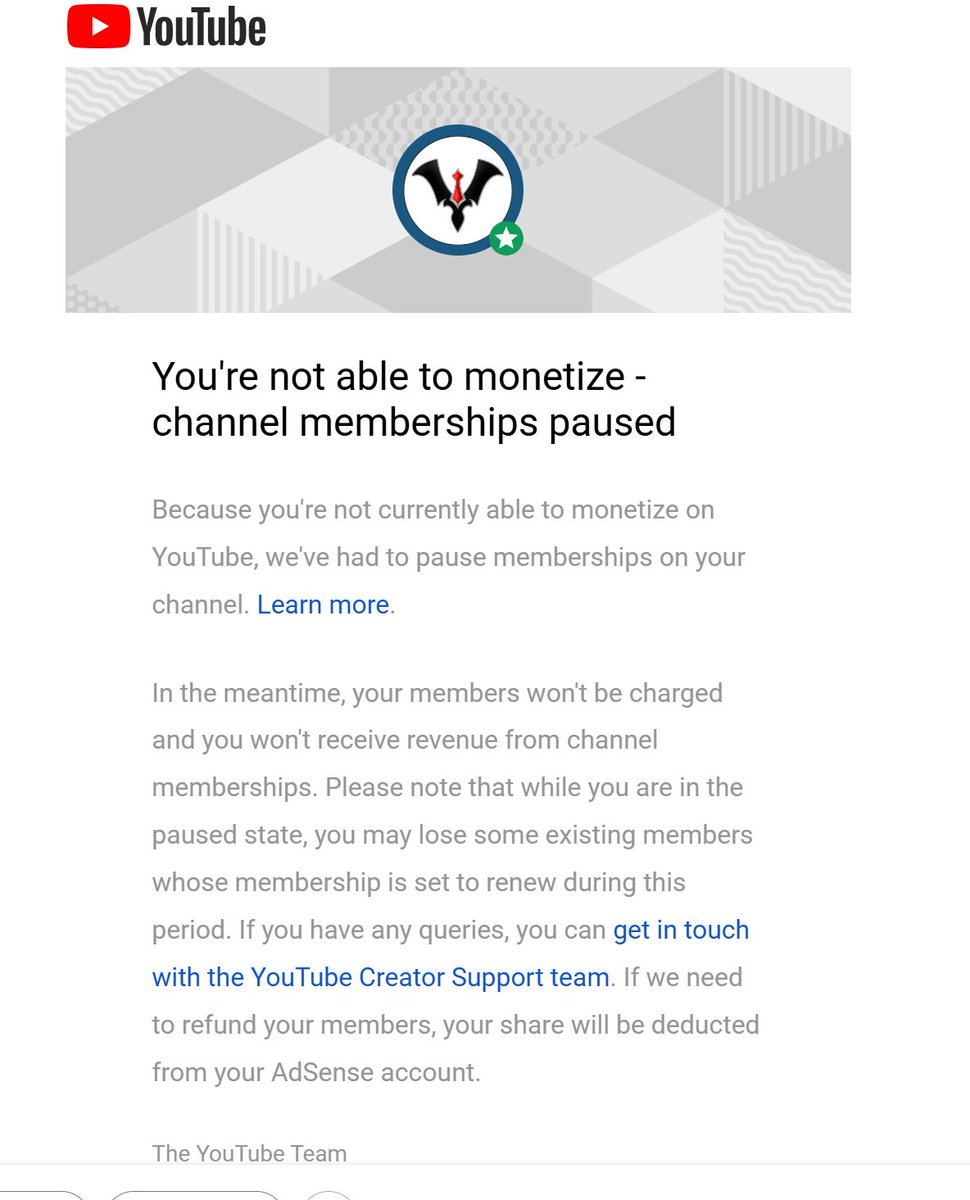
Well, it was only a matter of time.
Doesn't matter who you are, @TeamYouTube is doing a purge.
And @YouTube you wonder why many of us don't support you via premium and go full adblock on you.
English
Spotsquid45
972 posts


@Spotsquid45
I am a YouTuber who draws to scale weapons. So one to one weapons sizes. I fight for what’s right for all creators no matter how small.


France’s Government ID Portal Got Breached. Up to 19 Million Citizens Exposed. TL;DR: France’s ANTS portal, which issues passports, national IDs, and driver’s licenses, has been breached. Up to 19 million French citizens could be affected. The Ministry of the Interior has confirmed the breach. If you are French, assume your identity data is exposed. What is ANTS and why does this hurt? ANTS (Agence Nationale des Titres Sécurisés), now called France Titres, is the French government’s main platform for secure identity documents. It is not a third-party contractor or a startup. This is the official system that handles your passport, national ID card, and driver’s license. When this kind of data leaks, it is not like a shopping app breach where you can just change your password. Identity document data is permanent. You cannot change your date of birth. What was exposed? According to the official notification sent to affected professional account holders, the breach detected on April 15, 2026, resulted in unauthorised access to: Full name (first and last) Login credentials (account ID and email address) Professional identification data (company name, SIREN number, portal ID) Authorisation and accreditation numbers In some accounts: postal address and phone number The broader consumer-side exposure, confirmed by the Ministry of the Interior, adds: Date and place of birth Identity verification data This is all the information someone would need to impersonate a person. How serious is 19 million? France has about 68 million people. With 19 million affected accounts, nearly 1 in 3 French citizens had their data exposed in this government breach. For comparison, this is bigger than the 2017 Equifax breach in the UK and involves government-issued identity data, not just credit card numbers. The incident has been reported to the CNIL (France’s data protection authority) under Article 33 of GDPR, and the Ministry of the Interior has filed a criminal referral with the Paris Prosecutor under Article 40 of the Code of Criminal Procedure. A formal investigation is now open. What the official letter says (and what it doesn’t) France Titres sent breach notifications to professional account holders. The letter sounds polished and reassuring, saying “you have no action to take” and “all necessary measures have been taken.” This follows the usual approach for incident communications. The letter does not explain how the attackers got in, how long they had access before April 15, whether regular (non-professional) accounts were affected in the same way, or if the data has already been sold or published. The lack of information about how the attack happened is the most concerning part. Until that is explained, it is not clear if the problem has really been fixed. The real risk: targeted phishing and identity fraud With names, emails, dates and places of birth, addresses, phone numbers, and ID verification data all in one dataset, attackers can do two things especially well: Spear phishing means sending highly personalized emails or making calls that use specific details about you to build trust before trying to get something more valuable, like your banking credentials or one-time passwords. If you get a call soon from someone who knows your SIREN number and postal address, this is likely the reason. Identity fraud can include opening accounts, taking out loans, or getting past KYC checks in your name. It is harder to fix, especially when the original data came from a government source that other institutions trust. What you should do Be alert for suspicious calls and emails. If someone contacts you and knows unusually specific personal details, treat it as a possible threat until you are sure it is safe. Do not confirm personal information to someone who calls you, even if they already seem to know it. This is a common trick, not proof that they are legitimate. Monitor your credit and banking activity over the next weeks and months for any accounts or applications you did not start. Report anything unusual via the France Titres contact form linked in the official notification. If you are a professional account holder, review your portal activity and consider whether your SIREN or accreditation number has been used anywhere it should not have been. Source: @IntCyberDigest
The full text for HR 8250, the proposed Federal law which would require all Operating Systems to implement Age Verification, has just been made publicly available. It is short, poorly written, clearly not at all thought out, and almost entirely devoid of specifics. Some key points: - The bill does not specify how age verification would work at all. It states that the Federal Trade Commission would have 180 days to specify the exact mechanism and requirements for Age Verification within the Operating Systems. - The Federal Trade Commission would also specify data storage protection requirements as well as requirements for how the Operating System must provide access to collected user data. - This bill would apply to ALL Operating Systems. Everything from Windows to Linux to embedded systems. Yes, even to a smart refrigerator. The “Operating System” definition is incredibly broad. - The law will be considered in effect 1 year from the date it is enacted. - Violations of the law will be handled under the Federal Trade Commission Act. - It is given the “Short Title” of “Parents Decide Act”. congress.gov/bill/119th-con…
Roblox is changing the eligibility to upload games on the platform. To publish for all ages, you now need: - Roblox Plus; - ID Verification & Age Check; - 2-Step Verification enabled; - and have your account in "good standing". Roblox will additionally run games through trials to ensure engagement is legitimate and not from fake or bot accounts. To publish for Ages 16+ & Trusted Friends, you now need: - An account in "good standing"; - An age check; and - An account that is at least 2 days old. Any user on the platform, whether they meet any of the requirements, can still publish games for personal use. Roblox is stating they chose this requirements because "most creators already meet many of the criteria" and it will "make it more difficult for bad actors to bypass our moderation systems". Lastly, Roblox will make that transition by providing 100,000 users with a Free Roblox Plus subscription for 6 months. To be eligible, a user may have a minimum of 100 hours of total playtime on their game in the past month & no major violations of Roblox's Community Standards.

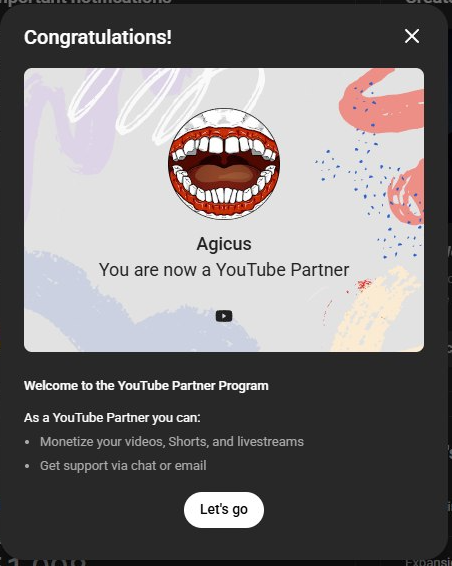
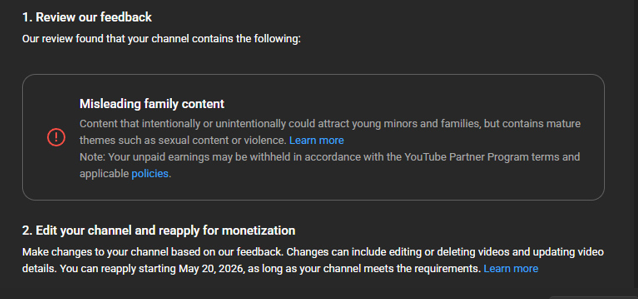


My videos just got mass copyright-claimed by a company called WMG for using Minecraft music, even though all the tracks are under fair use and in the official Creator Safe Playlist on Spotify @Minecraft
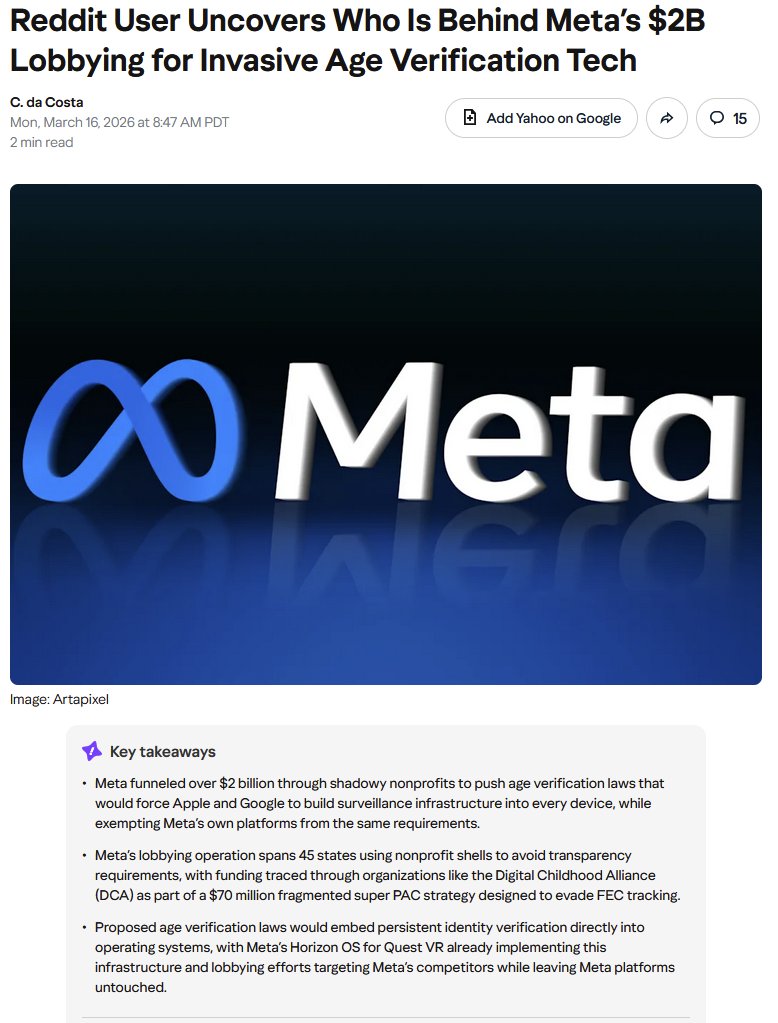
Meta To Comply With Florida Age Verification Digital ID Law reclaimthenet.org/meta-to-comply…
@Dexerto YouTube does not have a 90-second non-skippable ad format. This isn’t something we are testing right now. We’re looking into this further.


LAW AND ORDER: The first conviction has been made under the TAKE IT DOWN Act, signed into law by POTUS and championed by FLOTUS, protecting children from online abuse. 🇺🇸
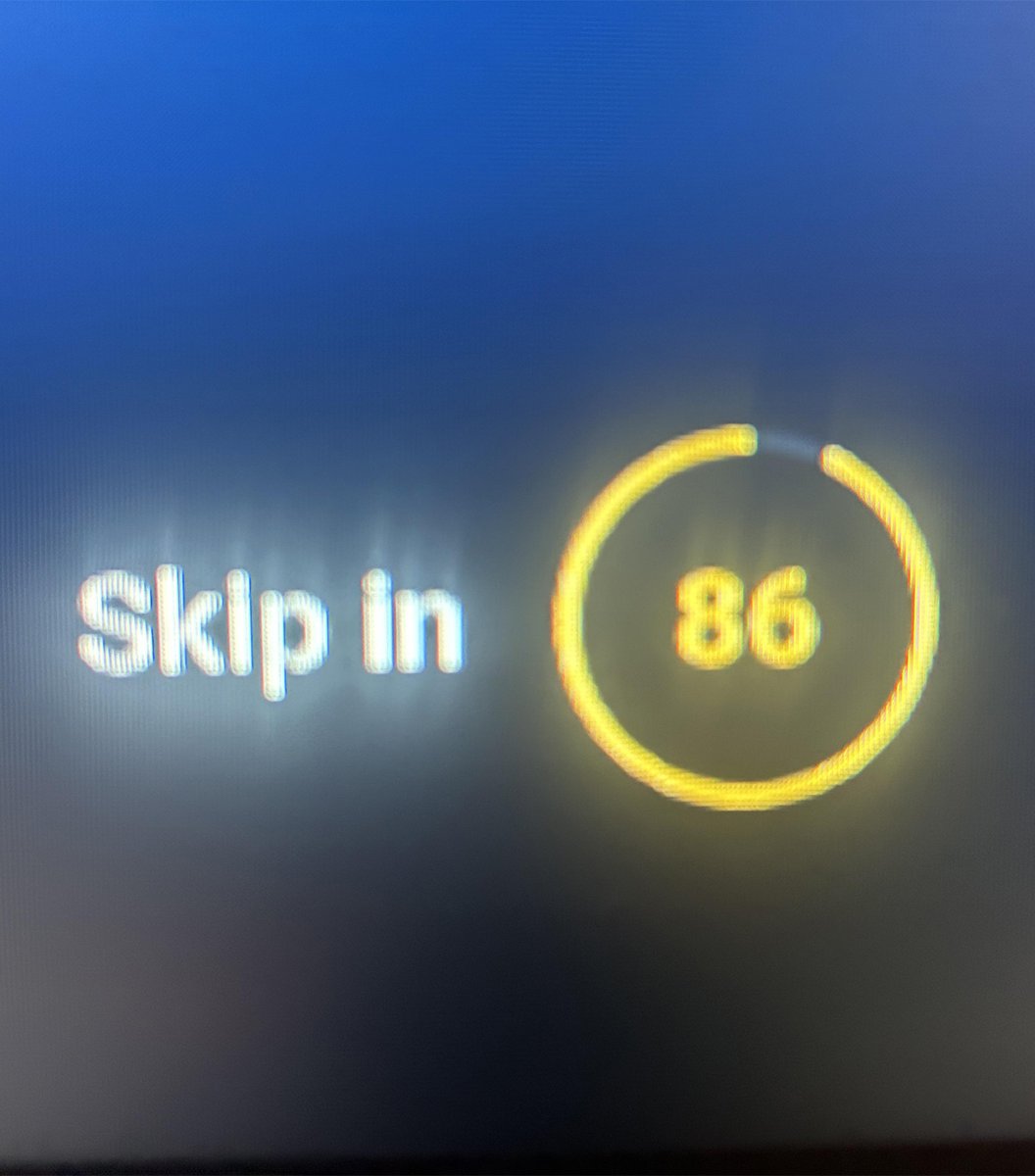
YouTube has begun rolling out 90 second unskippable ads to their TV app “It’s simply not worth it to watch YouTube on the TV”
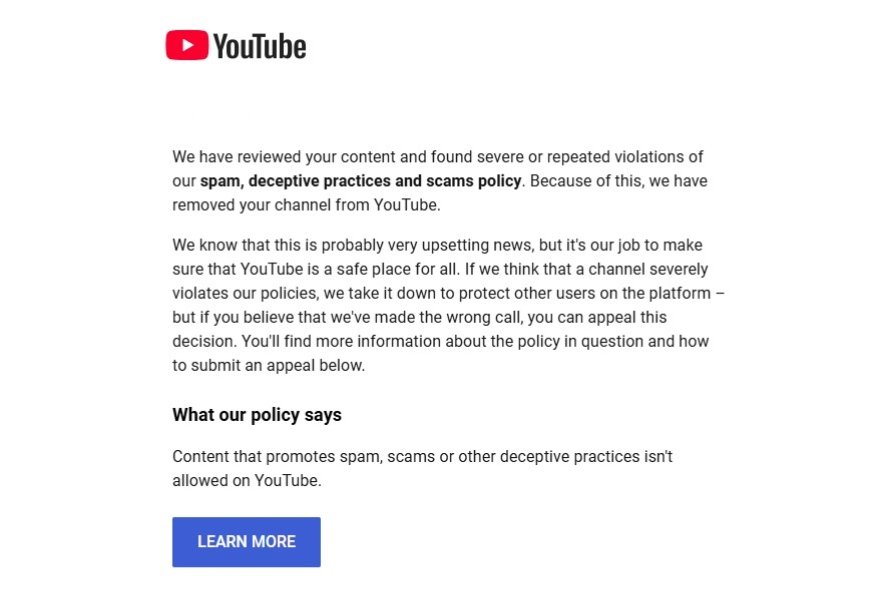
YouTube deleted our channel for being "harmful and dangerous." Our content since 2015: #Bitcoin education. Wallet tutorials. Objective news. YouTube's content: crypto scam ads running 24/7 with zero moderation. Appeal rejected. No strikes. No explanation. Just an algorithm that can't tell a 10-year-old company from an actual scam. @TeamYouTube — can we get a human, or do we need to buy an ad first?


nothing beats hitting ‘publish’ on a video you’ve been editing for weeks 😮💨


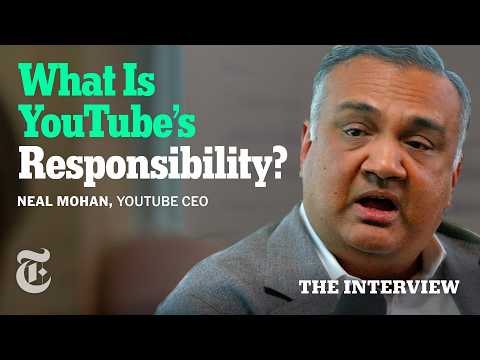
It is rare for a tech and media CEO to sit down to face tough questions about the thorny issues of the day. @YouTube CEO Neal Mohan did just that. We spoke just before the California verdict came down but our conversation touches on all the issues of the moment: content moderation, our changing digital brains, AI slop and their incredible innovation plus much more. Watch/listen/read nytimes.com/2026/03/28/mag…