The Health Minute

289 posts

The Health Minute banner
The Health Minute

The Health Minute

@TheHealthMinute

Science-backed health tips in under 60 seconds 🧬 Sleep • Energy • Longevity • Nutrition Read by 10,000+ every week ↓

Katılım Nisan 2026
8 Takip Edilen5 Takipçiler
Sabitlenmiş Tweet
The Health Minute
The Health Minute@TheHealthMinute·
I spent 100+ hours researching what actually works for: • Better sleep • More energy • Longer life • Lower stress • Sharper focus I'll post one science-backed tip every day. Follow @TheHealthMinute so you don't miss them.
English
0
0
4
186
The Health Minute
The Health Minute@TheHealthMinute·
@AchilleNic @hubermanlab @trainer2thepros Exactly. Human movement is highly individual. Posture, mobility, injury history, limb proportions, training background, and daily habits all change what “correct” movement actually looks like for someone.
English
0
0
0
2
Dr. Achille Nicoletti
Dr. Achille Nicoletti@AchilleNic·
@hubermanlab @trainer2thepros Scapular positioning and skeletal structure vary so much that universal prescriptions break down fast. The small thing for one person doesn't translate to another with different mobility constraints or prior injury history. That's where the real work starts.
English
1
0
0
86
Andrew D. Huberman, Ph.D.
The small things everyone should do at every age to ensure you can do the big things that really move the needle for the health and longevity of your body. And directly improve your posture and make you stronger too. @trainer2thepros on Huberman Lab podcast out now.
Andrew D. Huberman, Ph.D.@hubermanlab

The new Huberman Lab episode is out: Build Muscle, Great Posture & Resilience to Injury | Jeff Cavaliere 0:00 Jeff Cavaliere 2:43 Lower Back, Back Pain 10:06 Tool: Exercises for Lower Back Pain & Strengthen Glutes 15:29 Sponsors: David & Our Place 18:05 Walking Exercises to Strengthen Glutes 23:23 Small Focused Exercises & Timing; Workout Soreness & Pain 27:08 Tools: "Old Man" Test, Functional Strength Tests 35:08 Sports, Movement Imbalance 40:57 Tool: Training Like An Athlete 46:44 Sponsor: AG1 48:28 Inner Elbow Pain, Tool: Grip Modification 54:21 Shoulder, Rotator Cuff Training, Tool: External Rotation Exercise 1:06:50 Tool: Neck Training; Women, Posture 1:15:20 Longevity, Strength & Agility; Pain & Construction Zone Analogy 1:19:50 Sponsor: Joovv 1:21:12 Cardio, Bike, Jumping Rope; Fat Loss: Zone 2 or HIIT? 1:29:27 Nutrition, Tools: Calorie Counting; Plate Method 1:40:18 Foot Stability, Tool: Foot Strength Test; Longevity 1:48:15 Sponsor: Function 1:49:53 Warm-Up Sets; Reps in Reserve or Train to Failure?; Work Sets 2:00:30 Training Frequency; Tool: Real-Life Constraints, Split the Splits 2:13:58 Zero-Cost Support, YouTube, Spotify & Apple Follow, Reviews & Feedback, Sponsors, Protocols Book, Social Media, Neural Network Newsletter Includes paid partnerships.

English
14
24
326
70.5K
The Health Minute
The Health Minute@TheHealthMinute·
@govindrkannan @hubermanlab @trainer2thepros Walking after meals is probably the smallest habit with the biggest overall payoff I’ve noticed. Better energy, digestion, glucose control, recovery, and it breaks the “sit-scroll-sit” loop that quietly wrecks posture over time.
English
0
0
0
2
Govind Ramachandran
Govind Ramachandran@govindrkannan·
If you had to pick one tiny daily movement, like a walk, a stretch, or a post‑workout reset, that’s directly improved your posture and made you feel stronger, which one would you tag as “life‑changing”? And which one do you know you should add, but keep pushing to “tomorrow, after I check one more scroll”?
English
1
0
0
114
The Health Minute
The Health Minute@TheHealthMinute·
@hubermanlab @trainer2thepros The “small” things are often what preserve the ability to keep doing the big things consistently. Mobility, balance, posture, joint integrity, and movement quality quietly determine how well you age.
English
0
0
0
2
The Health Minute
The Health Minute@TheHealthMinute·
@louisanicola_ @siimland Exactly. Wellness culture often confuses looking health-conscious with actually being healthy. The body ultimately responds to physiology, not aesthetics or rituals.
English
0
0
0
1
Louisa Nicola
Louisa Nicola@louisanicola_·
@siimland Health behaviors are only valuable if they improve measurable physiology. Longevity research consistently shows that cardiorespiratory fitness, muscle strength, metabolic health, and visceral fat levels predict outcomes far more reliably than performative wellness habits.
English
1
0
0
249
Siim Land
Siim Land@siimland·
Many people think health means doing as many health-related things as possible: - avoiding junk food - avoiding receipts and bottled water - eating tons of superfoods - blocking EMF and blue light - * insert your random health trend they've learned about online * But someone can do all of those things and still have: - excess visceral fat - elevated cardiovascular risk markers - poor cardiorespiratory fitness - low muscle strength - poor metabolic health Health is ultimately a state of being - not a collection of rituals. It looks like this regardless of the way you get there: - good blood markers (glucose, inflammation, liver enzymes, hormones, lipids, etc.) - healthy body composition - being physically capable and fit for your age - good organ function (brain, heart, liver, kidneys, gut, skin, etc.) - good mood, energy, and mental state Focus less on performing health behaviors and more on whether they’re actually producing healthy outcomes, which can be measured objectively.
English
6
7
113
12.5K
The Health Minute
The Health Minute@TheHealthMinute·
@siimland One of the biggest traps in health is confusing rituals with outcomes. Health isn’t how many wellness habits you collect , it’s whether your body is actually functioning well.
English
0
0
0
1
The Health Minute
The Health Minute@TheHealthMinute·
@BioavailableNd Digestion and thyroid function are closely connected. Poor stomach acid can impair nutrient absorption and protein breakdown, but thyroid issues are usually more complex than a single root cause.
English
0
0
0
1
The Health Minute
The Health Minute@TheHealthMinute·
@HansAmato The gut-brain connection is real, but stories like this can also oversimplify complex issues. Anxiety, sleep, hormones, libido, inflammation, nutrition, stress, and gut health all influence each other — which is exactly why root-cause medicine matters.
English
0
0
0
1
Hans Amato
Hans Amato@HansAmato·
> be me, 24 > anxiety so bad I need 3 drinks to feel normal > ED and PE in my 20s > hair shedding every shower > getting injured instead of PRs > waking at 3am wired for no reason > dandruff on every dark shirt > can't make eye contact > self-loathing after every failed attempt to change > doctors say everything is fine > "you're just anxious, try therapy" > run stool test anyway > 10+ pathogenic bacterial overgrowths > gut producing endotoxin 24 hours a day > start gut protocol and nutrient loading > hair comes back > ED resolves > anxiety gone > sleep fixed > testosterone tripled > vision restored > didn't need the drinks anymore None of it was psychological. Full story here
Hans Amato@HansAmato

x.com/i/article/2058…

English
6
20
346
47.3K
The Health Minute
The Health Minute@TheHealthMinute·
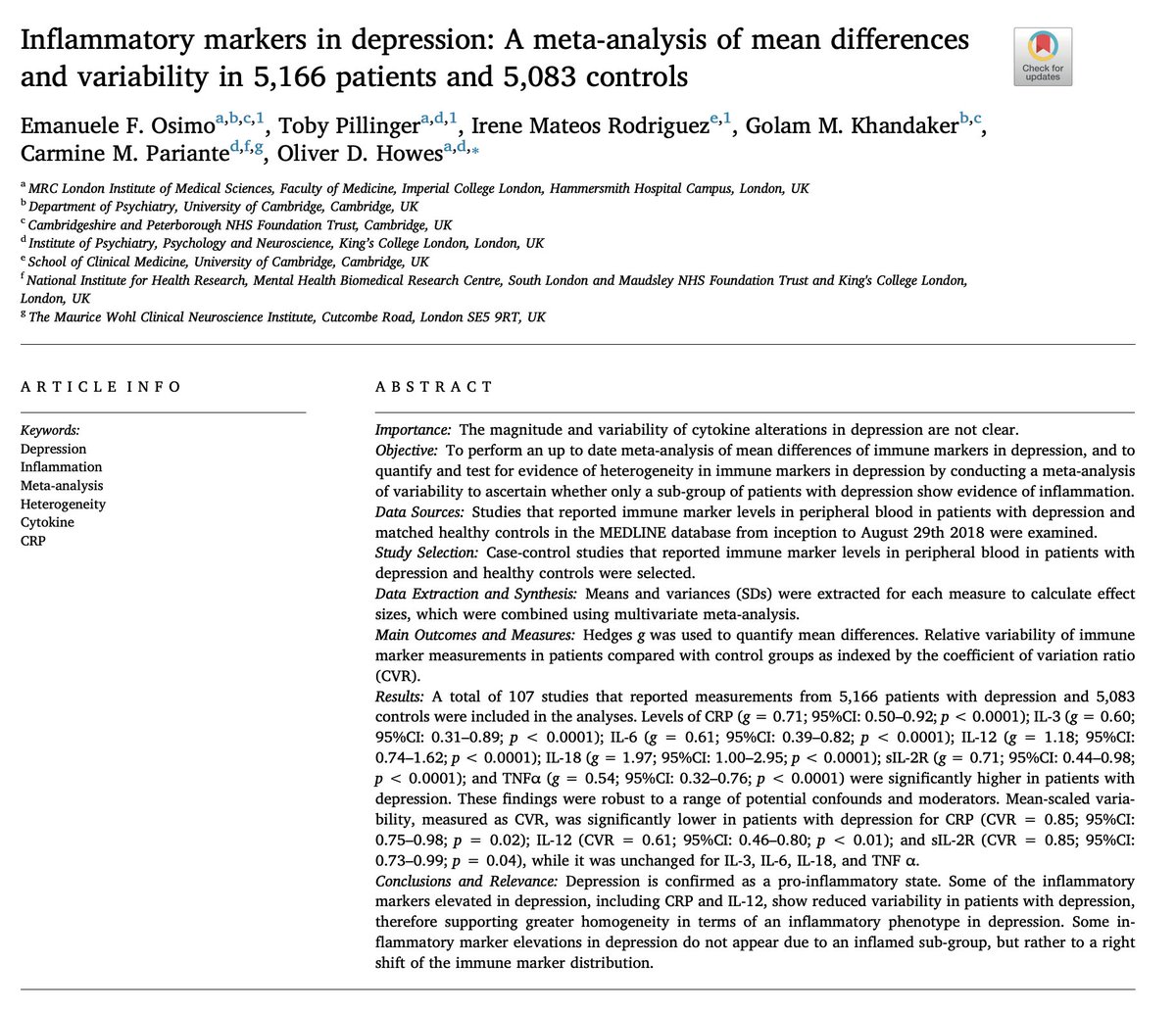
@Outdoctrination Inflammation and depression are clearly connected, but “depression is inflammation” is probably too reductionist. Brain health, stress, sleep, trauma, metabolism, social connection, and inflammation all interact in complex ways.
English
0
0
0
1
Dalton (Analyze & Optimize)
Dalton (Analyze & Optimize)@Outdoctrination·
Depression is inflammation in disguise. Inflammatory markers are higher across the board, sometimes by 2-3X, in depressed people. Anti-inflammatories: • Aspirin • Taurine • Pregnenolone/progesterone • Red light • Glycine etc should be explored.
Dalton (Analyze & Optimize) tweet media
Dalton (Analyze & Optimize)@Outdoctrination

Depression isn't some unknown genetic condition like your doctor tells you. In fact, we know the exact biological causes behind it. Here are 10 hallmarks of depression, & what you might be able to do about each:

English
15
74
617
37K
The Health Minute
The Health Minute@TheHealthMinute·
@CoachDanGo Resting heart rate is underrated because it quietly reflects cardiovascular fitness, recovery capacity, stress load, sleep quality, and metabolic health all at once.
English
0
0
0
1
Dan Go
Dan Go@CoachDanGo·
Your Resting Heart Rate At 40 Predicts Your Health At 60 Most people obsess over body fat, VO2 max, and bloodwork while ignoring the one metric sitting on their wrist right now. Your resting heart rate is the most underrated predictor of how you'll age and almost nobody is training it down. In tomorrow's newsletter, I'll break down why this number matters and the exact protocol I'm using to lower mine into elite territory. Click below to join 525,000+ subscribers and get it first 👇 dango.co/newsletter2
Dan Go tweet media
English
43
18
361
62.1K
The Health Minute
The Health Minute@TheHealthMinute·
@celestialbe1ng Endometriosis is real, debilitating, and underdiagnosed. But reducing it entirely to “estrogen dominance” oversimplifies a condition that likely involves immune, inflammatory, hormonal, genetic, and environmental factors interacting together.
English
0
0
0
0
Veronica, Collagen Scientist
Veronica, Collagen Scientist@celestialbe1ng·
This is utterly heartbreaking and a terrible reality for women, but endometriosis is literally estrogen dominance. The condition involves the liver and the pituitary gland, but estrogen is central to the formation of the lesions or abnormal tissue associated with endometriosis. The cells in the endometrial tissue begin producing estrogen through the enzyme aromatase, which is typically found in various tissues under stress. This production of estrogen leads to inflammation and pain due to the activation of the cyclooxygenase enzyme, which converts polyunsaturated fatty acids into prostaglandins. These prostaglandins cause inflammation, pain, and other symptoms of endometriosis. Addressing estrogen dominance is paramount. Hose Kate and all the other ladies suffering from Endo with Progest E immediately!!! (Tweet that I’m pinning below will help.)
Bryan Johnson@bryan_johnson

Examining Kate’s 1% She has suspected endometriosis. This affects at least 1 in 10 women, likely more. Here she’s getting an ultrasound. Historically you needed surgery just to diagnose it (incisions are made in the abdomen). We're doing a non-invasive route. Typically women live with endometriosis for 7-10 years before being diagnosed. It’s the leading reason women aged 30 to 34 get hysterectomies (permanent surgery to entirely remove the uterus). This condition is where endometrial-like tissue starts growing outside the uterus, in ovaries, bowel, bladder, even the diaphragm. This tissue inflames, scars, and glues organs together. Our first step is to find out if @_katetolo has it. Initial measurements we’re doing: + trans vaginal ultrasound + pelvic MRI w and w/o contrast + hormonal labs All during the early part of her cycle to get the clearest picture. During her ultrasound, a slim probe, about the width of two fingers, 10-12 inches long (although only a small portion is inserted) is covered with a protective sheath and lubricant and gently inserted into the vagina (patient has to empty their bladder first). This creates real-time images of the uterus, ovaries, and surrounding pelvic structures. While inserted, the probe is turned 90 degrees to evaluate all the various structures, angles and views. There is no radiation exposure. The technician is looking for scarring, ovarian cysts, adhesions, and for organs that are fused together with tissue. This ultrasound can confirm endometriosis but it cannot rule it out. What endo does to the body: + 90% report pelvic pain + 50% report severe fatigue + 26% report infertility. However many sources cite 30 to 50 percent. + 50% experience pain during sex. + Many have pain with ovulation, bowel movements, and urination + Severe bloating called “endo belly” where the abdomen visibly distends There are a handful of theories about why endometriosis develops but the honest answer is no one is quite sure. We’ll keep you posted on her results.

English
24
24
458
103.1K
The Health Minute
The Health Minute@TheHealthMinute·
@Human_Optimize One reason cortisol conversations get messy is that many “high cortisol symptoms” are nonspecific. Poor sleep, overtraining, anxiety, depression, caffeine overload, chronic stress, and metabolic issues can all overlap.
English
0
0
0
0
Will Stone
Will Stone@Human_Optimize·
Everybody talks about the 𝐬𝐢𝐠𝐧𝐬 of high cortisol. - Jaw clenching. - Belly fat. - 3AM wakeups. - Brain fog. Yet nobody tells you what to do about it. 𝐓𝐡𝐢𝐬 𝐢𝐬 𝐡𝐨𝐰 𝐭𝐨 𝐟𝐢𝐱 𝐚𝐥𝐥 𝐭𝐡𝐞 𝐬𝐢𝐠𝐧𝐬: 1. 𝐉𝐚𝐰 𝐜𝐥𝐞𝐧𝐜𝐡𝐢𝐧𝐠.
English
14
57
560
326.8K
The Health Minute
The Health Minute@TheHealthMinute·
@hubermanlab @trainer2thepros Simple movement tests like this are underrated because they combine balance, mobility, coordination, strength, and body control all at once. Losing these “everyday” capacities is often how aging first shows up functionally.
English
0
0
0
0
Andrew D. Huberman, Ph.D.
A quick real world test of mobility & flexibility that, were you to do it every day, would offset substantial age related decline in your mobility, balance and flexibility. Can you do the Put On (& Tie) Your Socks and Shoes While Standing Test? @trainer2thepros on Huberman Lab
English
44
66
1.1K
151.5K
The Health Minute
The Health Minute@TheHealthMinute·
@newstart_2024 The crazy part isn’t that screens are “bad.” It’s that the human brain probably never evolved for uninterrupted novelty, stimulation, notifications, and information density at this scale.
English
0
0
0
1
Camus
Camus@newstart_2024·
Carlos Whittaker did a 7.5-week no-screen experiment and the results are wild. No phone. No TV. No laptop. No watch. Nothing. He even got his brain scanned before and after by a neuroscientist. The outcome? His cerebellum healed years worth of damage in just seven weeks. His cognitive memory score jumped from the 50th percentile to the 99th percentile of adult men in America. He said he felt like a completely different human, sharper, clearer, more alive. This one stopped me in my tracks. I’ve been feeling the scroll fatigue hard lately, and hearing someone actually measure the difference with real brain scans is next-level motivating. Our constant screen exposure might be doing more quiet damage to our brains than we realize. Sometimes the simplest reset (doing less) creates the biggest upgrade. Have you ever done a serious digital detox? Would you try one this extreme?
English
137
1.7K
8.2K
466.8K
The Health Minute
The Health Minute@TheHealthMinute·
@bryan_johnson People underestimate how much sleep timing consistency matters. Protecting circadian rhythm is often as important as total hours.
English
0
0
0
1
The Health Minute
The Health Minute@TheHealthMinute·
@Outdoctrination One thing cancer research keeps revealing is how interconnected the systems are: Metabolism, inflammation, immunity, hormones, environment, and cellular signaling all influence each other. That complexity is exactly why simplistic “one cause, one cure” narratives fall apart.
English
0
0
0
1
Dalton (Analyze & Optimize)
Dalton (Analyze & Optimize)@Outdoctrination·
CANCER 101 - the processes driving it beneath the surface: Cancer isn’t just “random mutations.” It’s a state of chronic inflammation, metabolic dysfunction, stress, immune suppression, and failed cellular differentiation. Major hallmarks of cancer: ◇ Chronic inflammation ◇ Oxidative stress & DNA damage ◇ Immune suppression ◇ Excess growth signaling ◇ Estrogen dominance ◇ Hypoxia (poor oxygen delivery) ◇ Acidic tumor environment ◇ Mitochondrial dysfunction ◇ Epigenetic dysregulation What chronic inflammation does: ◇ Stimulates constant cell growth & proliferation ◇ Promotes angiogenesis (new blood vessels) ◇ Increases oxidative stress ◇ Breaks down extracellular matrix ◇ Suppresses proper immune function ◇ Drives cellular dedifferentiation Common inflammation drivers: ◈ Gut dysbiosis ◈ Chronic stress & cortisol ◈ Seed oils / excess PUFA ◈ Obesity ◈ Environmental toxins ◈ Endotoxins & poor gut motility Stress & cortisol in cancer: ◇ Break down muscle tissue ◇ Suppress anti-cancer immunity ◇ Increase free fatty acids (FFA) ◇ Promote inflammation ◇ Accelerate metabolic dysfunction Anti-stress tools: ➜ Magnesium ➜ Pregnenolone ➜ Progesterone ➜ Carbohydrates & salt ➜ Sunlight / red light ➜ Grounding Immune suppression is a major issue: Cancer can coexist with HIGH inflammation and LOW immunity. Key immune-supportive nutrients: ➜ Vitamin A ➜ Vitamin C ➜ Vitamin D ➜ Zinc Oxidative stress & cancer: ROS (free radicals) damage DNA and push cells toward malignant behavior. Major oxidative stress drivers: ◇ Chronic inflammation ◇ Excess iron ◇ Poor mitochondrial function ◇ PUFA oxidation ◇ Environmental toxins Key antioxidant supports: ➜ Vitamin E ➜ Vitamin C ➜ Glycine ➜ Selenium ➜ Zinc ➜ Copper ➜ Food phenolic (coffee, fruit, veg, mushrooms, etc.) Iron overload problems: ◇ Iron “rusts” → oxidative stress ◇ Promotes inflammation ◇ Fuels tumor growth Potential iron-lowering tools: ➜ Blood donation ➜ Lactoferrin ➜ IP6 / phytic acid Growth signaling & estrogen: Cancer is strongly promoted by chronic growth signals: ◇ Estrogen ◇ Insulin ◇ IGF-1 Common xenoestrogen sources: ◇ Plastics ◇ Personal care products ◇ Pesticides ◇ Pharmaceuticals ◇ Cooking materials Things that oppose estrogen: ➜ Vitamin E ➜ Vitamin A ➜ Vitamin D ➜ Progesterone ➜ Saturated fat ➜ White button mushrooms ➜ Citrus flavonoids ➜ Insoluble fiber The gut-estrogen connection: ◇ Gut inflammation raises serotonin ◇ Serotonin stimulates aromatase ◇ Gut bacteria can reactivate estrogen ◇ Poor excretion → estrogen overload Cancer metabolism (Warburg effect): Cancer cells often ferment glucose into lactic acid instead of fully oxidizing it in mitochondria. This drives: ◇ Acidity ◇ Inflammation ◇ Immune suppression ◇ Dedifferentiation Free fatty acids worsen this process: ◇ Block glucose oxidation ◇ Increase lactic acid production ◇ Promote mitochondrial dysfunction Supporting mitochondrial metabolism: ➜ Vitamin B1 (thiamine) ➜ CoQ10 ➜ Vitamin K2 ➜ Thyroid hormone ➜ Copper ➜ Methylene blue ➜ Carbohydrates Tumor acidity & hypoxia: ◇ Tumors become acidic ◇ Acidity suppresses anti-tumor immunity ◇ Poor oxygen delivery worsens spread ◇ Hypoxia drives aggressive behavior CO2 may matter more than people realize: ➜ Bag breathing ➜ CO2 baths ➜ Vitamin B1 ➜ Adequate carb intake Epigenetics & cancer: Cancer cells often become: ◇ Hyper-methylated ◇ Hypo-acetylated This suppresses genes needed for: ◇ Proper differentiation ◇ Healthy metabolism ◇ Immune signaling Potential epigenetic supports: ➜ Vinegar / acetate ➜ Glycine ➜ Collagen / bone broth ➜ Methionine balance The core idea: Cancer is inflammation + stress + hormonal dysfunction + mitochondrial failure + immune suppression all feeding into each other simultaneously. That’s why targeting only one pathway often fails.
Dalton (Analyze & Optimize) tweet media
English
2
7
80
4.6K
The Health Minute
The Health Minute@TheHealthMinute·
What healthy people do that seems unnecessary at 25: • Prioritize sleep over late nights • Track protein intake • Walk every day • Manage stress actively • Lift weights twice a week • Maintain close friendships What seems optional at 25 becomes the foundation at 50.
English
0
0
0
1
The Health Minute
The Health Minute@TheHealthMinute·
The compound effect of daily health choices: One bad habit: low consequence One good habit: low benefit But stacked over 10 years? Someone who sleeps well, moves daily, and eats mostly whole foods will live in a fundamentally different body. Compound interest applies to health.
English
0
0
1
2
The Health Minute
The Health Minute@TheHealthMinute·
@oxidativestate Sunlight probably helps body composition more through circadian rhythm, sleep quality, mood, movement, and metabolic signaling than as a direct “fat loss hack.” Still, getting outside daily is one of the highest ROI health habits most people underdo.
English
0
0
1
2
Oxidative State
Oxidative State@oxidativestate·
Sun bathing is a fat loss hack for 3 reasons: -it depletes glycogen stores,which means you can eat more carbs. -lowers cortisol which activates fatty acid synthase(the enzyme that stores fat) -increases testosterone and progesterone, they help to build muscle and raise metabolism. If you’re trying to lose some fat, daily sun exposure is an easy way to support your goal.
English
6
24
436
22.6K
The Health Minute
The Health Minute@TheHealthMinute·
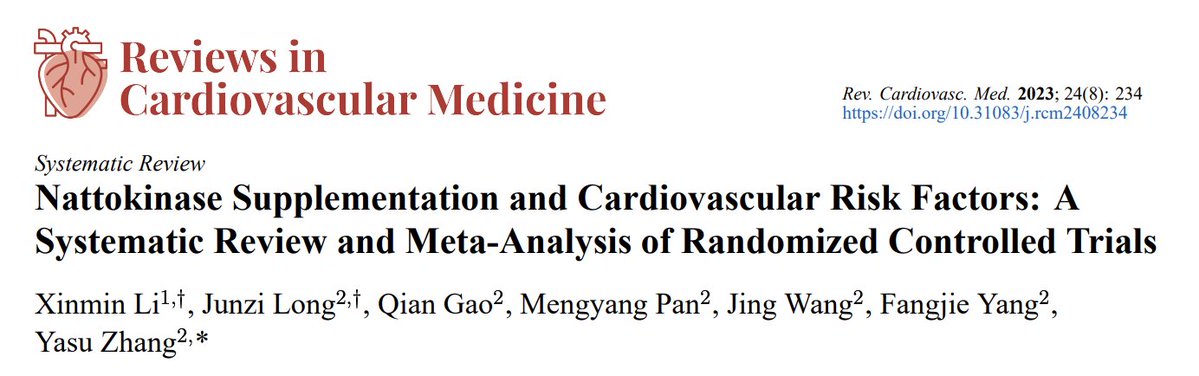
@Outdoctrination What makes nattokinase interesting is that it may affect multiple cardiovascular pathways at once clotting, blood pressure, inflammation, and blood viscosity. But anything that impacts clotting deserves caution too.
English
0
0
0
4
Dalton (Analyze & Optimize)
Dalton (Analyze & Optimize)@Outdoctrination·
Nattokinase has some powerful heart disease protective properties - a research review has concluded. This review came out in 2023 in Reviews in Cardiovascular Medicine. They looked at the eligible human studies examining nattokinase's impact on heart disease risk factors. Here's what they found. Surprisingly, nattokinase actually RAISED LDL cholesterol on average. This is typically considered "bad" cholesterol, the type that ends up in your arteries causing a plaque. This is not what they showed in the above quoted study, and the reason for the difference is unclear. Nattokinase lowered blood pressure. This makes sense if you know anything about how it works, but an important cardioprotective property nonetheless. One of the reasons for this, outside of the anti-clotting properties, is that it apparently acts as an ACE inhibitor - similar to many antihypertensive drugs. This reduces the concentration of angiotensin II, a known blood pressure raising hormone. Now nattokinase's benefits for the heart go beyond just dissolving blood clots. It's been studied to have some independent anti-inflammatory properties. For example, it can apparently inhibit TLR4 - probably the most important receptor we have in terms of triggering inflammation in all tissues. It also inhibits NOX2, which means it reduces reactive oxygen species output, having a net antioxidant effect. Other studies have shown nattokinase has the ability to impact whole blood viscosity. When the blood is too thick it obviously is harder to move around, but it also creates an environment in the vasculature more susceptible to plaque buildup. When blood flow isn't smooth, the vessels respond with inflammation and don't produce enough NO. Another interesting note about nattokinase is that besides it's direct ability to dissolve clots, it actually downregulates our endogenous clot forming cascade. One study showed even a single dose of 2000 FU of nattokinase, measures like activated partial thromboplastin time (aPTT) and antithrombin increased, while clotting factor VII was lower. Less clotting means less opportunity for lethal or dangerous thrombuses to form.
Dalton (Analyze & Optimize) tweet media
English
6
12
132
9.7K
The Health Minute
The Health Minute@TheHealthMinute·
@drmarkhyman One reason exercise is so hard to replace pharmacologically is that it affects almost every major system at once: Brain function, insulin sensitivity, inflammation, mood, sleep, cardiovascular health, muscle, and resilience.
English
0
0
0
13
Mark Hyman, M.D.
Mark Hyman, M.D.@drmarkhyman·
Pharmaceutical companies have spent billions trying to manufacture what exercise does for free. They haven't come close. A 20-year review of 100 studies confirmed that exercise reliably increases BDNF — brain-derived neurotrophic factor — the protein your brain uses to grow new neurons, repair damaged circuits, and lift depression. BDNF is basically fertilizer for your brain. You can't buy it. You can't inject it. You can only earn it.
English
18
37
204
13.2K