
Sabitlenmiş Tweet

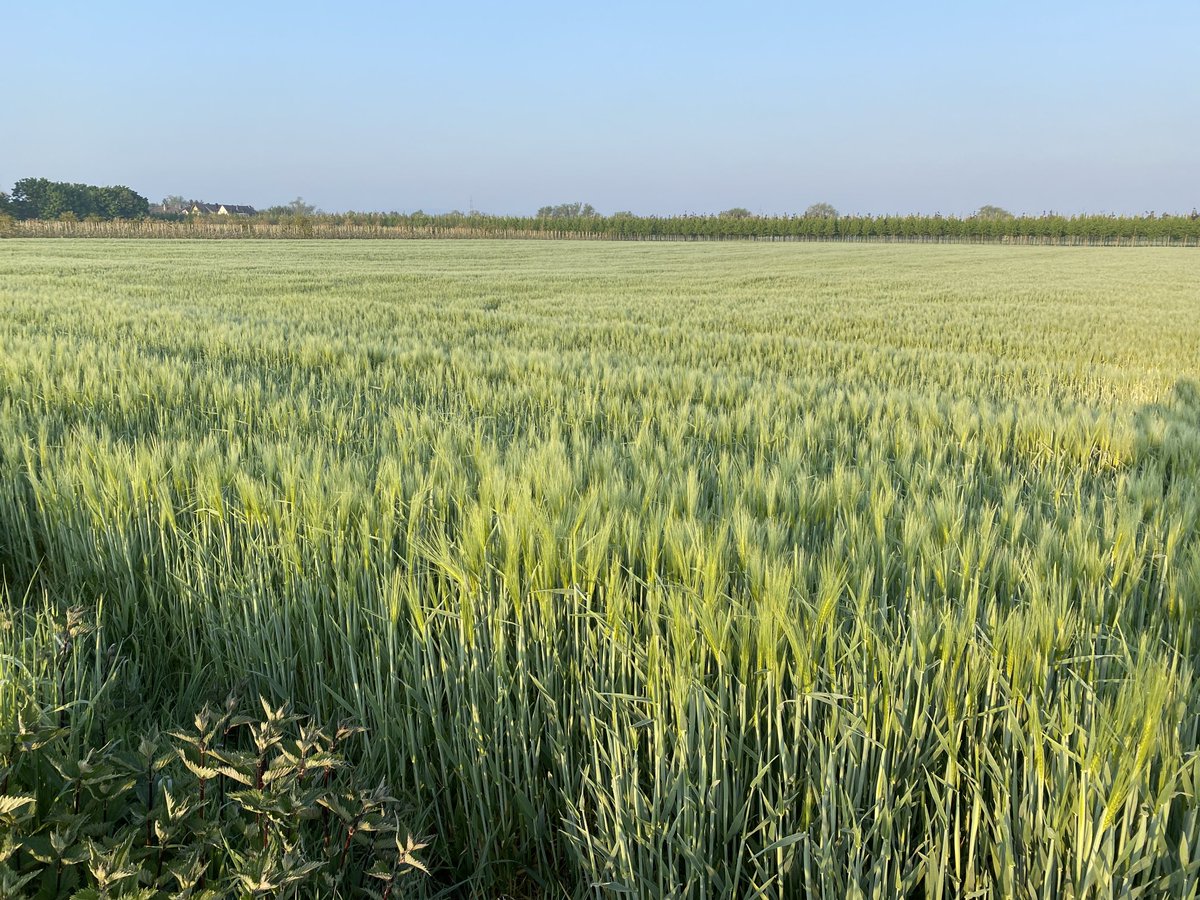
Quo vadis lokale Agrarproduktion,
wie können wir umweltgerecht in Zukunft die Bürger versorgen?



Deutsch
Thomas Hettinger
25.3K posts

@ThomasHetting10
MSc. Agricultural Management -Agrarsachverständiger - RU-Alumni-94; agrarpolitisch WK-262-NT und WK 291, überparteilich aktiv ; - Gemüsekiste- Marktgärtner-




@BauerWilli_org @lidl Rasche Kommunikation innerhalb der Agrar-Experten sichert eine schnelle Reaktion auf Reimport Schlupflöcher @CHansenEU hat bereits einen weiteren Vorschlag... agrarheute.com/markt/zuckerwi…



International law is dead in practice—driven by Western double standards on Gaza vs. Ukraine and silence on Israel–U.S. aggression on Iran. Still, credit to President Steinmeier for condemning the violations against Iranians. Those who value the rule of law should also speak up




Crude tanker struck by drone near Bosphorus A crude oil tanker has reportedly been struck by a naval drone in the Black Sea near Istanbul’s Bosphorus Strait, according to Turkish authorities. The vessel, identified as the Sierra Leone-flagged tanker Altura, had departed Novorossiysk, Russia, on 22 March and was en route to Istanbul. According to #MarineTraffic data, the 274-metre tanker began drifting on 25 March at 15:50 UTC, with a tug operation initiated at 23:17 UTC. At 00:30 UTC on 26 March, the vessel’s AIS status was updated to Not Under Command. She is currently moving at around 0.2 knots, with a reported draught of 15.9 metres, indicating she is laden. ▶️ Watch the playback of the vessel’s movements.
🇹🇷 #Turkey: A crude oil tanker managed by the Turkish company Pergamon Denizcilik was struck by a naval drone in the Black Sea earlier today. The vessel, identified as Altura was located approximately 14–18 nautical miles off the Bosphorus Strait near Istanbul at the time of the attack. The tanker had departed from Russia’s port of Novorossiysk carrying around one million barrels of crude oil. The ship is reportedly sanctioned by the European Union and Britain. (via Reuters)
📌 Erklärung des russischen Außenministeriums zum US-Angriff in unmittelbarer Nähe des Kernkraftwerks Buschehr am 24. März • Ungeachtet der bloßen Beteuerungen von US-Präsident Donald Trump, er habe am 23. März den Befehl erteilt, die Angriffe auf die iranische Energieinfrastruktur für fünf Tage auszusetzen, wurde bereits am 24. März ein neuer, äußerst gefährlicher Schlag in unmittelbarer Nähe des in Betrieb befindlichen Reaktorblocks Nr. 1 des Kernkraftwerks Buschehr ausgeführt. • Wir sind zutiefst empört über diese rücksichtslose und unverantwortliche Manifestation eines verhängnisvollen Vorgehens. Es entsteht der Eindruck, dass die Aggressoren gezielt darauf hinarbeiten, eine nukleare Katastrophe in der Region auszulösen, um ihre kriminellen Handlungen zu verschleiern und zu rechtfertigen, die bereits zahlreiche unschuldige Opfer unter der Zivilbevölkerung Irans gefordert haben. • In den USA und in Israel sollte man sich der Konsequenzen ebenso bewusst sein wie wir: Ein Treffer auf das Kernkraftwerk Buschehr würde unweigerlich zu irreversiblen humanitären und ökologischen Folgen führen. Dass es bislang zu keiner Tragödie gekommen ist, grenzt an ein Wunder. Die Angriffe rücken jedoch immer näher an den in Betrieb befindlichen Reaktorblock heran. Das Leben des Kraftwerkspersonals, darunter auch russischer Fachkräfte, ist ständig bedroht. Für uns ist dies absolut inakzeptabel. • Wir fordern diejenigen, die den Iran rücksichtslos, unverantwortlich und unbegründet angegriffen haben, nachdrücklich auf, zur Vernunft zurückzukehren und die unprovozierte Aggression einzustellen, einschließlich der Angriffe auf die iranische Kernenergieinfrastruktur, die dem Abkommen über umfassende Sicherungsmaßnahmen der IAEO unterliegt, sowie auf Anlagen in deren unmittelbarer Nähe. • Wir erwarten eine klare und unmissverständliche Haltung sowie entschlossenes Handeln seitens der IAEO, der UNO und ihrer Führung, um weitere derartige Angriffe zu verhindern. @RusBotschaft #Iran #USA



🚨🇮🇷🇺🇸 Iranian lawmakers voted to continue the war until the enemy is deterred. Trump today: we beat them to shit, taking the oil is an option, and joked that, "we're going in for the uranium tomorrow at 3." Iran's parliament: not deterred. Source: ISNA
🚨 THE DOMINOES ARE FALLING. IN DAYS, NOT WEEKS. Here is the global oil crisis — country by country — as of today: 🇱🇰 Sri Lanka — RATIONING. 4-day work week. Schools closed. 🇵🇰 Pakistan — CRISIS. Overnight price surge. Long queues. 4-day work week. 🇮🇳 India — 9 DAYS of reserves left. Emergency suppliers being hunted. 🇰🇷 South Korea — 50 DAYS left. Clock ticking. 🇯🇵 Japan — LIED. Said 254 days. Actual usable reserves: 95. 🇬🇧 UK — Shell CEO warning: SHORTAGE STARTS IN APRIL. 🇩🇪 Germany — Gas up 30%. EU emergency plan launched. 🇫🇷 France — Paying 30% more at pumps than 8 weeks ago. 🇿🇦 South Africa — Government says "stable." Citizens photograph empty pumps. 🇹🇷 Turkey — Stocks crashed. Inflation exploding. Currency under pressure. 🇧🇷 Brazil — Watching nervously. Own oil helps but supply chains hurting. 🇦🇺 Australia — Tanker delays. Import dependent. Hoping IEA coordination holds. 🇺🇸 USA — Gas taxes suspended in states. SPR drawn down. Iran sanctions quietly paused. 🇨🇳 China — 1.4 BILLION barrels stockpiled. Banned exports. Still getting Iranian oil. This is DAY 26 of the Hormuz blockade. 20% of global oil — GONE. 8 million barrels per day — GONE. OPEC's response: +206,000 barrels. That is 2% of the hole. Here is what nobody is telling you: They're showing you "reserves are sufficient." They're NOT showing you Japan overstated reserves by 3x, South Africa has empty pumps, and India has 9 days. The real energy crisis hasn't even started yet. RT so this doesn't get buried by the algorithm.

The man who manages $11 trillion just said two words that should terrify every person on the planet. "Global recession." Larry Fink, CEO of BlackRock, the largest asset manager in human history sat down with the BBC and laid out the scenarios. Fink told the BBC there are only two possible outcomes for the global economy right now. His exact words: "There's not going to be an outcome that's somewhere in the middle." Outcome one is that Iran gets reintegrated into the global community, sanctions ease and Iranian oil and Venezuelan oil flood back into markets. Then the oil drops below $40 a barrel, the world gets relief. Outcome two is that Iran remains a threat, the Strait of Hormuz stays disrupted and the standoff stretches on for years. Oil stays above $100 and pushes toward $150. The result? A "stark and steep global recession." Why does $150 oil collapse the world economy? Because oil is embedded in everything. Food production, shipping, manufacturing, heating., fertilizer, chemicals and plastics. When oil spikes, prices spike across every single category of human life. Central banks raise rates to fight inflation, businesses freeze investment and consumers stop spending. Also, jobs disappear, GDP craters and the cycle feeds itself. There is no bailout for this and no rate cut fixes an energy shock. Fink also made a point that high oil prices are a "very regressive tax." The wealthy absorb higher energy costs while the poor cannot. This hits grocery bills, rent, and transportation everything the bottom half of the global population depends on to survive. The market is still pricing in hope, a resolution, a deal, a ceasefire. Fink is pricing in reality, two extremes, and the clock is running. Pay attention to this one.

Pete Hegseth wasn’t removed from the DC National Guard by accident. A Major General is now warning that his rhetoric and actions are putting him on a path toward war crimes—and he lays out exactly why.