Sqn Ldr Varlin Panwar (Retd)

1.7K posts

Sqn Ldr Varlin Panwar (Retd) banner
Sqn Ldr Varlin Panwar (Retd)

Sqn Ldr Varlin Panwar (Retd)

@VarlinPanwar

Proud Veteran (Indian Air Force), Defence Analyst, Film Consultant.

New Delhi, India Katılım Eylül 2020
182 Takip Edilen2.5K Takipçiler
Sqn Ldr Varlin Panwar (Retd) retweetledi
Angad Singh
Angad Singh@zone5aviation·
The tragicomic reality of Indian state-owned companies. Everyone knows competition will kill them, but the brass doesn’t have the power to reform and the govt doesn’t have the incentive to. So we will let them wither.
VatsRohit@KesariDhwaj

First C-295 rolls out from TASL plant in Vadodara. I'm not sure how many remember that when IAF insisted on a private player be as local partner instead of HAL, an ex-HAL Chairman wrote a letter to RM advising against involvement of a private player.

English

6
13
83
4.7K
Anchit Gupta
Anchit Gupta@AnchitGupta9·
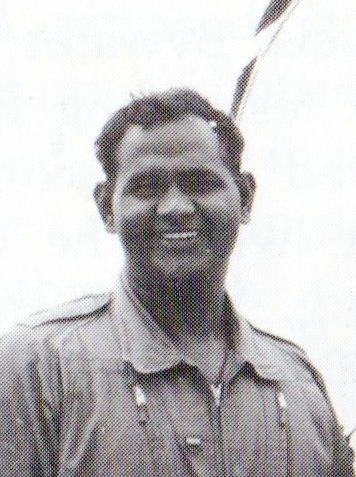
Kiddo: the twenty-five-year-old who won an AVSM and a Vir Chakra in the same season In September 1962, Kuppuswamy Lakshmi Narayanan was announced for the Ati Vishisht Seva Medal. Within weeks, he had a Vir Chakra to go with it. He was twenty-five, a Flight Lieutenant, and a helicopter pilot in Ladakh. To the men he flew with, he was "Kiddo". This was not the usual path to either distinction. Narayanan was not a senior staff officer. He was a young pilot operating at a time when the IAF's helicopter arm was still being built almost by hand. The aircraft were few, the doctrine was thin, and much of what later became procedure was then being discovered in the cockpit. Narayanan was commissioned into the Flying Branch on 14 January 1956 from the 67th Pilot Course. The IAF's helicopter world was tiny then. No. 104 Helicopter Flight, formed in 1954, was the only IAF helicopter unit through much of the 1950s. By July 1958, his record places him with 104 HU at Kanpur. That is where his apprenticeship began, inside a very small circle of men who were defining what helicopter flying in the IAF would mean. From 104 HU, he moved through 105 HU and then into the Ladakh world. By 1962, he was with No. 107 HU, the unit that would become central to some of the most difficult flying of the Sino-Indian crisis. Leh, 1962 When Squadron Leader SK Badhwar took over No. 107 HU at Leh in August 1962, the unit was operating Mi-4s from one of the harshest flying environments in the country. Leh was a test of judgment every day: density altitude, narrow valleys, poor surfaces, uncertain winds, and forward posts with no other practical means of support. Narayanan had already served in that environment. Kiddo had been due for posting out when Badhwar took over from Kapoor, but Badhwar asked that he stay on long enough to convert him to Ladakh flying. That small detail says much. The incoming commanding officer wanted the younger man's local experience before taking on the sector. 107 HU then had only a handful of pilots. The story from the period, in which a visiting American officer described them as either "bloody fools or exceptional pilots," has survived because it captures the mood of those operations. The truth was probably less theatrical. They were short of options, short of machines, and expected to make the aircraft do what the Army needed done. Two evacuations On 17 May 1962, an emergency call came for the evacuation of a seriously ill Army jawan from a forward post. The weather was unfavourable and the terrain difficult. Narayanan landed at a spot where no helicopter had landed before. The citation noted that without the evacuation, there would have been little chance of saving the man’s life. On 6 August 1962, another call came, this time for the evacuation of a Havildar from a helipad at 16,000 feet. The site had previously been rejected for helicopter operations. It was small, surrounded by hills, and affected by turbulence that left almost no margin in the approach or take-off. When the outpost repeated the request, Narayanan volunteered. He landed, picked up the Havildar, and returned safely. By then, he had been operating in Ladakh for over two years and had logged roughly 700 operational helicopter hours. The award of an AVSM to a Flight Lieutenant was rare. In Narayanan’s case, the citation shows why it happened. Hot Springs, 4 October Less than a month after the AVSM announcement, the action for which Narayanan received the Vir Chakra occurred. On 4 October 1962, Badhwar and Narayanan were flying in support of the turnover of troops in the Galwan sector, where 5 Jat was replacing 1/8 Gurkhas. Helicopters in the forward areas often operated in pairs so that one aircraft could assist if the other went down. On this day, that proved vital. On the return leg, their Mi-4 developed engine trouble. Badhwar later recalled that the engine began "coughing". With insufficient height to nurse the aircraft back, they force-landed in a riverbed near Hot Springs. The situation deteriorated quickly. Chinese troops appeared on the surrounding heights and began moving towards the aircraft. Badhwar and Narayanan were unarmed and outnumbered. Badhwar tried to buy time, using gestures and a feigned injury to delay the Chinese while Narayanan prepared the helicopter. When Badhwar ran back, Narayanan started up on signal. The engine picked up. The rotor wash threw up a thick cloud of dust. The Chinese opened fire, but the dust spoiled their aim. The crew lifted off, still with an unreliable engine, and managed to get clear. The citation records that about 150 Chinese soldiers had occupied the nearby heights and were beckoning them to surrender. Instead, Badhwar and Narayanan got the helicopter airborne and saved the crew, passengers and aircraft from capture. Narayanan's Vir Chakra was announced on 12 November 1962. The story had a second part. Narayanan returned the next day with the unit engineering officer, Flying Officer A.K. "Mukho" Mukhopadhyay, later Air Marshal Mukhopadhyay, and a technical party. The helicopter was inspected and flown to Chushul, where cracks were found in the rotor head. It could not be repaired there. The aircraft remained at Chushul through the war. Later, a decision was taken to try to fly it out rather than abandon it. The risk was clear: the crack could worsen, leading to rotor failure. Narayanan was detailed for the ferry, with Mukhopadhyay accompanying him. They planned to fly low and slow so that, if the rotor failed, the consequences might at least be survivable. En route to Leh, the helicopter's rotor struck a valley wall, causing the aircraft to crash. Mukhopadhyay was badly injured. Narayanan, himself injured, pulled him clear and gave what help he could until a relief helicopter arrived. Both men survived. The aircraft of the Galwan episode was finally lost. Farnborough, 1964 The Empire Test Pilots' School at Farnborough began dedicated rotary-wing test pilot courses only in the early 1960s. Narayanan attended the No. 2 Rotary Wing Course in 1964. This made him the IAF's first qualified rotary-wing test pilot. It marked a change in the IAF's helicopter story. The first generation had learned by doing, often in unforgiving places. Narayanan now had formal test-pilot training to go with that operational experience: how to assess handling, structure trials, expand an envelope and translate flying judgement into usable technical reporting. It would matter the next year. Srinagar, 1965 When Pakistani infiltrators were detected in the Kashmir Valley, the IAF rushed Mi-4s to Srinagar at short notice. The aircraft came from 107, 109 and 111 Helicopter Units. The Army needed helicopters not merely to move men and supplies, but to assist in operations against infiltrators in wooded and broken country. The Mi-4 was now being asked, in haste, to become an armed battlefield aircraft. This is where Narayanan's role becomes important. When the IAF began trialling armed Mi-4s modified at 3 BRD, the base repair depot at Chandigarh, Kiddo was one of the men who could bring together the pilot's feel for the aircraft, the test pilot's discipline, and the operator's sense of what would work in the Valley. Flight Lieutenant BS Bakshi, himself a well-known helicopter pilot of that generation, later described the hurried improvisation. A light machine gun fired from the side window was awkward to use. A 7.62 mm gun in the doorway was better but still difficult to employ. The more effective arrangement came when a 0.5-inch Browning, taken from a Liberator, was fitted into the Mi-4's gondola. A perspex panel replaced the metal skin, with a slit for the gun barrel. The gunner could fire forward as the helicopter approached the target, while the pilot watched the tracer and gave corrections. It was improvised, but it worked. Bakshi specifically records Narayanan's active part in these trials. Kiddo had also flown Mi-4s during the initial induction and had experience with the modifications for dropping anti-personnel bombs. A veteran's recollection mentions Narayanan at Srinagar to clear Mi-4 pilots for aerial bombing over the forests where infiltrators were believed to be hiding. The instructor Not everything about a pilot survives in citations and unit records. One story from the Logistics Support Training Unit at Allahabad has Narayanan instructing RPS "Tiger" Dhillon, later one of the IAF's most admired helicopter pilots. During a training sortie, an exasperated Kiddo reportedly told Dhillon to get out and hang himself from the helicopter. Dhillon apparently took the instruction literally and ended up hanging on to the skid. Narayanan lifted off, felt the helicopter heavy on one side, looked out, saw his student on the skid, and landed at once. Such stories preserve the flavour of a man better than a posting list. Demanding, sharp, technically confident, and remembered vividly by those who flew with him. Goa Bay, 1970 From April 1966, Narayanan was on deputation to Hindustan Aeronautics Limited at Bangalore as a test pilot. Though his reputation had been built in helicopters, he also flew fixed-wing aircraft, including single-engine fighters and the HF-24 Marut. On 12 May 1970, Squadron Leader KL Narayanan was flying the HF-24 Mk. 1 Marut, BR-462/HF-001, the prototype aircraft. The flight to Goa was a ferry. Further trials were expected later, after the aircraft reached Dabolim. The weather was poor, with drizzle and low cloud. Narayanan flew over Dabolim and was reportedly asked on R/T to make another run so that the aircraft could be seen again. He came around heading west, but appeared to be well left of the runway. From about 1,000 feet, the aircraft suddenly dived into Goa Bay. No firm cause was established. Disorientation in poor weather and a possible tail-trim runaway have both been suggested. The aircraft was never recovered from the sea. Narayanan was thirty-four. In the fourteen years between his commissioning and that flight, he had lived through three formative chapters of the IAF: the birth of its helicopter arm, the hard lessons of Ladakh in 1962, and the improvisation of armed helicopter operations in 1965. He had become the service's first rotary-wing test pilot. He had taught the men who would shape the next generation. HAL's prototype programme lost a pilot it could not easily replace. The helicopter community lost one of its own. Kiddo Narayanan died young, but not early in historical terms. He had already done the work. #IAFHistory @IAF_MCC
Anchit Gupta tweet media
English
22
50
172
17.2K
Sqn Ldr Varlin Panwar (Retd) retweetledi
Shubhanshu Shukla
Shubhanshu Shukla@gagan_shux·
Microgravity is liberating in the truest sense. Gravity hasn’t vanished in orbit, it is what keeps the spacecraft around Earth, but because everything is falling together, you experience weightlessness. And without the constant pull of “up” and “down,” movement becomes an entirely different skill. On Earth, we move by pushing against the ground. In space, every motion requires you to push or pull against a surface to generate force and torque. In the absence of that contact no force can be generated and you have no control over your motion. You see a glimpse of that here. I start turning, but without anything to hold, I have no control. I want to stop but I can’t. In microgravity, Newton is always in charge. That is also why astronauts on spacewalks always remain tethered to the station, with backup tethers for safety. In space, even a small gap can become impossible to close if you have nothing to push against. #shux #space #shubhanshushukla #india #axiom4
English
9
34
164
2.3K
Sqn Ldr Varlin Panwar (Retd)
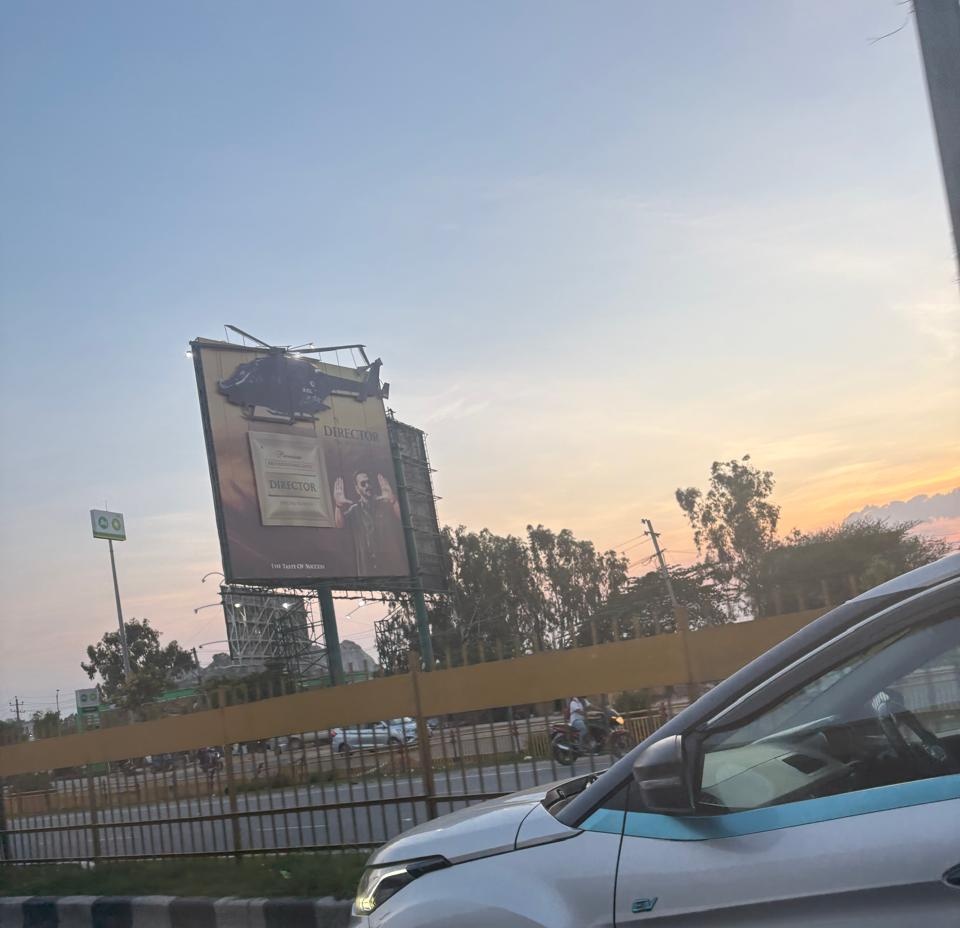
For a second I thought it was the @CareerinIAF advertisement for Join the Indian Air Force, a marketing gimmick with the director Mr Rohit Shetty. Although that looks more like the @adgpi ALH WSI there. A brand advertisement of a tobacco product doesn't look good when it misappropriates the Armed Forces. @IAF_MCC
Sqn Ldr Varlin Panwar (Retd) tweet media
English
0
1
5
224
Sqn Ldr Varlin Panwar (Retd) retweetledi
Indian Air Force
Indian Air Force@IAF_MCC·
#OperationSindoor अटल संकल्प और निर्णायक कार्रवाई के साथ — ऑपरेशन सिंदूर राष्ट्र की स्मृतियों में सदैव अंकित रहेगा। भारत याद रखता है। भारत जवाब देता है। #operation #Sindoor #operationsindoor #IAF @PMOIndia @rajnathsingh @DefenceMinIndia @SpokespersonMoD @HQ_IDS_India @adgpi @CareerinIAF @indiannavy
हिन्दी
58
596
2.8K
35.7K
Sqn Ldr Varlin Panwar (Retd) retweetledi
IN
IN@IndiannavyMedia·
⚓️ भारत की रक्षा हमारा धर्म… #IndianNavy – Waves of Power #OperationSindoor wasn’t a response—it was a statement. 🇮🇳 🎵 Music Credits : Aritra.XI-SS #OpSindoorAnniversary
22
309
1.3K
30.6K
Sqn Ldr Varlin Panwar (Retd) retweetledi
Indian Air Force
Indian Air Force@IAF_MCC·
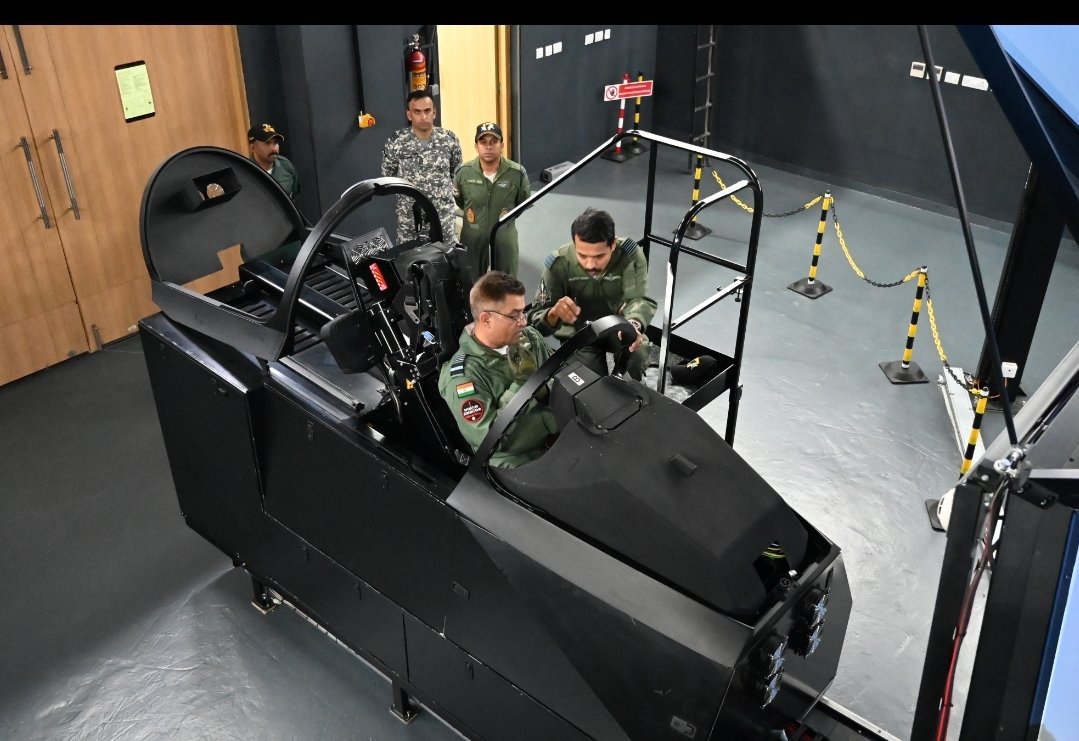
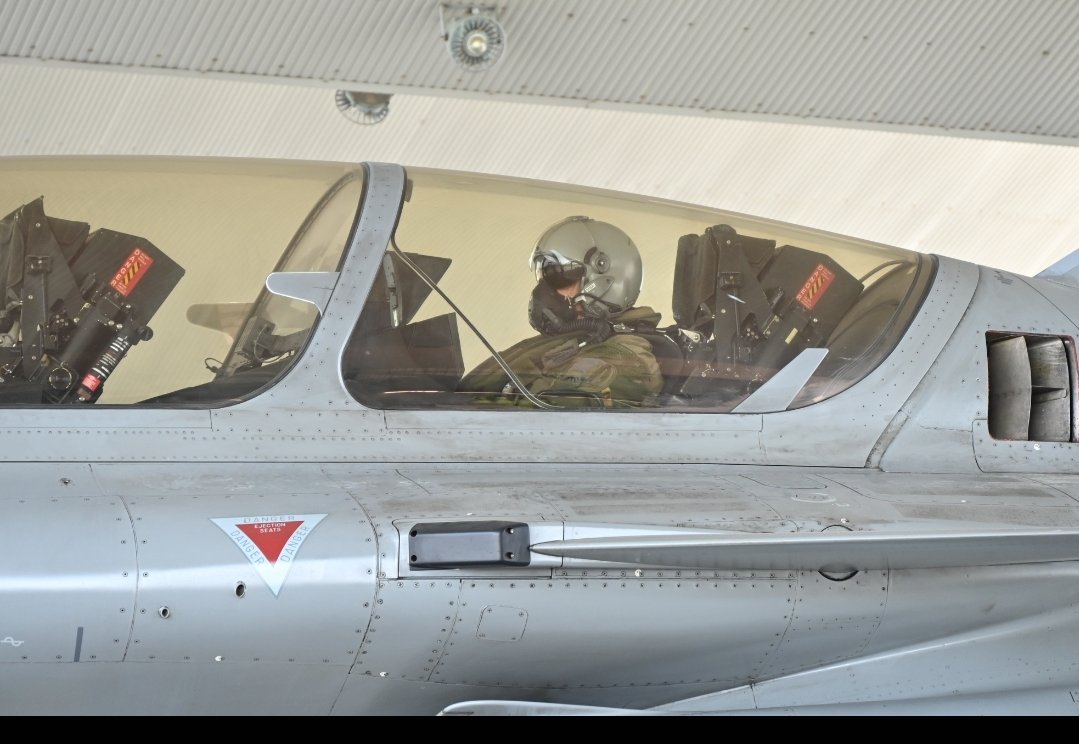
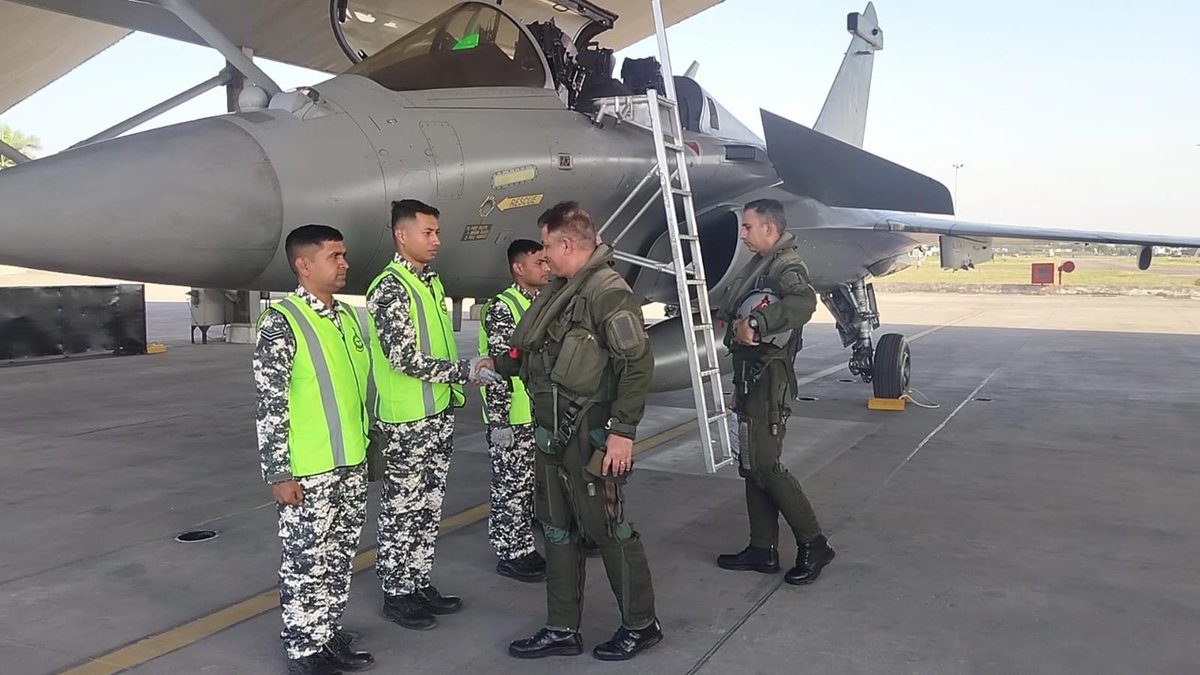
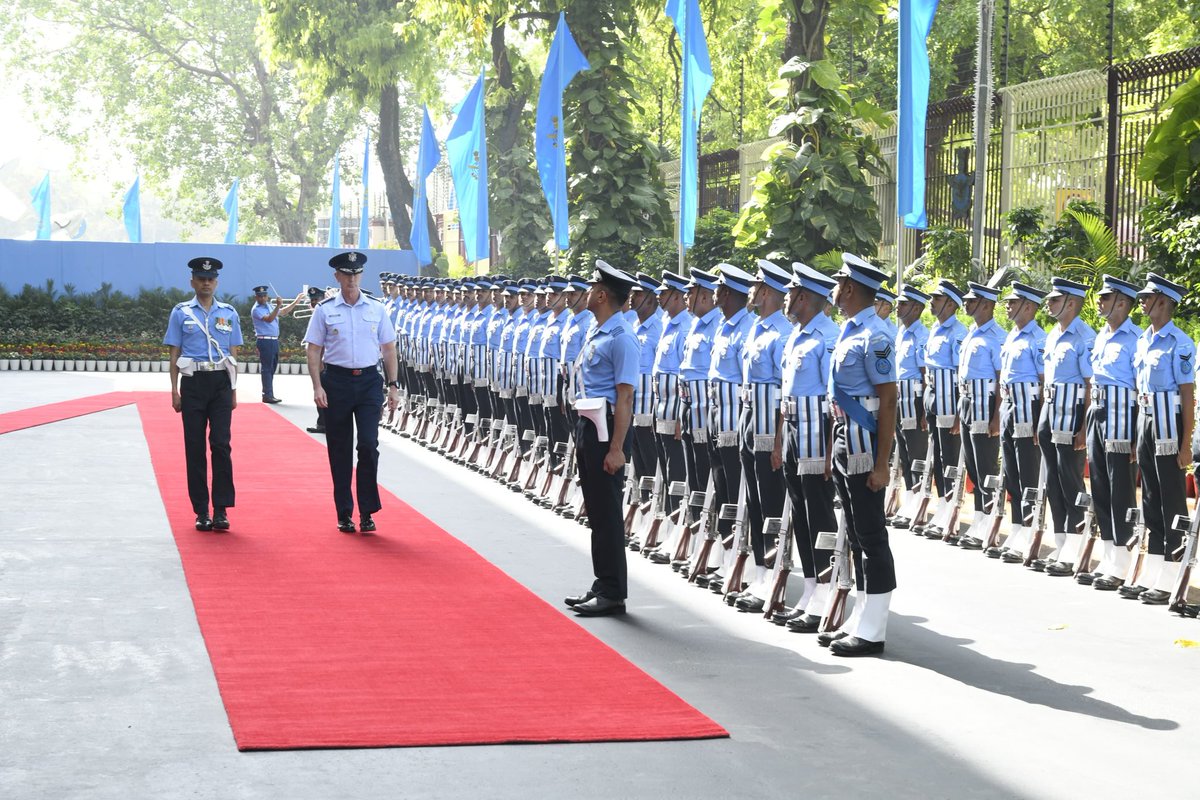
General Kevin B. Schneider, Commander PACAF & Air Component Commander, U.S. Indo-Pacific Command, called on Air Chief Marshal AP Singh, CAS, Indian Air Force, during his official visit to India. He laid a wreath at the National War Memorial, was accorded a ceremonial Guard of Honour, and interacted with senior leadership of the Indian Air Force. #IAF #PACAF #DefenceCooperation @PACAF @DefenceMinIndia @SpokespersonMoD @HQ_IDS_India @adgpi @indiannavy @CareerinIAF
Indian Air Force tweet mediaIndian Air Force tweet mediaIndian Air Force tweet media
English
11
124
1.2K
28.8K
Sqn Ldr Varlin Panwar (Retd)
Sqn Ldr Varlin Panwar (Retd)@VarlinPanwar·
One of my friend runs a catering business and he has warned me not to consume any paneer available in market especially in hotels and marriage/function venues. He explains by saying that a kilogram of Paneer would need huge amounts of milk making it cost about 350 to 400 Rs per kg. However, he himself sources his paneer from a supplier in Mumbai who is charging him 180 Rs per kg (including the transportation cost) which is impossible even if manufactured in bulk. Goes on to show how dangerous is this fake food business and how they are playing with our health. Any initiative by FSSAI is unlikely so stay safe by avoiding these spurious products. I think we will have to start rearing our own cows and goats, milk them ourselves and extract Paneer, Ghee, Curd etc.
English
0
0
1
55
Sqn Ldr Varlin Panwar (Retd) retweetledi
Indian Air Force
Indian Air Force@IAF_MCC·
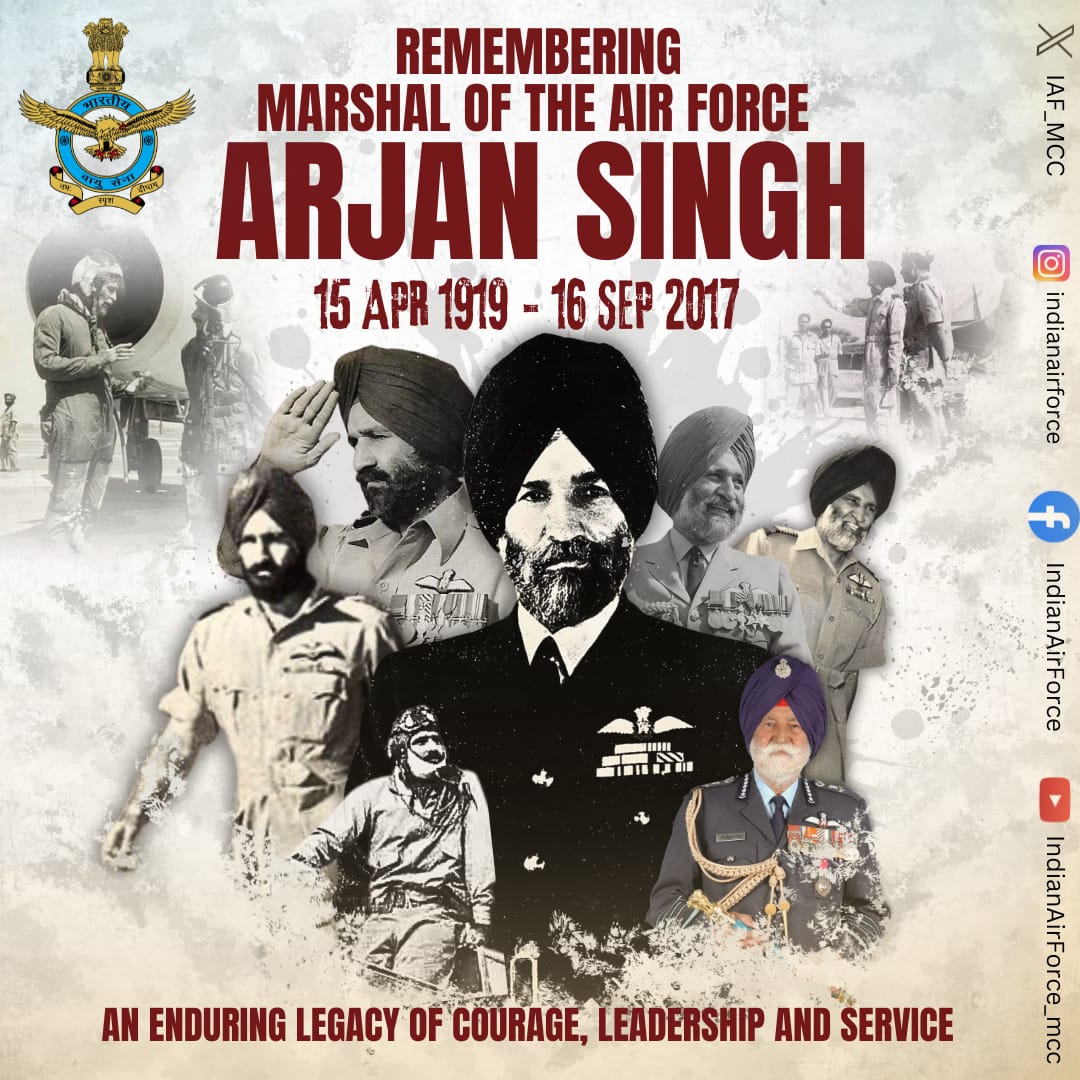
On the 107th Birth Anniversary of Marshal of the Air Force Arjan Singh, DFC, #IAF pays tribute to one of the nation’s most revered Air Warriors. A symbol of exceptional leadership, courage and foresight, his service to the nation continues to inspire generations of Air Warriors. The only officer in the history of the Indian Air Force to be conferred the distinguished five-star rank, his legacy remains etched in the annals of military history. #RememberingArjanSingh #SalutingTheLegend #MarshalOfTheAirForce @DefenceMinIndia @SpokespersonMoD @HQ_IDS_India @adgpi @IndiannavyMedia @CareerinIAF
Indian Air Force tweet media
English
46
345
1.9K
69.3K
Sqn Ldr Varlin Panwar (Retd) retweetledi
Indian Air Force
Indian Air Force@IAF_MCC·
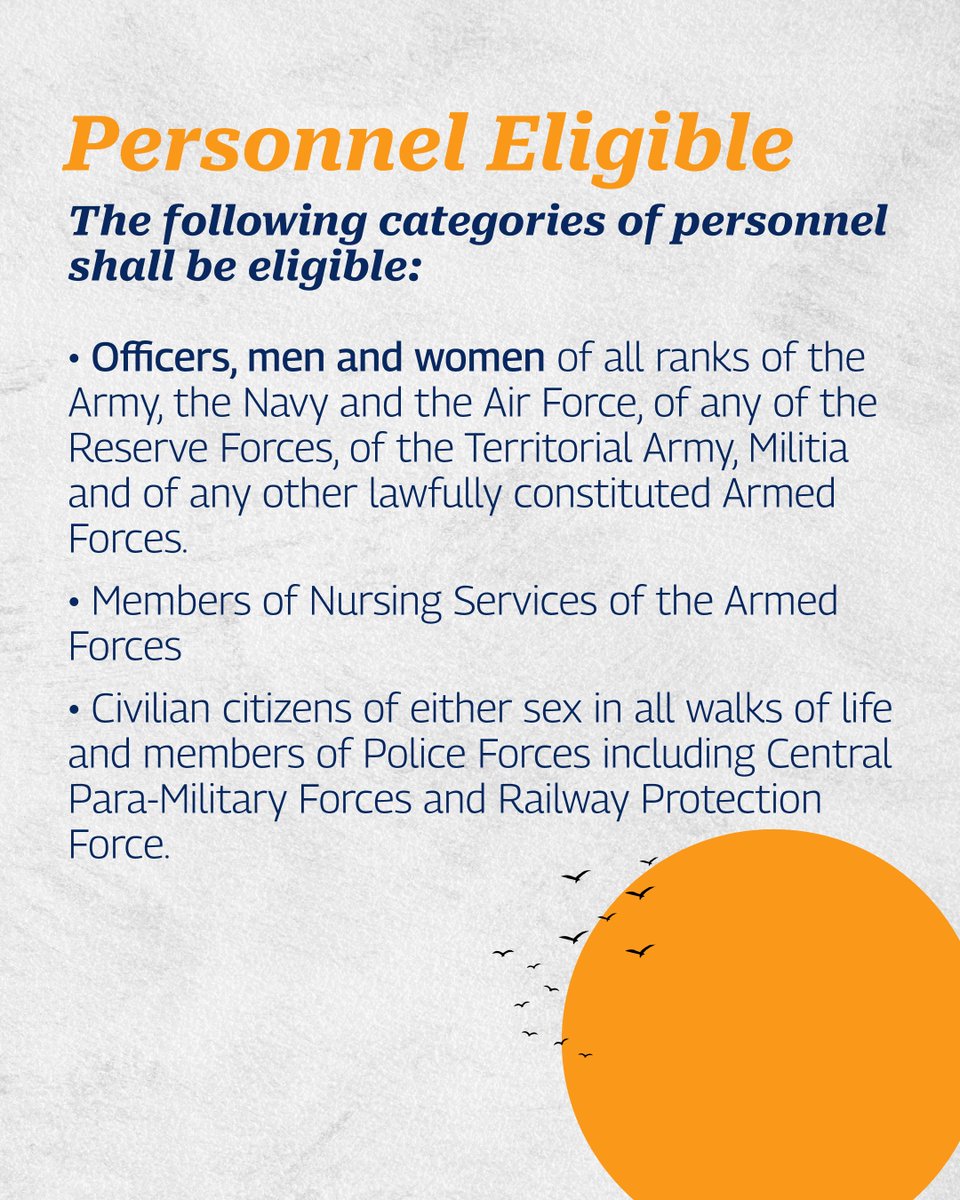
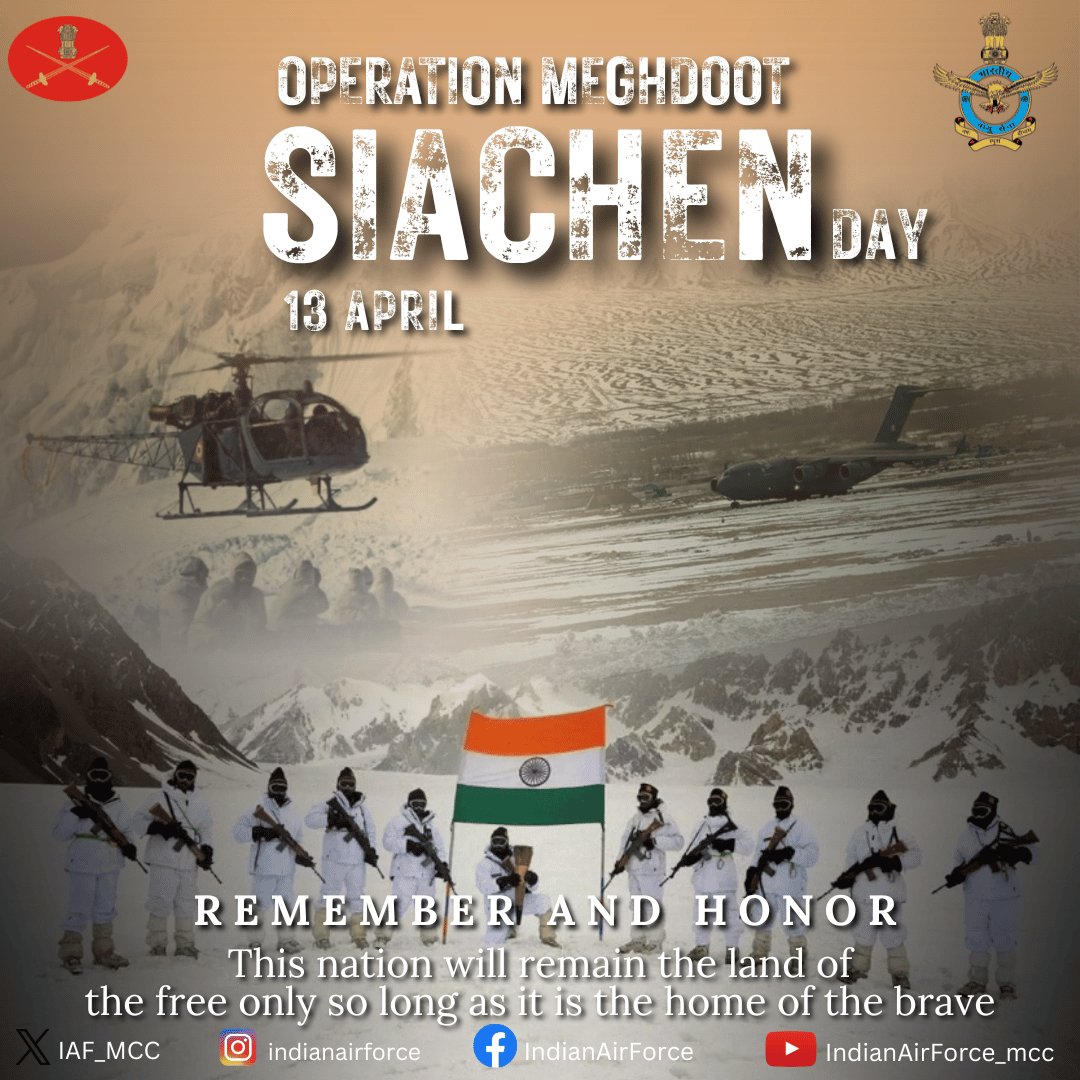
On this #SiachenDay, #IAF salutes the indomitable courage, unwavering commitment and supreme sacrifice of our brave warriors defending the world’s highest battlefield. As #OperationMeghdoot completes 42 years, we honour the legacy of valour, endurance and operational excellence in the harshest of terrains and weather conditions. From strategic airlift and logistics support, to casualty evacuation in extreme high-altitude conditions, the IAF continues to sustain operational readiness in the #Siachen sector. #HarKaamDeshKeNaam #Jointness #SiachenDay @salute2soldier @DefenceMinIndia @SpokespersonMoD @HQ_IDS_India @adgpi @IndiannavyMedia @CareerinIAF
Indian Air Force tweet media
English
35
346
1.6K
43.4K
Sqn Ldr Varlin Panwar (Retd) retweetledi
Daniel Foubert 🇵🇱🇫🇷
I'm reading the One Thousand and One Nights. I've never read something this crazy. A king discovers his wife has been unfaithful, murders her, and decides — with the cool logic of a man who has given up entirely on being reasonable — that he will marry a new woman every night and execute her at dawn. This goes on for three years. No one stops him. The vizier keeps providing brides. The kingdom just sort of accepts it. This is page one. You are not ready for what follows. Then comes Scheherazade, who solves the problem the way no therapist, general, or neighbouring monarch managed to: she simply tells stories so good that the king cannot bring himself to kill her before he hears the ending. She does this for one thousand and one nights. Which means she had, in reserve, enough interconnected, escalating tales to stall a murderous monarch for nearly three years — without notes, without a laptop, without so much as a cup of tea. The woman is either the greatest narrative genius in human history or she had absolutely nothing else going on. What makes the book genuinely deranging is the structure. Stories nest inside other stories the way Russian dolls would nest if each doll also contained a merchant, a djinn, a stolen lamp, and a legal dispute. Characters pause mid-sentence to say "Ah, this reminds me of a story—" and you, the helpless reader, follow them down yet another rabbit hole. By page forty you are four stories deep with no memory of how you got there. There are more holes below. The djinns deserve their own paragraph, because they are not the helpful, wish-granting creatures of animated films. These djinns are vindictive, mercurial, and legally complex. One of them spends what appears to be a very significant portion of his immortal life carrying a sleeping woman between continents because he found her attractive. The djinns in this book are, to put it plainly, a lot. The book is much more entertaining than repetitive Truth Social posts in any case.
Daniel Foubert 🇵🇱🇫🇷 tweet media
English
22
47
425
46.6K
Sqn Ldr Varlin Panwar (Retd)
Sqn Ldr Varlin Panwar (Retd)@VarlinPanwar·
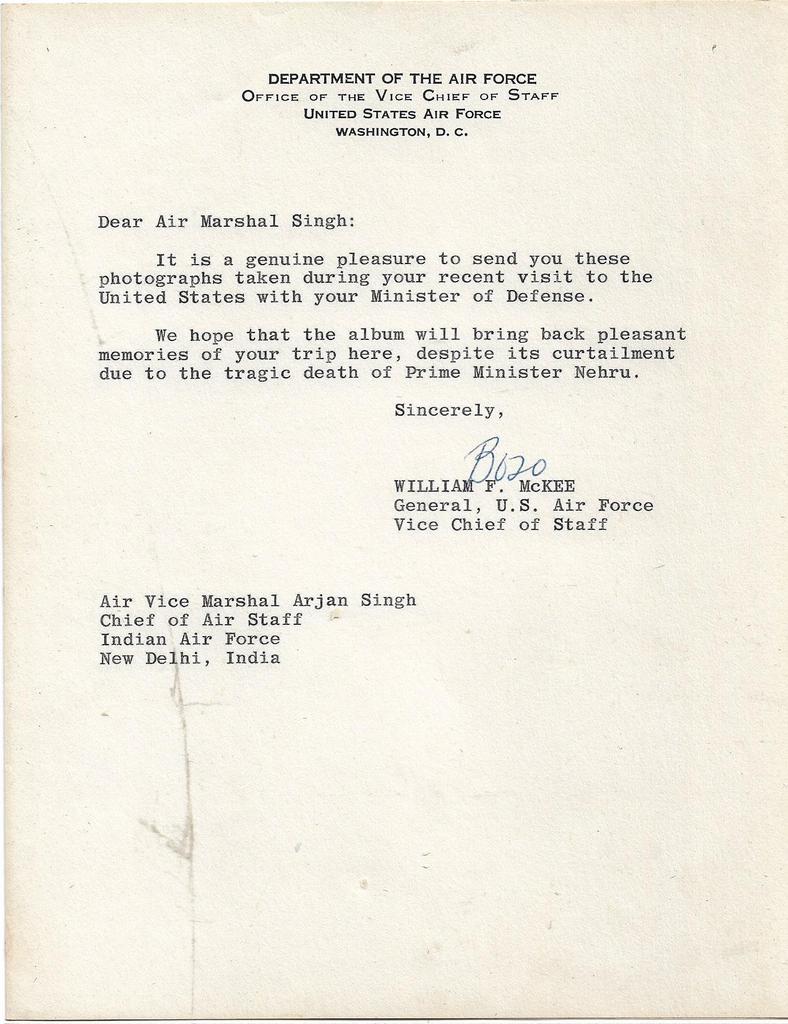
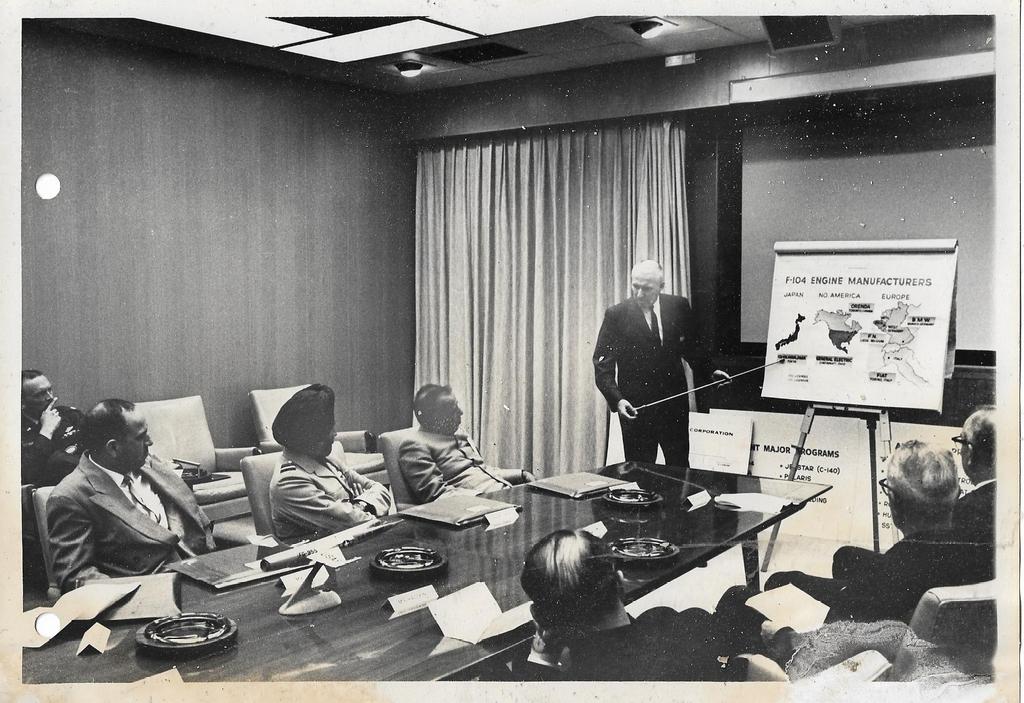
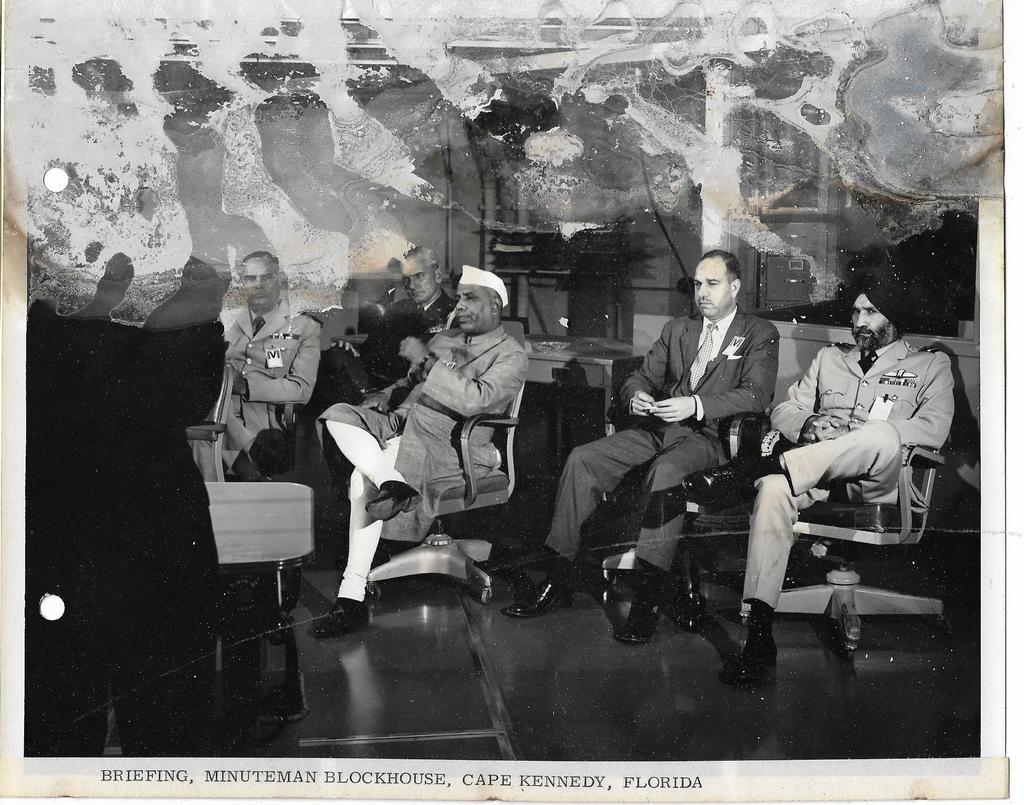
Photos from the time the then Chief of the Air Staff visited US along with the Defence Minister. Most likely before the 1965 Indo-Pak War. Mr Kennedy and then PM Nehru had almost finalised becoming allies until the former passed away in 1963 and the latter in 1964. After that, we slowly and steadily went down the Soviet Union rabbit-hole especially after the Americans preferred our Western neighbour to us. Photo Credits - Marshal of the AF Arjan Singh archival collection at AF Museum Palam. History enthusiasts must definitely visit the museum at Palam before it gets transferred to its new location. Its highly likely that some vintage records and photos may get damaged in transit.
Sqn Ldr Varlin Panwar (Retd) tweet mediaSqn Ldr Varlin Panwar (Retd) tweet mediaSqn Ldr Varlin Panwar (Retd) tweet mediaSqn Ldr Varlin Panwar (Retd) tweet media
English
1
0
1
615
Indian Air Force
Indian Air Force@IAF_MCC·
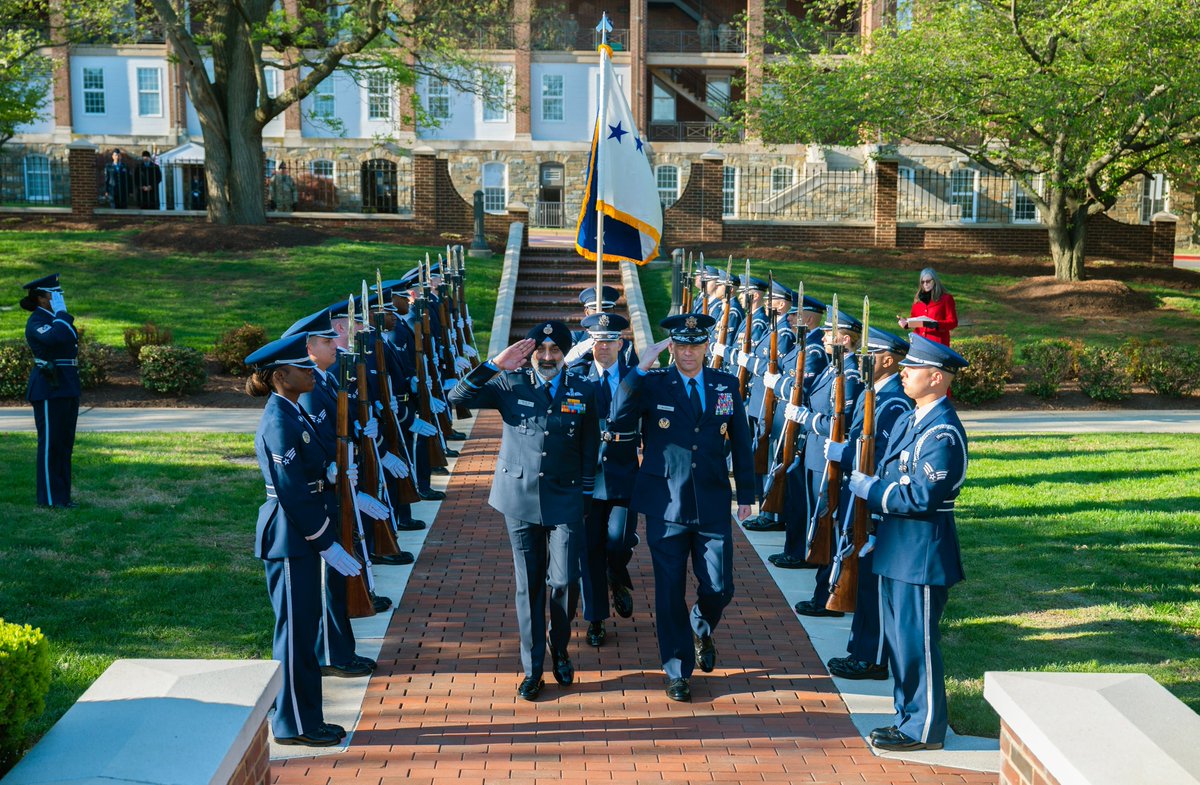
US and Indian Air Chiefs held high-level engagements in Arlington on 08 Apr to advance defence cooperation. Chief of Staff of the U.S. Air Force, Gen. Kenneth Wilsbach, hosted Chief of the Air Staff, Air Chief Marshal A.P. Singh, who was accorded full honours. Discussions with senior U.S. Air Force leadership focused on enhancing interoperability, joint training, capability development and fostering shared learning. The visit also included engagements at Peterson Space Force Base and Nellis Air Force Base, along with a familiarisation flight in an F-15EX. #leadership #interoperability #Chiefs @DefenceMinIndia @SpokespersonMoD @HQ_IDS_India @adgpi @CareerinIAF @OfficialCSAF @usairforce
Indian Air Force tweet mediaIndian Air Force tweet mediaIndian Air Force tweet mediaIndian Air Force tweet media
English
31
273
2.4K
63.5K