Sabitlenmiş Tweet
Richard Lebert
4.6K posts

Richard Lebert
@adaptivetherapy
A whole person approach to musculoskeletal health and healthy aging.
Ontario, Canada Katılım Ekim 2011
183 Takip Edilen1.1K Takipçiler
Richard Lebert retweetledi

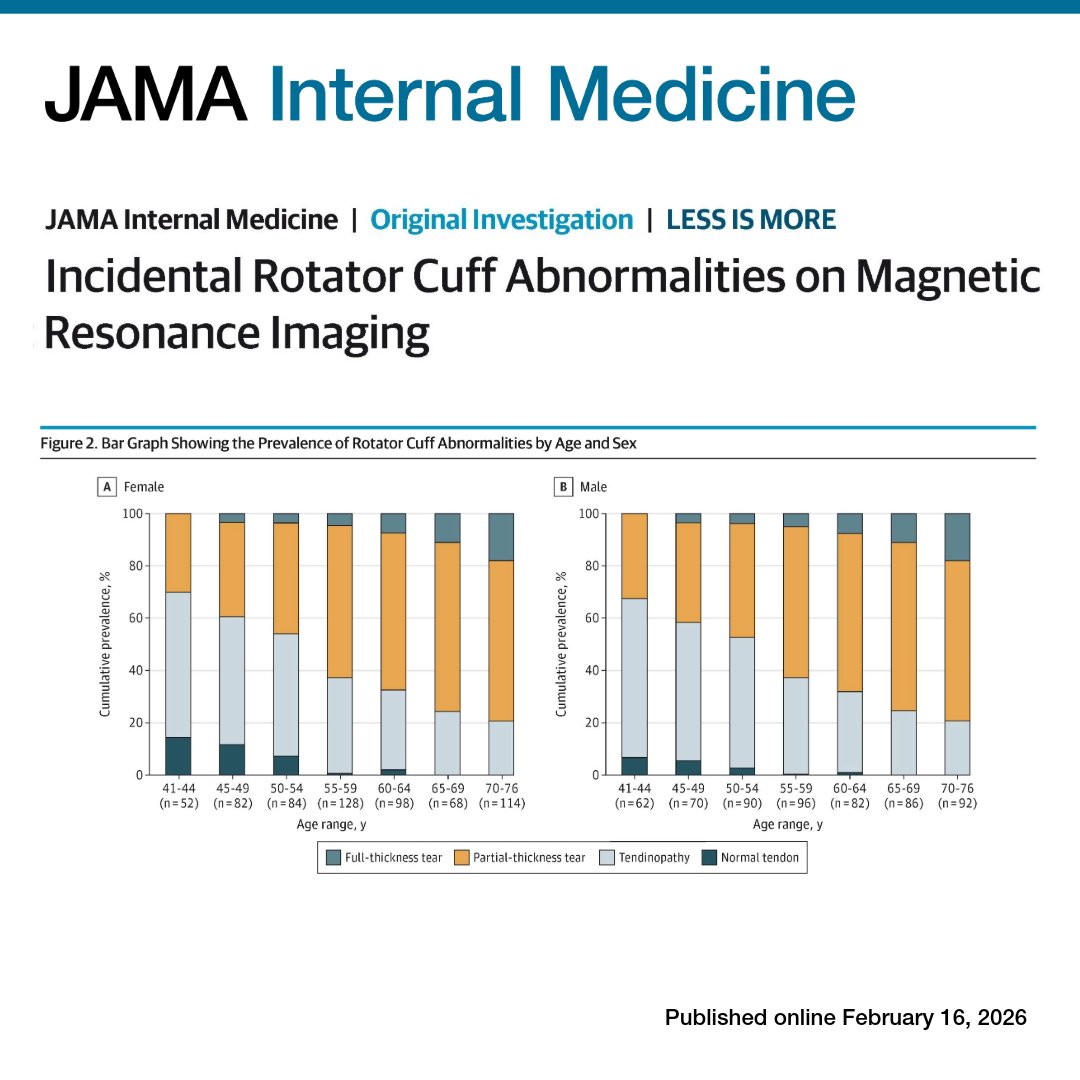
From @JAMAInternalMed: #RotatorCuff abnormalities on #MRI were found in 99% of adults aged 41 to 76, including 96% of asymptomatic shoulders, indicating most findings are age-related rather than disease.
ja.ma/4tLyg4r

English
Richard Lebert retweetledi

Richard Lebert retweetledi

A whole-person, life-course approach to brain health requires insights from neuroscience, lifestyle medicine, geroscience and the social exposome. Here, we place particular emphasis on integrating stress physiology, interoception, emotional resilience, and cognitive and brain reserve. Emerging frameworks (aging clocks, precision biomarkers, digital phenotyping and AI tools) are discussed as tools for risk stratification, early detection and personalized intervention. Congrats @DrLavretsky & team. doi.org/10.1038/s41386…

English
Richard Lebert retweetledi

From its 70 year golden age, massage began its decline in the early twentieth century to become a complementary medicine, gradually discarded by the very body of professional people which had formed to protect it.
history.physio/the-waning-tou…
English
Richard Lebert retweetledi

Richard Lebert retweetledi

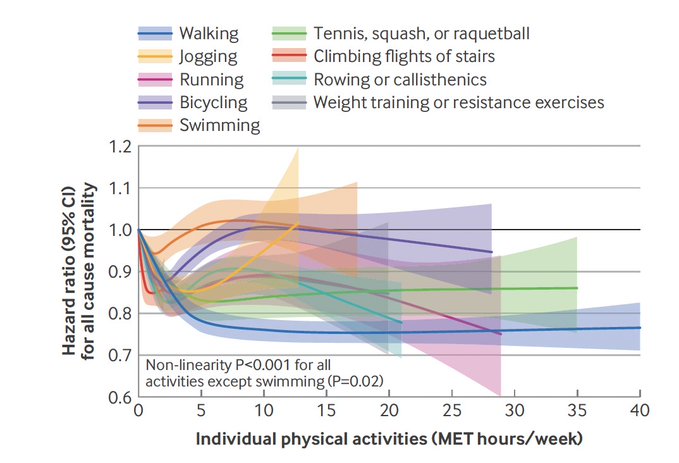
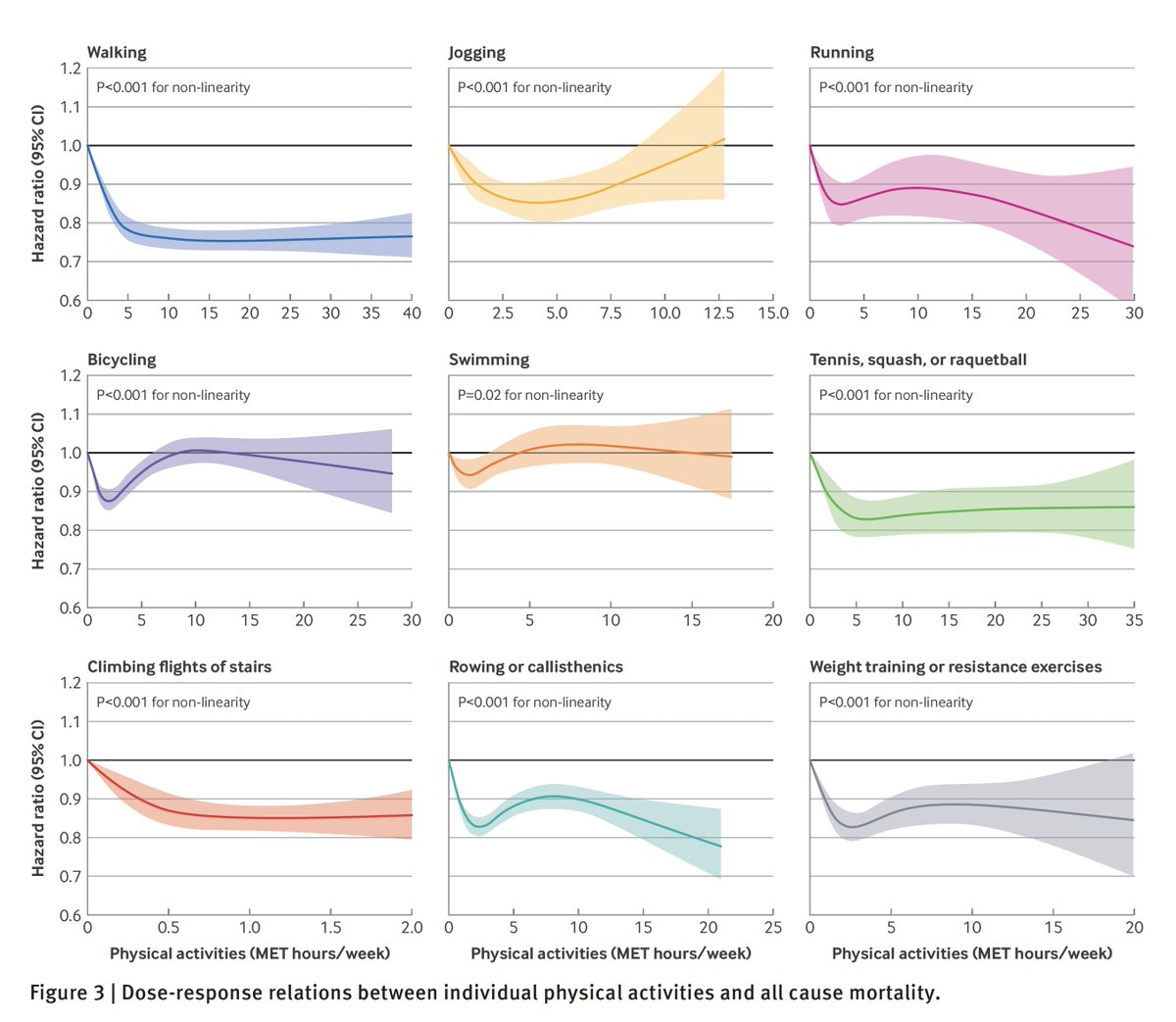
Walking is really good for you compared to other forms of exercise. And you don't have to do all that much to get most of the benefit. (via @EricTopol)

English
Richard Lebert retweetledi

Deaths potentially averted by small changes in physical activity and sedentary time: an individual participant data meta-analysis of prospective cohort studies - The Lancet thelancet.com/journals/lance…
English
Richard Lebert retweetledi

Just published in BJSM
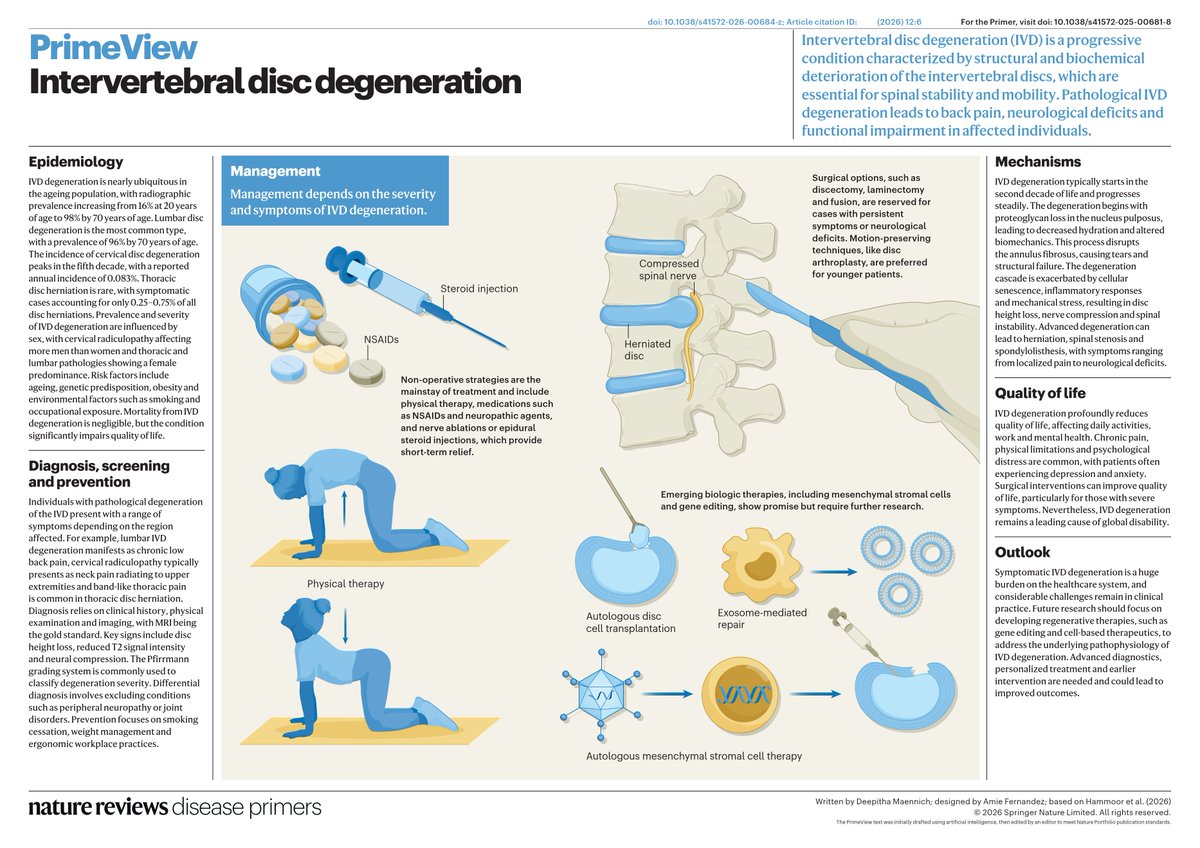
Rethinking the disc: from degenerative narrative to adaptive potential
bjsm.bmj.com/content/early/…
reminds us of our infographic 👇


English
Richard Lebert retweetledi

Just published 🔥
Great editorial in BJSM by @JaredPowell12 and colleagues
It is not all about strength: rethinking mechanistic assumptions in exercise-based rehabilitation for musculoskeletal pain relief
👇👇👇
bjsm.bmj.com/content/early/…

English
Richard Lebert retweetledi

A review of 34,000+ world-class shows:
• Youth stars ≠ adult elites
• Early specialization predicts early success, not peak performance
• World-class adults show later specialization, broader early training, and slower early progress
science.org/doi/10.1126/sc…
English
Richard Lebert retweetledi

What does it take to achieve the highest level of human performance? Across athletics, science, chess, and music
@ScienceMagazine
science.org/doi/10.1126/sc…

English

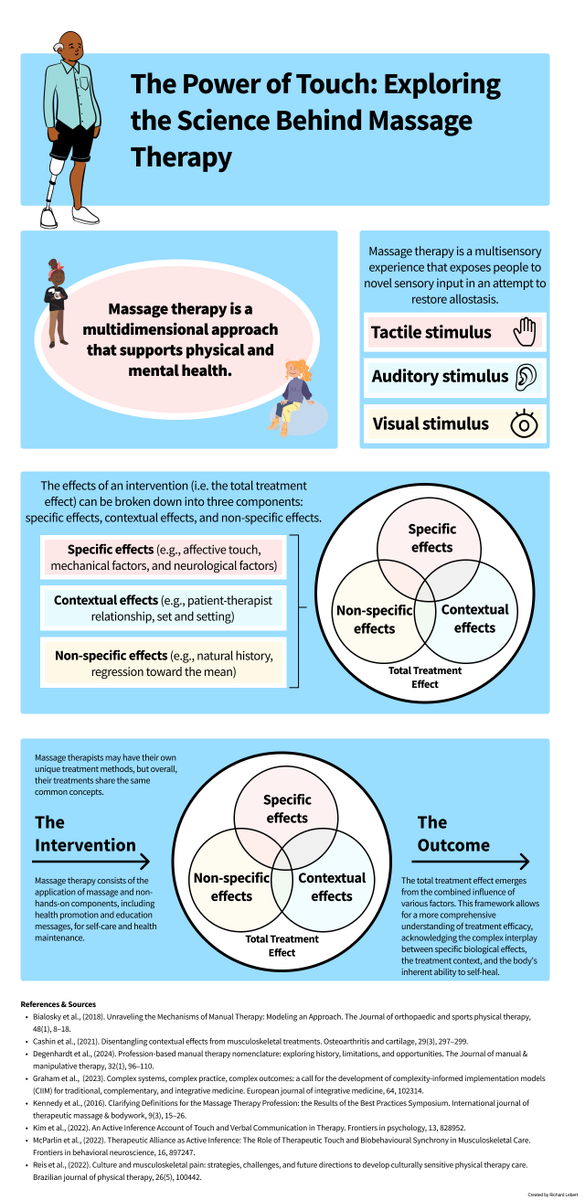
Massage and other Force-Based Manipulation act on multiple levels of the sensory system to foster adaptability and resilience.
Good paper from
Jinich-Diamant et al. (2025). doi.org/10.1016/j.neub…


English

Every six months, I share an updated list of systematic reviews that support the use of massage therapy. A number of new reviews have been published, examining the effectiveness of massage therapy across a wide range of musculoskeletal conditions.
rmtedu.com/blog/the-evide…
English

A shift toward Whole-Person Health recognizes that well-being isn’t just what’s happening in the body—it’s shaped by our environment, social context, habits, and lived experiences.
Image from - Cholewicki et al. (2025) doi.org/10.21203/rs.3.…

English
Richard Lebert retweetledi

Ultra Processed Food, and the system that produces it, has overtaken tobacco in terms of health and economic harms, and is also the leading cause of plastic pollution, loss of biodiversity and deforestation, and the second leading cause of emissions.
This week @TheLancet published a landmark three-part series on the science, policy and politics of #UPF. thelancet.com/series-do/ultr…

English
Richard Lebert retweetledi

📉New 47-year longitudinal study shows that physical capacity peaks at ~26–36 years and then declines by 30–48% by age 63.
👉The good news? Individuals who stay active throughout life maintain better strength, endurance & VO₂max than those who don’t.
pubmed.ncbi.nlm.nih.gov/41243424/
English