agnetic (Russell Curry)
634 posts

@agnetic1
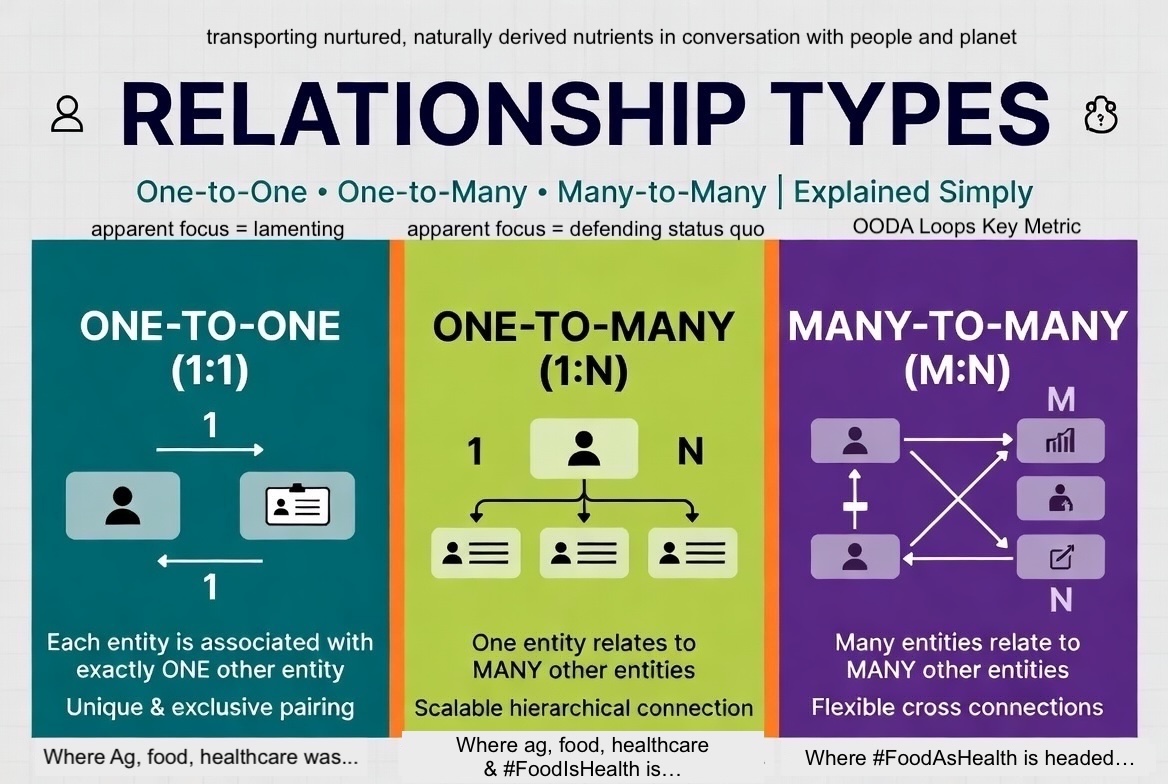
Using biomimicry to provide both off ramp for collapsing Ag, food & primary healthcare and on ramp for new environmental, economic and social alternatives.


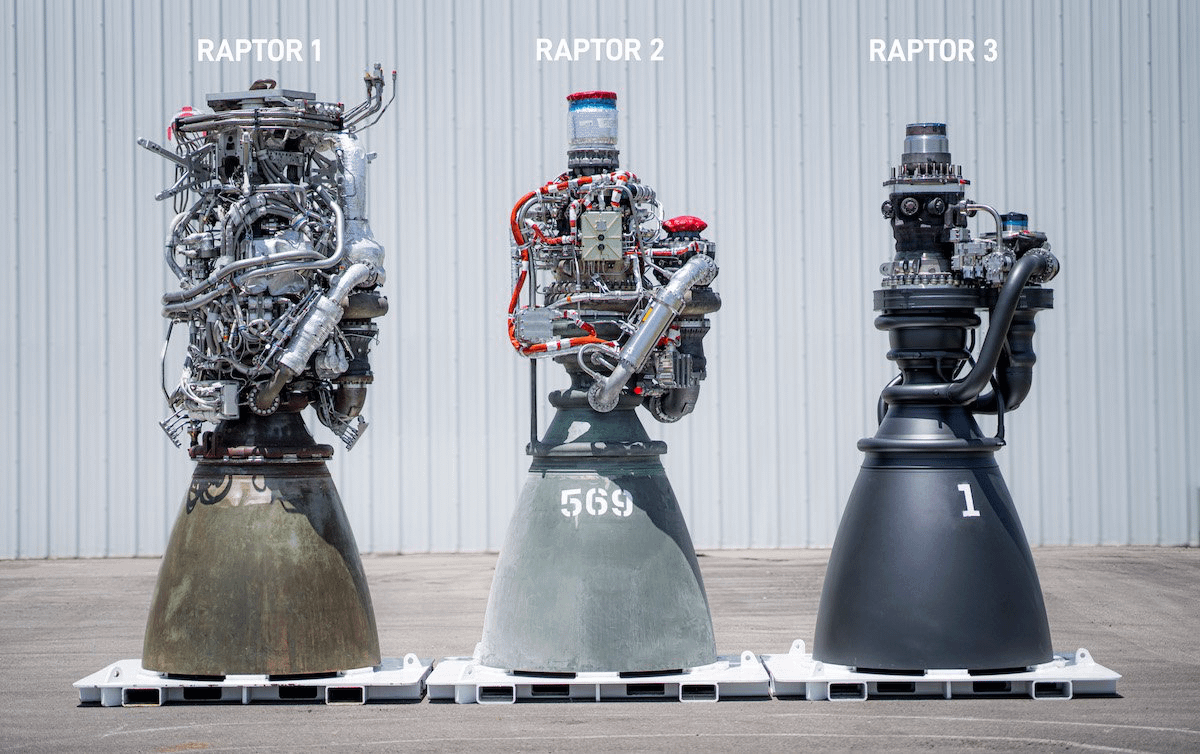
How @elonmusk thinks about the relationship between time and money: "Elon would always be at work on Sunday, and we had some chats where he laid out his philosophy. He would say that everything we did was a function of our burn rate and that we were burning through a hundred thousand dollars per day. It was this very entrepreneurial, Silicon Valley way of thinking that none of the aerospace engineers in Los Angeles were dialed into. Sometimes he wouldn't let you buy a part for $2,000 because he expected you to find it cheaper or invent something cheaper. Other times, he wouldn't flinch at renting a plane for $90,000 to get something to Kwaj because it saved an entire workday, so it was worth it. He would place this urgency that he expected the revenue in ten years to be ten million dollars a day and that every day we were slower to achieve our goals was a day of missing out on that money."


Larry Ellison just told you where the real AI war is being fought. Every major AI model trains on the same public data. Same internet. Same scraped pages. Same recycled text. ChatGPT. Claude. Grok. Llama. They all learned from the same pile. Public data isn’t a competitive edge anymore. It’s the floor. The real separation is private data. Medical records. Financial models. Defense infrastructure. Proprietary research locked behind firewalls for decades. That’s where the highest-value information on Earth lives. And most of it already sits inside Oracle databases. Not Google’s servers. Not Microsoft’s cloud. Not Amazon’s. Oracle’s. Ellison didn’t try to build another AI model. He rebuilt the database so AI could reason directly on private data. Not train on it. Reason on it. Training means your data gets absorbed into the model. It leaves your hands. Reasoning means AI thinks with your data. Returns the insight. The data never moves. That’s not an upgrade. That’s the architecture enterprise AI actually needs. Ellison called these systems “remarkable electronic brains.” He wasn’t reaching for a metaphor. He was being literal. We built synthetic cognition. Not faster software. Not better algorithms. A tool that reasons. And he said what almost no one in tech will say out loud. It won’t replace us. It’ll make us something we’ve never been. Better scientists. Better surgeons. Better engineers. Better teachers. Every tool humanity ever built followed one pattern. It made the person holding it more powerful than the person without it. Fire. The printing press. Electricity. The internet. AI follows the same arc. With one difference. This tool thinks with you. The people who figure that out first won’t just have an advantage. They’ll solve problems the rest of the world didn’t know were solvable. We didn’t build our replacement. We built our upgrade. And history won’t remember who feared it. It’ll remember who used it.


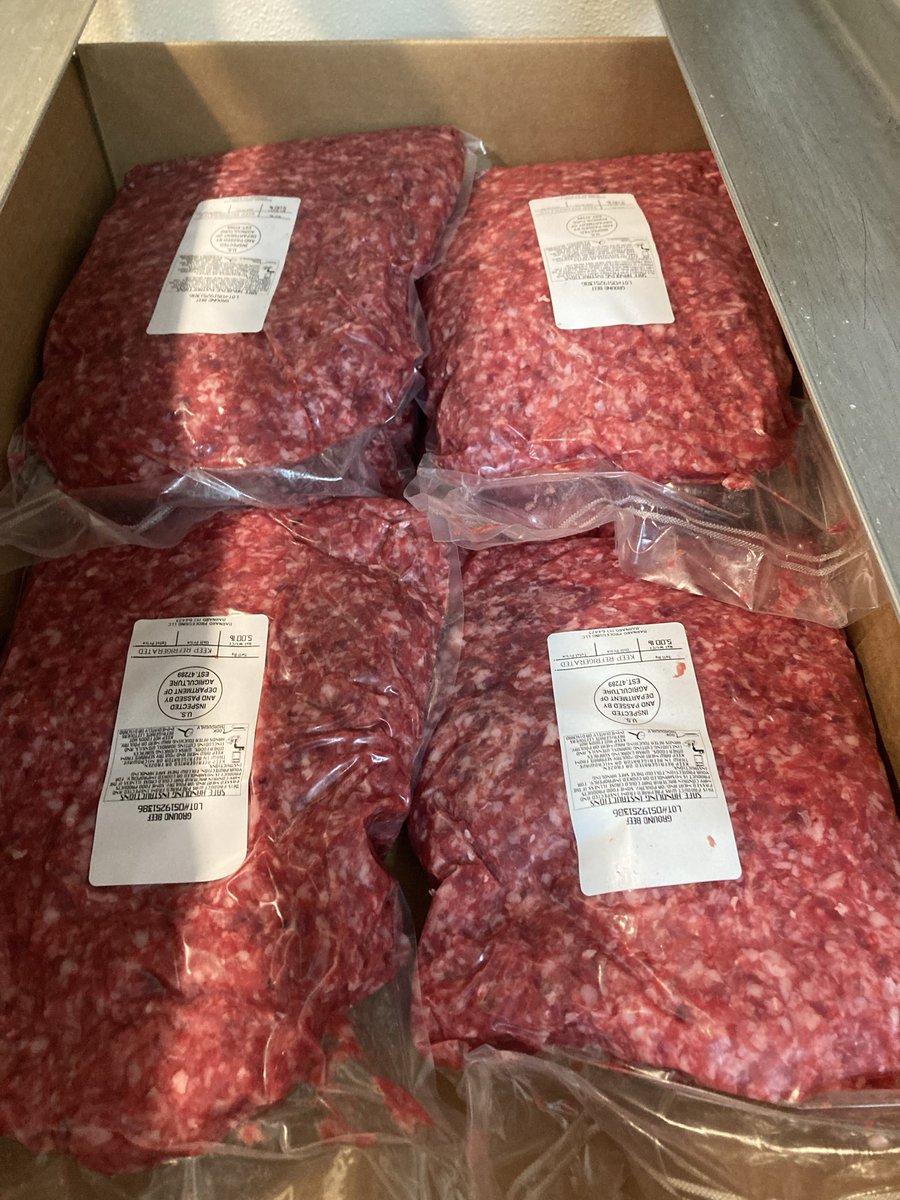
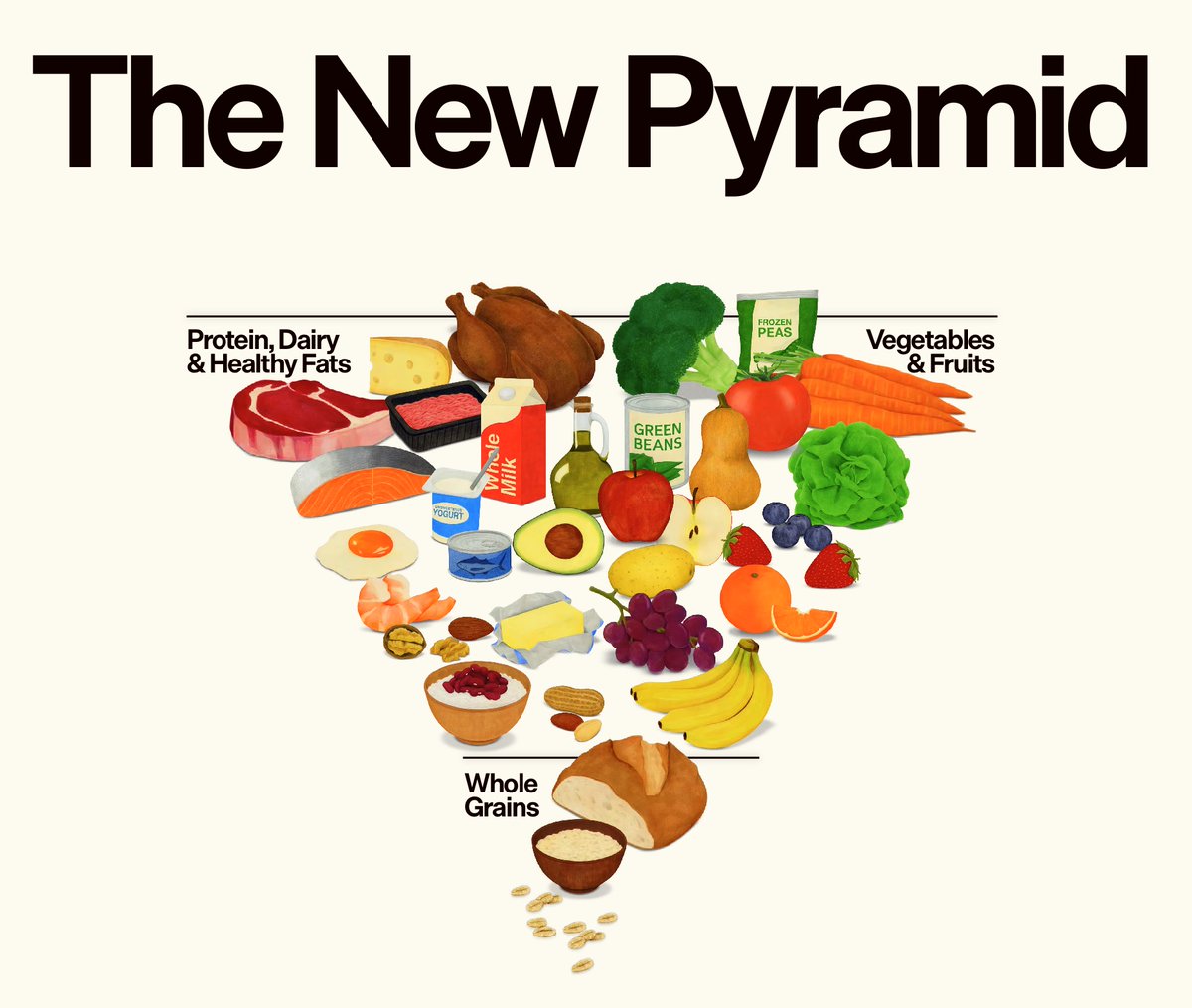
meat requires way more land than plant protein. like WAY more


Thread 1/6 – The Master Intro 📷 The Iron Rice Bowl Pattern™ – One Mental Model That Helps Fix Many Different Systems We often treat problems in geopolitics, government, education, capital markets, and the nonprofit world as completely separate. But they share a similar invisible pattern. The old Chinese idea of the “iron rice bowl” describes any protected structure that gives insiders lifetime guarantees, benefits, and almost zero accountability for results. Resources get trapped, adaptation slows, and eventual collapse becomes more painful[1]. In the early 1990s, I worked in a business development role for a large multinational American company that had not previously sold product directly into China. My responsibility was originating business and helping establish trading relationships, new logistic(s) flows, infrastructure and capabilities there — right at the time when China started breaking millions of these iron rice bowls. The short-term disruption was real and painful for many — yet it helped unlock far greater long-term prosperity and opportunity. The same pattern is playing out today in four seemingly unrelated settings.