黑37手
511 posts



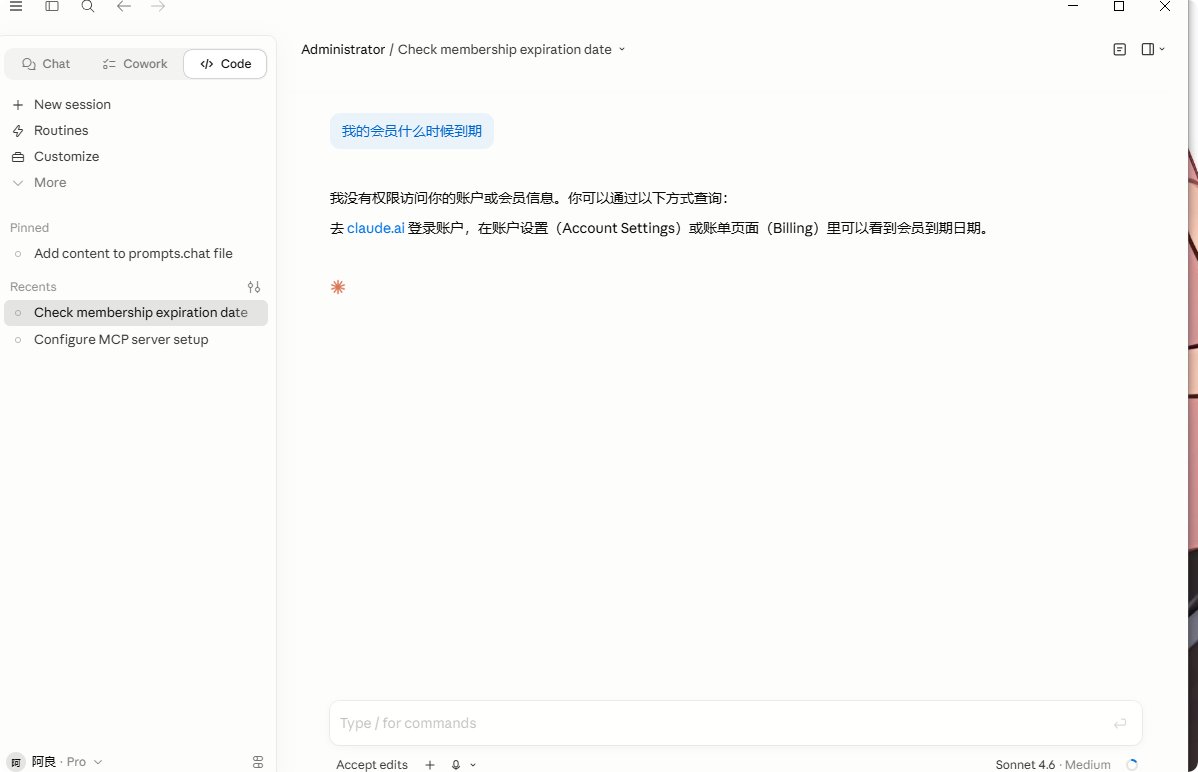




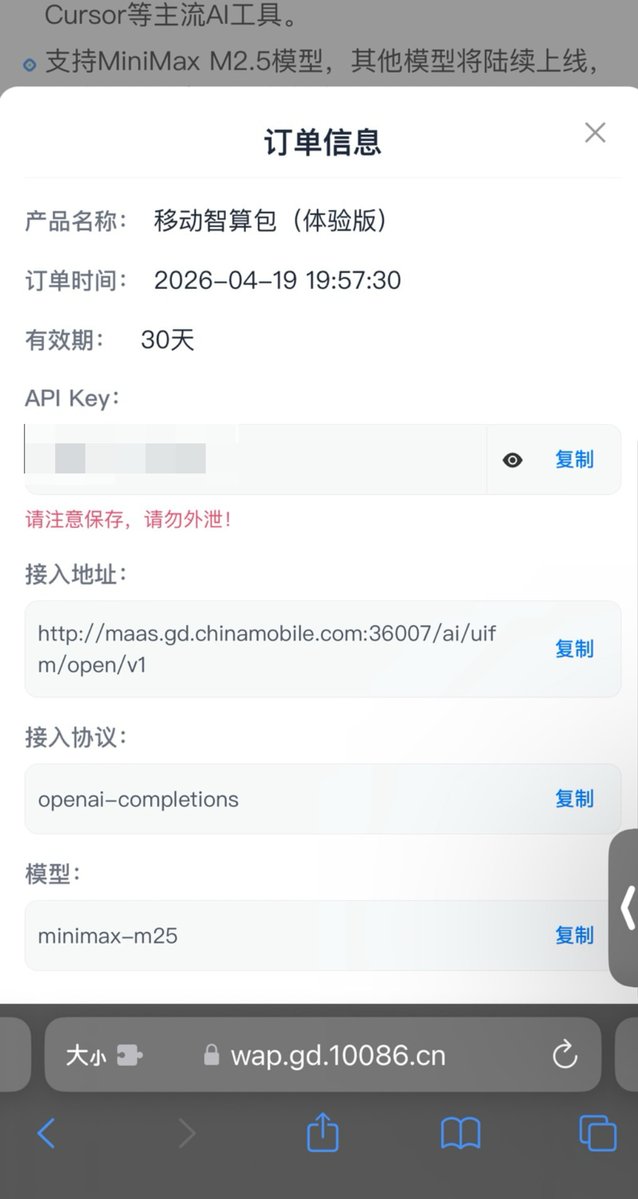

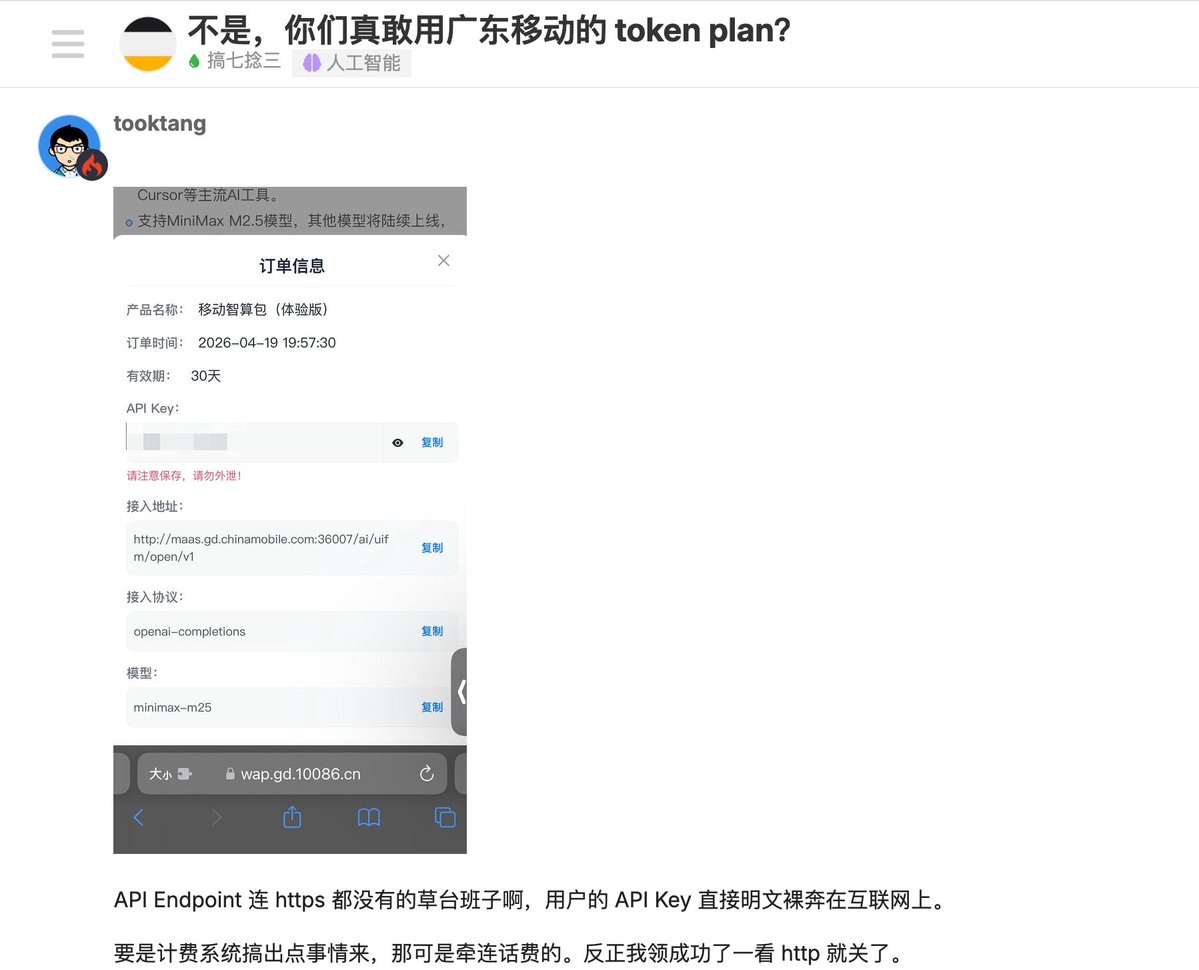






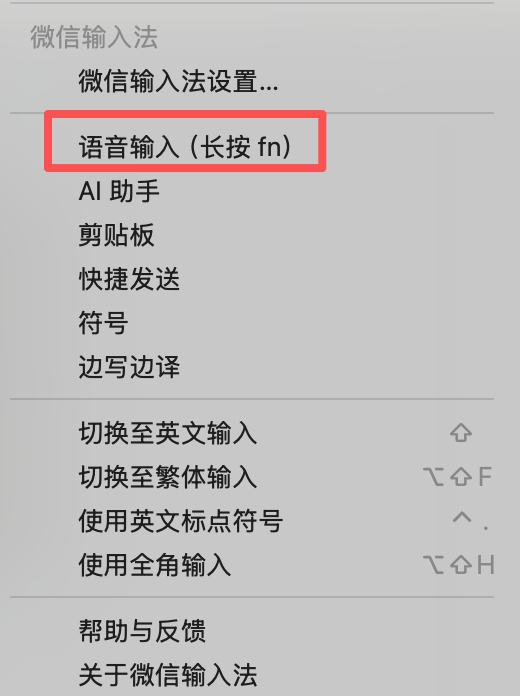
吐槽下微信输入法和豆包输入法的语音输入功能,2 家都选择了默认激活快捷键为单个控制按键,微信输入法是 Fn,豆包输入法是 Option,产品经理有没有想过这2个按键是很多功能的组合键,很容易误激活语音输入。。

中文

Two days ago, Anthropic cut off third-party harnesses from using Claude subscriptions — not surprising. Three days ago, MiMo launched its Token Plan — a design I spent real time on, and what I believe is a serious attempt at getting compute allocation and agent harness development right. Putting these two things together, some thoughts:
1. Claude Code's subscription is a beautifully designed system for balanced compute allocation. My guess — it doesn't make money, possibly bleeds it, unless their API margins are 10-20x, which I doubt. I can't rigorously calculate the losses from third-party harnesses plugging in, but I've looked at OpenClaw's context management up close — it's bad. Within a single user query, it fires off rounds of low-value tool calls as separate API requests, each carrying a long context window (often >100K tokens) — wasteful even with cache hits, and in extreme cases driving up cache miss rates for other queries. The actual request count per query ends up several times higher than Claude Code's own framework. Translated to API pricing, the real cost is probably tens of times the subscription price. That's not a gap — that's a crater.
2. Third-party harnesses like OpenClaw/OpenCode can still call Claude via API — they just can't ride on subscriptions anymore. Short term, these agent users will feel the pain, costs jumping easily tens of times. But that pressure is exactly what pushes these harnesses to improve context management, maximize prompt cache hit rates to reuse processed context, cut wasteful token burn. Pain eventually converts to engineering discipline.
3. I'd urge LLM companies not to blindly race to the bottom on pricing before figuring out how to price a coding plan without hemorrhaging money. Selling tokens dirt cheap while leaving the door wide open to third-party harnesses looks nice to users, but it's a trap — the same trap Anthropic just walked out of. The deeper problem: if users burn their attention on low-quality agent harnesses, highly unstable and slow inference services, and models downgraded to cut costs, only to find they still can't get anything done — that's not a healthy cycle for user experience or retention.
4. On MiMo Token Plan — it supports third-party harnesses, billed by token quota, same logic as Claude's newly launched extra usage packages. Because what we're going for is long-term stable delivery of high-quality models and services — not getting you to impulse-pay and then abandon ship.
The bigger picture: global compute capacity can't keep up with the token demand agents are creating. The real way forward isn't cheaper tokens — it's co-evolution. "More token-efficient agent harnesses" × "more powerful and efficient models." Anthropic's move, whether they intended it or not, is pushing the entire ecosystem — open source and closed source alike — in that direction. That's probably a good thing. The Agent era doesn't belong to whoever burns the most compute. It belongs to whoever uses it wisely.
English


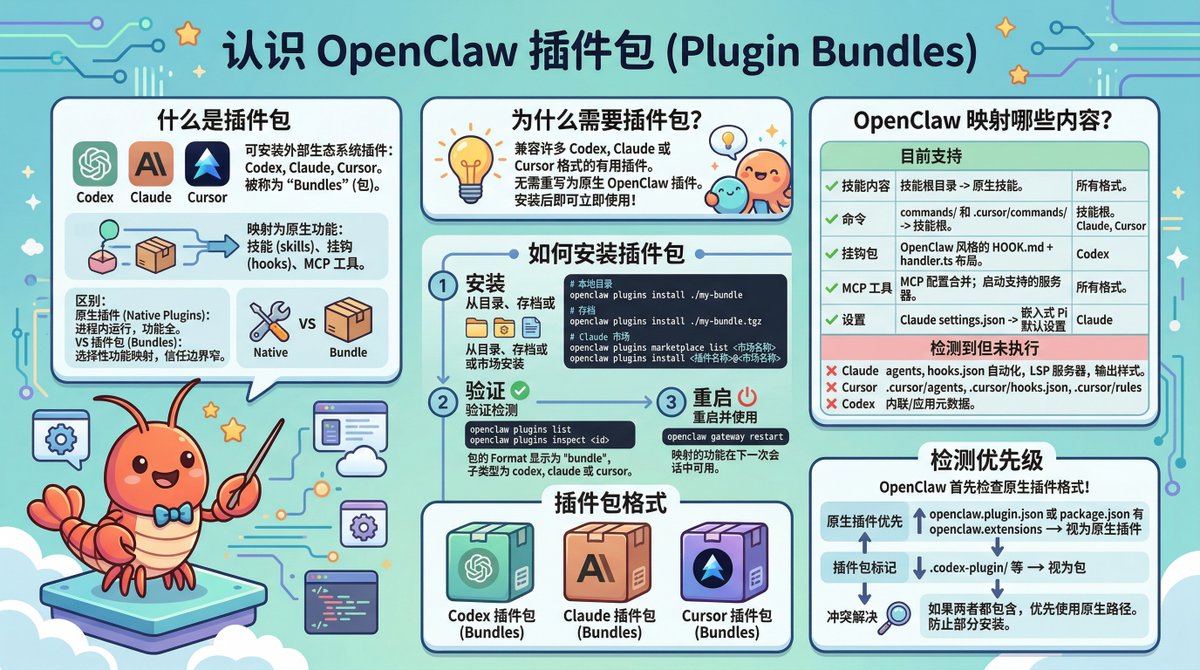
OpenClaw 昨天憋了一周的更新发布了,主要是插件系统的重构。
现在的更新项如下:
1. 现在支持在 ClawHub 里面安装插件。
2. 同时兼容 Codex、Claude 和 Cursor 的插件系统。
OpenClaw🦞@openclaw
OpenClaw 2026.3.22 🦞 🏪 ClawHub plugin marketplace 🤖 MiniMax M2.7, GPT-5.4-mini/nano + per-agent reasoning 💬 /btw side questions 🏖️ OpenShell + SSH sandboxes 🌐 Exa, Tavily, Firecrawl search This release is so big it needs its own table of contents. github.com/openclaw/openc…
中文

This Data Science Handbook teaches real-world DS better than most courses.
And I'm giving it away for free (Only for First 4500) 🚨
Inside:
• Advice from 25 top data scientists
• Real career paths (Uber, Airbnb, LinkedIn, Facebook)
• How to break into data science without a degree
• Building real data products (not just models)
• Data science + engineering mindset
• Industry workflows & decision-making
• From beginner → production-level thinking
This isn't theory — it's how top data scientists actually work.
How to get it:
• Follow me (must so I can DM)
• RT + Like
• Comment "book"
I'll DM you 📩

English





@manateelazycat 别的不敢说,IDE消失有点扯了,IDE是唯一能从符号上精确链接各个库、函数和代码的工具,这就是最后的兜底,AI即便改坏也可以通过静态分析快速找出问题,要是用文本编辑器,直接一夜回到解放前
中文
AI时代以后,我觉得几个地方会发生变化
1. IDE会消失,人工编码少了,最多就是编辑器、终端和Git工具,甚至可能就一个终端就OK啦
2. 编程语言会减少,因为现有的编程语言对于AI足够了,再多点不同语法的编程语言也不能提高生产效率,最多只是艺术品
3. 各种跨平台框架会消失,React Native, Flutter 这种都会消失,AI特别擅长一个界面用不同的Native API来重写,以后跨平台不再是维护难点
4. 前端框架也会消失了,AI直接html/js/css从头撸代码最快,React Vue这些估计都不会用了
还有什么东西,你觉得会消失?
中文

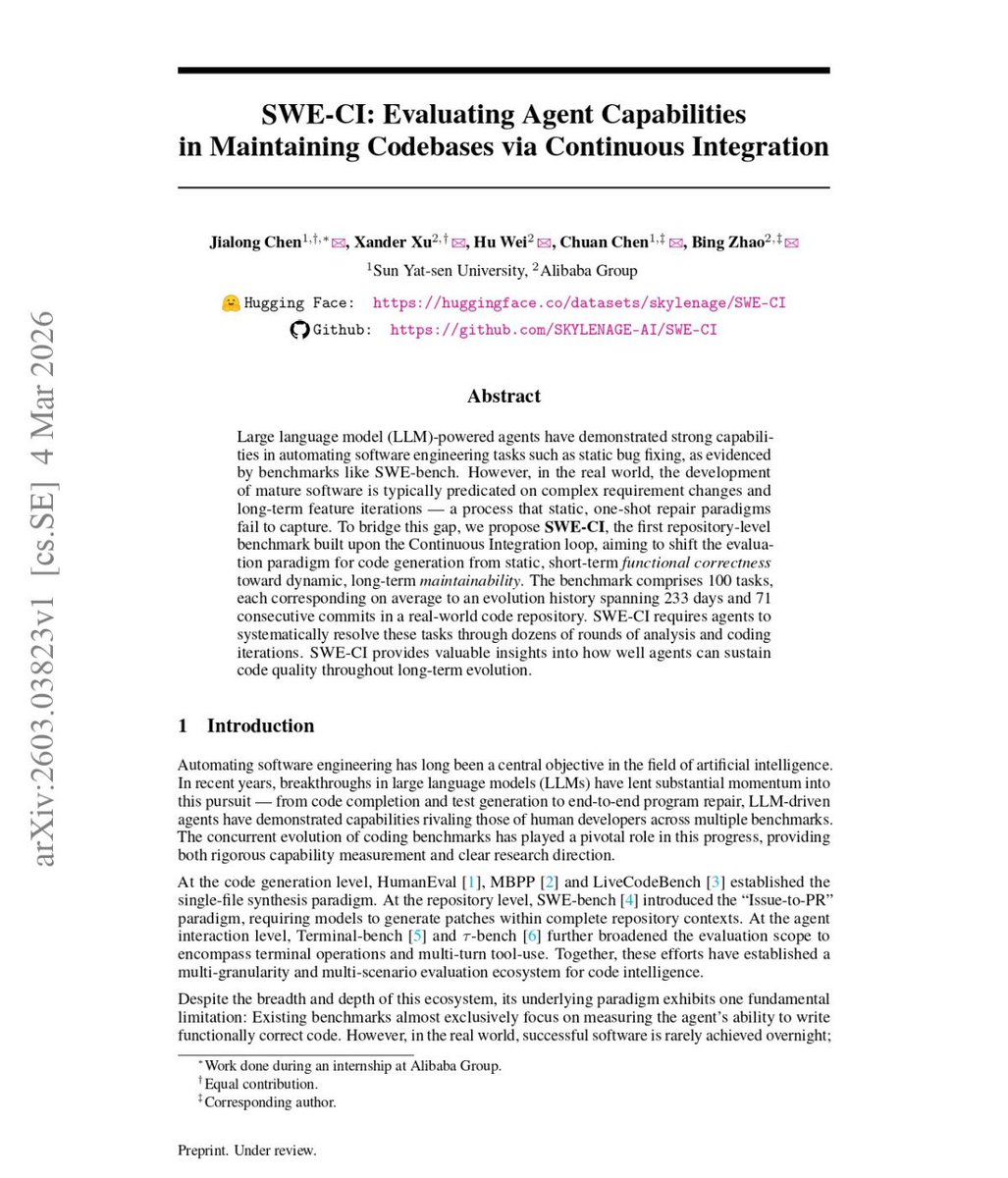
阿里最新这项研究挺扎心的,
所以我们现在天天喊AI会抢程序员饭碗,但这项实验戳破了一层窗户纸😄
他们让18个AI智能体花了233天,
真实维护100个代码库,不考当场写对,考的是经过8个月演化,代码还能不能跑。
结果是:
75%的模型越维护越乱,最后把本来能跑的代码搞崩了🤣🤣🤣
只有 Claude Opus 保持了一半以上的零退化率,其他全凉,
现在的AI是快照式编程,
给一道题,当场写出能通过单元测试的代码,
这个很帅,但真实软件工程不是考一道题,
是考长期维护,
你改bug会不会引入新bug?
你加功能会不会动了底层逻辑?
几个版本迭代下来,技术债务是不是堆成了山?
多数AI写出来的就是看起来很美的纸牌屋,
当时能跑,
三个月后就是没人敢碰的祖传屎山,
最后还得真人上去擦屁股😂
所以兄弟们,别担心AI抢饭碗了,
它造出来的屎,够我们修到退休🤪
#AI #编程 #Claude #软件工程
中文


openclaw 改完配置最烦的就是重启。
openclaw gateway restart 动不动就卡住,报 "not installed",然后得折腾半天。
其实OpenClaw 的 gateway 支持 SIGUSR1 热重启。
效果:config 重新加载,channels 重新连接,但进程不死。PID 不变,Discord 连接不断,Agent session 继续跑。整个过程几秒钟,用户端零感知。
对比一下传统冷重启:停进程→拉起新进程→重连所有 channel→重建 session,中间断线 30 秒起步。而且如果你的 Agent 跑在 gateway 里(比如通过 Discord 下指令),冷重启等于让 Agent 杀掉自己——bootout 一执行,进程没了,后面的 bootstrap 根本没人跑。
热重启避开这个问题。进程不死,就不存在自杀。
唯一不适用的场景是版本升级——新代码必须新进程才能加载。
但日常改个 model、调个 channel 配置、加个 agent binding?SIGUSR1 就够了。
中文