Sheila Khama@SheilaKhama
CHANGING POLICY THANKS TO GEOPOLITICS OF CRITICAL MINERAL SUPPLY
In an article I wrote and published by the online edition of The Mining Weekly magazine, I comment on factors that underpin developments policies on mining, mineral processing, trade and related investments. The quest is security (and where possible) control of supply of substances critical for transition to clean energy technologies, digitization, national security and sovereign competitiveness. The significance of trade and economic aspects of the policies cannot be taken lightly given that the World Bank estimates that to meet demand, up to US$500 billion of investment in new mining projects would be needed by 2040. The Bank also projects that to ensure market absorptive capacity mid and downstream of the mineral value chain, by 2050 a cumulative investment of US$1.7 trillion in mining, processing plants, and related infrastructure will be required. Not surprisingly, forward looking sovereign and corporate entities have positioned themselves to leverage the unparalleled opportunities. The article highlights some noteworthy developments.
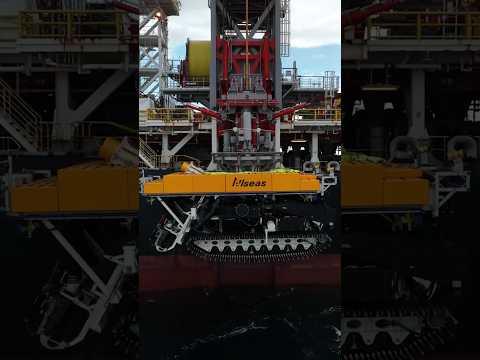
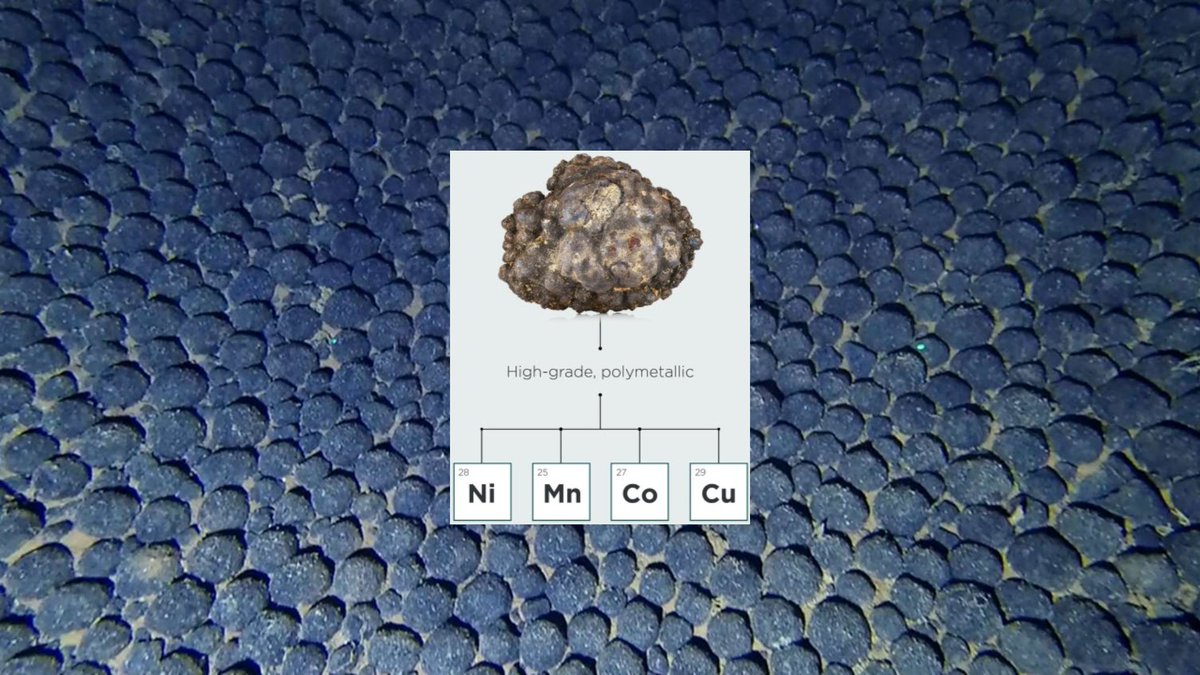
· In January 2025 the US President issued an Executive Order and instructed the Federal Agency responsible to receive, assess and if deemed appropriate license collection of minerals from the seabed in order to meet domestic industry needs,
· Investments in upstream projects by Gulf States increase and Saudi Arabia unveils $182 million incentive programme for mineral exploration,
· Saudi creates Aramco Transition Minerals to leverage the intersection of minerals and petroleum resources and geoscience,
· Industrialized countries reverse policies and embrace resource nationalism by investing in mineral value chains including through grants, concessional loans and equity on condition of the resources supplying industries in-country,
· Other countries follow the US and commit to seabed mineral exploration,
· Decarbonizing global economies is barely on national and trade policy agenda.
ON ONE LEVEL THE MORE THINGS CHANGE, THE MORE THINGS STAY THE SAME.
· Listed western companies dominate copper, iron ore and lithium,
· SOEs in Africa, Asia, Australia and Latin America continue leading production of cobalt, copper, nickel, gold,
· China dominates critical mineral processing at nearly 60% of lithium, 65% of cobalt, and close to 90% of rare earths,
· Australian Securities Exchange (ASX), London’s Alternative Investment Market (AIM), and the Toronto Stock Exchange (TSX) remain leading sources of finance for junior mineral exploration projects with little capital from emerging markets.
miningweekly.com/article/the-ch…
@AfricanAmdc
@The_SARWatch
@IGFMining
@CCSI_Columbia
@NRGInstitute
@ParisPeaceForum
@GGA_org