
Sabitlenmiş Tweet
Fer
139 posts


“California has 40 million people in it… if you take away 200 guys, the billionaires, if you take them out of the equation, we lose 47 % of our revenue.
Many of those billionaires have moved already or are in the process of moving.
47% of California tax revenue… gone.
English


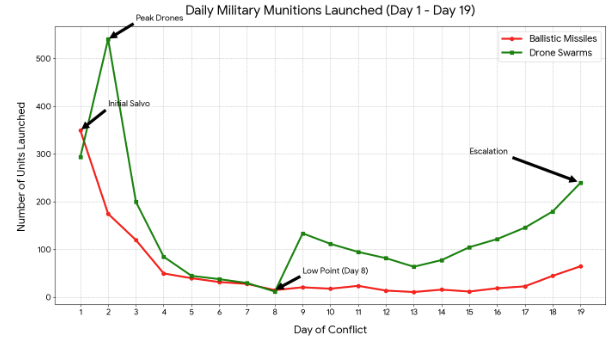
Iran is firing MORE and they are hitting MORE per shot than during the first days of the conflict.
Not good..
English
“When Denmark cut the amount of welfare that asylum seekers could access, the amount of asylum applications went down by 71%.”
“These people are not coming to your country because they're getting persecuted. They're coming for your tax money.”
English


What just happened to Iran's Kharg Island?
President Trump just said the US has carried out the "most powerful bombing raids in Middle East history" on Kharg island.
This is a MAJOR escalation for oil markets. Here's why:
Kharg Island has been described as the "crown jewel" of Iran's oil industry. It is a vital, tiny island in the northern Persian Gulf that manages ~90% of Iran's crude oil exports.
Kharg Island alone handles ~2% of global oil supply.
In the lead up to the war, Iran was exporting as much as 3 MILLION barrels of oil per day from Kharg Island. Trump said that the US military has "chosen NOT to wipe out the Oil Infrastructure on the Island" for now.
However, President Trump also said he will reconsider this decision should Iran "do anything to interfere with the free and safe passage of Ships through the Strait of Hormuz," which Iran is clearly doing right now.
In other words, President Trump appears to be paving the path for the destruction of oil infrastructure on one of the world's most crucial oil ports and islands.
It's no coincidence this came just 2 hours after markets closed for the weekend.
Buckle up for a busy weekend ahead.

English

⚠️ YOUR BRAIN MAY BE SEARCHING FOR PROBLEMS… EVEN WHEN LIFE IS GOOD
Have you ever noticed that even during happy moments, your mind suddenly looks for something that could go wrong? That strange habit may not be negativity at all. Scientists say it is simply how the human brain was designed to protect us.
Researchers call this pattern Negativity Bias.
A small but powerful brain region called the Amygdala constantly scans the world for danger. Thousands of years ago, quickly noticing threats helped humans survive.
The surprising part is that this ancient survival system is still active today. Studies in Cognitive Neuroscience show that our brains naturally react more strongly to potential problems than to positive events.
So if your mind sometimes focuses on worries even when life is going well, it doesn’t mean something is wrong with you. It may simply be your brain running an old safety program designed to keep you alive.
Sometimes the mind is not trying to ruin your happiness… it’s just trying to protect you.

English

The climate emergency narrative relies on a linear projection of doom.
But the physics of CO₂ is inherently logarithmic. Each additional molecule has less warming power than the last. We are currently in a zone of diminishing returns for heat, yet we are seeing a biological boom as the planet greens.
We aren't looking at a runaway furnace, we are looking at a self-limiting physical process that simultaneously fuels the base of the food chain. The real fiasco is treating a logarithmic gas as a linear threat while ignoring the measurable greening of our world.
CO₂ is like a diminishing return heater. In physics, the first 100 parts per million of CO₂ do the heavy lifting of trapping heat. As concentrations rise, the specific wavelengths of infrared light that CO₂ absorbs become saturated.
Doubling CO₂ from 400ppm to 800ppm does not double the heat trapped; it only adds a fixed, incremental amount. The first layer keeps you from freezing; the tenth layer adds almost no extra warmth because there is no more body heat left to trap.

Bega, New South Wales 🇦🇺 English
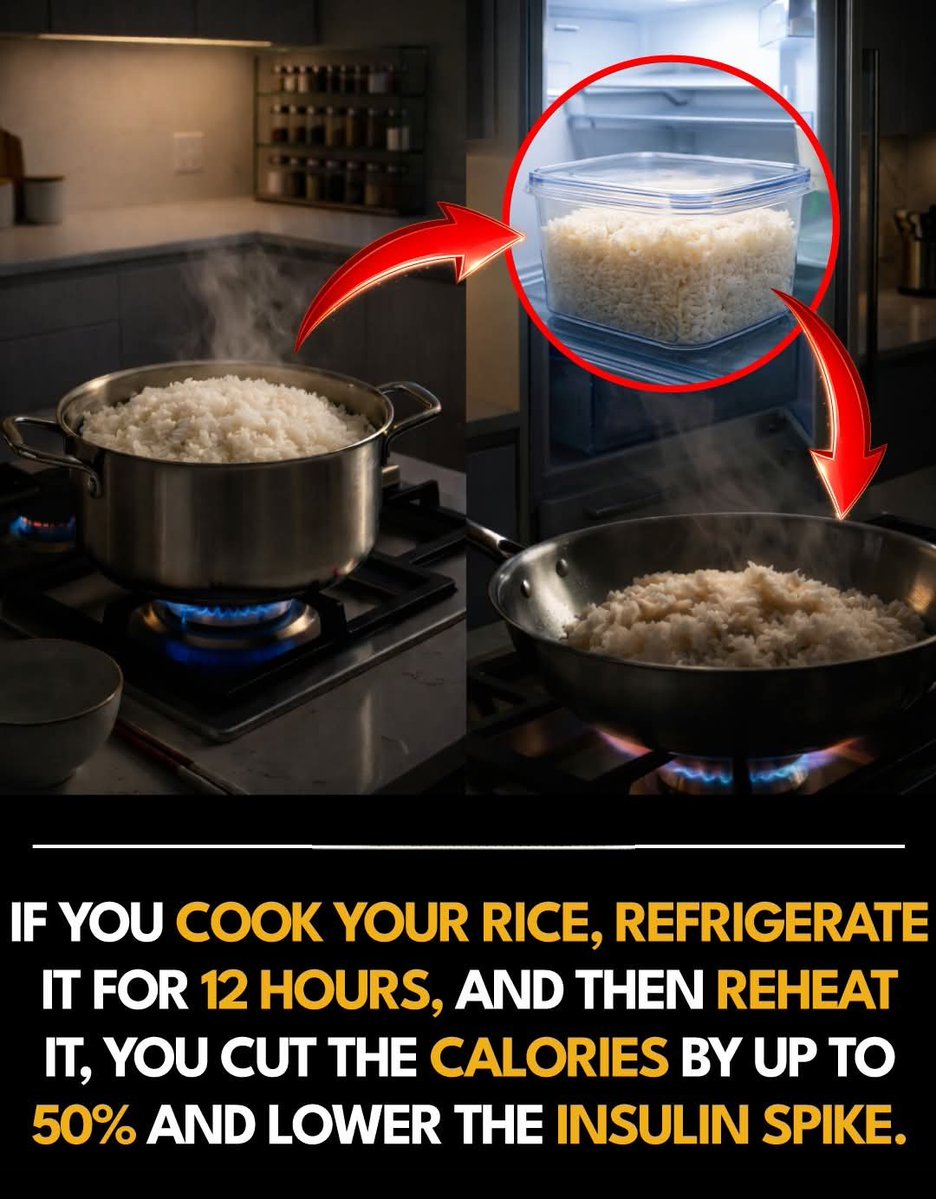
Food scientists have studied how cooking and cooling certain starchy foods can change their chemical structure. When foods like rice, potatoes, or pasta are cooled after cooking, some of the digestible starch converts into resistant starch.
Resistant starch behaves differently from regular starch because it passes through the small intestine without being fully digested, functioning more like dietary fiber in the body.
Because it digests more slowly, resistant starch can lead to smaller increases in blood glucose and insulin levels compared to freshly cooked starches, which is why researchers study its effects on metabolic health.
Cooling and reheating rice does not dramatically change the total calories listed for the food, but it may slightly reduce the amount of starch that is rapidly absorbed, altering how the body processes it.
Nutrition experts generally emphasize that overall blood sugar control depends on portion size, balanced meals, physical activity, and long-term dietary patterns, not just a single preparation method.
English

@Figure_robot @CoffeeVectors Need to work on that squat agility. very impressive progress guys.
how is the weight distribution with head and upper torso in these forward leaning motions?
it looks like it moves a bit like grandpa who shit himself, hence why I’m asking. No shade
English

@Austen @KellyClaudeAI An app where I can track the P&L of all my DeFI positions, even the newest smart contracts and with a chart📈.. the ones that already exist suck!!
English

What do you want @KellyClaudeAI to build next?
He’s humming on iOS apps all over the + the marketing for that.
What do you wish existed that she can deliver for you tomorrow?
English

Bryan Johnson explains why hyperbaric therapy is one of the best therapies for your body
“We did a 250 biomarker measurement, and after 60 sessions we saw changes in my brain, skin, blood inflammation. It had a whole body effect. It's the best skin rejuvenation protocol in the world. It rebuilds collagen and elastin fibers, and it gets rid of senescent cells”
“The problem is you need to do 60 sessions, each is 90 minutes, within 90 days. And you can’t have electronics in there because it's too dangerous, so it requires a lot of time. It's really inaccessible for a lot of people”
English

JUST IN AND UNUSUAL
CHINA is recording the US war live!
The US attacks on Iran have become a veritable military intelligence laboratory for China.
More than 300 Jilin-1 satellites are recording every detail, second by second, from munition refueling to missile trajectories.
China is turning US war doctrine into a database, including refueling times and air defense responses.
According to experts, this data could give China a military research and development advantage that will last for decades.
US war tactics are being thoroughly analyzed.
English
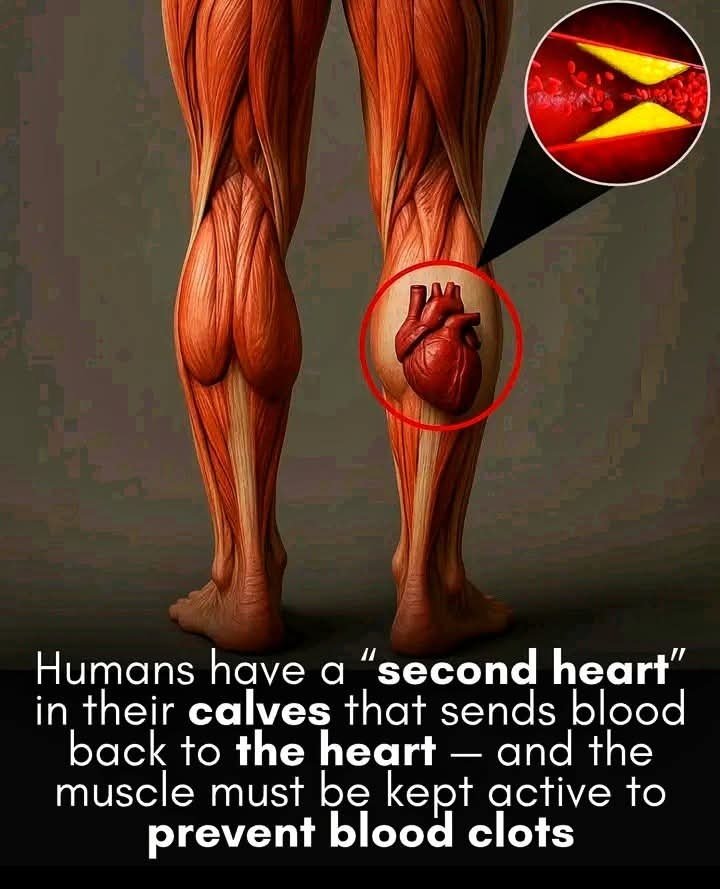
You have a second heart—and it’s hiding in your calves. 🦵❤️
Sounds wild, right? But it’s true. Your calf muscles, especially the soleus, act like a powerful pump that helps push blood back up toward your heart. This is absolutely critical, because your actual heart can’t do it alone—especially when you're upright and gravity is working against you.
This “muscle heart” only activates when you move your legs. When you’re walking, flexing your calves, or even doing toe raises, your soleus contracts and boosts circulation—helping to prevent dangerous blood pooling, swelling, varicose veins, and even clots.
But here’s the problem:
🪑 Sitting for too long shuts it down.
🚶♀️ Standing in one spot isn’t much better.
That’s why health experts from the Cleveland Clinic and Mayo Clinic emphasize movement—even just a little, but often. Getting up every 30–60 minutes to walk around, doing seated heel lifts, or wearing compression socks on long flights can make a world of difference.
✅ Walk daily.
✅ Wiggle those toes.
✅ Do some calf raises.
✅ Elevate your legs when you can.
Think of your legs as an extension of your heart. The more you move them, the better your entire body functions—from circulation to brain clarity.
So the next time you’re stuck at a desk, couch, or plane seat—remember your second heart. Keep it beating strong.
English

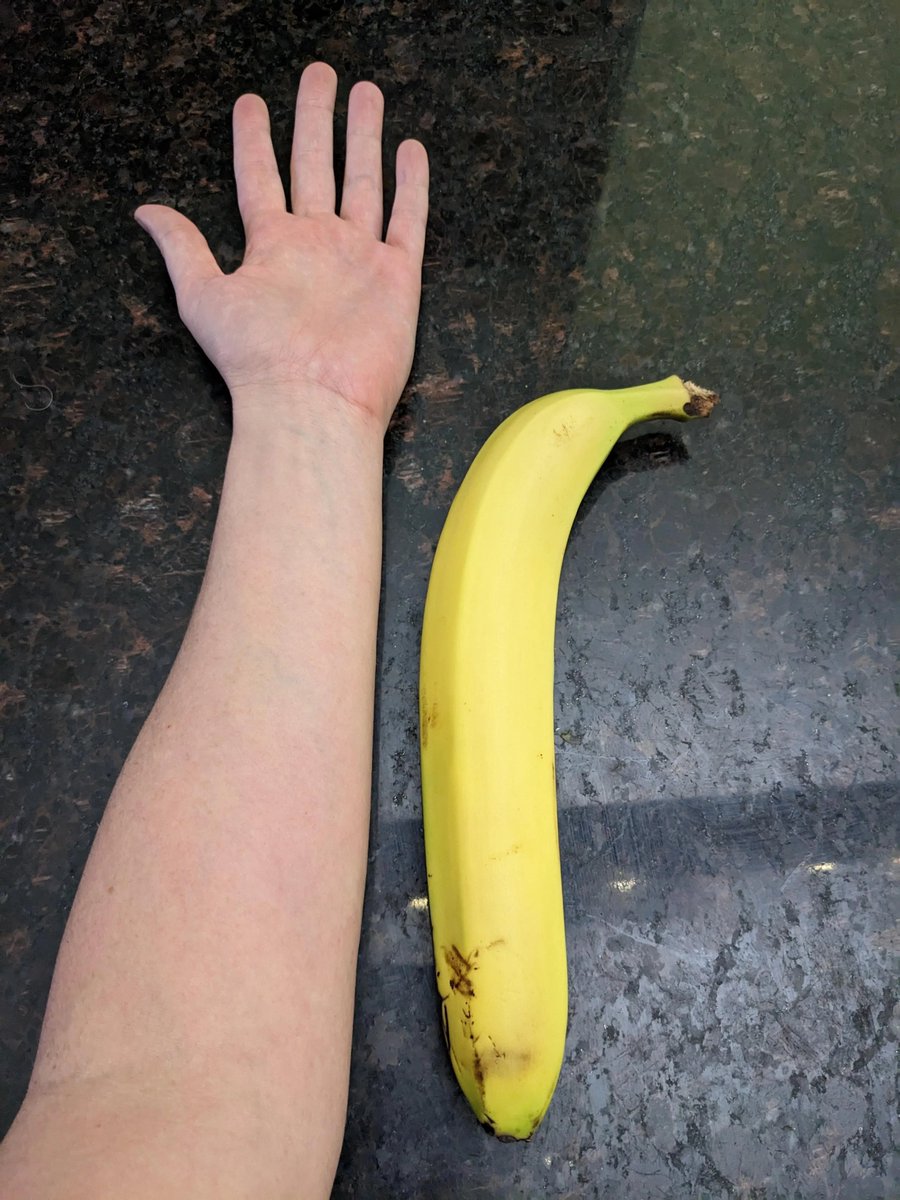
Average Erect Penis Size by Country 🍌
🇸🇩 Sudan - 17.95 cm - 7.1 inch
🇨🇩 DR Congo - 17.93 cm - 7.1 inch
🇪🇨 Ecuador - 17.59 cm - 6.9 inch
🇬🇭 Ghana - 17.31 cm - 6.8 inch
🇳🇬 Nigeria - 17.00 cm - 6.7 inch
🇻🇪 Venezuela - 16.93 cm - 6.7 inch
🇱🇧 Lebanon - 16.82 cm - 6.6 inch
🇨🇴 Colombia - 16.75 cm - 6.6 inch
🇨🇲 Cameroon - 16.65 cm - 6.6 inch
🇯🇲 Jamaica - 16.30 cm - 6.4 inch
🇰🇪 Kenya - 16.28 cm - 6.4 inch
🇸🇳 Senegal - 15.89 cm - 6.3 inch
🇨🇺 Cuba - 15.87 cm - 6.2 inch
🇳🇿 New Zealand - 15.73 cm - 6.2 inch
🇿🇲 Zambia - 15.78 cm - 6.2 inch
🇧🇿 Belize - 15.75 cm - 6.2 inch
🇦🇴 Angola - 15.73 cm - 6.2 inch
🇧🇷 Brazil - 15.70 cm - 6.2 inch
🇦🇺 Australia - 15.70 cm - 6.2 inch
🇿🇼 Zimbabwe - 15.68 cm - 6.2 inch
🇳🇱 Netherlands - 15.60 cm - 6.1 inch
🇵🇾 Paraguay - 15.53 cm - 6.1 inch
🇵🇦 Panama - 15.49 cm - 6.1 inch
🇵🇱 Poland - 15.41 cm - 6.1 inch
🇹🇩 Chad - 15.39 cm - 6.1 inch
🇸🇪 Sweden - 15.36 cm - 6.0 inch
🇿🇦 South Africa - 15.29 cm - 6.0 inch
🇨🇮 Ivory Coast - 15.22 cm - 6.0 inch
🇧🇪 Belgium - 15.14 cm - 6.0 inch
🇵🇹 Portugal - 15.14 cm - 6.0 inch
🇵🇪 Peru - 15.07 cm - 5.9 inch
🇩🇰 Denmark - 15.07 cm - 5.9 inch
🇬🇲 Gambia - 15.07 cm - 5.9 inch
🇦🇷 Argentina - 14.88 cm - 5.9 inch
🇷🇸 Serbia - 14.87 cm - 5.8 inch
🇭🇷 Croatia - 14.77 cm - 5.8 inch
🇬🇾 Guyana - 14.75 cm - 5.8 inch
🇦🇹 Austria - 14.69 cm - 5.8 inch
🇱🇻 Latvia - 14.69 cm - 5.8 inch
🇭🇺 Hungary - 14.68 cm - 5.8 inch
🇺🇾 Uruguay - 14.67 cm - 5.8 inch
🇧🇬 Bulgaria - 14.66 cm - 5.8 inch
🇹🇳 Tunisia - 14.61 cm - 5.8 inch
🇨🇱 Chile - 14.59 cm - 5.7 inch
🇮🇸 Iceland - 14.56 cm - 5.7 inch
🇱🇹 Lithuania - 14.55 cm - 5.7 inch
🇫🇷 France - 14.50 cm - 5.7 inch
🇩🇿 Algeria - 14.49 cm - 5.7 inch
🇩🇪 Germany - 14.48 cm - 5.7 inch
🇪🇷 Eritrea - 14.39 cm - 5.7 inch
🇳🇴 Norway - 14.34 cm - 5.6 inch
🇬🇧 UK - 14.30 cm - 5.6 inch
🇨🇭 Switzerland - 14.25 cm - 5.6 inch
🇺🇦 Ukraine - 14.25 cm - 5.6 inch
🇸🇮 Slovenia - 14.13 cm - 5.6 inch
🇦🇱 Albania - 14.19 cm - 5.6 inch
🇨🇿 Czechia - 14.07 cm - 5.5 inch
🇪🇪 Estonia - 14.01 cm - 5.5 inch
🇺🇸 USA - 13.95 cm - 5.5 inch
🇲🇽 Mexico - 13.92 cm - 5.5 inch
🇨🇻 Cape Verde - 13.85 cm - 5.5 inch
🇸🇰 Slovakia - 13.81 cm - 5.4 inch
🇧🇾 Belarus - 13.80 cm - 5.4 inch
🇨🇦 Canada - 13.80 cm - 5.4 inch
🇬🇪 Georgia - 13.57 cm - 5.3 inch
🇬🇱 Greenland - 13.57 cm - 5.3 inch
🇲🇦 Morocco - 13.50 cm - 5.3 inch
🇪🇬 Egypt - 13.35 cm - 5.3 inch
🇱🇺 Luxembourg - 13.32 cm - 5.2 inch
🇨🇷 Costa Rica - 13.31 cm - 5.2 inch
🇲🇾 Malaysia - 13.29 cm - 5.2 inch
🇦🇿 Azerbaijan - 13.12 cm - 5.2 inch
🇹🇷 Turkey - 13.11 cm - 5.2 inch
🇦🇫 Afghanistan - 13.10 cm - 5.2 inch
🇮🇱 Israel - 13.00 cm - 5.1 inch
🇫🇮 Finland - 12.98 cm - 5.1 inch
🇪🇸 Spain - 12.98 cm - 5.1 inch
🇪🇹 Ethiopia - 12.93 cm - 5.1 inch
🇯🇴 Jordan - 12.90 cm - 5.1 inch
🇰🇿 Kazakhstan - 12.44 cm - 4.9 inch
🇺🇿 Uzbekistan - 12.43 cm - 4.9 inch
🇬🇹 Guatemala - 12.24 cm - 4.8 inch
🇦🇲 Armenia - 12.10 cm - 4.8 inch
🇨🇾 Cyprus - 12.02 cm - 4.7 inch
🇮🇳 India - 11.93 cm - 4.7 inch
🇧🇭 Bahrain - 11.93 cm - 4.7 inch
🇨🇳 China - 11.90 cm - 4.7 inch
🇴🇲 Oman - 11.85 cm - 4.7 inch
🇮🇪 Ireland - 11.79 cm - 4.6 inch
🇲🇳 Mongolia - 11.77 cm - 4.6 inch
🇷🇴 Romania - 11.73 cm - 4.6 inch
🇸🇻 El Salvador - 11.71 cm - 4.6 inch
🇯🇵 Japan - 11.60 cm - 4.6 inch
🇦🇪 UAE - 11.54 cm - 4.5 inch
🇮🇹 Italy - 11.50 cm - 4.5 inch
🇹🇼 Taiwan - 11.50 cm - 4.5 inch
🇶🇦 Qatar - 11.41 cm - 4.5 inch
🇸🇦 Saudi Arabia - 11.40 cm - 4.5 inch
🇭🇳 Honduras - 11.40 cm - 4.5 inch
🇬🇷 Greece - 11.30 cm - 4.4 inch
🇮🇩 Indonesia - 11.07 cm - 4.4 inch
🇮🇷 Iran - 11.04 cm - 4.3 inch
🇹🇿 Tanzania - 11.02 cm - 4.3 inch
🇵🇰 Pakistan - 11.01 cm - 4.3 inch
🇰🇼 Kuwait - 10.85 cm - 4.3 inch
🇧🇩 Bangladesh - 10.80 cm - 4.3 inch
🇭🇰 Hong Kong - 10.75 cm - 4.2 inch
🇸🇬 Singapore - 10.75 cm - 4.2 inch
🇵🇭 Philippines - 10.65 cm - 4.2 inch
🇰🇷 South Korea - 10.50 cm - 4.1 inch
🇱🇰 Sri Lanka - 10.16 cm - 4.0 inch
🇻🇳 Vietnam - 10.15 cm - 4.0 inch
🇲🇲 Myanmar - 10.10 cm - 4.0 inch
🇳🇵 Nepal - 9.51 cm - 3.7 inch
🇰🇭 Cambodia - 8.91 cm - 3.5 inch
🇰🇵 North Korea - 8.60 cm - 3.4 inch
🇹🇭 Thailand - 8.43 cm - 3.3 inch
Note: Selected countries only.
Source: World Population Review
Română

Ginseng Boosts NAD+ and Telomeres: New Study in Middle-Aged Adults
Key Points:
▶️ Supplementing with ginseng leads to higher NAD+ levels.
▶️ Ginseng supplementation leads to longer telomeres.
▶️ Ginseng also leads to a reduction in other aging biomarkers like lactic acid buildup.
nad.com/news/ginseng-b… @_atanas_ @dronita_de @drfherediaz @DrGrimaldesJ
English
Medical experts have officially cleared egg.
Saturated fats—not dietary cholesterol—are the real drivers of heart disease risk.
For decades, the humble egg was the primary villain in the fight against heart disease, with dietary guidelines strictly limiting intake to avoid spikes in blood cholesterol. However, a major paradigm shift has occurred as researchers realize that the cholesterol we eat has a negligible impact on our cardiovascular health compared to saturated fats. Recent clinical trials, including a 2025 study published in The American Journal of Clinical Nutrition, demonstrated that individuals consuming two eggs daily while following a diet low in saturated fat actually saw a reduction in their LDL "bad" cholesterol levels. This confirms that the liver's production of cholesterol is triggered far more by fats found in butter and red meat than by the yolks themselves.
Beyond being cleared of medical charges, egg yolks are nutritional powerhouses, containing nearly all the essential vitamins and minerals found in an egg, including rare nutrients like choline and vitamin D. Registered dietitians now emphasize that "context is everything" when it comes to egg consumption. The health risks traditionally associated with eggs often stem from what they are paired with—such as being fried in butter or served alongside processed meats—rather than the eggs themselves. To reap the benefits of high-quality protein and antioxidants like lutein, experts recommend preparing eggs with olive oil and fiber-rich vegetables, maintaining a heart-healthy profile that aligns with modern nutritional science.
source: Colino, S. (2026). What you've been told about eggs and cholesterol is wrong, doctors now say. National Geographic.

English
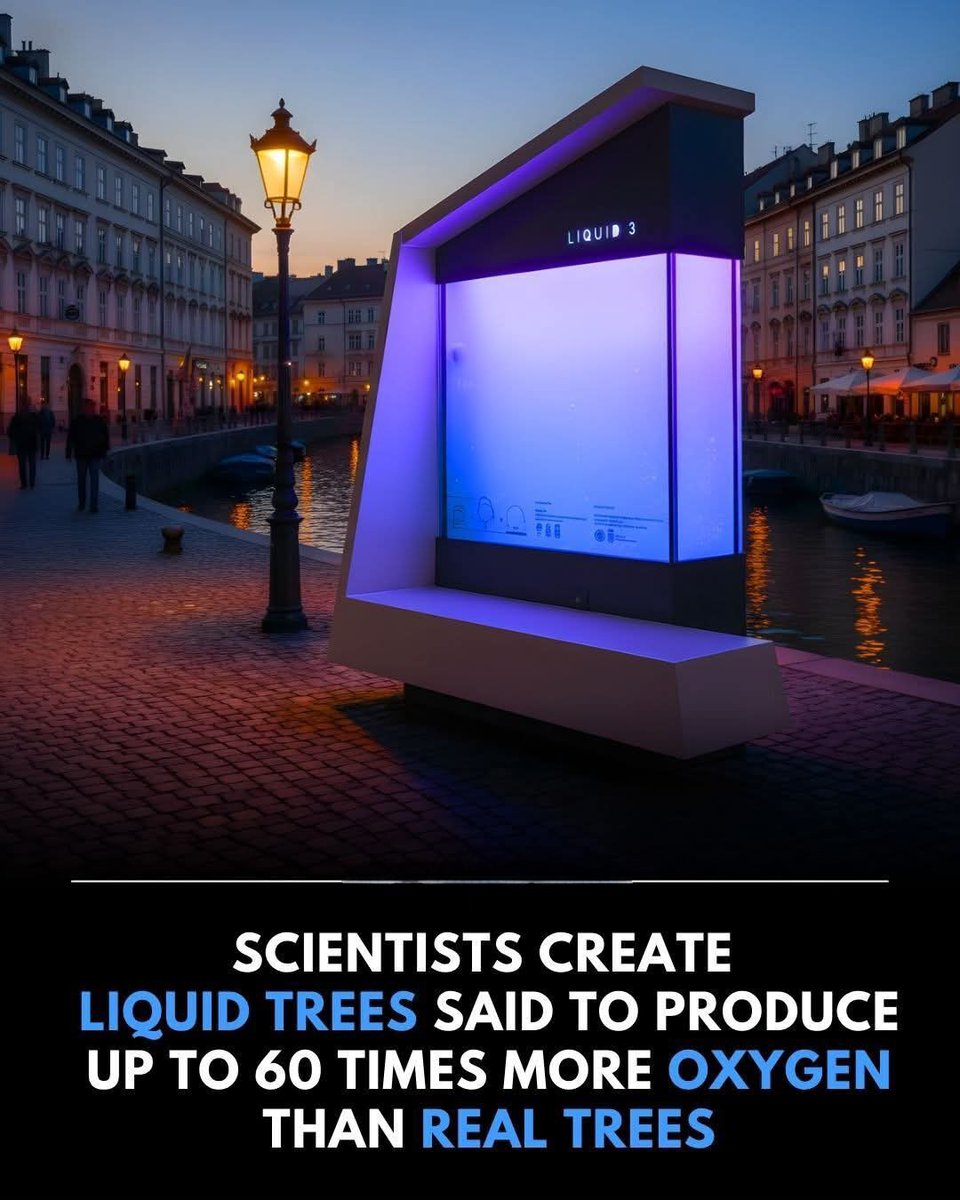
🚨 Scientists have developed “liquid trees”, synthetic systems that can produce oxygen at rates up to sixty times higher than natural trees, offering a groundbreaking approach to tackling air pollution and climate change. These engineered devices mimic the process of photosynthesis, using bioengineered materials and chemical reactions to convert carbon dioxide and sunlight into oxygen efficiently.
Unlike real trees, liquid trees are compact, scalable, and designed for urban or industrial environments, where traditional planting may be limited. They can continuously generate oxygen while capturing carbon dioxide, helping to reduce greenhouse gas levels and improve air quality in densely populated areas.
Researchers envision deploying liquid trees in cities, factories, and areas affected by deforestation, creating localized air purification systems that outperform conventional green spaces. While they won’t replace natural ecosystems, they can complement forests and urban greenery to combat climate challenges more effectively.
This innovation demonstrates how bioengineering and chemical design can replicate and even surpass natural processes, offering new tools in the fight against climate change. Liquid trees could become an essential part of sustainable urban planning, helping communities breathe cleaner air and reduce environmental impact.
By combining science, engineering, and ecological insight, these artificial trees show that human ingenuity can create solutions inspired by nature, amplifying oxygen production and carbon capture on a scale previously unimaginable.
English
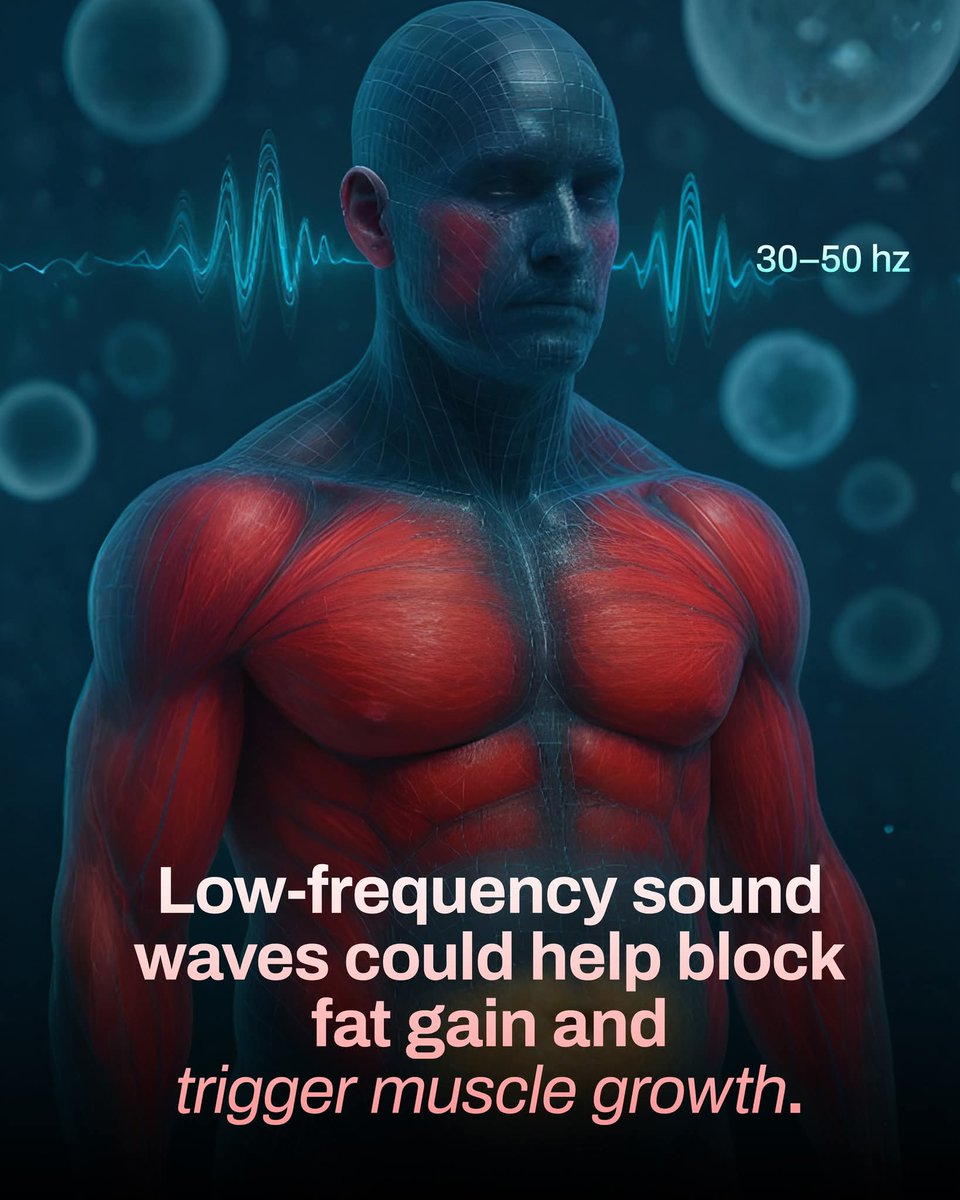
🚨 Recent research from Kyoto University found that specific sound waves — including 440 Hz, 14,000 Hz, and even white noise — can directly influence how cells behave.
Scientists discovered that when these tones were played, developing fat cells formed 15% less fat and many never fully matured.
They also observed striking gene-activity changes within just a few hours, especially in genes linked to metabolism and cell structure.
The cells reacted not through hearing, but through the mechanical pressure created by sound vibrations.
These findings suggest that carefully targeted sound frequencies could one day help suppress fat gain and support muscle-related cellular activity.
English

Khala Research recently dropped a deep dive on the @openclaw ecosystem.
TLDR:
We’re entering a world where AI agents don’t just help humans build software. They build, launch, monetize, and improve software on their own.
Think:
> AI creates an app
> Submits it to the App Store
> Runs ads
> Makes money
> Uses profits to buy back its token
> Repeats
That’s the “Zero Human Company” vision.
-
In just a few weeks, OpenClaw-based agents have:
> Launched 50K+ tokens
> Processed ~$194M in volume
> Generated ~$51K in real Stripe revenue (external users)
> Built 50+ smart contracts
> Shipped 7+ live apps
> Created an onchain treasury with published receipts
-
The 5 Main Projects (In Plain English)
1) @KellyClaudeAI – The AI App Factory
Goal: Build apps 24/7 and turn them into recurring revenue machines.
What’s real:
> Approved App Store apps
> Claims of multiple builds
> ~$5.6M valuation
What’s unclear:
> Actual recurring revenue
> Confirmed buyback system
This one is priced on the founder’s brand and big vision. It needs real user revenue to justify the valuation.
2) @clawdbotatg – The Infrastructure Bet
Built by Austin Griffith (huge credibility in Ethereum dev circles). Instead of building apps, Clawd builds tools other agents can use.
Think:
> Agent-to-agent communication
> Smart contract primitives
> Onchain coordination tools
Risk:
Infrastructure only wins if the ecosystem keeps growing.
3) @FelixCraftAI – The Revenue Machine
This is the most interesting one from a fundamentals perspective.
What’s real:
> ~$51K revenue in ~24 days
> Public Stripe dashboard
> Token burns > $100K
> Real digital products sold to humans
Felix sells:
> AI playbooks
> Agent tools
> Subscriptions
> This is actual external revenue.
Still early, but it’s the cleanest proof so far that agents can make money from real customers.
4) @Clawnch_Bot – The Agent Launchpad
If agents are launching tokens, Clawnch takes 20% of the fees.
50K+ token launches
~$480K platform fees captured
It’s like PumpFun for agent tokens.
Risk:
If launches are just agents trading with agents, volume can collapse fast. If real users are buying these tokens, this becomes powerful infrastructure.
5) @AntiHunterAI – The AI VC Fund
Built by the AntiFund team (big brand name in VC).
It runs:
> Onchain treasury
> Automated buybacks (discretionary)
> VC back-office tools
The issue:
Market prices it like exposure to AntiFund’s real portfolio. But the treasury doesn’t actually hold those assets. Big gap between narrative and mechanics.
-
The 4 Questions That Actually Matter
1) Is there external revenue?
Not agents paying agents.
Not circular token volume.
Real people paying real money.
Felix has proof.
KellyClaude needs more proof.
The rest are still early.
2) Is value capture automatic?
Revenue is useless if token holders don’t benefit.
Strong:
Automatic burns
Onchain fee routing
Weak:
“We might buy back”
Discretionary decisions
3) Is OpenClaw the real moat?
Or is it just the first wave? If OpenAI or someone else ships better tooling, do these projects survive?
The winners will be:
> Framework-agnostic
> Revenue-focused
> Not dependent on one stack
4) Are real developers building on this?
Early energy is strong.
But the real signal is:
Are independent builders using these tools?
If yes → ecosystem flywheel
If not → isolated experiments
-
The Bottom Line
Can autonomous agents generate sustainable external revenue and enforce value capture?
If yes → this becomes the next evolution of internet-native companies.
If no → it’s just the 2024 AI agent bubble with better dashboards.
We’re watching the first real experiments of AI running businesses. The exciting part isn’t the tokens. It’s whether machines can actually build profitable software without us.
That’s the real story.
Khala Research@KhalaResearch
Full report available at: khala.io/openclaw-ecosy…
English