

pushkar /ˈpʊʃkər/
3.2K posts

pushkar /ˈpʊʃkər/
@thepushkarp
ml engineer, ex @samsungresearch • inference engineering, kernels, agentic workflows, and post-training. • dms open • https://t.co/lsUeogeZPT
Bangalore, India Katılım Eylül 2023
1.1K Takip Edilen1.8K Takipçiler
can’t wait for somebody to join anthropic as a member of theological staff
English
pushkar /ˈpʊʃkər/ retweetledi

@jain_harshit You motherfuckers wouldn’t listen to me so I had to get claude involved
English
@__Frostbytee__ @rumik_ai @AWSCloudIndia @kirat_tw @AI_NURIX @ByteMohit @shydev69 congratulations! :)
English

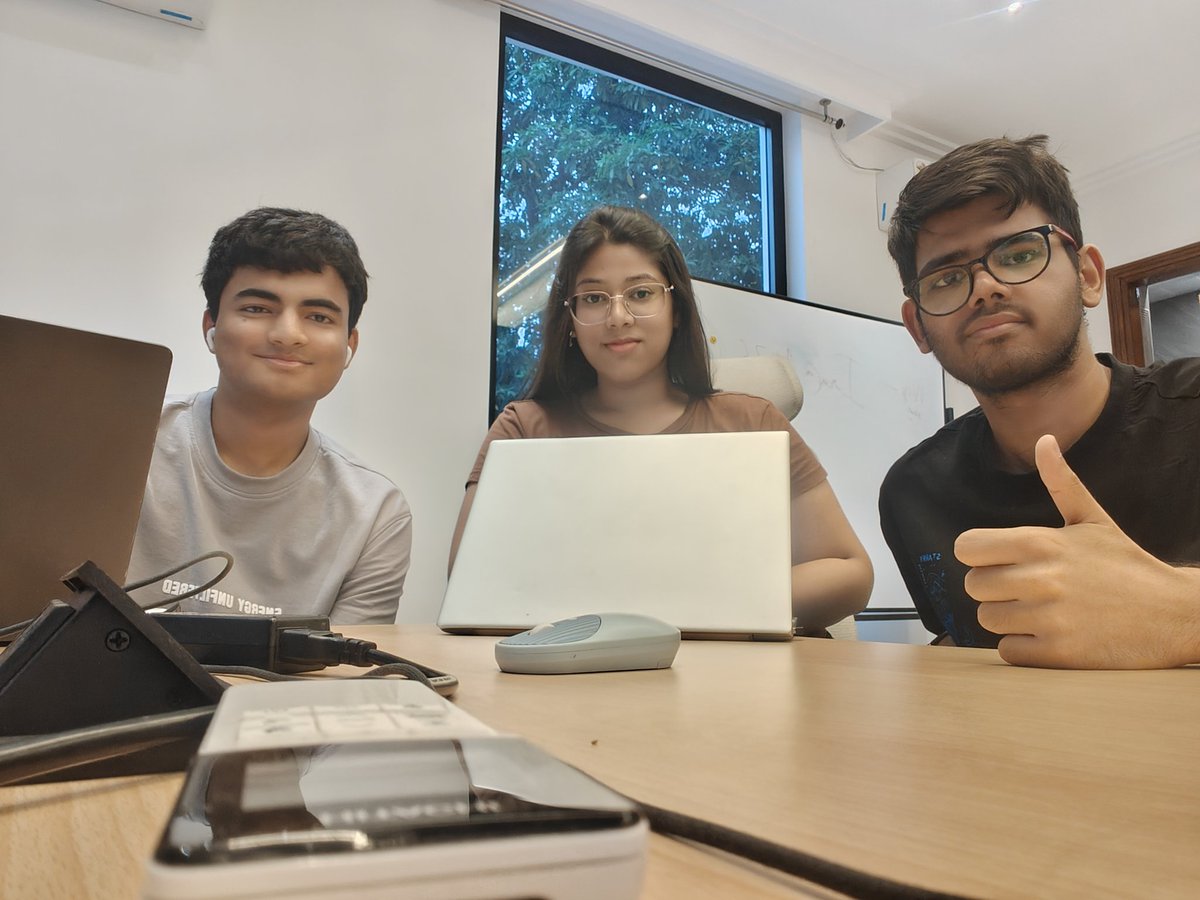
Hiee , got in for silk 1 launch hackathon by @rumik_ai with @AWSCloudIndia and WON .
Built an app called Tara using silk that is like having a call with a counsellor ( but agentic ) of 7 different domains .
Then we had OG judges @kirat_tw , @thepushkarp from @AI_NURIX
English

pushkar /ˈpʊʃkər/ retweetledi


pushkar /ˈpʊʃkər/ retweetledi

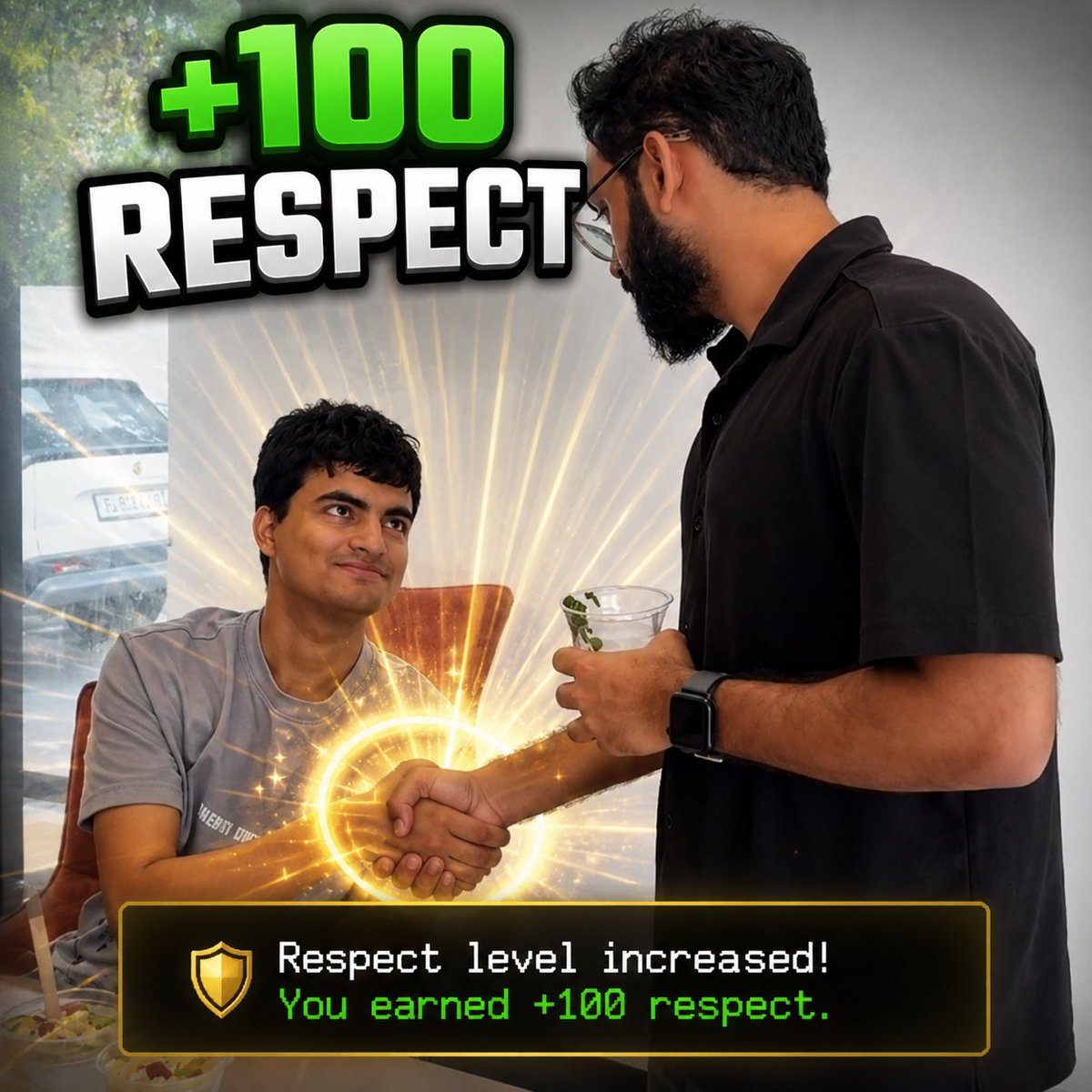
hour 4 : @thepushkarp from @AI_NURIX is here to judge the projects :)
rumik@rumik_ai
hour 3 : @AWSCloudIndia is here.
English
pushkar /ˈpʊʃkər/ retweetledi




they’re doing this to me next week
Bryan Johnson@bryan_johnson
Examining Kate’s 1% She has suspected endometriosis. This affects at least 1 in 10 women, likely more. Here she’s getting an ultrasound. Historically you needed surgery just to diagnose it (incisions are made in the abdomen). We're doing a non-invasive route. Typically women live with endometriosis for 7-10 years before being diagnosed. It’s the leading reason women aged 30 to 34 get hysterectomies (permanent surgery to entirely remove the uterus). This condition is where endometrial-like tissue starts growing outside the uterus, in ovaries, bowel, bladder, even the diaphragm. This tissue inflames, scars, and glues organs together. Our first step is to find out if @_katetolo has it. Initial measurements we’re doing: + trans vaginal ultrasound + pelvic MRI w and w/o contrast + hormonal labs All during the early part of her cycle to get the clearest picture. During her ultrasound, a slim probe, about the width of two fingers, 10-12 inches long (although only a small portion is inserted) is covered with a protective sheath and lubricant and gently inserted into the vagina (patient has to empty their bladder first). This creates real-time images of the uterus, ovaries, and surrounding pelvic structures. While inserted, the probe is turned 90 degrees to evaluate all the various structures, angles and views. There is no radiation exposure. The technician is looking for scarring, ovarian cysts, adhesions, and for organs that are fused together with tissue. This ultrasound can confirm endometriosis but it cannot rule it out. What endo does to the body: + 90% report pelvic pain + 50% report severe fatigue + 26% report infertility. However many sources cite 30 to 50 percent. + 50% experience pain during sex. + Many have pain with ovulation, bowel movements, and urination + Severe bloating called “endo belly” where the abdomen visibly distends There are a handful of theories about why endometriosis develops but the honest answer is no one is quite sure. We’ll keep you posted on her results.
English
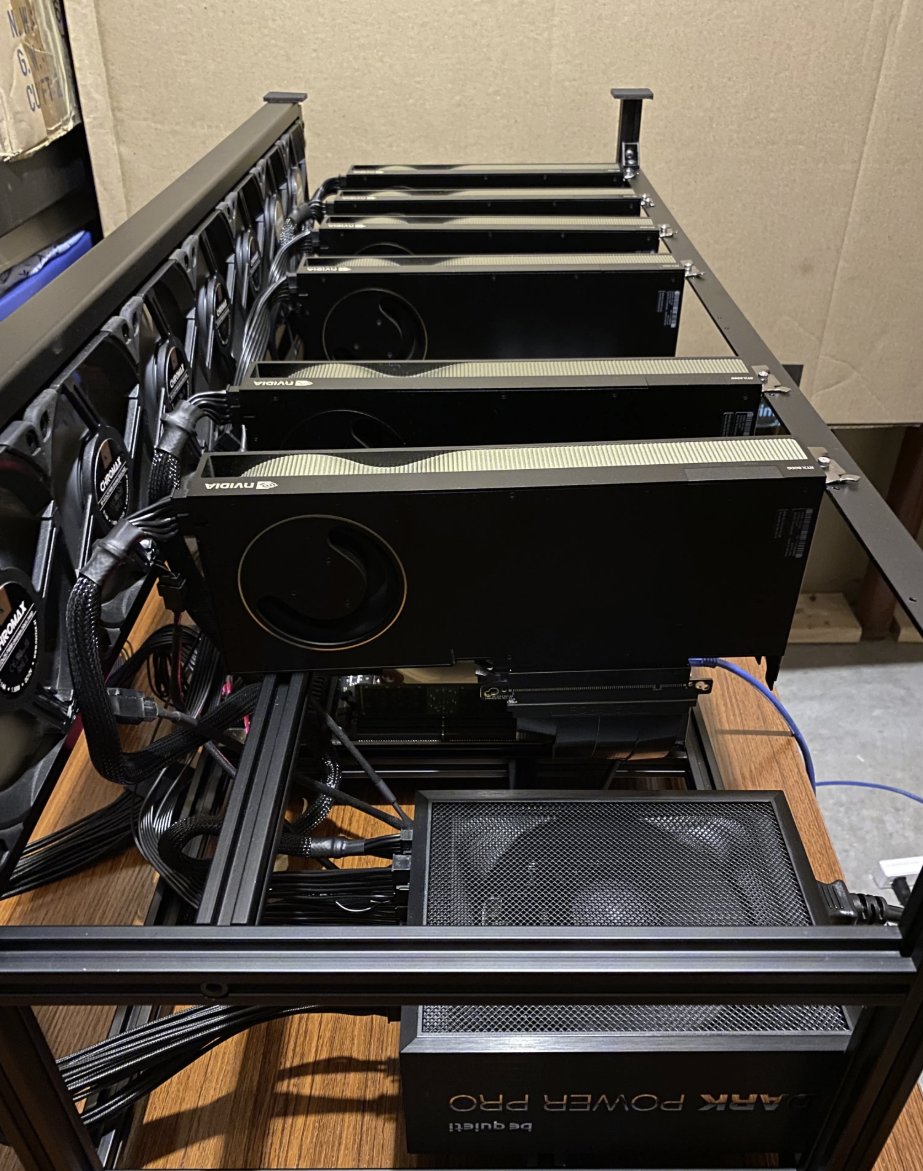
@joey00072fp4 @crucifynisis thank you joey for lending me those B200 nodes from your personal gpu farm the other day
English


pushkar /ˈpʊʃkər/ retweetledi

pushkar /ˈpʊʃkər/ retweetledi

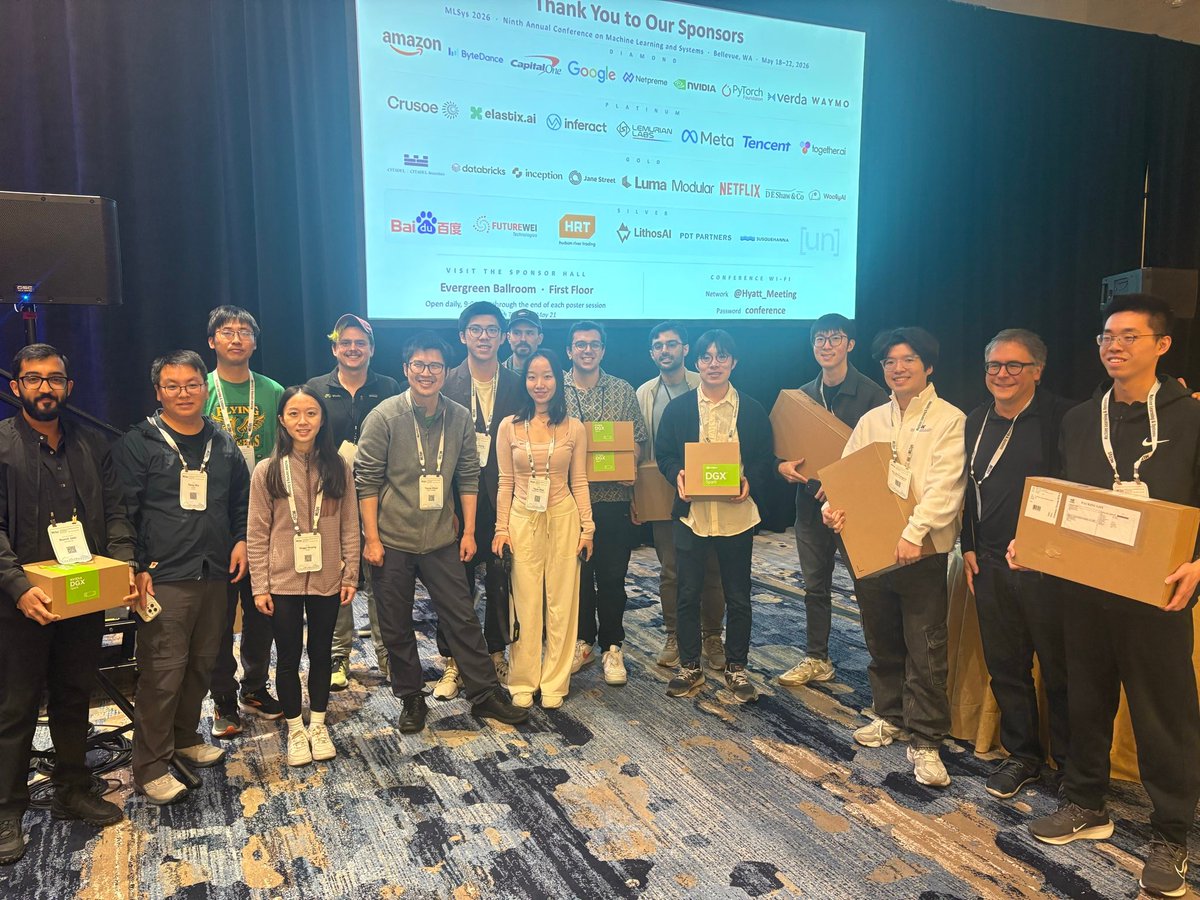
I will be presenting our recent work on writing efficient GDN kernels on B200 GPUs at MLSys 2026 today (11 am–1 pm PDT)!
FlashInfer ran a kernel competition for B200 GPUs. Our team (@thepushkarp + me) won 🥇 1st place on the Gated Delta Net track (more details here: github.com/romitjain/kach…)
Do join if you are around.
#MLSys2026
English
@levidiamode thank you man, a blog is coming out pretty soon!
English

@thepushkarp awesome, thanks for sharing! would love to see a blog post about your approach to the competition if you have time
are the other winners' kernels also open sourced?
English
139/365 of GPU Programming
Took a very manual approach to my Qwen inference optimization project so far to learn more from the ground up and to not just automate away my own understanding.
But using a different process today and looking into autoresearch today to see how it applies to inference.
So just getting a feel for the repo, program.md, prepare.py, scratchpad.md, etc. If anyone has a good OS autoresearch repo for inference, would love to check it out!


levi@levidiamode
Day 138/365 of GPU Programming One of my favorite lectures I've watched this year is Stanford's CS336 lecture 7 on GPU parallelism. It builds up the foundations by teaching the fundamental operations like broadcasting, scattering, gathering, reducing, all-gathering and all-to-all from first principles and gives you an intuition for how these connect to the multi GPU setup in part 1 of the lecture. It then connects these principles to tensor, data and pipeline parallelism in part 2. The reason why I love the teaching methodology of this particular lecture is that it goes into the practical details right away and hands you the code for what this conceptually would look like if you were to see it in a codebase.
English