Sabitlenmiş Tweet

GodOfWealth
2.3K posts

@tinygodofwealth
RICHARD | தென்னாடுடைய சிவனே போற்றி! | "புலியெ னக்கொடியி லிந்திரனை வைத்த அவனும்"

🇺🇸🇮🇷The U.S. is reportedly deploying about 1,000 elite paratroopers from the 82nd Airborne Division to the Middle East in the coming days. This adds firepower to the regional buildup even as Trump pushes his 15 point Iran peace plan. Source: KVUE


It’s honestly foolish for a country like India—home to millions of cows—to remain so dependent on imported LPG when a clean, renewable cooking fuel is sitting right in the backyard. Cow manure (dung) isn’t just waste. It’s energy. The process is simple and proven worldwide. It’s called anaerobic digestion, and it happens in a biogas digester: Cow Manure + water → slurry Bacteria break it down in an oxygen-free tank They release biogas—50–60% methane, just like LPG Piped straight to a modified stove. This isn’t experimental. Small villages to large-scale plants have used it for decades. In Bandung, Indonesia, one cow’s daily manure(dung) equals about 0.34 kg of LPG equivalent. A few cows can fuel a household. This is not a new or experimental idea. It is a well-established technology used for decades around the world, from small village setups to larger industrial operations. How It Works: From Cow manure (dung) to Cooking Fuel The process of turning cow dung into cooking gas happens in a device called a biogas digester. The science behind it is straightforward: Collection and Mixing: Cow manure is collected and mixed with water to create a slurry. Anaerobic Digestion: This slurry is fed into an airtight tank (the digester). Here, naturally occurring bacteria break down the organic matter in the manure in an oxygen-free environment. This process is called anaerobic digestion. Gas Production: As the bacteria work, they release biogas, which is roughly 50-60% methane (CH₄)—the same flammable component found in natural gas and LPG—along with carbon dioxide and small amounts of other gases. Collection and Use: The biogas is captured in a storage chamber and then piped directly to a specially modified or compatible stove in your kitchen, ready for cooking. A Real-World Example: A community project in Bandung, Indonesia, found that one cow produces about 25 kg of dung per day, which can be converted into roughly 0.34 kg of LPG equivalent . This shows that a few cows can provide a significant amount of cooking fuel for a household. Benefits? Renewable—no more LPG price shocks Turns waste into fuel Huge cost savings after setup Leftover slurry = nitrogen-rich bio-fertilizer (better than chemical fertilizers, which countries like India import) Any countries with cows don’t need to beg for fossil fuel imports. They just need more biogas digesters. @Alex_Oloyede2 @AlternatNews @aleksbrz11 @MarioNawfal @MyLordBebo @OlgaBazova @scottmelker @PathfinderAstro @BRICSinfo @New_tres @BeijingDai @136Division @Eng_china5 @RT_com @GeromanAT @UlyanaStrizh @squatsons @cirnosad @SprinterPress @Navsteva @MFA_SriLanka @ChinaEmbSL @RusEmbSriLanka @shanaka86 @Sputnik_India @mog_russEN @pubity @wokeflix @WarMonitors @SpoxCHN_MaoNing @New_tres @ChinaNow24 @Currentreport1 @sentdefender @zhao_dashuai @CarlZha @mog_russEN @ChinaENX @ZardSi @antmillionsbot @STANISKRAPIVNIK @Suriya_offl @Karthi_Offl @actorvijay

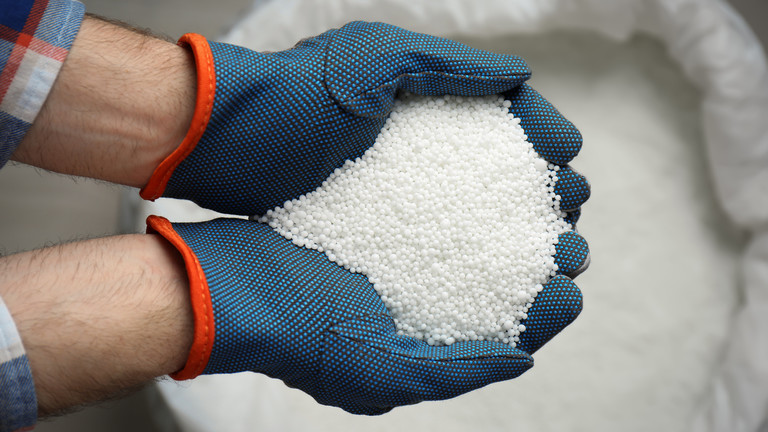
Global Famine on the horizon - Hormuz strait shutdown trigger fertilizer, oil shortage in UK, USA, EU, India and Asia While the world watches oil prices, a more insidious crisis is building beneath the waves of the Strait of Hormuz. The same attack that halted LNG traffic has severed the supply line for 33% of the world’s fertilizer trade, triggering a UN warning that food shortages could soon spread from developing nations to European shores. But the UN warning, based on a short-term analysis, may understate the true crisis: an oncoming global famine. Modern agriculture is dependent on fossil fuels—not just for machinery, but for nitrogen-based fertilizers produced in the Persian Gulf. With the strait closed, experts warn of a "fertilizer shock" that will decimate crop yields just as the Northern Hemisphere planting season begins. The Gulf states are major fertilizer producers because the key ingredients for the most widely used fertilizers are natural gas and oil byproducts. Natural gas is the main ingredient. The primary type of fertilizer produced in the Gulf is nitrogen fertilizer, created through a chemical process (the Haber-Bosch process) that uses natural gas as its essential feedstock. Nitrogen fertilizer is simply natural gas transformed into a form that plants can use. The refining of crude oil produces sulfur as a byproduct, which is then used to make sulfuric acid—critical for producing phosphate fertilizers. Because the Gulf states have some of the world's largest and most accessible reserves of oil and gas, they possess a massive and cost-effective supply of these essential raw materials. The UK's National Farmers Union reports that UK farmers have low to depleted forage (hay, silage) and low fertilizer stock. In the Gulf states themselves—which import up to 90% of their food—nations like Qatar and Kuwait are effectively maritime-blockaded, now reliant on overland trucking through Saudi Arabia. In East Africa, already drought-stricken, the fertilizer shortage is expected to push millions into famine by late summer. The Astrological Countdown A February 2026 publication from the Food and Agriculture Organization (FAO) Regional Office for Europe and Central Asia explicitly raised concern about food security risks in the region due to the Ukraine War. This was before the Iran war that started on February 28, 2026. The Iran war has now escalated those food security risks for Europe into what experts are calling “localized starvation” because of food price inflation and supply chain pressure. Experts warn of potential hunger crises in more vulnerable, import-dependent nations. Astrological projections suggest the conflict driving this crisis will stretch far beyond that immediate horizon. While policymakers publicly dismiss astrology, intelligence circles are taking the forecasts seriously. The readings indicate an intensive battle period this spring (April 9 – May 18, 2026), followed by ground forces combat from December 2026 through June 2027. "Years of sanctions by the West and the U.S. have pushed Russia, China, and even North Korea to bolster their economic self-sufficiency, preparing them for worst-case scenarios. If farmers cannot secure fuel and fertilizer for the next several planting cycles—then widespread famine and deaths due to starvation in developed European nations, UK, USA is no longer a historical concept, but a looming geopolitical reality @Alex_Oloyede2 @AlternatNews @aleksbrz11 @MarioNawfal @MyLordBebo @OlgaBazova @scottmelker @PathfinderAstro @BRICSinfo @New_tres @BeijingDai @136Division @Eng_china5 @RT_com @GeromanAT @UlyanaStrizh @hippyygoat @squatsons @cirnosad @SprinterPress @Navsteva @MFA_SriLanka @ChinaEmbSL @RusEmbSriLanka @shanaka86 @Sputnik_India @mog_russEN @pubity @wokeflix @WarMonitors @New_tres @ChinaNow24 @Currentreport1 @sentdefender @zhao_dashuai @CarlZha @mog_russEN @ChinaENX @ZardSi @antmillionsbot @STANISKRAPIVNIK @Suriya_offl @Karthi_Offl @ActorVijayTeam
Global Famine on the horizon - Hormuz strait shutdown trigger fertilizer, oil shortage in UK, USA, EU, India and Asia While the world watches oil prices, a more insidious crisis is building beneath the waves of the Strait of Hormuz. The same attack that halted LNG traffic has severed the supply line for 33% of the world’s fertilizer trade, triggering a UN warning that food shortages could soon spread from developing nations to European shores. But the UN warning, based on a short-term analysis, may understate the true crisis: an oncoming global famine. Modern agriculture is dependent on fossil fuels—not just for machinery, but for nitrogen-based fertilizers produced in the Persian Gulf. With the strait closed, experts warn of a "fertilizer shock" that will decimate crop yields just as the Northern Hemisphere planting season begins. The Gulf states are major fertilizer producers because the key ingredients for the most widely used fertilizers are natural gas and oil byproducts. Natural gas is the main ingredient. The primary type of fertilizer produced in the Gulf is nitrogen fertilizer, created through a chemical process (the Haber-Bosch process) that uses natural gas as its essential feedstock. Nitrogen fertilizer is simply natural gas transformed into a form that plants can use. The refining of crude oil produces sulfur as a byproduct, which is then used to make sulfuric acid—critical for producing phosphate fertilizers. Because the Gulf states have some of the world's largest and most accessible reserves of oil and gas, they possess a massive and cost-effective supply of these essential raw materials. The UK's National Farmers Union reports that UK farmers have low to depleted forage (hay, silage) and low fertilizer stock. In the Gulf states themselves—which import up to 90% of their food—nations like Qatar and Kuwait are effectively maritime-blockaded, now reliant on overland trucking through Saudi Arabia. In East Africa, already drought-stricken, the fertilizer shortage is expected to push millions into famine by late summer. The Astrological Countdown A February 2026 publication from the Food and Agriculture Organization (FAO) Regional Office for Europe and Central Asia explicitly raised concern about food security risks in the region due to the Ukraine War. This was before the Iran war that started on February 28, 2026. The Iran war has now escalated those food security risks for Europe into what experts are calling “localized starvation” because of food price inflation and supply chain pressure. Experts warn of potential hunger crises in more vulnerable, import-dependent nations. Astrological projections suggest the conflict driving this crisis will stretch far beyond that immediate horizon. While policymakers publicly dismiss astrology, intelligence circles are taking the forecasts seriously. The readings indicate an intensive battle period this spring (April 9 – May 18, 2026), followed by ground forces combat from December 2026 through June 2027. "Years of sanctions by the West and the U.S. have pushed Russia, China, and even North Korea to bolster their economic self-sufficiency, preparing them for worst-case scenarios. If farmers cannot secure fuel and fertilizer for the next several planting cycles—then widespread famine and deaths due to starvation in developed European nations, UK, USA is no longer a historical concept, but a looming geopolitical reality @Alex_Oloyede2 @AlternatNews @aleksbrz11 @MarioNawfal @MyLordBebo @OlgaBazova @scottmelker @PathfinderAstro @BRICSinfo @New_tres @BeijingDai @136Division @Eng_china5 @RT_com @GeromanAT @UlyanaStrizh @hippyygoat @squatsons @cirnosad @SprinterPress @Navsteva @MFA_SriLanka @ChinaEmbSL @RusEmbSriLanka @shanaka86 @Sputnik_India @mog_russEN @pubity @wokeflix @WarMonitors @New_tres @ChinaNow24 @Currentreport1 @sentdefender @zhao_dashuai @CarlZha @mog_russEN @ChinaENX @ZardSi @antmillionsbot @STANISKRAPIVNIK @Suriya_offl @Karthi_Offl @ActorVijayTeam
It’s honestly foolish for a country like India—home to millions of cows—to remain so dependent on imported LPG when a clean, renewable cooking fuel is sitting right in the backyard. Cow manure (dung) isn’t just waste. It’s energy. The process is simple and proven worldwide. It’s called anaerobic digestion, and it happens in a biogas digester: Cow Manure + water → slurry Bacteria break it down in an oxygen-free tank They release biogas—50–60% methane, just like LPG Piped straight to a modified stove. This isn’t experimental. Small villages to large-scale plants have used it for decades. In Bandung, Indonesia, one cow’s daily manure(dung) equals about 0.34 kg of LPG equivalent. A few cows can fuel a household. This is not a new or experimental idea. It is a well-established technology used for decades around the world, from small village setups to larger industrial operations. How It Works: From Cow manure (dung) to Cooking Fuel The process of turning cow dung into cooking gas happens in a device called a biogas digester. The science behind it is straightforward: Collection and Mixing: Cow manure is collected and mixed with water to create a slurry. Anaerobic Digestion: This slurry is fed into an airtight tank (the digester). Here, naturally occurring bacteria break down the organic matter in the manure in an oxygen-free environment. This process is called anaerobic digestion. Gas Production: As the bacteria work, they release biogas, which is roughly 50-60% methane (CH₄)—the same flammable component found in natural gas and LPG—along with carbon dioxide and small amounts of other gases. Collection and Use: The biogas is captured in a storage chamber and then piped directly to a specially modified or compatible stove in your kitchen, ready for cooking. A Real-World Example: A community project in Bandung, Indonesia, found that one cow produces about 25 kg of dung per day, which can be converted into roughly 0.34 kg of LPG equivalent . This shows that a few cows can provide a significant amount of cooking fuel for a household. Benefits? Renewable—no more LPG price shocks Turns waste into fuel Huge cost savings after setup Leftover slurry = nitrogen-rich bio-fertilizer (better than chemical fertilizers, which countries like India import) Any countries with cows don’t need to beg for fossil fuel imports. They just need more biogas digesters. @Alex_Oloyede2 @AlternatNews @aleksbrz11 @MarioNawfal @MyLordBebo @OlgaBazova @scottmelker @PathfinderAstro @BRICSinfo @New_tres @BeijingDai @136Division @Eng_china5 @RT_com @GeromanAT @UlyanaStrizh @squatsons @cirnosad @SprinterPress @Navsteva @MFA_SriLanka @ChinaEmbSL @RusEmbSriLanka @shanaka86 @Sputnik_India @mog_russEN @pubity @wokeflix @WarMonitors @SpoxCHN_MaoNing @New_tres @ChinaNow24 @Currentreport1 @sentdefender @zhao_dashuai @CarlZha @mog_russEN @ChinaENX @ZardSi @antmillionsbot @STANISKRAPIVNIK @Suriya_offl @Karthi_Offl @actorvijay
It’s honestly foolish for a country like India—home to millions of cows—to remain so dependent on imported LPG when a clean, renewable cooking fuel is sitting right in the backyard. Cow manure (dung) isn’t just waste. It’s energy. The process is simple and proven worldwide. It’s called anaerobic digestion, and it happens in a biogas digester: Cow Manure + water → slurry Bacteria break it down in an oxygen-free tank They release biogas—50–60% methane, just like LPG Piped straight to a modified stove. This isn’t experimental. Small villages to large-scale plants have used it for decades. In Bandung, Indonesia, one cow’s daily manure(dung) equals about 0.34 kg of LPG equivalent. A few cows can fuel a household. This is not a new or experimental idea. It is a well-established technology used for decades around the world, from small village setups to larger industrial operations. How It Works: From Cow manure (dung) to Cooking Fuel The process of turning cow dung into cooking gas happens in a device called a biogas digester. The science behind it is straightforward: Collection and Mixing: Cow manure is collected and mixed with water to create a slurry. Anaerobic Digestion: This slurry is fed into an airtight tank (the digester). Here, naturally occurring bacteria break down the organic matter in the manure in an oxygen-free environment. This process is called anaerobic digestion. Gas Production: As the bacteria work, they release biogas, which is roughly 50-60% methane (CH₄)—the same flammable component found in natural gas and LPG—along with carbon dioxide and small amounts of other gases. Collection and Use: The biogas is captured in a storage chamber and then piped directly to a specially modified or compatible stove in your kitchen, ready for cooking. A Real-World Example: A community project in Bandung, Indonesia, found that one cow produces about 25 kg of dung per day, which can be converted into roughly 0.34 kg of LPG equivalent . This shows that a few cows can provide a significant amount of cooking fuel for a household. Benefits? Renewable—no more LPG price shocks Turns waste into fuel Huge cost savings after setup Leftover slurry = nitrogen-rich bio-fertilizer (better than chemical fertilizers, which countries like India import) Any countries with cows don’t need to beg for fossil fuel imports. They just need more biogas digesters. @Alex_Oloyede2 @AlternatNews @aleksbrz11 @MarioNawfal @MyLordBebo @OlgaBazova @scottmelker @PathfinderAstro @BRICSinfo @New_tres @BeijingDai @136Division @Eng_china5 @RT_com @GeromanAT @UlyanaStrizh @squatsons @cirnosad @SprinterPress @Navsteva @MFA_SriLanka @ChinaEmbSL @RusEmbSriLanka @shanaka86 @Sputnik_India @mog_russEN @pubity @wokeflix @WarMonitors @SpoxCHN_MaoNing @New_tres @ChinaNow24 @Currentreport1 @sentdefender @zhao_dashuai @CarlZha @mog_russEN @ChinaENX @ZardSi @antmillionsbot @STANISKRAPIVNIK @Suriya_offl @Karthi_Offl @actorvijay

Everyone’s talking about Dhurandhar, but Sardar—the Tamil film starring @Karthi_Offl — is the best Indian spy thriller of recent times. Sardar is an original Tamil film. It was written and directed by P. S. Mithran specifically as a Tamil-language spy thriller. Sardar part 2 is still waiting a release date. S.J. Suryah is expected to play an antagonist role in Sardar 2. Reports say raids are now being carried out in Karachi, Pakistan, to round up homeless individuals and beggars following the release of Dhurandhar. But here’s the best Pakistani military camp infiltration scene, pulled straight from the Tamil film Sardar.👇👇 @Suriya_offl @Karthi_Offl @actorvijay @sunnewstamil @UzhavanFDN @StudioGreen2 @DreamWarriorpic @Viyanarasu @AdmkStudentWing @AIADMKOfficial @arivalayam @BJP4TamilNadu @CMOTamilnadu @DMKITwing @dmk_youthwing @EPSTamilNadu @Hari_Socialist @HrajaBJP @manigandan_admk @muruga_TNIE @sansbarrier @News18TamilNadu @paramporul @piramachari @prabhu_sr @PttvNewsX @ThanthiTV @rajsekarpandian @RevoltTamil @sahay_victory @SavukkuOfficial @WriterRavikumar @TVKVijayHQ @Shanmugamcpim @Ananta_Jit_aji @CCanturu69558 @SENTHIL_DMDK @the_hindu @TNAmediaoffice @IndiaToday @sunnewstamil @UzhavanFDN @StudioGreen2 @DreamWarriorpic