Peter Lidsky

5.7K posts

Peter Lidsky banner
Peter Lidsky

Peter Lidsky

@LidskyPeter

Evolution of aging, virology, Drosophila. Assistant Professor, City University of Hong Kong @CityUHongKong. My conceptual posts on aging are in Highlights.

San Francisco / Hong Kong เข้าร่วม Ekim 2020
2.2K กำลังติดตาม2.1K ผู้ติดตาม
ทวีตที่ปักหมุด
Peter Lidsky
Peter Lidsky@LidskyPeter·
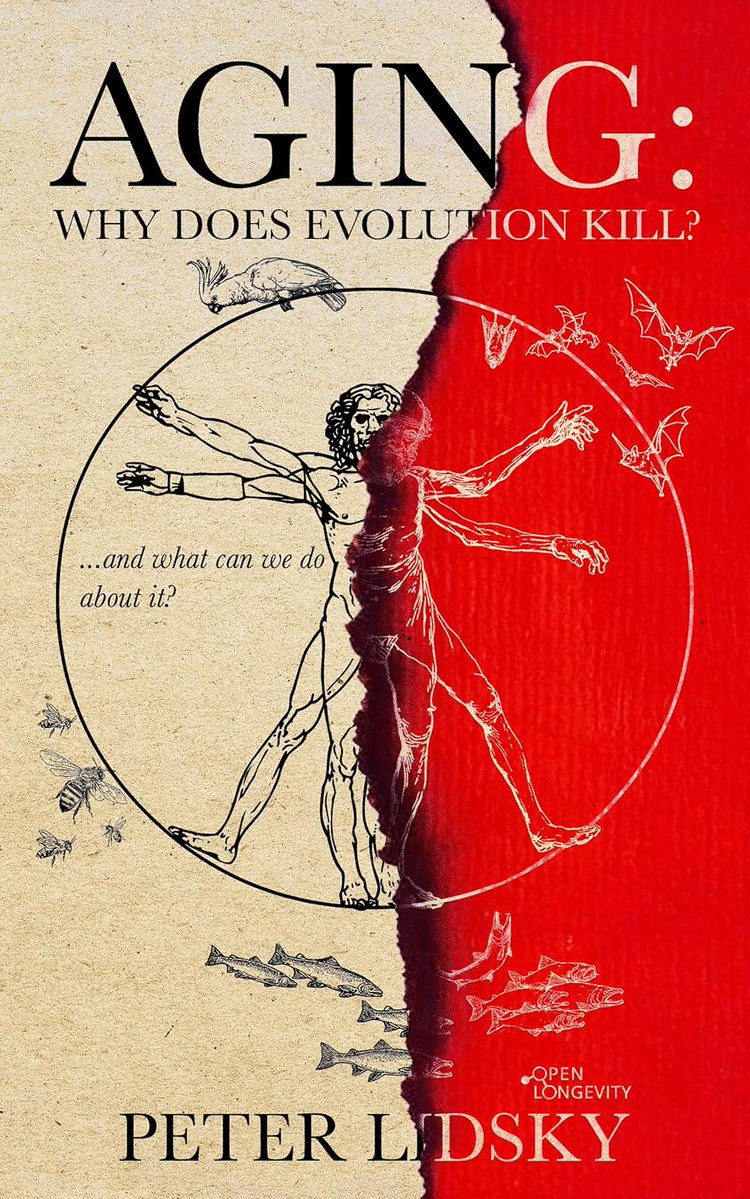
Fantastic news! My book on why Evolution ‘wants’ us dead is out on Amazon! amazon.com/dp/B0G4R3DDH6 Aging is one of humanity’s most pressing problems, yet we still lack a clear understanding of what it is and why it exists. As a biology student, I found aging an unresolvable enigma. It was not even clear how to approach it scientifically. I could not have imagined that, years later, my own work would contribute to an evolutionary paradigm of aging. Nowadays, most scientists view aging as something like rust or decay: a passive process of inevitable deterioration driven by accumulated damage. If we look at an aging person, it may indeed seem so. But when we look across animal species, things are clearly not that simple. Some animals, such as naked mole-rats, age extraordinarily slowly, while others, like Pacific salmon, die immediately after reproduction due to dramatic hormonal programs. Queens in eusocial insects, such as ants or bees, live tens of times longer than workers, despite sharing essentially the same genes. Remarkably, some animals can even rejuvenate under certain conditions. All this suggests that aging and death are not just passive decay; they are shaped by ecological and evolutionary forces. My theory proposes that aging is a genetic program that evolved to kill organisms. But what for? Why would evolution ‘want’ us dead? I argue that chronic infectious diseases can be a decisive evolutionary force favoring such a program. If an animal carries an incurable, transmissible chronic infection, its early death can reduce transmission to close relatives, making programmed death indirectly advantageous. How can this idea explain the puzzles above? And what does it imply for our attempts to defeat aging? In this book, I lay out the current state of this theory, connect it to existing evolutionary and biomedical evidence, and explore its practical implications for extending healthy lifespan. I am grateful to many researchers who discussed my work over the years, and specifically to those who disagree with my model. Their critiques helped me discard weak arguments, strengthen those that remain, and refine the logic of the theory in many ways. Thank you, @aubreydegrey @gladyshev_lab @ydeigin @DPromislow @Rob_SalGo @jpsenescence @kapahi_pankaj @JankauskasPhd @AlexanderMWolf7 @TSGlinin @Scinquisitor @TSchmauck @fedichev @dariovalenzano_ @AlexeiMaklakov @schumacherbj @Meyer_DH @Aging_Advice and many others. Let's continue the discussion! Thank you! Special thanks to @MikhailBatin and @OpenLongevity foundation for their support. Immortality and Progress!
Peter Lidsky tweet media
English
20
15
109
8.6K
Peter Lidsky รีทวีตแล้ว
Derya Unutmaz, MD
Derya Unutmaz, MD@DeryaTR_·
I will share many examples of ChatGPT Images 2.0 that I generated during early access testing. It is truly incredible what it can create! The image below is almost a replica of the first page of a Nature article, but what is actually unbelievable is that the content actually makes biological sense! In fact, I generated the full 8 pages of this paper, and I will share those as well. The prompt was simply: “Create a Nature paper front page on Klingon biology and diseases, by Derya Unutmaz, Starfleet, USS Enterprise, Mars” or my dream paper 😅
Derya Unutmaz, MD tweet media
English
32
51
388
63.2K
Peter Lidsky
Peter Lidsky@LidskyPeter·
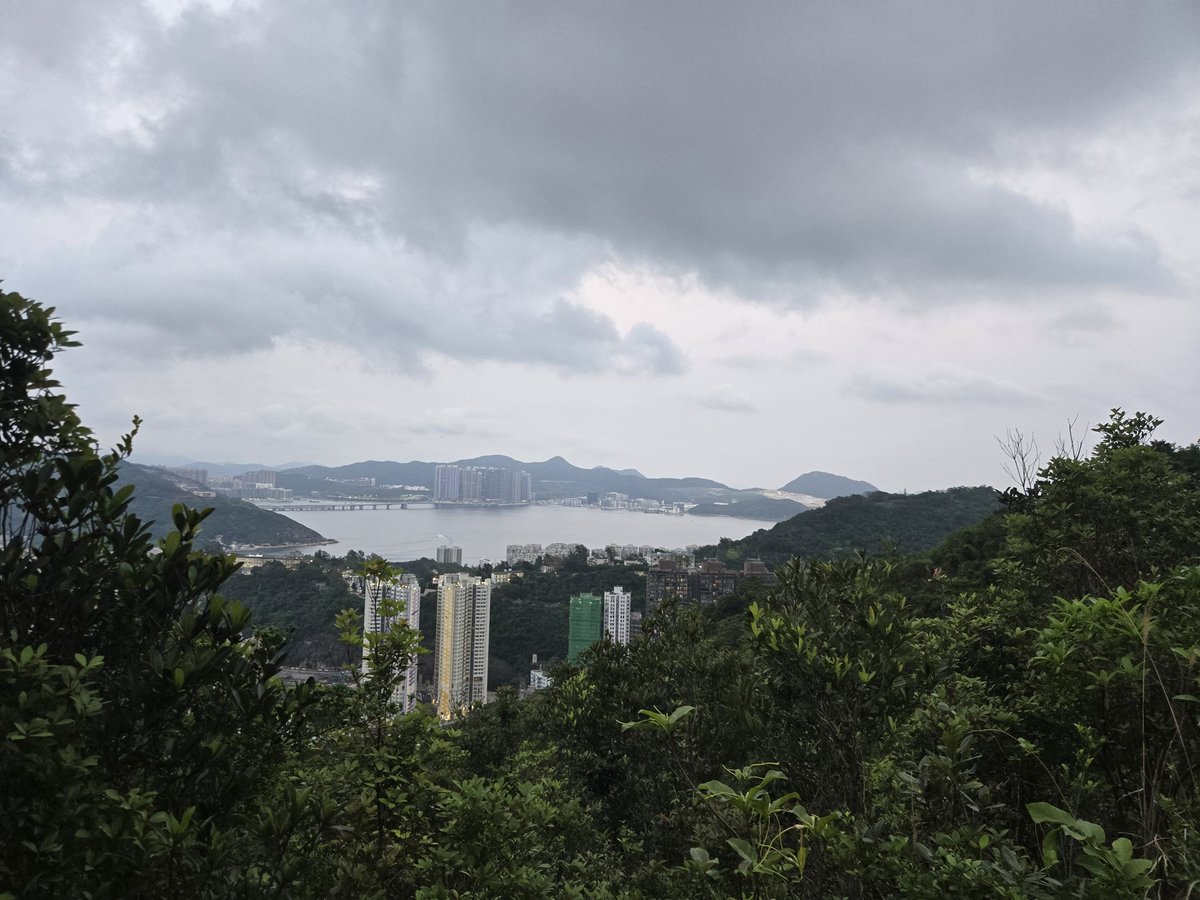
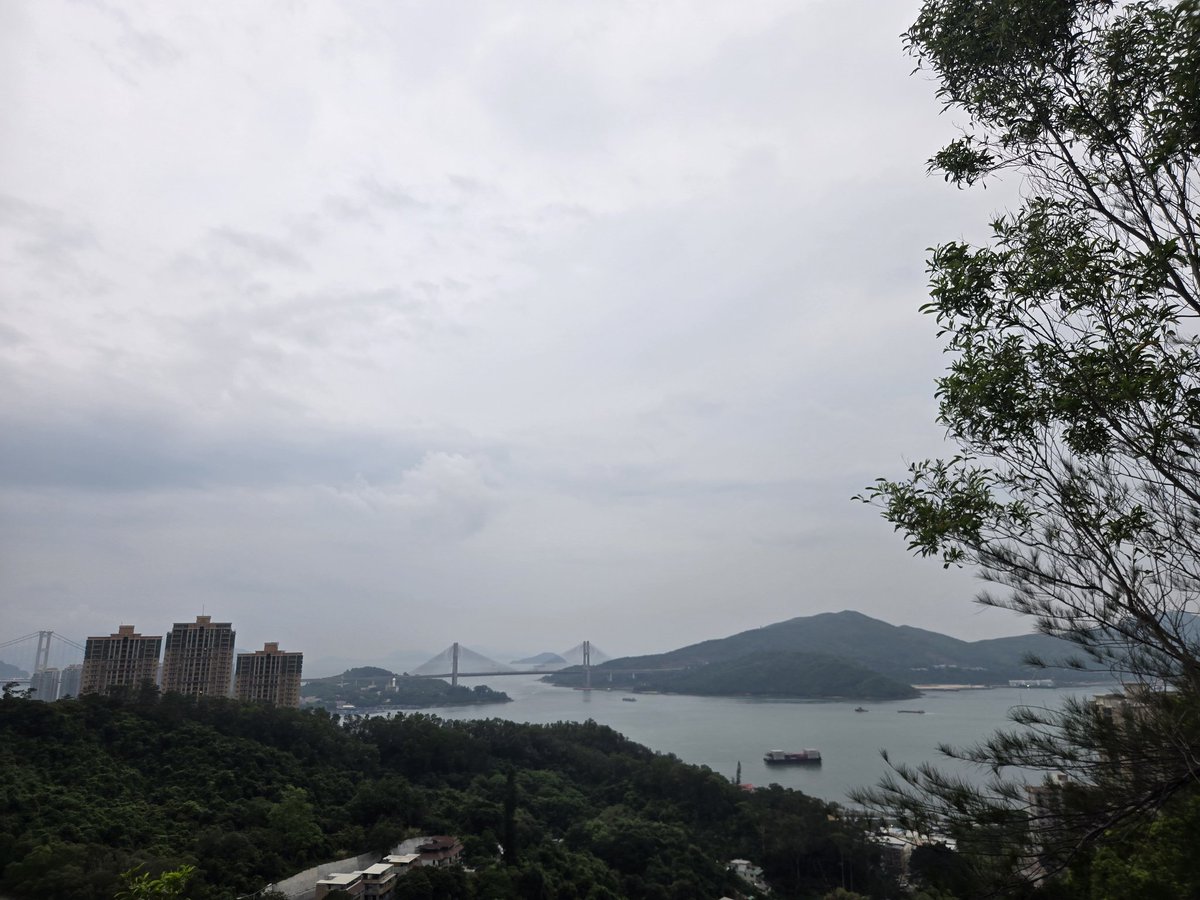
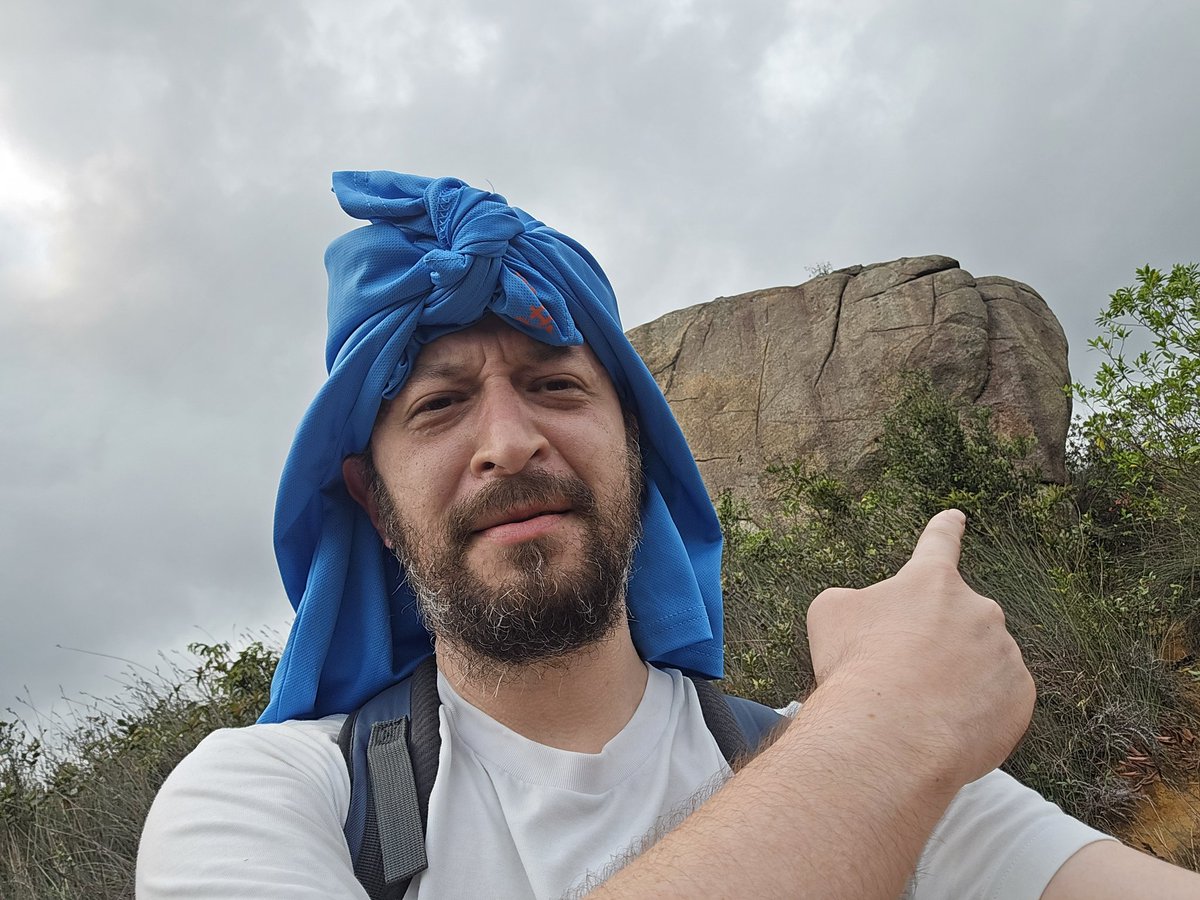
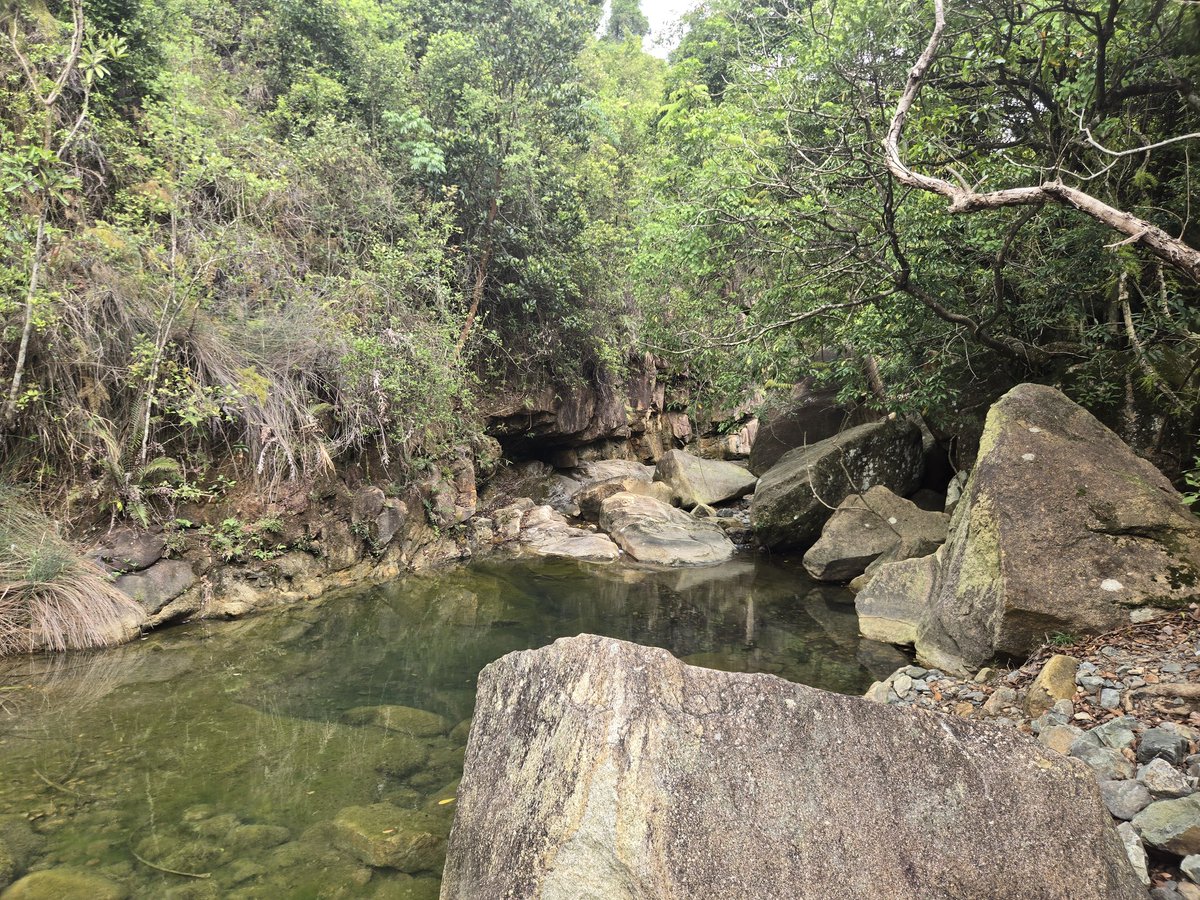
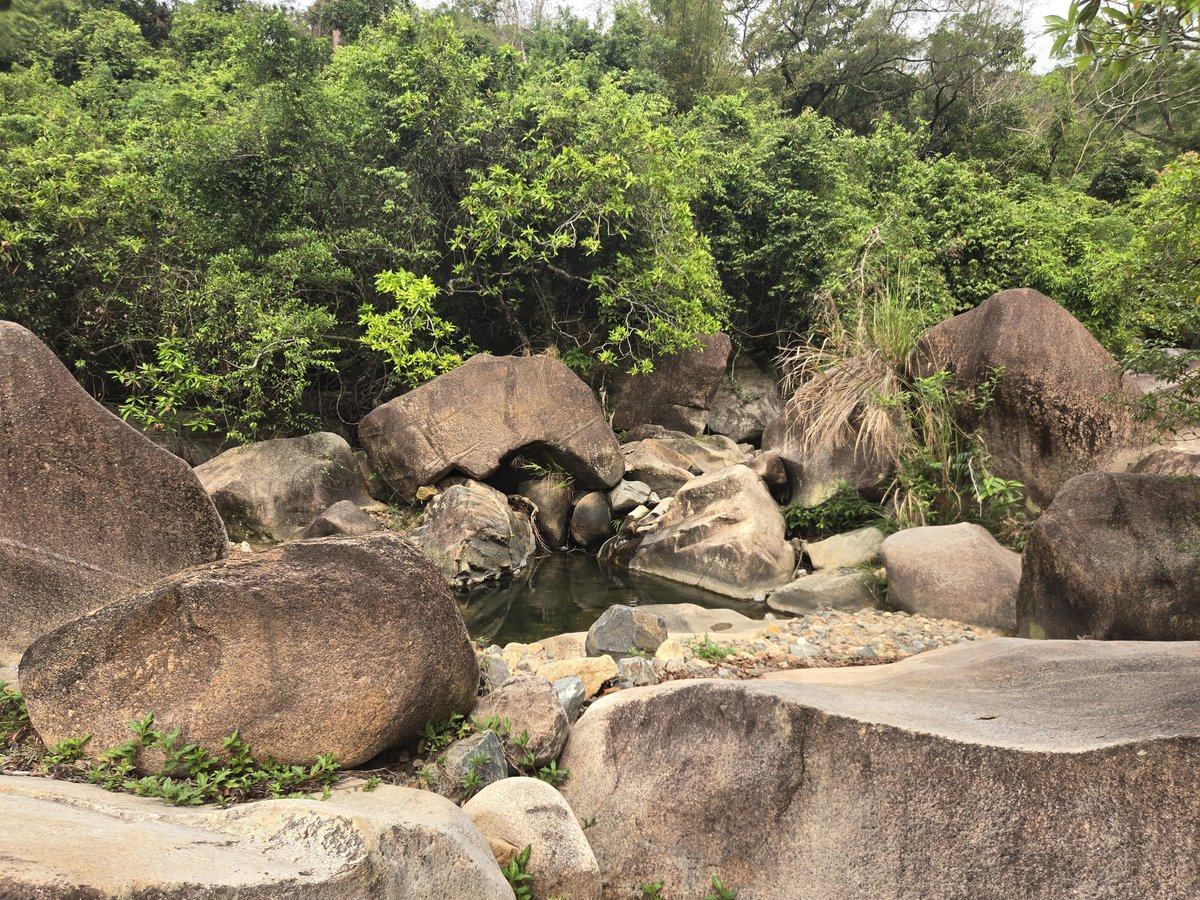
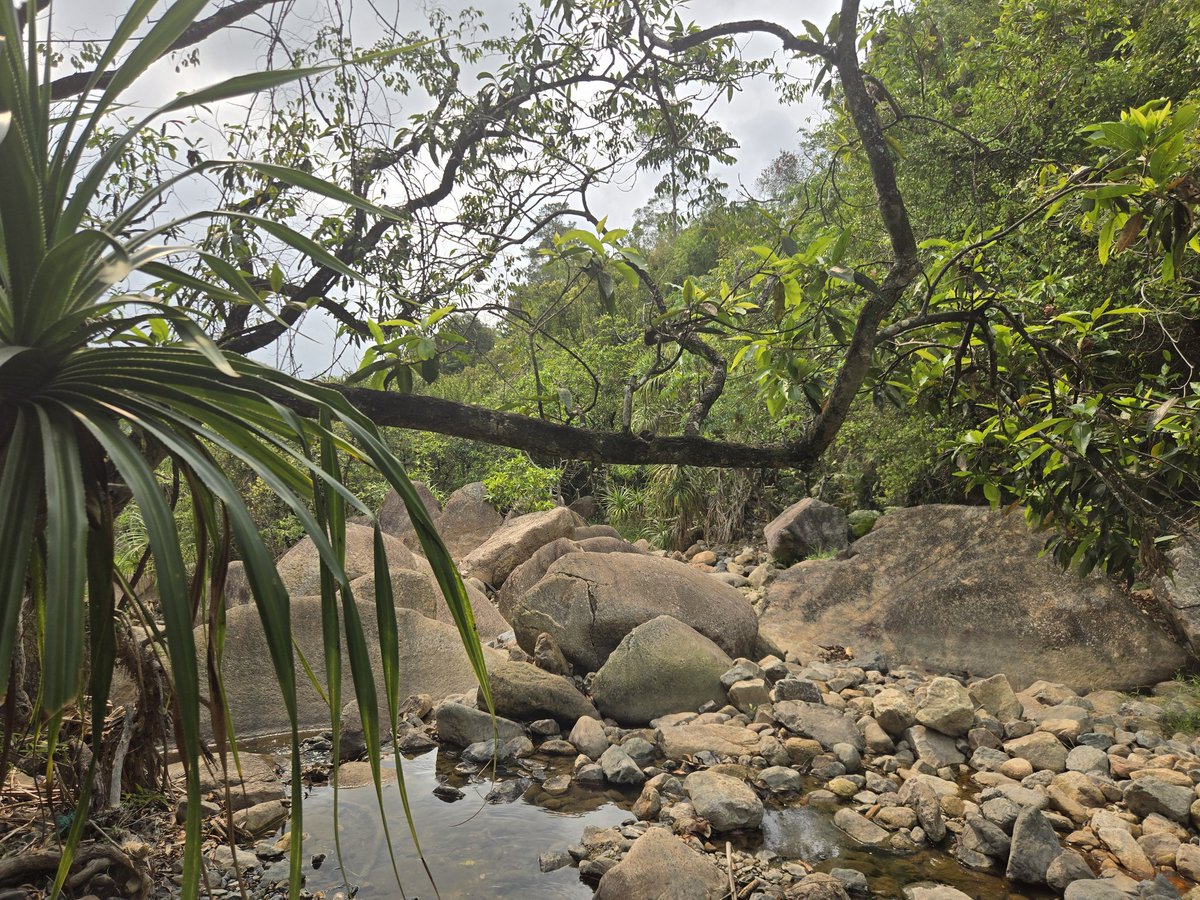
Weekend hiking in Hong Kong
Peter Lidsky tweet mediaPeter Lidsky tweet mediaPeter Lidsky tweet mediaPeter Lidsky tweet media
English
0
0
5
121
Peter Lidsky รีทวีตแล้ว
Agingdoc🩺Dr David Barzilai🔔MD PhD MS MBA DipABLM
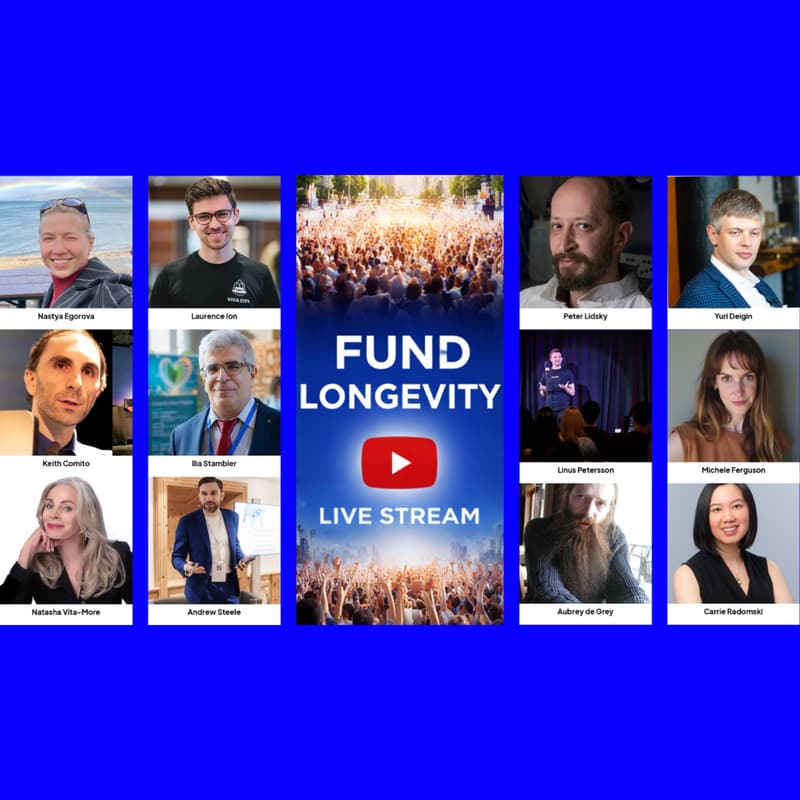
Fund Longevity Live Stream Wednesday, April 8 11:00 AM - 12:00 PM EDT 🔗 luma.com/b7b2d2n2 @aubreydegrey — Combination therapy @LidskyPeter — New theory of aging Alexander Panchin — Gene therapy & science communication @longevion — Crypto & funding @cordeiro — Global longevity movement @ILAISRLA — EU policy & advocacy Carrie Radomsky — Cryonics Michele Ferguson — Medicine & female health @ydeigin — Epigenetic reprogramming @KeithComito — Decentralized science & societal perception @statto — Biology of aging & longevity science @NatashaVitaMore — The Future of Longevity ​Hosted by Anastasiia (Nastya) Egorova.
Agingdoc🩺Dr David Barzilai🔔MD PhD MS MBA DipABLM tweet media
English
0
5
13
1.1K
Peter Lidsky
Peter Lidsky@LidskyPeter·
Actually, this type of boulders we used to build pyramids back in Egypt. Got much better jobs since. Hag sameah!
Peter Lidsky tweet media
English
0
0
4
191
Peter Lidsky
Peter Lidsky@LidskyPeter·
Easter hike in Hong Kong.
Peter Lidsky tweet mediaPeter Lidsky tweet mediaPeter Lidsky tweet mediaPeter Lidsky tweet media
English
2
0
3
234
Peter Lidsky
Peter Lidsky@LidskyPeter·
Yes, it is a very nice paper. I do not agree with everything, for example the salmon case is incomplete: the fry of pink salmon never feeds in rivers, but the parents still die after spawning. So, it is not about food. My theory takes the next step on the path that Michael indicated and identifies a mechanism of selection. It says semelparity and aging are about controlling parasites. Therefore, lifespan csn be in an ecological trade-off with fitness: old individuals cannot replicate because of the infection burden, but can transmit diseases to their kin. So, the inclusive fitness of older individuals can become negative.
English
0
0
2
71
Peter Lidsky
Peter Lidsky@LidskyPeter·
@felixchin1 @statto Infections can cause inflammation, and inflammation can accelerate genetically programmed aging according to my theory.
English
0
0
1
37
Felix Chin MD
Felix Chin MD@felixchin1·
@statto Or aging helps protect against accumulating burden of viruses/bacteria @LidskyPeter Would be an interesting experiment to see if mice with extended lifespans are more susceptible to infections in vivo.
English
1
0
1
98
Peter Adams🇪🇺🇺🇳
Peter Adams🇪🇺🇺🇳@AdamsBioAging·
This is an excellent conceptualisation of epigenetics of aging. Takes a complicated topic and distills it down. Good to see histone H3.3 featured. For our latest contribution on histone H3.3 and aging see here biorxiv.org/content/10.648… @NatureAging
Lifespan@JoinLifespan

This review is one of the most important syntheses in years. It doesn’t just catalog things. It proposes a unifying framework. ie. aging is a breakdown of epigenetic fidelity, the ability of cells to maintain correct gene expression over time...

English
3
15
86
51.2K
cccqimei
cccqimei@cccqimei·
@LidskyPeter @davidasinclair I don't think that will work. Some diseases arise from the loss of epigenetic information, while others are caused by failed repair mechanisms, such as fibrosis and cartilage wear.
English
1
0
0
37
Peter Lidsky
Peter Lidsky@LidskyPeter·
I wonder if we could find similar signatures in chronic diseases, such as diabetes, chronic infections, or autoimmune diseases? Would the Information Theory of Aging also rationalize these diseases equally based on equivalent observations?
Lifespan@JoinLifespan

A major new paper reframes aging as a systems failure of epigenetic information. Not wear and tear but a software problem. This is what the Information Theory of Aging predicts and, if correct, means aging is reversible. Let's dive in... 🧵

English
7
11
79
44.1K
Peter Lidsky
Peter Lidsky@LidskyPeter·
@davidasinclair Does this mean that we can get a panaceaetic drug for all diseases based on the Information Theory?
English
0
0
1
75
Peter Lidsky
Peter Lidsky@LidskyPeter·
@cccqimei @davidasinclair I think that every disease has some epigenetic signatures that can be interpreted as a loss of or distortion of information. The main question for me is: does it really help us to treat them?
English
1
0
0
85
cccqimei
cccqimei@cccqimei·
@LidskyPeter @davidasinclair But I don’t think diseases caused by aging necessarily share the same hallmarks as aging itself. For example, aging can lead to CKD, yet the core problem in CKD is renal fibrosis, which may be driven by IL11.
English
1
0
0
145
João Pedro de Magalhães
João Pedro de Magalhães@jpsenescence·
If aging is caused by damage that only occurs when maintenance processes become less effective post-development then I'd argue that: 1) We don't age due to inevitable, passive accumulation of molecular damage but rather aging is driven by programmatic changes during development that allow damage to occur. 2) Our cells have the capacity not to age and - in theory, though in practice it may be technically challenging - we can instruct our cells to prevent aging. 3) Let's figure out 1) and 2) 🚀
João Pedro de Magalhães@jpsenescence

Why aren’t babies born old? I mean, if aging is caused by inevitable molecular damage due to imperfect repair systems, why doesn’t aging happen during the massive cell division that occurs in prenatal development? Some may argue that our cells during early development have better repair systems, but what is the evidence for this? And why would repair systems stop being effective later in life?

English
27
18
176
56.1K
Peter Lidsky
Peter Lidsky@LidskyPeter·
@JohnGolf_CA Then every disease is an epigenetic bug. But we do not treat other diseases with epigenetics -based therapies.
English
0
0
0
52
John Silver
John Silver@JohnGolf_CA·
@LidskyPeter You're right. More like an overzealous firewall than forgotten passwords. Still an epigenetic systems bug though?
English
1
0
0
73