Connor Quirk

377 posts

Connor Quirk

Connor Quirk

@QuirkConnor

New York, USA เข้าร่วม Haziran 2017
1.8K กำลังติดตาม167 ผู้ติดตาม
Eric Topol
Eric Topol@EricTopol·
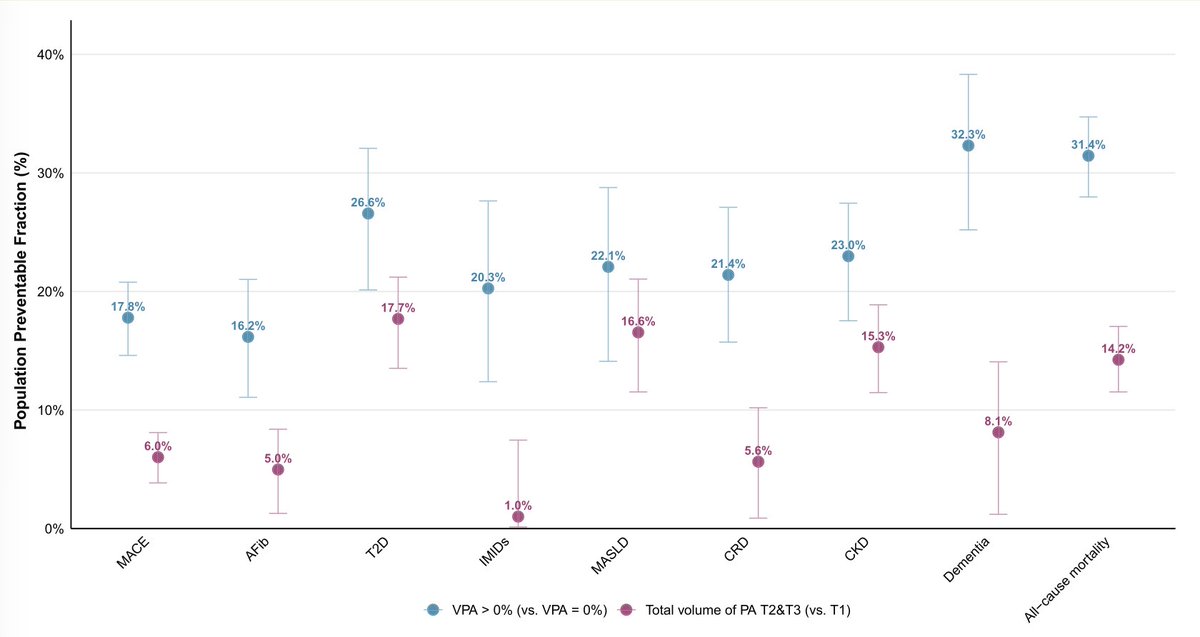
Intensity of exercise vs volume of physical activity made a difference for lower risks of 8 diseases and all-cause mortality among 96,000 @uk_biobank participants, especially noted for immune-mediated (IMID). VPA-vigorous physical activity academic.oup.com/eurheartj/adva…
Eric Topol tweet media
English
24
78
404
117K
Connor Quirk รีทวีตแล้ว
Jonathan Haidt
Jonathan Haidt@JonHaidt·
The Anxious Generation was published two years ago today, in a very different world. Back then, the most common objection I got was resignation: "The train has left the station." "You can't put toothpaste back in the tube." "It's how the kids connect today." Today, the world looks very different. It turns out that if our kids were all on a train and we learned it was heading toward a collapsed bridge, we'd find a way to stop it and bring them safely back to the station. That’s what’s happening now. After the historic verdicts in Los Angeles and New Mexico, today is a great day to reflect on the capacity of people in democratic societies to take action, even when opposing some of the most powerful corporations in history. We're getting access to the courts. We're getting phone-free schools. We're seeing whole neighborhoods letting kids out to play, unsupervised, which is what we older folk all remember as the best part of childhood. So I want to recognize: --The mothers (and, right behind them, fathers) who rose up by the millions and powered the movement. --The farsighted governors and legislators in red states and blue states who have been innovating on policy solutions. --The leaders of a dozen of nations, who are raising the age to 16 for opening social media accounts (with a special shoutout to Australia, for going first). --The teachers and school administrators who had their classrooms disrupted for 15 years, and who are now eager to think through new solutions as screens have taken over and obstructed learning. --The grassroots organizations who have been dedicating their efforts to advocate for all of the above in their local communities. --The millions of members of Gen Z who have been rising up, demanding agency over how they spend their lives in the digital era, and finding better ways to connect in real life. And one final group: the survivor parents--the ones you saw in those pictures of people embracing on the front steps of the LA courthouse. I have met many over the years. I am in awe of their courage and tenacity, their willingness to tell their stories of loss, over and over again, to different audiences, in the hope that no other parent would have to endure what they have endured. At long last, juries and legislatures are hearing you, and are acting. Together, we are calling the train back to the station. Together, we are rolling back the phone based childhood and reclaiming life in the real world. The work continues. If you’re not already involved, join us: anxiousgeneration.com/join
English
100
758
4.2K
716.2K
Connor Quirk
Connor Quirk@QuirkConnor·
@lillysharples Pretty cool. What was your pre-training baseline? And, which training tactics made those most difference?
English
0
0
0
88
lilly sharples
lilly sharples@lillysharples·
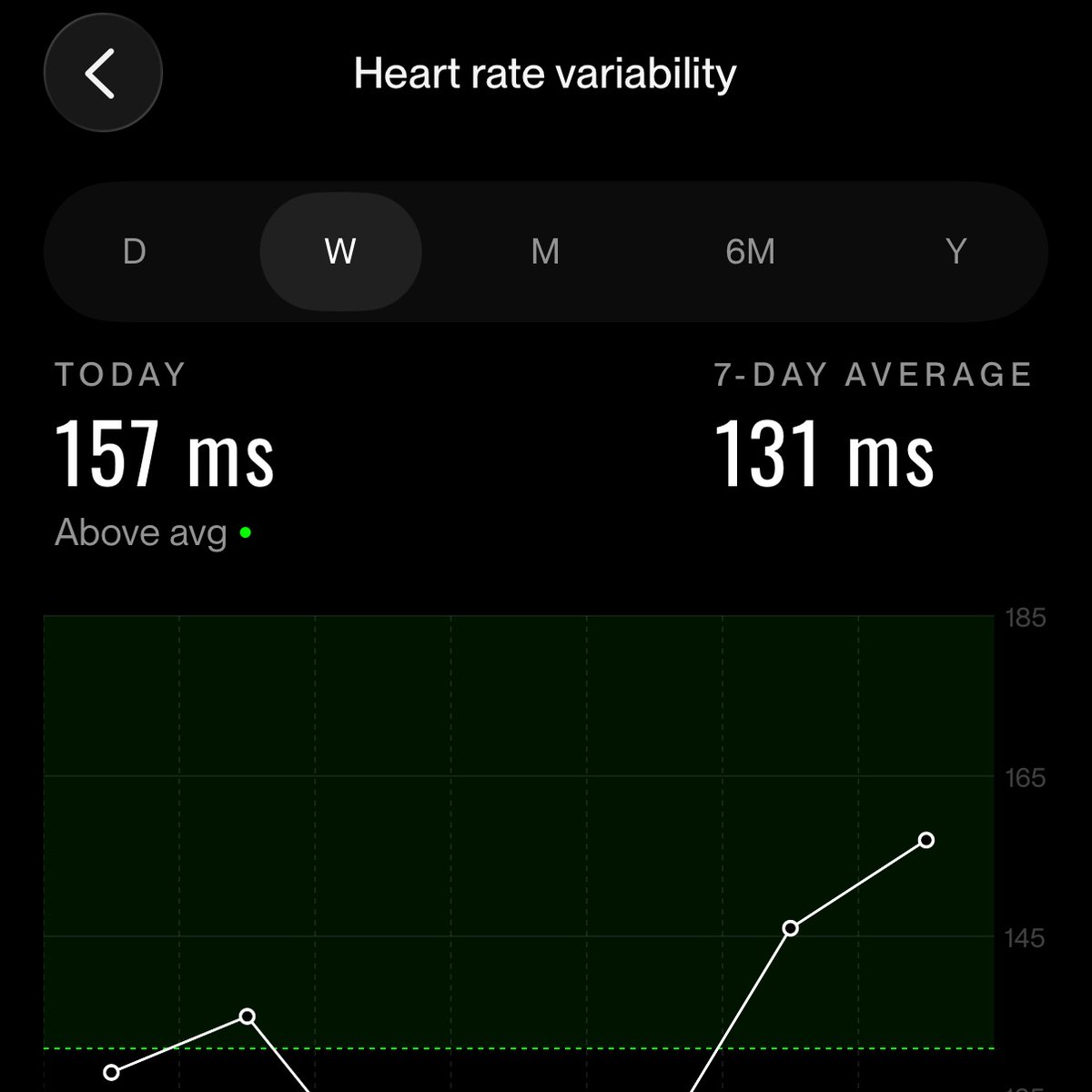
I have been training with a goal 150 HRV for the last 2 years and today it finally happened 🙏😭 Never give up on your dreams
lilly sharples tweet media
English
7
0
42
3K
Connor Quirk
Connor Quirk@QuirkConnor·
@damone_mike @HighyieldHarry Exponentially worse when one school is legitimately more blue collar Penn Princeton is a chummy thing; Penn Houston is just mocking middle class people
English
1
0
0
137
Mike Damone
Mike Damone@damone_mike·
@HighyieldHarry Typical. I was at a Penn Princeton football game and the Princeton chant was “WE GOT IN, WE GOT IN”.
English
2
0
35
4.6K
High Yield Harry
High Yield Harry@HighyieldHarry·
This is the most Wharton thing ever
English
45
21
904
172.4K
Connor Quirk
Connor Quirk@QuirkConnor·
@Hybridathlete Got it, and you know that from lactate testing? Like the whole curve shifts down? … is there any way to home test this without lactate?
English
1
0
0
21
Hybrid Athlete Guy
Hybrid Athlete Guy@Hybridathlete·
Some of it, yes. And that's what I was talking about in the parts about when you are brand new to biking (or any modality you haven't done much). But for many, cylcing HR zones will never be as a high as running due to the difference in body position,economy, muscular demands, etc.
English
1
0
0
72
Hybrid Athlete Guy
Hybrid Athlete Guy@Hybridathlete·
If you’re looking to add biking to improve your aerobic capacity, you need to understand this: Your biking max HR is likely 10-15 bpm lower than running, which means your training zones are completely different. Here are mine after almost two years of training both:
Hybrid Athlete Guy tweet media
English
40
6
199
20.3K
Conrad Barski
Conrad Barski@lisperati·
What are the best arguments right now for not using grey market retatrutide to get an optimally healthy body weight?
English
36
1
56
30.1K
Ashley Mayer
Ashley Mayer@ashleymayer·
NYC friends! We need to move apartments in the next 2-3 months (ugh), and I'm curious what you think are the most awesome + under-hyped neighborhoods? We currently live in Fort Greene and love it, but supply is low (and prices are crazy) so we want to cast a wider net.
English
248
9
320
1.7M
Nick Krontiris
Nick Krontiris@nick_krontiris·
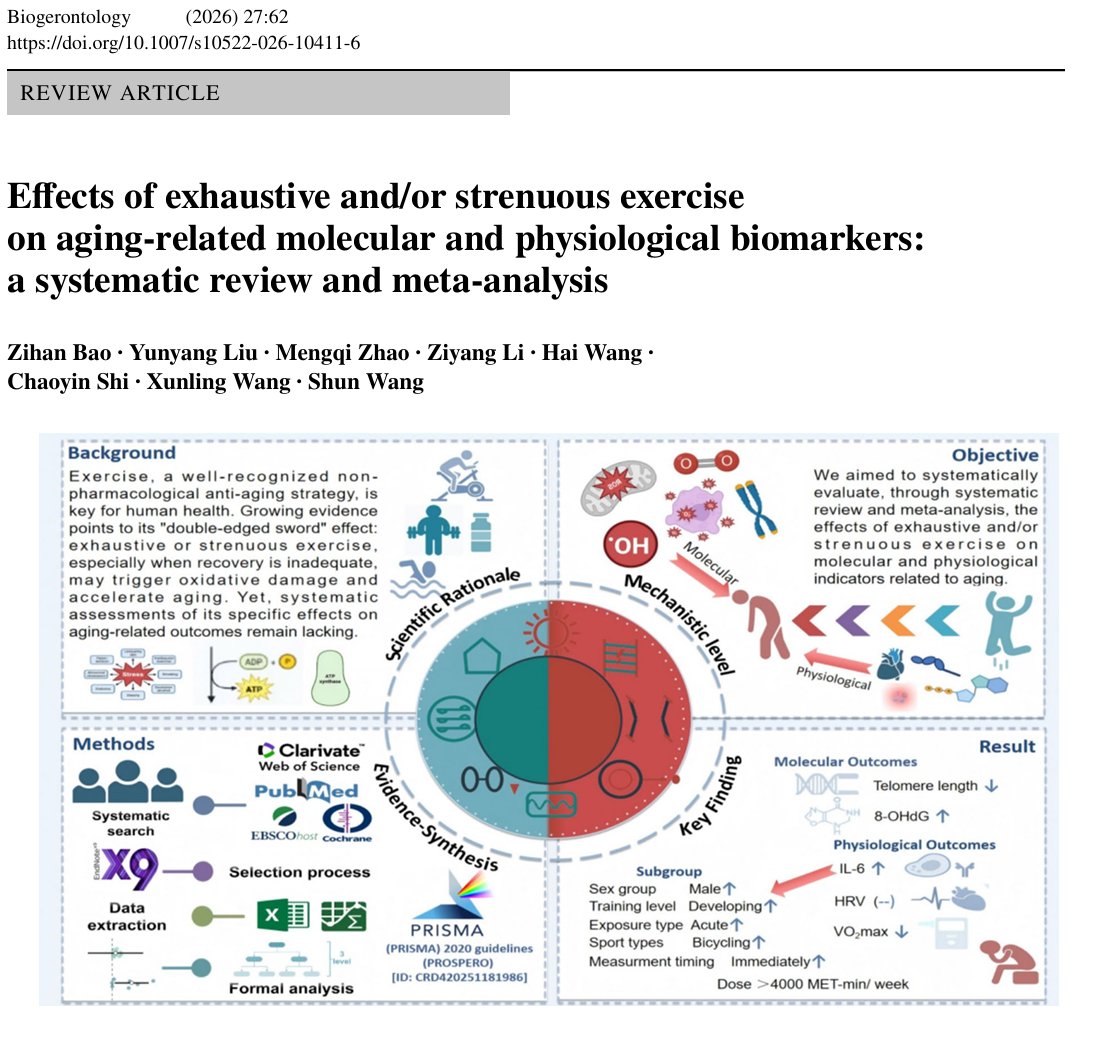
Effects of exhaustive and/or strenuous exercise on aging-related molecular and physiological biomarkers: a systematic review and meta-analysis doi.org/10.1007/s10522…
English
2
3
3
326
Nick Krontiris
Nick Krontiris@nick_krontiris·
This systematic review and meta-analysis finds that exhaustive and/or strenuous exercise is likely to elevate biomarkers indicating adverse molecular damage responses, such as telomere shortening and elevated 8-OHdG, as well as increase IL-6 levels and reduce V̇O2max.
Nick Krontiris tweet media
English
1
13
70
3.3K
Connor Quirk
Connor Quirk@QuirkConnor·
@Brady_H True.. that said one of the single most annoying lines in the current zeitgeist is: “the solution is to just train more.” … “Setup your life so you can train 10-15 hrs / week” “Zone 1 allows for steady increase in volume” .. Most people are killing themselves to squeeze in 3-5
English
0
0
1
35
Alan Couzens
Alan Couzens@Alan_Couzens·
The "live to 100" checklist (at the halfway point) 1. >6hrs movement per day (PAL 2.0+) 2. 7-9 hrs high-quality sleep 3. VO2max >50 ml/kg/min 4. ApoB <70mg/dL 5. BP <115/75 mmHg 6. HbA1c = 5.0 7. FFMI >20 kg/m2 8. Visceral Fat <1kg 9. Omega-3 Index >= 8% 10. Resting HR <50 bpm No polyps.
Oh, Hush! Reads@ohhushreads

@Alan_Couzens What are scores you’d like to see for a male aged 50?

English
30
70
788
119.2K
Connor Quirk
Connor Quirk@QuirkConnor·
@hjluks Can you say more? I’m curious.. because effort level, LT-5 is very different than LT-15/20… is that another dead zone? Similar to Z3?
English
2
0
0
215
Howard Luks MD
Howard Luks MD@hjluks·
Yesterday’s post about heart rate and base building triggered a number of responses from experienced runners saying, “But I run at 145+ HR, and I’m fine.” That reaction actually highlights how poorly understood the distinction between cardiovascular fitness and aerobic fitness still is, even among dedicated endurance athletes. Let's explore this a bit... Most runners run too fast on their slow days and too slow on their fast days. Cardiovascular fitness refers to the delivery system. It reflects how effectively the heart pumps, how well blood flow is distributed, and how efficiently oxygen is transported to working tissues. Aerobic fitness, however, is primarily about utilization. It reflects how well the muscles use the oxygen delivered through oxidative metabolism, including mitochondrial function, fat oxidation capacity, lactate handling, and overall metabolic efficiency. These are related systems, but they are not interchangeable, and one can be well developed without the other being optimized. It is entirely possible to have strong cardiovascular fitness and still operate with relatively high metabolic cost during steady-state efforts. This is particularly common among recreational runners and even among experienced non-elite endurance athletes who have spent years training at moderate intensities. They are durable, consistent, and capable, but their “easy” work often occurs at a higher fraction of their physiological capacity than they realize. When an athlete reports that their easy runs consistently sit in the mid-140s (above 75% of maxHR), it does not reflect poor fitness. In many cases, it reflects a well-trained cardiovascular system paired with a habitual training intensity that sits near or above the first lactate threshold. The effort may feel subjectively easy due to years of adaptation, but metabolically, it is not truly low-intensity work. The body relies more on glycolytic pathways than on oxidative metabolism, even during easy runs. This matters because the full development of the aerobic system is driven by sustained training below the first lactate threshold. While higher intensities absolutely stimulate mitochondrial biogenesis, the adaptations associated with metabolic efficiency—improved fat oxidation, expanded capillary density, lower lactate production at submaximal workloads, and reduced sympathetic strain—are most robust when a significant portion of training occurs at genuinely low intensities. In other words, intensity can build fitness, but extensive low-intensity volume refines efficiency. When most training time is spent at or above LT1, athletes often become very good at tolerating moderate metabolic stress rather than minimizing the cost of aerobic work. At elevated hr intensity, oxidative stress per session is higher, sympathetic activation remains elevated, and the recovery burden accumulates over time, even if the athlete feels subjectively comfortable. RPE can remain low while physiological strain remains moderate, particularly in experienced runners who have adapted psychologically to that level of effort. In my office, it is clear that there is also a practical clinical layer that becomes increasingly relevant in midlife. The cardiovascular system adapts relatively quickly to the stress of training. Connective tissues—tendons, fascia, cartilage, and bone—adapt much more slowly. When moderate-to-high metabolic load is layered onto repetitive impact before true aerobic efficiency and tissue resilience are established, the total recovery demand rises. This pattern is reflected in the training errors I see routinely in clinic: Achilles pain, plantar fasciitis, patellofemoral symptoms, and lateral hip or gluteal tendinopathy. They are usually mismatches between the distribution of training intensity and our recovery capacity. This changes with age... and it will catch up to you. None of this means that running at higher heart rates is inherently harmful, nor does it suggest that intensity should be avoided. Threshold work, tempo runs, and even high-heart-rate sessions are valuable tools. The issue is distribution. If most weekly mileage is performed at a moderate metabolic intensity, the athlete maintains cardiovascular fitness but sacrifices some metabolic flexibility and efficiency. Easy days are no longer truly low-cost, and recovery between harder sessions is less complete. What is often given up is range. An athlete with a well-developed aerobic base can run at a lower heart rate for the same pace, oxidize more fat, produce less lactate at submaximal intensities, and accumulate more total training volume with less physiological strain. Their easy runs are genuinely easy at a metabolic level, allowing higher-quality work when intensity is introduced. They are not just fit; they are efficient and durable. Base training, therefore, is not about avoiding effort or running unnecessarily slowly. It is about lowering the physiological cost of work so that training becomes more repeatable, recovery becomes more predictable, and long-term durability improves. The heart remains strong, performance is preserved, and the metabolic system becomes more efficient. For lifelong runners, especially after forty, efficiency and recovery capacity often become the true limiting factors rather than motivation or discipline.
English
66
93
914
271.6K
Connor Quirk
Connor Quirk@QuirkConnor·
@paulswaney3 PE gets terrible press because 20% IRR thresholds typically require bottom line initiatives that 10% growth do not
English
0
0
0
50
Paul W. Swaney III
Paul W. Swaney III@paulswaney3·
PE has the worst press because it’s decentralized Watch Network from 1976 Massive conglomerates have had just as much impact on American business. You can just put them in your 401k
Sophie Vershbow@svershbow

A+ nonfiction from @megreenwell. Immensely readable and completely enraging, I will be talking to anyone who will listen about this book for the foreseeable future.

English
9
2
33
15K
Hank
Hank@HankFrank·
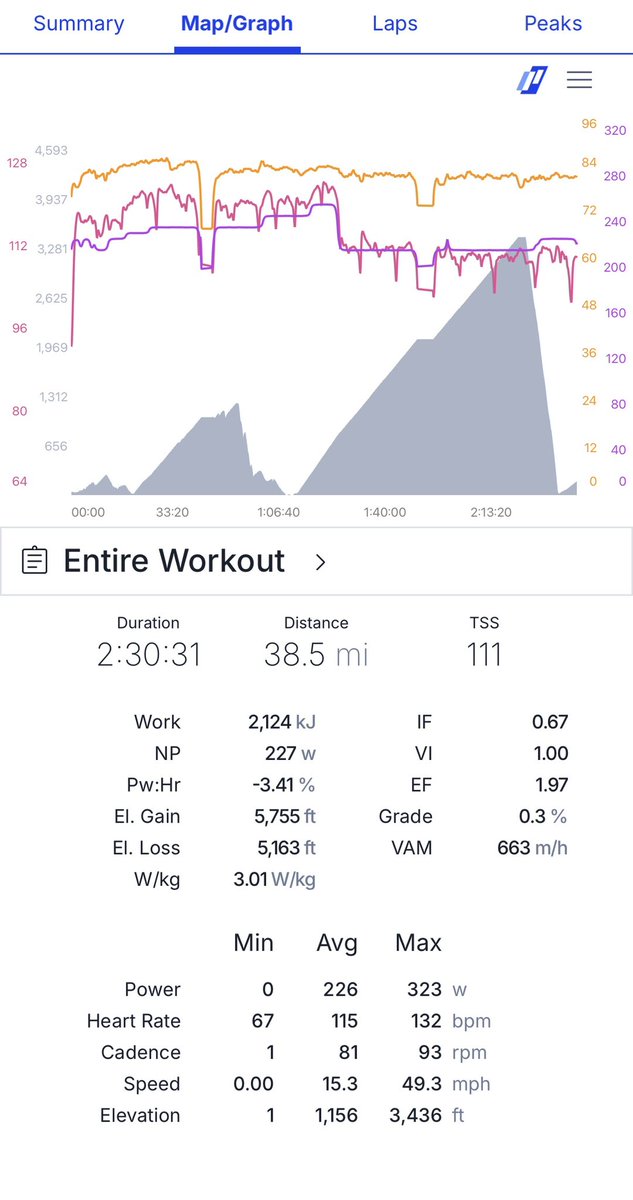
My typical Zwift ride as a marathoner: 2-2.5 hours, 115 avg HR (pure Zone 1-2), ~3.0 w/kg Every day on top of 90+ mpw running. Not trying to get faster on the bike. Just stacking aerobic volume without beating up my legs. Low-intensity cycling is a cheat code for marathon training.
Hank tweet mediaHank tweet media
English
20
3
95
12.1K