Aakash Gupta@aakashgupta
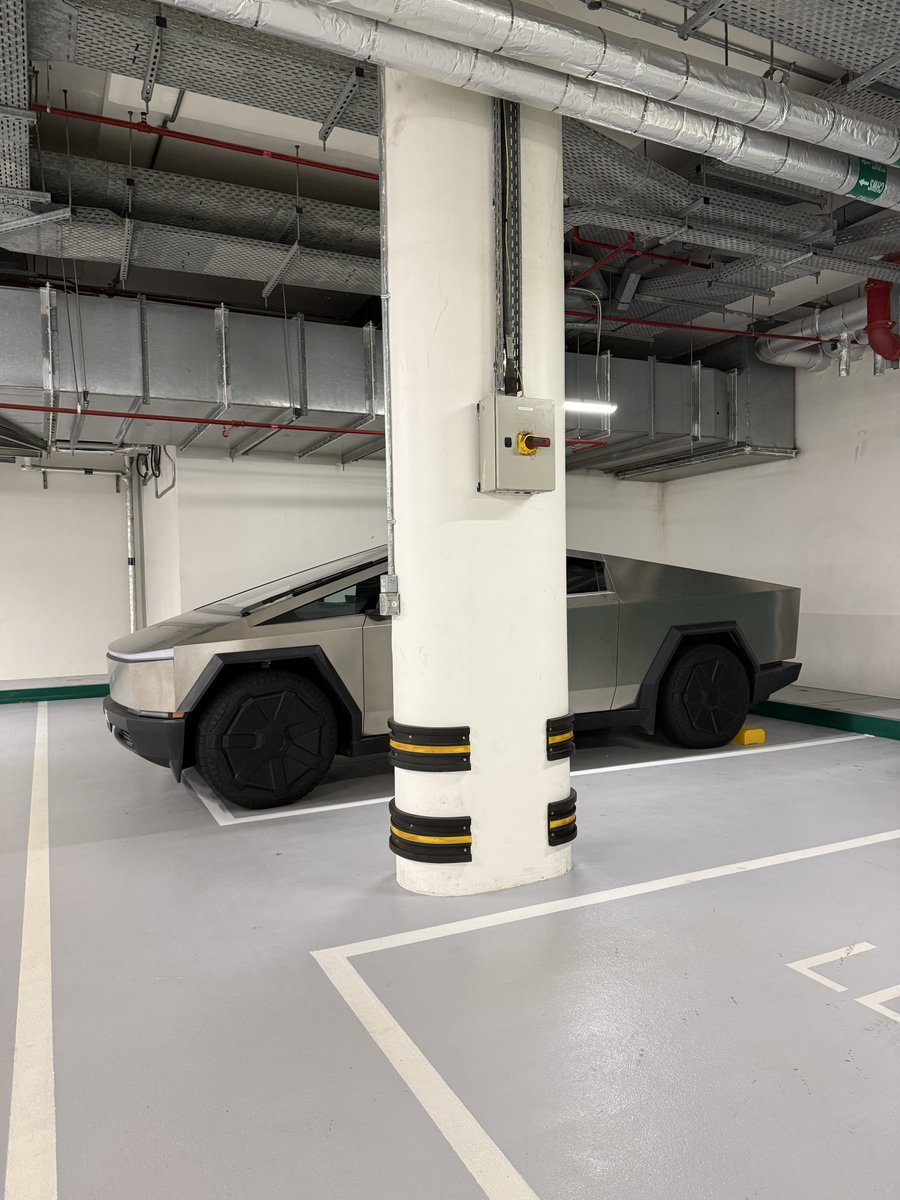
Tesla is building a chip factory bigger than anything TSMC, Samsung, or Intel has ever put under one roof. Logic, memory, and advanced packaging in a single facility. 2nm process technology. Domestically. The name alone tells you the ambition: Tera. A thousand Gigas.
Rewind to 2014. Elon announced a $5 billion battery factory in the middle of the Nevada desert when Tesla sold 35,000 cars a year. Analysts called it delusional. That factory now produces more lithium-ion cells than every other American manufacturer combined and completely restructured global battery supply chains. The Gigafactory was never about batteries. It was about removing the constraint that would have killed Tesla at scale.
Terafab is the same bet, one level deeper in the stack.
On the January earnings call, Elon laid it out: even projecting the most optimistic chip production from TSMC and Samsung, supply still falls short. FSD needs custom silicon. Cybercab needs custom silicon. Every Optimus robot needs dozens of AI chips. One million Optimus units per year means tens of billions of chips annually. No supplier on the planet has committed to that volume.
So Tesla is doing what it always does. Building the supply chain that doesn’t exist yet.
The scale they’re targeting: 100,000 wafer starts per month ramping toward one million. TSMC’s entire Arizona complex, six fabs, $165 billion invested, will represent about 30% of TSMC’s advanced capacity. Tesla wants to match that in a single facility.
The AI industry runs on three inputs: energy, data, and compute. Tesla already generates and stores energy at scale through Solar and Megapack. xAI already has Grok training infrastructure and the Memphis supercluster. Terafab closes the loop. One ecosystem controlling the full vertical from photon to silicon to autonomous machine.
Tesla is sitting on $44 billion in cash. Capex this year exceeds $20 billion, the largest annual investment in company history, and the CFO said Terafab is on top of that. This is a company spending like the window is measured in quarters, not decades.
Every major platform shift has been won by whoever controlled the bottleneck. Standard Oil controlled refining. TSMC controlled fabrication. Elon is betting that the bottleneck for the AI era is custom silicon at tera-scale, and that the company that owns energy production, chip fabrication, and robotics deployment in a single vertical will set the terms for the next 30 years.
March 21. Terafab breaks ground. The last time Elon moved this fast on infrastructure, he was building Starship and Gigafactory Berlin at the same time. Both shipped.