DRAGONIQUE Aimen

67 posts

DRAGONIQUE Aimen

DRAGONIQUE Aimen

@Dragonique91

Katılım Haziran 2024
120 Takip Edilen26 Takipçiler
Sabitlenmiş Tweet
DRAGONIQUE Aimen
DRAGONIQUE Aimen@Dragonique91·
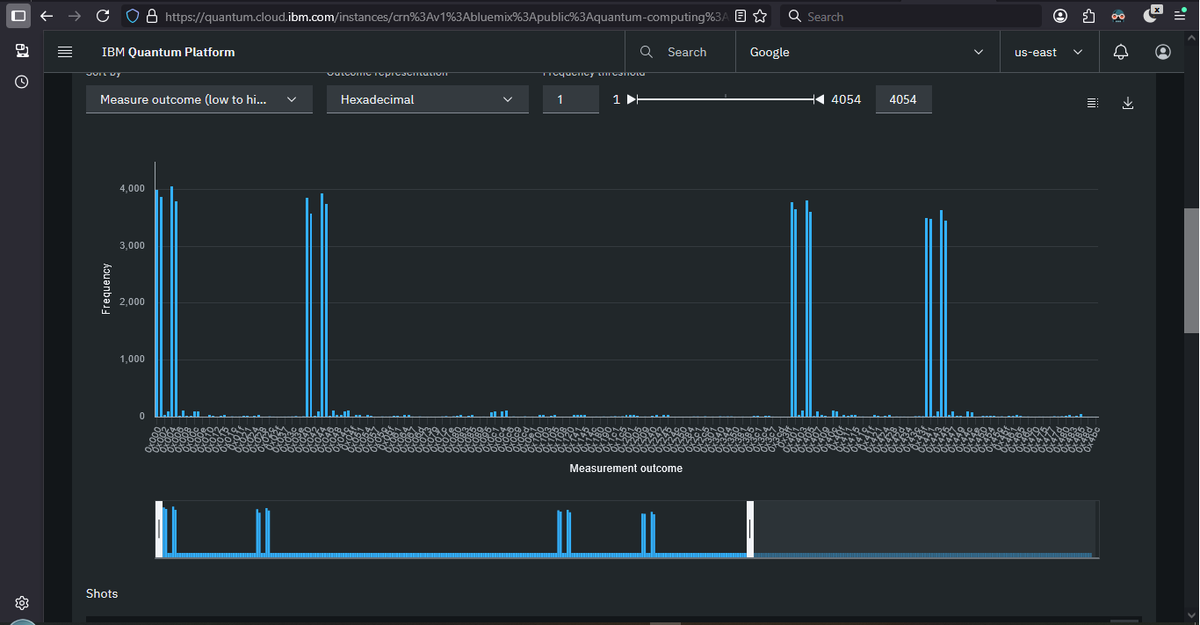
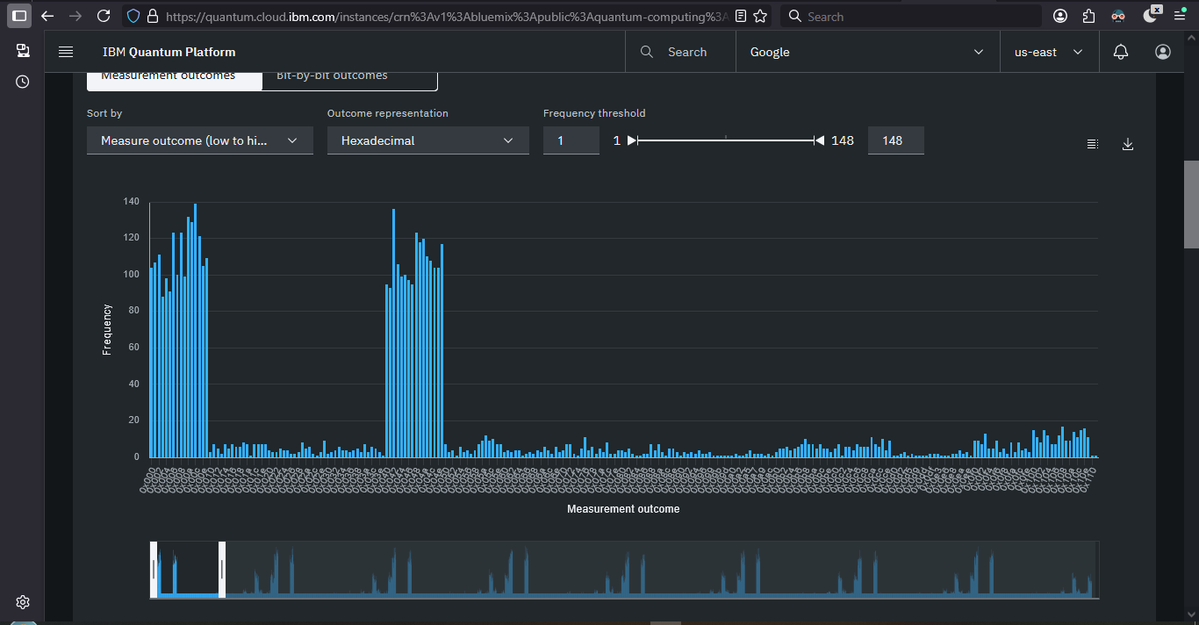
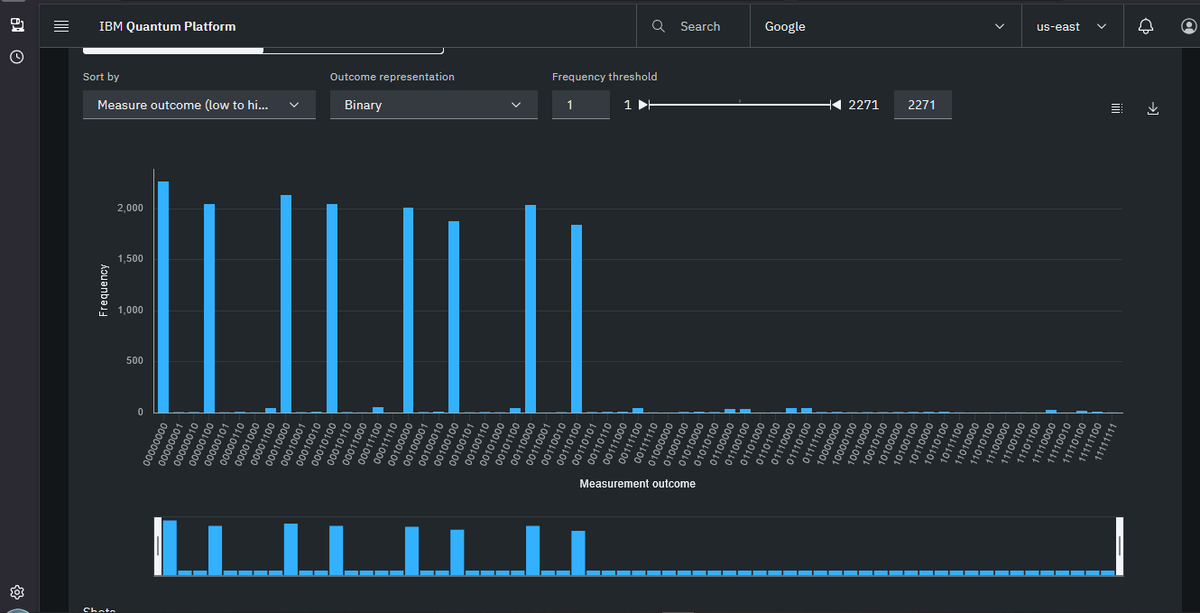
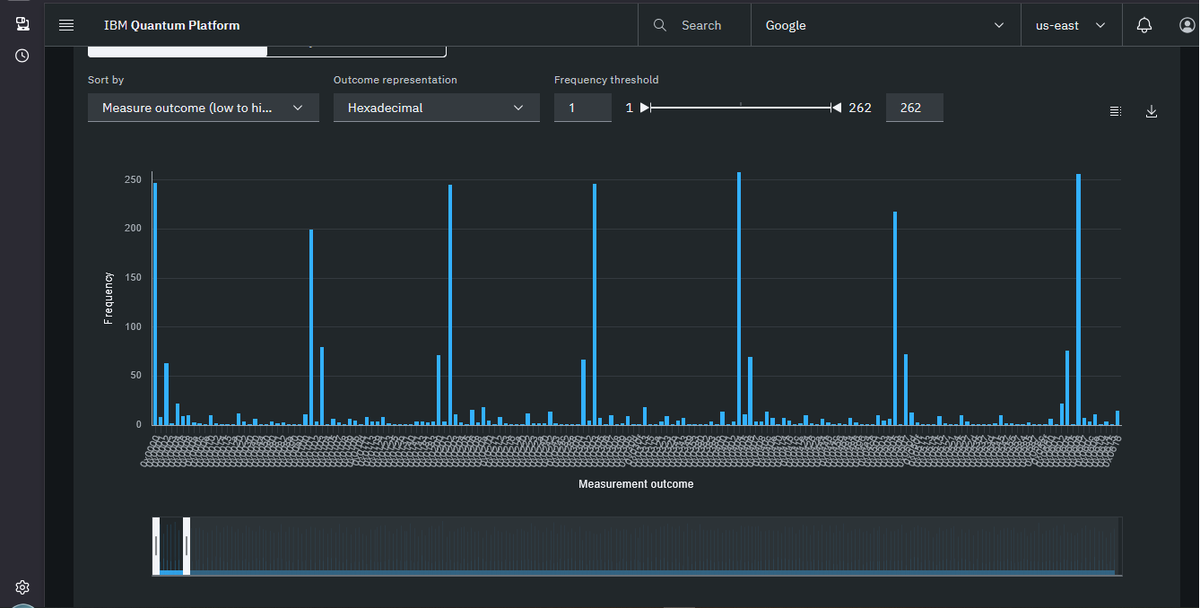
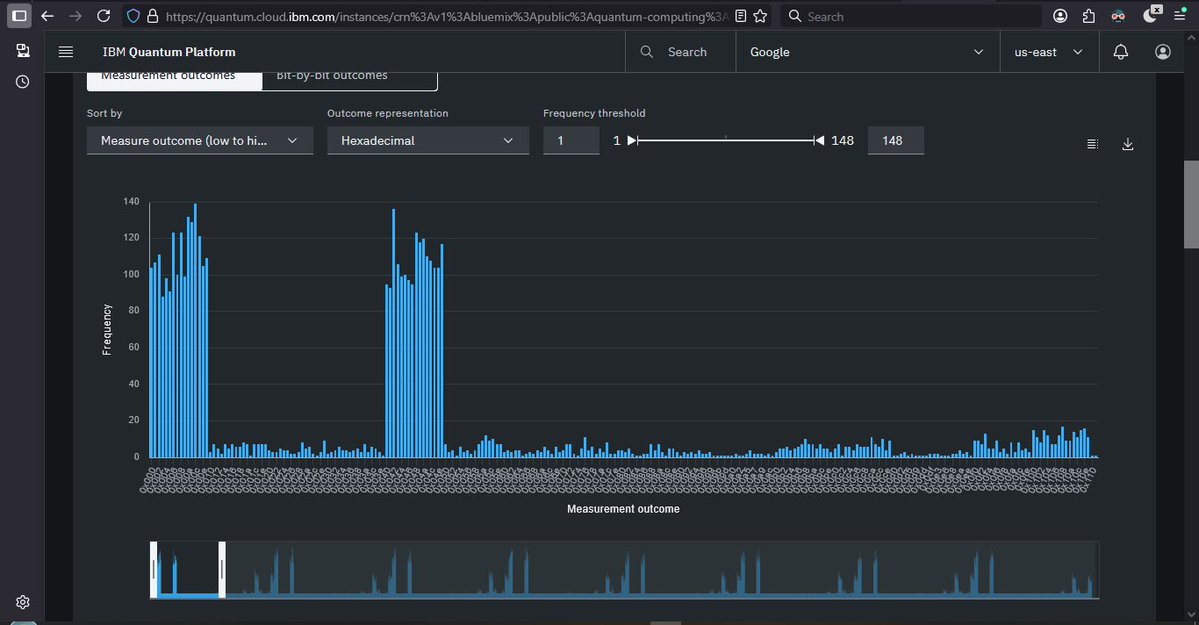
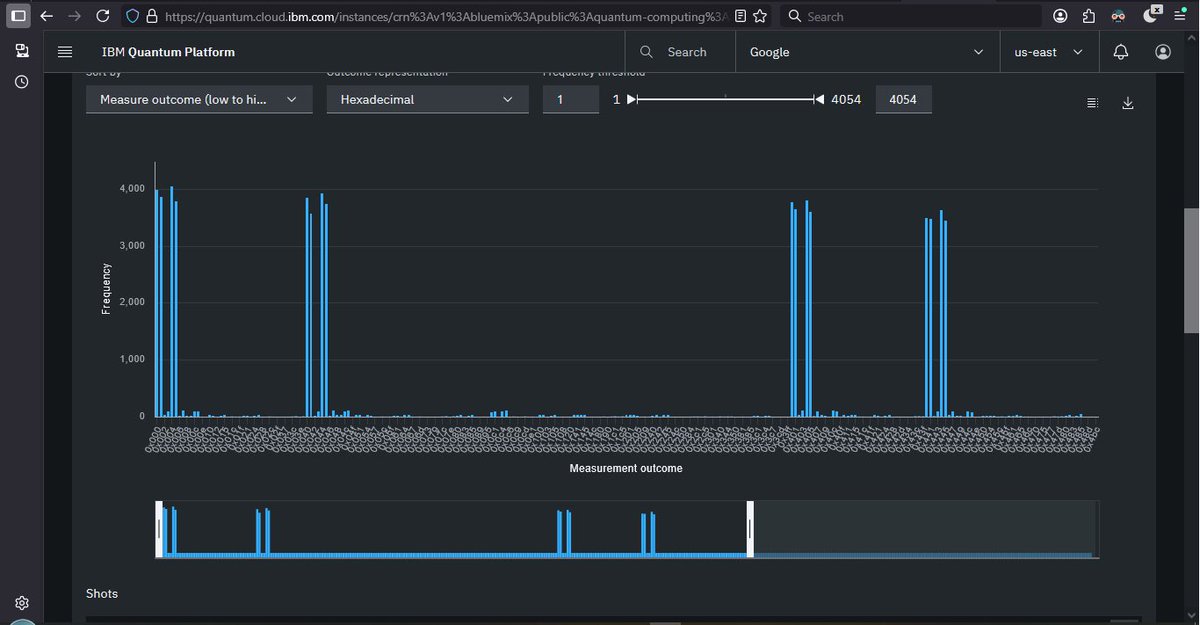
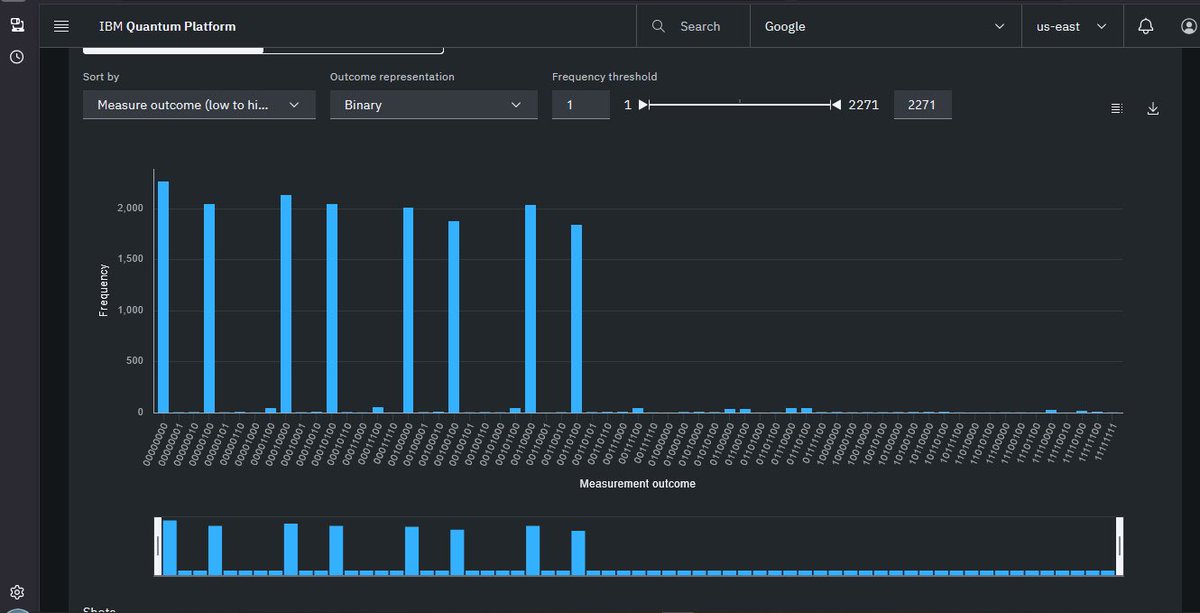
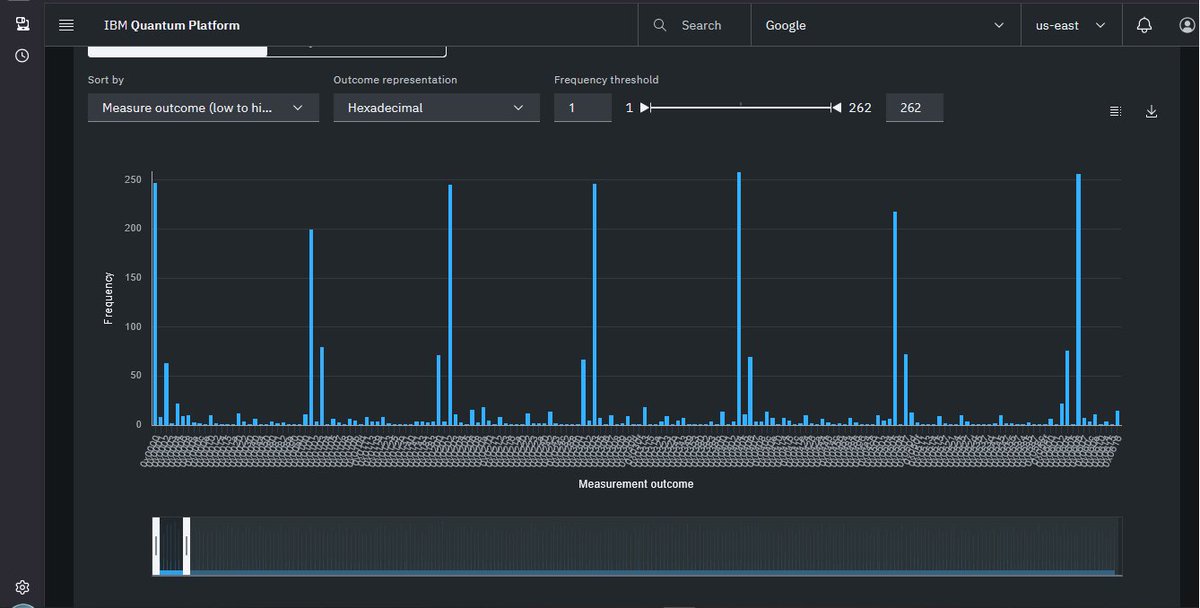
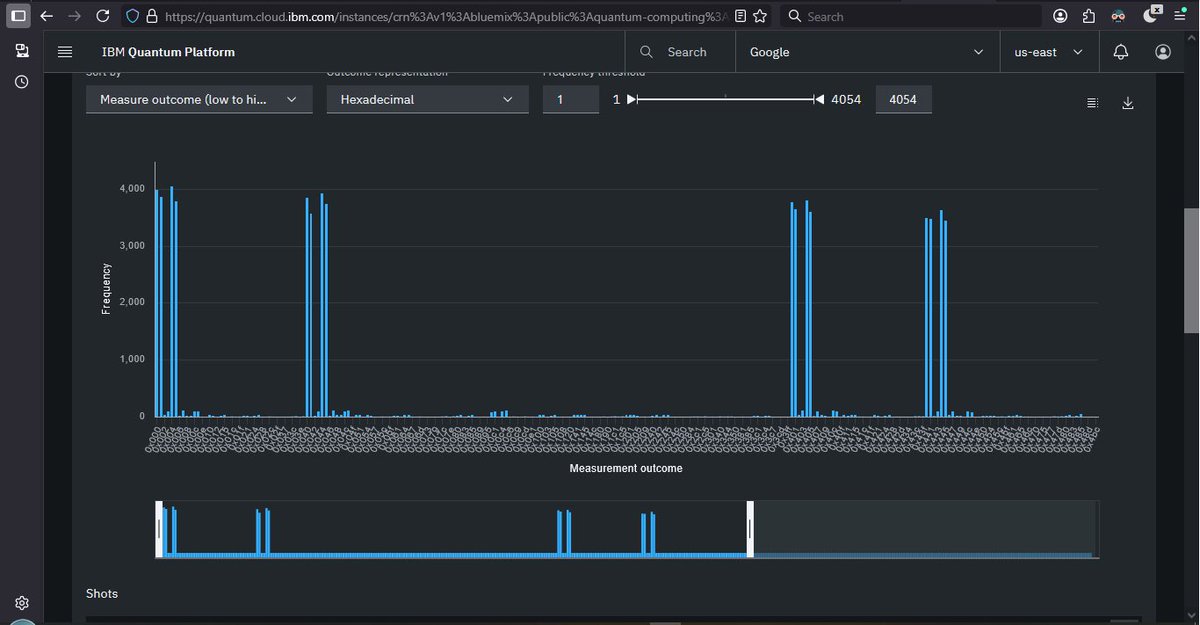
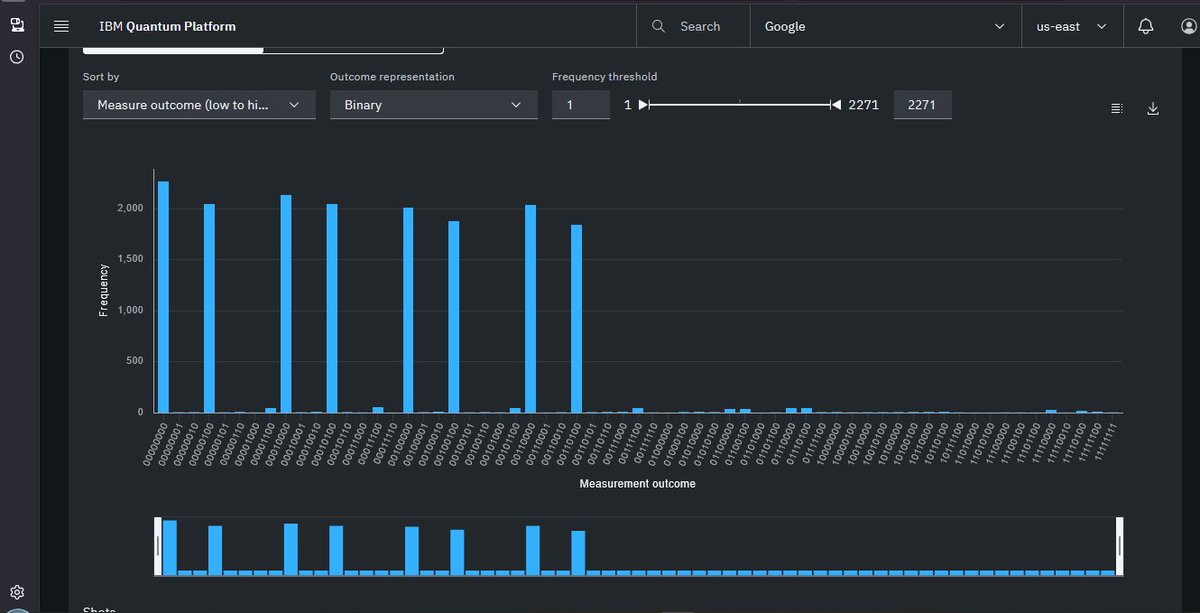
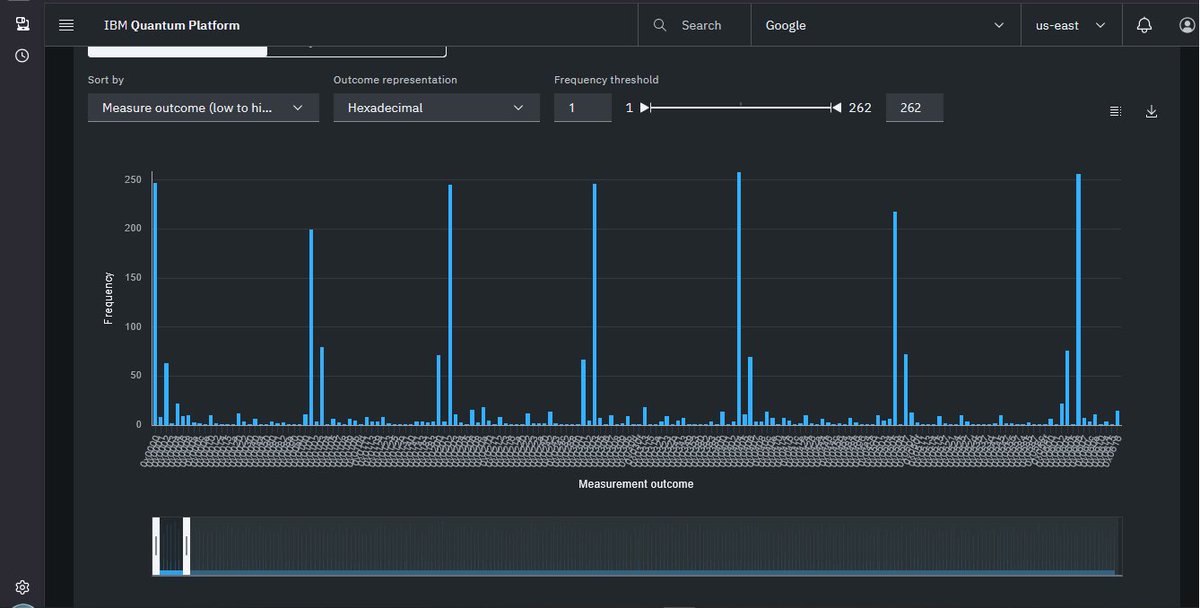
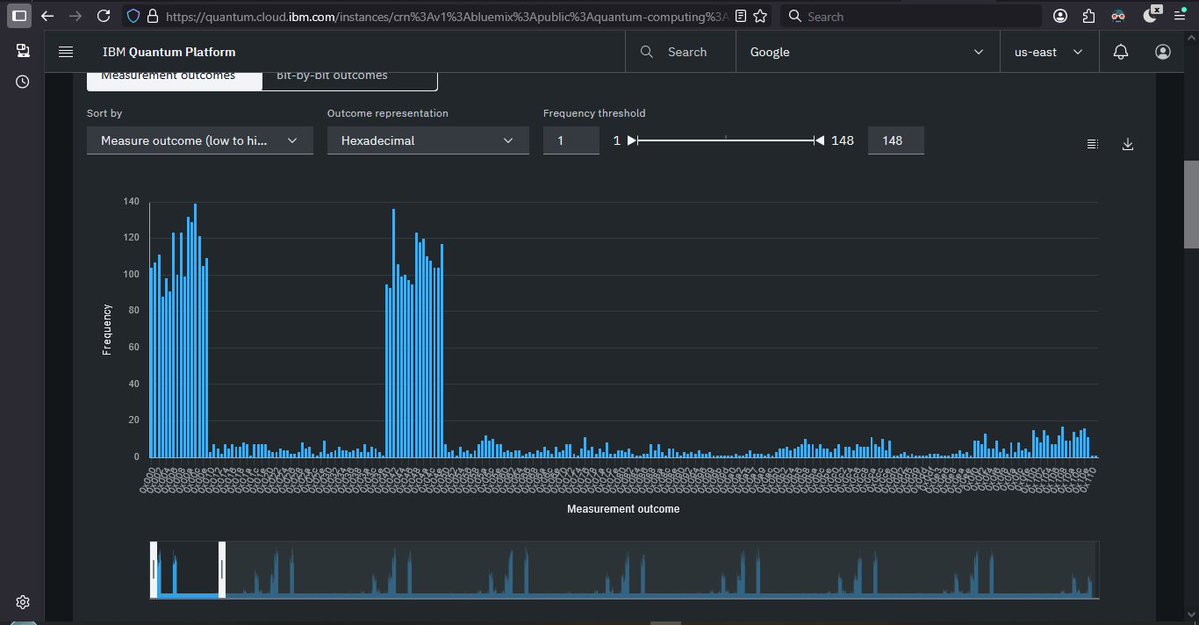
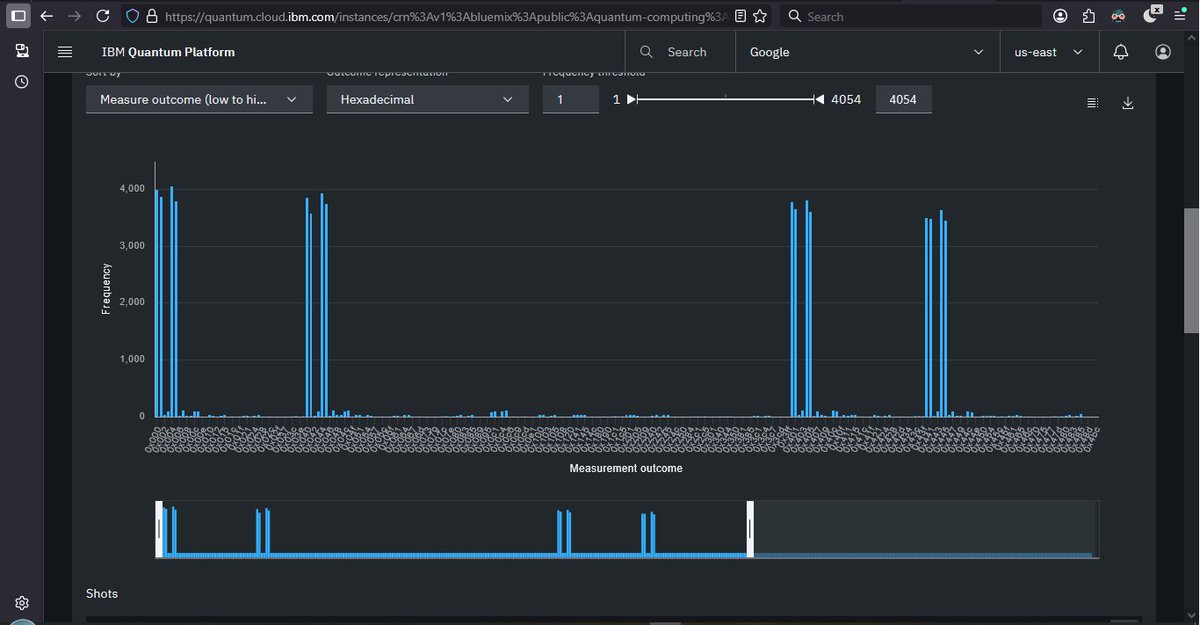
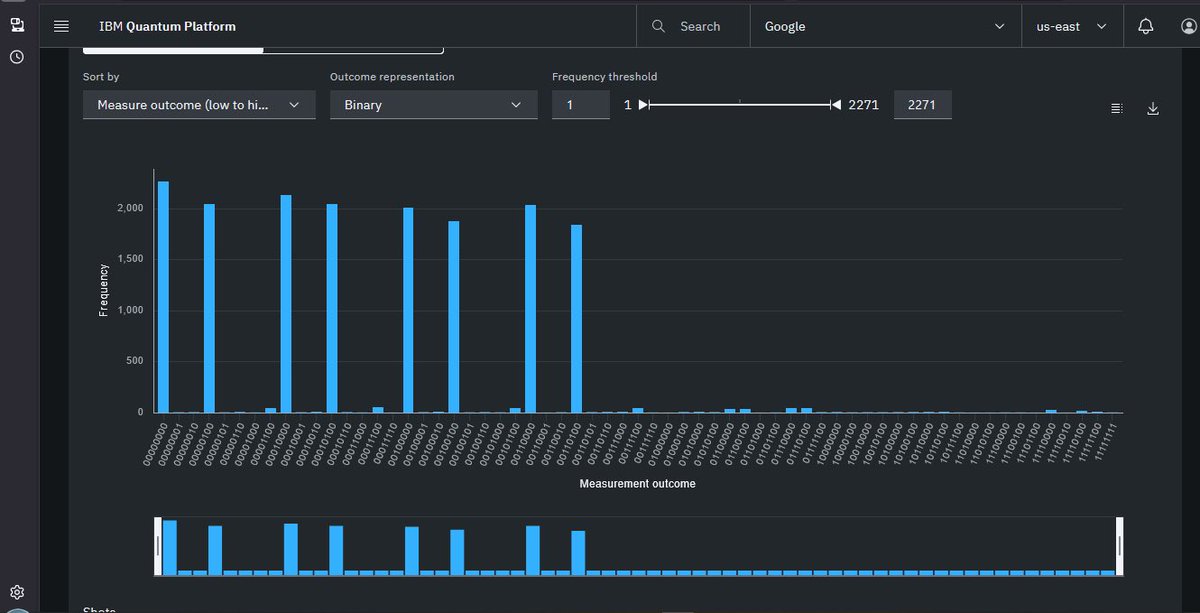
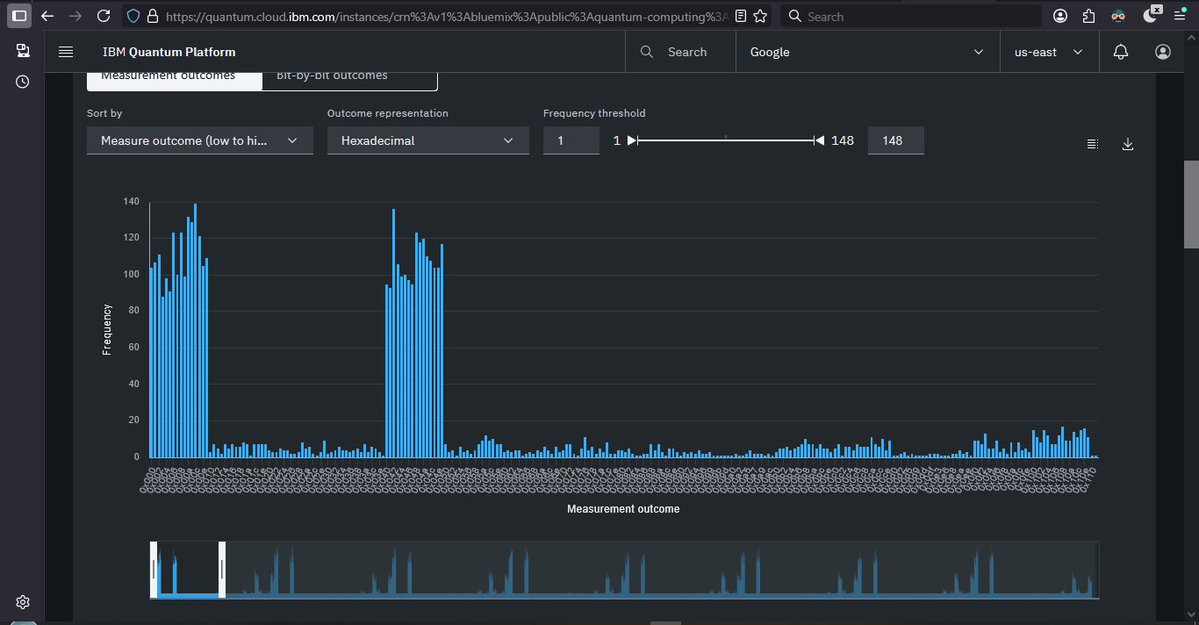
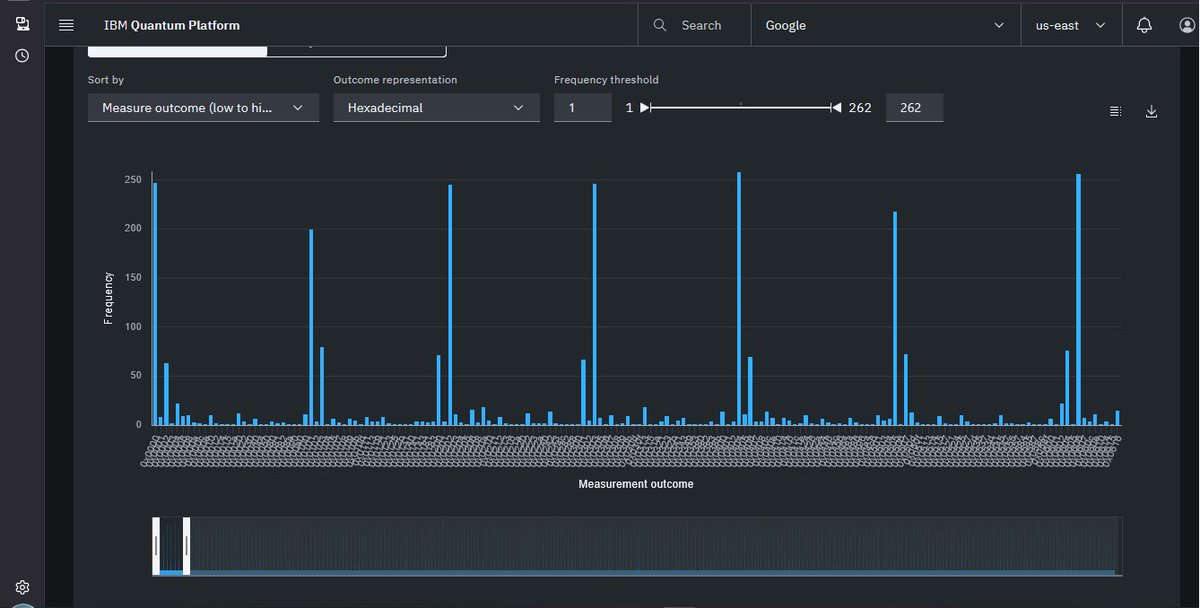
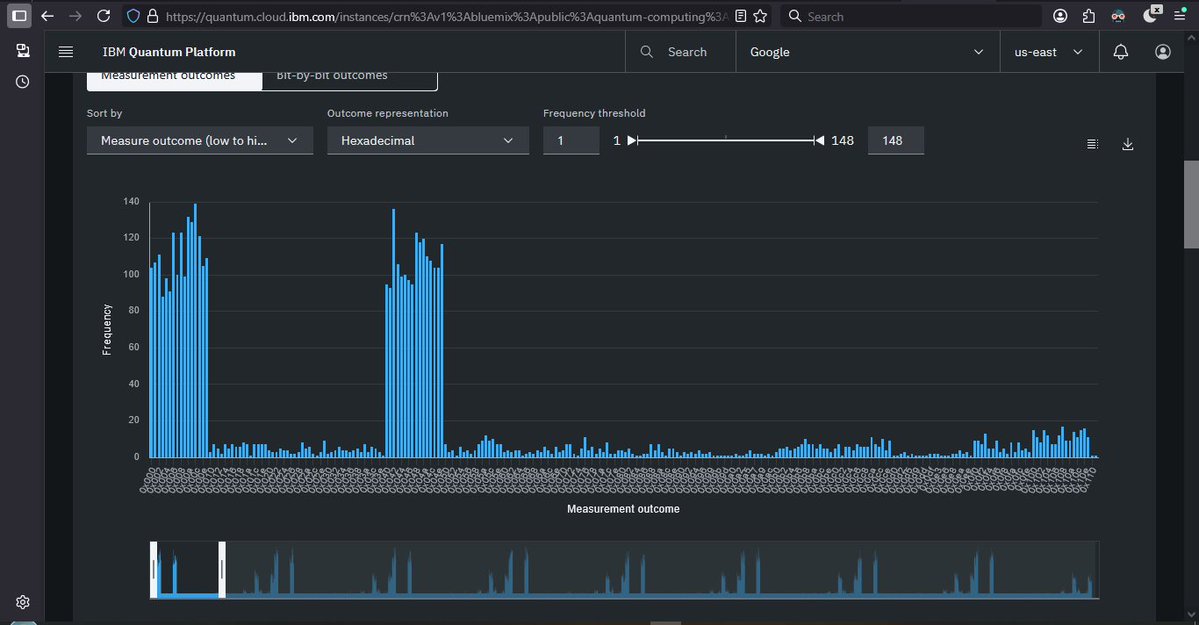
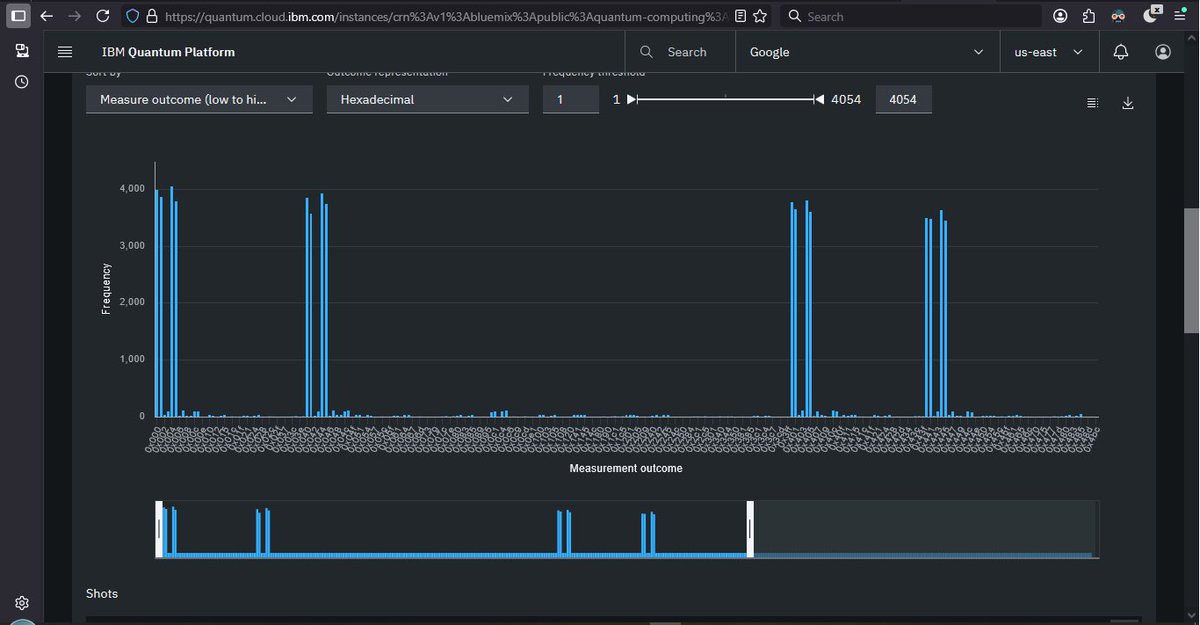
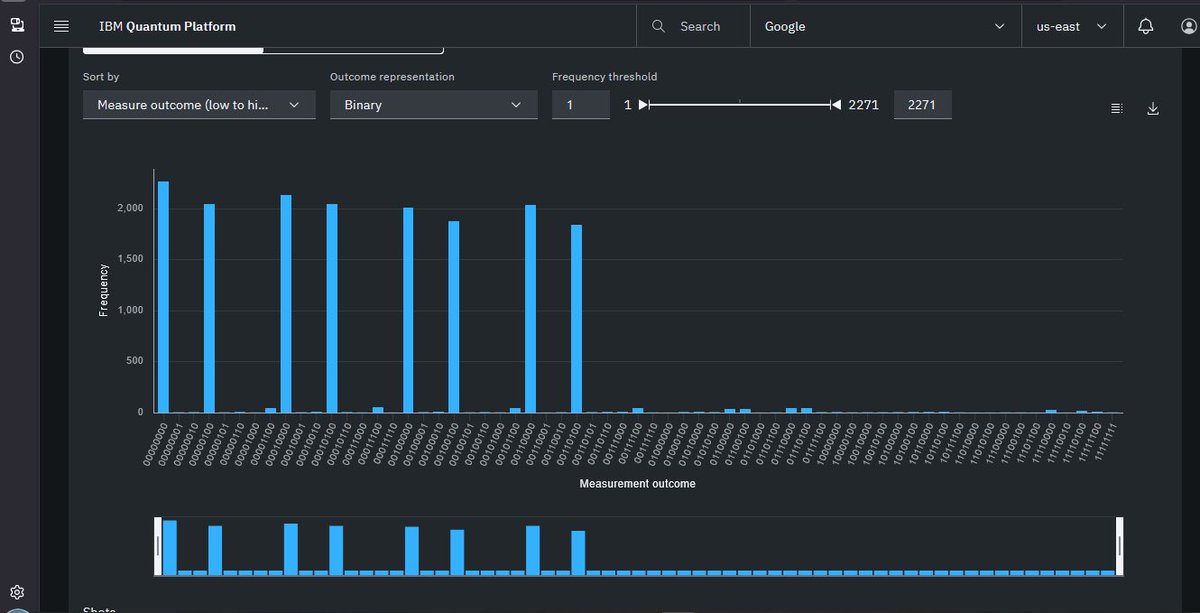
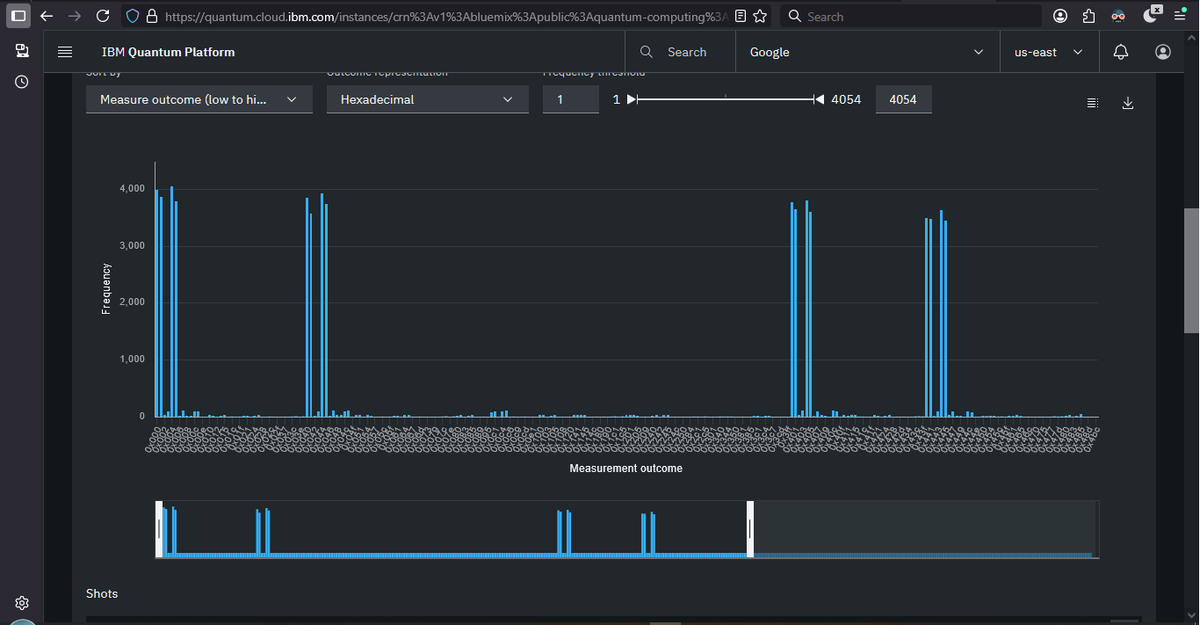
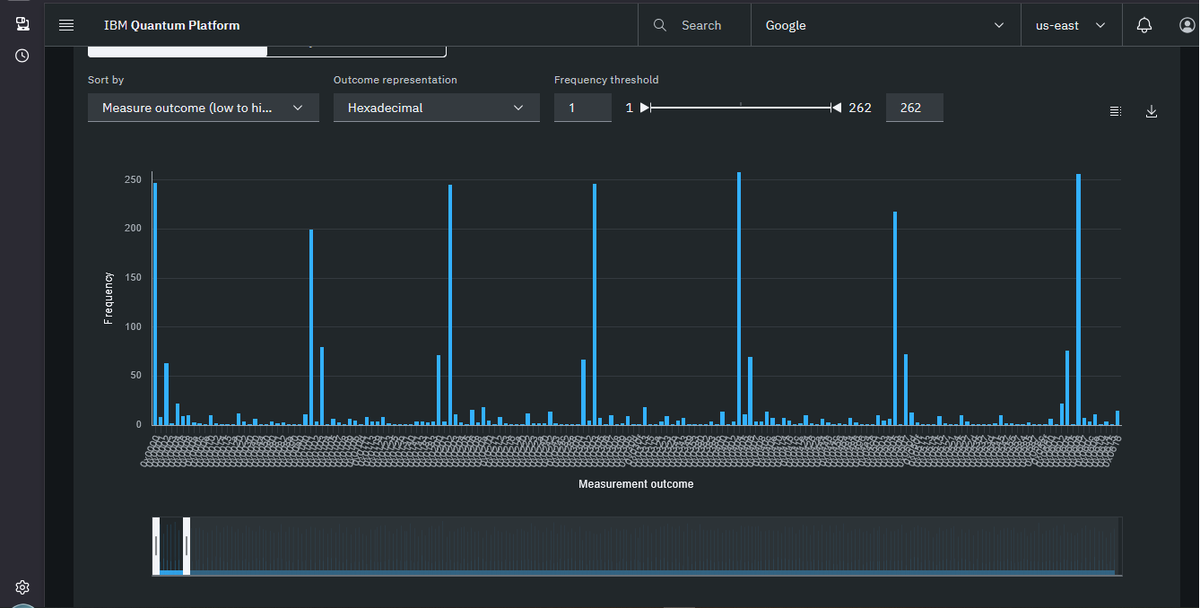
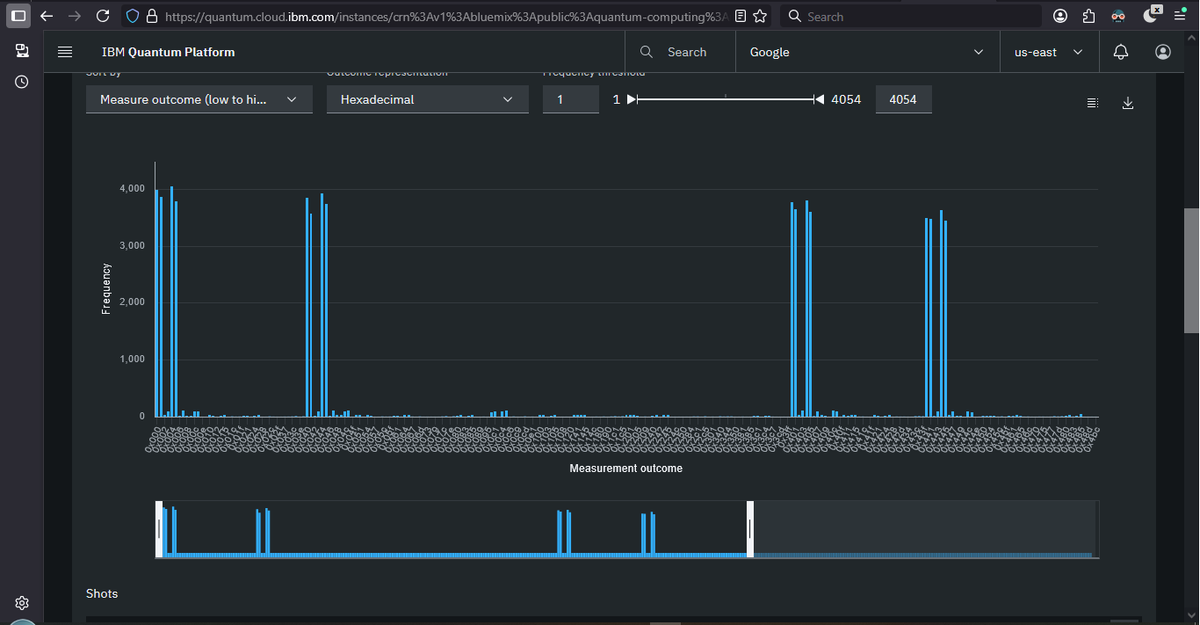
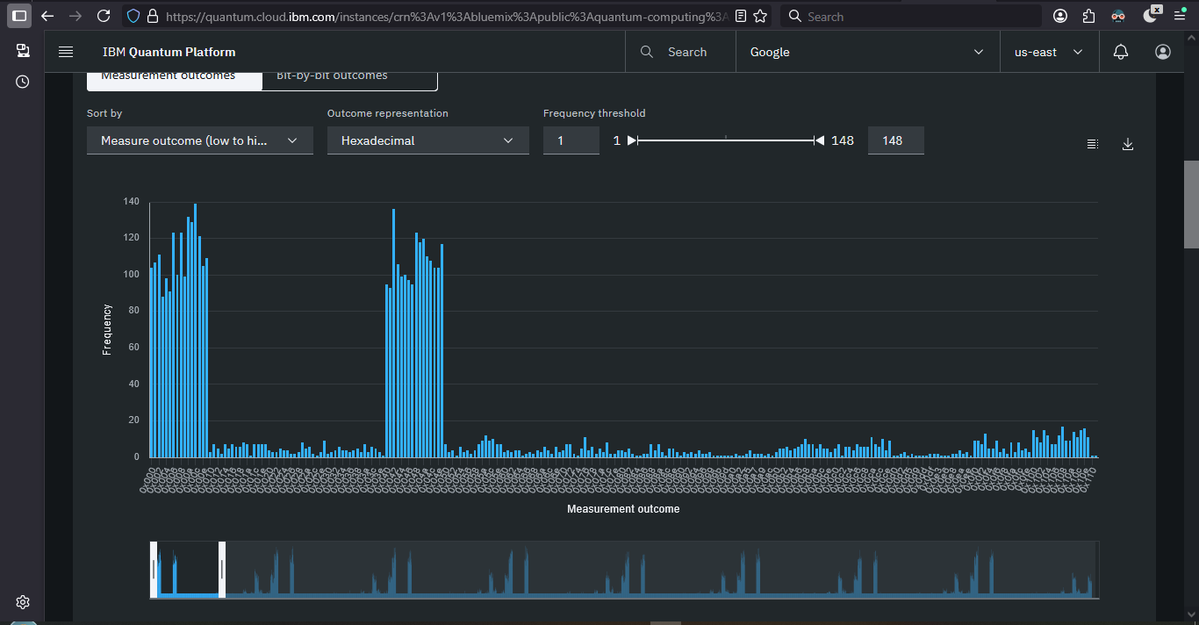
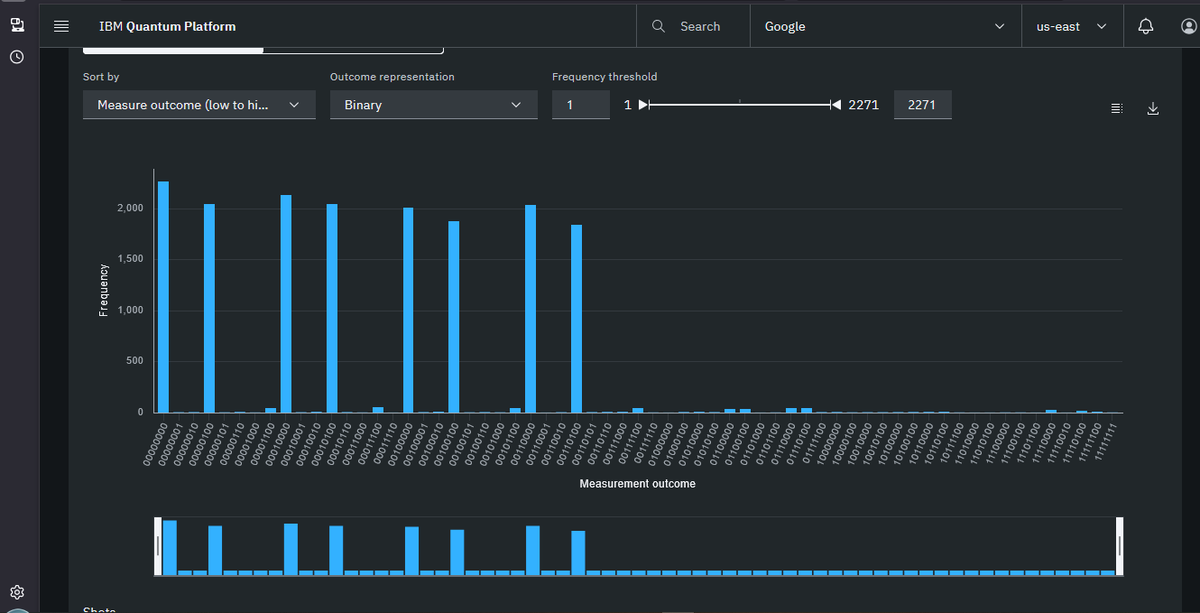
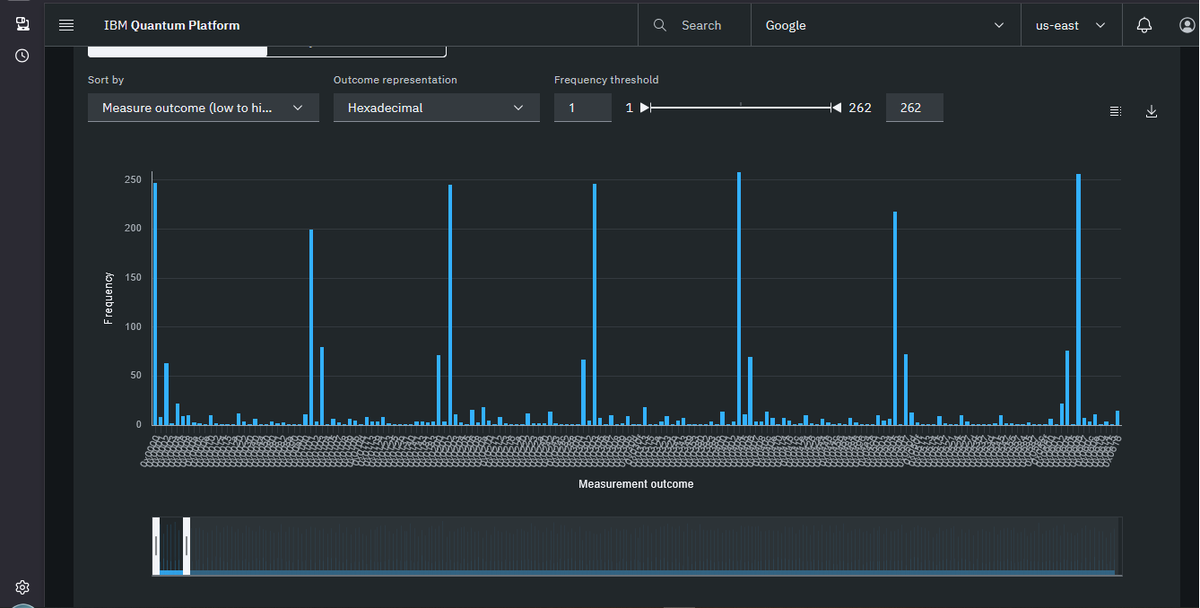
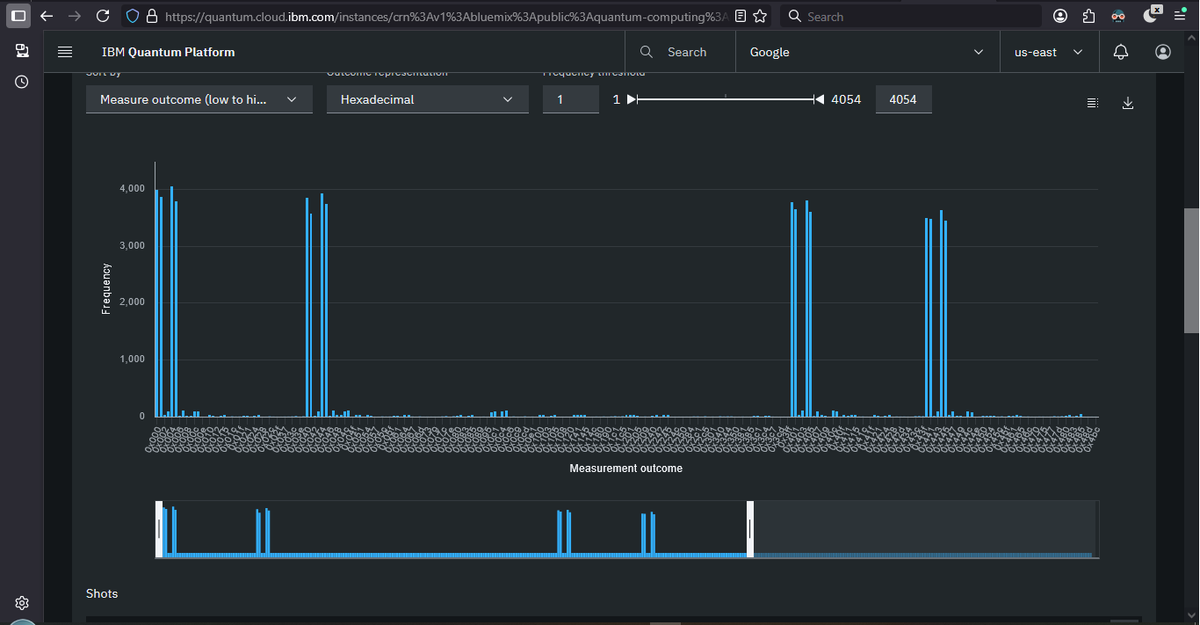
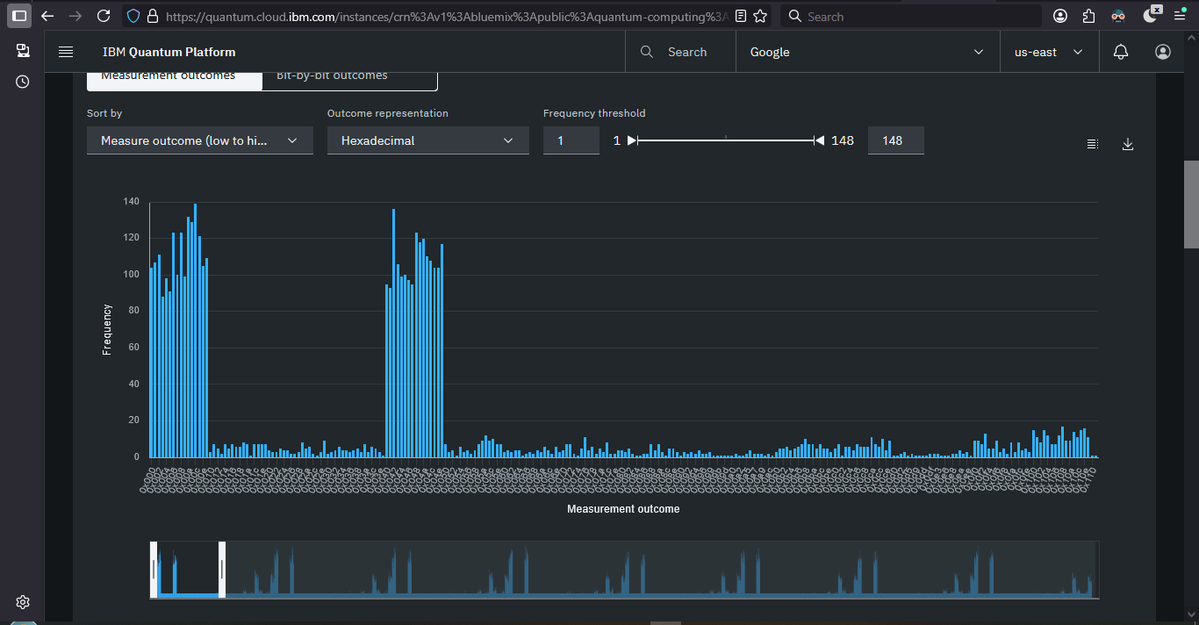
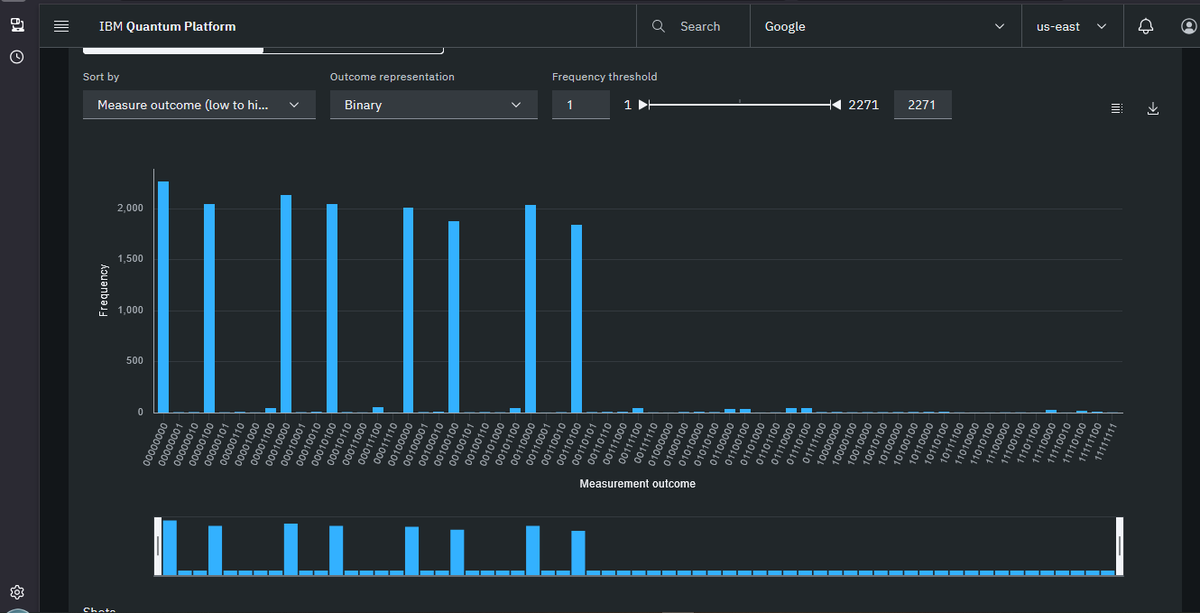
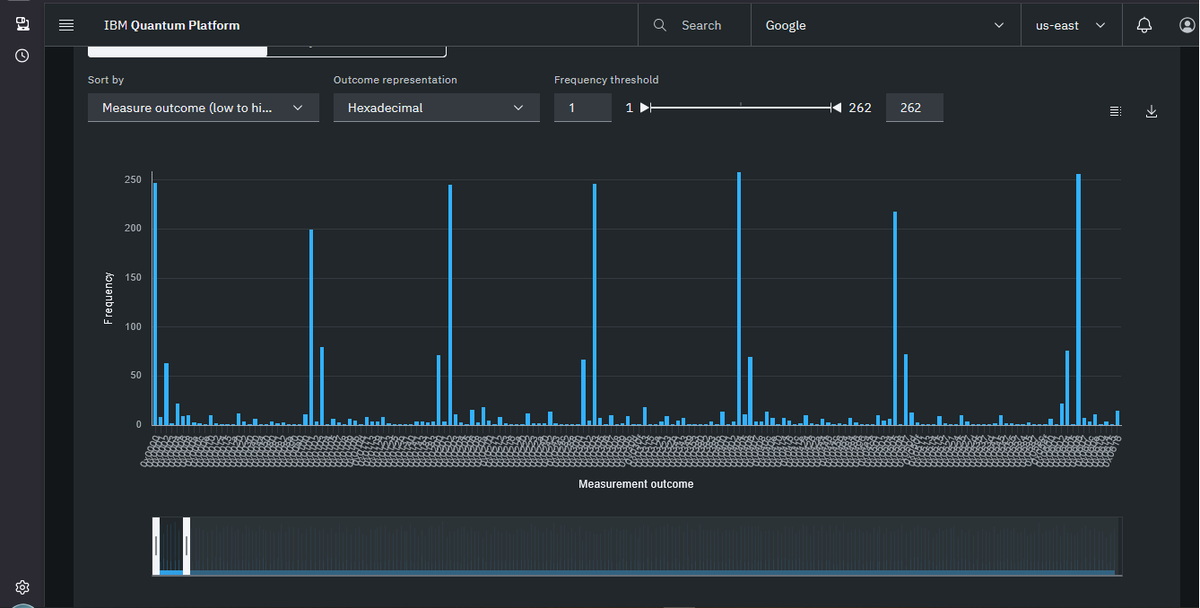
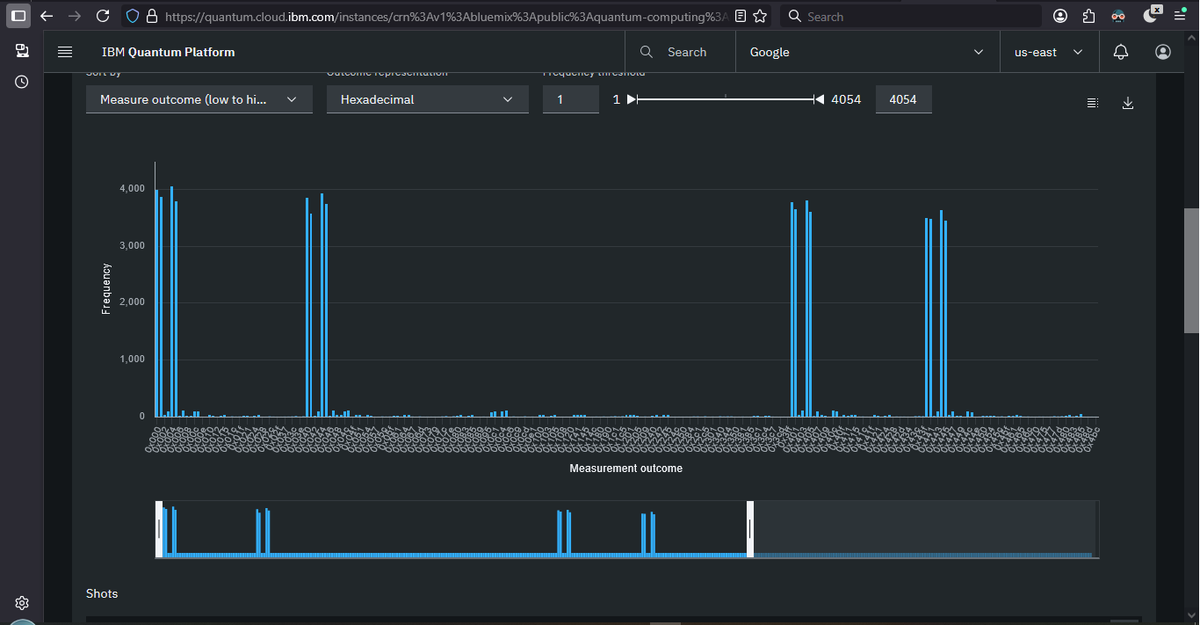
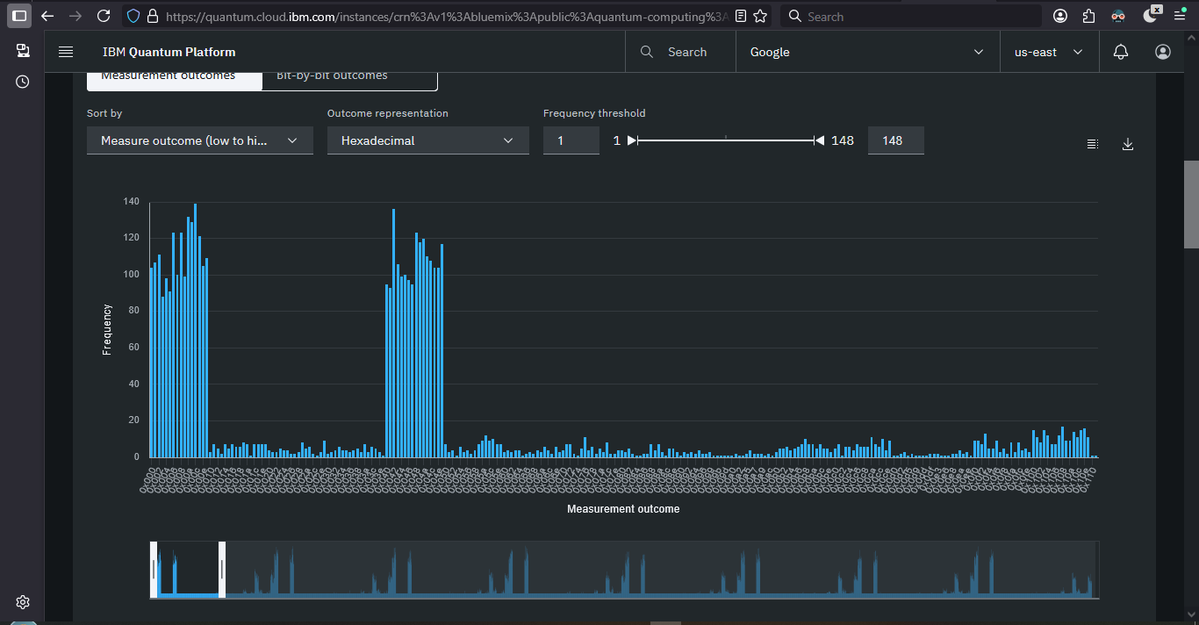
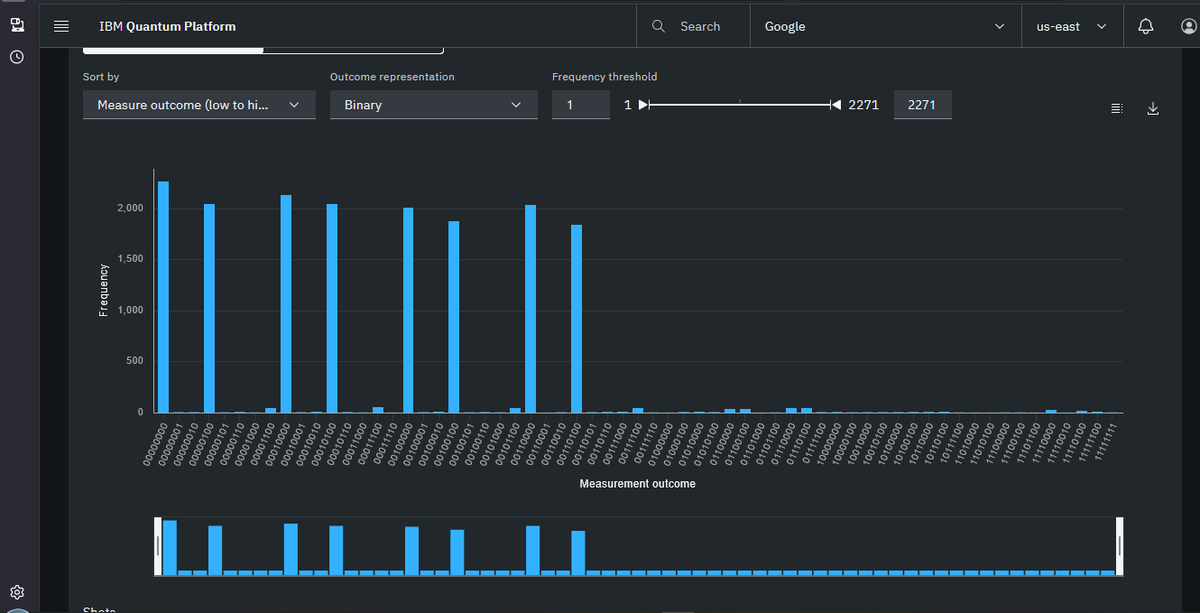
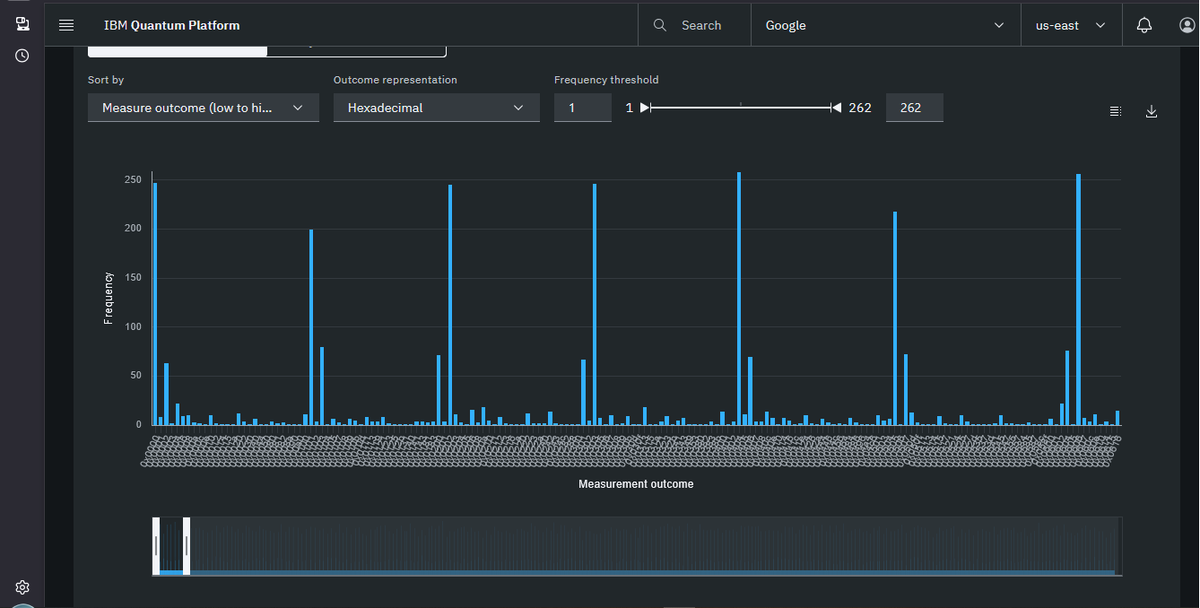
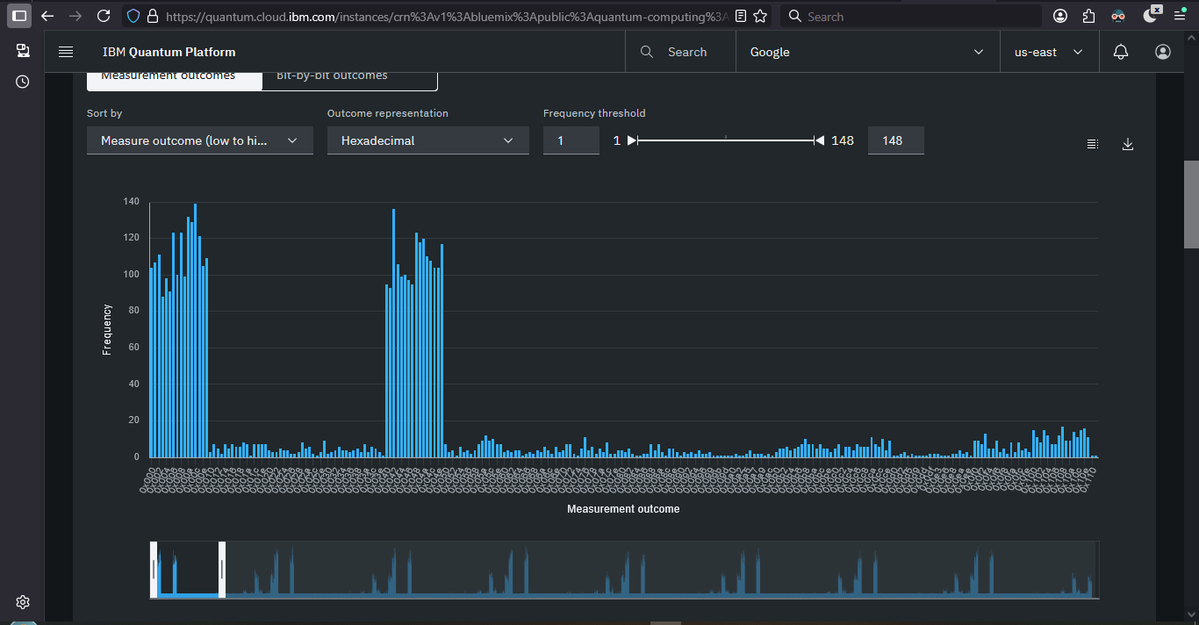
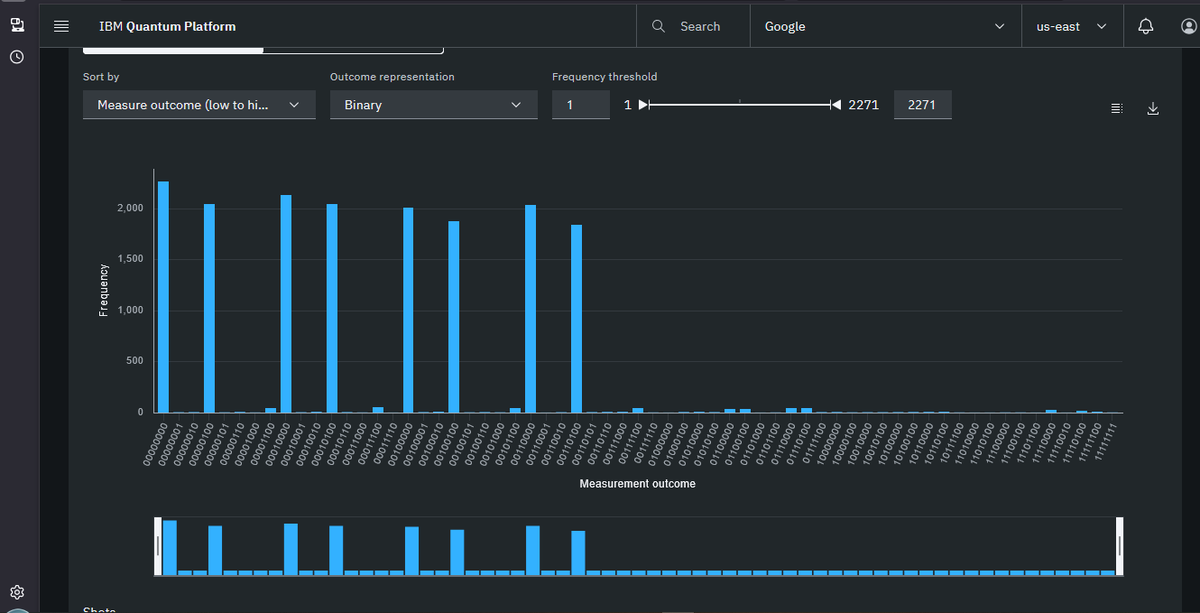
@stevetipp @SilkForgeAi Yes The Patterns Are 100% Realistic i Tryed Both Algos Shor & RegeV They Both Shows Clear Pattrens for Small Sized Bits Mybe Until 18-bit But The Post-Processing of Finding Period == Continued Fractions Hard to Detect it Due To Noize Quantum Machines .
DRAGONIQUE Aimen tweet mediaDRAGONIQUE Aimen tweet mediaDRAGONIQUE Aimen tweet mediaDRAGONIQUE Aimen tweet media
English
3
2
3
192
Yuval Adam
Yuval Adam@yuvadm·
I'm such a sucker for CDE aesthetic
Yuval Adam tweet media
English
2
0
8
429
DRAGONIQUE Aimen
DRAGONIQUE Aimen@Dragonique91·
@CriptoNoticias No , The Patterns Are 100% Realistic i Tryed Both Algos Shor & RegeV They Both Shows Clear Pattrens for Small Sized Bits Mybe Until 18-bit But The Post-Processing of Finding Period == Continued Fractions Hard to Detect it Due To Noize Quantum Machines .
DRAGONIQUE Aimen tweet mediaDRAGONIQUE Aimen tweet mediaDRAGONIQUE Aimen tweet mediaDRAGONIQUE Aimen tweet media
English
0
0
3
25
CriptoNoticias
CriptoNoticias@CriptoNoticias·
Ingeniero de Google desmonta el experimento que «rompió» Bitcoin con computación cuántica. Craig Gidney analizó el experimento ganador del premio ‘Q-Day’ y concluyó que produce el mismo resultado si se reemplaza la parte cuántica por números aleatorios.
CriptoNoticias tweet mediaCriptoNoticias tweet media
Español
5
19
104
7.1K
DRAGONIQUE Aimen
DRAGONIQUE Aimen@Dragonique91·
@stevetipp @SilkForgeAi Yes The Patterns Are 100% Realistic i Tryed Both Algos Shor & RegeV They Both Shows Clear Pattrens for Small Sized Bits Mybe Until 18-bit But The Post-Processing of Finding Period == Continued Fractions Hard to Detect it Due To Noize Quantum Machines .
DRAGONIQUE Aimen tweet mediaDRAGONIQUE Aimen tweet mediaDRAGONIQUE Aimen tweet mediaDRAGONIQUE Aimen tweet media
English
3
2
3
192
DRAGONIQUE Aimen
DRAGONIQUE Aimen@Dragonique91·
SilkForgeAi@SilkForgeAi

@Dragonique91 @stevetipp This is exactly right. real quantum patterns ARE visible at small bit sizes. The histograms show genuine period structure. The problem with the awarded submission is specifically at 16-17 bit where circuit fidelity is 10^(-214) — the signal is completely destroyed by noise at that scale. /dev/urandom produces identical results. Real signal exists. Just not at the scale that won the prize.

QME
0
0
2
194
DRAGONIQUE Aimen
DRAGONIQUE Aimen@Dragonique91·
@adam3us @tipton @_jonasschnelli_ @theonevortex Yes The Patterns Are 100% Realistic i Tryed Both Algos Shor & RegeV They Both Shows Clear Pattrens for Small Sized Bits Mybe Until 18-bit But The Post-Processing of Finding Period == Continued Fractions Hard to Detect it Due To Noize Quantum Machines .
DRAGONIQUE Aimen tweet mediaDRAGONIQUE Aimen tweet mediaDRAGONIQUE Aimen tweet mediaDRAGONIQUE Aimen tweet media
English
0
0
1
10
DRAGONIQUE Aimen
DRAGONIQUE Aimen@Dragonique91·
@adam3us @_jonasschnelli_ @projecteleven Yes The Patterns Are 100% Realistic i Tryed Both Algos Shor & RegeV They Both Shows Clear Pattrens for Small Sized Bits Mybe Until 18-bit But The Post-Processing of Finding Period == Continued Fractions Hard to Detect it Due To Noize Quantum Machines .
DRAGONIQUE Aimen tweet mediaDRAGONIQUE Aimen tweet mediaDRAGONIQUE Aimen tweet mediaDRAGONIQUE Aimen tweet media
English
0
0
2
12
Adam Back
Adam Back@adam3us·
@_jonasschnelli_ @projecteleven Need a neutral honest party to define and validate benchmarks. Unfortunately I do not think there are enough error corrected entangled logical qbits with enough gates and run time before decoherence to calculate anything. Maybe an OR gate?
English
2
0
14
1.1K
Jonas Schnelli
Jonas Schnelli@_jonasschnelli_·
@projecteleven newest 1BTC bounty blog post reveals that their intent is not honest. It’s deceiving. They didn’t reveal critical details in their blog post. FUD at its finest.
English
10
19
170
24.3K
DRAGONIQUE Aimen
DRAGONIQUE Aimen@Dragonique91·
@_jonasschnelli_ @adam3us Yes The Patterns Are 100% Realistic i Tryed Both Algos Shor & RegeV They Both Shows Clear Pattrens for Small Sized Bits Mybe Until 18-bit But The Post-Processing of Finding Period == Continued Fractions Hard to Detect it Due To Noize Quantum Machines .
DRAGONIQUE Aimen tweet mediaDRAGONIQUE Aimen tweet mediaDRAGONIQUE Aimen tweet mediaDRAGONIQUE Aimen tweet media
English
0
0
2
7
Jonas Schnelli
Jonas Schnelli@_jonasschnelli_·
How it works: - Circuit ran on real IBM hardware (ibm_fez), but with 98,049 gates at 99.5% fidelity, total circuit fidelity ≈ 10⁻²¹⁴. Output is indistinguishable from a coin flip. - Extraction: every shot gives a candidate d, then checks d·G == Q classically. Only the true key survives. - Shots (20,000) ≈ group size (32,497). Random noise hits the correct key ~50% of the time. - I verified: feeding random bits into their exact pipeline recovers the key. - At 10-bit scale, random noise wins 85% of the time. Author's own significance test at 6-bit: p = 0.12. Not significant. No such test run at the winning scale. - Scaling to Bitcoin's 256-bit? The classical shortcut dies. No quantum signal to replace it. Real hardware. Real execution. Zero quantum advantage. But a nice press cycle about "$2.5T at risk."
English
12
34
221
55.6K
Jonas Schnelli
Jonas Schnelli@_jonasschnelli_·
Project Eleven paid 1 BTC for a "quantum break" of Bitcoin-style crypto. The quantum computer contributed NOTHING (noise)! The answer was recovered by a classical checker sifting random noise. I reproduced the whole thing in 20 lines of Python with no quantum computer at all.
Project Eleven@projecteleven

Project Eleven Awards 1 BTC Q-Day Prize for Largest Quantum Attack on Elliptic Curve Cryptography to Date Researcher breaks 15-bit ECC key on publicly accessible quantum hardware in a 512x jump from the previous public demonstration. Project Eleven today awarded the Q-Day Prize, a one Bitcoin bounty, to Giancarlo Lelli for breaking a 15-bit elliptic curve key on a publicly accessible quantum computer. The result is the largest public demonstration to date of the attack class that threatens Bitcoin, Ethereum, and over $2.5 trillion in ECC-secured digital assets. "The resource requirements for this type of attack keep dropping, and the barrier to running it in practice is dropping with them," said @apruden08, CEO of Project Eleven. "The winning submission came from an independent researcher working on cloud-accessible hardware. No national lab, no private chip. It shows that tangible progress is possible and highlights the urgency to migrate to post-quantum cryptography sooner rather than later. Google just committed to being quantum-secure by 2029. The window to get ahead of this is closing.” Lelli derived a private key from its public key across a search space of 32,767 using a variant of Shor’s algorithm. Shor's targets the Elliptic Curve Discrete Logarithm Problem (ECDLP), the math underlying the digital signature schemes securing Bitcoin, Ethereum, and most blockchains. Quantum attacks on ECC have moved from theory to practice over the last seven months. Steve Tippeconnic's 6-bit demonstration in September 2025 was the first public break on quantum hardware. Lelli's 15-bit result extends it by a factor of 512. Theoretical resource estimates for a full 256-bit attack, the scale Bitcoin operates at, have fallen sharply over the same period. Google's April 2026 whitepaper put the requirement at under 500,000 physical qubits. A subsequent paper from Caltech and Oratomic brought that figure as low as 10,000 qubits in a neutral-atom architecture. Lelli's result is the practical counterpart to those optimizations. The distance from 15 bits to 256 bits is large, but the gap is increasingly viewed as an engineering problem and not a fundamental physics problem. Roughly 6.9 million Bitcoin sit in wallets whose public keys are visible on-chain, exposing them to quantum attack. All blockchains using ECC share similar risks with vulnerable assets. Project Eleven is developing its next challenge, focused on the intersection of frontier AI models and quantum cryptanalysis.

English
24
88
582
61.9K
DRAGONIQUE Aimen
DRAGONIQUE Aimen@Dragonique91·
@_jonasschnelli_ @adam3us Yes The Patterns Are 100% Realistic i Tryed Both Algos Shor & RegeV They Both Shows Clear Pattrens for Small Sized Bits Mybe Until 18-bit But The Post-Processing of Finding Period == Continued Fractions Hard to Detect it Due To Noize Quantum Machines .
DRAGONIQUE Aimen tweet mediaDRAGONIQUE Aimen tweet mediaDRAGONIQUE Aimen tweet mediaDRAGONIQUE Aimen tweet media
English
0
0
2
6
DRAGONIQUE Aimen
DRAGONIQUE Aimen@Dragonique91·
@adam3us @Pledditor @projecteleven ‘’Satoshi Nakamoto” Thinks That P11 is hurting BTC’s Chart instead P11 are the Ones who gona save your money They Already Pushed Hard Crypto-Community to Start Preparing for Migration —-> Post-Quantum_Resistant
English
0
0
1
166
Adam Back
Adam Back@adam3us·
@Pledditor @projecteleven As I understand they are still figuring that out. One floated idea people under an altcoin you claim airdrop and use PQ sigs. Basically try to do something like NYA contentious fork, but by migrating to a claimable airdrop and then try to FUD a lot and claim it's the new Bitcoin.
English
14
4
67
17.7K
Pledditor
Pledditor@Pledditor·
How does a startup like @projecteleven even raise at a $120m valuation in a market like this? What is their product? Who are they selling to?
English
18
1
78
16.6K
DRAGONIQUE Aimen
DRAGONIQUE Aimen@Dragonique91·
@apruden08 @projecteleven ‘’Satoshi Nakamoto” Thinks That P11 is hurting BTC’s Chart instead P11 are the Ones who gona save your money They Already Pushed Hard Crypto-Community to Start Preparing for Migration —-> Post-Quantum_Resistant
English
0
0
3
105
Alex Pruden
Alex Pruden@apruden08·
Easy to clarify this right now. @projecteleven HAS NEVER ADVERTISED, nor does it EVER INTEND to create some kind of adversarial Bitcoin fork. We sell services and products to institutions aiming to prepare for digital asset migration to PQC.
Adam Back@adam3us

@Pledditor @projecteleven As I understand they are still figuring that out. One floated idea people under an altcoin you claim airdrop and use PQ sigs. Basically try to do something like NYA contentious fork, but by migrating to a claimable airdrop and then try to FUD a lot and claim it's the new Bitcoin.

English
7
0
21
7.8K
Alex Pruden
Alex Pruden@apruden08·
2/ Factoring (or ECDLP) small numbers isn't a strong indicator of quantum progress by itself. @CraigGidney @bwesterb and others (including us) have said this repeatedly. Still, claims like "quantum can't break 16 bits" keep popping up. This was a legitimate claim under the rules.
English
2
0
10
1.5K
Akshay 🚀
Akshay 🚀@akshay_pachaar·
CPU vs GPU vs TPU vs NPU vs LPU, explained visually: 5 hardware architectures power AI today. Each one makes a fundamentally different tradeoff between flexibility, parallelism, and memory access. > CPU It is built for general-purpose computing. A few powerful cores handle complex logic, branching, and system-level tasks. It has deep cache hierarchies and off-chip main memory (DRAM). It's great for operating systems, databases, and decision-heavy code, but not that great for repetitive math like matrix multiplications. > GPU Instead of a few powerful cores, GPUs spread work across thousands of smaller cores that all execute the same instruction on different data. This is why GPUs dominate AI training. The parallelism maps directly to the kind of math neural networks need. > TPU They go one step further with specialization. The core compute unit is a grid of multiply-accumulate (MAC) units where data flows through in a wave pattern. Weights enter from one side, activations from the other, and partial results propagate without going back to memory each time. The entire execution is compiler-controlled, not hardware-scheduled. Google designed TPUs specifically for neural network workloads. > NPU This is an edge-optimized variant. The architecture is built around a Neural Compute Engine packed with MAC arrays and on-chip SRAM, but instead of high-bandwidth memory (HBM), NPUs use low-power system memory. The design goal is to run inference at single-digit watt power budgets, like smartphones, wearables, and IoT devices. Apple Neural Engine and Intel's NPU follow this pattern. > LPU (Language Processing Unit) This is the newest entrant, by Groq. The architecture removes off-chip memory from the critical path entirely. All weight storage lives in on-chip SRAM. Execution is fully deterministic and compiler-scheduled, which means zero cache misses and zero runtime scheduling overhead. The tradeoff is that it provides limited memory per chip, which means you need hundreds of chips linked together to serve a single large model. But the latency advantage is real. AI compute has evolved from general-purpose flexibility (CPU) to extreme specialization (LPU). Each step trades some level of generality for efficiency. The visual below maps the internal architecture of all five side by side. 👉 Over to you: Which of these 5 have you actually worked with or deployed on?
GIF
English
66
866
3.2K
234.9K
DRAGONIQUE Aimen
DRAGONIQUE Aimen@Dragonique91·
@saylor @apruden08 Yes The Patterns Are 100% Realistic i Tryed Both Algos Shor & RegeV They Both Shows Clear Pattrens for Small Sized Bits Mybe Until 18-bit But The Post-Processing of Finding Period == Continued Fractions Hard to Detect it Due To Noize Quantum Machines .
DRAGONIQUE Aimen tweet mediaDRAGONIQUE Aimen tweet mediaDRAGONIQUE Aimen tweet mediaDRAGONIQUE Aimen tweet media
English
0
0
2
26
DRAGONIQUE Aimen
DRAGONIQUE Aimen@Dragonique91·
@apruden08 @Cat_States @yuvadm Yes The Patterns Are 100% Realistic i Tryed Both Algos Shor & RegeV They Both Shows Clear Pattrens for Small Sized Bits Mybe Until 18-bit But The Post-Processing of Finding Period == Continued Fractions Hard to Detect it Due To Noize Quantum Machines .
DRAGONIQUE Aimen tweet mediaDRAGONIQUE Aimen tweet mediaDRAGONIQUE Aimen tweet mediaDRAGONIQUE Aimen tweet media
English
0
0
2
32
Alex Pruden
Alex Pruden@apruden08·
@Cat_States @yuvadm List that I never cared about (and still don't): 1. Affirmation of credibility from Hugh Britt...sorry sorry sorry, I meant "doctor" Hugh Britt Have you ever heard the quote about the man in the arena?
English
11
0
4
3.1K
Dr. Hugh Bitt
Dr. Hugh Bitt@Cat_States·
Project Eleven has put on a masterclass on how to blow up your credibility. They offered a Q-Day Prize: 1 BTC awarded for “breaking” a 15-bit ECC key with Shor’s, billed as a “512x jump” on public quantum hardware. Then @yuvadm swapped the quantum calls for a random number generator, and got the same results. It gets worse: they had courted Google’s @CraigGidney to be involved. He declined, and expressly flagged this as a way it was likely to end. They ran the comp anyway, picked a winner who fell straight into the predicted trap, and are now defending the result on X. The competition was meant to raise awareness about Q-Day. There have been amazing breakthroughs the past 12 months which should have been celebrated. Instead, they’ve torched their reputation and caused even more confusion.
Conor Deegan@conordeegan

We awarded the Q-Day Prize today to Giancarlo Lelli for breaking a 15-bit elliptic curve key on a publicly accessible quantum computer. They derived a private key from its public key using a variant of Shors across 32,767 candidates on cloud-accessible hardware. This is the largest public demonstration of this attack class to date. The reason we created this prize a year ago was that there has never been an objective public measurement of where quantum attacks on ECC actually stand. The state of the art has been inferred from whitepapers, conference slides, and whatever could be triangulated from rumour or private disclosures. What we know publicly is now grounded in a reproducible result on real hardware. Whatever comes next has to exceed 15 bits under those same conditions, and anyone can verify it. The most common response to a result at this scale is that 15 bits is nowhere near 256 bits and therefore is fine. That reasoning is wrong (unfortunately not FUD/alarmist just physics). The distance from 15 to 256 bits is not a linear slog. Shors algorithm is polynomial in the number of bits being attacked. The logical qubit requirement grows roughly linearly with key size, and once you have fault-tolerant logical qubits the limiting factor is manufacturing and error-correction overhead rather than any new physics. Progress is gated by thresholds and not by brute-forcing the search space one bit at a time. The intuition people borrow from classical key search does not apply here and it is the single biggest source of confusion we encounter. Looking at the research, Googles recent paper put breaking 256 bit keys at under 500,000 physical qubits. The subsequent Caltech and Oratomic paper dropped that down to roughly 10,000 in a neutral-atom architecture. The remaining gap is increasingly an engineering problem rather than a fundamental physics problem. I am not claiming anyone is about to break Bitcoin next week and the uncertainty on the timeline is genuine but the trajectory is objectively clear. Around 6.9 million Bitcoin sit in wallets with exposed public keys. Google and Cloudflare have committed to being quantum-secure by 2029. The rational response to an objective measurement like this one is to stop arguing about whether the threat is real and start moving keys

English
11
19
207
78.1K
DRAGONIQUE Aimen
DRAGONIQUE Aimen@Dragonique91·
@Cat_States @yuvadm @Cat_States @conordeegan Yes The Patterns Are 100% Realistic i Tryed Both Algos Shor & RegeV They Both Shows Clear Pattrens for Small Sized Bits Mybe Until 18-bit But The Post-Processing of Finding Period == Continued Fractions Hard to Detect it Due To Noize Quantum Machines .
DRAGONIQUE Aimen tweet mediaDRAGONIQUE Aimen tweet mediaDRAGONIQUE Aimen tweet mediaDRAGONIQUE Aimen tweet media
English
0
0
2
42
DRAGONIQUE Aimen
DRAGONIQUE Aimen@Dragonique91·
@apruden08 @bergealex4 Yes The Patterns Are 100% Realistic i Tryed Both Algos Shor & RegeV They Both Shows Clear Pattrens for Small Sized Bits Mybe Until 18-bit But The Post-Processing of Finding Period == Continued Fractions Hard to Detect it Due To Noize Quantum Machines .
DRAGONIQUE Aimen tweet mediaDRAGONIQUE Aimen tweet mediaDRAGONIQUE Aimen tweet mediaDRAGONIQUE Aimen tweet media
English
0
0
2
28