HighCountryObservations

1.4K posts

HighCountryObservations banner
HighCountryObservations

HighCountryObservations

@HighCountryObsv

Land • Policy • Systems Understand the American Landscape Wildlife | Agriculture | Public Lands | Infrastructure | Conservation Protect Land. Protect People.

Colorado, USA Katılım Ocak 2026
519 Takip Edilen311 Takipçiler
Sabitlenmiş Tweet
HighCountryObservations
HighCountryObservations@HighCountryObsv·
High Country Observations conducts field notes and systems analysis focused on the American Landscape. We examine the often invisible systems that shape land, water, wildlife, agriculture, infrastructure, energy, and rural communities. Our goal is not partisan commentary or outrage, it is clear-eyed understanding of how these systems actually work, the tradeoffs involved, and what responsible stewardship looks like on the ground. Protect Land. Protect People. Understand Systems.
English
1
0
0
427
HighCountryObservations
HighCountryObservations@HighCountryObsv·
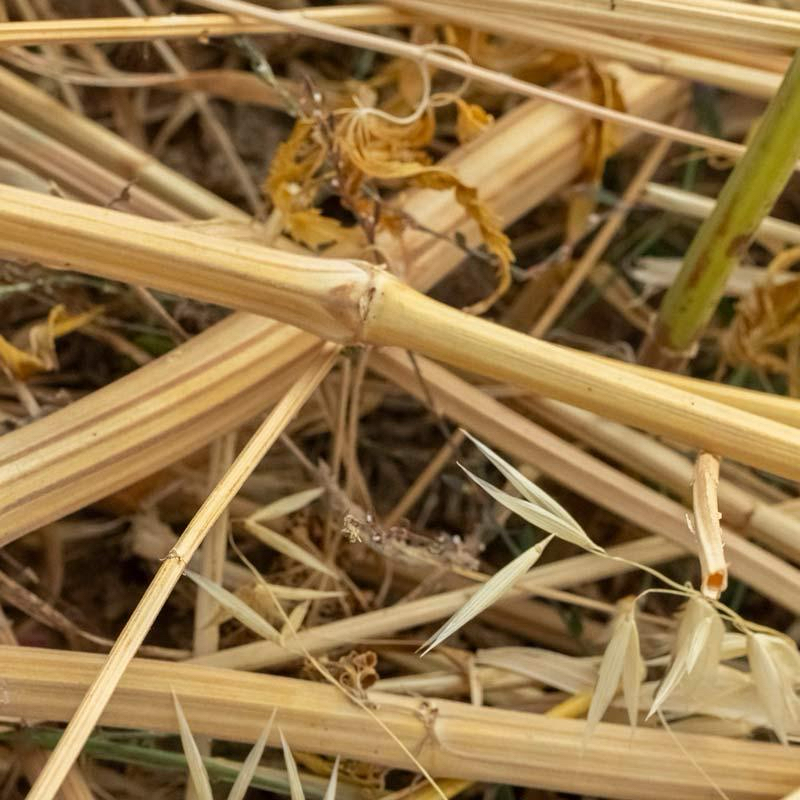
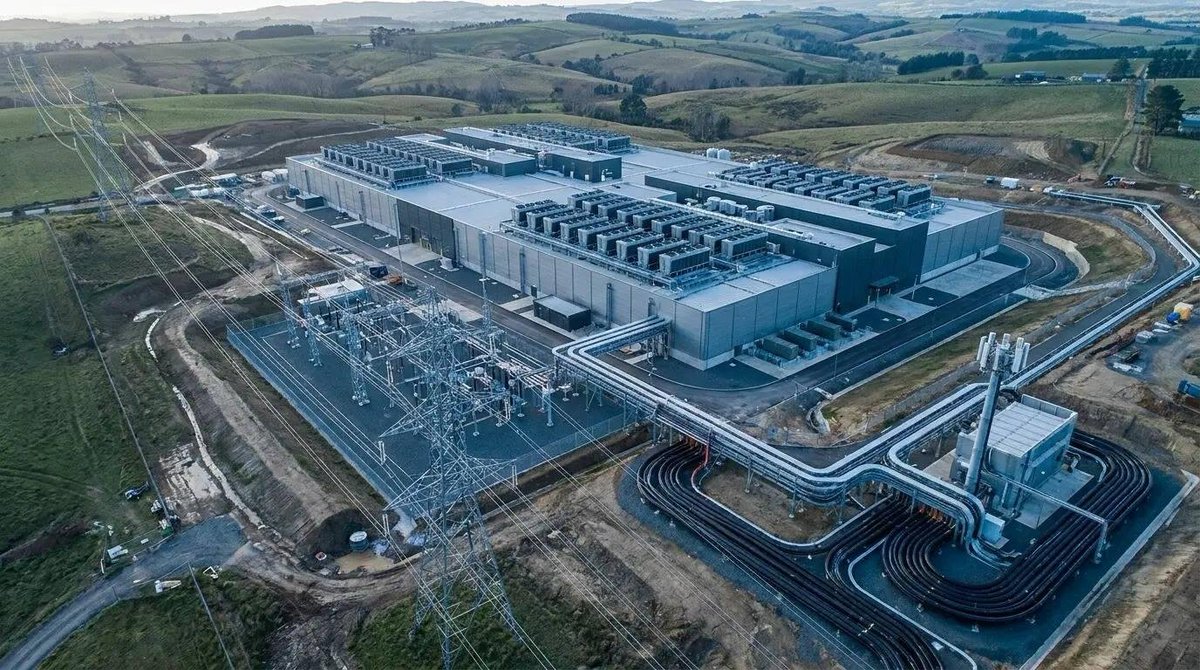
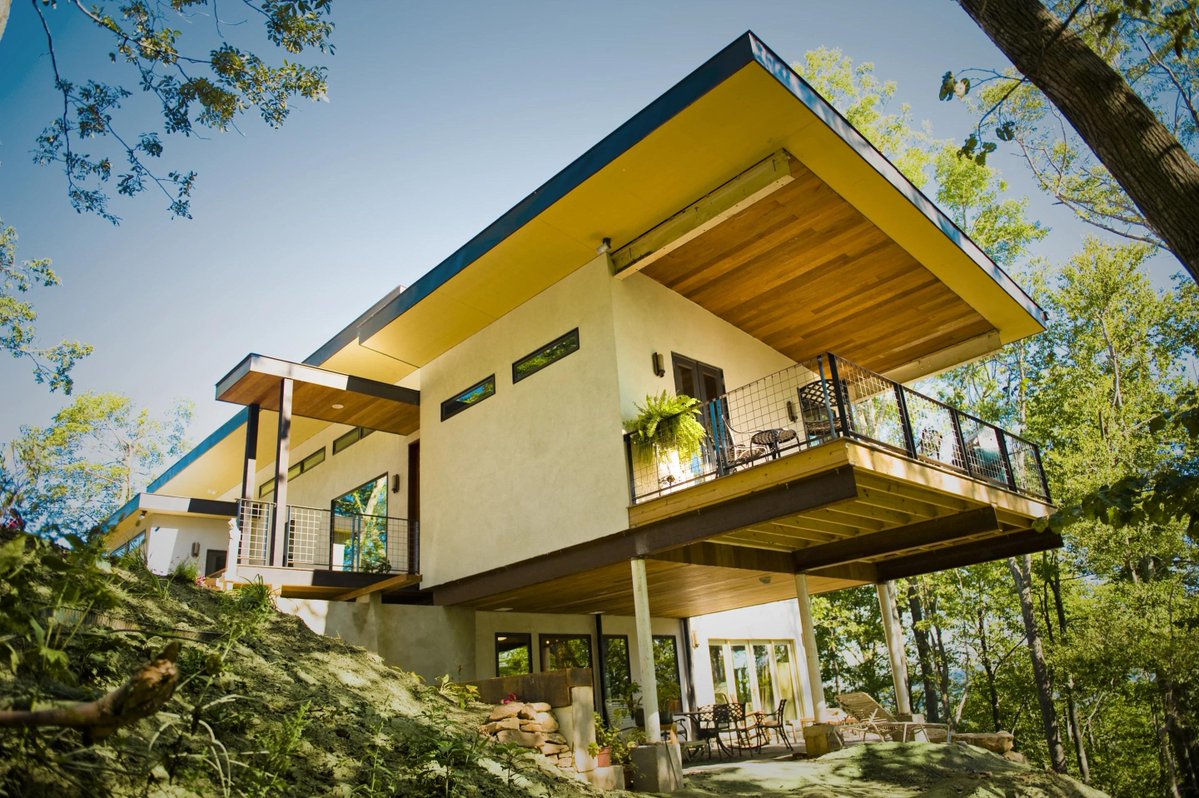
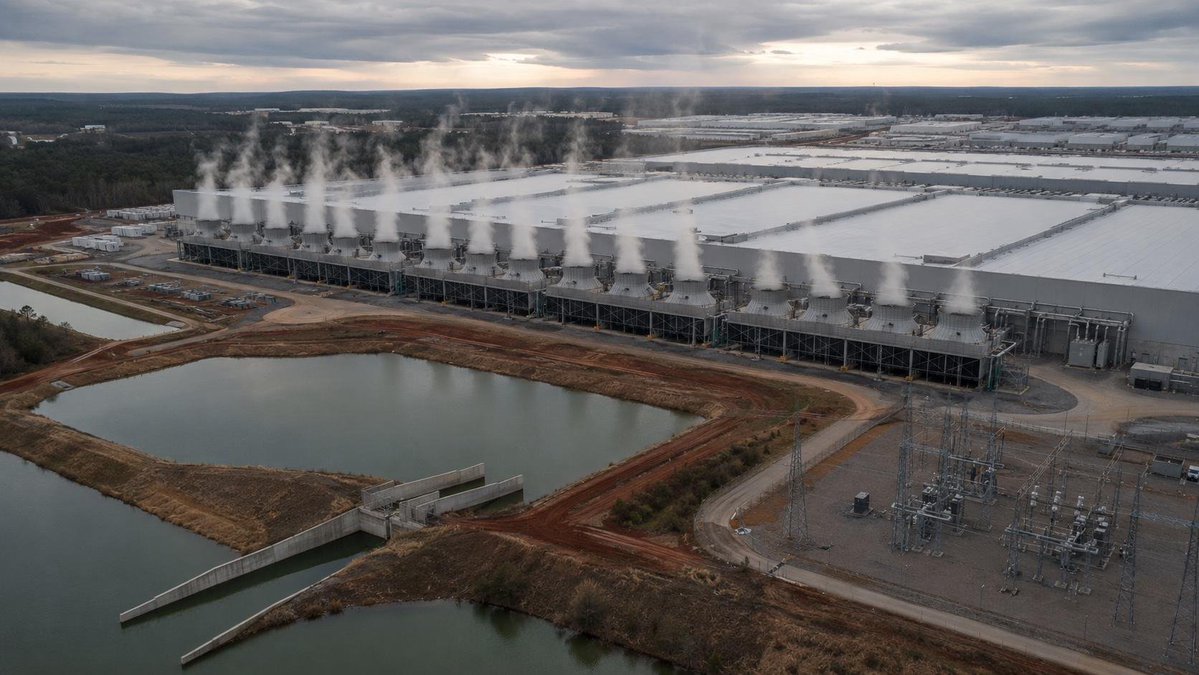
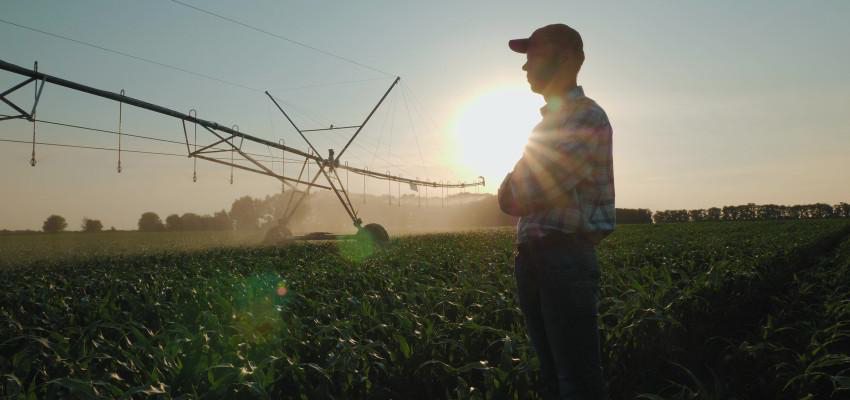
Something important is about to change in American hemp. For years, federal hemp policy has largely revolved around one question, how much THC is in the plant? That framework helped create an enormous hemp-derived cannabinoid market, but it also tied farmers growing hemp for completely different purposes to the same regulatory and reputational fight. Beginning November 12, 2026, federal law starts drawing a much clearer line. Congress has expressly recognized “industrial hemp” grown for stalk and fiber, grain, seed, oil, research and other qualifying purposes, while tightening the rules surrounding hemp-derived cannabinoid products. That distinction could quietly become one of the biggest developments for hemp since the 2018 Farm Bill. Because, while Washington has spent years debating cannabinoids, researchers and businesses have been figuring out what else this plant can do. Building materials. Insulation. Composites. Animal bedding. Textiles. Bioplastics. Environmental remediation. And potentially even removing PFAS and other contaminants from soil. Hemp may finally be moving out of marijuana’s regulatory shadow and toward something very different, an industrial agricultural commodity with multiple supply chains. Tomorrow, we will be releasing our next article on substack digging into the history, the new law, the science, and why hemp is suddenly being reconsidered as an “everything plant.” @USDA @USDA_NIFA @HempIndustries @NationalHemp
HighCountryObservations tweet mediaHighCountryObservations tweet mediaHighCountryObservations tweet mediaHighCountryObservations tweet media
English
0
1
3
56
HighCountryObservations
HighCountryObservations@HighCountryObsv·
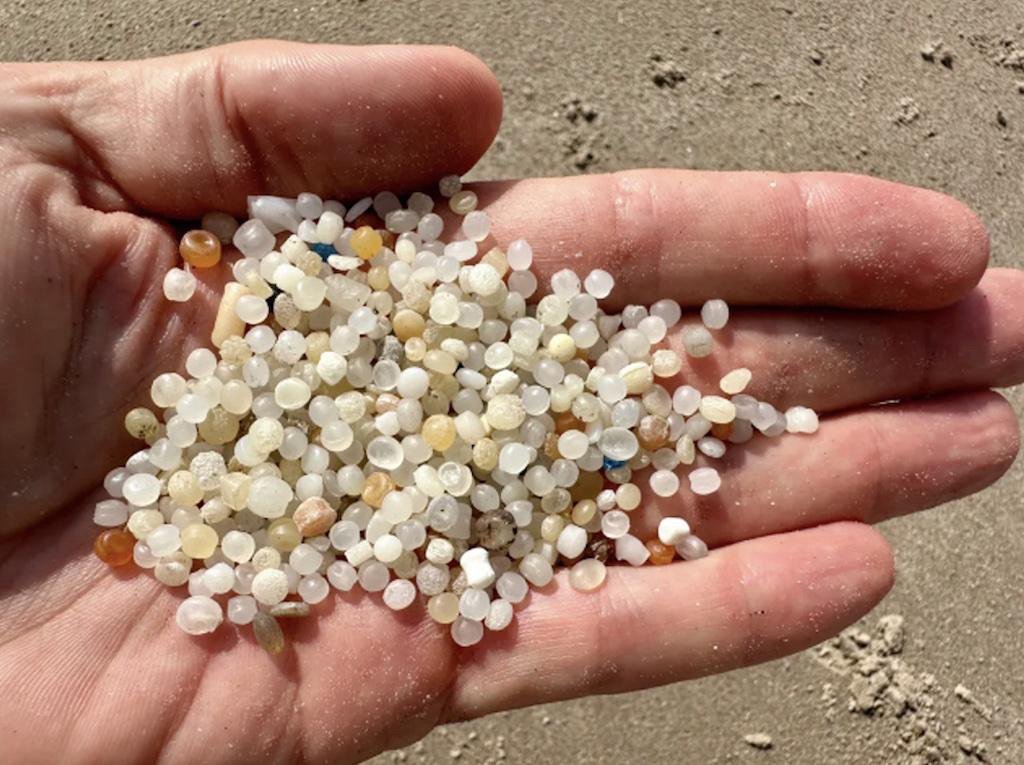
MICROPLASTICS DISCHARGE: Dow is asking Texas regulators to amend a wastewater permit for its Seadrift chemical complex on the Texas Gulf Coast, where permitted discharges ultimately connect with the Victoria Barge Canal, San Antonio Bay and surrounding coastal waters. TCEQ records confirm the facility operates under a state-issued industrial wastewater discharge permit. The controversy centers on plastic resin pellets, often called nurdles, the tiny pieces of pre-production plastic used to manufacture everything from packaging to consumer products. And this is where the regulatory question matters. A permit application is not permission to pollute. Dow is asking the Texas Commission on Environmental Quality to change the conditions under which its wastewater discharges are regulated. TCEQ must review the application, develop permit conditions and provide opportunities for public participation before a final decision. But allowing any routine discharge of plastic pellets into coastal waters deserves serious scrutiny. Unlike many conventional wastewater pollutants, these pellets don’t simply disappear. Once released, they can persist, travel through waterways, fragment into smaller plastics and become extraordinarily difficult to recover. San Antonio Bay and the surrounding Texas coast support fisheries, wetlands, wildlife and working coastal communities. The issue for regulators should be straightforward: Why should preventable plastic loss into a public waterway become an authorized discharge instead of something industry is required to keep out of the water in the first place? @TCEQ @DowNewsroom @EPA @EPAregion6
HighCountryObservations tweet mediaHighCountryObservations tweet mediaHighCountryObservations tweet mediaHighCountryObservations tweet media
English
0
0
2
37
HighCountryObservations
HighCountryObservations@HighCountryObsv·
From a Food & Drug Law standpoint, this highlights an important regulatory gap. FDA regulates whether an ingredient is safe for its intended use in food, not whether repeated occupational inhalation of an airborne powder is safe for workers. That moves the issue toward OSHA and workplace exposure standards. “Food-grade” does not automatically mean “safe to breathe eight hours a day.”
Localize - Farmers Market@Localizefoodapp

Since mid July, Starbucks baristas have reported sore throats and headaches after making certain blended drinks. The likely cause is a new powder used to smooth texture, containing gum arabic, maltodextrin, and food grade silica. Workers say it becomes airborne when scooped by hand. Starbucks says the silica is food safe, though fine dust can still irritate the lungs. What’s approved for customers to drink isn’t always evaluated for what workers breathe all day. Know what you’re drinking.

English
0
0
3
52
HighCountryObservations
HighCountryObservations@HighCountryObsv·
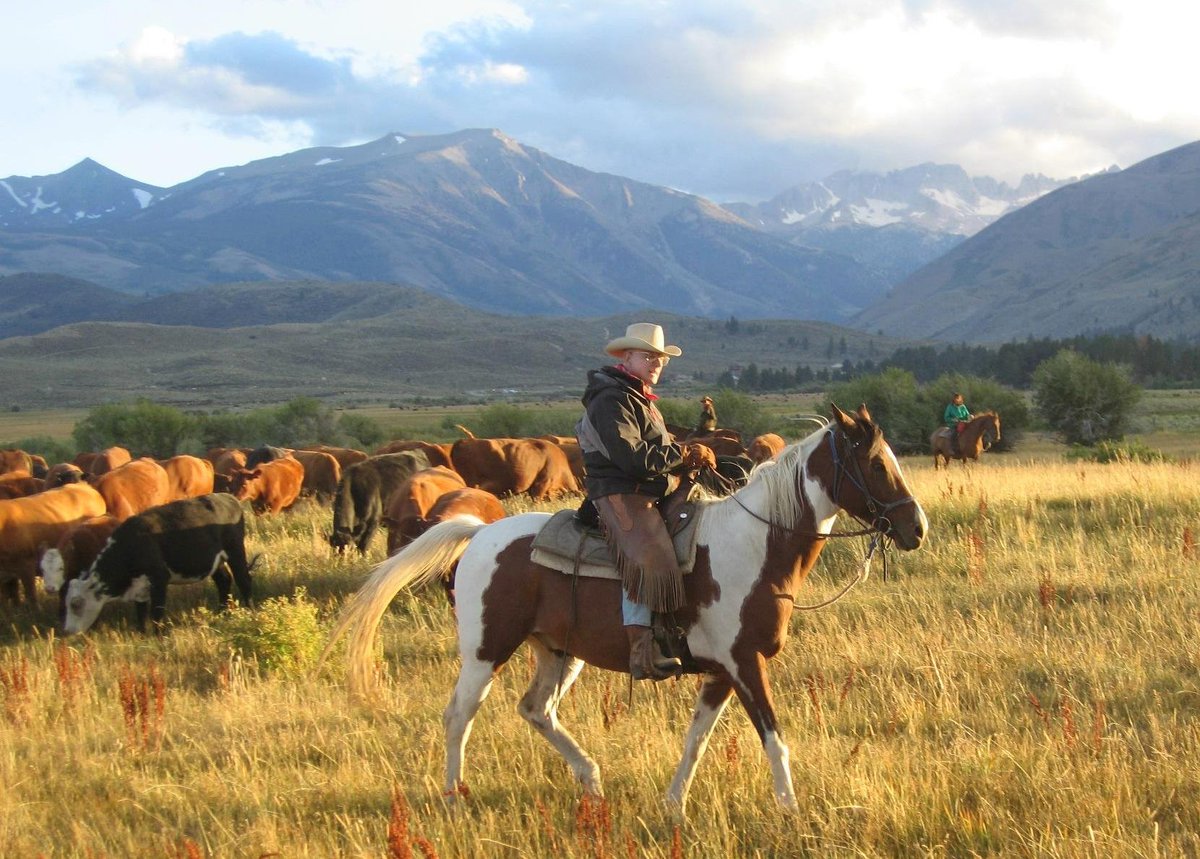
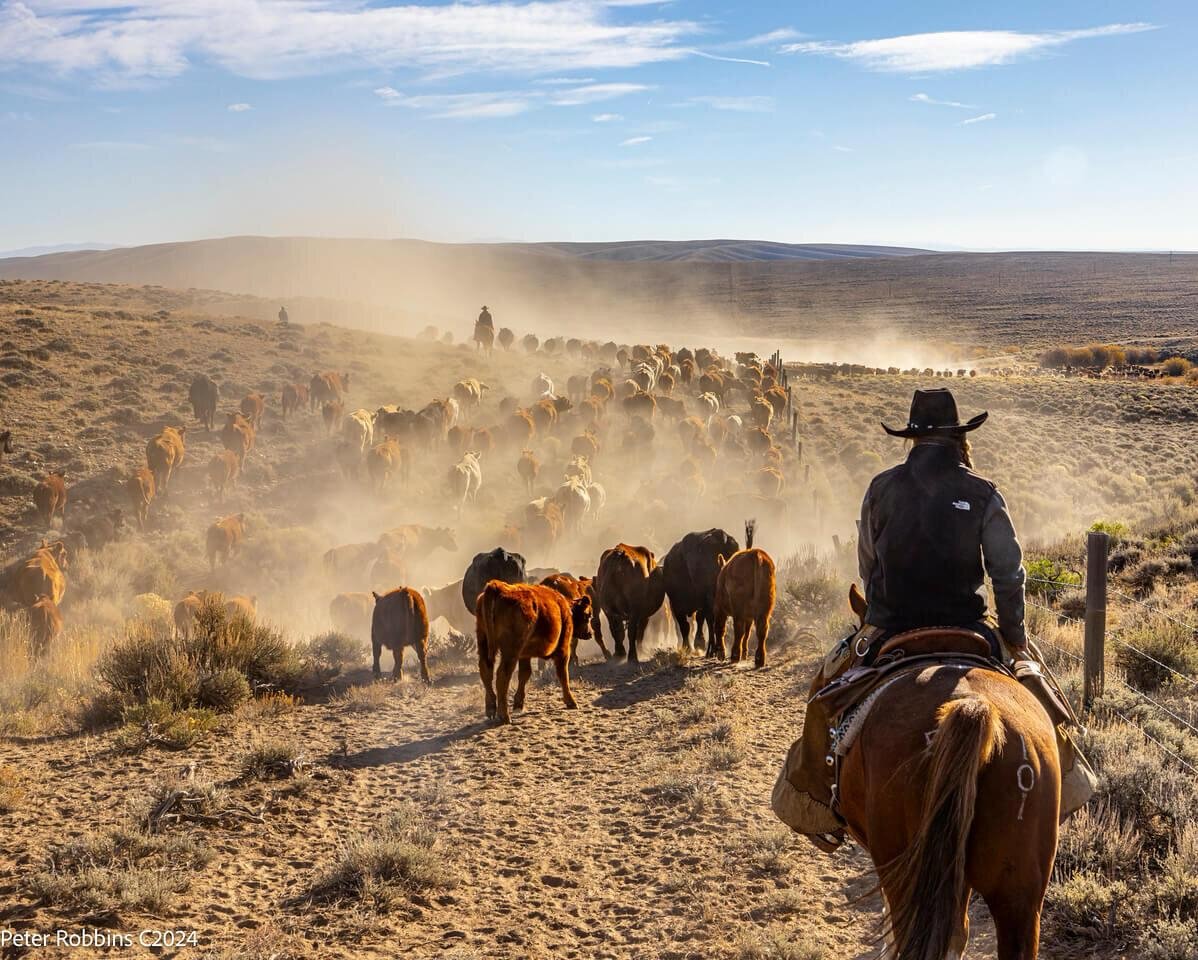
MCOOL UPDATE: The fight over #MCOOL is exposing a growing divide within the cattle industry. The National Cattlemen’s Beef Association is facing backlash after opposing efforts to put Mandatory Country-of-Origin Labeling for beef into the Senate Farm Bill, arguing MCOOL could increase beef prices and make rebuilding the U.S. cattle herd more difficult. Critics are asking a pretty straightforward question: why would an organization representing American cattle producers oppose a label that lets consumers clearly distinguish American beef from imported beef? NCBA’s concern isn’t entirely without history. The previous MCOOL system triggered a lengthy WTO dispute with Canada and Mexico and ultimately exposed the U.S. to retaliatory tariffs before Congress repealed the beef requirements in 2015. But the debate has changed since then. USDA now requires beef voluntarily labeled “Product of USA” to come from cattle born, raised, slaughtered and processed here. MCOOL supporters want to take the next step and make origin disclosure mandatory. With the American cattle herd near historic lows and producers competing in an increasingly global beef market, this Farm Bill fight is becoming about something much larger than a label: Who does the American beef industry ultimately exist to serve, and should consumers have the right to know where their beef actually comes from? @BeefUSA @SenateAgGOP @SenateAgDems @USDA
HighCountryObservations tweet mediaHighCountryObservations tweet mediaHighCountryObservations tweet mediaHighCountryObservations tweet media
English
0
0
2
59
HighCountryObservations
HighCountryObservations@HighCountryObsv·
@neutrinomoon @atrupar Agreed. That’s the balance that's needed, let these projects move forward, but make sure the communities hosting them actually benefit from the infrastructure being built around them.
English
1
0
1
17
neutrinomoon
neutrinomoon@neutrinomoon·
@HighCountryObsv @atrupar I agree FULLY with you. We're just at the start of this build-up. AI is out of the barn, no stopping it, thank god, since it will do us enormous good.. Existing facilities will need to fix themselves. But new ones can get off on the right foot NOW. ->
English
2
0
1
21
Aaron Rupar
Aaron Rupar@atrupar·
Hassett: "Data centers are very good for towns, because they create so many jobs and bring people in with high incomes that can buy houses and stuff like that. So if you take a sleepy town that hasn't seen much in the last 30 years and put a data center there, there are gonna be a whole bunch of happy residents."
English
1.3K
299
1.3K
903.7K
HighCountryObservations
HighCountryObservations@HighCountryObsv·
That’s simply not where the industry is today. Some developers are exploring SMRs, but most operating and proposed data centers still rely on the existing grid, and water use varies enormously by cooling design and by the power generation serving the facility. Those differences are exactly why communities should evaluate each project on its actual power, water, and infrastructure requirements rather than assume “it’s all good news.”
English
1
0
1
26
neutrinomoon
neutrinomoon@neutrinomoon·
@HighCountryObsv @atrupar New data centers supply their own power with small, modular nuclear plants, quiet, non-polluting. They can *supplement* a town’s power supply, strengthening its infrastructure. Water use is negligible. Time to do the research. It’s all good news.
English
1
0
0
36
HighCountryObservations
HighCountryObservations@HighCountryObsv·
DATA CENTER NEAR MAMMOTH CAVE: A proposed hyperscale data center just 10 miles from Mammoth Cave National Park is turning Cave City, Kentucky into another major battleground over how quickly AI infrastructure should be allowed to expand. Kentucky Industrial Alliance is pursuing a project on roughly 380 acres, while its lawsuit says it owns more than 600 acres for the development. Plans have described a campus potentially reaching 1.2 GW of power demand. The location makes this different from an ordinary industrial development. Mammoth Cave sits within an enormous karst landscape, where sinkholes and underground drainage connect the surface to groundwater and cave systems below. Residents are asking what hundreds of acres of construction, enormous electrical infrastructure and future water demands could mean for one of the world’s most extraordinary cave systems. Cave City responded by adopting a 12-month moratorium so officials could study data centers and develop appropriate zoning rules. Residents packed meetings raising concerns about water, electricity, infrastructure and Mammoth Cave. Now the developer is suing the city, arguing its application was submitted before the moratorium and should be evaluated under the rules that existed at the time. Cave City is fighting back and has asked the court to dismiss the case. That legal fight may ultimately be as important as the project itself. AI infrastructure is arriving faster than many rural communities ever anticipated, and towns are discovering that their zoning codes were never written for facilities demanding hundreds of megawatts, or potentially more than a gigawatt, of electricity.
HighCountryObservations tweet mediaHighCountryObservations tweet mediaHighCountryObservations tweet mediaHighCountryObservations tweet media
English
0
1
1
46
HighCountryObservations
HighCountryObservations@HighCountryObsv·
@Polymarket This scale is staggering. Turning a former uranium enrichment site into a $100B+ AI campus shows how quickly old federal energy infrastructure is being repurposed for the AI buildout.
English
0
0
1
5
Polymarket
Polymarket@Polymarket·
JUST IN: NextEra & Brookfield unveil plans for a $100,000,000,000.00+ AI data center campus at a former Kentucky uranium enrichment site.
English
75
81
367
190.2K
HighCountryObservations
HighCountryObservations@HighCountryObsv·
@HedgieMarkets Noise is becoming one of the most overlooked impacts of the data center buildout. These facilities can coexist with communities, but proper siting, enforceable noise limits and mitigation need to be requirements from the start, not something residents have to sue for afterward.
English
0
0
0
41
Hedgie
Hedgie@HedgieMarkets·
🦔Turn your sound on for this one. This is what it sounds like to live next to an AI data center, 24 hours a day. In Dowagiac, Michigan, residents sued after a facility run by Hyperscale Data ran around the clock at 78 decibels outside their homes. The company offered to buy their houses rather than fix the noise. One family has lived on that street for nearly a century. My Take This isn't one town with one bad facility. Microsoft faces a class-action in Wisconsin over data center noise residents can hear a mile and a half from the property line. In Virginia, one-third of data centers sit within 200 feet of homes. Noise from thousands of servers can hit 96 decibels, and diesel backup generators reach 105, which is a jet overhead. Residents report headaches, nausea, and sleep problems. Property values near this kind of infrastructure drop up to 20%. The company response in Michigan was to offer to buy the homes rather than quiet the facility, homes that families spent decades in, priced against a corporate buyout. Water in Oregon, wells in Georgia, ratepayer costs in Louisiana, river water in California, and now noise in Michigan and Wisconsin. None of this was in the brochure when these projects got approved. Closed-loop cooling and proper sound barriers exist and would solve most of this, but they cost more, so the companies skip them and the neighbors lose sleep and equity instead. Hedgie🤗
English
332
2.5K
4.8K
518.2K
HighCountryObservations
HighCountryObservations@HighCountryObsv·
Hemp is quietly becoming one of the most interesting crops in American agriculture. For centuries we thought of it primarily as a source of fiber. Now researchers, builders, manufacturers and farmers are exploring hemp for an almost absurd range of applications: Hempcrete and building insulation. Textiles. Bioplastics. Biofuels. Animal bedding. Paper. Carbon sequestration. Fire-resistant building materials. And perhaps most fascinating, phytoremediation, using hemp to help remove contaminants such as PFAS from polluted soil. None of these applications makes hemp a literal “miracle crop,” and several still face major questions about economics, scalability and regulation. But taken together, something interesting is happening. A crop once pushed almost entirely out of American agriculture is being reconsidered as a potential tool for construction, manufacturing, environmental cleanup and regenerative agriculture. Hemp may be transitioning from a niche crop into something much bigger. @ENERGY @Hemp_USA @NationalHemp @USGBC
HighCountryObservations tweet mediaHighCountryObservations tweet mediaHighCountryObservations tweet mediaHighCountryObservations tweet media
English
0
0
1
37
HighCountryObservations
HighCountryObservations@HighCountryObsv·
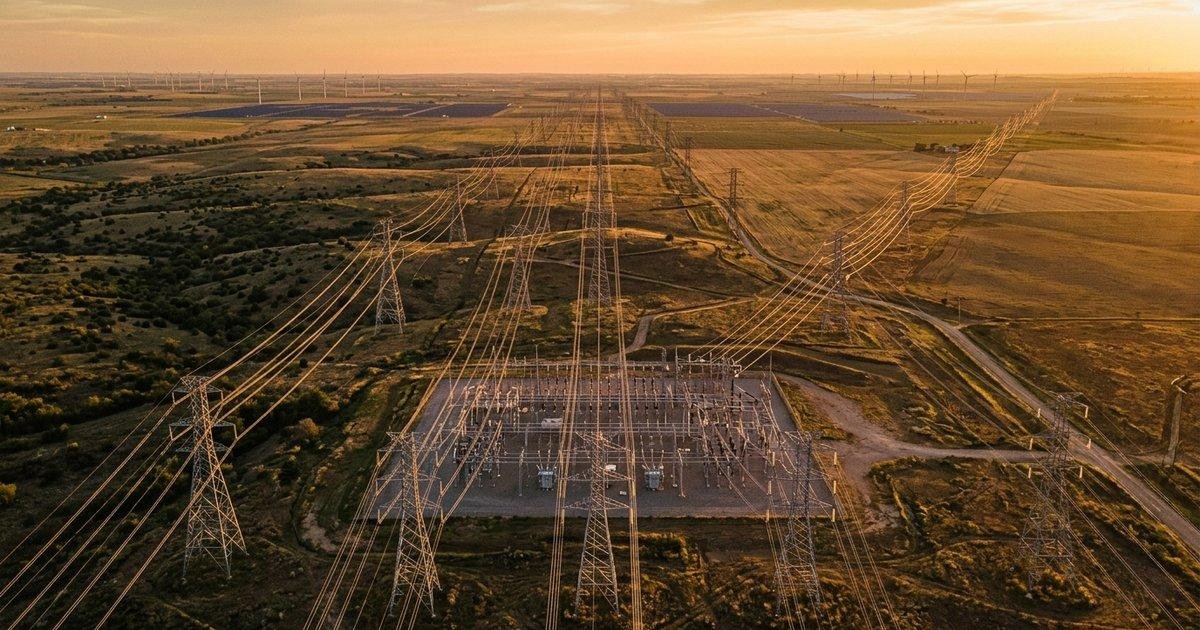
The backlash against massive AI data centers is no longer isolated to a handful of communities. Erin Brockovich says 14 states are now considering bans, moratoriums or pauses, while more than 120 municipalities have taken steps to slow or stop projects, and the opposition is increasingly bipartisan. For rural America, the concern goes well beyond AI itself. Hyperscale data centers can require hundreds of acres of land, enormous amounts of electricity, new transmission infrastructure and, depending on the cooling system, significant water resources. In agricultural regions, those demands can put data centers in direct competition with farms and rural communities for resources that were already constrained before the AI boom. But not every data center has the same footprint. Some reuse industrial sites, employ closed-loop cooling, bring their own generation or structure utility agreements so existing ratepayers aren’t left paying for new infrastructure. That’s why the real fight shouldn’t be AI vs. rural America. It should be about ensuring communities know exactly what they’re getting before a project is approved. How much land? How much water? How much power? Who pays for the infrastructure? And what happens if the project never delivers what was promised? AI infrastructure is coming. Local communities shouldn’t lose their voice in deciding what that buildout looks like. @ErinBrockovich @EPA @USDA @FERC @NARUC
HighCountryObservations tweet mediaHighCountryObservations tweet mediaHighCountryObservations tweet mediaHighCountryObservations tweet media
English
0
1
2
38
HighCountryObservations
HighCountryObservations@HighCountryObsv·
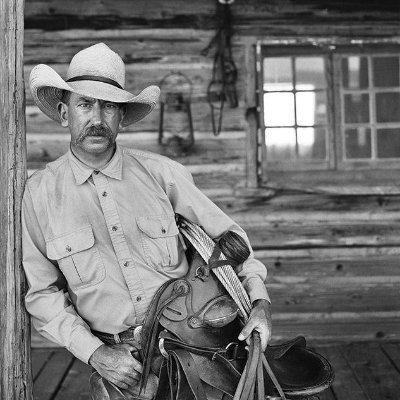
This is exactly why origin transparency matters. American ranchers shouldn’t be forced to compete with lower-cost imported beef while consumers can’t clearly tell the difference, especially when organized crime has documented ties to parts of Mexico’s cattle industry. MCOOL gives consumers the information to decide whose beef they want to support.
English
0
1
1
117
Casey Murph
Casey Murph@caseymurph1·
The production cost for a Mexican beef rancher is about 7% of what the same pound of beef costs an American rancher, and that Mexican rancher's beef is right next to mine on the retail shelf. We have lost a million American family ranches in 4 decades. Love to hear your ideas for keeping the rest. @americaunwon @yearlins @LonesomeLands @BeefMaps
National Cattlemen's Beef Association@BeefUSA

A handful of Republican Agriculture Committee Senators are working with activists, trying to strong-arm MCOOL into the Senate Farm Bill. Support of MCOOL is a vote for higher beef prices, & against the rebuild of the U.S. cattle herd.

English
38
57
251
10K
HighCountryObservations
HighCountryObservations@HighCountryObsv·
Calling MCOOL a vote against American cattlemen is backwards. Giving consumers the ability to distinguish U.S.-raised beef from imported product isn’t what depleted the cattle herd, and pretending a label caused today’s supply problems avoids the much harder issues facing producers.
National Cattlemen's Beef Association@BeefUSA

A handful of Republican Agriculture Committee Senators are working with activists, trying to strong-arm MCOOL into the Senate Farm Bill. Support of MCOOL is a vote for higher beef prices, & against the rebuild of the U.S. cattle herd.

English
0
0
1
64
HighCountryObservations
HighCountryObservations@HighCountryObsv·
@politico This is worth watching closely, ethanol policy in the Farm Bill has implications far beyond fuel, especially for corn demand, feed markets, land use, and the economics of Midwest agriculture.
English
0
0
0
16
HighCountryObservations
HighCountryObservations@HighCountryObsv·
@LeadingReport That number is basically right. Grocery prices are up around 30% since 2019, but that’s six-plus years of accumulated food inflation, not a 33% spike that happened all at once.
English
0
0
0
13
Leading Report
Leading Report@LeadingReport·
Food prices are up 33% since 2019, marking the biggest grocery price spike in 50 years, according to the New York Post.
English
168
522
3.1K
167.2K
HighCountryObservations
HighCountryObservations@HighCountryObsv·
@HQNewsNow Important distinction: many of these are federal sites identified as candidates for AI infrastructure, not approved data centers. But the direction is clear, federal land is rapidly becoming part of America’s AI buildout.
English
0
0
1
115
Headquarters
Headquarters@HQNewsNow·
The Trump administration has announced plans to build AI data centers on federal land in these states: — Kentucky — Ohio — South Carolina — Nevada — Idaho — Illinois — New York — West Virginia — Pennsylvania — Oregon — Colorado — Tennessee — Washington — New Jersey — New Mexico — California — Texas — Missouri
Headquarters tweet media
English
399
1.7K
2K
203.6K
HighCountryObservations
HighCountryObservations@HighCountryObsv·
Data Centers on Public Lands: The federal government is rapidly turning its own land portfolio into a platform for America’s AI buildout, but the claim that data centers have already been announced on federal land in 18 states gets ahead of what has actually been approved. DOE originally identified 16 federal sites as candidates for AI data centers and associated power generation. Since then, the administration has moved from exploration to actual projects, including massive developments at former nuclear sites in Ohio, Kentucky and South Carolina, while BLM has approved the Townsite Data Center on public land in Nevada. The scale is extraordinary. The Ohio proposal envisions a 10-GW data center development, while Kentucky’s Paducah project calls for a 1.8-GW AI campus backed by 2 GW of new natural-gas generation and 2.6 GW of battery storage. There’s a strategic argument for it. Federal sites can offer enormous acreage, existing transmission infrastructure and potentially faster permitting while the U.S. races to expand domestic computing capacity. But this represents a significant change in how federal land is being used. As these projects spread, the debate shouldn’t simply be AI vs. no AI. It should be whether enormous private computing facilities receive adequate environmental review, whether communities have meaningful input, who pays for the power infrastructure, and what happens to competing demands for land, water and electricity. America’s AI buildout is quickly becoming a public-lands issue.
HighCountryObservations tweet mediaHighCountryObservations tweet mediaHighCountryObservations tweet mediaHighCountryObservations tweet media
English
0
1
2
60
HighCountryObservations
HighCountryObservations@HighCountryObsv·
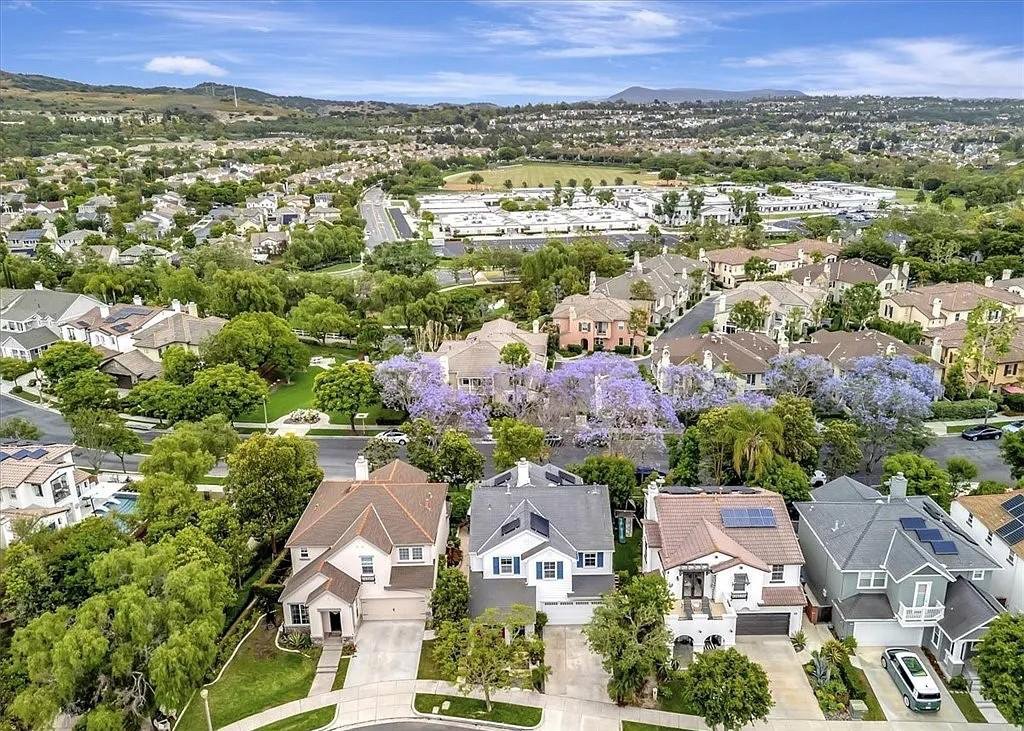
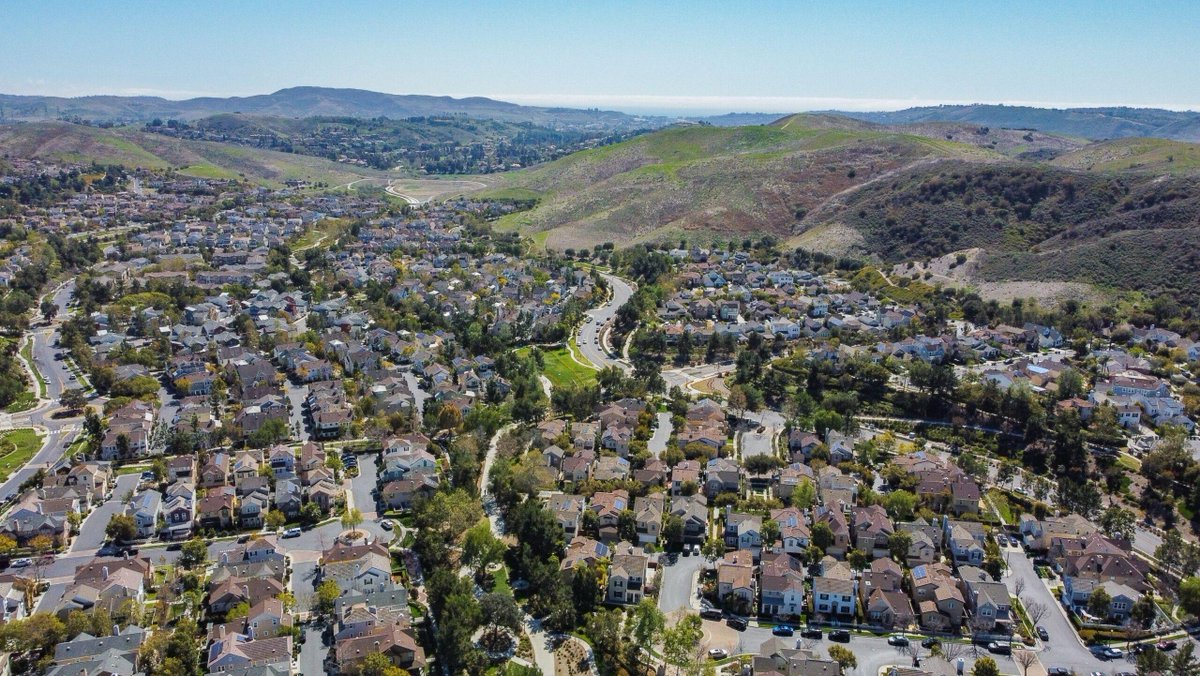
Something concerning is happening in Ladera Ranch, California, and residents are right to demand answers. At least six children connected to the community have reportedly been diagnosed with Ewing sarcoma since 2013, an exceptionally rare bone and soft-tissue cancer. More recently, additional families have reported other rare pediatric cancers, prompting roughly 400 residents to pack a community meeting seeking an investigation. Much of the attention has turned toward pesticide and herbicide use around the community’s landscaped areas, but an important distinction needs to be made: there is currently no established evidence that pesticides caused these cancers, and officials have not yet established that Ladera Ranch constitutes a statistical cancer cluster. That doesn’t mean the concern should be dismissed. California lawmakers representing the area have formally asked the EPA, California EPA, Department of Pesticide Regulation, and Department of Public Health to conduct a joint investigation into the cases and potential environmental exposures. This is exactly what environmental health oversight is supposed to do: identify what chemicals were used, determine where and how frequently residents may have been exposed, analyze the cancer data, and follow the evidence wherever it leads. No premature conclusions. No dismissal of legitimate concerns. When multiple families in one community are confronting exceptionally rare childhood cancers, a rigorous, transparent investigation is warranted. @EPA @CaliforniaEPA @CAPublicHealth
HighCountryObservations tweet mediaHighCountryObservations tweet mediaHighCountryObservations tweet mediaHighCountryObservations tweet media
English
0
0
0
46