iTR (Induced Tissue Regeneration)

187 posts

iTR (Induced Tissue Regeneration) banner
iTR (Induced Tissue Regeneration)

iTR (Induced Tissue Regeneration)

@ResetYourClock

Temporarily reactivating regenerative genes can heal injuries and cure degenerative diseases of old age by unlocking regenerative capacity from early life.

Katılım Ağustos 2021
34 Takip Edilen321 Takipçiler
iTR (Induced Tissue Regeneration) retweetledi
David Sinclair
David Sinclair@davidasinclair·
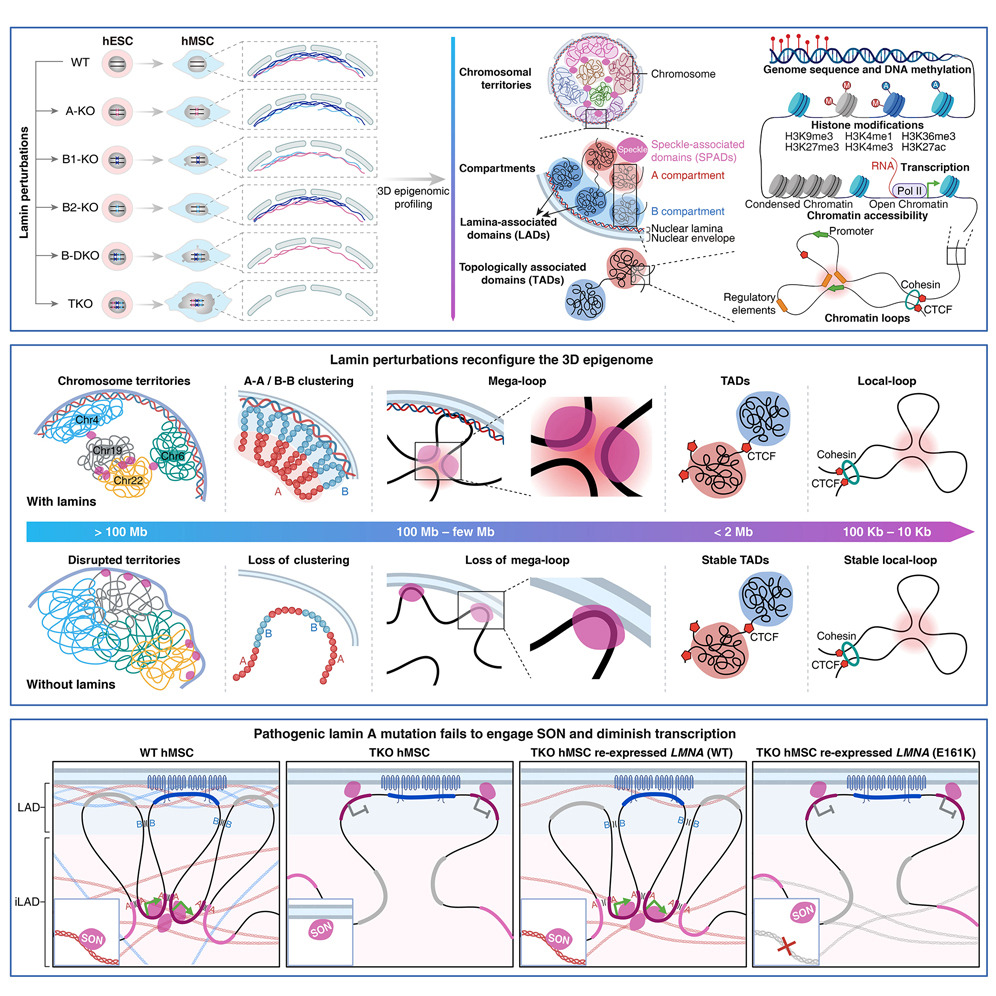
Great article about Lamins, proteins that help repair DNA breaks & stabilize chromosomes, preventing aging caused by epigenetic drift When Lamins are missing, vital chromosomal loop structures that regulate genes unravel & aging accelerates cell.com/cell-reports/f…
David Sinclair tweet mediaDavid Sinclair tweet media
English
8
68
438
67K
iTR (Induced Tissue Regeneration) retweetledi
Bryan Johnson
Bryan Johnson@bryan_johnson·
On September 28th, I decided to stop rapamycin, ending almost 5 years of experimentation with this molecule for its longevity potential. I have tested various rapamycin protocols including weekly (5, 6, and 10 mg dose schedules), biweekly (13 mg) and alternating weekly (6/13mg) to optimize rejuvenation and limit side effects. Despite the immense potential from pre-clinical trials, my team and I came to the conclusion that the benefits of lifelong dosing of Rapamycin do not justify the hefty side-effects (intermittent skin/soft tissue infections, lipid abnormalities, glucose elevations, and increased resting heart rate). With no other underlying causes identified, we suspected Rapamycin, and since dosage adjustments had no effect, we decided to discontinue it entirely. Preclinical and clinical research has indicated that prolonged rapamycin use can disrupt lipid metabolism and profiles [1], as well as induce insulin and glucose intolerance [2] as well as pancreatic Beta-cells toxicity [3]. Despite anecdotal evidence of rapamycin slowing down tumor growth, its effect in inhibiting natural killer cells [4]  do raise concern for anti-cancer immune surveillance and cancer risk in the longer run. Additionally, on October 27th, a new pre-print [5] indicated that Rapamycin was one of a handful of supposed longevity interventions to cause an increase/acceleration of aging in humans across 16 epigenetic aging clocks. This type of evaluation is the first of its kind, as most longevity interventions up to date have been tested against one or two aging clocks, leading to invisible biases and potential intended “cherry picking” of favorable clocks for the tested interventions. Longevity research around these experimental compounds is constantly evolving, necessitating ongoing, close observation of the research and my biomarkers which my team and I do constantly. Sources: [1] pubmed.ncbi.nlm.nih.gov/12177161/ [2]pmc.ncbi.nlm.nih.gov/articles/PMC33…. [3]diabetesjournals.org/diabetes/artic… [4]pmc.ncbi.nlm.nih.gov/articles/PMC40….
English
422
244
5.6K
1.5M
iTR (Induced Tissue Regeneration) retweetledi
David Sinclair
David Sinclair@davidasinclair·
Exciting! Belmonte lab reports OSK-reprogramming of old (p16+) cells increases wound healing & the lifespan of mice without causing cancer. Bodes well for human trials @lifebiosciences beginning next year 🚀🧵 tinyurl.com/249f3tpm
David Sinclair tweet media
English
21
122
754
59.5K
iTR (Induced Tissue Regeneration) retweetledi
Antonei B Csoka, PhD
Antonei B Csoka, PhD@abcsoka·
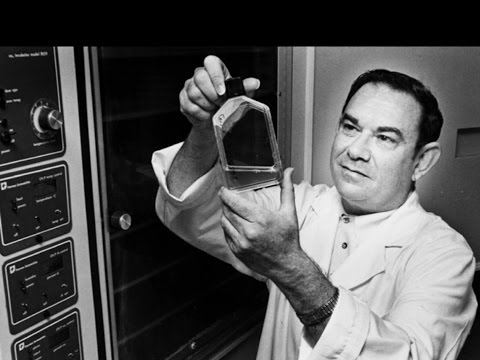
I heard from Michael West that Leonard Hayflick, who discovered cellular senescence (the Hayflick limit), passed away yesterday. He was the founder of the field and will be missed. Here is a great interview of Dr. Hayflick by Dr. West. youtu.be/VtE4XKM2WBo
YouTube video
YouTube
Antonei B Csoka, PhD tweet media
English
2
4
27
2K
iTR (Induced Tissue Regeneration) retweetledi
Ocampo Lab
Ocampo Lab@OcampoLab·
New preprint from the lab. Comparative analysis of previously established and novel reprogrammable mouse strains. Goal: generate new tools to achieve significant organismal rejuvenation and lifespan extension in wild type mice! biorxiv.org/content/10.110…
English
2
6
31
4.4K
iTR (Induced Tissue Regeneration) retweetledi
Yuri Deigin
Yuri Deigin@ydeigin·
🚀 “Each month, we grow increasingly confident that age is reversible.” Partial reprogramming holds incredible rejuvenating potential that could revolutionize medicine as we know it.
Jacob Kimmel@jacobkimmel

2023 @newlimit: - 50X more reprogramming factor sets tested than the field before us - 20X factor demultiplexing performance (reading), 7X factor delivery (writing) - 2X team size - +3 functional assays for immunology program - +2 in silico model metrics > SOTA blog ⬇️

English
6
9
48
7.2K
iTR (Induced Tissue Regeneration) retweetledi
David Sinclair
David Sinclair@davidasinclair·
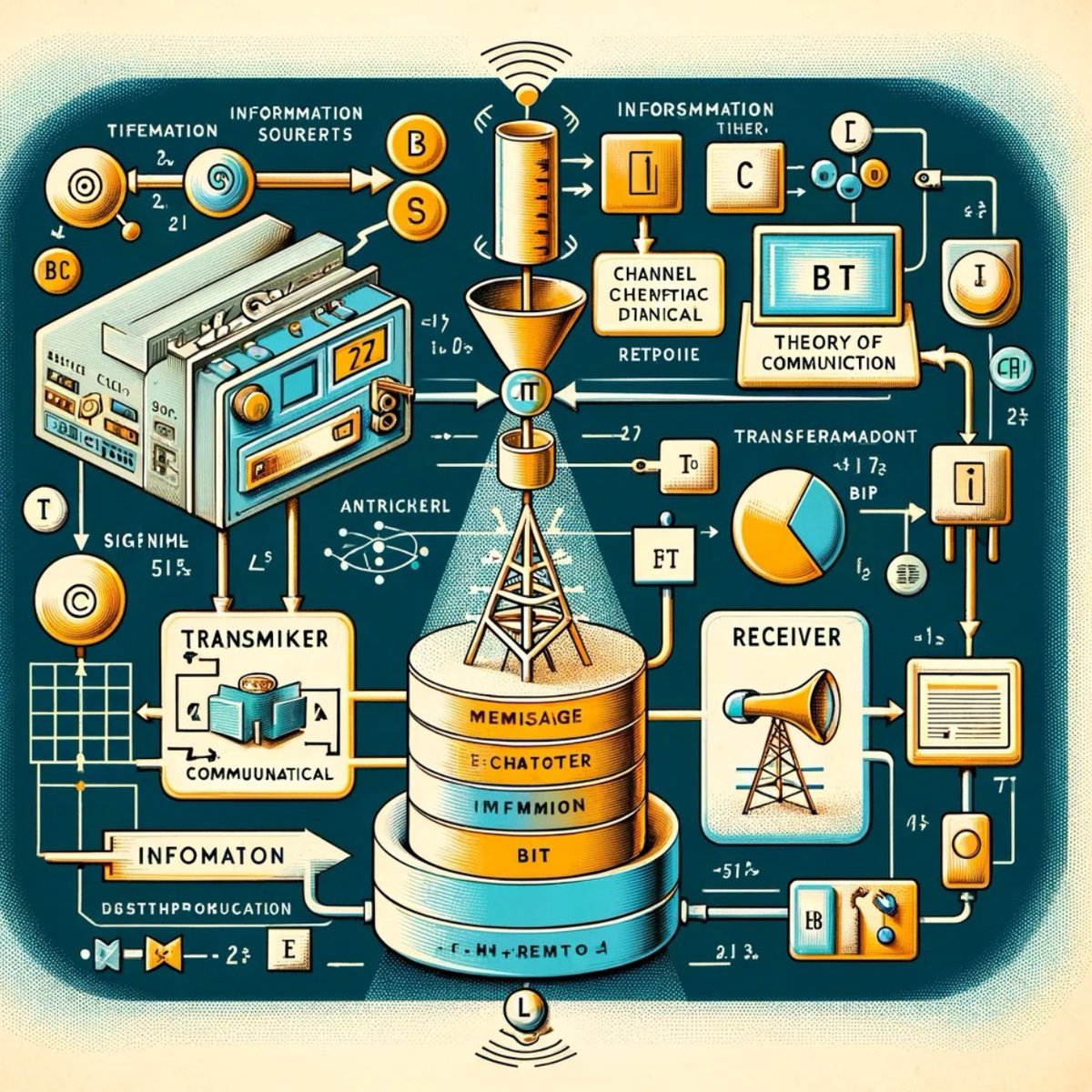
“The Information Theory of Aging” was published today. Free copy @NatureAging rdcu.be/dtGSC
David Sinclair tweet media
English
67
324
1.2K
211.4K
Joel C. Sercel, PhD
Joel C. Sercel, PhD@JoelSercel·
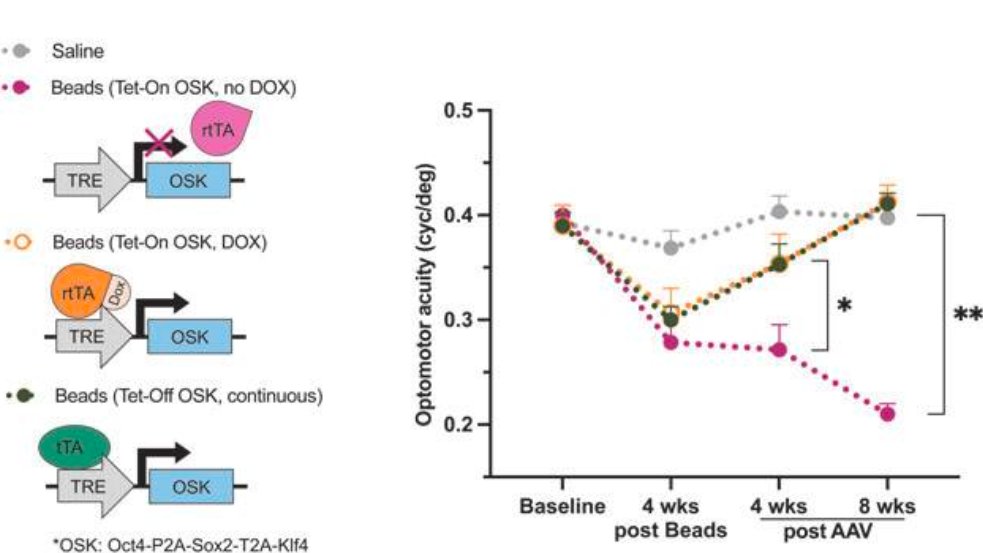
Ok, you created a mouse model of glaucoma where the induced disfunction was designed to be reversible via doxycycline. Then you gave doxycycline and showed that the model worked as designed. How does this help actual glaucoma or aging which is not reversible with doxycycline administration?
English
3
0
8
1.2K
David Sinclair
David Sinclair@davidasinclair·
Our next installment of epigenetic rejuvenation via age reversal is out: 2 months of OSK gene therapy in mice with glaucoma fully restores their vision, with no evidence of side-effects, even after prolonged use. Congrats to Bruce Ksander, @YuanchengLu, and the entire team 👏🏻🙏 tinyurl.com/mvwansz8
David Sinclair tweet media
English
116
333
2.1K
267.3K