WarChud
599 posts


One of Korea’s leading semiconductor scholars, Professor Seokjun Kwon of Sungkyunkwan University’s Department of Chemical Engineering, said in an interview with Korean media today that China could secure advanced semiconductor manufacturing equipment approaching extreme ultraviolet, or EUV, lithography tools by around the mid-2030s, despite being blocked from accessing them by U.S. export controls. He said, “We should neither overestimate nor underestimate China’s technological capabilities. We need to assess them coldly and objectively.” Professor Kwon especially warned that Korea should not take the long-term potential of China’s semiconductor industry lightly. He said: “During periods of industrial transformation, technologies that once seemed unlikely to be used can suddenly emerge. That is what disruptive innovation is. China’s electric vehicles are a representative example. China chose EVs as a way to overcome the long-established ‘moat’ built by the U.S. and Japan in internal combustion engine vehicles, and as a result, it has developed world-class technological capabilities. There is no reason the same thing cannot happen in semiconductors. Across China, Huawei fabs and industry-academia cooperation centers are simultaneously developing EUV alternative light sources, optical systems, and PR, or photoresist, materials. If one of these technologies survives, China could quickly move onto a growth curve backed by its enormous domestic market. A crisis could emerge in which Chinese semiconductor equipment, materials, and technologies begin to have a global impact.” Professor Kwon was particularly concerned about the possibility of China developing next-generation lithography technology. “Today, everyone says that cutting-edge processes below 5nm are impossible without EUV. But precisely because of that, EUV, monopolized by the Dutch company ASML, is also an environment highly susceptible to disruptive innovation. China’s accelerator-based light source technology could become the next-generation technology after EUV. A prototype could emerge as early as the mid-2030s. If that happens, even if SMIC remains around ten years behind TSMC and Samsung Electronics, it could eventually enter the single-digit nanometer process regime, meaning advanced ultra-fine process technology.”


The 30-year yield is now 8 bps away from a new 18-year high.


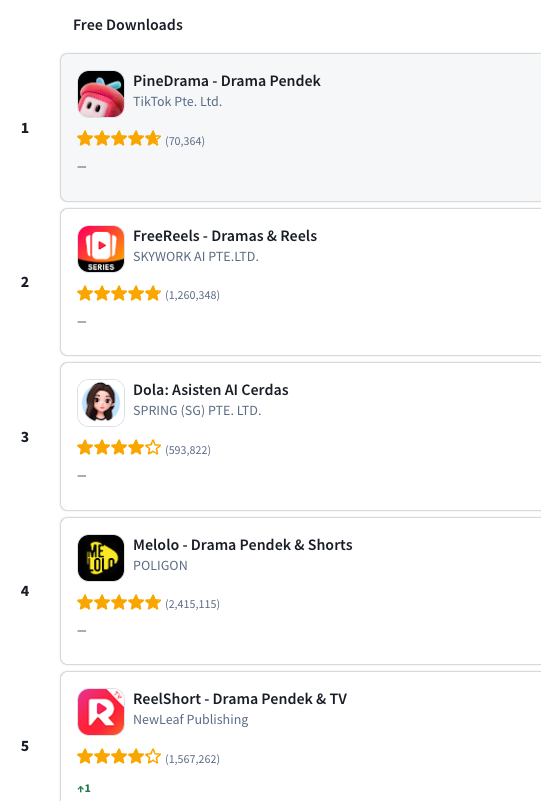
NYT: AI-generated microdramas in China are projected to top $3B in 2026, part of a broader $14B+ microdrama market. In March alone, nearly 50,000 new AI microdramas hit Douyin, almost matching all of 2025, helped by tools like ByteDance’s Seedance 2.0.

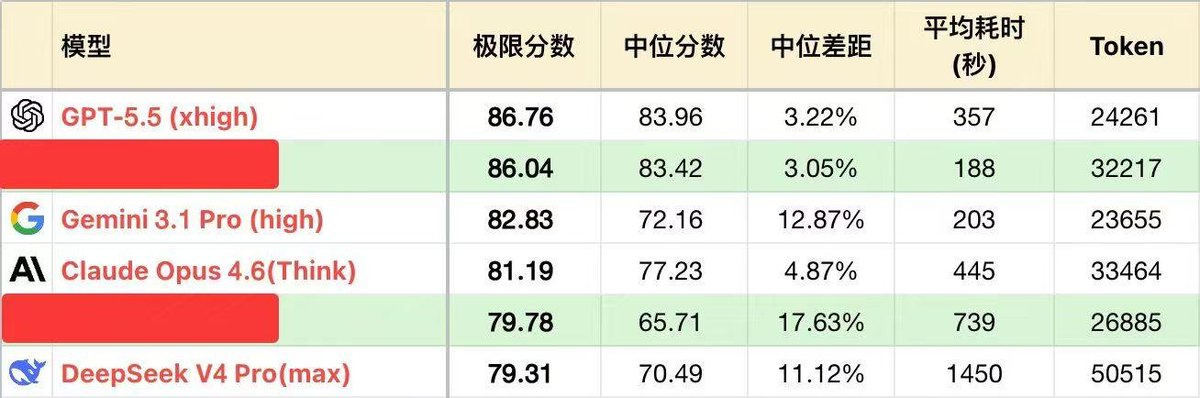
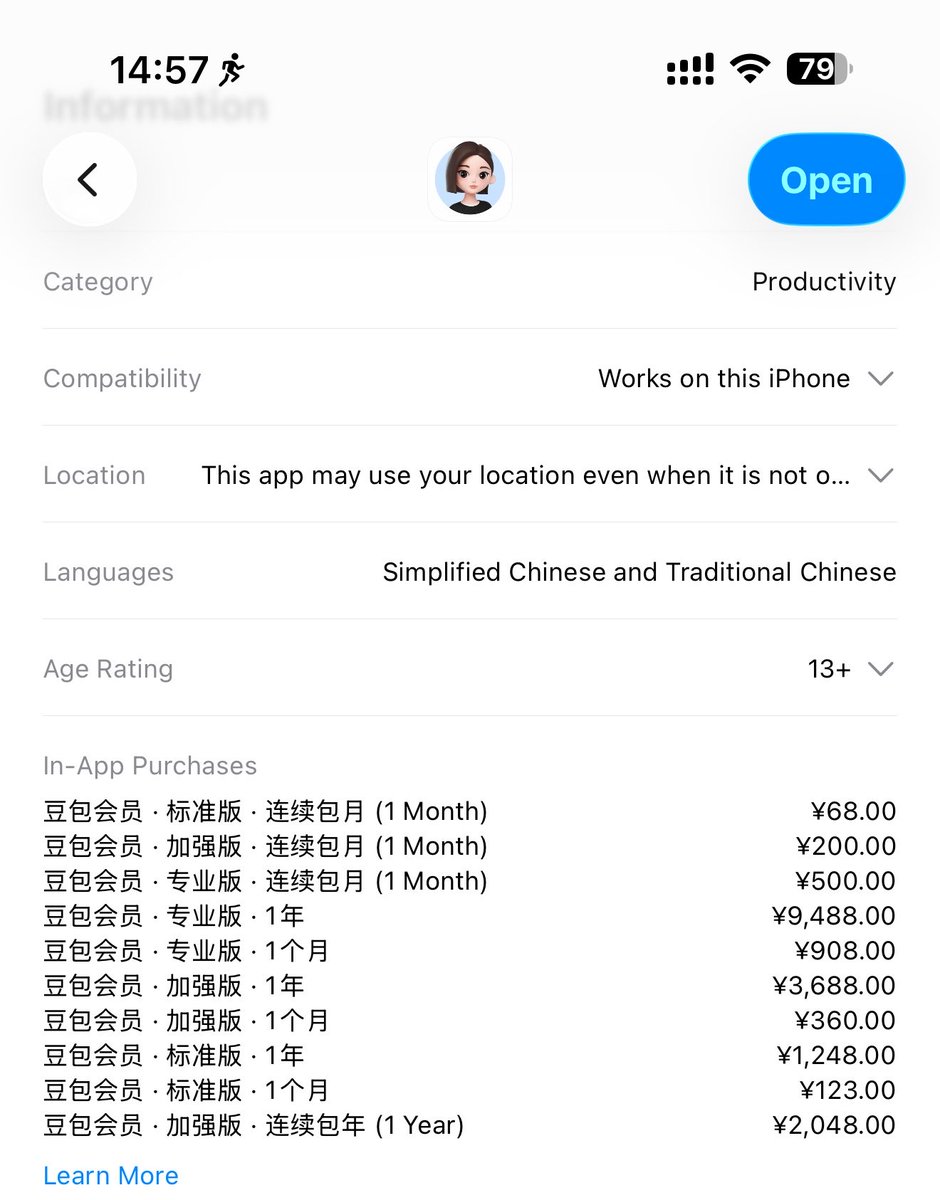
@abskoop 敢要这么高,小道消息很可能是真的 下个豆包模型会非常厉害


The Golden age of Korean pop and Dramas is pretty much ending in most of Southeast Asia. I don’t think this is because Korean products have gotten weaker though, I think it’s because of a process I’ll call Netflixzation. Netflix kind of diffused the best filmmaking practices and concepts from America globally in a rush of tens of billions of dollars, this means a lot of local film industries that would have been slower to develop, got a huge jolt all at once, and local audiences grew more comfortable consuming their own local products. The same has happened via pop music where a lot of the best learnings around music production + factory systems easily flowed into Southeast Asia as well. There are just far more excellent cultural products emerging all through Asia, and as a result there’s greater fragmentation into local scenes. This will likely happen within Africa in a decade too as it gets richer, Nollywood and Nigerian dominated Afrobeats won’t reign forever.


People don't realise how big this really is > The whole world trade especially oil is backed by the US dollar and done on systems like swift > US regularly uses this to their advantage and sanctions companies of other countries into compliance, until now > China has put injunctions to US sanctions on its companies for trading in iranian oil putting national interest above American interests > This means the Chinese government will support these companies legally & financially to run their business smoothly > With a lot of iranian oil trade happening in yuan or barter china is now resisting US financial coercion openly and disregarding sanctions domestically Once an American sanction would've been a death sentence to a chinese company today the chinese government is telling them to ignore them, this is the new world order.


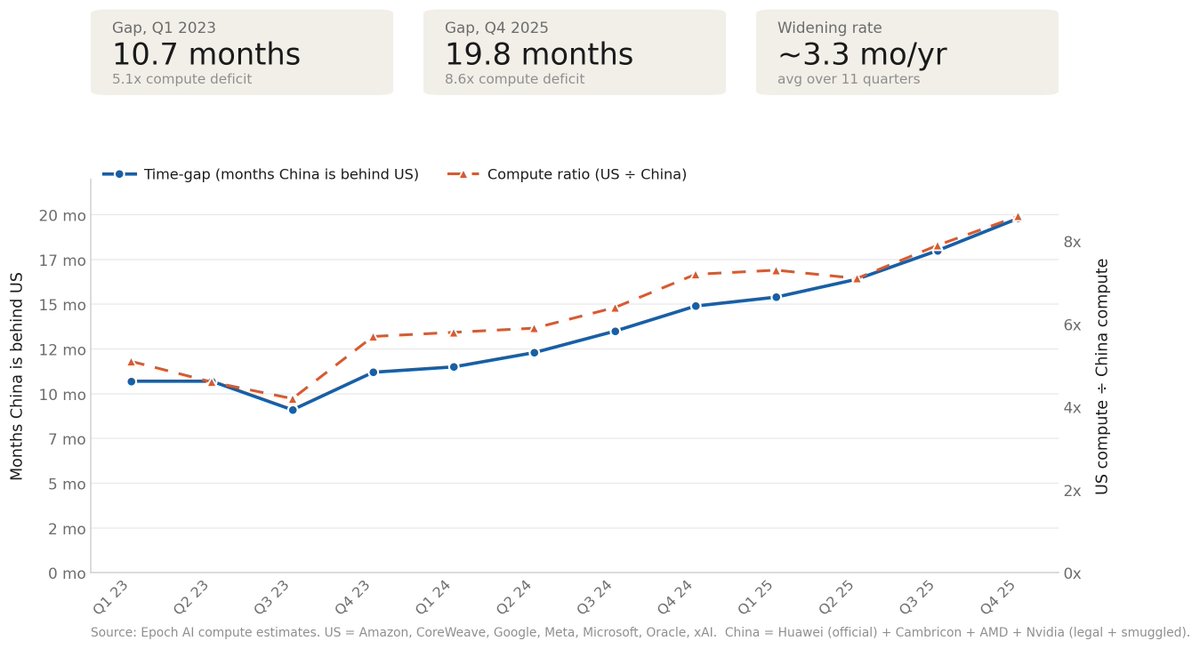
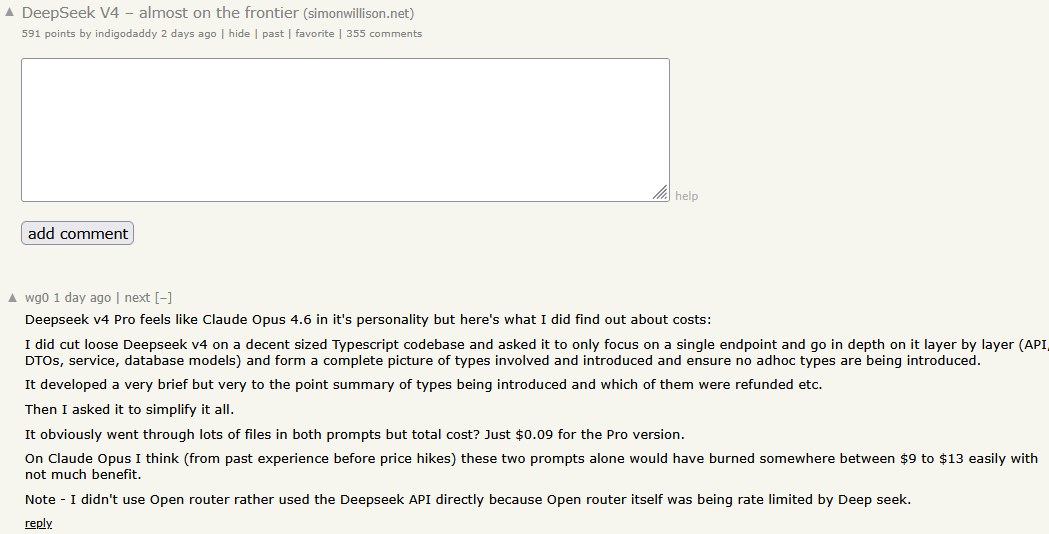
DeepSeek V4’s capability lags behind leading U.S. models by about 8 months. nist.gov/news-events/ne…


DeepSeek V4’s capability lags behind leading U.S. models by about 8 months. nist.gov/news-events/ne…