Martín Hurtado Felipe

156 posts

Martín Hurtado Felipe

Martín Hurtado Felipe

@_JMartinHF

Cardiólogo 🇵🇪. Cuidados Intensivos CV 💙 Hipertensión pulmonar🫁. Amante de la ciencia 🧬, música 🎹, cine 🎥.

Peru Katılım Mart 2020
343 Takip Edilen48 Takipçiler
Martín Hurtado Felipe retweetledi
Benigno Valderrábano Salas
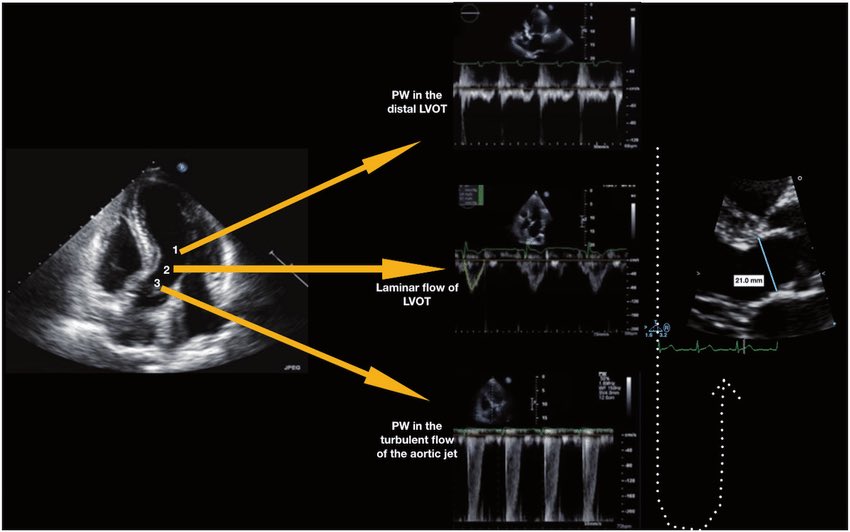
🫀 Did you know where the recommendation to place the pulsed wave Doppler sample volume 0.5–1 cm from the aortic valve to measure LVOT VTI comes from? The answer is more interesting than it seems. It doesn’t come from a single study or an experiment designed for that purpose. It comes from a historical chain spanning nearly 40 years: 🔬 1982–1984 — The physical foundation Pasipoularides and Murgo demonstrated using invasive catheters and mathematical models that in aortic stenosis there is a real zone of flow acceleration in the LVOT, just proximal to the valve, without any second anatomic obstruction. Pure hemodynamics — no Doppler yet. 👉 Bird et al. Circulation 1982 → doi.org/10.1161/01.CIR… 👉 Pasipoularides et al. Am J Physiol 1984 → doi.org/10.1152/ajphea… 📐 1984 — The apical 5-chamber view Lewis, Kuo and Quinones were the first to validate cardiac output measurement using pulsed wave Doppler from the cardiac apex. They described placing the sample volume “immediately proximal to the aortic valve leaflets” — but without specifying any distance in centimeters. 👉 Lewis et al. Circulation 1984 → doi.org/10.1161/01.CIR… 📏 1985 — The first numerical distance Skjaerpe, Hegrenaes and Hatle (the Norwegian group) were the first to quantify this in Doppler: they empirically observed that flow acceleration began 0.5 to 1.5 cm proximal to the valve, and placed the sample volume just proximal to that zone. They directly cited Pasipoularides as supporting evidence. This was the first time a numerical distance appeared in the technique. 👉 Skjaerpe et al. Circulation 1985 → doi.org/10.1161/01.CIR… 📊 1986–1988 — Practical consolidation Otto et al. used ~1.0 cm. Oh, Tajik and the Mayo Clinic group explicitly established the range of 0.5 to 1.0 cm in 100 patients, justifying it as necessary to avoid the subvalvular acceleration zone. This is the figure we all recognize today. 👉 Otto et al. JACC 1986 → doi.org/10.1016/S0735-… 👉 Zoghbi et al. Circulation 1986 → doi.org/10.1161/01.CIR… 👉 Oh et al. JACC 1988 → doi.org/10.1016/0735-1… 📋 2002 — It becomes “official” Quinones, Otto, Zoghbi and colleagues codified it in the ASE guidelines as “~5 mm proximal to the aortic valve”… but without citing any specific study to support it. It had already become expert consensus. 👉 Quiñones et al. JASE 2002 → doi.org/10.1067/mje.20… ⚔️ 2017 — The debate reopens Baumgartner et al. (EACVI/ASE) maintained the 0.5–1 cm recommendation. However, Hahn and Pibarot responded with a critical letter pointing out that the original articles from the 1980s measured at the aortic annulus, not 0.5–1 cm below it, and that moving away from the annulus introduces errors due to the elliptical and irregular shape of the subannular LVOT. 👉 Baumgartner et al. Eur Heart J Cardiovasc Imaging 2017 → doi.org/10.1093/ehjci/… 👉 Hahn & Pibarot. JASE 2017 → doi.org/10.1016/j.echo… 💡 Bottom line: The 0.5–1 cm figure was never experimentally validated as the optimal distance. It emerged from empirical observations in the 1980s aimed at avoiding a flow acceleration zone that had been demonstrated with invasive catheters. It was adopted through accumulated clinical practice and later elevated to a formal recommendation by consensus. The debate over whether to measure at the annulus or 0.5–1 cm below it remains open to this day. One of those recommendations we all follow but few know where it actually came from 🙂 Dr Benigno Valderrábano Salas @MDBeni @JaeKOh2 @ottoecho @WilliamZoghbi @ASE360 @EACVIPresident @NephroP @iamritu @PPibarot @hahn_rt @MAecocardio @SISIACOficial @SONECOM_AC @VazyurVasquez @Cardiotweets83 @HEARTof_echo @echobasics
Benigno Valderrábano Salas tweet media
English
17
131
410
53.5K
Martín Hurtado Felipe
Martín Hurtado Felipe@_JMartinHF·
@IM_Crit_ for that RV is "always fluids-dependent "misconception, once I've seen a RV infarction complicating inferior STEMI with RA pressure of 21mmHg 🤯🤯receiving levophed 12ug/min (Watch the septal flattening! 😢). She got better with furosemide and dobutamine (obviously revasc👌)
Martín Hurtado Felipe tweet media
English
0
0
1
8
IMCrit
IMCrit@IM_Crit_·
considering the presence of relative/inappropriate bradycardia. Many colleagues recommended a “small” fluid bolus & re-assessment. What I find clearly dangerous is to order “bolus 1 liter of normal saline” & walk away. The notion that “RV is preload-dependent”,
English
2
1
28
3.9K
IMCrit
IMCrit@IM_Crit_·
Right ventricular (RV) involvement complicates >30% of acute inferior STEMIs, though hemodynamically significant RV infarction occurs in ~10–15% of cases. The classic teaching is that when a patient w inferior STEMI becomes hypotensive & has clear🫁on physical exam, the treatment
IMCrit@IM_Crit_

ICU - Board Review Qs: 60 yo pt admitted to the ICU because of inferior STEMI. Emergency cath: 100% proximal RCA occlusion treated successfully with stenting One hour post-PCI: dyspnea/anxiety - BP: 94/70, HR: 60/min (sinus). Phys exam: JVD (+), clear lungs, cool extremities

English
6
44
258
75.9K
Martín Hurtado Felipe
Martín Hurtado Felipe@_JMartinHF·
We stopped lasix and tach started to solve. Patient had apneic episodes with O2 desaturation during sleep which worsed BP ( 🤔OSAS probably). Pulsus paradoxus was seen but we decide to start fluids and continue amlo with improvement. Cardiology isn't always diuresis!! Thanks 😀
English
1
0
0
133
Martín Hurtado Felipe
Martín Hurtado Felipe@_JMartinHF·
I share this night-shift case! @IM_Crit_ @ThinkingCC 57 yo 🧍‍♂️ with PMH of NSTEMI revasc w/ DES (2), HTN and obesity. He's being treated for ADHF with lasix and NTG. Vitals: HR 105, PA: 150/60. ABG: mild hypoxemia with 2L NC. Exam: apical systolic murmur. Bedside echo show this:
GIF
GIF
English
1
1
5
1.7K
Martín Hurtado Felipe retweetledi
Jesús Zapata Samanez
Jesús Zapata Samanez@jesus_zs·
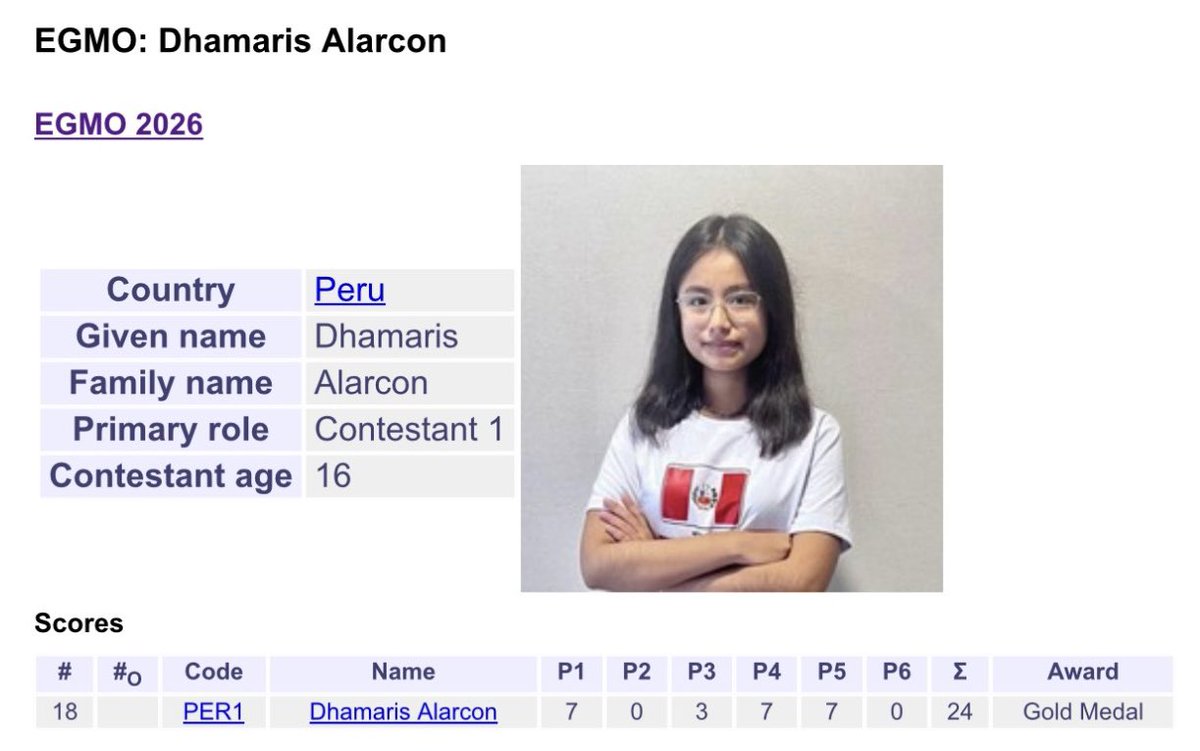
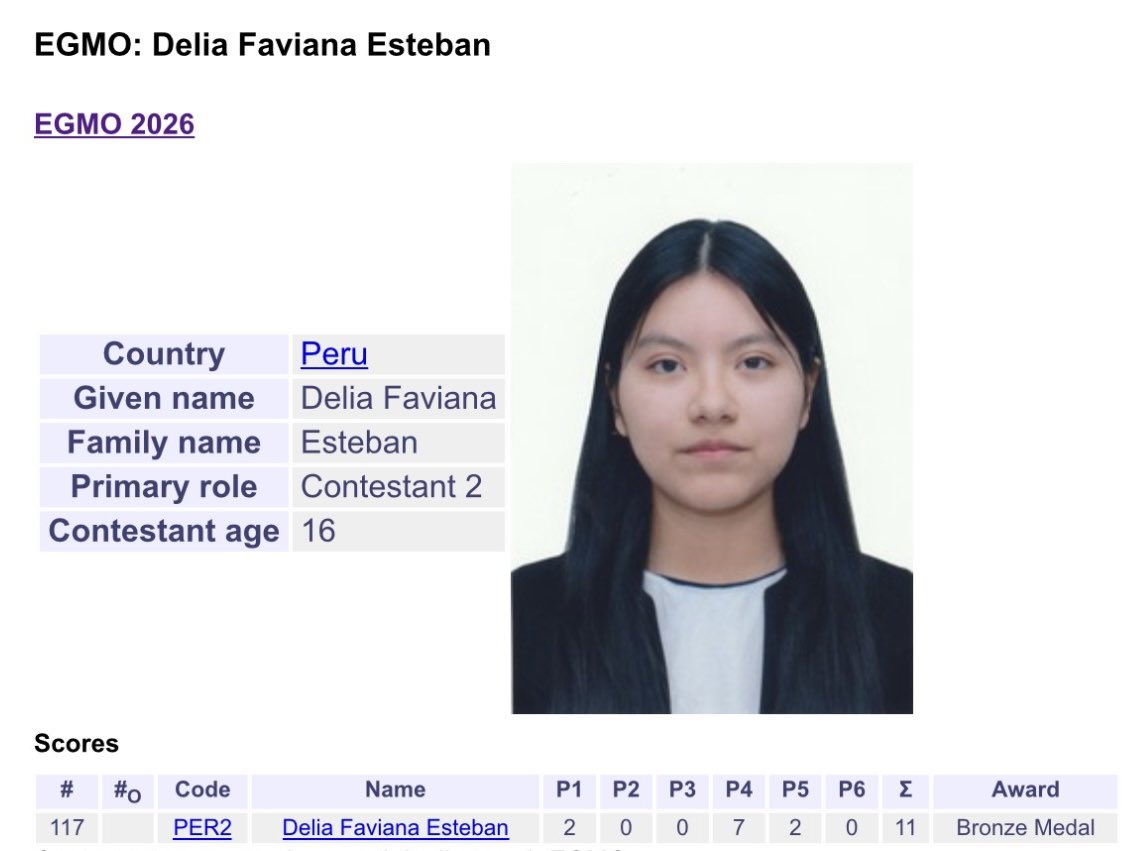
Se anunciaron las medallas de Perú en la Olimpiada Europea de Matemática para Mujeres en Francia! Dhámaris Alarcón obtuvo una medalla de oro🥇y Faviana Esteban una medalla de bronce🥉 Esta olimpiada es la competición matemática femenina más prestigiosa del mundo. Qué orgullo! 🇵🇪
Jesús Zapata Samanez tweet mediaJesús Zapata Samanez tweet media
Jesús Zapata Samanez@jesus_zs

El Perú se hizo presente este fin de semana en Burdeos, Francia, en la Olimpiada Europea de Matemática para Mujeres 2026 junto a 65 países de todo el mundo 🇵🇪 Estamos seguros que Dhámaris, Faviana, Gianella y Joyce lo dieron todo en la competencia y en breve tendremos resultados!

Español
34
1.1K
5K
110.7K
Martín Hurtado Felipe retweetledi
Diego Ketamino
Diego Ketamino@DiegoEscarraman·
Sesgos cognitivos #AventhoAnestesia #Aventho #SMMCE #SAML Claro, pero el problema no es el paciente… es que la evidencia está mal. Porque si siempre lo hemos hecho así, ¿por qué cambiar? 🙃 Total, el sesgo de anclaje solo es “experiencia clínica”, la confirmación es “criterio”, y el status quo es “prudencia”. ¿Actualizarse? Para qué, si ya tengo mis verdades absolutas desde la residencia. — “Seguro es EPOC, fuma” — “Es ansiedad, como siempre” — “Ya encontré algo, no necesito buscar más” Pero no, eso no son sesgos… es ojo clínico Mientras tanto 🔴 Diagnósticos incompletos 🔴 Errores que se refuerzan solos 🔴 Innovación frenada 🔴 Pacientes pagando el precio Y el clásico “Todos lo hacen así” → falso consenso nivel experto “Yo no cometo errores” → punto ciego certificado “Ve las cosas que ese está haciendo, no sabe” → status quo La medicina no se estanca por falta de evidencia… se estanca por exceso de ego Actualizarse no es opcional Cuestionarse tampoco
Diego Ketamino tweet media
Español
3
41
113
4.5K
Martín Hurtado Felipe retweetledi
Dr. Chacón-Lozsán F .'.
Dr. Chacón-Lozsán F .'.@franciscojlk·
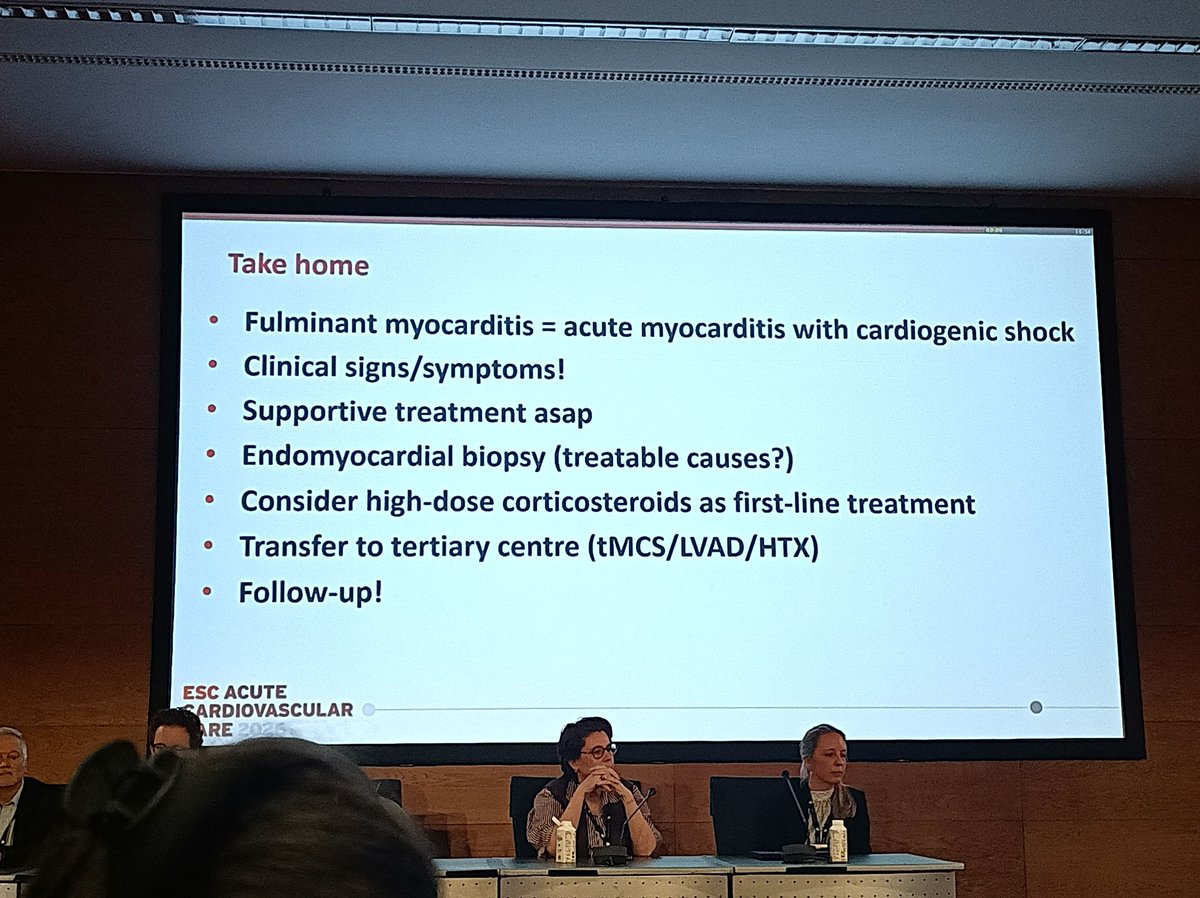
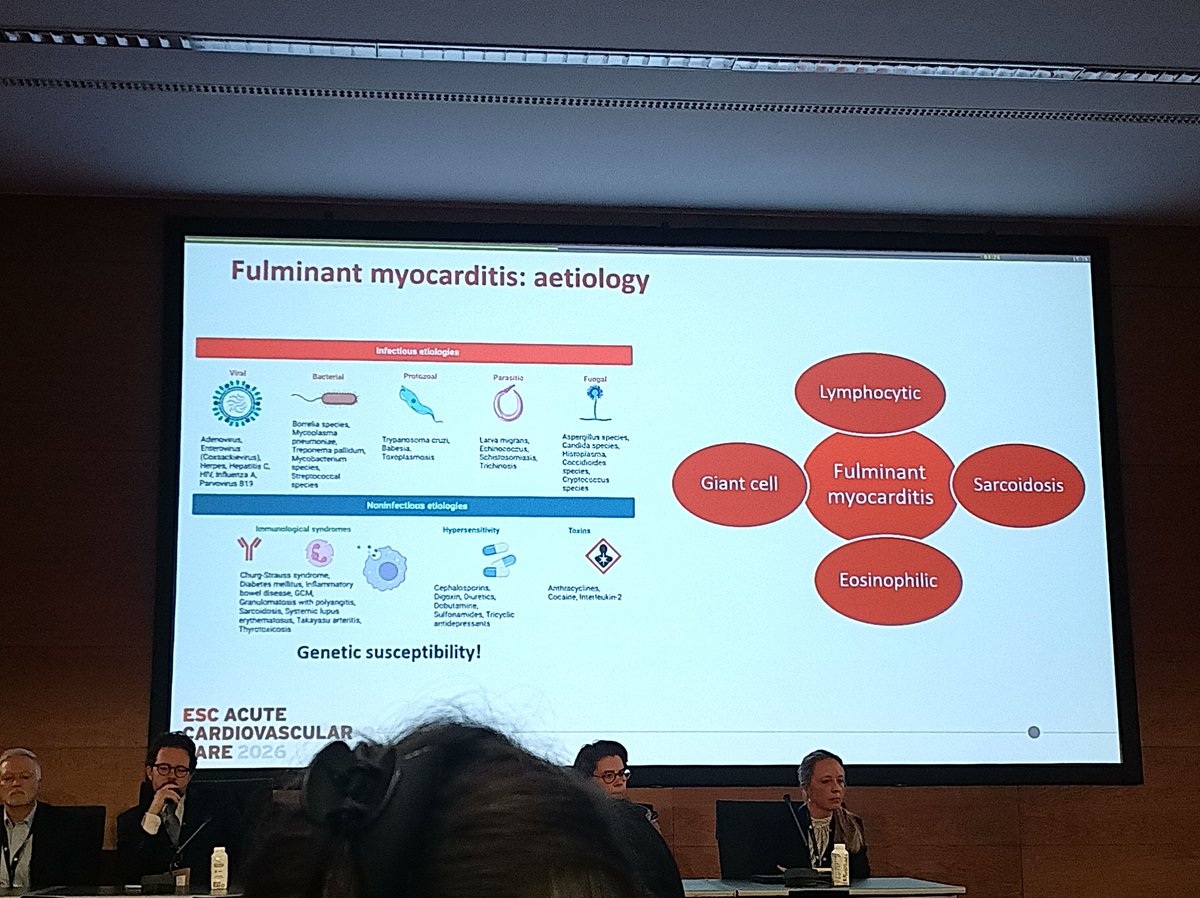
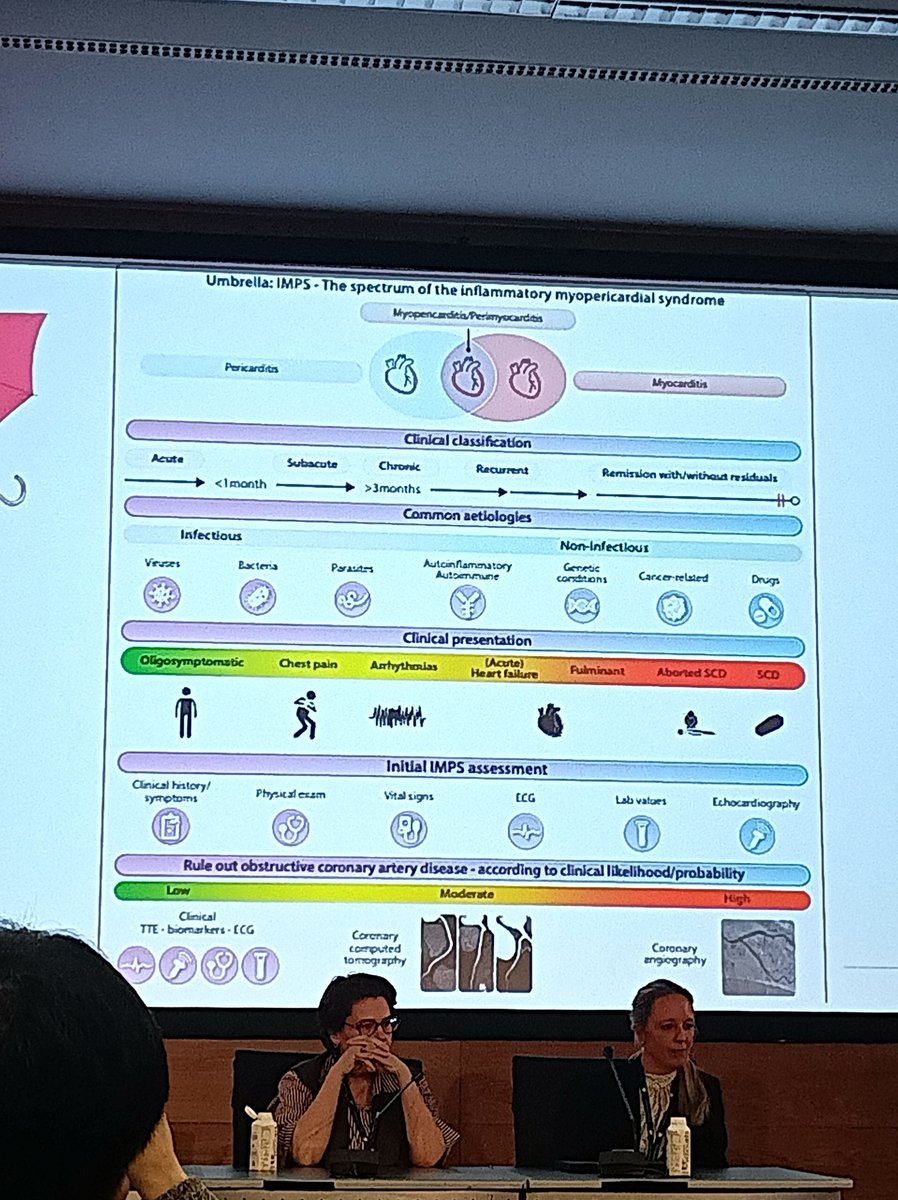
📍 ACVC 2026 Highlights | Acute Myocarditis. Acute myocarditis remains one of the most unpredictable conditions in acute cardiovascular care. From oligosymptomatic cases to fulminant cardiogenic shock, early recognition and risk stratification are critical. 🔑 Key takeaways: • Acute myocarditis = symptoms ≤ 4 weeks • Fulminant myocarditis = hemodynamic instability requiring inotropes or mechanical support • High risk features: Cardiogenic shock Malignant arrhythmias Advanced AV block LVEF < 40% • Most cases are benign But: ≈ 25% complicated ≈ 8% fulminant High short-term mortality in severe forms • Endomyocardial biopsy: Useful for identifying treatable causes Still limited by sampling error and procedural risk • Management priorities: Early recognition Shock team activation Rapid escalation to mechanical circulatory support • Selected cases: High dose corticosteroids as first line therapy. 👉 Bottom line: Think myocarditis early in unexplained shock Act fast Involve the right team #ACVC26 #Cardiology #CriticalCare #CardioICU #Myocarditis #CardiogenicShock #AcuteHeartFailure #MechanicalCirculatorySupport #HeartFailure #Hemodynamics #MedicalEducation
Dr. Chacón-Lozsán F .'. tweet mediaDr. Chacón-Lozsán F .'. tweet mediaDr. Chacón-Lozsán F .'. tweet mediaDr. Chacón-Lozsán F .'. tweet media
English
1
17
34
2.4K
Martín Hurtado Felipe
Martín Hurtado Felipe@_JMartinHF·
@NinaSunqu En Salud hay un tema importante. Hay una creciente necesidad por médicos, pero la respuesta ante ello es incrementar la cantidad de Facultades de Medicina (sobre todo en Univ Particulares). Encontrar el equilibrio entre la calidad y cantidad es un hueco que la SUNEDU no fiscaliza
Español
0
0
0
115
Karla Ramírez Camarena
Karla Ramírez Camarena@NinaSunqu·
Lo que no ve el buen amigo Carlos Espá es que no estamos en Inglaterra. En el Perú, las familias más humildes sí terminan aceptando universidades “bamba” con tal de tener el orgullo de decir “mi hijo es universitario”. Confían en la educación, y muchas veces no se dan cuenta, o prefieren no darse cuenta, cuando las están estafando. youtube.com/watch?v=5En67X… Varios periodistas de calle hemos recorrido esas “universidades”: sedes encima de mercados o verdaderas ratoneras donde las aulas se dividen con drywall. Eso era lo que Sunedu había empezado a cerrar… hasta que los mercaderes de la educación se encargaron de debilitarla.
YouTube video
YouTube
Epicentro.TV@Epicentro_TV

🔴El candidato presidencial Carlos Espá defendió su propuesta de eliminar la Sunedu y planteó que la acreditación sea voluntaria por parte de universidades e institutos. “Creemos en la inteligencia de los estudiantes y sus familias. Cuando un estudiante va a una universidad bamba, lo sabe perfectamente”, afirmó.

Español
118
447
1.6K
101.7K
Orlando RPN
Orlando RPN@OrlandoRPN·
La realidad es que al Residente vergas y responsable, le vendrá muy bien la Posguardia, descansará y tendrá más tiempo para todo, además normalmente son en gran medida autodidactas. Al que es huevón y sonso, nomás lo hará más huevón y sonso. Difícilmente alguien cambia a esa edad…
Orlando RPN tweet media
Español
12
51
415
19K
Martín Hurtado Felipe retweetledi
Josefina Miro Quesada Gayoso 🍉
Los cuidados paliativos son un pendiente necesario. No aceleran la muerte, alivian el sufrimiento al final de la vida. Su enfoque es integral y es tb una forma de morir dignamente. ¿Quién podría estar en contra, dirán? Renovación medieval, como siempre, a base de mentiras. Lean.
Fabiola Torres@fabiolatorres

El debate en el Congreso sobre la ley de #CuidadosPaliativos mostró cómo una bancada puede distorsionar una política de humanidad: un dictamen para aliviar el dolor y acompañar a pacientes terminales fue convertido por Renovación Popular en una falsa alerta de eutanasia. 🧵

Español
8
237
558
45.1K
Ross Prager
Ross Prager@ross_prager·
A few thoughts on pericardial tamponade: 1. Clinical Diagnosis that is NOT binary - exists on a spectrum of symptomatic effusion to hemodynamic collapse. 2. Hypotension is a LATE finding when compensatory mechanisms overwhelmed - be wary of normotensive shock. 3. Congestive injury is present before forward flow is impaired from the PCE --> we have a great case report that is being reviewed of a PCE with severe venous congestion that is improved by pericardiocentesis, when there are no features of tamponade. 4. Echo features suggestive of tamponade include: - Pericardial effusion (remember, smaller effusions that appear quickly can cause tamponade) - RV diastolic collapse - RA systolic collapse - Dilated IVC - Excessive MV and TV inflow variation - Low LVOT VTI (not a classic one, but hugely valuable as a sign of shock early) - VTI variation (an echo correlate to pulses paradoxus where LVOT VTI is a surrogate for SV which causes the BP variation seen in pulses) 5. Drainage should be done before the patient is in extremis - ultrasound useful to landmark best approach, but most clinicians do not use realtime needle guidance (some do, but most landmark with U/S) 6. Be wary of draining larger chronic effusion to quickly, especially if there is a degree of RV dysfunction. Rapid drainage can decompensate RV failure 7. Regional tamponade (e.g. post cardiac surgery) is a different beast - search chamber by chamber carefully in 2 views (on TEE) to identify chamber collapse. Isolated RA / LA tamponade common and can cause atypical hemodynamic tamponade compared with circumferential PCE See this example of regional tamponade with RA clot here. What other pearls am I missing?
English
4
8
38
18.2K
Ross Prager
Ross Prager@ross_prager·
Patient comes into the ICU with shortness of breath, BP 110/94 with HR of 120 and cap refill of 5 seconds and mottling. What do you do? My approach 👇
English
16
29
154
288.5K
Ross Prager
Ross Prager@ross_prager·
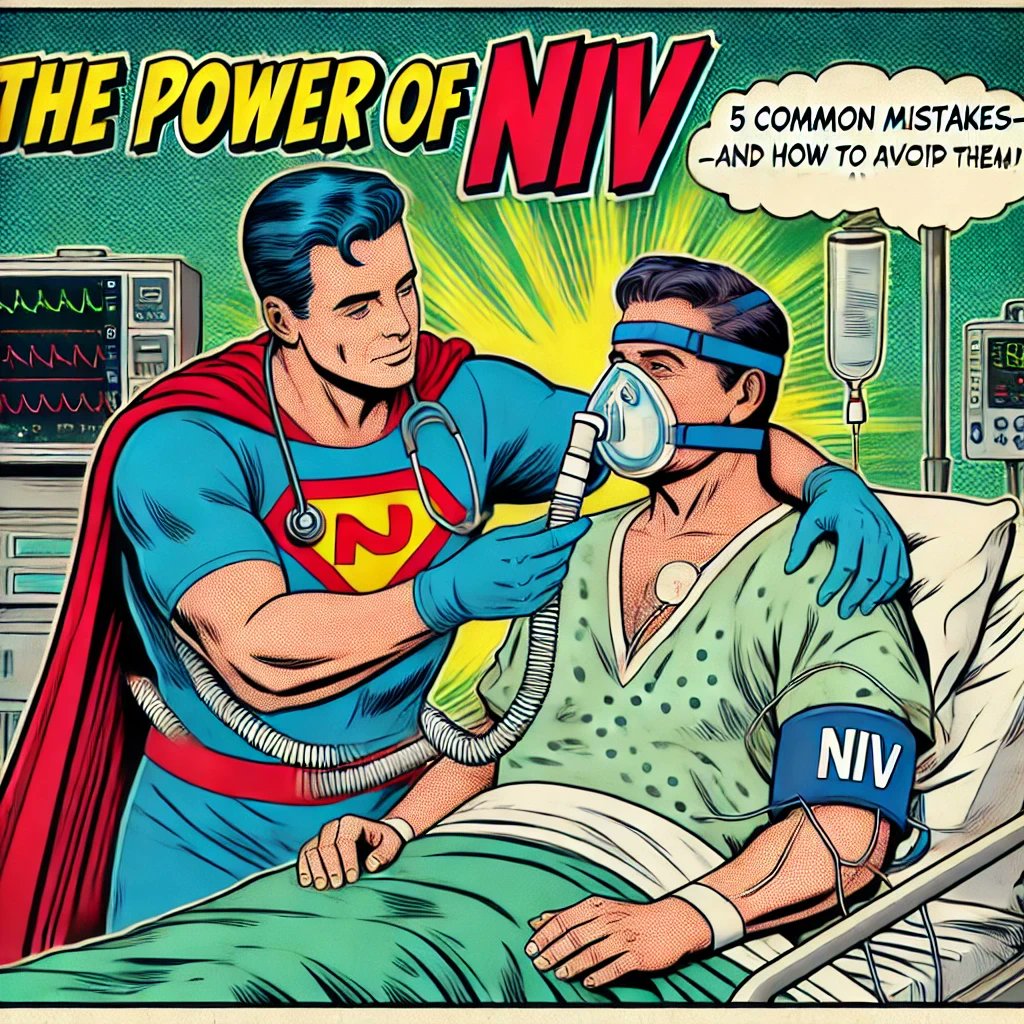
(1/x) Non-invasive ventilation (BIPAP/CPAP) is one of the few interventions that consistently demonstrates improvement in patient important outcomes... but only if done correctly. A 🧵on avoiding the 6 biggest NIV mistakes
Ross Prager tweet media
English
13
299
1.1K
189.3K