David Duong retweetledi

☕️ Building agents in Java or Go?
We want to hear from you! Join the waitlist to get early access and help shape the future of LangGraph in your language.
Sign up ➡️ airtable.com/appeUtF0AROUCZ…
English
David Duong
160 posts



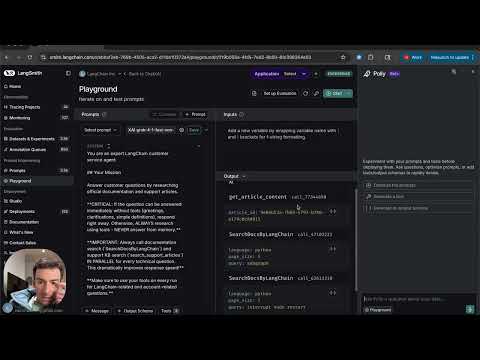
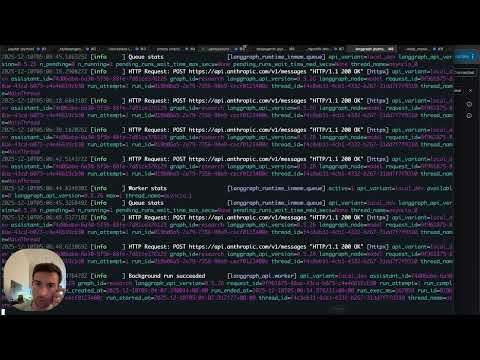
Today, we’re shipping new ways to observe, analyze, and debug agents with LangSmith: • Polly: an AI assistant for AI engineering that helps you understand traces, threads, and improve prompts • LangSmith Fetch: a CLI for pulling trace & thread data straight into your terminal or coding agent Agents are running longer and getting more complex, which demands new debugging workflows beyond simple LLM apps. We wrote a blog on the trends behind this shift— and why tools like Polly and LangSmith Fetch are needed. Shipping reliable agents requires full visibility into agent behavior, with tooling that helps you reason over that data in the UI, the terminal, or alongside coding agents. 📔Learn more about Polly: blog.langchain.com/introducing-po… 📔Learn more about LangSmith Fetch: blog.langchain.com/introducing-la… 📔How to observe deep agents: blog.langchain.com/debugging-deep… 📽️ Polly video tutorial: youtube.com/watch?v=4Ox2gd… 📽️ LangSmith Fetch video tutorial: youtube.com/watch?v=e_G_rX…

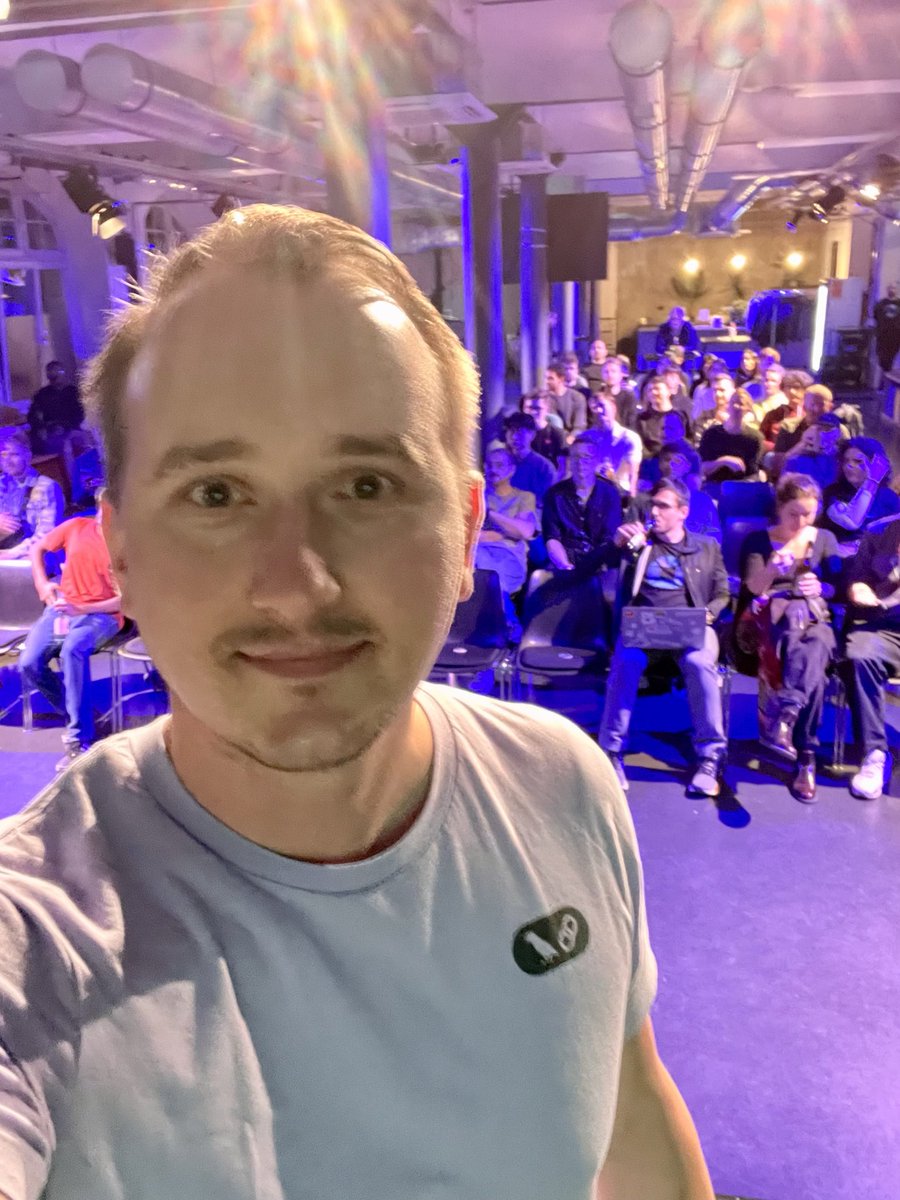


🥳Announcing LangChain and LangGraph 1.0 LangChain and LangGraph 1.0 versions are now LIVE!!!! For both Python and TypeScript Some exciting highlights: - NEW DOCS!!!! - LangChain Agent: revamped and more flexible with middleware - LangGraph 1.0: we've been really happy with LangGraph and this is our official stamp of approval - Standard content blocks: swap seamlessly between models Read more about it here: blog.langchain.com/langchain-lang… We hope you love it!
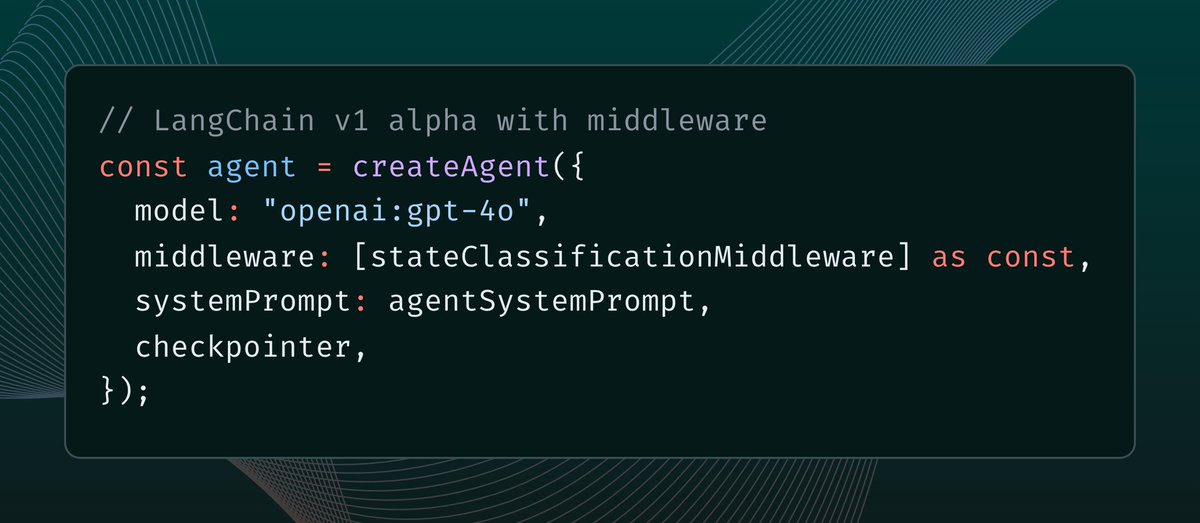
Here's the simplest explanation of @cline's agentic algorithm. It's just a state machine that classifies every request with a tool call into 3 types: 1. Question tools (need clarification) 2. Action tools (gather context) 3. Completion tools (present results) That's it.