ሃገረይ ዘሕለፈቶን ተሕልፎን ዘላ ቓልሲ ኣንጻር ዓበይቲ ገበትቲ ተኣምራዊ'ዩ። ክጭፍሉቕኺ እዩ ሕልሞም! ቓለ መሕትት ጸሓፊ ህግደፍ ኣቶ ኣልኣሚን መሓመድ ስዒድ youtu.be/RmoUxuIjxi0 youtu.be/jR02tKsxOvk #EritreaPrevails #Stoptheunlawfulsanction
deb3091
19.6K posts


ሃገረይ ዘሕለፈቶን ተሕልፎን ዘላ ቓልሲ ኣንጻር ዓበይቲ ገበትቲ ተኣምራዊ'ዩ። ክጭፍሉቕኺ እዩ ሕልሞም! ቓለ መሕትት ጸሓፊ ህግደፍ ኣቶ ኣልኣሚን መሓመድ ስዒድ youtu.be/RmoUxuIjxi0 youtu.be/jR02tKsxOvk #EritreaPrevails #Stoptheunlawfulsanction


To Mr. Zemedeneh Negatu @Zemedeneh, Your interview on Gazette Plus is deeply misleading and compelled me to respond. I normally don’t respond to armchair theorists, but I thought you were better informed than that. Indeed, You are free to please a narrative. I am equally free to challenge misinformation. With all due respect, claiming that 🇩🇯’s #ports are « expensive and inefficient » is not serious economics, it is simply a convenient talking point detached from facts. After Ethiopia lost direct access to the sea, Djibouti did not merely provide an alternative. Djibouti built the entire logistics backbone that enabled #Ethiopia’s #economic #transformation. More importantly, how can anyone credibly argue that Djibouti’s port investments are « insufficient »or « inappropriate »when over $10 billion has been invested in world-class infrastructure, including: • Deep-sea ports • Specialized terminals • An electrified railway • Integrated logistics corridors This is not inefficiency. This is strategic infrastructures built at scale and serving not only Ethiopia, but global trade and regional integration. Let me be absolutely clear: Without Djibouti, Ethiopia’s transformation at this scale would not have been possible. Djibouti has been an indispensable pillar of Ethiopia’s industrialization journey. As for the recurring narrative about the « billions paid to Djibouti». I welcome a transparent, fact-based debate with open books and verifiable data. Be my guest. I speak not from theory, but from direct involvement as one of the contributors and witnesses to this exceptional 🇩🇯🇪🇹 partnership journey. And also a great friend and lover of Ethiopia. You may well find that an apology to Djibouti is in order. Djibouti is not a burden. Djibouti is and has been a #strategic #multiplier for Ethiopia. It is time to move beyond misleading narratives and return to facts.


"Big historical mistake to give up the port of Assab" Zemedeneh Negatu, renowned economist and business leader speaks about Ethiopia's quest on Access to the sea youtu.be/51lVVWj7iEI?si…

To Mr. Zemedeneh Negatu @Zemedeneh, Your interview on Gazette Plus is deeply misleading and compelled me to respond. I normally don’t respond to armchair theorists, but I thought you were better informed than that. Indeed, You are free to please a narrative. I am equally free to challenge misinformation. With all due respect, claiming that 🇩🇯’s #ports are « expensive and inefficient » is not serious economics, it is simply a convenient talking point detached from facts. After Ethiopia lost direct access to the sea, Djibouti did not merely provide an alternative. Djibouti built the entire logistics backbone that enabled #Ethiopia’s #economic #transformation. More importantly, how can anyone credibly argue that Djibouti’s port investments are « insufficient »or « inappropriate »when over $10 billion has been invested in world-class infrastructure, including: • Deep-sea ports • Specialized terminals • An electrified railway • Integrated logistics corridors This is not inefficiency. This is strategic infrastructures built at scale and serving not only Ethiopia, but global trade and regional integration. Let me be absolutely clear: Without Djibouti, Ethiopia’s transformation at this scale would not have been possible. Djibouti has been an indispensable pillar of Ethiopia’s industrialization journey. As for the recurring narrative about the « billions paid to Djibouti». I welcome a transparent, fact-based debate with open books and verifiable data. Be my guest. I speak not from theory, but from direct involvement as one of the contributors and witnesses to this exceptional 🇩🇯🇪🇹 partnership journey. And also a great friend and lover of Ethiopia. You may well find that an apology to Djibouti is in order. Djibouti is not a burden. Djibouti is and has been a #strategic #multiplier for Ethiopia. It is time to move beyond misleading narratives and return to facts.

To Mr. Zemedeneh Negatu @Zemedeneh, Your interview on Gazette Plus is deeply misleading and compelled me to respond. I normally don’t respond to armchair theorists, but I thought you were better informed than that. Indeed, You are free to please a narrative. I am equally free to challenge misinformation. With all due respect, claiming that 🇩🇯’s #ports are « expensive and inefficient » is not serious economics, it is simply a convenient talking point detached from facts. After Ethiopia lost direct access to the sea, Djibouti did not merely provide an alternative. Djibouti built the entire logistics backbone that enabled #Ethiopia’s #economic #transformation. More importantly, how can anyone credibly argue that Djibouti’s port investments are « insufficient »or « inappropriate »when over $10 billion has been invested in world-class infrastructure, including: • Deep-sea ports • Specialized terminals • An electrified railway • Integrated logistics corridors This is not inefficiency. This is strategic infrastructures built at scale and serving not only Ethiopia, but global trade and regional integration. Let me be absolutely clear: Without Djibouti, Ethiopia’s transformation at this scale would not have been possible. Djibouti has been an indispensable pillar of Ethiopia’s industrialization journey. As for the recurring narrative about the « billions paid to Djibouti». I welcome a transparent, fact-based debate with open books and verifiable data. Be my guest. I speak not from theory, but from direct involvement as one of the contributors and witnesses to this exceptional 🇩🇯🇪🇹 partnership journey. And also a great friend and lover of Ethiopia. You may well find that an apology to Djibouti is in order. Djibouti is not a burden. Djibouti is and has been a #strategic #multiplier for Ethiopia. It is time to move beyond misleading narratives and return to facts.


የአማራ: ትግራይ እና ኤርትራ የህዝብ-ለ-ህዝብ ግንኙነት #ፅምዶ በከሰላ-ሱዳን እየተካሄድ ነው ... 😎


🚨 It has been confirmed that most of the fuel currently entering central Ethiopia is being drawn from reserves located in Awash Arba. @MeseretMedia March 20, 2026 It is known that Ethiopia has recently been experiencing disruptions in fuel distribution due to both domestic factors and international developments. Our media outlet has been providing continuous updates on this issue and brings additional information today. Based on confirmations from fuel truck drivers and security sources, it has been verified that, as of today, the fuel being transported into central Ethiopia is being supplied from reserves stored in Awash Arba. A fuel transport driver stated: “The number of trucks going to Djibouti is very limited. Right now, fuel is being taken from reserves. Across the country, fuel hasn’t even arrived yet, but people are already lining up because they’re being told fuel is on the way.” Another driver explained: “When a fuel truck returns from Djibouti, before it even reaches the fuel station, it is stopped on the road by government security forces and forced to go to their camps or offices to unload the fuel.” He added: “They say it’s for a national purpose, but the payment is still sent to the fuel station owner. The driver is given a receipt and a letter. Because fuel is being diverted this way by government personnel, fuel stations are unable to sell fuel.” According to our sources, many Ethiopian fuel trucks are currently stranded in Djibouti waiting to load fuel. Due to shortages, drivers have been stuck for more than 15 days, living in difficult conditions. Sources further stated: “Right now, fuel is being taken from reserves. Very few trucks are going to Djibouti, and those already there haven’t been able to load fuel yet.” Data indicates that Ethiopia imports over 4.2 million metric tons of fuel annually. Currently, due to the ongoing conflict in the Middle East, global oil prices have risen from around $60 per barrel to approximately $110–$120. Additionally, the closure of the Strait of Hormuz by Iran—one of the world’s main oil transit routes—has driven global fuel prices even higher. Until now, fuel imports into Ethiopia have been handled solely by the state-owned Ethiopian Petroleum Supply Enterprise. However, the government has announced that starting next year, private suppliers may also be allowed to import fuel. As of now, the government has not disclosed how much fuel reserve Ethiopia currently holds. — Meseret Media —

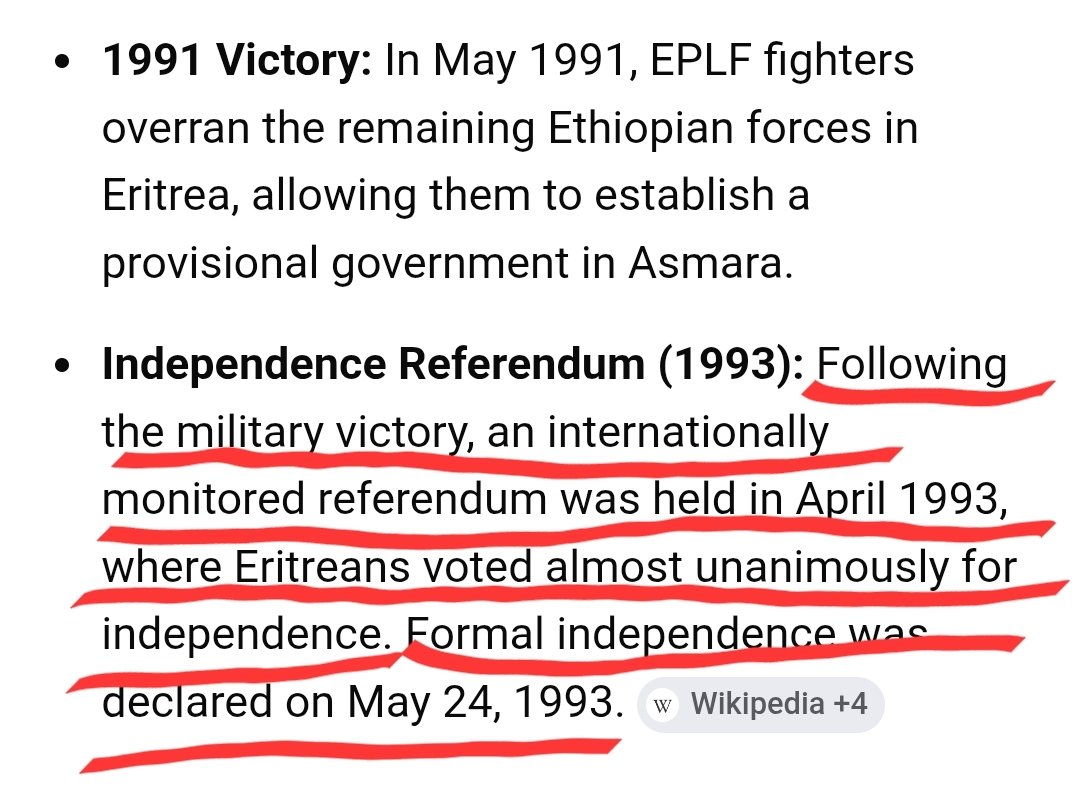
“The Burial of Nadew Command”: Looking back at the Battle of Afabet; by Shabait staff The scale and intensity of the battle quickly drew comparisons to some of the most consequential engagements of the twentieth century. Often described as the largest battle on the African continent since the Second Battle of El Alamein, it has also been likened to the Battle of Dien Bien Phu and the Battle of Kursk, conflicts in which decisive victories reshaped broader wars. Such comparisons underscore not only the magnitude of the confrontation but also the strategic consequences that followed. shabait.com/2026/03/21/the…


The crimes of the Ethiopian regimes will not be forgotten by the people of Eritrea

Asia did not listen to the World Bank. But Africa, except for maybe Ethiopia, Morocco, Egypt & SA. largely did. Reasons behind the continent's lack of industrialization