
Sabitlenmiş Tweet
Timothy En Haw Chan
3.5K posts

Timothy En Haw Chan
@timothykoala
👨🔬 PhD IMPRS-IEM @UniFreiburg @mpi_ie focus on #epigenetics #cancer #TXPN #synbio. Twitter = online archive.
Freiburg im Breisgau, Germany Katılım Ağustos 2009
1.8K Takip Edilen664 Takipçiler
Timothy En Haw Chan retweetledi

NEW content online! Enhancer and metabolic rewiring by KMT2C–COMPASS or KMT2D–COMPASS family loss in cancer creates druggable vulnerabilities dlvr.it/TSCZSt

English
Timothy En Haw Chan retweetledi

Excited to share our @natgenet.nature.com study showing that epigenetically rewired transposable elements control AML leukemia stem cell properties and patient outcome.
Grateful to the team & collaborators. nature.com/articles/s4158…
English
Timothy En Haw Chan retweetledi
Cancer-specific enhancer drives oncogene activity and tumorigenesis
science.org/doi/10.1126/sc…
@ScienceAdvances

English
Timothy En Haw Chan retweetledi

For 15+ years, our work has shown that histone-modifying enzymes do more than just their catalytic jobs. They also have important non-catalytic roles. Dr. Zibo Zhao just published a great review on COMPASS family enhancer monomethylases and discusses how their loss creates new druggable vulnerabilities. nature.com/articles/s4156… Her findings are now in the clinic for treatment of cancers bearing MLL3/4-COMPASS mutations Fingers crossed! @NU_BMG_SQE @NUFeinbergMed @theNASciences @theNAMedicine @CellPressNews @ScienceMagazine @Nature @NatureCancer @MolecularCell @zhao_zibo
English
Timothy En Haw Chan retweetledi
3D genome architecture underlies health & disease, but its biochemical basis is hard to study at scale. We present Plate-C: a screening platform that profiles thousands of whole-genome 3D maps in a day ($4 each), discovering many pathways that rewire DNA: biorxiv.org/content/10.648…

English
Timothy En Haw Chan retweetledi

FOXF1/2 establish a senescence-specific enhancer landscape to activate the pro-inflammatory senescence-associated secretory phenotype dlvr.it/TS5VsH

English
Timothy En Haw Chan retweetledi

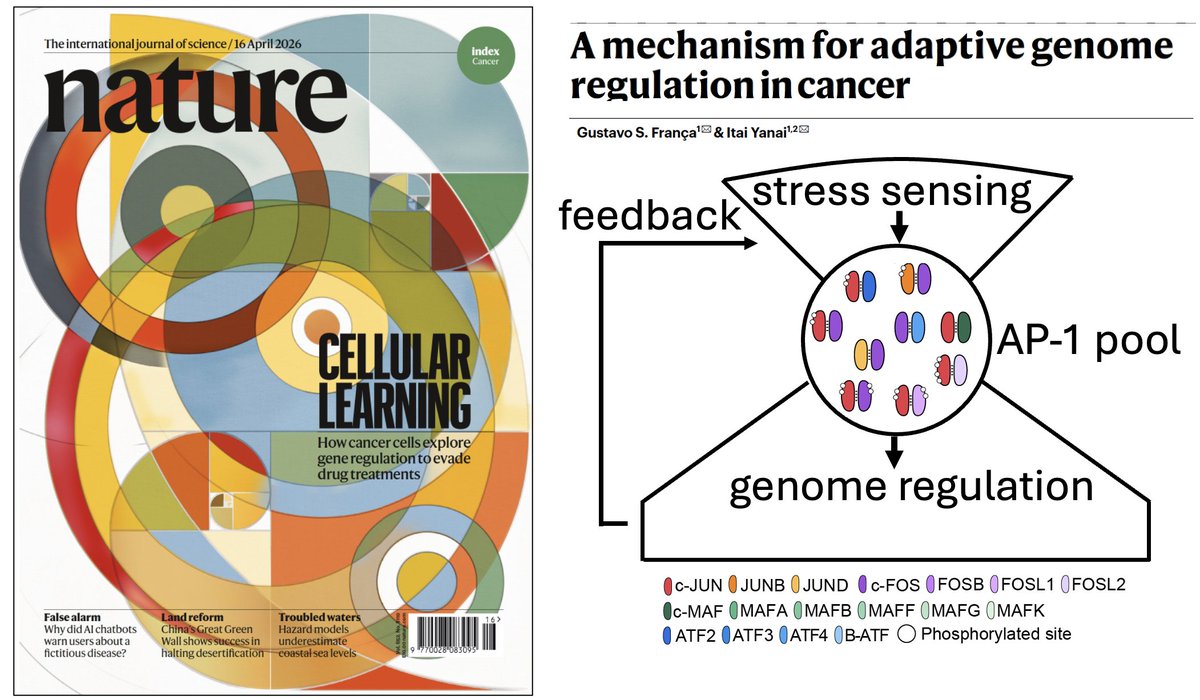
Interested in cellular learning? In this week’s Nature we propose a mechanism for cells can actually LEARN new regulatory configurations of their genes, by using the principles of combinatorics, feedback and memory.
Check out the🧵⬇️!
nature.com/articles/s4158…
English
Timothy En Haw Chan retweetledi

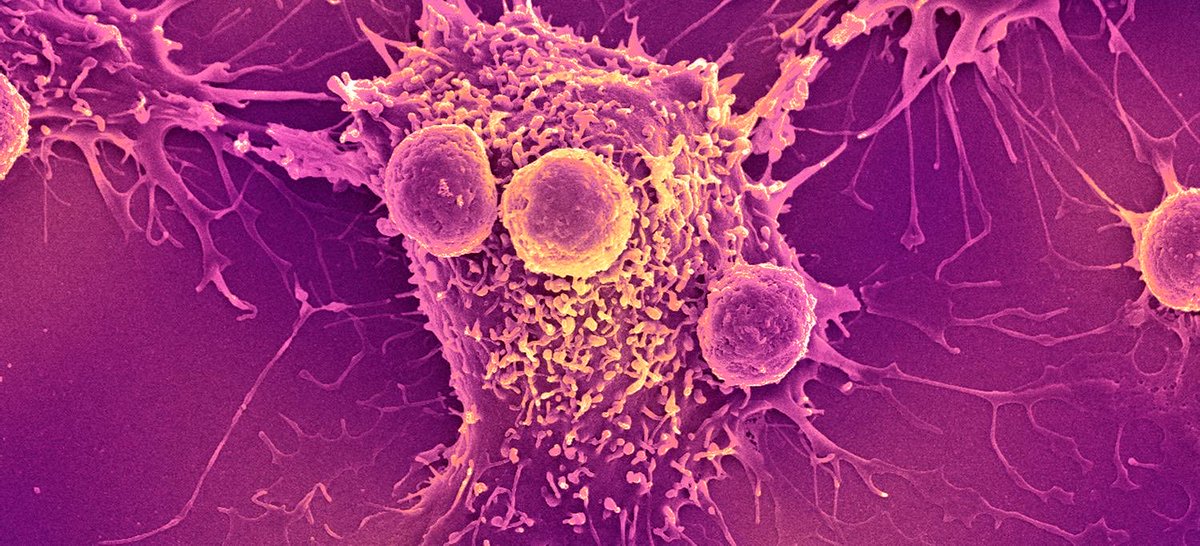
How Do Cancer Cells ‘Learn’ to Resist Treatment?
nyulangone.org/news/how-do-ca…
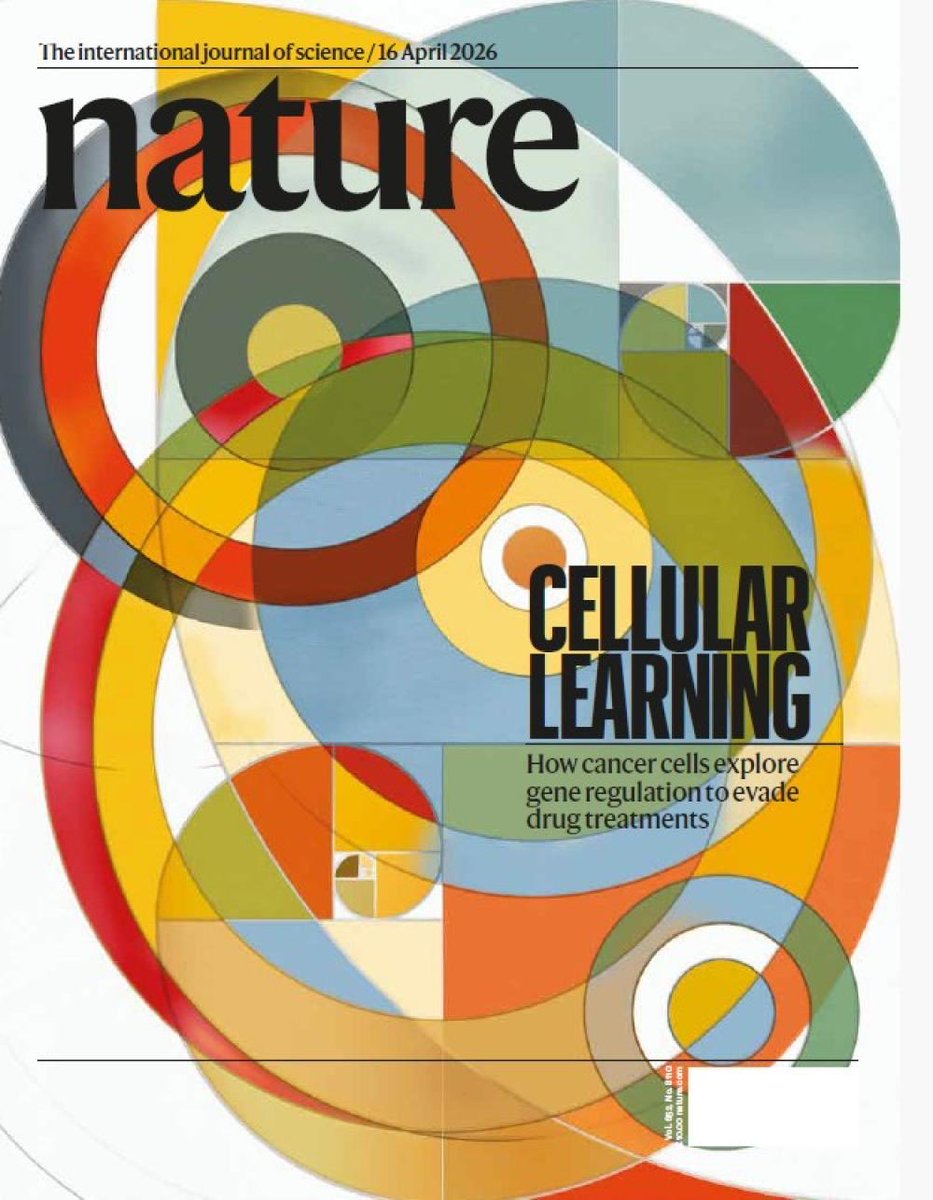
Congratulations to @ItaiYanai @nyulangone for his elegant @Nature paper today that made the cover!
nature.com/articles/s4158…
@Perlmutter_CC
English
Timothy En Haw Chan retweetledi

Now online! Electromagnetic field-inducible in vivo gene switch for remote spatiotemporal control of gene expression dlvr.it/TS2b55
English
Timothy En Haw Chan retweetledi
Now online! Oncogenic and tumor-suppressive forces converge on a progenitor niche at the benign-to-malignant transition dlvr.it/TS3R9B
English
Timothy En Haw Chan retweetledi

Excited to share our latest work. Applying advanced single-molecule and single-cell DNA sequencing methods, we uncover an extraordinary landscape of somatic mutations in immune checkpoint genes in autoimmune lymphocytes. [1/n] rdcu.be/fdqbr
English
Timothy En Haw Chan retweetledi
How does a cell learn? In our new perspective in @Nature we propose a model where the properties of the AP-1 family of transcription factors – stress-induced feedback, regulatory combinatorics & cellular memory – encode a mechanism for cellular learning. nature.com/articles/s4158…

English
Timothy En Haw Chan retweetledi
🚀Excited to share our new paper @Nature! We developed PerturbFate platform to discover how diverse genetic perturbations converge on a shared cell state, and key molecular programs driving it, led by our incredible student @xu_zxu from @RockefellerUniv.
rdcu.be/fdC14
English
Timothy En Haw Chan retweetledi
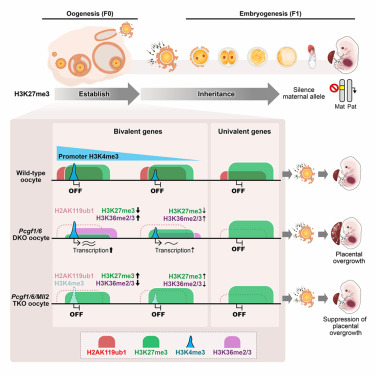
Online Now: H2AK119ub1-MLL2 counteraction underlies heritable H3K27me3 formation in oocytes dlvr.it/TS1DRM
English
Timothy En Haw Chan retweetledi

Excited to share our new paper in @NatureGenet led by the incredible @6jinLee! We uncover how cohesin loss impairs postmitotic refolding of 3D chromatin topology with limited context-specific effects on gene activation—especially during differentiation. nature.com/articles/s4158…
English
Timothy En Haw Chan retweetledi

The way our immune cells age differs substantially by sex, from single-cell analysis of ~1,000 people. Implications for propensity for autoimmune diseases (women), vulnerability to cancer (men), immunosenescence and inflammaging @NatureAging
nature.com/articles/s4358…
English
Timothy En Haw Chan retweetledi
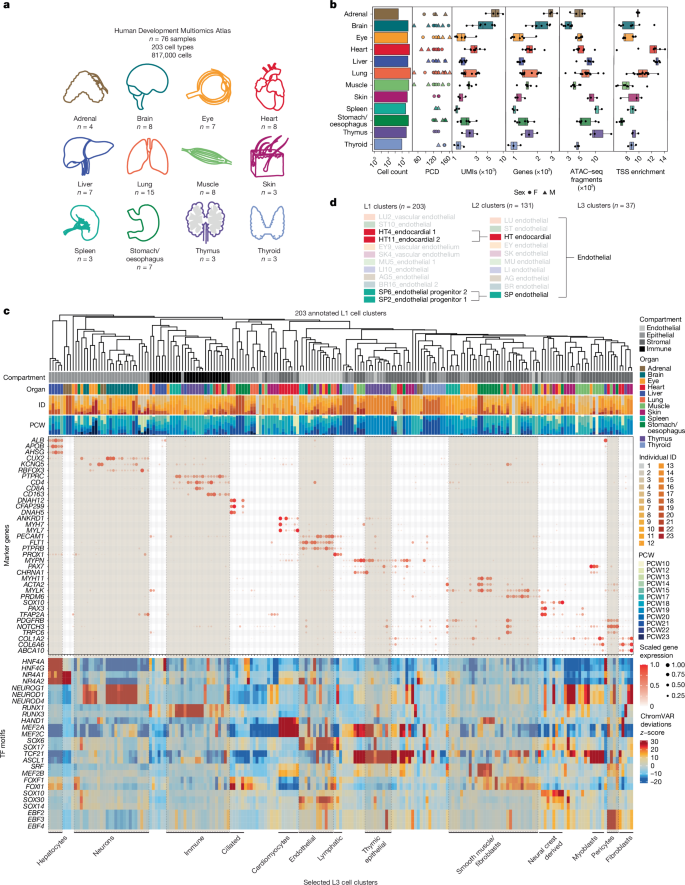
Motif syntax governs cell-type-specific chromatin accessibility and provides a foundational resource for decoding cis-regulatory logic and interpreting genetic variation during human development @Nature @anshulkundaje @WJGreenleaf @Stanford
nature.com/articles/s4158…
English
Timothy En Haw Chan retweetledi

Nature research paper: Synthetic super-enhancers enable precision viral immunotherapy
go.nature.com/4cuHuLA
English
Timothy En Haw Chan retweetledi

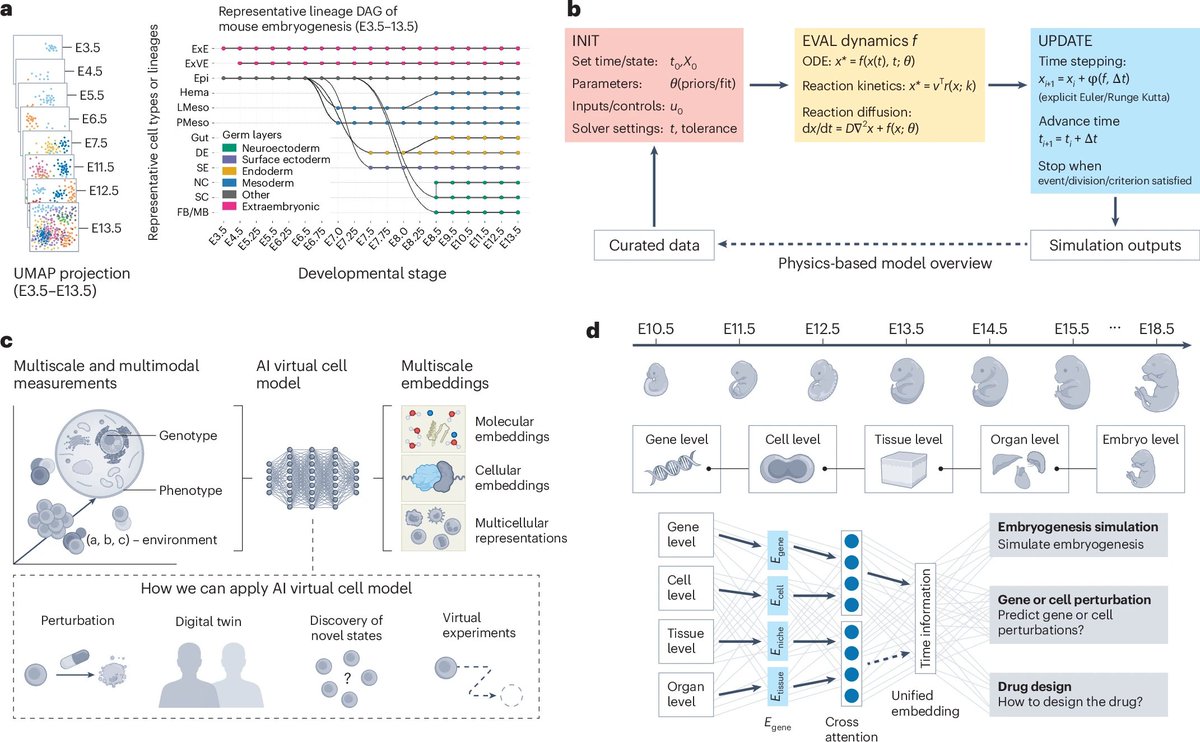
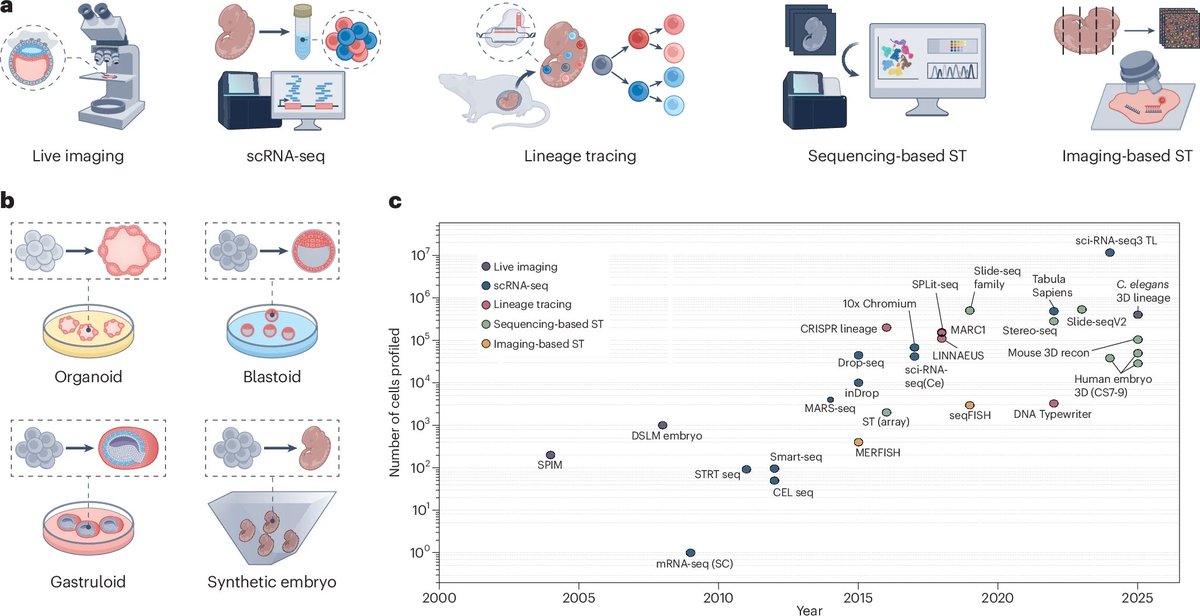
Today in Nature Methods, we propose a bold new vision for biology: Virtual Embryos 🧬🤖
By integrating single-cell and spatial genomics with AI, we can build digital twins of embryogenesis—moving beyond virtual cells to predict cell growth, division, migration, state transitions, and morphogenesis, from genes → cells → organs -> organ systems and whole embryo, in a fully 4D spatiotemporal framework.
Congenital defects affect ~1 in 33 births in the U.S., costing ~$23B annually. This approach could enable truly predictive biology and in silico experimentation to diagnose, prevent, and treat developmental diseases—transforming medicine and improving outcomes for future generations.
If this excites you, come build with us—together with Emily Fox, James Zou (@james_y_zou), and Marinka Zitnik (@marinkazitnik). We also welcome industrial and philanthropic support for this ambitious vision.
English
Timothy En Haw Chan retweetledi

Our paper is out in @ScienceMagazine
Here we describe how stem cell retain epigenetic inflammatory memory long-term. Full text in the link below!
Congratulations @chris_cowley14 @SairajSajjath @LFSoto12 and everyone else involved!
science.org/doi/10.1126/sc…
English