Mihail G. Chelu, MD, PhD

1.9K posts

Mihail G. Chelu, MD, PhD banner
Mihail G. Chelu, MD, PhD

Mihail G. Chelu, MD, PhD

@MihailChelu

Physician-scientist | Professor | Director Research @Texas_Heart and Director of EP @BCMHouston | co-PI with @KennethEllenbo1 of @leftvsleft RCT

Houston, TX Entrou em Kasım 2015
263 Seguindo1.7K Seguidores
Mihail G. Chelu, MD, PhD retweetou
NEJM
NEJM@NEJM·
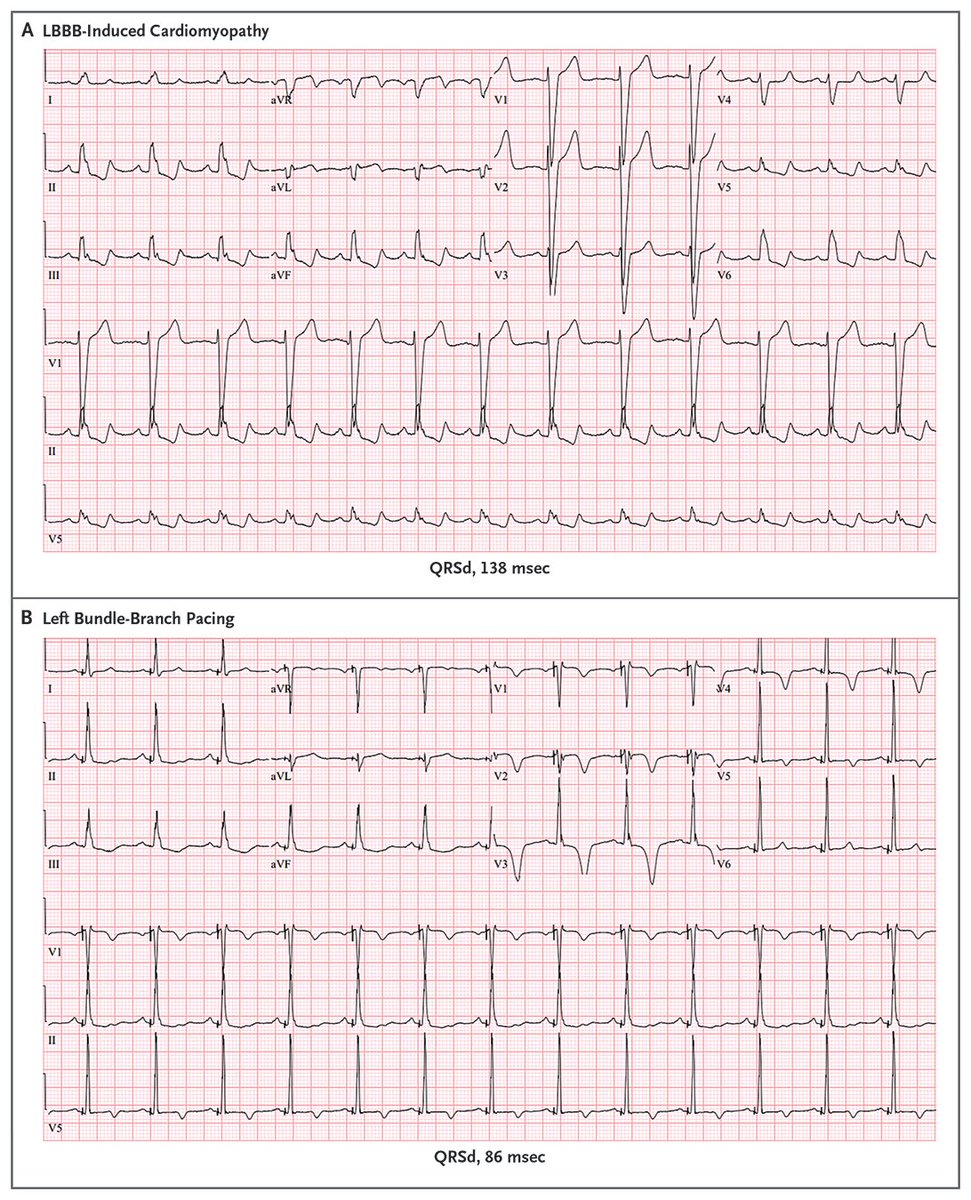
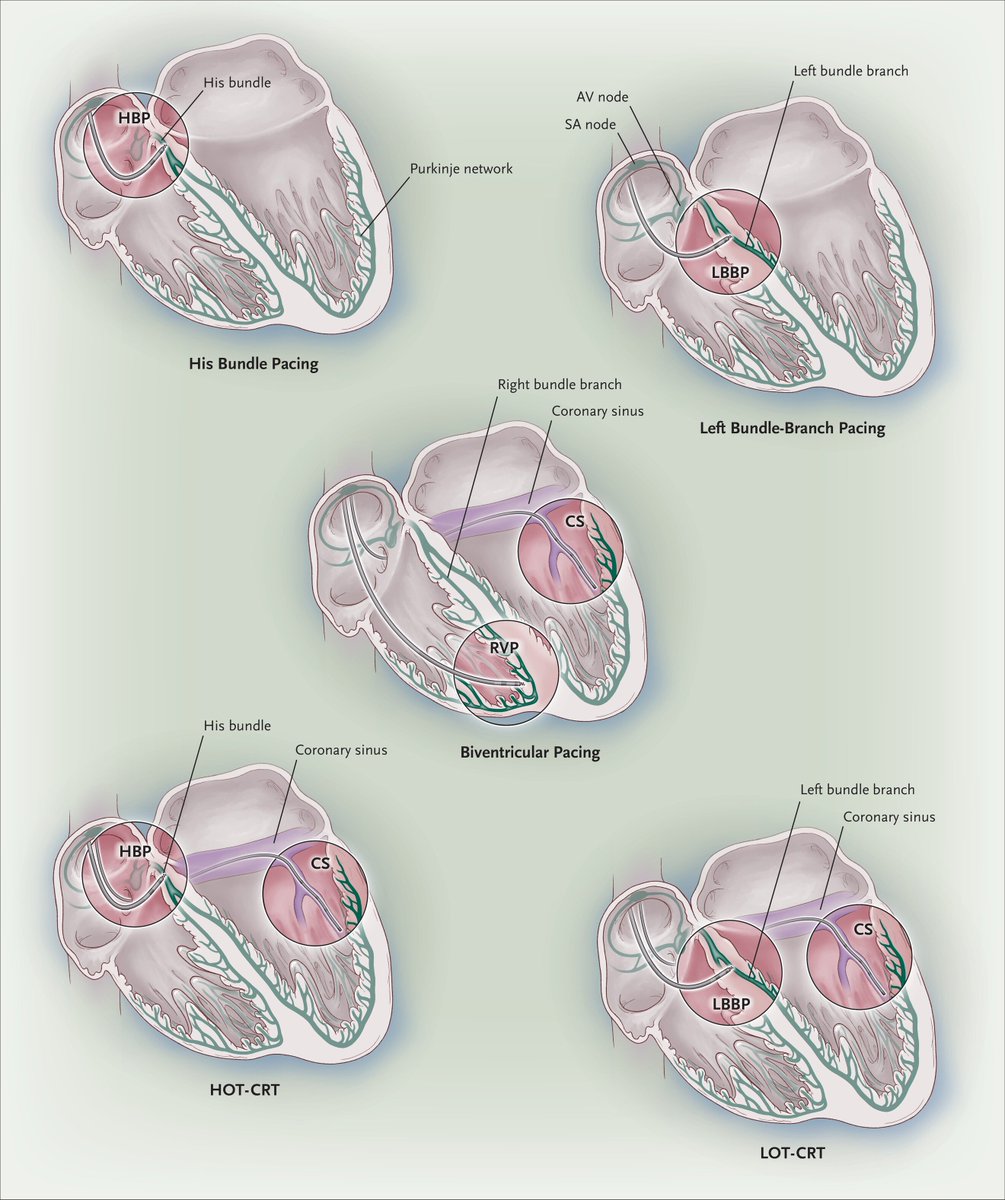
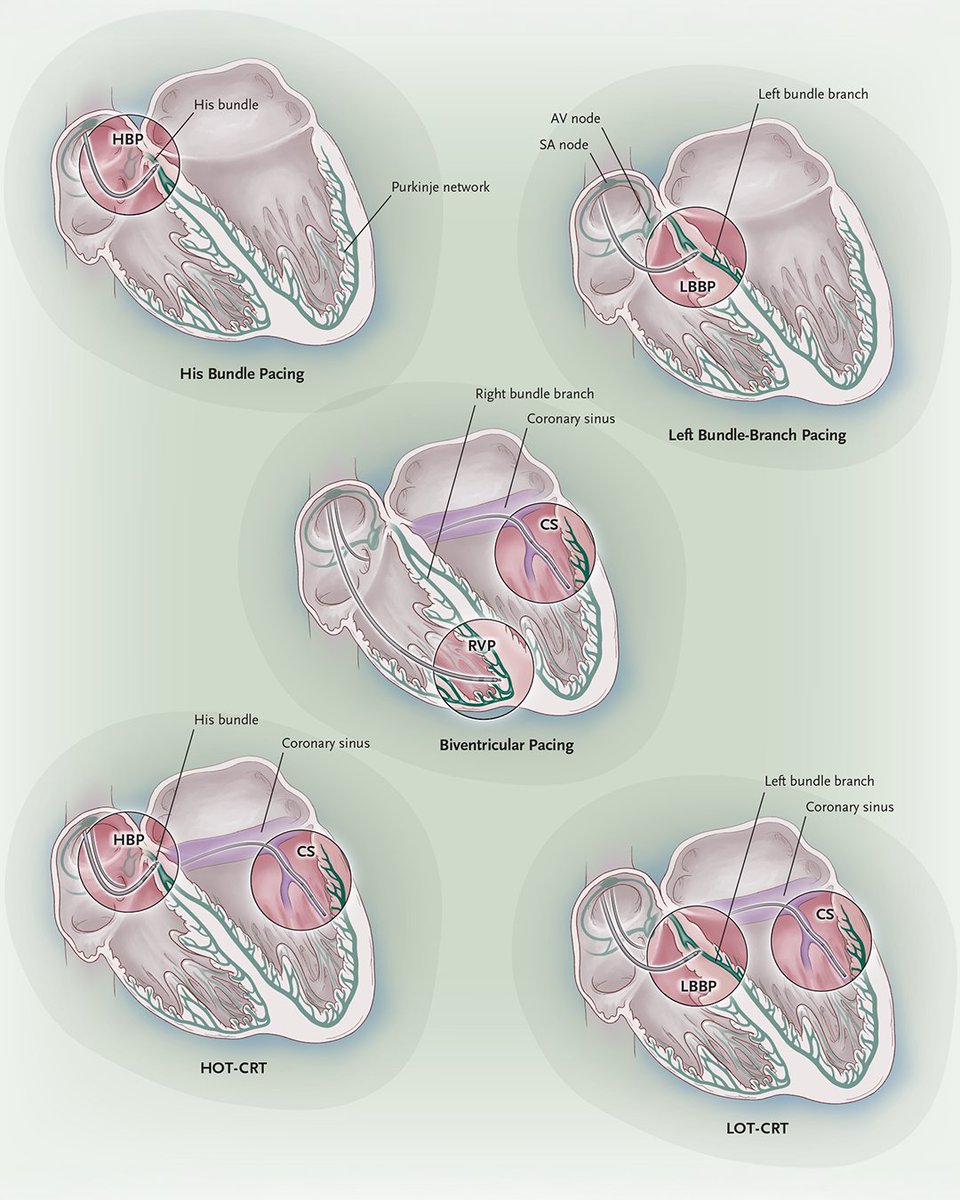
Cardiac physiologic pacing can be achieved with biventricular pacing with a right ventricular lead and coronary sinus lead or conduction system pacing by way of the His bundle or left bundle branch. It is indicated in patients with heart failure, left ventricular ejection fraction (LVEF) of 50% or less, and high or anticipated high ventricular pacing burden and left ventricular resynchronization in patients with a wide QRS complex. His bundle pacing is the most physiologic pacing mode, because it preserves the natural activation of the left and right ventricles. It is indicated in patients with atrioventricular nodal and intra-Hisian conduction system disease that is associated with symptomatic bradycardia. His bundle pacing can also correct left bundle-branch block in the subgroup of patients who have disease in the His–Purkinje fibers that become the left bundle branch. Left bundle-branch pacing requires the implantation of a pacing lead through the interventricular septum to the left ventricular subendocardial left bundle branch or its fascicles. This procedure has rapidly become the dominant conduction system pacing approach owing to its higher success rate and lower and more stable pacing thresholds than those obtained with His bundle pacing, and because it provides correction of left bundle-branch block due to disease below the level of the His bundle (seen in figure). Learn more in the Review Article “Physiologic Pacing in Heart Failure” by @MihailChelu, MD, PhD, Jeanne E. Poole, MD, and Kenneth A. Ellenbogen, MD (@KennethEllenbo1), from the Baylor College of Medicine (@bcmhouston), University of Washington (@UW), and Virginia Commonwealth University School of Medicine: nej.md/4qqjSfI
NEJM tweet media
English
0
29
98
12.1K
Mihail G. Chelu, MD, PhD retweetou
NEJM
NEJM@NEJM·
A new review summarizes cardiac physiologic pacing for heart failure, highlighting benefits of biventricular pacing and emerging evidence for His-bundle and left bundle-branch pacing to improve function and outcomes. Read the Review Article “Physiologic Pacing in Heart Failure” by @MihailChelu, MD, PhD, Jeanne E. Poole, MD, and Kenneth A. Ellenbogen, MD (@KennethEllenbo1), from the Baylor College of Medicine (@bcmhouston), University of Washington (@UW), and Virginia Commonwealth University School of Medicine: nej.md/4qqjSfI
English
1
15
105
13.7K
Mihail G. Chelu, MD, PhD retweetou
NEJM
NEJM@NEJM·
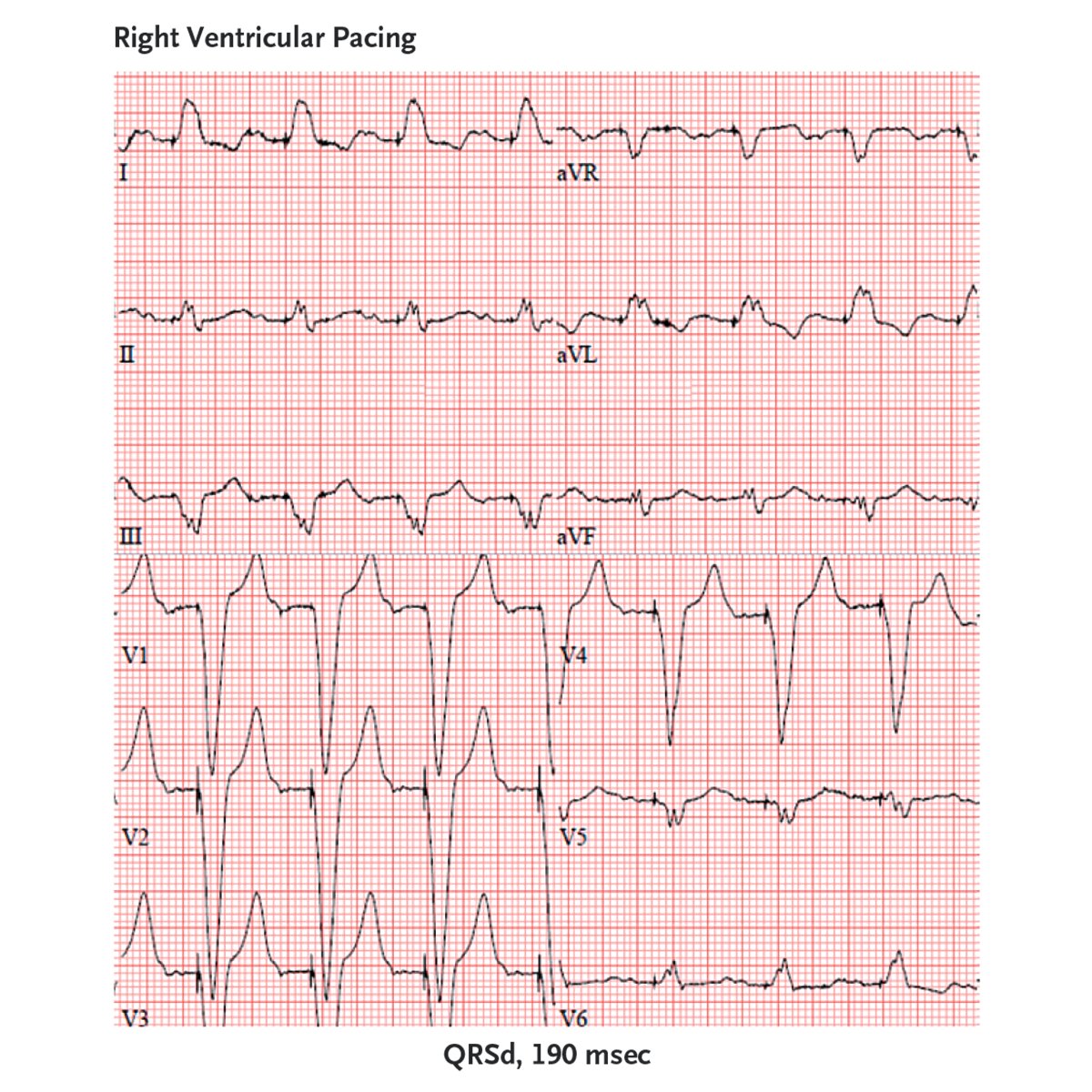
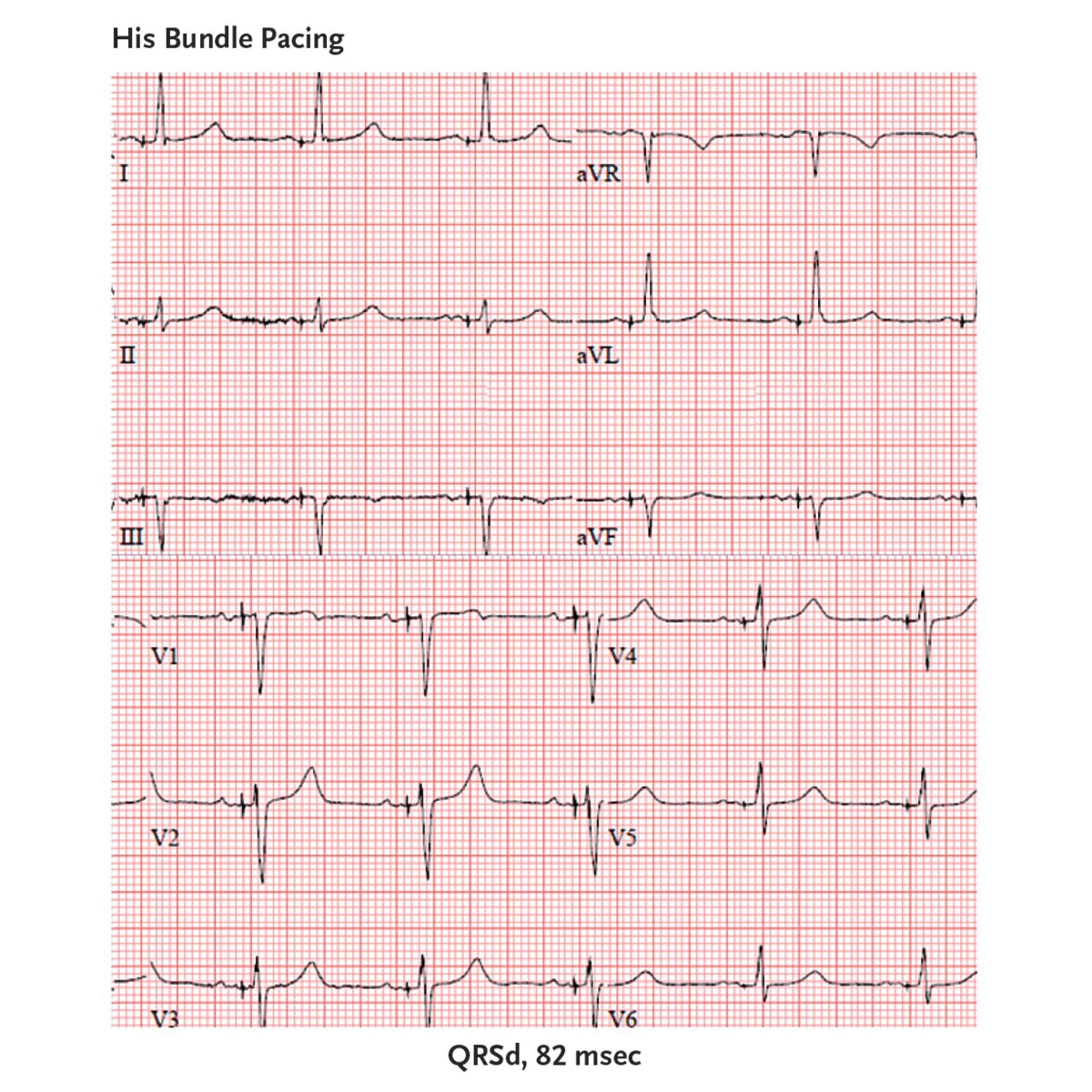
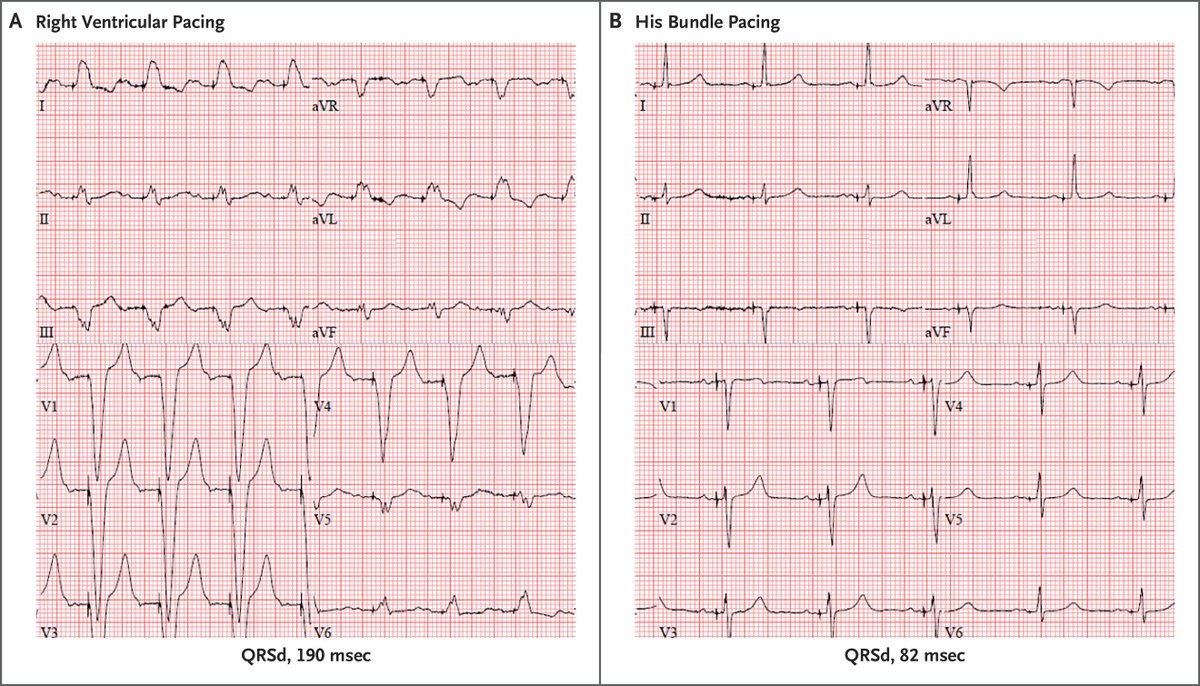
A new review summarizes cardiac physiologic pacing for heart failure, highlighting benefits of biventricular pacing and emerging evidence for His-bundle and left bundle-branch pacing to improve function and outcomes. Figure 2 from the review shows His bundle pacing on electrocardiogram (ECG). Panel A shows an ECG of right ventricular pacing with a paced QRS duration (QRSd) of 190 msec. In this patient, who had complete heart block at baseline and a left ventricular ejection fraction (LVEF) of 60 to 65%, pacing-induced cardiomyopathy developed, leading to a LVEF of 35 to 40% with 100% right ventricular pacing. Panel B shows an ECG of His bundle pacing with a paced QRSd of 82 msec. Upgrading the patient’s pacemaker to a His bundle pacemaker improved the LVEF to a range of 60 to 65%. Learn more in the Review Article “Physiologic Pacing in Heart Failure” by @MihailChelu, MD, PhD, Jeanne E. Poole, MD, and Kenneth A. Ellenbogen, MD (@KennethEllenbo1), from the Baylor College of Medicine (@bcmhouston), University of Washington (@UW), and Virginia Commonwealth University School of Medicine: nej.md/4qqjSfI
NEJM tweet mediaNEJM tweet media
English
2
26
83
10.8K
Mihail G. Chelu, MD, PhD retweetou
NEJM
NEJM@NEJM·
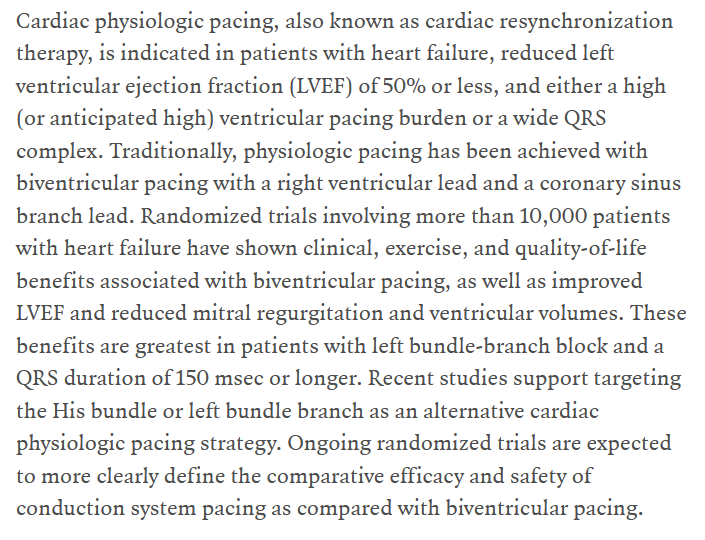
Cardiac physiologic pacing, also known as cardiac resynchronization therapy, is indicated in patients with heart failure, reduced left ventricular ejection fraction (LVEF) of 50% or less, and either a high (or anticipated high) ventricular pacing burden or a wide QRS complex. Traditionally, physiologic pacing has been achieved with biventricular pacing with a right ventricular lead and a coronary sinus branch lead. Randomized trials involving more than 10,000 patients with heart failure have shown clinical, exercise, and quality-of-life benefits associated with biventricular pacing, as well as improved LVEF and reduced mitral regurgitation and ventricular volumes. These benefits are greatest in patients with left bundle-branch block and a QRS duration of 150 msec or longer. Recent studies support targeting the His bundle or left bundle branch as an alternative cardiac physiologic pacing strategy. Ongoing randomized trials are expected to more clearly define the comparative efficacy and safety of conduction system pacing as compared with biventricular pacing. Read the Review Article “Physiologic Pacing in Heart Failure” by @MihailChelu, MD, PhD, Jeanne E. Poole, MD, and Kenneth A. Ellenbogen, MD (@KennethEllenbo1), from the Baylor College of Medicine (@bcmhouston), University of Washington (@UW), and Virginia Commonwealth University School of Medicine: nej.md/4qqjSfI
NEJM tweet media
English
2
114
358
31.3K
Mihail G. Chelu, MD, PhD
Mihail G. Chelu, MD, PhD@MihailChelu·
Spreading the gospel to a wider audience with Drs. Jeanne Poole and Kenneth Ellenbogen @KennethEllenbo1. @PCORI @LeftvsLeft @bcmhouston @bcmcvri
NEJM@NEJM

Cardiac physiologic pacing, also known as cardiac resynchronization therapy, is indicated in patients with heart failure, reduced left ventricular ejection fraction (LVEF) of 50% or less, and either a high (or anticipated high) ventricular pacing burden or a wide QRS complex. Traditionally, physiologic pacing has been achieved with biventricular pacing with a right ventricular lead and a coronary sinus branch lead. Randomized trials involving more than 10,000 patients with heart failure have shown clinical, exercise, and quality-of-life benefits associated with biventricular pacing, as well as improved LVEF and reduced mitral regurgitation and ventricular volumes. These benefits are greatest in patients with left bundle-branch block and a QRS duration of 150 msec or longer. Recent studies support targeting the His bundle or left bundle branch as an alternative cardiac physiologic pacing strategy. Ongoing randomized trials are expected to more clearly define the comparative efficacy and safety of conduction system pacing as compared with biventricular pacing. Read the Review Article “Physiologic Pacing in Heart Failure” by @MihailChelu, MD, PhD, Jeanne E. Poole, MD, and Kenneth A. Ellenbogen, MD (@KennethEllenbo1), from the Baylor College of Medicine (@bcmhouston), University of Washington (@UW), and Virginia Commonwealth University School of Medicine: nej.md/4qqjSfI

English
0
5
13
3K
Mihail G. Chelu, MD, PhD retweetou
Heart Rhythm TV
Heart Rhythm TV@HeartRhythmTV·
Immediately following the #LBCT presentation at #HRS2025, Heart Rhythm TV host @Nashwa_Salem_ sat down with @Hisdoc1 to discuss Left Bundle Branch Area Pacing Compared To Biventricular Pacing in Candidates for Cardiac Resynchronization Therapy (LVEF <50%): Results From International Collaborative LBBAP Study (I-CLAS). See the full interview here ➡️ bit.ly/3GsDn5c
English
0
8
24
2.6K
Mihail G. Chelu, MD, PhD retweetou
Roderick Tung
Roderick Tung@DrRoderickTung·
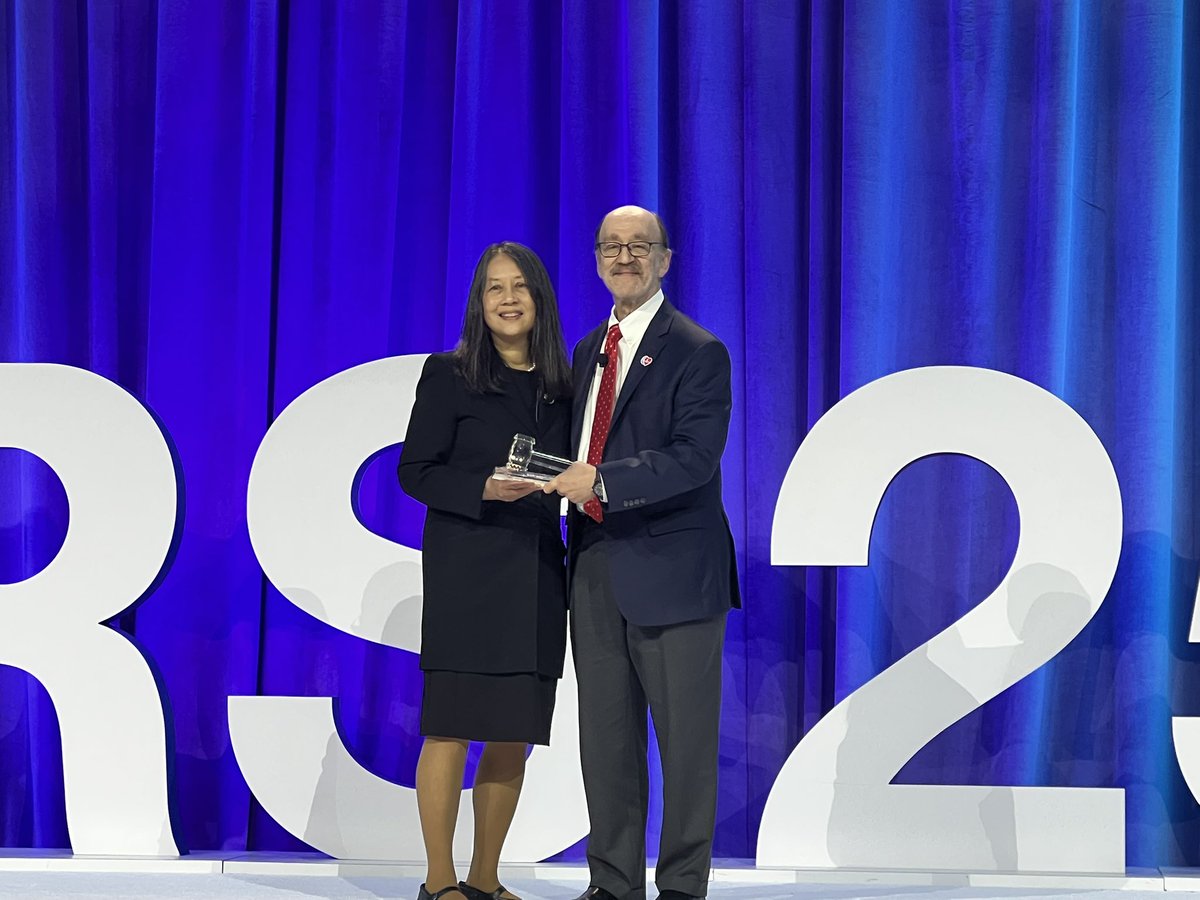
Our new Madam President, Dr. Mina Chung to lead @HRSonline! 🎊 Incredible and tireless leadership from Dr. Ellenbogen, thank you for a great year. 🙏
Roderick Tung tweet media
English
2
22
115
8.4K
Mihail G. Chelu, MD, PhD retweetou
Greg Marcus
Greg Marcus@gregorymmarcus·
Significantly less acute brain emboli among left ventricular catheter ablation patients randomized to a transseptal versus a retrograde aortic approach per our @PCORI-funded #TRAVERSE trial. Thank you to our patients who helped design and implement the study, my generous EP colleagues around the US, and for investigator-initiated, peer-reviewed, government-funded original research. Left Ventricular Entry to Reduce Brain Lesions During Catheter Ablation: A Randomized Trial | Circulation ahajournals.org/doi/10.1161/CI… Site PIs and co-authors I could find still on X: @AlexiosHadjis @MiguelVldrbno @DrRoderickTung @Peteweissmd @HHsiaMD @EhdaieMd @TJaredBunch @B_Naz_MD @BoatNoodleSoup @MihailChelu @JDMossMD @JonHsuMD @ArvindhKana @omwazni @JRWinterfield @DrDave01 @drjohnm @AHAScience @CircAHA @UCSFCardiology @UCSF @jfreeMD @VivekReddyMD @True_EP @DRosenth_ @DrEJKim @narrowQRS @docwhitman @SplitHis @EPShadi @DrRachitaEP @DrJMarine @RFRedberg @leftbundle @EricTopol @Adielias5 @JNoubiap @PrashSanders @peterkistler3 @VPrasadMDMPH @Bob_Wachter @aaas
English
6
42
104
16.4K