Carlo Alberto Artusi

548 posts

Carlo Alberto Artusi banner
Carlo Alberto Artusi

Carlo Alberto Artusi

@ArtusiScience

Neurologist - Neuroscience - Parkinson

Torino, Piemonte Katılım Temmuz 2019
564 Takip Edilen738 Takipçiler
Carlo Alberto Artusi retweetledi

JAMA Network Open
JAMA Network Open@JAMANetworkOpen·
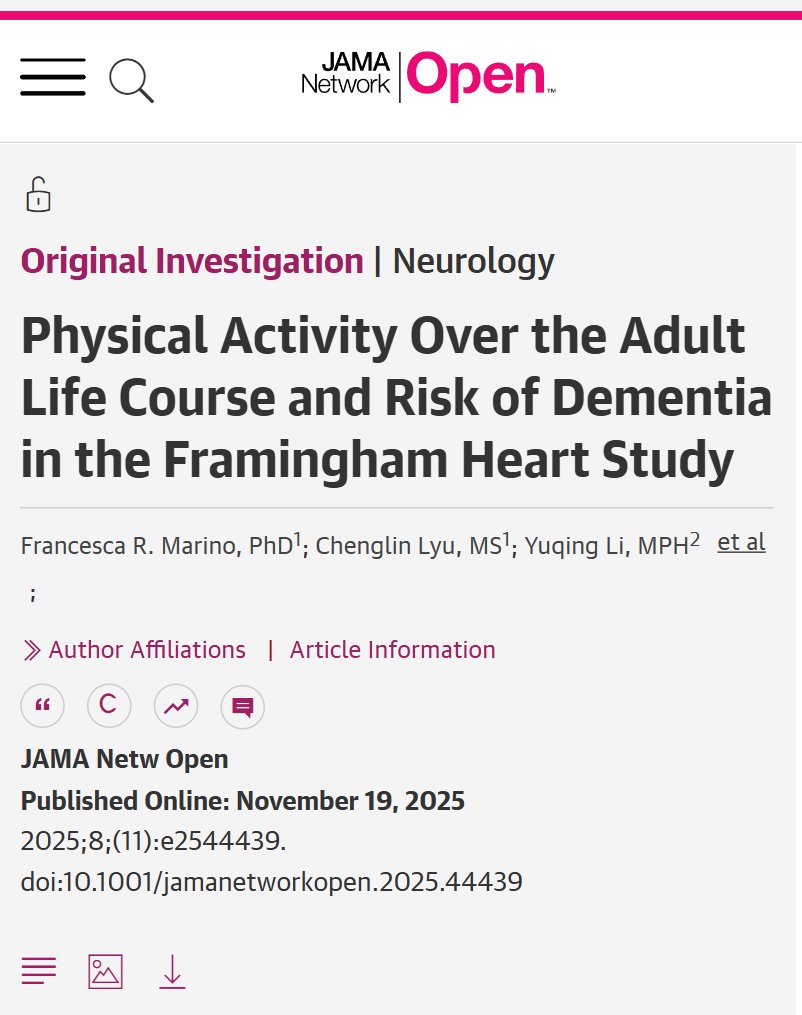
Adults with the highest levels of physical activity at midlife and late life had 41% and 45% lower risk of all-cause #dementia, compared with those with the lowest levels of physical activity. ja.ma/4i732iN
JAMA Network Open tweet media
English
0
5
9
2.2K
Carlo Alberto Artusi retweetledi
JAMA Neurology
JAMA Neurology@JAMANeuro·
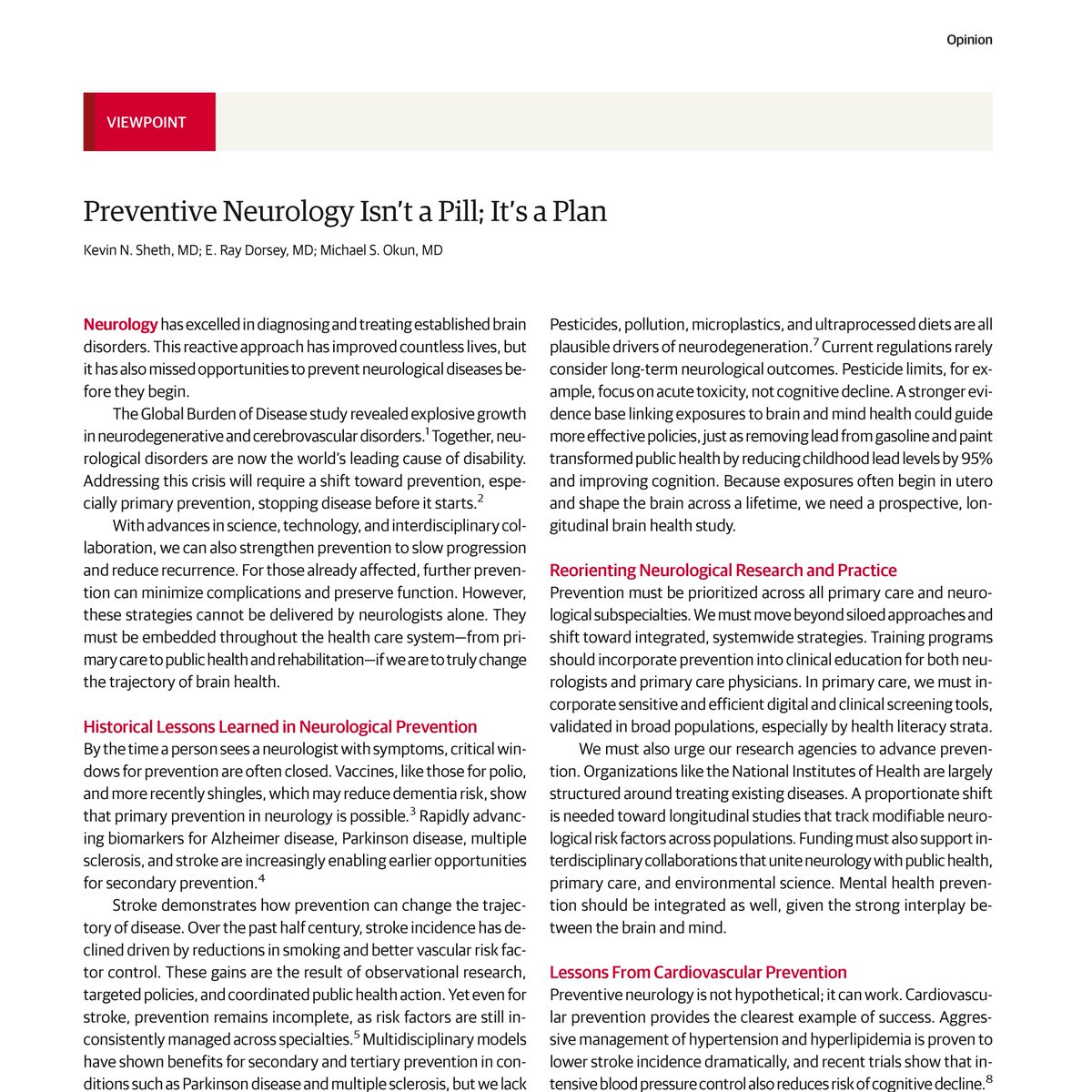
Viewpoint: Routine brain health screening, interdisciplinary teams, and policy reforms addressing neurotoxic exposures may shift neurology toward primary prevention—reducing disease burden across populations. ja.ma/49Ss8Qc
JAMA Neurology tweet media
English
1
23
52
4.3K
Carlo Alberto Artusi retweetledi
Michael Okun
Michael Okun@MichaelOkun·
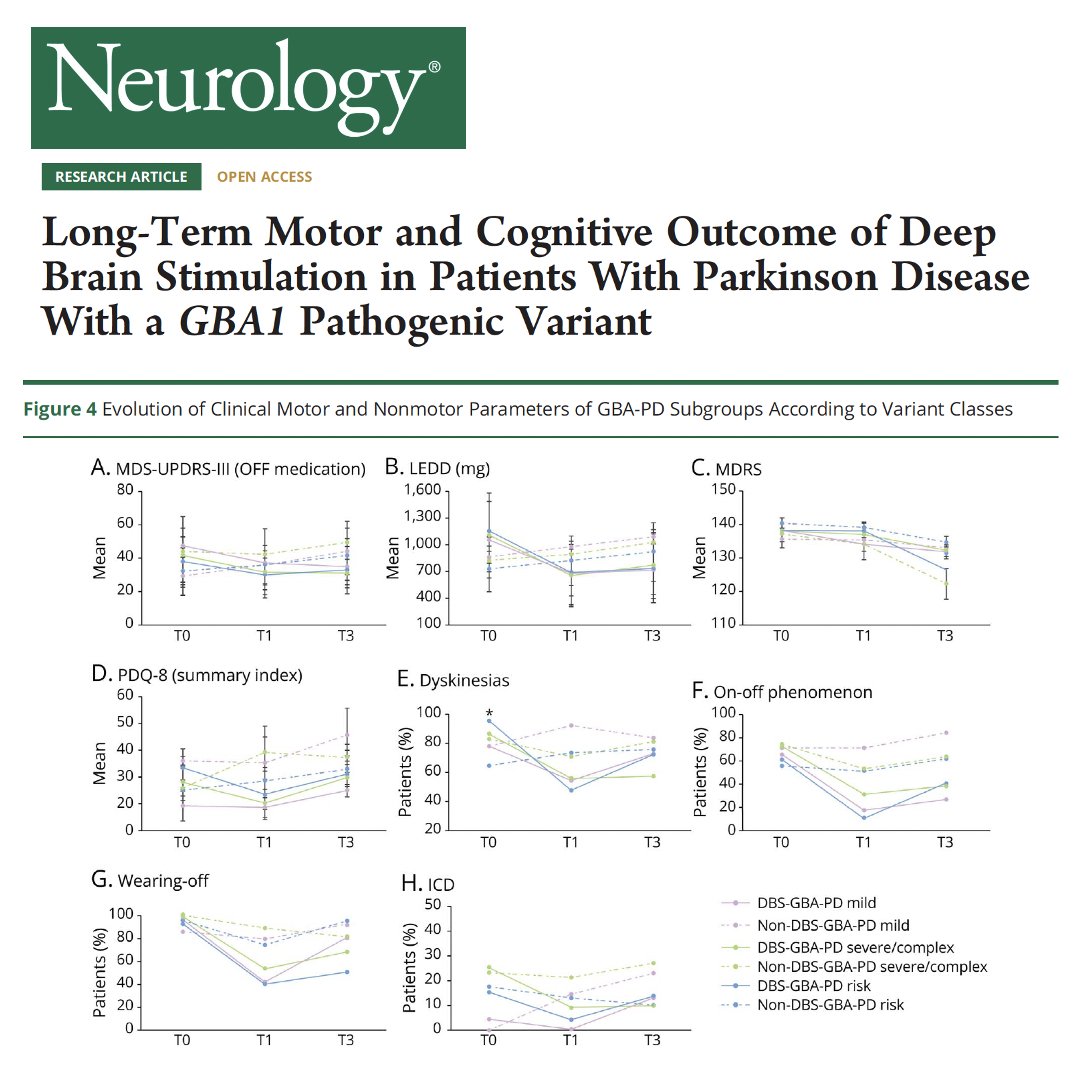
GBA1 mutations and DBS: Folks, there’s more to the story. GBA1 refers to a gene that makes a product to help cells break down certain fats. Mutations in GBA1 are the most common genetic risk factor for Parkinson’s and can influence both motor and cognitive outcomes. Avenali and colleagues describe in a new paper in Neurology that folks carrying GBA1 variants can still benefit from deep brain stimulation w/o an additional cognitive penalty. The study, part of the Italian PARKNET project, followed more than 600 individuals across 14 centers to explore how genetics intersected w/ long-term DBS outcomes. Key Points: - DBS provided strong and sustained motor improvements in Parkinson’s regardless of GBA1 mutation status. - Cognitive decline in GBA1-associated Parkinson’s was driven by the genetic variant itself, not by DBS surgery. - Quality of life improved after DBS and remained stable over time, while non-operated GBA1 carriers experienced worsening function and higher medication needs. My take: This paper nicely outlines how we should not jump to the conclusion that someone 'should not' receive DBS surgery solely because of their gene status. Jim Beck from Parkinson's Foundation led a great discussion on this topic at the DBS Think Tank . Here are 5 points that resonated w/ me about this new paper: 1- Having a GBA1 mutation does not mean you cannot have DBS surgery. 2- DBS improves movement can reduce medication burden even in folks carrying GBA1 variants. 3- Cognitive decline occurs in GBA1-associated Parkinson’s, however, it progresses at a similar rate whether or not surgery is performed. 4- Quality of life tends to be better and more stable after DBS when compared w/ those who decline or defer surgery. 5- Health care providers should continue to personalize care and consider DBS as part of the treatment plan for eligible GBA1-positive individuals, especially those experiencing motor fluctuations or medication related side effects. neurology.org/doi/10.1212/WN… #parkinson @ParkinsonDotOrg @FixelInstitute @movedisorder @PdAvengers @SfNtweets @MichaelJFoxOrg @DBSThinkTank
Michael Okun tweet media
English
2
13
53
3.8K
Carlo Alberto Artusi
Carlo Alberto Artusi@ArtusiScience·
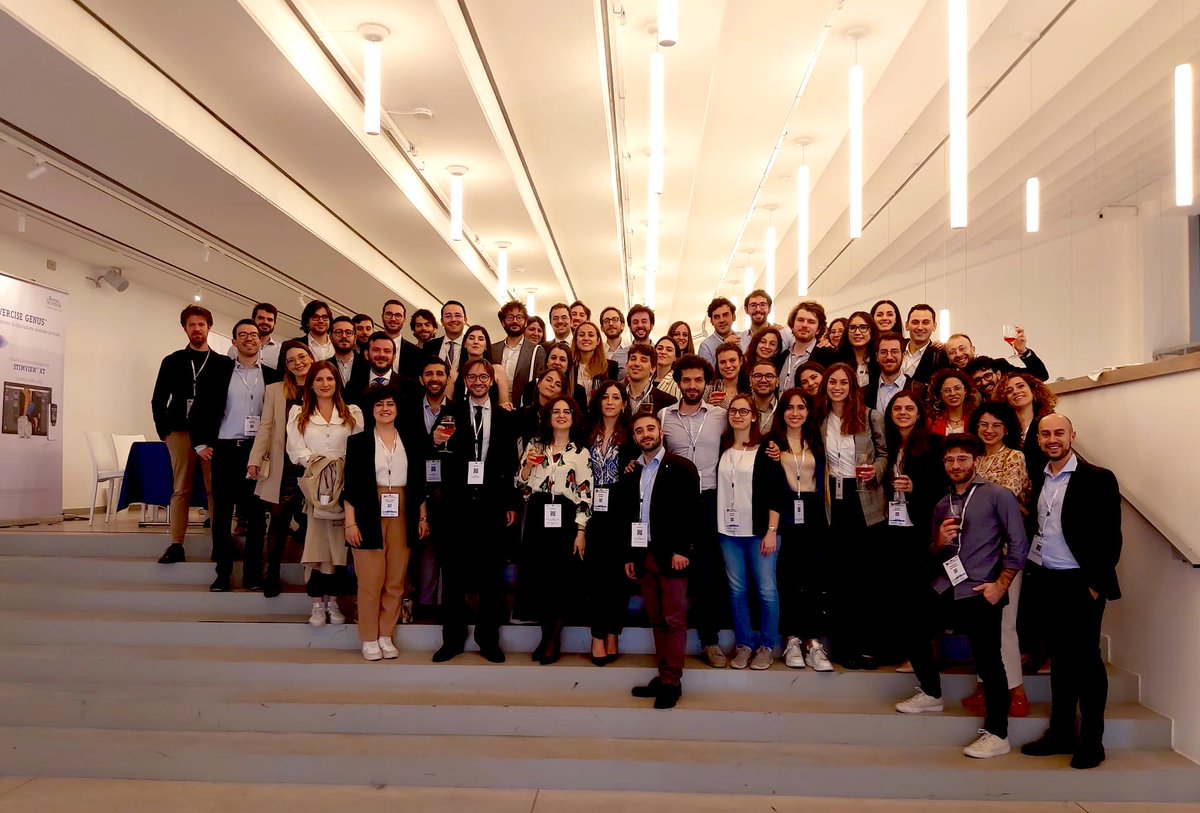
Meeting legends at FNDS Congress in Verona
Carlo Alberto Artusi tweet media
English
1
2
26
1.3K
Carlo Alberto Artusi retweetledi
Michael Okun
Michael Okun@MichaelOkun·
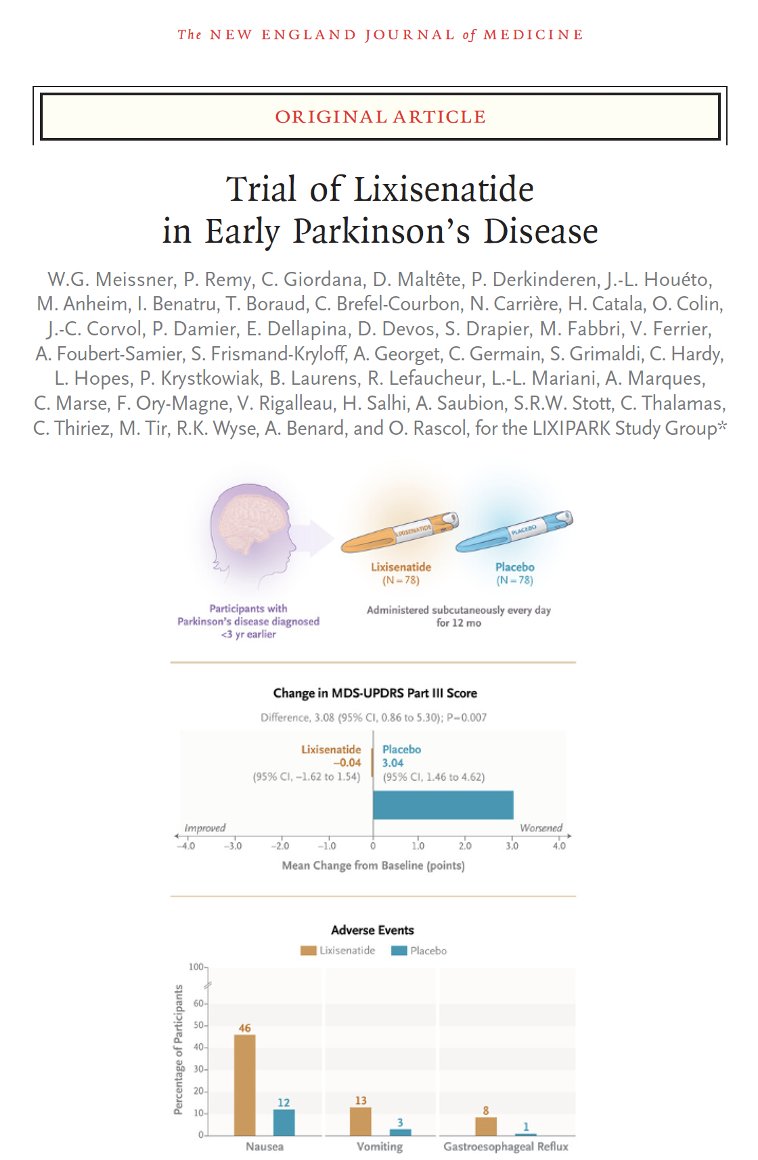
Big news with positive result announced for a randomized study of a GLP-1 agonist for Parkinson's just released @NEJM. A new era for Parkinson's or alternatively, more questions than answers raised by Meissner and colleagues. Key Points: - This multi-center French trial studied Lixisenatide which is a glucagon-like peptide-1 receptor agonist used for in diabetes. - The trial was a phase 2 double-blind randomized and placebo-controlled. - The authors wanted to know whether this drug would affect the progression of motor disability. - Who did they study? Parkinson's treated and with symptoms less than 3 years. - If you enrolled, you received daily subcutaneous lixisenatide or a placebo. - The primary outcome was a change in the motor PD scale called the MDS UPDRS when on dopamine medication after one year. - There were 78 people in each group. - The motor scores slightly improved in lixisenatide and worsened by 3 points in the placebo group. - There was a very short 2 month washout period where those getting the active drug stopped it and the benefit persisted. - Nausea was the most common side effect and occurred in about 1/2. My take: We have continued our multiple year love affair with various diabetes drugs and their potential links to Parkinson's disease, however the current study results are the most promising. Interpret with caution: there is a number called the 'clinically meaningful threshold' and those reading this study should appreciate that the results 'fell short' of this important metric. There will certainly be many arguments among experts as to whether this study met a minimum threshold for neuroprotection, and my personal opinion is that it did not. Here is an important message: In my view do not rush to prescribe this drug or try to creatively acquire it. We have been down this road many times including leukemia drugs, cough syrups and lithium. The data is not yet there to proceed to prescribing. More importantly, the weight loss associated with GLP-1’s is not desirable in the majority of cases of Parkinson’s disease and the nausea and vomiting will not be a welcome symptom. We must ask the important questions as to why the non-motor outcomes did not change, and why the other GLP-1 studies have been negative? Is there a blind spot here we are missing? Please appreciate this was trialed in only very early Parkinson's disease and thus there may be 'generalizablility' concerns. I do not want to diminish a great paper with a randomized design and encouraging data, however let's not rush to the drug store counter. Perhaps we should consider ad augusta per angusta – to glory through narrow spaces by continuing to follow the data with diabetes drugs and see where it leads and what it teaches us. nejm.org/doi/full/10.10… #Parkinsons #OZEMPIC #diabetes #GLP1
Michael Okun tweet media
English
17
194
598
76.2K
Carlo Alberto Artusi
Carlo Alberto Artusi@ArtusiScience·
The final part of the post is the most important! Very well-said and wise comment on the differences about what we (little) know 'at a group' level and what we can learn by single cases and long-term experience. Still, it is important keep pushing the research on surgicogenomics
Michael Okun@MichaelOkun

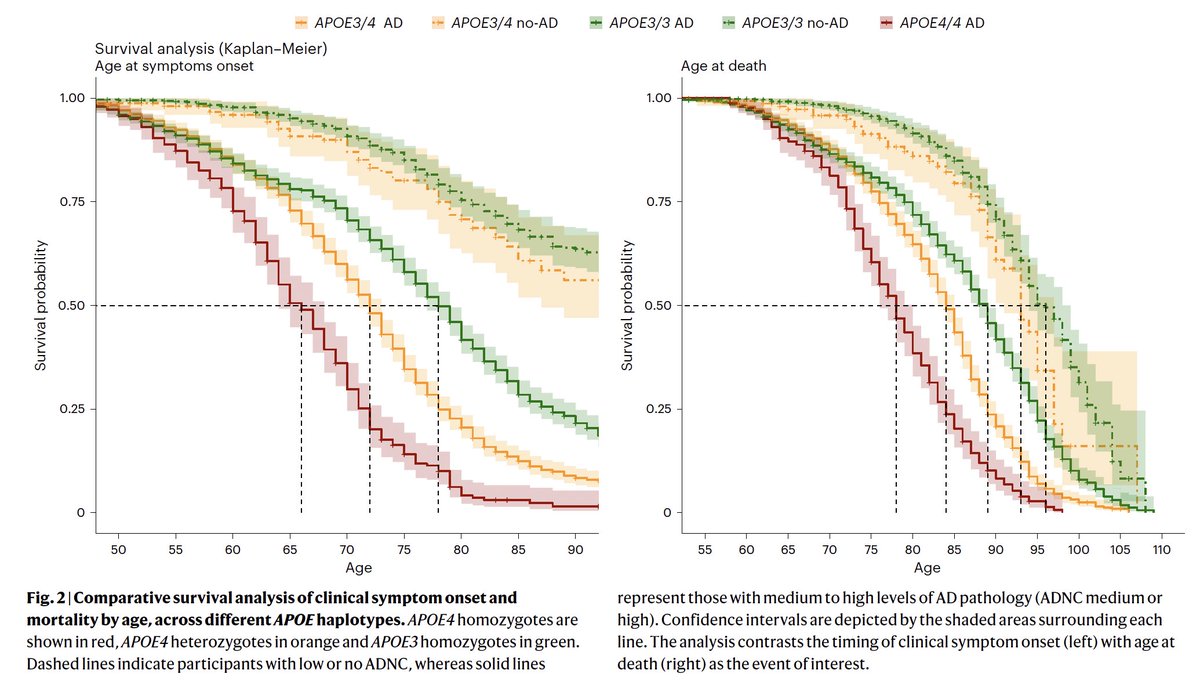
How will DBS go if you have a genetic form of Parkinson's disease? Great new study on the motor and non-motor DBS outcomes using a multi-scale meta-analysis by Asimakidou and colleagues @MDCP_Journal. Key points: - The authors point out we have high-throughput sequencing techniques so why not genetically stratify Parkinson's folks? - They opine this could be added to selection procedures, levodopa challenge testing and may even predict outcome. - They looked at 380 genetic PD cases. - Their conclusion was that genetic PD were as a group 'good candidates.' - Outcomes may differ by mutation. - PRKN benefited most by motor function, daily dose medication and motor complications. - GBA carriers 'appeared' to be 'more prone to cognitive decline after subthalamic nucleus DBS.' - Possible cognitive worsening in SNCA carriers. - Across the board pre-operative levodopa responsiveness and a younger age of onset had better outcomes, which we already knew. My take: Dr. Foote and I are now into our 3rd decade of performing DBS and guess what? We did not always have genetics and most of the time we operated without this information. Over time, we learned that the multidisciplinary evaluation and the careful examination for Parkinson's disease is adequate to make DBS decisions even without genetics. We also learned that folks with GBA mutations can do very well with DBS and that we should be careful not to mix 'general information at a cohort level' with individual level data. Bottom line: If you have a gene underpinning your Parkinson's disease you will likely do well with DBS, however this does not obviate the need for a multi-disciplinary evaluation. So, please take the genetics in DBS candidates with cum grano salis, with a grain of salt, and if you decide to use the information, pair it with other factors such as where a person may be in the progression of their disease. …mentdisorders.onlinelibrary.wiley.com/doi/10.1002/md… #Parkinsons #Genetics #geneticcounseling

English
0
0
3
275
Carlo Alberto Artusi retweetledi
IAPRD
IAPRD@PRDAssociation·
PRD Editor Dr. Hubert Fernandez pays tribute to the 45 individuals in the PRD 100 Club: prd-journal.com/article/S1353-…. A heartfelt thanks to these 45 experts who have reviewed more than 100 or more papers for Parkinsonism and Related Disorders! #PRDjournal
IAPRD tweet media
English
0
3
7
651
Carlo Alberto Artusi retweetledi
Zach London
Zach London@zach_london·
Saw another patient with sensory neuronopathy who had been misdiagnosed with functional neurological disorder. What is sensory neuronopathy, and why do we keep missing it? A #tweetorial. 1/
Zach London tweet media
English
29
145
613
236.1K
Carlo Alberto Artusi
Carlo Alberto Artusi@ArtusiScience·
BoNT can be of help in maintaining posture stability over time. Most patients opted to continue BoNT treatment >12 months. doi: 10.3390/toxins15090566. @MDPIOpenAccess
Carlo Alberto Artusi tweet media
English
0
0
12
493
Carlo Alberto Artusi retweetledi
Movement Disorders Journal
Movement Disorders Journal@MDJ_Journal·
One week of cerebellar transcranial direct current stimulation (ctDCS) in a randomized single-blind, sham-controlled crossover trial of Friedreich's Ataxia (n=24) led to improved SARA scores and fMRI findings confirming target engagement. loom.ly/LXBXBfQ
English
1
1
6
794
Carlo Alberto Artusi retweetledi
Adam Rodman
Adam Rodman@AdamRodmanMD·
Can GPT-4 solve really hard medical cases and come up with a good list of differential diagnoses? @zahirkanjee @byrondcrowe and my study is out in @JAMA_current , and the short answer is, “Yes.” But what does this all mean? 🧵⬇️ twitter.com/JAMA_current/s…
JAMA@JAMA_current

In this study, a generative artificial intelligence (AI) model provided the correct diagnosis in its differential in 64% of challenging cases and as its top diagnosis in 39%. ja.ma/3X5M6i9
English
17
72
228
196.9K