Atoms Not Bits@AtomsNotBits
𝗘𝗫𝗖𝗟𝗨𝗦𝗜𝗩𝗘: America Makes Its Chemicals on One Coastline. YC bets this startup can do it at every farm, wastewater plant, and landfill.
The American chemical supply chain is a national security priority. 95% of manufactured American goods are derived from chemicals. A primary building block of that supply chain is petrochemicals, of which the Gulf Coast produces 80%. The region also holds nearly all of the nation's ethylene capacity, another core input.
Large-scale, CapEx-heavy facilities dominate the space. When Winter Storm Uri hit, it cut Texas olefin production by 80% and disrupted Gulf Coast chemical manufacturing for months. Winter Storm Fern did it again this January, driving Northeast natural gas to some of the highest daily spot prices ever recorded in the region. These facilities are heavily reliant on fossil-fuel inputs, with price fluctuations driven by global conflict.
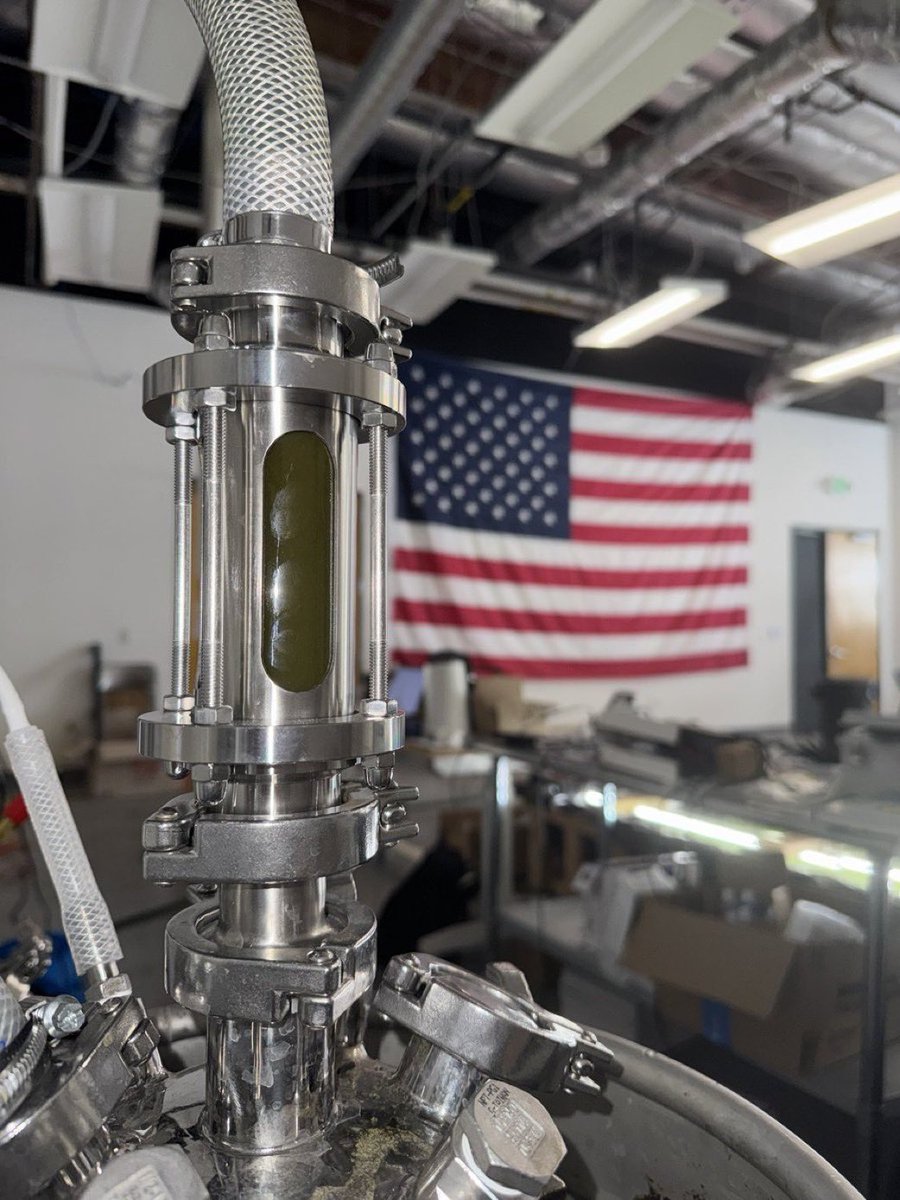
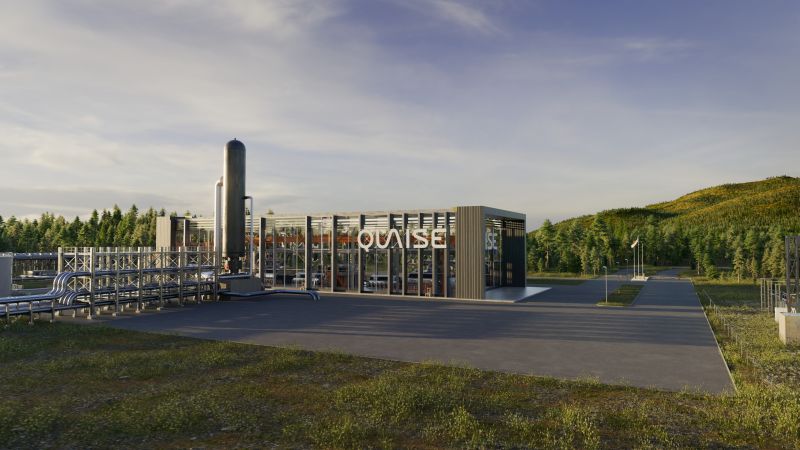
@risereforming is looking to shift that model. The startup, launching out of @ycombinator today, is developing modular, on-site chemical plants that capture stranded energy.
Biogas exists en masse across farms, landfills, and wastewater treatment plants because all three decompose organic waste without oxygen. Bacteria break it down and release methane. None of these sites were designed to make gas, it is simply an end product of decomposition. Currently, 60% of American biogas is stranded. Existing pipeline and trucking infrastructure is either not built for this gas or entirely unfeasible for moving it. Much of it is flared. The rest runs combined heat and power units that are expensive to maintain, half of which are decommissioned within six years.
So Rise Reforming is bringing the plant to the gas. The company signs supply agreements with biogas producers, then drops a chemical plant that fits inside a standardized shipping container directly on site. The output is low-carbon chemicals sold into industrial end markets: aerosol propellants (the beachhead), propane blending, refrigerants, marine fuel, chemical feedstock, and industrial solvents. Rise has already secured a large-scale DME offtake agreement with a major U.S. customer, plus multiple other end-market agreements across propane and marine-grade methanol.
Co-location collapses the supply chain. "Co-location allows us to skip middle men," said CTO Lucas Zubillaga. "We turn the raw material into the final product." Because each module bolts onto a facility that already exists rather than breaking ground on a greenfield site, permitting is streamlined and deployment drops from years to weeks.
The team delivered its first unit to a wastewater treatment plant on July 2nd, where it will become the first wastewater biogas-to-methanol plant in America. The operator flares the vast majority of its biogas today. A binding supply agreement locks that feedstock in for Rise.
Rise Reforming buys its feedstock site by site, not off an exchange. Every incumbent runs on natural gas, priced by a market they do not control. Uri and Fern spiked those input costs and the price of chemicals with them. "Biogas is not traded as a commodity, unlike natural gas," said Zubillaga. "Biogas price is completely insulated from any external events, as it is negotiated on a site-by-site basis."
Rise is based in Chicago, the city that built the American commodity exchange. Its feedstock cannot be listed on one.