Labicons.net

165 posts

Labicons.net

Labicons.net

@Labicons_net

Transforming science into visuals 🧪🎨 Free editable icons to boost your slides & papers. Explore at 👉 https://t.co/rIYl2URuVu

scientists worldwide Katılım Şubat 2024
456 Takip Edilen49 Takipçiler
Tsinghua University
Tsinghua University@Tsinghua_Uni·
Pacemakers can run out of battery?🔋 The Innovative Tsinghua team @sygcxy led by Prof. Li Zhou and collaborators is tackling this challenge @Nature by harnessing the body’s own energy to keep bioelectronic devices running maintenance-free for life.
Tsinghua University tweet media
English
4
9
22
1.5K
NASA Goddard
NASA Goddard@NASAGoddard·
If Pi Day's got you hungry for more than just math, grab a slice of Sun Pie! This view of the Sun shows how monitoring different wavelengths of light allows us to peek underneath the "crust" and see changes like solar flares to better understand how they develop and change.
GIF
English
15
155
644
29.1K
Labicons.net
Labicons.net@Labicons_net·
@DrCatharineY Yes—science capacity is not preserved by inertia; it has to be funded, protected, and renewed.
English
0
0
0
29
Dr. Catharine Young
Dr. Catharine Young@DrCatharineY·
While the U.S. scientific pipeline is collapsing - China is increasing science funding and doubling down on research, talent, and national labs. An urgent reminder that remaining a global science and technology powerhouse requires sustained investment.
Dr. Catharine Young tweet media
English
36
287
568
17.5K
Labicons.net
Labicons.net@Labicons_net·
@PatrickHwuMD @Nature Fascinating study—aging appears not only to shape tumor behavior, but also to create new metabolic vulnerabilities.
English
0
0
0
16
Dr. Patrick Hwu
Dr. Patrick Hwu@PatrickHwuMD·
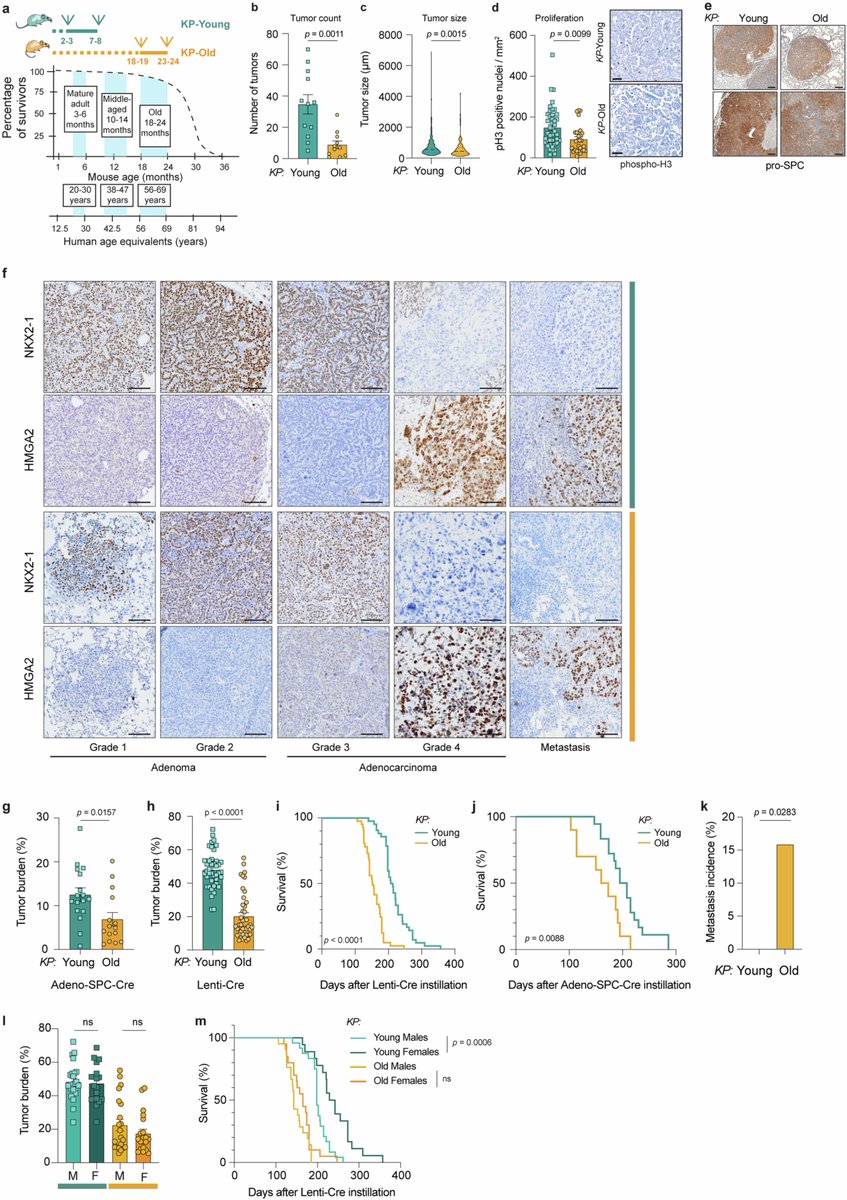
#ScienceSaturday ❓ Does aging itself increase the chances that a cancer will spread? ➡️ A new study in @Nature shows that aging can actually reprogram lung cancer cells. While tumors may grow more slowly, aging activates a stress pathway called ISR–ATF4 that helps cancer cells adapt, survive stress and spread to other organs. ➡️ This same pathway rewires tumor metabolism, making metastatic cancer cells more dependent on glutamine for fuel and creating a potential therapeutic vulnerability. 🌟 These findings highlight how biological aging itself can shape cancer evolution and point to new strategies to target metastasis, especially in older patients with lung cancer. @sayinlab @goteborgsuni @uniofgothenburg @SahlgrenskaAcad @OlofssonBagge #LungCancer #LungCancerResearch #CancerResearch #CancerImmunology
Dr. Patrick Hwu tweet media
English
4
28
71
6.8K
Robert Y. Chen
Robert Y. Chen@therealRYC·
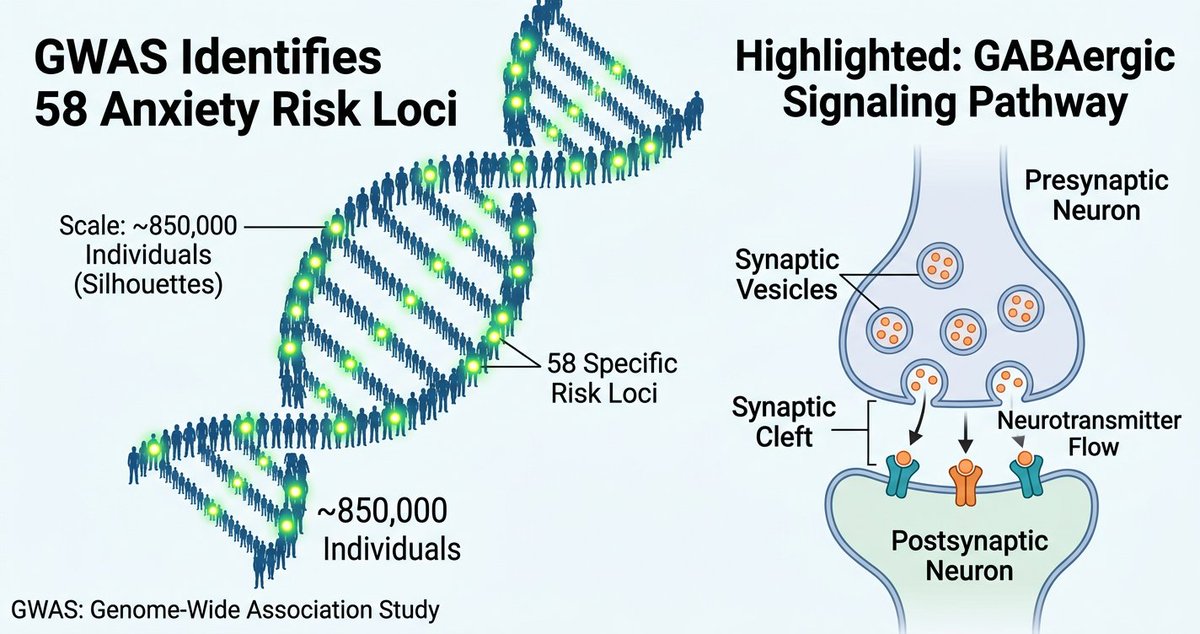
🚨 The largest anxiety GWAS to date JUST dropped Over 850,000 genomes It found 58 risk loci and strongly points to GABAergic signaling as a core driver... ...the same neurons targeted by benzodiazepines. We finally have a robust genetic map for anxiety 🧵
Robert Y. Chen tweet media
English
9
92
340
27K
Ruslan Rust
Ruslan Rust@rust_ruslan·
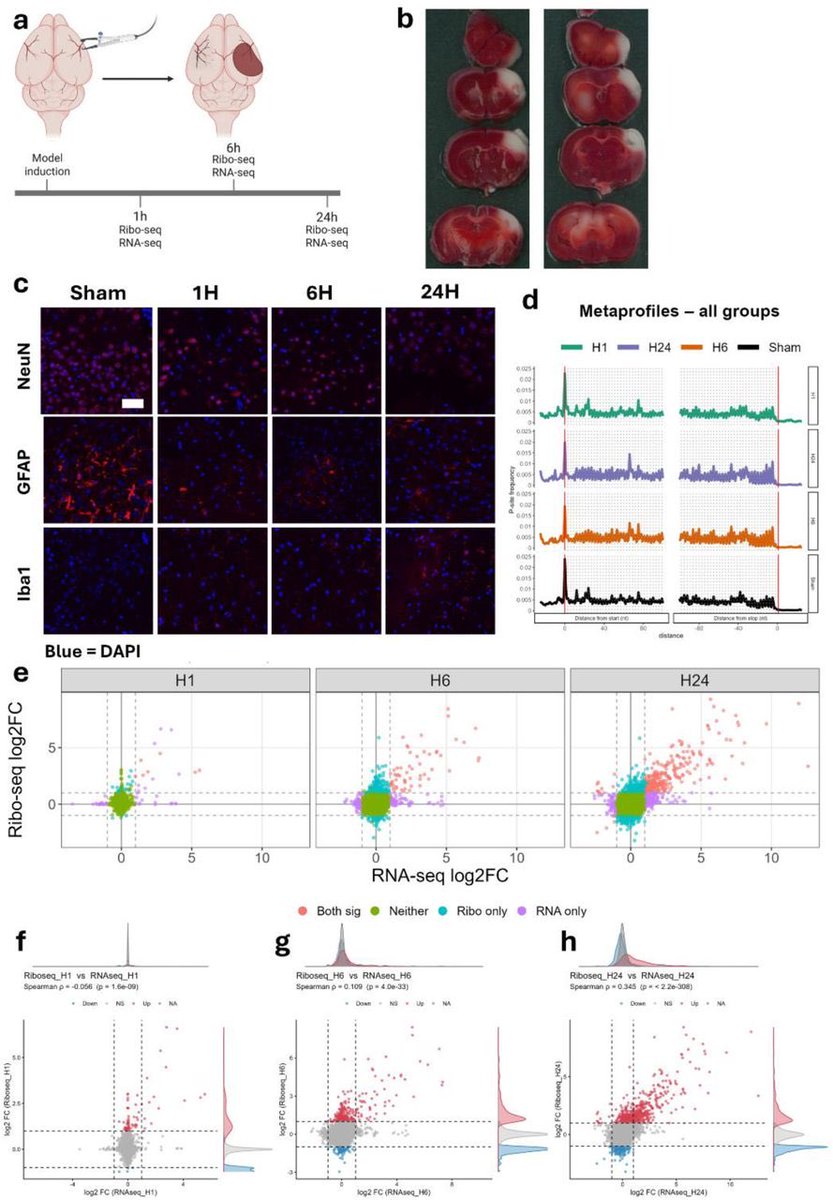
New preprint showing that stroke triggers protein synthesis rewiring through stop codon readthrough and frameshifting. Ribosome profiling reveals how translational stress evolves during acute brain injury. biorxiv.org/content/10.110…
Ruslan Rust tweet media
English
1
7
33
2K
Enséñame de Ciencia
Enséñame de Ciencia@EnsedeCiencia·
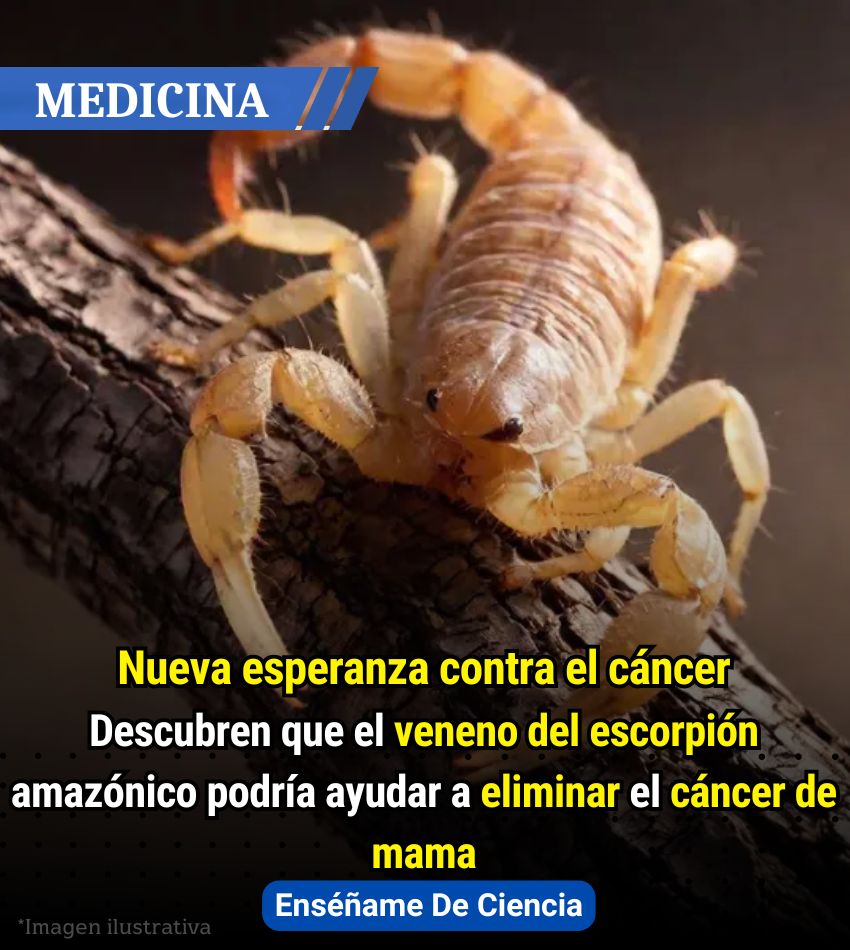
🔴La molécula que se identificó en este escorpión se denomina BamazScplp1, descubrieron que su acción es parecida a la de las quimioterapias. Actúa induciendo necrosis en las células del cáncer de mama. Esto provoca que se rompan y eliminen.
Enséñame de Ciencia tweet media
Español
13
904
2.5K
29.8K
Labicons.net
Labicons.net@Labicons_net·
@sciencegirl Incredible to see microrobots assisting sperm motility with this level of precision.
English
0
0
0
114
Science girl
Science girl@sciencegirl·
A nanobot helping a sperm with motility issues along towards an egg. These metal helixes are so small they can completely wrap around the tail of a single sperm and assist it along its journey
English
168
86
752
181.1K
Samir Amin
Samir Amin@SBAmin·
😱 RNA-based inheritance across generations. "We find that ingestion of double-stranded RNA induces sequence-specific silencing that persists for months and survives repeated cycles of whole-body regeneration. Even more strikingly, RNAi can be transferred between animals..."
Oded Rechavi@OdedRechavi

A new mechanism for “RNA memory”! 😱 Thrilled to share another crazy paper from the lab (can’t believe we posted 2 in 2 days!), summarizing >10 years of research: Work on transgenerational inheritance of small RNAs in the powerful model organism C. elegans changed how we think about what’s possible in inheritance and evolution, because it allows the most heretical thing: inheritance of parental responses to the environment! However, it’s still unclear whether RNAs are inherited across generations in other animals, largely because the RNA-dependent RNA polymerases that amplify heritable small RNAs and prevent their dilution in C. elegans are not conserved in mammals. In this new work, an amazing collaboration with the Rink and Wurtzel labs, we show that planarians establish long-lasting and heritable small RNA–based gene regulatory states despite lacking canonical RNA-dependent RNA polymerases and nuclear RNAi machinery (that are required in C. elegans). You might say “they are both worms…” BUT planarians are evolutionarily very distant from C. elegans (flatworms vs. roundworms, diverged more than 500 million years ago), making this particularly surprising. These are totally different animals. We find that ingestion of double-stranded RNA induces sequence-specific silencing that persists for months and survives repeated cycles of whole-body regeneration. Even more strikingly, RNAi can be transferred between animals, echoing James V. McConnell’s controversial “RNA memory” experiments from the 1970s (his lab was targeted by the Unabomber terrorist Ted Kaczynski, who sent McConnell a bomb. This and other controversies ended this line of experiments…) Mechanistically, we find that the response transitions from a transient systemic dsRNA-triggered phase to a stable, cell-autonomous post-transcriptional “memory phase” maintained by antisense small RNAs. Using a new luminescence reporter (transgenesis is currently impossible in planarians), we show that silencing spreads along the targeted gene and identify a weird type of planarian small RNAs with untemplated polyA tails. RNAi inheritance without canonical RdRPs establishes planarians as a powerful system for studying RNA-based regulatory inheritance beyond C. elegans and raises the possibility that RNA-mediated inheritance may be more broadly conserved in animals, potentially even in mammals. Here’s a video of a planarian that is treated by RNAi against β-catenin and develops multiple heads instead of just one. This is one of the phenotypes that is inherited. Another phenotype is “loss of eyes” (which we show is not only inherited across multiple regeneration cycles, but can also be transmitted between animals in transplantation experiments). Amazing work led by first authors Prakash Cherian and Idit Aviram (co-supervised by Omri and me). Please read the preprint, the link is in the next tweet, and share!

English
1
10
68
16.5K
Curiosity
Curiosity@CuriosityonX·
'Somewhere, something incredible is waiting to be known' — Carl Sagan
English
83
519
3.1K
89.2K
CDD press
CDD press@cddpress·
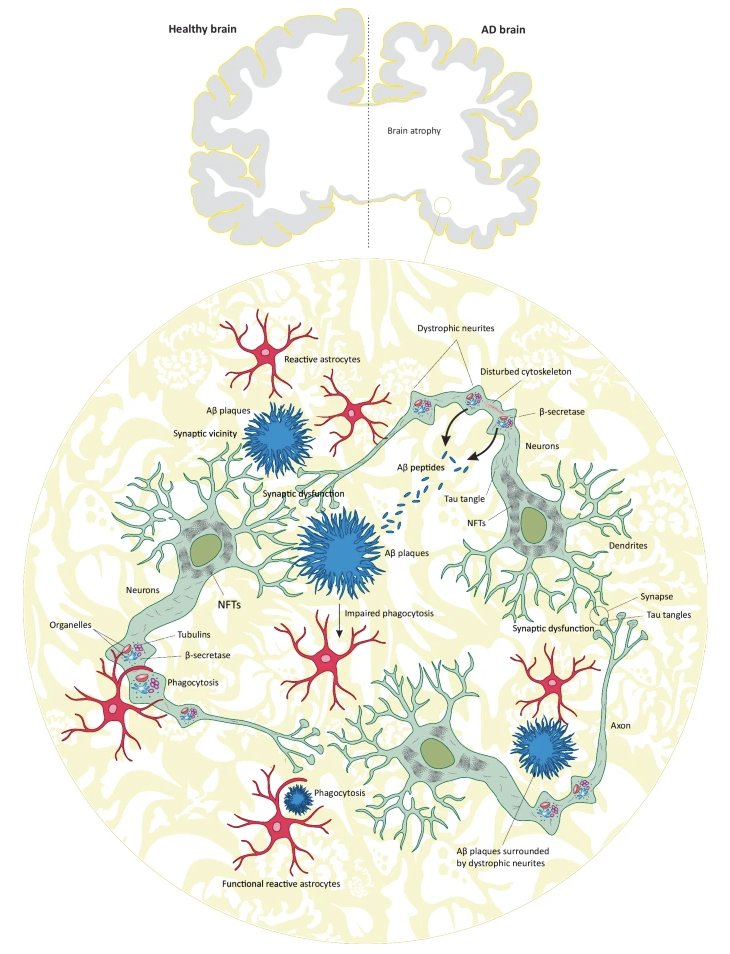
“Amyloid-β and Tau in Alzheimer’s disease: pathogenesis, mechanisms, and interplay” Find this timely review by Dr Domenico Praticò et al. here: nature.com/articles/s4141…
CDD press tweet media
Română
1
3
3
597
Labicons.net
Labicons.net@Labicons_net·
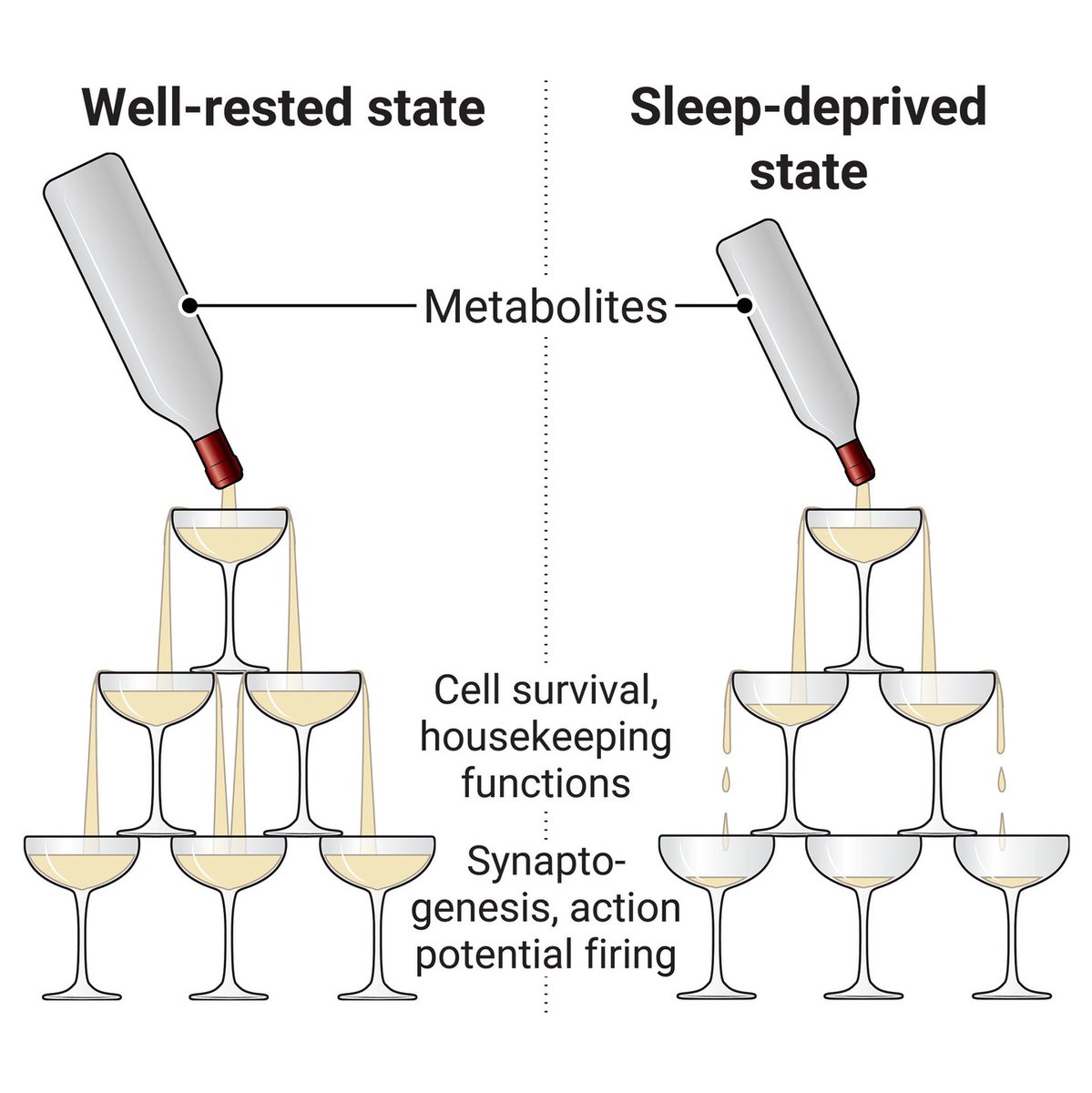
@ScienceMagazine @scisignal Excellent insight into how sleep deprivation may reallocate neuronal energy away from cognition and toward basic survival.
English
0
0
0
82
Science Magazine
Science Magazine@ScienceMagazine·
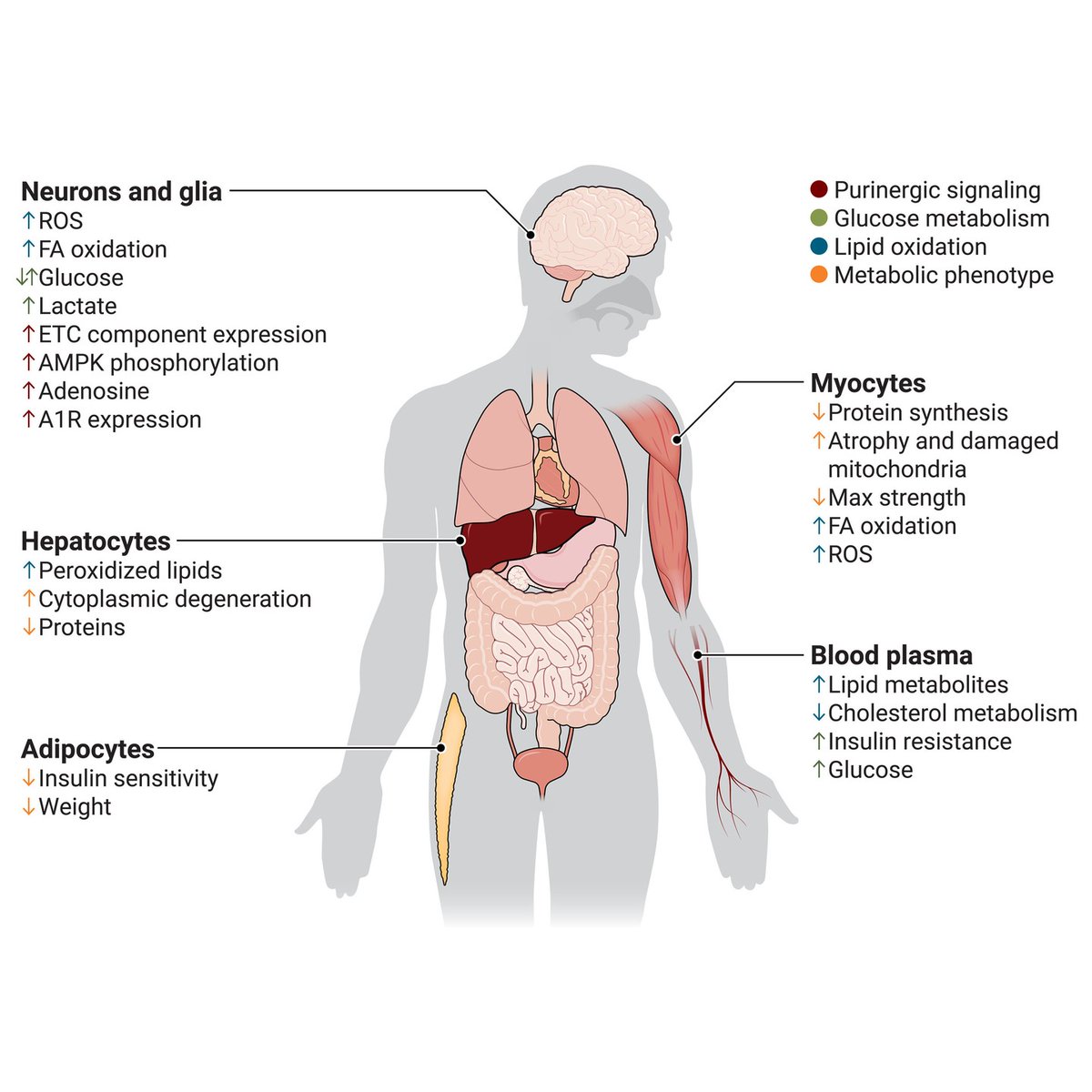
In a 2025 @SciSignal Review, researchers discussed an emerging body of research on the metabolic effects of sleep loss, which disrupts the natural balance of energy within neurons. ⁠ ⁠ The authors highlighted how the loss of sleep forces neurons to shunt resources to cell survival pathways, at the expense of more long-term, energy-demanding processes such as cognition and memory formation.⁠ ⁠ Learn more on #WorldSleepDay: scim.ag/42opuwh
Science Magazine tweet mediaScience Magazine tweet media
English
2
79
254
29.4K
Hao Yin
Hao Yin@HaoYin20·
Optical clearing & time-lapse fluorescent imaging of Live mouse Brain (up to 800 μm of depth)🤯 SeeDB-Live is finally in peer-reviewed print (1.5 yr from Preprint)🥸 An acute olfactory bulb slice(P11) loaded with GCaMP6f (Ca2+ sensor) was imaged with #2PM at a depth of 150 μm during clearing with SeeDB-Live👹 @Shigenori774 @TakeshiImaiLab @naturemethods 2026 nature.com/articles/s4159…
GIF
English
7
70
295
28.3K
Neural Cell News
Neural Cell News@NeuralCell·
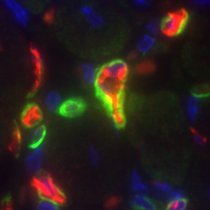
Researchers observed a marked decline in the number of oligodendrocyte progenitor cells during aging, notably within the subpopulation highly expressing Acss2, which encodes acetyl-CoA synthetase 2. 📘 @NatureAging 🔗 go.nature.com/4b3DvDJ
Neural Cell News tweet media
English
1
1
1
181