Michel Gahakanyi
229 posts


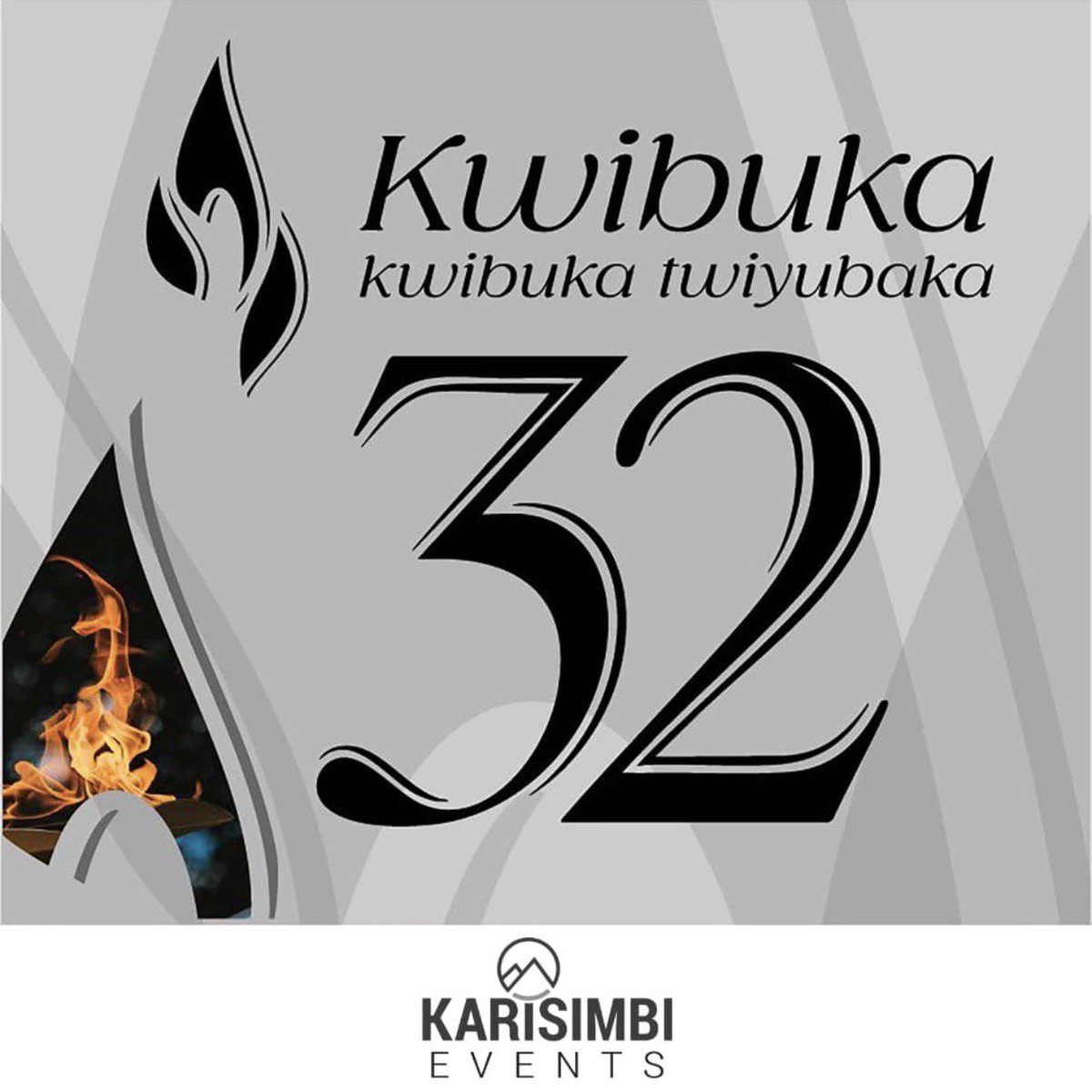
As the Republic of Rwanda and all world commemorates the 32nd anniversary of the Genocide against the Tutsi, the same dangerous ideology continues to spread in the region. The genocide against the Tutsi remains one of the darkest chapters in modern history, where over one million lives were lost in just 100 days. During this commemoration, we are reminded that the government of Juvénal Habyarimana had a plan to exterminate all Tutsi in Rwanda, with intentions that extended beyond its borders to target Tutsi across the region. Today, this same ideology still persists, driven by different actors. It is now associated with the government of Évariste Ndayishimiye and the regime of Félix Tshisekedi. All genocidal plans share common elements: they are fueled by ethnic hatred, propaganda, political instability, and division. In eastern Democratic Republic of the Congo, there are growing concerns about the continued presence and mobilization of extremist groups, including the FDLR, as well as other militias such as Imbonerakure and Wazalendo. These groups are seen as contributing to ongoing violence and instability in the Great Lakes region. I want to say to all those who still hold onto such destructive ideologies: you will not succeed. Any government or group that plans to destroy humanity ultimately fails. We are living in a modern era that calls for a focus on technology, innovation, and sustainable development. It is time to move forward and work toward shared progress and the goals of a better future for all. @UN @ORuhumuriza @rbarwanda @KwibukaRwanda @hrw @USAmbUN @SecRubio @onduhungirehe


Call on President Paul Kagame to Extend Defensive Measures to Protect the Banyamulenge and Tutsi in the Democratic Republic of the Congo Before Atrocities or Genocide Occur. Your Excellency President Paul Kagame, You have set an example for the African continent by leading the rebuilding of Rwanda after one of the darkest periods in human history. In 1994, under your leadership of the Rwandan Patriotic Front (RPF), the Rwandan Genocide was brought to an end, after more than 800,000 people were killed in just 100 days. Since then, you have led a remarkable recovery, transforming Rwanda into a model of resilience and development for many nations across Africa. Today, we respectfully urge you to pay close attention to the warning signs of a growing risk of genocide against the Banyamulenge in Minembwe. The principle of “Never Again,” rooted in the lessons of the Rwandan Genocide, calls for early action when such signs emerge. The situation in Minembwe is rapidly escalating. There are serious concerns about targeted violence, including the killing of civilians—children, women, and the elderly. Reports from the ground also indicate the widespread destruction of livelihoods through the killing of cattle, the cutting of crops such as corn and beans, and the burning of farms, leaving communities without food or means of survival. These patterns raise deep fears of collective punishment and possible extermination. We have called upon international actors, including the United States of America, the United Nations, and human rights organizations, to take action. Many Banyamulenge have fled violence based on their identity, yet they feel abandoned and unheard. The question remains: who will respond to their cry and ensure their protection? Minembwe and surrounding areas continue to face attacks involving heavy weaponry and reported drone strikes carried out by forces linked to the Democratic Republic of the Congo and Burundi governments, as well as their allied groups such as FDLR and Wazalendo, contributing to loss of life and widespread fear. At the same time, hunger and starvation are worsening as access to food and basic needs becomes increasingly limited. Your Excellency, we humbly appeal to your leadership to consider ways to help protect civilians and give a voice to the voiceless people of Minembwe. Even when global opinions differ, we trust in your experience and leadership. We respectfully ask that you consider extending defensive measures aimed at protecting vulnerable populations in Minembwe and beyond, while also contributing to the establishment of sustainable peace for all Congolese communities. The world may debate. But lives are being lost now. History will remember who acted—and who remained silent. Respectfully, Michel Gahakanyi @Paulkagame @igihe @rbarwanda @mamaurwagasabo1 @bbcgahuza


Call on President Paul Kagame to Extend Defensive Measures to Protect the Banyamulenge and Tutsi in the Democratic Republic of the Congo Before Atrocities or Genocide Occur. Your Excellency President Paul Kagame, You have set an example for the African continent by leading the rebuilding of Rwanda after one of the darkest periods in human history. In 1994, under your leadership of the Rwandan Patriotic Front (RPF), the Rwandan Genocide was brought to an end, after more than 800,000 people were killed in just 100 days. Since then, you have led a remarkable recovery, transforming Rwanda into a model of resilience and development for many nations across Africa. Today, we respectfully urge you to pay close attention to the warning signs of a growing risk of genocide against the Banyamulenge in Minembwe. The principle of “Never Again,” rooted in the lessons of the Rwandan Genocide, calls for early action when such signs emerge. The situation in Minembwe is rapidly escalating. There are serious concerns about targeted violence, including the killing of civilians—children, women, and the elderly. Reports from the ground also indicate the widespread destruction of livelihoods through the killing of cattle, the cutting of crops such as corn and beans, and the burning of farms, leaving communities without food or means of survival. These patterns raise deep fears of collective punishment and possible extermination. We have called upon international actors, including the United States of America, the United Nations, and human rights organizations, to take action. Many Banyamulenge have fled violence based on their identity, yet they feel abandoned and unheard. The question remains: who will respond to their cry and ensure their protection? Minembwe and surrounding areas continue to face attacks involving heavy weaponry and reported drone strikes carried out by forces linked to the Democratic Republic of the Congo and Burundi governments, as well as their allied groups such as FDLR and Wazalendo, contributing to loss of life and widespread fear. At the same time, hunger and starvation are worsening as access to food and basic needs becomes increasingly limited. Your Excellency, we humbly appeal to your leadership to consider ways to help protect civilians and give a voice to the voiceless people of Minembwe. Even when global opinions differ, we trust in your experience and leadership. We respectfully ask that you consider extending defensive measures aimed at protecting vulnerable populations in Minembwe and beyond, while also contributing to the establishment of sustainable peace for all Congolese communities. The world may debate. But lives are being lost now. History will remember who acted—and who remained silent. Respectfully, Michel Gahakanyi @Paulkagame @igihe @rbarwanda @mamaurwagasabo1 @bbcgahuza

Call on President Paul Kagame to Extend Defensive Measures to Protect the Banyamulenge and Tutsi in the Democratic Republic of the Congo Before Atrocities or Genocide Occur. Your Excellency President Paul Kagame, You have set an example for the African continent by leading the rebuilding of Rwanda after one of the darkest periods in human history. In 1994, under your leadership of the Rwandan Patriotic Front (RPF), the Rwandan Genocide was brought to an end, after more than 800,000 people were killed in just 100 days. Since then, you have led a remarkable recovery, transforming Rwanda into a model of resilience and development for many nations across Africa. Today, we respectfully urge you to pay close attention to the warning signs of a growing risk of genocide against the Banyamulenge in Minembwe. The principle of “Never Again,” rooted in the lessons of the Rwandan Genocide, calls for early action when such signs emerge. The situation in Minembwe is rapidly escalating. There are serious concerns about targeted violence, including the killing of civilians—children, women, and the elderly. Reports from the ground also indicate the widespread destruction of livelihoods through the killing of cattle, the cutting of crops such as corn and beans, and the burning of farms, leaving communities without food or means of survival. These patterns raise deep fears of collective punishment and possible extermination. We have called upon international actors, including the United States of America, the United Nations, and human rights organizations, to take action. Many Banyamulenge have fled violence based on their identity, yet they feel abandoned and unheard. The question remains: who will respond to their cry and ensure their protection? Minembwe and surrounding areas continue to face attacks involving heavy weaponry and reported drone strikes carried out by forces linked to the Democratic Republic of the Congo and Burundi governments, as well as their allied groups such as FDLR and Wazalendo, contributing to loss of life and widespread fear. At the same time, hunger and starvation are worsening as access to food and basic needs becomes increasingly limited. Your Excellency, we humbly appeal to your leadership to consider ways to help protect civilians and give a voice to the voiceless people of Minembwe. Even when global opinions differ, we trust in your experience and leadership. We respectfully ask that you consider extending defensive measures aimed at protecting vulnerable populations in Minembwe and beyond, while also contributing to the establishment of sustainable peace for all Congolese communities. The world may debate. But lives are being lost now. History will remember who acted—and who remained silent. Respectfully, Michel Gahakanyi @Paulkagame @igihe @rbarwanda @mamaurwagasabo1 @bbcgahuza


About former President of DRC, Joseph Kabila