
Vendr
294 posts


Vendr
@VendrHQ
The authority in software pricing. Free pricing insights for buyers, and sellers at https://t.co/o0Orew59Ba. Know what to pay, before you buy.
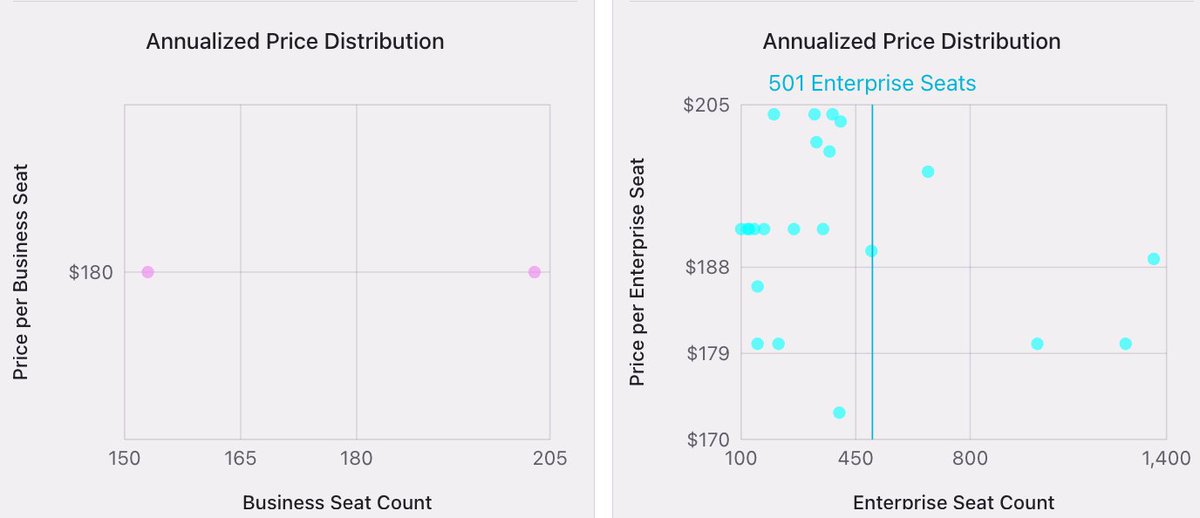
There’s a common misconception that price transparency sparks a race to the bottom. @figma proves otherwise. On @VendrHQ, their pricing looks like this: ✅ Standardized Pricing — consistent as quantity increases 🚫 No Discount Levers — negotiation won’t change the outcome They’re not slashing prices in response to competitive threats. They’re not hiding from transparency. They’re just winning. Not because they’re the cheapest — because they’ve built a world-class product that stands on its own. Transparency doesn’t erode value. It reveals it. If your product can’t defend its price, it’s either a commodity, or it’s just not good enough.
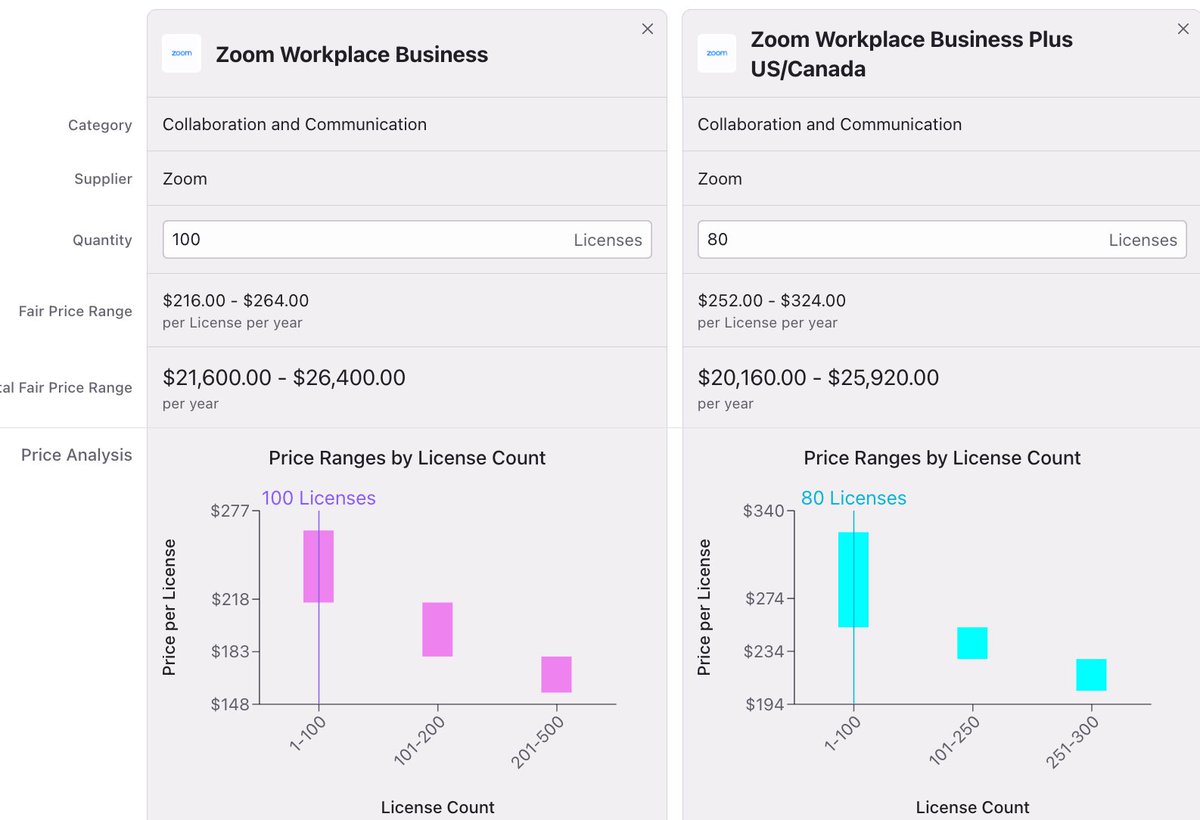
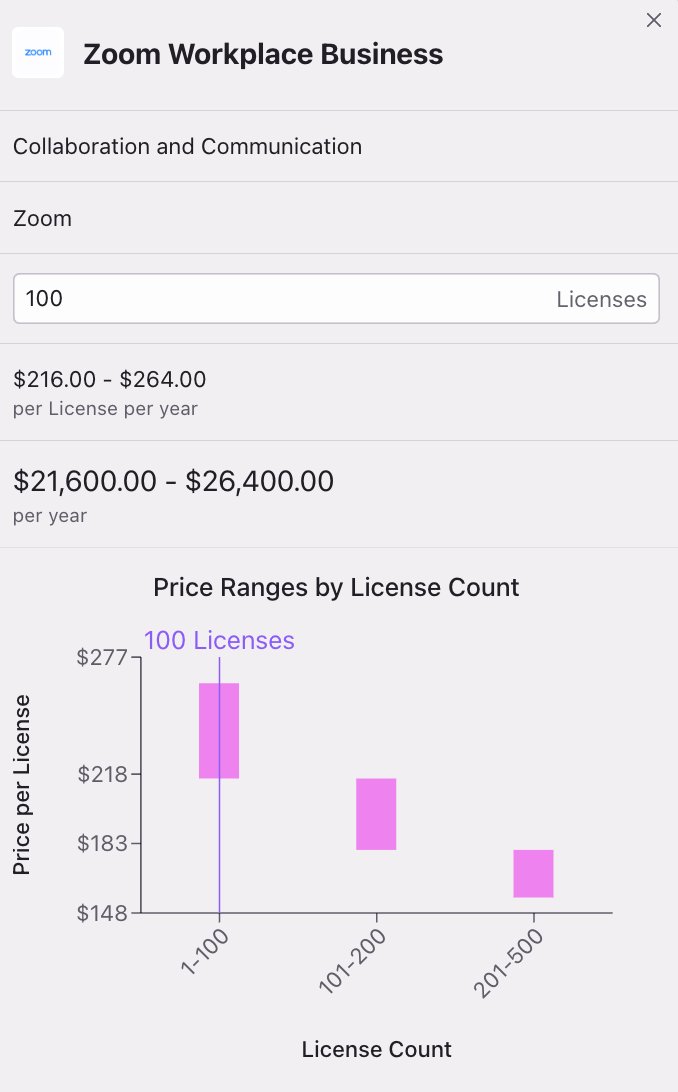
Prediction: AI agent pricing will follow the old SaaS playbook: More agents = lower price per agent. But here’s the catch: AI-native has a floor. Unlike traditional SaaS (with 80%+ gross margins), AI-native products carry real infra costs—GPU, inference, bandwidth. That means tighter margins and less room to discount, especially at scale. Take @Zendesk. @VendrHQ data shows the per-agent price drops as volume grows, but bottoms out above 1,000 agents — and doesn’t move from there. Even if buyers want steeper discounts, vendors can’t oblige. There’s a hard cost floor, and the pricing curve flattens fast. If this pattern holds, it changes how we think about price elasticity in the AI era.










Software buyers deserve fair prices, while software sellers deserve speed. Transparency serves as the key to eliminating friction, enabling buyers to secure top products affordably and sellers to acquire customers more efficiently.