
Abe David

431 posts

Abe David banner
Abe David

Abe David

@dayveedtalks

Writer, Story Teller, Up and Coming Sportscaster. #TOPRADIO909. Also on TV these days, and anywhere else my voice can be heard.

Lagos, Nigeria. Katılım Mayıs 2013
108 Takip Edilen118 Takipçiler
Abe David
Abe David@dayveedtalks·
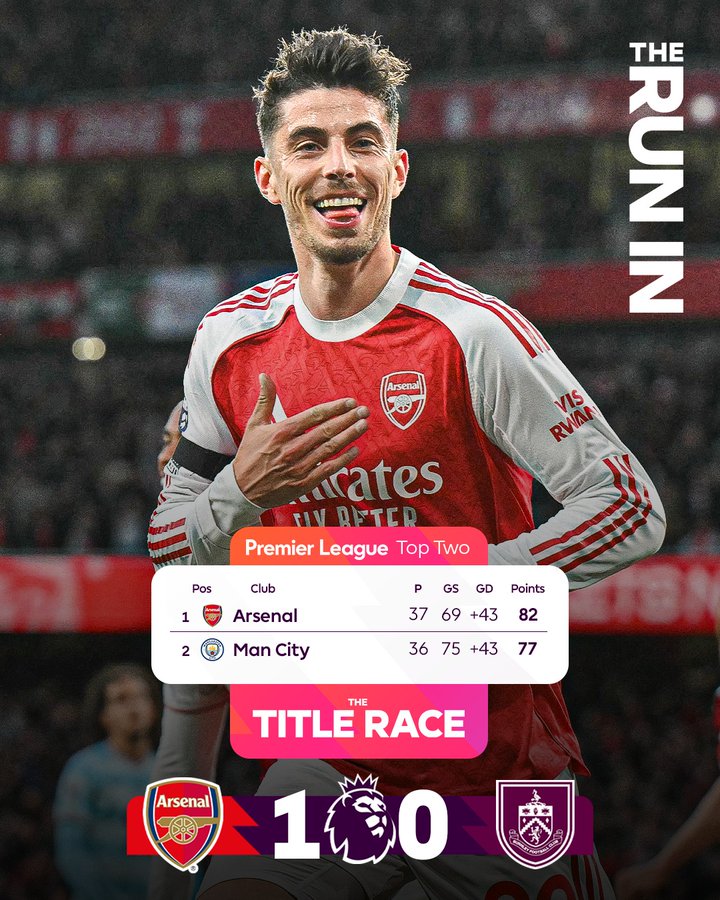
@ibukun_dami Arteta promised two things; Controlled Chaos and Reduced Jeopardy. We've seen more of the Controlled Chaos, but the jeopardy has been there all season. But he somehow found a way to make it work to be on the verge of getting over the line.
English

0
0
1
32
ibukun' oluwadamilola
ibukun' oluwadamilola@ibukun_dami·
Arsenal’s title run has not just been about talent. It has been about structure, evolution and finally, tactical flexibility. For years, people accused Mikel Arteta of being too rigid. Too positional. Too rehearsed. Too obsessed with control. This season, Arsenal became something else entirely: a controlled chaos machine and that may finally deliver their first Premier League title in 22 years. A thread 🧵 The biggest change in Arsenal this season is psychological. Previous Arsenal sides wanted to dominate every phase perfectly. This version understands something critical: you do not win the Premier League playing one way for 38 games. The best teams adapt. The champions survive different game states. Arteta finally embraced fluidity. Last season Arsenal were elite in settled possession. This season they became elite in transitions too. They can: -suffocate you with possession -kill you in chaos -press high -defend deep -counter quickly -dominate territory -win ugly That tactical elasticity changed everything. A massive part of this evolution comes from Andrea Berta. People focus on signings.Berta’s biggest influence may actually be profile identification. Arsenal stopped collecting “good technical players” and started collecting tactical weapons. -Different profiles. -Different heights. -Different athletic outputs. -Different game-state solutions. That matters. Look at the squad construction now. Declan Rice gives them: -duel dominance -transitional recovery -vertical carrying -aerial superiority Ødegaard gives: -rhythm control -pressing triggers -creative overloads Saka gives: -width -isolation superiority -ball progression -final-third reliability Completely different weapons and perfectly synchronised. Then there is Kai Havertz. Possibly the defining tactical gamble of Arteta’s Arsenal. Not a pure midfielder. Not a pure striker. He became a chaos reference point. His movement destroys defensive organisation because defenders struggle to assign him. -He presses like a midfielder. -Attacks space like a striker. -Wins duels like a target man. -He changed Arsenal’s verticality. But the real tactical breakthrough? Arsenal stopped needing perfect build-up to create danger. Earlier Arteta sides almost needed laboratory conditions to attack. Now? One regain and they are attacking your box in seconds. That transition threat changed how opponents defend them. Nicolas Jover deserves enormous credit too. Arsenal turned dead-ball situations into a strategic weapon rather than an emergency option. Corners are no longer “cross and hope”. They are choreographed territorial assaults. -Blocking schemes. -Second-ball traps. -Crowding zones. -Back-post isolation. -Screening routines. -Set pieces became psychological warfare. People talk about the "lack of Arsenal’s attacking football". Their defensive evolution is just as important. Watch how they defend central spaces now. -The distances are tighter. -The rest defence is smarter. -The counterpress is more aggressive. -The recovery running is elite. Rice and Saliba are foundational here. They allow Arsenal to sustain pressure safely. William Saliba changes the geometry of the entire team because he dominates large spaces, Arsenal can: -hold higher lines -compress midfield -sustain attacks longer -recover transitions quicker Elite centre-backs are tactical multipliers. Saliba is one. Another key evolution: Arteta stopped trying to imitate Pep Guardiola completely. Early Arsenal often looked like a Guardiola tribute act. This Arsenal side is more direct. -More physical. -More transitional. -More Premier League-specific. Arteta adapted to England rather than idealising control endlessly. That maturity matters. And then there is the mentality. For two seasons Arsenal looked emotionally fragile in title races. -This year they look colder. -More cynical. -More mature. You can see it in: -game management -tactical fouls -tempo control -emotional discipline (no single redcard or penalty conceded) This is no longer merely an exciting young team. This looks like a side that understands how to win titles. The beautiful irony? After years of being accused of overcoaching, Arteta may finally win the league because he loosened control slightly. -Arsenal became less robotic. -More adaptable. -More ruthless. And in the Premier League, adaptability is often the final step from contenders to champions. If Arsenal complete this title run, it will not simply be a victory for Arteta. It will validate: -long-term squad building -tactical patience -elite recruitment structure -role clarity -specialist coaching Arteta, Berta and Jover all have different minds existing in one football ecosystem and perhaps most importantly: this does not feel like a temporary surge anymore. It feels sustainable. Arsenal are no longer chasing Manchester City’s standards. They are building their own. @premierleague @PremLeaguePanel @ESPNFC @SkySportsPL @Edwyeen @Arsenal @EBL2017 @SirLeoBDasilva @OlisaOsega @dayveedtalks
ibukun' oluwadamilola tweet mediaibukun' oluwadamilola tweet mediaibukun' oluwadamilola tweet media
English
1
4
8
333
Abe David
Abe David@dayveedtalks·
@ibukun_dami You hit the nail on the head when you said his issue is not tactics but rather managing expectations at elite clubs.
English
1
0
0
42
Abe David retweetledi
ibukun' oluwadamilola
ibukun' oluwadamilola@ibukun_dami·
Xabi Alonso to Chelsea? Brilliant tactician. Elegant football mind. But elite coaching is not just tactics. It is politics, authority and control. THREAD 🧵 1. The Myth Around Xabi Alonso Xabi Alonso is often discussed like football’s next guaranteed supercoach. And tactically? The hype is justified. But management at elite clubs is never just about the whiteboard. 2. What made Xabi Alonso special at Bayer Leverkusen At Bayer 04 Leverkusen, he created: -Positional fluidity -Structured build-up -Intelligent pressing -Controlled verticality His team could: 👉 dominate possession 👉 attack space quickly 👉 suffocate transitions That balance is rare. 3. His Tactical Identity Xabi’s football is built on: -spatial control -numerical superiority -tempo manipulation Usually through: -3-4-2-1 -hybrid midfield structures -aggressive counterpressing This is modern elite football. 4. Build-Up Structure His teams: -bait presses -create overloads centrally -then explode vertically -centre-backs step into midfield. -wing-backs stretch the pitch. -attacking midfielders rotate constantly. It’s highly choreographed football. 5. Why Players Love His Football Because it gives: ✔ clarity ✔ structure ✔ freedom inside patterns Players know: -where to move -when to rotate -how to press That’s elite coaching detail. 6. But then came Real Madrid… Real Madrid CF is not Leverkusen. At Madrid: -tactics matter less than power dynamics -dressing rooms have hierarchy -senior players influence decisions This is where Xabi struggled. 7. The Locker Room Problem At Madrid, reports consistently pointed toward: -difficulty asserting full authority -inability to fully control big personalities -tension around tactical demands and rotations Managing stars is different from coaching hungry underdogs. 8. The Bigger Issue: Politics Upstairs This mattered even more. At Real Madrid CF: -institutional backing is everything -coaches survive through alignment with hierarchy Xabi reportedly never fully secured: 👉 unconditional backing from upstairs And once that happens at Madrid… pressure multiplies instantly. 9. Tactical Coaches Often Struggle Here Because modern tactical coaches want: -control -alignment -patience Elite superclubs often offer: -egos -politics -interference The higher the tactical detail…the more unity you need. 10. So… would Chelsea be worse? Potentially, yes. Chelsea FC currently has: -ownership influence -sporting directors -recruitment-led planning -a massive young squad -too many voices internally It’s football by committee. 11. Chelsea’s Biggest Problem -Not talent. -Not tactics. -Structure. There are simply: 👉 too many cooks in the kitchen That environment can suffocate coaches who need: -clarity -authority -alignment Xabi absolutely falls into that category. 12. Why Xabi Alonso Could Struggle at Chelsea His football requires: -repetition -tactical intelligence -emotional buy-in Chelsea currently has: -constant churn -dressing room instability -youth volatility That is dangerous for a detail-oriented coach. 13. The Dressing Room Dynamic Young squads are not automatically easier. In fact: -they can become politically fragmented. Different agents. Different expectations. Different development promises. That creates: 👉 multiple power centres inside the squad. 14. What Happens Then? If results dip: -ownership interferes -media pressure rises -dressing room factions emerge And suddenly: the coach loses authority before the football matures. This is how elite projects collapse early. 15. But tactically? Xabi is elite. Let’s be clear. His tactical ceiling is higher than most young coaches in Europe. At his best: -his pressing is coordinated -his build-up is sophisticated -his positional play is modern and fluid He absolutely has world-class potential. 16. Final Verdict At a stable club? 👉 Xabi Alonso can become elite. At a chaotic club? 👉 his weaknesses become exposed quickly. 17. My Opinion Chelsea would admire: ✔ his football ✔ his intelligence ✔ his long-term upside But Chelsea’s environment may undermine: ❌ his authority ❌ his control ❌ his tactical process 18. Final Thought The danger with coaches like Xabi Alonso is this: People assume tactical intelligence automatically translates into institutional control. It doesn’t. At elite clubs, the manager must control: -football -politics -personalities -power structures Not just possession. END. @Chelsea @premierleague @XabiAlonso @premierleague @PL_Panel @Zachlowy @GuillemBalague @LaurensJulien @Edwyeen @Okkeeeyy @dayveedtalks @Ademola_Host @genakhena
ibukun' oluwadamilola tweet media
English
4
11
15
1K
Abe David
Abe David@dayveedtalks·
@ibukun_dami It just makes sense. The ingredients just look right.
English
0
0
2
26
ibukun' oluwadamilola
ibukun' oluwadamilola@ibukun_dami·
Xabi Alonso to Liverpool? Tactically, it makes sense. Emotionally, it feels inevitable, but elite football is rarely that simple🧵 1. The Context Liverpool FC are entering a dangerous phase: -post-Klopp emotional transition -massive expectations -tactical recalibration And after winning the league last season, Arne Slot has followed it with an underwhelming campaign. That changes the conversation. 2. Why Xabi Alonso’s name never disappears Because Xabi Alonso is not just another coach at Liverpool. He is: -a club legend -a Champions League winner -emotionally tied to Anfield Fans already see him as part of Liverpool’s story. That matters. 3. Tactically, Xabi Alonso is elite At Bayer 04 Leverkusen, he built one of Europe’s smartest systems: -positional fluidity -coordinated pressing -controlled vertical attacks -build-up superiority His football combines: 👉 structure + freedom That’s very difficult to coach. 4. His Build-Up Structure Usually built from: -3-4-2-1 -hybrid midfield rotations -centre-backs stepping into midfield The objective: -bait pressure -create overloads -attack space quickly after manipulation This is modern positional football. 5. Why Liverpool’s squad fits him Liverpool already have: -athletic intensity -technical midfielders -aggressive runners Under Xabi: -full-backs become more strategic -midfield spacing improves -pressing becomes more coordinated The transition would actually make tactical sense. 6. But football is not Football Manager. This is where things get complicated because Xabi Alonso’s biggest challenge may not be tactics. It may be power. 7. The Real Madrid Problem At Real Madrid CF, Xabi reportedly struggled with: -dressing room authority -managing elite personalities -securing full institutional backing And at Madrid, if the hierarchy senses uncertainty? You lose control quickly. 8. Why this matters Coaching elite clubs is different from coaching rising projects. At Leverkusen: 👉 players followed the idea At Madrid: 👉 stars questioned the authority behind the idea That’s a completely different environment. 9. Xabi’s Coaching Style His football requires: -tactical discipline -positional understanding -emotional buy-in Players must trust: -rotations -pressing structures -spatial responsibilities If belief cracks, the system weakens. 10. Would Liverpool Be Easier Than Madrid? Yes. But not easy. Liverpool’s culture is: -more collective -less political -more emotionally connected to coaches That helps Xabi massively. Especially because: 👉 he already has fan goodwill. 11. The Arne Slot Shadow This matters too. Arne Slot succeeded Klopp initially by: -simplifying transitions -maintaining intensity -keeping emotional momentum alive But this season exposed: -tactical limitations in adaptation -squad fatigue -structural predictability That opens the door for a more sophisticated coach. 12. Why Xabi Alonso Fits Liverpool Better Than Chelsea At Liverpool: ✔ clearer football structure ✔ stronger club culture ✔ less boardroom noise ✔ fans understand tactical patience At Chelsea? -Too many voices. At Liverpool? -More alignment. That is huge for a tactical coach. 13. The Key Tactical Difference Klopp football: → emotional chaos + controlled aggression Xabi football: → positional control + tactical manipulation Liverpool would become: -calmer in possession -more strategic in pressing -less transition-dependent 14. The Potential Problem Liverpool fans love intensity. Xabi’s football is more: -measured -controlled -positional The emotional texture of the team would change. That adaptation could take time. 15. The Locker Room Question Can Xabi handle elite dressing rooms long-term? That remains unresolved. Because tactical intelligence alone does not command authority. At elite clubs, players test: -personality -conviction -emotional control This is where great tacticians sometimes struggle. 16. But Liverpool gives him one advantage Madrid didn’t Connection. At Liverpool FC: -supporters already trust him -legends protect him -the club identity suits him That emotional credit buys time and time is critical for tactical coaches. 17. Final Verdict Tactically? Xabi Alonso is absolutely good enough for Liverpool. Structurally? Liverpool is probably the ideal elite club for him. Emotionally? It feels almost destined. 18. Final Thought The real question is not: “Can Xabi coach Liverpool?” It is: 👉 “Can Liverpool accept a different type of dominance after Klopp?” -Less chaos. -More control. -Less emotion. -More manipulation of space. That is the future Xabi Alonso offers. END. @XabiAlonso @Liverpool @premierLeague @PremLeaguePanel @Edwyeen @dayveedtalks @keepIT_tactical @TotalAnalysis @SkySportsPL @Okkeeeyy @ZachLowy @GuillemBalague @sidlowe
ibukun' oluwadamilola tweet media
English
1
4
12
824
Abe David
Abe David@dayveedtalks·
@Okkeeeyy I think it's because modern football isn't looking for pure ball winners again. They want them to be specialists at passing, dribbling, playmaking, etc. It's a worrying trend.
English
0
0
0
17
Okechukwu Ezekiel
Okechukwu Ezekiel@Okkeeeyy·
It’s quite a shame that at top level football we don’t have proper DMs anymore. I had this convo with @dayveedtalks that removing Neves & Caicedo there really isn’t any great DM anymore. You may add Rice but he’s less of a DM these days, it’s like the role has slowly phase away
English
2
0
4
114
ibukun' oluwadamilola
ibukun' oluwadamilola@ibukun_dami·
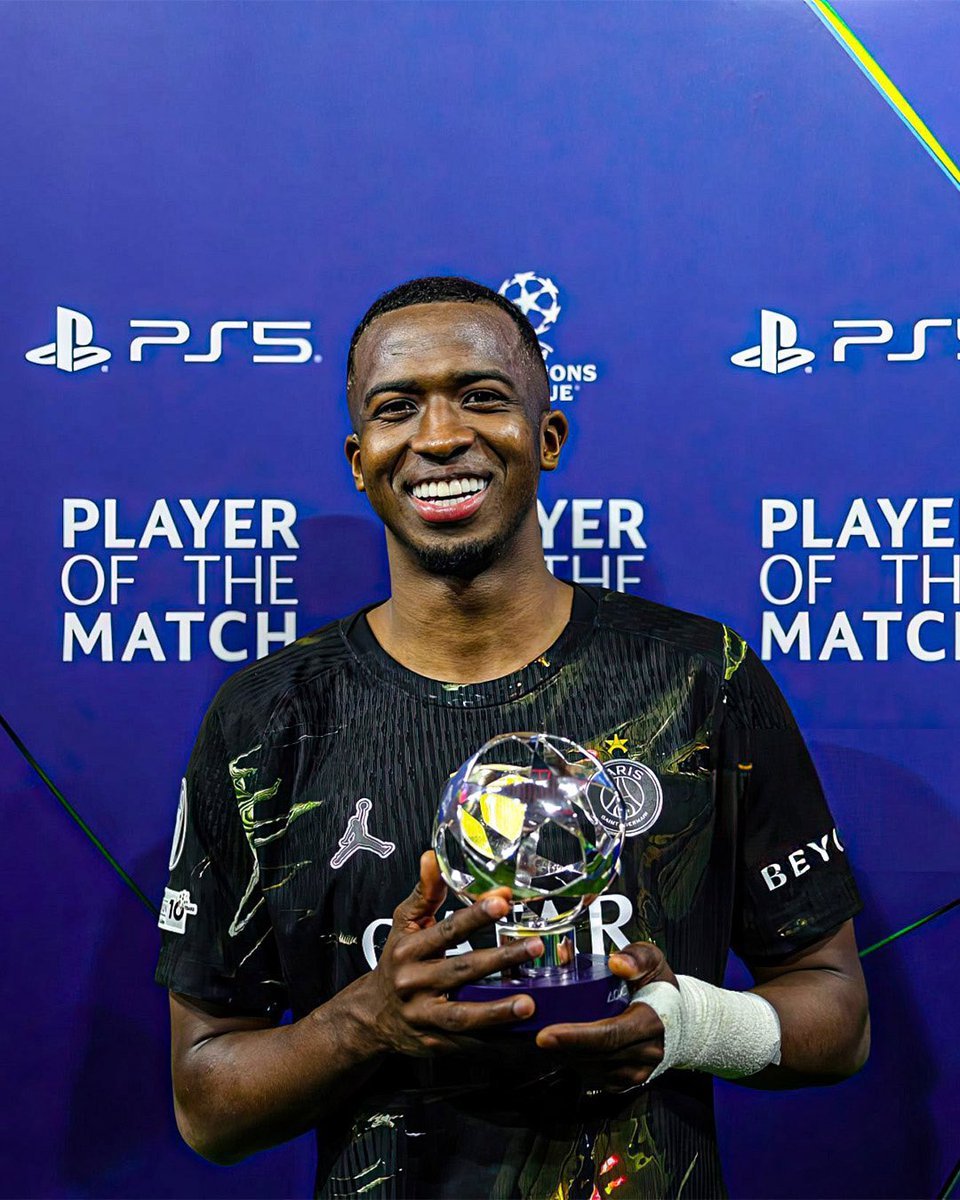
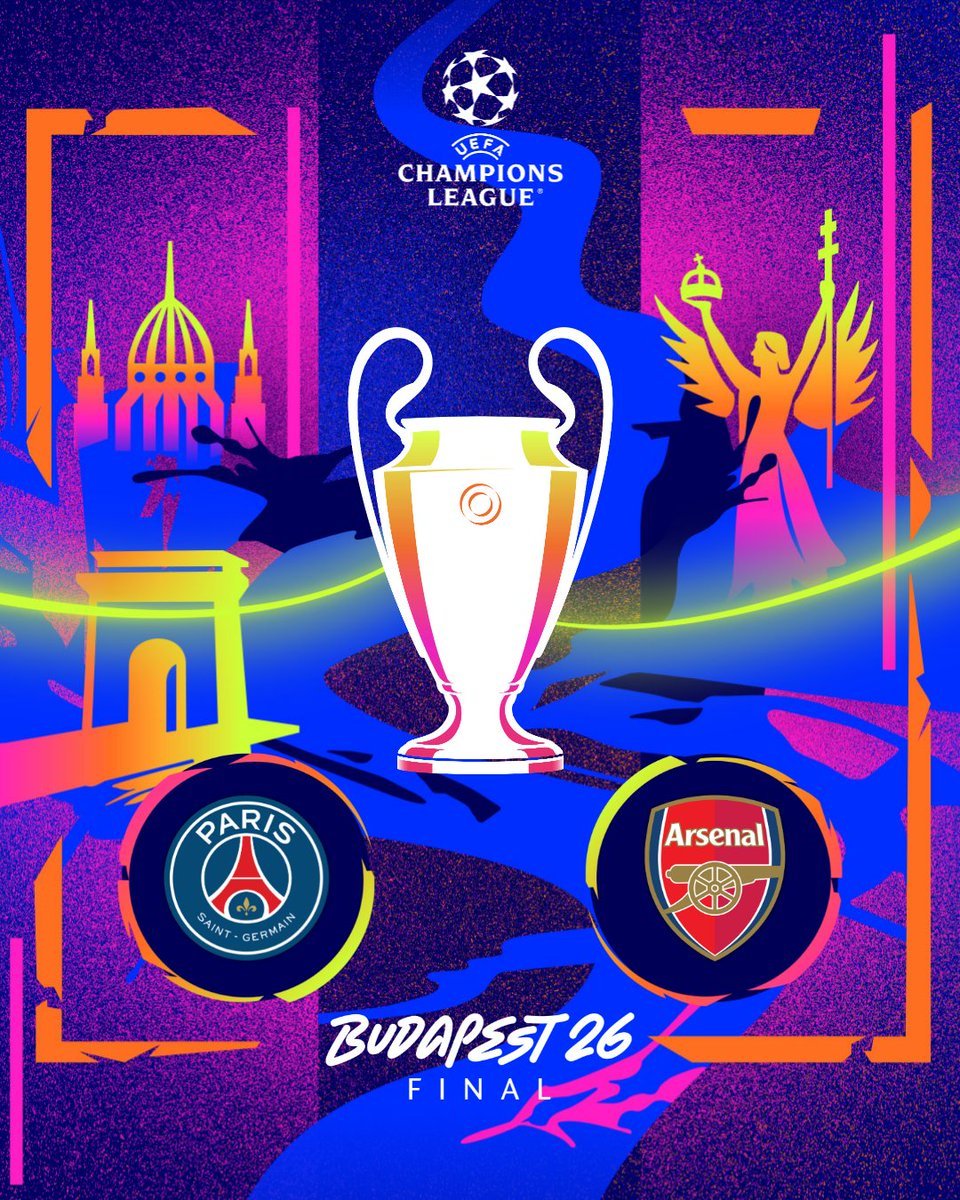
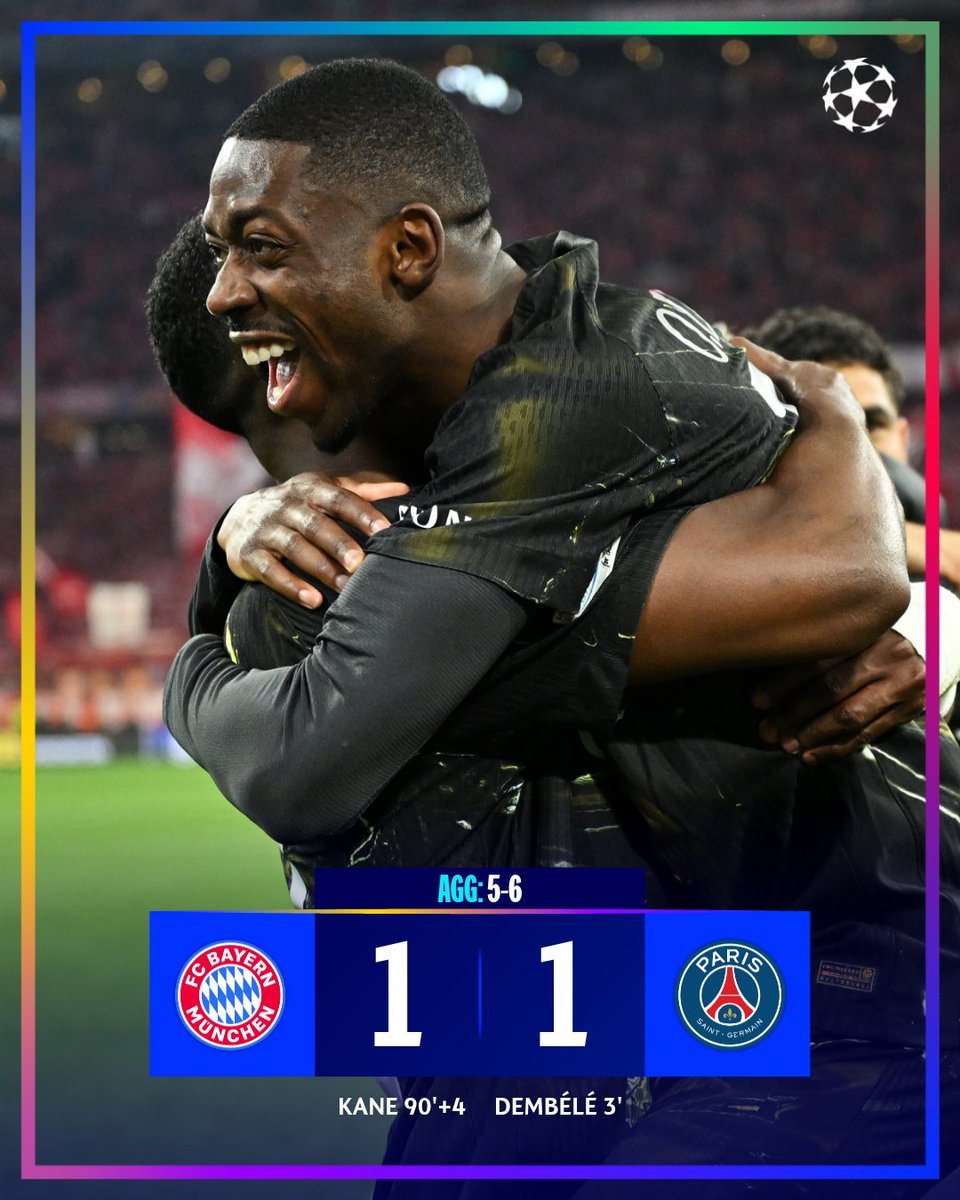
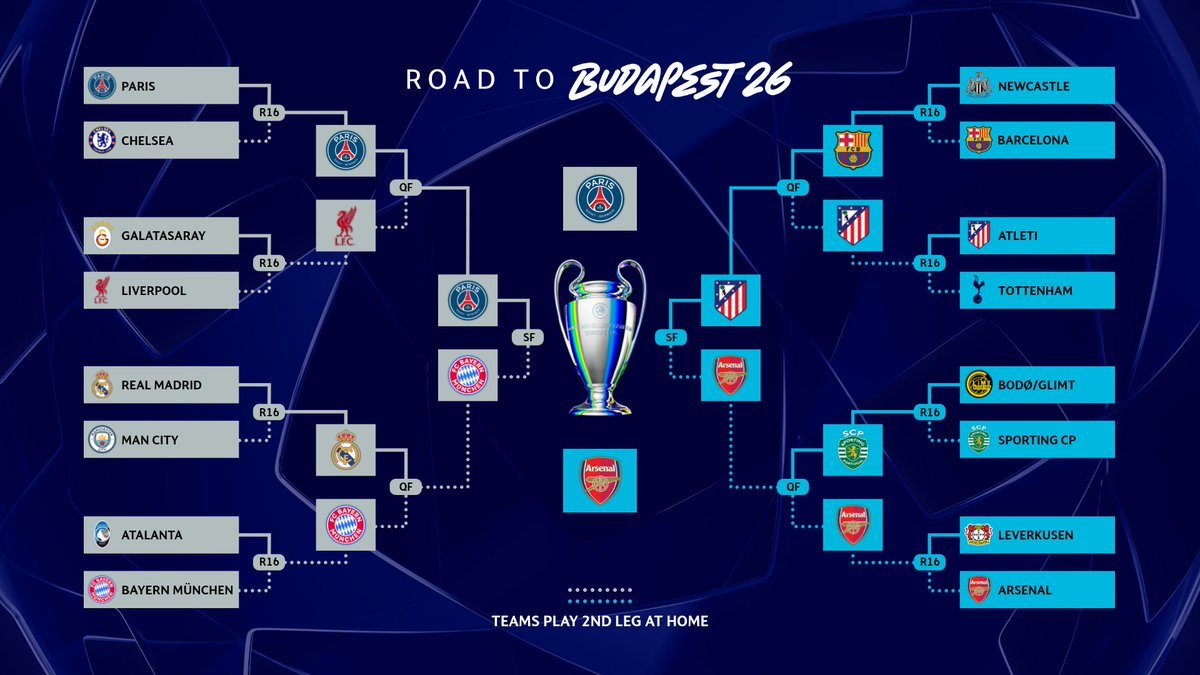
Bayern Munich 1-1 PSG (5-6 agg.) — Tactical Analysis Thread At the Allianz Arena, Bayern Munich threw everything at Paris Saint-Germain, but Luis Enrique’s side showed something different from the chaos of the first leg: control, emotional maturity and elite transition management. Here’s the tactical breakdown👇 1. PSG killed the tie in transition within 3 minutes The opening goal defined the entire game state. Bayern pushed high early, their fullbacks aggressive, midfield stretched vertically. PSG baited pressure, escaped first contact and attacked the exposed channels instantly. Dembele’s goal was classic Enrique-ball: -Invite pressure -One vertical release -Wide isolation -Fast central occupation of the box Kvaratskhelia’s involvement was devastating because Bayern never solved the space behind their advanced structure. 2. Bayern had territorial dominance but not control Vincent Kompany’s Bayern dominated possession and territory, but PSG controlled the quality of the game. That distinction mattered. Bayern circulated well: -Kimmich dictated tempo -Olise drifted inside to overload half-spaces -Kane dropped to connect play -Davies and Diaz pushed the width aggressively But PSG compressed central access brilliantly. Luis Enrique essentially defended in: -A compact mid-block -Narrow interior lanes -Aggressive collapse around Kane between lines Bayern had volume. PSG had structure. 3. João Neves and Vitinha ran the emotional rhythm of the match This was not just technical midfield play. It was psychological control. Whenever Bayern threatened momentum: -PSG slowed circulation -Drew fouls -Reset shape -Recycled possession diagonally Vitinha especially manipulated Bayern’s pressing references by constantly changing passing angles. Neves meanwhile covered enormous ground screening central transitions and doubling wide overloads. This was elite “rest defense through possession.” 4. Kvaratskhelia was the game-breaker He was the most dangerous player on the pitch.Not because of directness alone but because Bayern never solved his unpredictability. He: -Held width when needed -Drove inside aggressively -Forced isolation duels -Carried PSG up the pitch under pressure -Won fouls to relieve pressure late Every Bayern surge eventually ended with Kvara dragging PSG 40 meters upfield again. 5. Bayern’s press became increasingly emotional After conceding early, Bayern began pressing with urgency rather than coordination. That created issues: -Midfield distances stretched -Counterpress timing became inconsistent -PSG found diagonal exits more easily -Central defenders were exposed in transition The first leg was chaos for both teams. This leg? PSG weaponized Bayern’s desperation. 6. Safonov’s positioning deserves praise Bayern generated pressure but not enough clean finishing situations until late. Safonov’s positioning was outstanding: -Excellent near-post coverage -Calm handling under aerial pressure -Strong starting positions against cutbacks -He reduced Bayern’s shot quality even when they entered dangerous zones. 7. Kane’s late goal changed nothing tactically Harry Kane’s stoppage-time finish only emphasized Bayern’s biggest issue: -they arrived at clarity too late. The equalizer came once Bayern became more direct: -Faster box occupation -Earlier deliveries -Less sterile circulation But PSG had already managed the emotional and tactical rhythm of the tie. 8. Luis Enrique has built the most complete side in Europe This PSG side can: -Press high -Counter at speed -Dominate possession -Defend deep -Survive momentum swings -Manage transitions emotionally That versatility is why they eliminated Bayern over two legs and frankly, they now look like the favourites against Arsenal in Budapest. Final Thought: The first leg was spectacle. The second leg was authority. At the Allianz Arena, PSG showed they are no longer just a collection of stars. They are now a fully formed tournament machine. @ChampionsLeague @PSG_English @FCBayernEN @Edwyeen @dayveedtalks @Ademola_Host @Okkeeeyy @genakhena @The_Khalifaa @ZachLowy @PremLeaguePanel @EBL2017 @nonewthing @McFlybowy @SmartPsychopat1
ibukun' oluwadamilola tweet mediaibukun' oluwadamilola tweet mediaibukun' oluwadamilola tweet mediaibukun' oluwadamilola tweet media
English
2
8
17
641
Abe David
Abe David@dayveedtalks·
@ibukun_dami I posited that Bayern was majorly responsible for how the first leg went and PSG only matched their energy. PSG are able to play a more controlled game which they showed in the second leg effectively.
English
0
0
0
31
Abe David
Abe David@dayveedtalks·
@ibukun_dami Arteta has a chance to show his tactics on the biggest stage in European football. For those who weren't noticing before, they'll see it then.
English
0
0
3
51
ibukun' oluwadamilola
ibukun' oluwadamilola@ibukun_dami·
Arsenal 1–0 Atlético Madrid (2nd Leg) | Tactical Breakdown Emirates Stadium | 5 May 2026 This was not just a win but a controlled dismantling of Atlético Madrid’s defensive ecosystem by Arsenal. Let’s break it down. 1. Positional Structure: Arsenal’s 3-2-5 vs Atlético’s 4-4-2 Block Out of possession, Atlético settled into a compact 4-4-2 mid-block. It was narrow, vertically tight and designed to kill central progression. But Arsenal’s 3-2-5 in possession created horizontal overstretch: -Wide wingers pinning wing-backs -Dual 6s controlling rest defence -Interior 8s occupying half-spaces This forced Atlético’s back 4 into constant lateral shifting , which was their biggest discomfort. 2. Bukayo Saka: Timing, Not Volume - Saka (45’) ⚽ Bukayo Saka didn’t dominate touches, he dominated moments. His goal on the stroke of halftime came from: -Leandro Trossard receives in half-space → quick snapshot -Shot not clean → spills into danger zone -Atletico’s defensive structure momentarily broken -Bukayo Saka attacks the rebound This is critical: -Atletico defend structure, not moments. -Arsenal created a moment. 3. MLS: Control Hub Under Pressure Myles Lewis-Skelly was arguably the most important player structurally. Why? -Constant availability between Atlético’s first and second lines -One-touch circulation to break pressing triggers -Calm under back pressure and was crucial vs Simeone teams -He essentially acted as the tempo regulator, ensuring Arsenal never became chaotic. 4. Viktor Gyökeres: The Battering Ram Profile Viktor Gyökeres didn’t just “lead the line”; he disrupted defensive reference points. Key traits: -Pinning both CBs simultaneously -Aggressive channel runs to stretch the back 4 -Elite hold-up play under contact This prevented Atlético from compressing space centrally, which was a critical tactical win. 5. Atlético Madrid: Where It Broke Down Diego Simeone’s structure relied on: -Compactness -Triggered pressing -Transition efficiency But Arsenal neutralized all three: -Compactness → broken by width -Pressing → bypassed by MLS + double pivot -Transitions → killed by strong rest defence They were forced into a low block without transition outlets, which becomes their worst-case scenario. 6. Game State Management: Elite from Arsenal Second half was not about chasing a second goal, it was about: -Controlled possession -Tactical fouling when needed -Slowing tempo deliberately This was maturity. Not chaos. Not emotion. Conclusion This tie wasn’t won on flair. It was won on structure, spacing, and intelligence. Arsenal didn’t outfight Atlético. They out-positioned them and at this level, that’s what separates contenders from champions. @ChampionsLeague @Arsenal @Atleti @PremLeaguePanel @premierleague @LaLiga @EBL2017 @SirLeoBDasilva @Edwyeen @dayveedtalks @Okkeeeyy @ZachLowy @nonewthing
ibukun' oluwadamilola tweet media
English
1
12
17
685
Abe David
Abe David@dayveedtalks·
@ibukun_dami Despite the shocking errors, I called a Man United win a few days ago. Carrick is in an uptrend and Slot really is in flux after a great first season.
English
0
0
1
7
Abe David
Abe David@dayveedtalks·
@ibukun_dami Lewis Skelly in midfield is something Arsenal fans who had seen him at youth level had been clamoring for. He had hinted at what he could do with his inverting from LB, but this is the next phase of his development.
English
0
0
2
57
ibukun' oluwadamilola
ibukun' oluwadamilola@ibukun_dami·
Arsenal 3–0 Fulham: Tactical Thread 🧵 Mikel Arteta didn’t just rotate, he re-engineered control. This was less about dominance and more about structural efficiency + energy management ahead of Europe. 1. The Big Structural Shift: Controlled Rotation, Not Disruption Arteta made multiple changes (notably no Ødegaard), but the key wasn’t personnel but it was role redistribution. Arsenal moved away from their usual Ødegaard-centric right half-space dominance Instead: dual progression hubs (Rice + Skelly) Result: Less reliance on one creator, more collective tempo control 👉 This is evolution, not rotation. Arsenal looked fresher and more vertical, especially early. 2. Build-Up: 3-2 Shape With a Twist In possession, Arsenal morphed into: -Back 3 (Saliba–Gabriel–inverted fullback support) -Double pivot: Rice + Myles Lewis-Skelly But here’s the nuance: 👉 Skelly didn’t behave like a typical pivot. He operated as a hybrid 6/8, constantly: -Dropping to aid first phase build-up -Stepping into midfield pockets to break Fulham’s first line -Offering angles rather than dictating tempo This gave Arsenal positional fluidity without chaos. 3. Skelly in Midfield: The Real Tactical Story This was his first real midfield start and he changed the rhythm of Arsenal’s game. Let’s be precise: a. Press Resistance -Completed passes at elite efficiency (very high completion noted) -Always available on the blindside of Fulham’s midfield b. Vertical Security -Not flashy, but progressive in function -Played the “third man” role constantly with bounce passes, wall passes, tempo resets c. Spatial Intelligence -Drifted left to overload with Trossard/Eze zones -Then snapped central when Arsenal attacked right 👉 He functioned like a positional lubricant where everything flowed through him without friction. 4. Why Arteta Trusted Him Here This wasn’t experimentation but strategic: -Fulham’s midfield lacks aggressive press structure -Arteta needed control + legs, not just creativity -With UCL in mind, he avoided overloading Rice So Skelly became: ➡️ The connector ➡️ The rest-defense stabiliser ➡️ The tempo equaliser 5. Attacking Patterns: Faster, More Direct Without Ødegaard slowing things into controlled patterns: -Arsenal attacked quicker -Saka isolated full-backs earlier -Gyökeres benefited from early service + box occupation All 3 goals came from speed of execution, not sustained probing. 👉 This was Premier League efficiency mode, not positional play purism. 6. Rest Defence & Control Even at 3-0: -Arsenal maintained a 2-3 defensive rest structure -Skelly often the one dropping to protect transitions -Fulham created almost nothing centrally 👉 That’s the hidden value: control without exposure. 7. The Bigger Picture Arteta is quietly building: -A squad that can win without its primary creator -Young profiles (like Skelly) who understand positional play principles early Skelly’s role signals something bigger: 👉 Arsenal are developing multi-functional midfielders, not specialists. Conclusion This wasn’t just a routine 3-0. It was: -Squad rotation ✔️ -Tactical adaptation ✔️ -Youth integration ✔️ -Title pressure applied ✔️ And centrally… 👉 Myles Lewis-Skelly showed he can be more than a fullback, he can be a system player in midfield. That matters long-term. @Arsenal @SirLeoBDasilva @EBL2017 @SmartPsychopat1 @Edwyeen x.com/i/status/20506…
ibukun' oluwadamilola tweet mediaibukun' oluwadamilola tweet media
English
2
9
18
940
Abe David
Abe David@dayveedtalks·
@ibukun_dami Issue with Conte is that he is mostly short term. For the here and now. Atleti need someone who is in for a culture rebuilding after the legacy of Simeone.
English
0
0
1
10
Abe David retweetledi
ibukun' oluwadamilola
ibukun' oluwadamilola@ibukun_dami·
Filipe Luís to Atlético Madrid? A student returns to the master’s house but this is no longer about legacy. It’s about evolution🧵 1. The Context For over a decade, Diego Simeone has defined Atlético Madrid: -Defensive steel -Emotional intensity -Tactical discipline -15+ years of identity. But football evolves and so must Atlético. 2. Enter Filipe Luís Filipe Luís is not just a former player. He is: -A product of Simeone’s system -A thinker of the modern game -A coach blending structure with adaptability At Flamengo, he was building something very deliberate. 3. What was Filipe Luís’ Flamengo? Not chaos. Not flair for flair’s sake. It was: -Structured without the ball -Flexible with the ball -Ruthlessly pragmatic His philosophy: 👉 “We adapt to how you defend.” This is elite game-state awareness. 4. Defensive Phase (The Simeone DNA) Out of possession: -Compact 4-4-2 / 4-1-4-1 blocks -Tight vertical and horizontal distances -Pressing triggers, not constant pressing This is pure Simeone schooling which involves controlling space and killing transitions. 5. But here’s the evolution Unlike early Simeone teams, Filipe Luís adds: -More ball circulation -Better positional spacing -Controlled build-up phases This is not just defending. This is managing the game. 6. In Possession: Functional, Not Decorative Flamengo under him: -Built patiently -Then attacked vertically -Used full-backs dynamically (invert/overlap) -No sterile possession. -Every pass has intent. 7. Tactical Flexibility (His biggest weapon) Filipe Luís is NOT dogmatic. He adjusts: -pressing height -build-up structure -attacking patterns Based on opponent behaviour. This is something Atlético have lacked recently. 8. Why Atlético Madrid makes sense Atlético Madrid is already built for him: -Defensive culture ✅ -Tactical discipline ✅ -Emotional identity ✅ He wouldn’t need to rebuild the club. He would refine it. 9. The Simeone Influence Filipe Luís spent years under Diego Simeone. That matters. He understands: -defensive distances -emotional intensity -game management in big moments But crucially…he is less rigid. 10. What he upgrades at Atlético He brings: ✔ Better build-up structure ✔ More controlled possession ✔ Tactical adaptability Atlético evolve from: 👉 reactive → to hybrid (reactive + proactive) 11. The Key Tactical Shift Old Atlético: -defend deep -counter Filipe Luís Atlético: -defend smart -control phases -choose when to accelerate That is a modern elite model. 12. Potential Risks Let’s be clear: -Atlético fans are emotionally tied to Simeone’s identity -Dressing room leaders may resist tactical evolution -Over-adjustment can dilute intensity Evolution must not kill identity. 13. Ceiling of Filipe Luís at Atlético Short-term: → smooth transition (cultural alignment) Mid-term: → more complete team tactically Best-case: → Atlético becomes a Champions League-winning hybrid side 14. Final Thought This is not succession. It is continuation with upgrades. From: Simeone’s control of chaos To: Filipe Luís’ control of the game itself 15. My Verdict If Atlético want to stay relevant at the elite level: -Filipe Luís is not a risk. -He is the logical next step. END. @Adikastakes @Edwyeen @ZachLowy @SmartPsychopat1 @Atleti @filipeluis
ibukun' oluwadamilola tweet media
English
2
3
6
749
Abe David
Abe David@dayveedtalks·
@ibukun_dami I want to see Filipe Luis at Atletico Madrid after Simeone so much.
English
1
0
1
84
ibukun' oluwadamilola
ibukun' oluwadamilola@ibukun_dami·
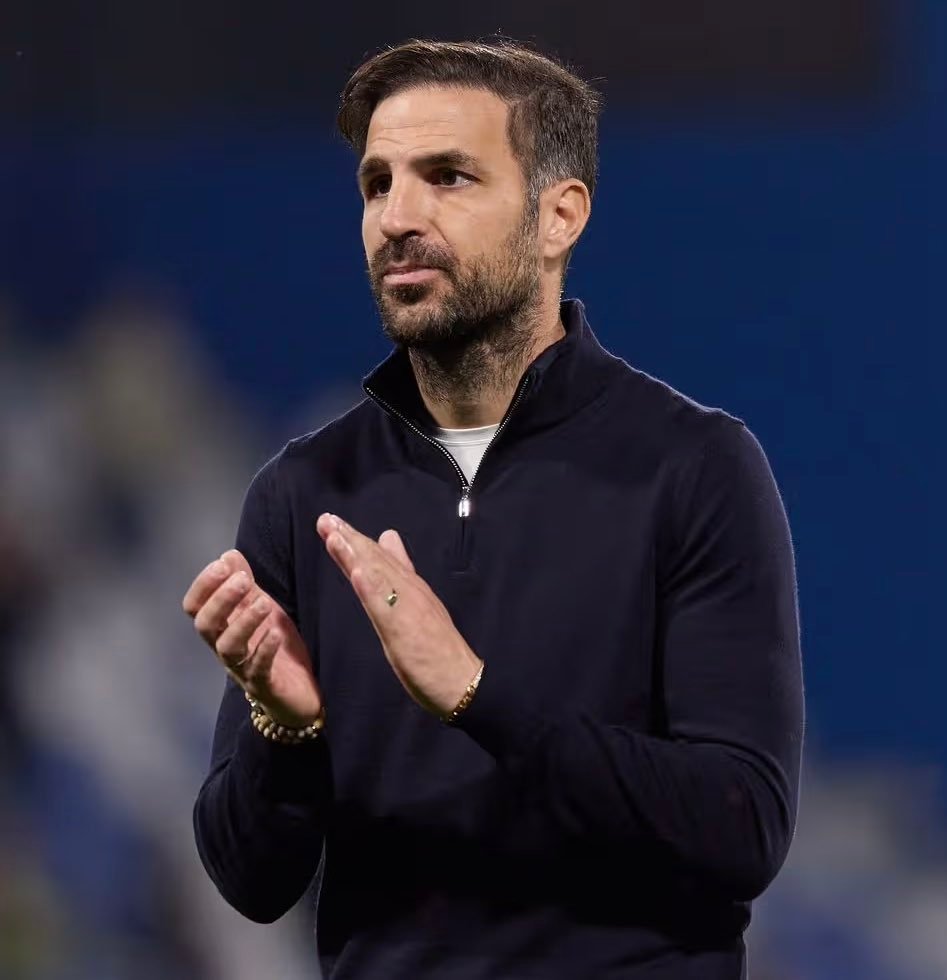
Chelsea’s Next Tactical Gamble: Filipe Luís vs Cesc Fàbregas Two young coaches. Two ideologies. One chaotic club. This isn’t just about tactics. It’s about survival. THREAD 🧵 1. Context first. Chelsea FC is not a normal football club right now. -Youngest squad profile -Data-driven recruitment -Multiple decision-makers -No stable football identity Any coach walking in is stepping into noise. 2. Filipe Luís at Flamengo — What was he building? Filipe Luís is NOT just a Simeone disciple. He built: -Defensive structure (elite spacing discipline) -Controlled aggression (pressing triggers, not chaos) -Adaptive attacking play (reacts to opponent shape) His key idea: 👉 “We play based on how you defend.” That’s top-level pragmatism. 3. His Flamengo system in simple terms Out of possession → compact, aggressive, emotionally intense In possession → patient → then vertical acceleration Full-backs → intelligent role-switching (invert/overlap) This is functional football, not aesthetic football. 4. How Filipe Luís fits Chelsea He solves their biggest issue immediately: -Defensive instability -Lack of structure -Game management He brings: ✔ Clarity ✔ Discipline ✔ Tactical flexibility 5. But here’s the problem His system demands: -emotional buy-in -tactical discipline -collective sacrifice Chelsea’s squad is: -young -expensive -inconsistent That’s friction waiting to happen. 6. Cesc Fàbregas at Como — A different universe Cesc Fàbregas is building something far more ideological. His football is: -positional play -structured possession -cognitive control Think: Guardiola structure + Wenger intelligence 7. Fabregas’ core principles -Control space, not just the ball -Every player knows their exact role -Rotations create superiority System shape: 4-3-3 → morphs into 4-2-2-2 in build-up This is high-detailed coaching. 8. Why Fabregas fits Chelsea (on paper) Young technical players → perfect fit Multi-role midfielders → ideal for rotations Long-term project → aligns with ownership He would give Chelsea: ✔ Identity ✔ Control ✔ Technical growth 9. Why Fabregas struggles (in reality) His system requires: -patience -repetition -stability Chelsea currently has NONE of those. Premier League intensity will punish: 👉 slow build-up 👉 positional errors 10. The REAL issue: Chelsea’s structure This is the elephant in the room. Chelsea is operating like: 👉 “multiple cooks in the kitchen” You have: -ownership influence -sporting directors -recruitment-first strategy -coach authority is diluted. 11. The Young Squad Problem Chelsea’s “young player policy” creates: -inconsistency -emotional volatility -lack of leadership Young players don’t stabilise systems. They destabilise them first. 12. Dressing Room Dynamics: Too Many Voices This is where both coaches struggle: Filipe Luís: → demands discipline → may face resistance Fabregas: → demands intelligence → may create confusion Neither thrives in noise. 13. Who handles chaos better? Filipe Luís. Why? -Simpler structure -Emotional control -Adaptability Fabregas needs order to succeed. 14. Final Comparison Filipe Luís: -Higher floor -Immediate impact -Lower ceiling Fabregas: -Lower floor -Long-term upside -Elite ceiling 15. My blunt take If Chelsea want: → Stability → Filipe Luís → Identity → Fabregas If they try to force both? They’ll fail at both. 16. Final prediction Filipe Luís: -60% success rate -Likely short-term stabilizer Fabregas: -40% early failure risk But potential to become elite IF backed long-term 17. Final word Chelsea’s biggest problem is not the coach. It is: 👉 structure 👉 patience 👉 alignment Until that is fixed, every coach is temporary. This is not a tactical decision. It’s an organizational one. END.
ibukun' oluwadamilola tweet mediaibukun' oluwadamilola tweet media
English
2
5
10
730
ibukun' oluwadamilola
ibukun' oluwadamilola@ibukun_dami·
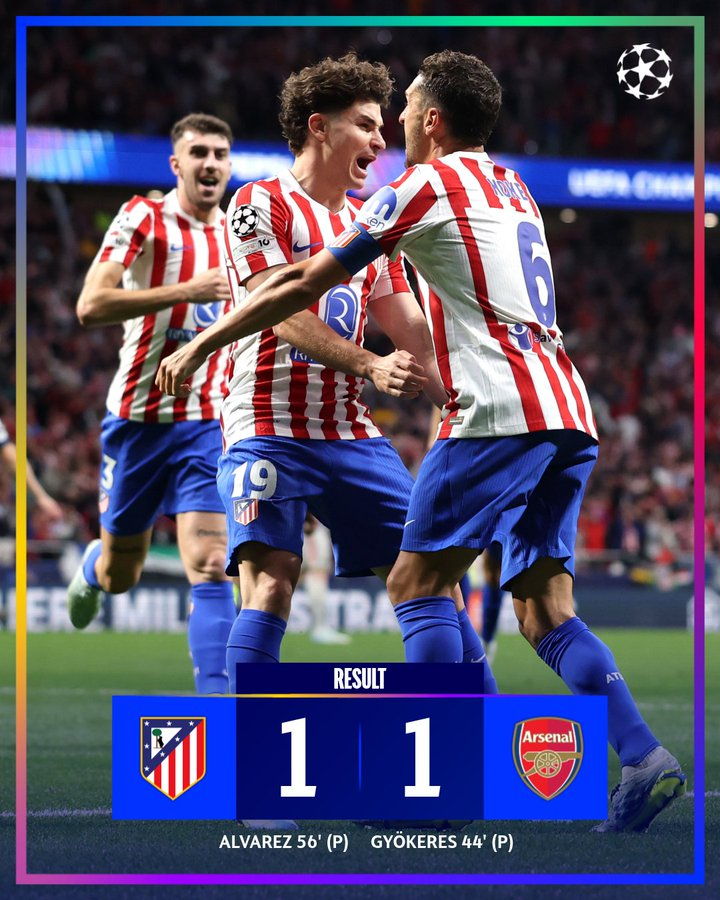
Atletico Madrid vs Arsenal – Tactical Analysis (UCL Semi-Final 1st Leg) 1. At the Wanda Metropolitano, this was exactly what you expect when Diego Simeone meets Mikel Arteta. -Structure vs control -Chaos vs precision Result: 1-1, but tactically very dense. 2. Arsenal’s Structure: Controlled Aggression Arsenal started with their usual positional play framework:• 2-3-5 in possession • Fullbacks stepping into midfield • Central overloads to dominate territory The idea was simple: -suffocate Atletico’s mid-block before transitions could form. 3. Atletico’s Defensive Scheme: Classic Simeone Atleti set up in a compact 5-3-2 mid/low block: • Narrow horizontal distances • Aggressive ball-side shifting • Forcing Arsenal wide They weren’t pressing high. They were waiting. This is key: Atletico don’t chase control, they manipulate space. 4. First Half Pattern: Arsenal Dictate Tempo Arsenal controlled: • Possession • Field tilt • Final third entries Atleti struggled to progress through midfield. The breakthrough came via pressure → penalty → goal. 5. Why Atletico Struggled Early Two main issues: • Their midfield line was pinned too deep • Limited access to vertical outlets Without clean progression to Julián Álvarez, transitions died early and Arsenal’s rest defence was excellent. 6. Second Half Shift: Simeone Adjusts Simeone made a subtle but decisive tweak: • Slightly higher defensive line • More aggressive second-ball attacks • Wing-backs pushing earlier Result: -the game became transitional, which is exactly where Atletico thrive. 7. The Turning Point: Chaos Introduced The equaliser (penalty) was not just a goal. It was a shift in game state.Atleti now had: • Emotional momentum • Territorial confidence • Crowd energy and Arsenal lost rhythm. 8. Atletico’s Attacking Pattern After 1-1 Atleti began targeting: • Half-space runs • Direct balls into channels • Second-phase chaos with Antoine Griezmann hitting the bar that summed it up •Unpredictable, high-variance football. 9. Arsenal’s Problem: Game State Management Arteta’s side struggled with one thing: Managing emotional tempo Once the game became chaotic: • Build-up lost clarity • Pressing became reactive • Spacing broke down This is still Arsenal’s biggest elite-level flaw. 10. Substitutions: Arsenal Late Surge Introduction of attackers improved: • Ball carrying • Final third threat • Penalty box presence Arsenal pushed late, but lacked composure in decisive moments. 11. VAR Drama: Tactical Impact The overturned penalty wasn’t just controversy. It affected momentum psychology. •Atleti reset •Arsenal destabilised and poor Game management reared its ugly head again. 12. Key Tactical Battle This game boiled down to one thing: Control vs Disruption Arsenal want: • Structure • Repetition • Positional superiority Atletico want: • Chaos • Duels • Moments 13. Who Won the Tactical Battle? •Atleti edged the game state battle •Arsenal edged the structural battle That is why it finished 1-1. 14. Second Leg Implication (Critical)At the Emirates: • Arsenal will dominate possession again • Atletico will lean even harder into transitions But here is the key: If Arsenal control tempo → they go through If Atletico create chaos → it becomes a coin flip 15. Final Thought This was not a spectacle It was a chess match and Simeone quietly dragged it into his kind of game. That alone is a warning for Arsenal going into the second leg.
ibukun' oluwadamilola tweet media
English
2
6
4
261
Abe David
Abe David@dayveedtalks·
@ibukun_dami The period Arsenal lost control was when Atelti upped the chaos and transitions; two of Arteta's mortal enemies. That they rode out the chaotic storm due to good defending, luck and help from poor finishing is where I take the most positives from this result.
English
0
1
3
49
Abe David
Abe David@dayveedtalks·
@ibukun_dami Well put together. Both teams didn't try to have a defensive rest shape because there was no rest. It was end to end from the get go.
English
2
1
3
46
ibukun' oluwadamilola
ibukun' oluwadamilola@ibukun_dami·
PSG 5-4 Bayern Munich – Tactical Thread 1. A game of extreme attacking symmetry This wasn’t just open, it was mutually permissive. Both sides are among the highest scorers in the competition and thrive on high turnovers. (1)x.com/i/status/20493…
English
3
2
2
264
Abe David retweetledi
Edwin Onyebolise
Edwin Onyebolise@Edwyeen·
In a competition of fine margins, the most disciplined teams tend to have the edge. Of all the teams left, Arsenal are by far the most structurally disciplined and organized unit, but they lack the ruthless cutting edge their rivals possess.
English
7
27
64
2.5K
Abe David
Abe David@dayveedtalks·
@ibukun_dami Definitely an all rounder who is good at many things. I remember Gini Wijnaldum as a similar player.
English
0
0
2
21
ibukun' oluwadamilola
ibukun' oluwadamilola@ibukun_dami·
Enzo Fernández Tactical Breakdown 🧵 Enzo Fernández is one of the most misunderstood midfielders in football right now. He’s not a pure 6. Not a classic 8. Not a 10. He’s a chameleon midfielder and that’s exactly why elite teams value him. (1)
ibukun' oluwadamilola tweet media
English
3
6
11
274