Michael Billings

10.3K posts

Michael Billings banner
Michael Billings

Michael Billings

@mabtito

Investor | SLC (Utah) | Links & ❤️& RTs ≠ Endorsements or Views

Salt Lake City, UT Katılım Aralık 2008
7.5K Takip Edilen3.3K Takipçiler
Michael Billings retweetledi

Ross Dellenger
Ross Dellenger@RossDellenger·
Big 12 has approved its private capital deal with RedBird Capital - the first such arrangement from a major NCAA conference. Schools have a choice to opt in for ~$30M in capital and league gets at least a $12.5M infusion as part of a strategic partnership bit.ly/4n3CTnp
English
81
211
599
422.9K
Michael Billings retweetledi
Max
Max@Juicewag·
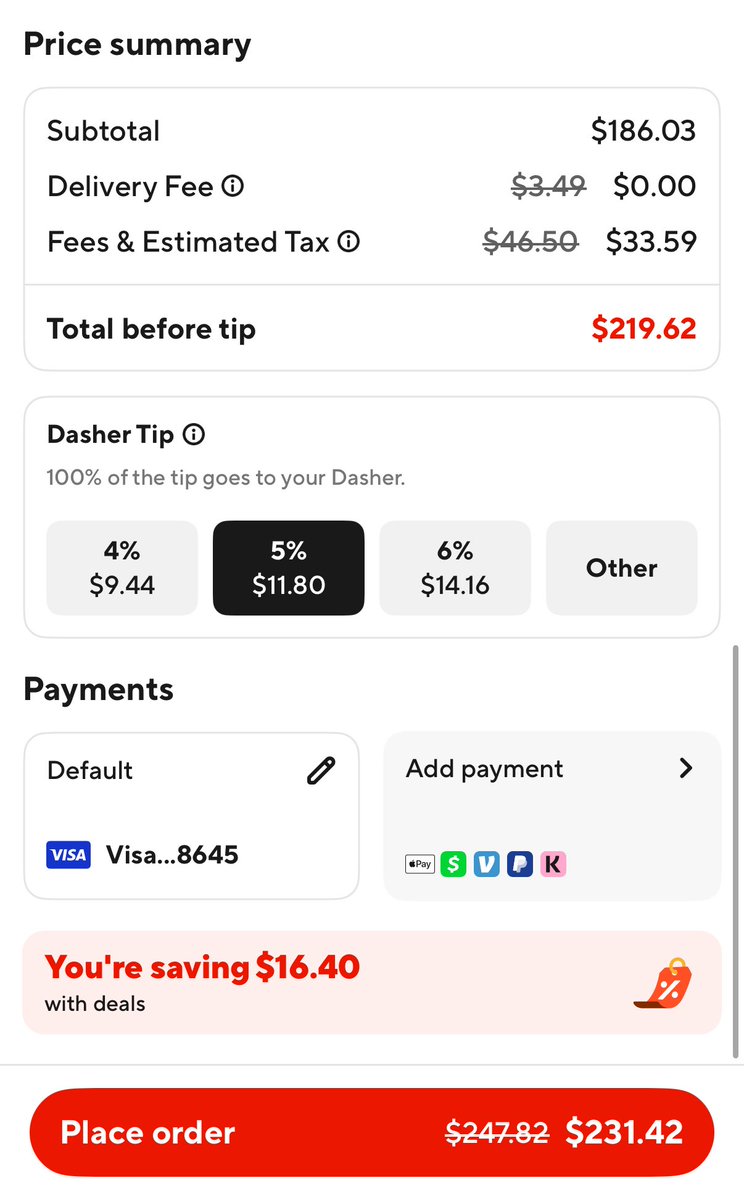
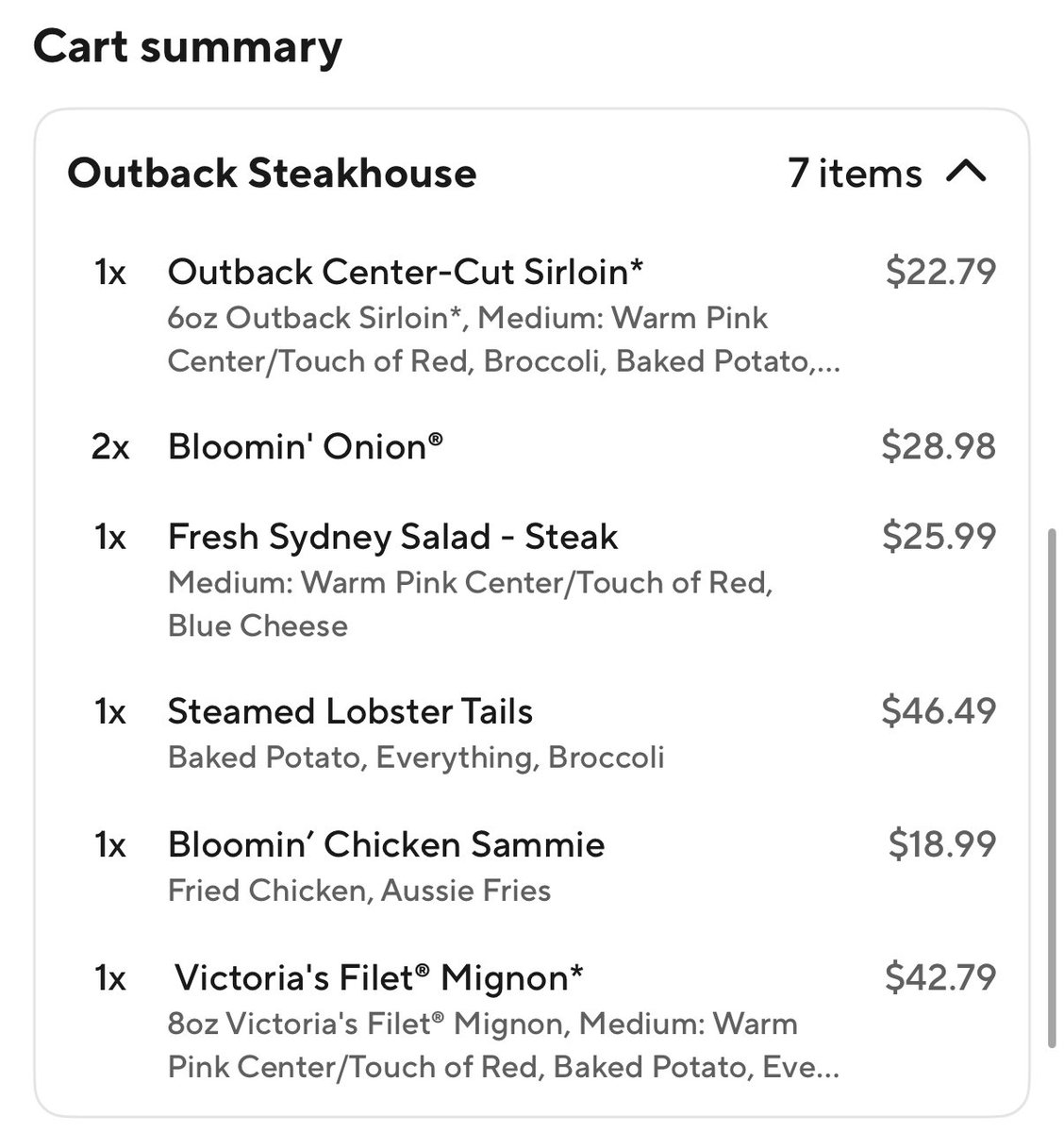
Randomly thought about this “bidenflation” tweet so I downloaded DoorDash and this has increased 85% under Trump lmao
Max tweet mediaMax tweet media
Sean T at RCP@SeanTrende

@KFILE I have two teenage boys! Two bloomin' onions, a steak salad, lobster tails, a filet, a chicken sandwich and a sirloin + tip + tax = $125 on Doordash right now. It's crazy.

English
107
1.7K
15.9K
1.1M
Michael Billings retweetledi
Konstantine Buhler
Konstantine Buhler@Konstantine·
Sir @demishassabis has a mind for synthesis. His favorite book is about a grand theory of everything. His preferred philosophers are seen by some as opposites. His life's work ranges from board games to Nobel-winning science. We're grateful to have hosted Demis and his @GoogleDeepMind team at @sequoia AI Ascent last week for a fireside chat. He kindly gave us permission to share this, and you can watch the full video here: 00:00 Intro 00:38 The Common Thread 01:29 Games as AI Training 02:59 Startup Advice 1.0 04:39 Founding DeepMind 07:25 DeepMind and AGI 08:52 AI for Science 10:37 Biology Breakthroughs and Isomorphic 12:42 New Sciences 20:29 Philosophy
English
22
124
921
173.7K
Michael Billings retweetledi
Fred Wilson
Fred Wilson@fredwilson·
I took a walk around the Union Square neighborhood a couple of Fridays ago with our new partner @mignano and we recorded it so everyone can listen to our conversation. We talked about the past, present, and future of startups, VC, and NYC.
Michael Mignano@mignano

Fred Wilson is one of the greatest VCs of all time. He is also my new partner at @USV and I'm lucky to say that. We've known each other for years, but becoming partners felt like a reason to get to know him even better. So a few weeks ago, we walked around Union Square and caught up about what @fredwilson has learned over nearly 40 years of VC, how AI may be making the profession obsolete, how to build an investment thesis, why he believes the Knicks will win the NBA title this year, and a few of his long held grudges. Here's a video of that conversation, set at Union Square, Madman Espresso, the USV office, and Leon's on Broadway. Chapters: 3:22 - That time Fred wrecked Mike on Twitter 6:01 - Pre-Internet VC in NYC 9:50 - Early Internet Investing and Raising for Flatiron Partners 11:59 - The Dot-com Crash Killed Fred’s First Firm 14:28 - Fred’s Grudge Against Coffee Shop 16:35 - How to Pick the Right Team at Right Time 18:28 - AVC blog, Gawker’s Nick Denton, TypePad.com 20:44 - Jim Kramer invented Tweeting 21:46 - Why Fred Bet on Twitter Early 23:39 - Building Agents on Claude Code and Tasklet 26:20 - Claude Mythos and Doomerism 27:27 - The Original USV Thesis 29:19 - Network Effects and Brad’s Thesis 31:29 - Coinbase: Thesis, Investment, Outcome 33:18 - Investing in Decentralized AI 34:59 - Open Source AI 36:55 - AI Kill Zone: Legal AI is Dead, Energy Investments 42:37 - USV Agents Will Replace Its Partners 47:00 - Are VC’s building themselves out of a job? 48:30 - Leon’s, NYC’s New Tech Watering Hole 50:52 - Generative Art 53:18 - SOLIENNE: AI Artist trained by Kristi Coronado 54:25 - What About AI Scares Fred 55:40 - Societal Backlash to AI 58:10 - Advice to Early Career VCs: There’s More Risk in Not Doing Deals 1:00:48 - Fred’s Biggest Regrets: Saying No Because of Price 1:04:17 - Fred’s Bold Prediction for the Knicks and the Mets

English
12
8
123
38.8K
Michael Billings retweetledi
Invest Like the Best
Invest Like the Best@InvestLikeBest·
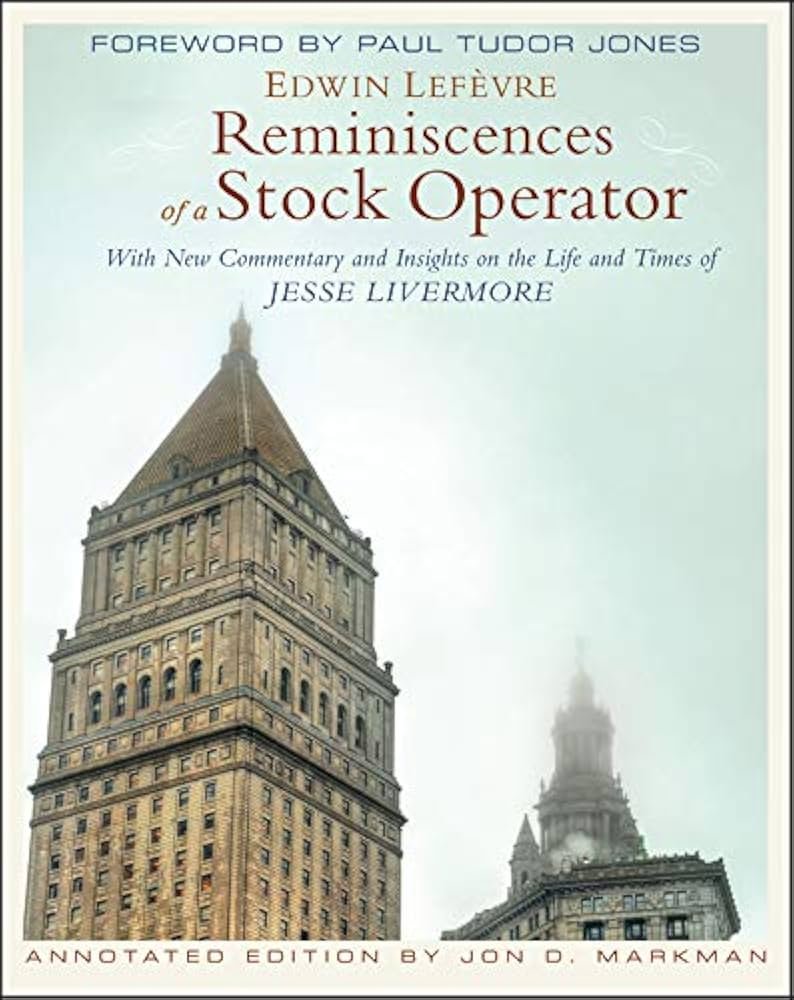
Paul's father ran a small business paper in Memphis. The summer between semesters at UVA, Paul worked there as a copy editor. He still credits that experience as one of the most formative of his life. Here's what he wrote in the foreword of this book: "Looking back on my education, I would say that journalism was the single most important element of my development as a trader and as a businessman, more so than any of the economics and business classes I took at the University of Virginia. Newspaper journalism teaches you how to fact fi nd, analyze, and condense a story down to its most essential points and then to communicate those in a series of paragraphs that read from the most important to the least important. A copy editor has to be able to cut a story from the bottom up so that all the important stories can fit onto one page. Knowing this, a writer immediately focuses on those essential points that need to be communicated in any story and how to deliver those points in a way that answers the who, what, where, when, how, and why in short order. Learning to report and communicate in this fashion is far and away the best training any businessman, investor, or trader can have. It's a vital yet surprisingly underestimated skill that really enhances one's ability to be able to frame, analyze, and solve problems in the most expeditious fashion."
Invest Like the Best tweet media
Patrick OShaughnessy@patrick_oshag

Paul on why writing and communicating clearly is one of the most important skills in business: "Journalism 101 should be a mandatory subject in every college. I took journalism classes, and newspaper writing teaches you how to write where the conclusion comes first. It's taking whatever event transpired, and putting it in this cogent way where the most important stuff starts at the beginning, and you work your way down through it. Particularly where, in today's world, the attention spans are this short, time clearly is money. You want to be able to communicate in the quickest and most concise fashion you can, where you get your entire point across in the shortest amount of time. As a macro thinker – man, it helped me so much to frame every potential trading decision. Let's say that there's 10 really important things. Every one of those will have its day. It'll rotate through in terms of importance. The yen's a great example. It's been completely undervalued for the past 24 months. It's so ripe to rally sharply, but it needed a catalytic moment. And that catalytic moment was this new Prime Minister that was just elected. So if you take valuation, which everyone's ignored now for the past two years in the yen, all of a sudden this moment takes it from here and puts it at the very top. That's literally what trading is all about."

English
2
11
61
10.4K
Michael Billings retweetledi
Patrick OShaughnessy
Patrick OShaughnessy@patrick_oshag·
Paul on why writing and communicating clearly is one of the most important skills in business: "Journalism 101 should be a mandatory subject in every college. I took journalism classes, and newspaper writing teaches you how to write where the conclusion comes first. It's taking whatever event transpired, and putting it in this cogent way where the most important stuff starts at the beginning, and you work your way down through it. Particularly where, in today's world, the attention spans are this short, time clearly is money. You want to be able to communicate in the quickest and most concise fashion you can, where you get your entire point across in the shortest amount of time. As a macro thinker – man, it helped me so much to frame every potential trading decision. Let's say that there's 10 really important things. Every one of those will have its day. It'll rotate through in terms of importance. The yen's a great example. It's been completely undervalued for the past 24 months. It's so ripe to rally sharply, but it needed a catalytic moment. And that catalytic moment was this new Prime Minister that was just elected. So if you take valuation, which everyone's ignored now for the past two years in the yen, all of a sudden this moment takes it from here and puts it at the very top. That's literally what trading is all about."
Patrick OShaughnessy@patrick_oshag

My guest today is Paul Tudor Jones (@ptj_official), one of the greatest macro traders of all time. He correctly predicted the 1987 stock market crash and shorted the Japanese bubble in 1990. For over 40 years, his flagship fund has had a negative correlation to the S&P 500. 100% of his returns are alpha. He says today's market has so many similarities to 2000, "the easiest bear market I've ever seen in my whole life." He makes the case for going long dollar-yen, why Bitcoin beats gold as an inflation hedge, and why he was wrong about Warren Buffett. But what I'll remember most from this conversation is Paul's zest for life. He's 71 and still wakes at 2:30 every morning to trade the London open. He works out for two hours a day. He walks with his wife every evening. He travels the country chasing peak spring and peak fall. He's so excited about the songs picked for his funeral that he wishes he could be there to hear them. Paul has lived five lifetimes in one. He's one of the most entertaining and interesting people I've met, and the conversation will leave you searching to be as passionate about what you do as he is about what he does. Enjoy! Timestamps: 0:00 Intro 1:00 The Kindest Thing 13:19 Trading vs. Investing 17:33 Lessons from Warren Buffet 22:24 The Existential Risks of AI 29:54 The Nature of Trading 31:46 Bitcoin 35:55 Bubbles 42:08 A Day in the Life of PTJ 46:00 Information Overload 47:07 Passion for Markets 50:49 The Robin Hood Foundation 54:18 The Workless World 56:03 Journalism 1:00:00 Principal Components of a Great Life 1:05:06 Kill Them With Kindness

English
7
22
209
70.7K
Michael Billings retweetledi
Yasmine Khosrowshahi
Yasmine Khosrowshahi@yasminekho·
The year is 2000. Two men walk into Blockbuster's Dallas headquarters in shorts & sandals. Their company was in $50 Million debt. They asked this mammoth($6B company) to buy them. Blockbuster laughs at their ask of $50 Million. That laugh wiped their existence off the planet. Here's how: Blockbuster had $6 billion in revenue, 9,000 stores worldwide, and 60,000 employees. Netflix had $5 million in revenue, 150 people, and $50 million in debt. But still, this ant(Netlix) was able to eat this elephant(Blockbuster). It started with a phone call at a dude ranch. Marc Randolph, co-founder of Netflix, was on a corporate retreat at Alisal Ranch, deep in the mountains outside Santa Barbara. Horses. Dirt roads. No reason to dress up. He was in shorts, a t-shirt, and thong sandals. That's when Blockbuster called. "We'd like to see you. Tomorrow. In Dallas." Randolph turned to Reed Hastings and said there was no way. Different time zones. No direct flight. Impossible. Then they remembered they were $50 million in debt and had been trying to get this meeting for months. They chartered a private jet. The next morning, they walked into the 27th floor of a glass and steel skyscraper in Dallas. Enormous conference room. A hardwood table the size of a small country. Blockbuster executives in suits filing in from one side. Marc Randolph standing there in sandals. He made the pitch anyway. "Combine forces. You run the stores. We run the online business. Build a blended model. Our research shows it's a game changer." The executives leaned in. Questions were flowing. Things felt good. Then came the big question. "How much?" Randolph had rehearsed this on the plane. They were $50 million in the hole. The number was $50 million. Silence filled the room. He watched their faces carefully, trying to read the reaction. Then it hit him. They were trying not to laugh. This tiny company, drowning in debt, at the lowest point of the dot-com meltdown, had just asked to be bought for $50 million. To the people running a $6 billion empire, it was almost comical. The meeting ended shortly after. Quiet cab ride to the airport. Quieter flight back to Santa Barbara. Randolph sat with his head down the entire way, thinking one thing: They are not going to save us. They are going to compete with us. What happened next is where the story gets interesting. Most people assume Netflix simply outworked Blockbuster. Built a better product. Won on merit. The truth is messier and far more human. When Blockbuster finally decided to take Netflix seriously, they nearly destroyed them. They built exactly what Randolph had pitched years earlier. The blended model. Rent online. Return by mail. Or return in-store. Or pick up in-store. It was everything Netflix could not offer because Netflix had no physical locations. Randolph admits it plainly. They could not compete with that. Blockbuster came frighteningly close to taking Netflix down entirely. So why didn't they? Here is where a single human decision changed everything. Blockbuster had been targeted by corporate raiders. Investors who bought large chunks of stock, took seats on the board, and began pushing for short-term profits over long-term survival. John Antioco was the CEO driving the fight against Netflix. He understood the threat. He had pulled a team out of the building, funded them properly, and told them to go after Netflix with everything they had. Then the board denied him his contractually promised bonus. He said: then I quit. And he did. The replacement CEO came from retail and convenience stores. His vision for Blockbuster was not winning the streaming war. It was asking why their 9,000 stores were not selling gum and clothing. The online operation was abandoned. Randolph describes it using a scene from an old Spielberg student film. A robot chases someone, getting closer and closer, almost close enough to grab their ankle. Then a cost calculation hits break-even and the robot just stops, turns, and walks away. One second before victory. That is what Blockbuster did. Netflix scampered to safety. On why Blockbuster never moved fast enough: Imagine you are the CEO sitting on $6 billion in annual revenue. Someone walks in and says let's build an online component. You ask how much it will make in year one. They say $2 million. Do you pull your best engineers off working products and bet them on a $2 million experiment? Of course not. So the B team gets it. Then the C team. Each time underpowered. Each time failing. Meanwhile Netflix was not a movie company. It was a software company built in Silicon Valley with people who had spent their entire careers writing software. Even Blockbuster's A team would have struggled to compete. By the time Blockbuster committed fully, it was almost too late. And then one bonus dispute ended it. Blockbuster did not lose because Netflix was inevitable. They lost because changing a $6 billion business model requires a kind of courage that is nearly impossible to find inside a company that is still winning. They lost because the person with the will to change things was replaced by someone who did not believe change was necessary. They lost because they were one grab away from winning and walked away anyway. Netflix did not kill Blockbuster. Blockbuster killed Blockbuster. Netflix just showed up to the funeral.
English
26
92
644
347.4K
Michael Billings retweetledi
Dougie Kass
Dougie Kass@DougKass·
I strongly suggest spending eighty minutes and listening to the Paul Tudor Jones interview. PTJ is an exceptional trader, investor and human being. So many lessons about life and investing can be learned by watching this podcast. In this prized podcast, Patrick OShaugnessy does something so simple - that makes the viewing experience so great... he lets Paul Tudor Jones talk. Run, dont walk to watch this! @dougkass @tomkeene @lisaabramowicz1 @ferrotv @business @SquawkStreet @SquawkCNBC @BeckyQuick @andrewrsorkin @joesquawk @carlquintanilla @TheJudgeCNBC @SaraEisen @SullyCNBC @gnoble79 @KeithMcCullough @SamofAmerica @RPKent @HedgeyeDJ @pboockvar @Convertbond @guyadami @cnbcfastmoney @HalftimeReport @WhitneyTilson @jeffberkowitz1 @patrick_oshag @MelissaLeeCNBC
Patrick OShaughnessy@patrick_oshag

My guest today is Paul Tudor Jones (@ptj_official), one of the greatest macro traders of all time. He correctly predicted the 1987 stock market crash and shorted the Japanese bubble in 1990. For over 40 years, his flagship fund has had a negative correlation to the S&P 500. 100% of his returns are alpha. He says today's market has so many similarities to 2000, "the easiest bear market I've ever seen in my whole life." He makes the case for going long dollar-yen, why Bitcoin beats gold as an inflation hedge, and why he was wrong about Warren Buffett. But what I'll remember most from this conversation is Paul's zest for life. He's 71 and still wakes at 2:30 every morning to trade the London open. He works out for two hours a day. He walks with his wife every evening. He travels the country chasing peak spring and peak fall. He's so excited about the songs picked for his funeral that he wishes he could be there to hear them. Paul has lived five lifetimes in one. He's one of the most entertaining and interesting people I've met, and the conversation will leave you searching to be as passionate about what you do as he is about what he does. Enjoy! Timestamps: 0:00 Intro 1:00 The Kindest Thing 13:19 Trading vs. Investing 17:33 Lessons from Warren Buffet 22:24 The Existential Risks of AI 29:54 The Nature of Trading 31:46 Bitcoin 35:55 Bubbles 42:08 A Day in the Life of PTJ 46:00 Information Overload 47:07 Passion for Markets 50:49 The Robin Hood Foundation 54:18 The Workless World 56:03 Journalism 1:00:00 Principal Components of a Great Life 1:05:06 Kill Them With Kindness

English
19
70
530
131.4K
Alex Konrad
Alex Konrad@alexrkonrad·
The PR for a tech CEO who publicly mocked my appearance a few years ago has now pitched them as a podcast guest. Part of me wants to say yes and see what happens...
English
35
0
132
29.6K
Michael Billings retweetledi
Ray Fisman
Ray Fisman@RFisman·
I am sure others have done this breakdown, but if you want to experience how fast Sebastian Sawe ran the London Marathon, go to a track and try to run 400m in 68 seconds. If you are in truly amazing shape, maybe you can do a second one. Now imagine doing 103 more.
English
13
43
1.5K
45.3K
Michael Billings retweetledi
Big Brain Business
Big Brain Business@BigBrainBizness·
Byron Allen, Founder of Allen Media Group, explains how treating business like a contact sport unlocks unlimited capital: Byron once borrowed $310 million on a Friday to acquire the Weather Channel. He paid it back in five months. When the lender hit him with a $28 million prepayment penalty for closing too quickly, he paid that too. His philosophy on why capital is never the real obstacle: "Business is a contact sport. You're nothing more than economic athletes. They will see your passion. They will see your stats. And they will always want you on their team because you make them money." The framing shift here is everything. Byron sees founders as athletes whose performance is being evaluated by people who need them to win. "You have unlimited amounts of capital available to you if your hustle is at the highest level." @RealByronAllen drives the point home: "Keep your hustle at the highest level because capital is always looking for you to get the money back and a return. There's trillions and trillions and trillions of dollars of capital looking for you. Go get it." The takeaway: Capital is hunting for operators who can put up the stats. Hustle at the highest level, and the money will find you.
English
30
368
2.4K
305.2K
Michael Billings retweetledi
Patrick OShaughnessy
Patrick OShaughnessy@patrick_oshag·
I first read this post on PTJ by @trengriffin more than a decade ago, and it's a great complement to the episode. It's a collection of lessons and quotes, and remains one of the best summaries of how Paul approaches trading and what separates him from everyone else. Well worth reading (or revisiting). 1/ "The secret to being successful from a trading perspective is to have an indefatigable and an undying and unquenchable thirst for information and knowledge." 2/ "Don't be a hero. Don't have an ego. Always question yourself and your ability. Don't ever feel that you are very good. The second you do, you are dead." 3/ "While I spend a significant amount of my time on analytics and collecting fundamental information, at the end of the day, I am a slave to the tape and proud of it." 4/ "I love trading macro. If trading is like chess, then macro is like three-dimensional chess. It is just hard to find a great macro trader. When trading macro, you never have a complete information set or information edge the way analysts can have when trading individual securities." 5/ "I really don't care about the mistake I made three seconds ago in the market. What I care about is what I am going to do from the next moment on. I try to avoid any emotional attachment to a market." 6/ "I am always thinking about losing money as opposed to making money. At the end of the day, the most important thing is how good are you at risk control." 7/ "I want the guy who is not giving to panic, who is not going to be overly emotionally involved, but who is going to hurt when he loses. When he wins, he's going to have quiet confidence. But when he loses, he's gotta hurt." 8/ "I've done really well on the short side. There's nothing more exciting than a bear market.  But it's not a wonderful way for long-term health and happiness." 9/ "The sweet spot is when you find something with a compelling valuation that is also just beginning to move up. That's every investor's dream."
Patrick OShaughnessy tweet media
Patrick OShaughnessy@patrick_oshag

My guest today is Paul Tudor Jones (@ptj_official), one of the greatest macro traders of all time. He correctly predicted the 1987 stock market crash and shorted the Japanese bubble in 1990. For over 40 years, his flagship fund has had a negative correlation to the S&P 500. 100% of his returns are alpha. He says today's market has so many similarities to 2000, "the easiest bear market I've ever seen in my whole life." He makes the case for going long dollar-yen, why Bitcoin beats gold as an inflation hedge, and why he was wrong about Warren Buffett. But what I'll remember most from this conversation is Paul's zest for life. He's 71 and still wakes at 2:30 every morning to trade the London open. He works out for two hours a day. He walks with his wife every evening. He travels the country chasing peak spring and peak fall. He's so excited about the songs picked for his funeral that he wishes he could be there to hear them. Paul has lived five lifetimes in one. He's one of the most entertaining and interesting people I've met, and the conversation will leave you searching to be as passionate about what you do as he is about what he does. Enjoy! Timestamps: 0:00 Intro 1:00 The Kindest Thing 13:19 Trading vs. Investing 17:33 Lessons from Warren Buffet 22:24 The Existential Risks of AI 29:54 The Nature of Trading 31:46 Bitcoin 35:55 Bubbles 42:08 A Day in the Life of PTJ 46:00 Information Overload 47:07 Passion for Markets 50:49 The Robin Hood Foundation 54:18 The Workless World 56:03 Journalism 1:00:00 Principal Components of a Great Life 1:05:06 Kill Them With Kindness

English
9
74
608
106.8K
Michael Billings retweetledi
Michael Mignano
Michael Mignano@mignano·
Fred Wilson is one of the greatest VCs of all time. He is also my new partner at @USV and I'm lucky to say that. We've known each other for years, but becoming partners felt like a reason to get to know him even better. So a few weeks ago, we walked around Union Square and caught up about what @fredwilson has learned over nearly 40 years of VC, how AI may be making the profession obsolete, how to build an investment thesis, why he believes the Knicks will win the NBA title this year, and a few of his long held grudges. Here's a video of that conversation, set at Union Square, Madman Espresso, the USV office, and Leon's on Broadway. Chapters: 3:22 - That time Fred wrecked Mike on Twitter 6:01 - Pre-Internet VC in NYC 9:50 - Early Internet Investing and Raising for Flatiron Partners 11:59 - The Dot-com Crash Killed Fred’s First Firm 14:28 - Fred’s Grudge Against Coffee Shop 16:35 - How to Pick the Right Team at Right Time 18:28 - AVC blog, Gawker’s Nick Denton, TypePad.com 20:44 - Jim Kramer invented Tweeting 21:46 - Why Fred Bet on Twitter Early 23:39 - Building Agents on Claude Code and Tasklet 26:20 - Claude Mythos and Doomerism 27:27 - The Original USV Thesis 29:19 - Network Effects and Brad’s Thesis 31:29 - Coinbase: Thesis, Investment, Outcome 33:18 - Investing in Decentralized AI 34:59 - Open Source AI 36:55 - AI Kill Zone: Legal AI is Dead, Energy Investments 42:37 - USV Agents Will Replace Its Partners 47:00 - Are VC’s building themselves out of a job? 48:30 - Leon’s, NYC’s New Tech Watering Hole 50:52 - Generative Art 53:18 - SOLIENNE: AI Artist trained by Kristi Coronado 54:25 - What About AI Scares Fred 55:40 - Societal Backlash to AI 58:10 - Advice to Early Career VCs: There’s More Risk in Not Doing Deals 1:00:48 - Fred’s Biggest Regrets: Saying No Because of Price 1:04:17 - Fred’s Bold Prediction for the Knicks and the Mets
English
29
24
442
124.8K
Michael Billings retweetledi
Boring_Business
Boring_Business@BoringBiz_·
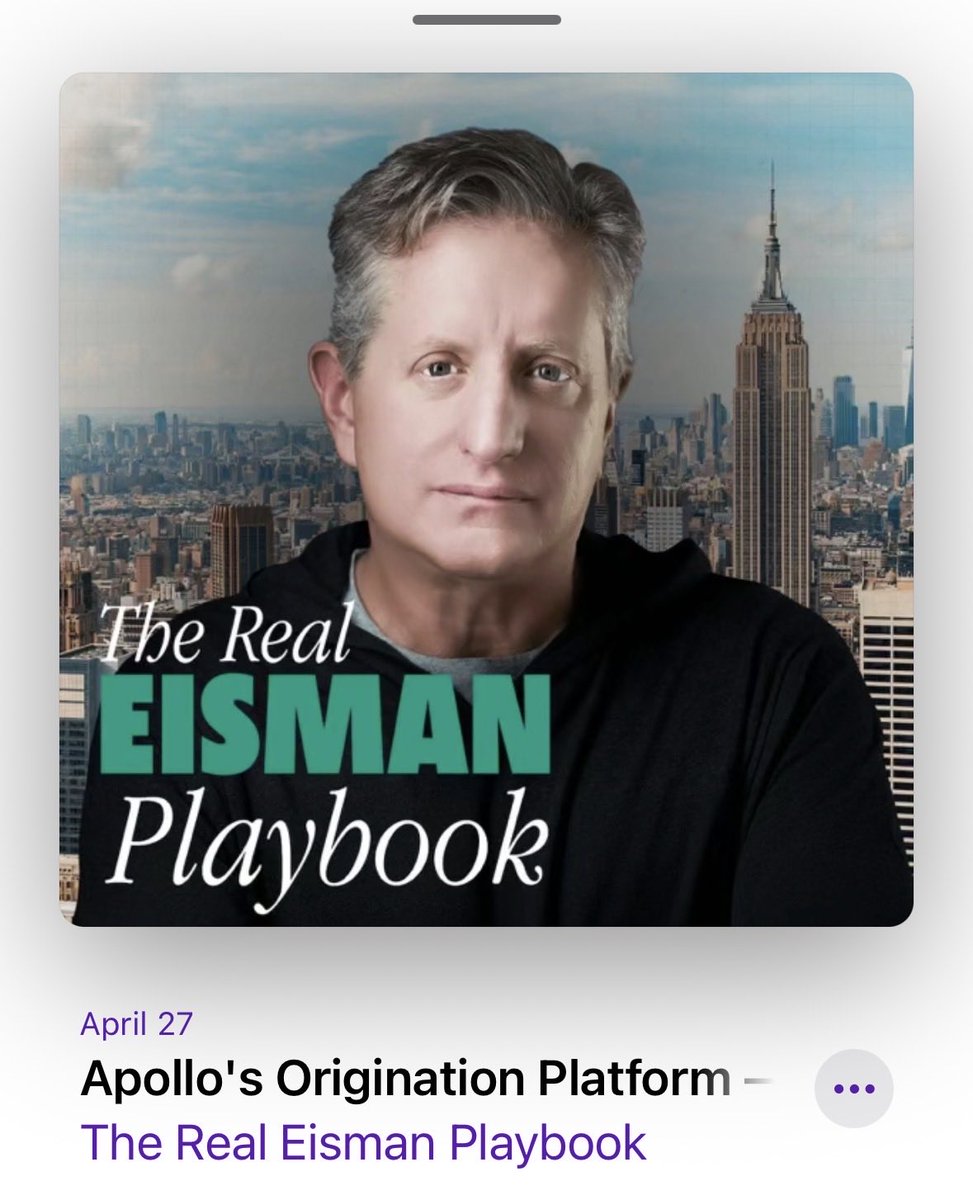
If you listen to anything today, I highly recommend this episode on Apollo and private credit by Steve Eisman Fantastic breakdown of Apollo’s key businesses, including Atlas and Athene, distress in software market, and current state of private credit Worth a listen
Boring_Business tweet media
English
6
31
301
25K
Michael Billings retweetledi
joebuddenclips/fanpage
joebuddenclips/fanpage@Thechat101·
Former lakers trainer Gary Vitti tells Matt Barnes that Kobe Bryant and shaq should have won 10 rings together and he breaks down how the relationship got toxic with players , coaches and fans taking sides
English
27
303
3.6K
106.3K
Michael Billings retweetledi
Rene Sellmann
Rene Sellmann@ReneSellmann·
Ever wonder why the stock market historically returns ~10%? It’s not a random number. It’s because the average business generates high single or low double-digit returns on its capital. Chuck Akre explains the "Owner’s Capital" link in this passage. If you want 20% returns, you need to find 20% ROE businesses. Simple, but not easy 👇
Rene Sellmann tweet media
English
9
19
196
22.7K
Michael Billings retweetledi
Tracy Alloway
Tracy Alloway@tracyalloway·
NEW EPISODE - PRIVATE CREDIT The private credit market is now said to be bigger than the market for junk-rated bonds at $1.8 trillion. How did it get so big? What’s its role in the overall market for corp financing? And how serious are all the recent headlines? @TheStalwart and I invited two veteran bond experts from Osterweis Capital Management to contextualize the market: podcasts.apple.com/us/podcast/odd…
English
2
25
107
24.7K
Michael Billings retweetledi
Kevin Gee
Kevin Gee@kevg1412·
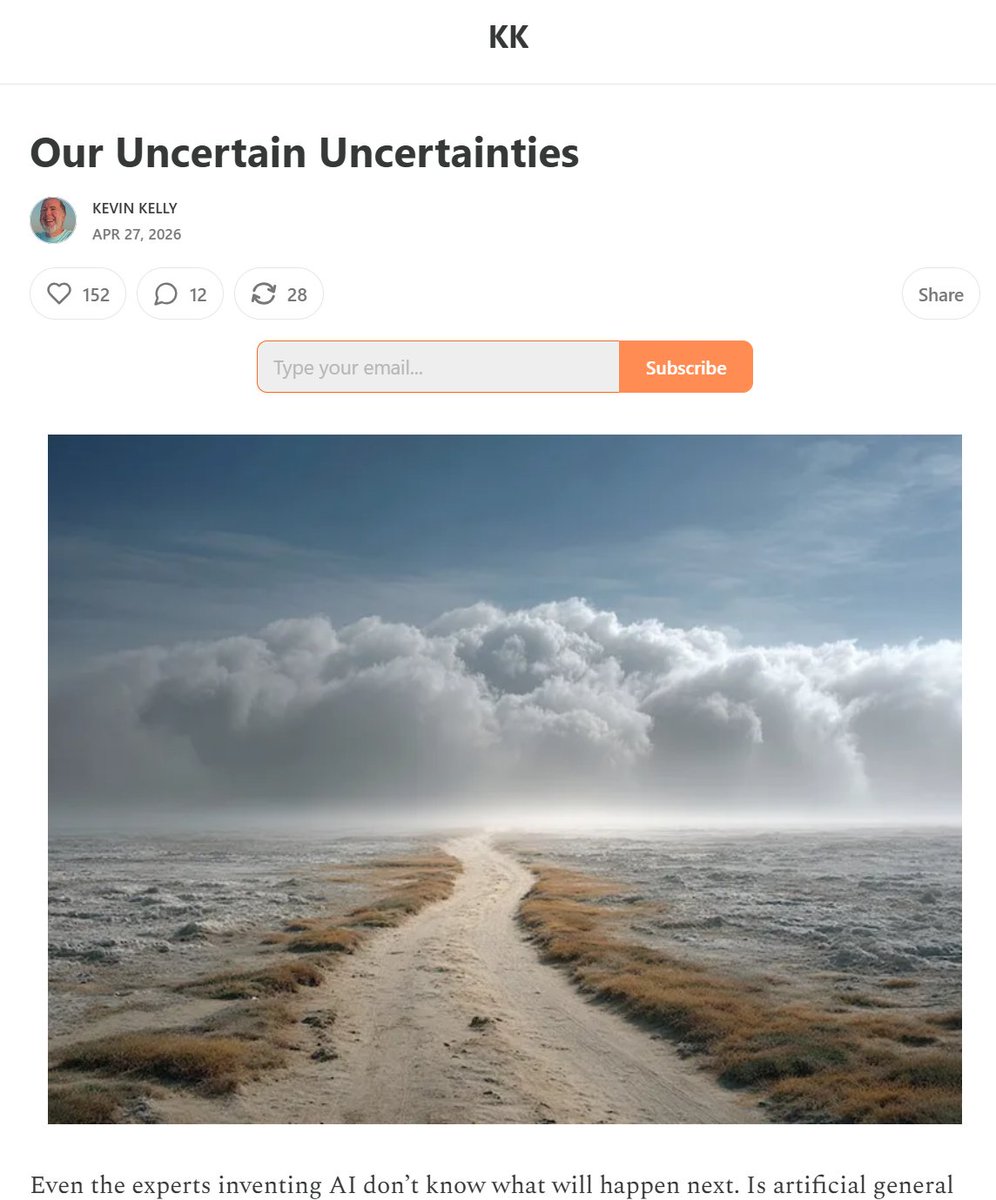
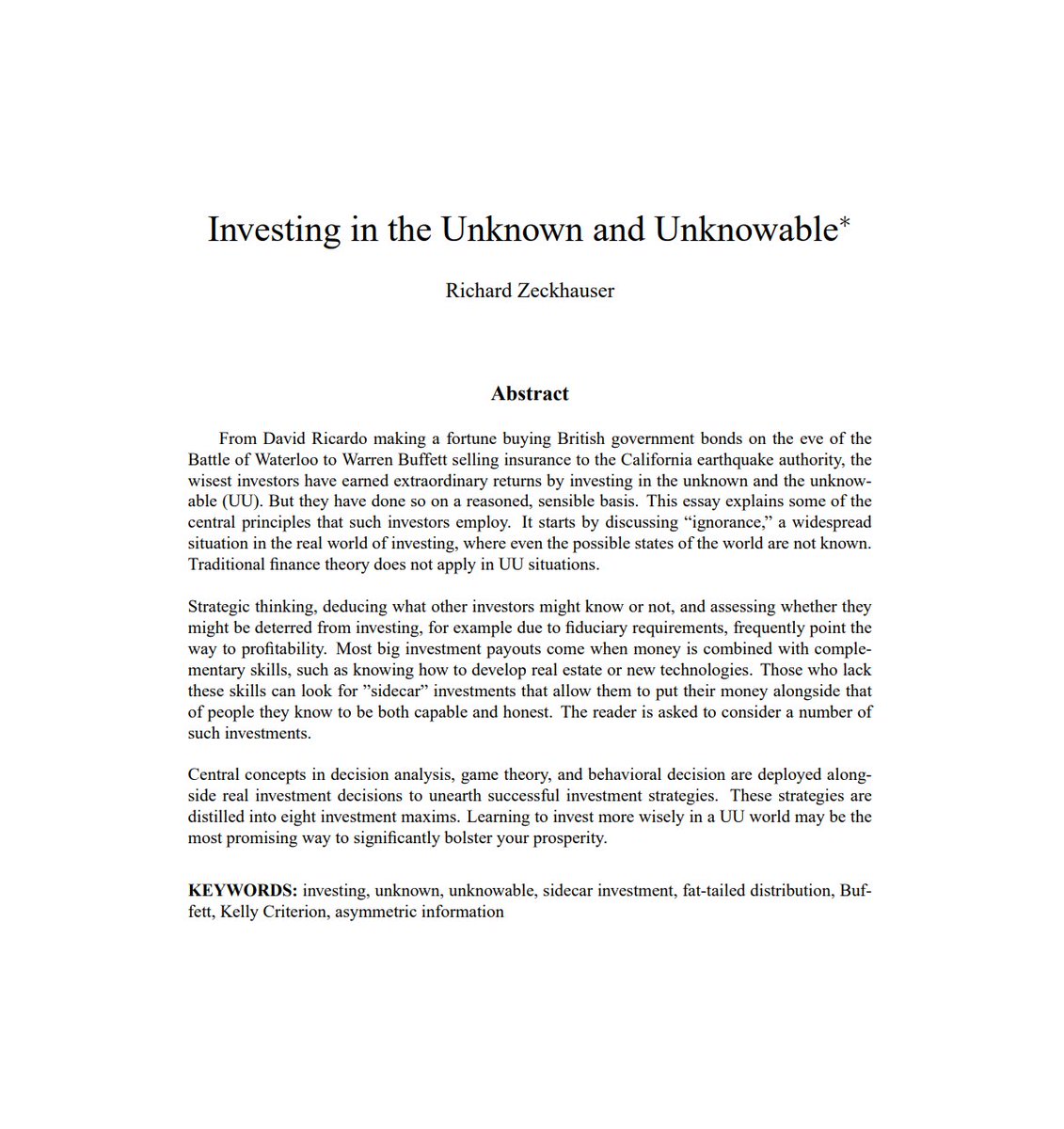
New Kevin Kelly essay on Uncertain Uncertainties worth pairing with Zeckhauser's Investing in the Unknown and Unknowable
Kevin Gee tweet mediaKevin Gee tweet media
English
1
4
76
6.6K