እየመጡ ነው

3.4K posts

እየመጡ ነው banner
እየመጡ ነው

እየመጡ ነው

@nathan_tem

Katılım Aralık 2016
1.2K Takip Edilen2.3K Takipçiler
እየመጡ ነው retweetledi
Dawit
Dawit@HOAAffairs·
One of the most moving and powerful testaments I have encountered on the plight of Ethiopian doctors: #ደጉ አባቴ እንኳንም ይሄን አላየህ! #አዎ ፦ ልጀ ትምህርትህን ጠንክረህ ተማር እያልክ እስክርብቶና ደብተር ብቻ ሳይሆን አጋዥ መፅሀፍትን መርጠህ ይዘህ የምትመጣው አባቴ፤ የኔ ልጅ ጎበዝ ነው እያልክ የምትኮራብኝ አባቴ፤ ስሜ ተጠርቶ ስሸለም አብረህ የምታጨበጭብልኝ አባቴ፤ ማትሪክ እና ሚኒስትሪን ልጅህ ሰቀለ ሲሉህ ሰፈሩን ጠርተህ ያስደሰትከው አባቴ፤ አቅም ሳይኖርህ ያስፈልገሀል ብለህ ላፕቶፕ ገዝተህ ወጭ አውጥተህ ያስተማርከኝ አባቴ፤ የኔ ልጅ ዶክተር ነው የሚሆን ተስፋ ያደረከው አባቴ በመጨረሻም ምርቃቴን ሳታይ ያረፍከው አባቴ፤ #አዎ ዶክተር ሆንኩልህ ግን ዶክተር በመሆኔ ርቦኝ ዳቦ ጠየኩ፤ ቤት አጥቸ መጠለያ ጠየኩ፤ ማግባት አቅቶኝ ዘሬን ሳልተካ ቀረሁ፤ ምስኪን እናቴን ነጠላ እንኳን ሳልገዛላት ቀረሁ፤ ለዛ መርቆ ላስተማረኝ ጎረቤቴ ቡና እንኳ ሳልገዛለት ቀረሁ፤ አዎ አባቴ እንኳንም ይሄን አላየህ፤ #አዎ አባቴ ያ በሰፈራችን ዱርዬ ባለዬ የተባለው ትምህርት ቤቱን የማያውቀው ስልጣን ይዞ ተንደላቆ እየኖረ እኔን ዳቦ ከለከለኝ ፤ እሱ ሁለት ሶስት ቤት ይዞ እኔን ግን መጠለያ አሳጣኝ፤ ይባስ ብሎ ካቴና ይዞ አሰረኝ ገረፈኝ አዎ አባቴ እንኳንም ይሄን ያላየህ። ነፍስ ይማር ዶ/ር ቴዎድሮስ ነኝ የደመቀ ልጅ @NeaminZeleke @EmishawEskedar @AbrarSuleiman @DuchessOfGonder @ShebaPushStart @MaedotmEthiopia @iyoba4u @SisgirG @Hohe421 @AlemuRutta @AltayeEthiopia @DanielBekele @shegerfm
7
23
53
5.5K
እየመጡ ነው retweetledi
DNE Africa
DNE Africa@africa_dne·
Ex-Minister Accuses Ethiopia’s Abiy of Plotting to ‘Destroy Amhara’ Read more: shorturl.at/Mm7zd
DNE Africa tweet media
English
32
212
388
22.4K
እየመጡ ነው retweetledi
Neamin Zeleke
Neamin Zeleke@NeaminZeleke·
A must-read analysis of #AbiyAhmed’s “Corridor Development” by Prof. Mesay Kebede—one of Ethiopia’s most profound thinkers and philosophers. "...To the extent that the contrast elevates Abiy by giving him a transcendent status for achieving the unthinkable, they put Abiy out of reach of any questioning. Just as the pyramids of the pharaohs soar above the desert, corridor development erects a fence behind which those who are excluded strive to have a glimpse of a barricaded wonder world..." @zborkena borkena.com/2025/06/13/eth… The Politics of Urban Embellishment Amidst Deepening Destitution Messay Kebede Among Prime Minister Abiy Ahmed’s statements and actions that most people find disconcerting, to say the least, and hard to explain, is the politics of embellishment of Addis Ababa and other major urban centers of Ethiopia. Deceitfully labeled “corridor development,” the embellishment project is designed in such a way that it enhances the aesthetic appearance of urban centers while also supposedly facilitating mobility by promoting convenience and avoiding congestion. The project includes the erection of impressive buildings, one of which is Abiy’s own 15 billion palace, the expansion of roads, the construction of bicycle and walking paths, as well as public plazas, standardized shops, and public toilets, all interspersed with green spaces and illuminated by dazzling lighting. The Costs of Embellishment According to the government, the purpose of the project is to enhance the quality of life for urban residents by creating an urban environment with an elevating function. In the words of the Prime Minister, “corridor development projects continue to introduce dignified, equitable public spaces that uplift communities.” They “aim to rejuvenate . . . improve the quality of life for their residents.” For critics, however, the primary aim of the project is to conceal the appalling poverty of Addis Ababa, rather than initiating plans to address it. Other critics attribute to the project the sinister goal of effecting a demographic change in the capital by removing ethnic groups that stand in the way of the Oromo hegemony, the assumed chief opponent being residents of Amhara origin. As a result, forced displacements of selected long-time residents, often on short notice, and the destruction of their properties have been the defining mark of the project. Add to this the financial costs of the project, which naturally arouse fierce criticisms, all the more so as the country is experiencing an unprecedented economic crisis. Essentially caused by ongoing wars in various regions, factors such as soaring inflation, an escalating shortage of goods, and a significant depreciation of the birr against the US dollar are worsening the crisis. In light of multifaceted and deepening crises, the politics of embellishment can rightly be condemned as a wasteful, reckless, and irresponsible program. Besides being utterly dismissive of the real needs of urban residents, the enormous costs of this unproductive project do no more than aggravate the plight of the people it affects. Though the government is aware of the human costs, it justifies the project as sacrifices necessary for future betterment. To quote Abiy: “Undertakings of this scale require substantial effort, and while they may bring temporary inconveniences, these are necessary sacrifices made in pursuit of the greater good. Such progress must continue, for it carries with it renewed hope—especially for the future of our children.” In using the notion of “necessary sacrifice,” Abiy calls upon the principle that the end justifies the means. Yet, the principle does not lessen the cruelty required to implement the forced evictions and the attendant demolitions of homes and places of business. We can even say that Abiy’s cruelty reaches its highest point when he describes the plight of the people as “temporary inconveniences,” while perfectly knowing that the evictions have wrecked beyond repair the lives of thousands of people in Addis Ababa and have exposed many more to the anguish of an uncertain future. Ruling by Prestidigitation The pressing question is then the reason why Prime Minister Abiy designed and implemented a reckless and cruel project. Many have difficulty in fathoming an explanation that they could characterize as rational because the recklessness of the project does nothing other than multiply discontent and threaten the regime. In my view, the only way to find some rationality is to see the project as one of the arsenals that authoritarian regimes use to silence their people by enthralling them with magnificent realizations. Let me explain. The purpose of urban embellishment through the erection of impressive buildings and the construction of vast roads and other attractive facilities is to offer a showcase of realizations whose goal is to impress residents. The display does not actually tackle any of the residents’ problems; it is designed to set off their acclamation, almost in an involuntary manner. So disarming is the sheer impact of impressiveness that it drags people along and sparks their applause, even where there is initial resistance. The fight against poverty is an undertaking that takes a very long time; it is made of slow, almost invisible changes that require a well-thought-out plan and a sustained effort over decades. Because there are no immediate results, the fight is anything but enthralling. By contrast, not only is the construction of magnificent buildings, roads, and facilities a rapidly realizable project, but it is also immediately visible. Moreover, it requires neither a sustained effort nor a carefully thought plan: unlike the arduous goal of changing the lives of people, it is just a display of material objects. What is needed is money, which dictators extract easily from the people by telling them, as did Abiy, that sacrifices are necessary to achieve great goals for coming generations. This futuristic vision is nothing more than another “opium” to lure the people into accepting more sacrifices for the sake of a grandiose idea. Ethiopians had gone through a similar situation in the name of socialism under the Derg and ethnic equality under the EPRDF. This is to say that magnificence impresses, and as such, it has a disarming effect. It is like lightning on a dark and stormy night. To underline the impact of beauty on human beings, the French author, Blaise Pascal wrote: “Cleopatra’s nose, had it been shorter, the face of the world would have changed.” When people come under the spell of beautiful and magnificent realizations, they lose, albeit momentarily, their ability to resist the urge to applaud the person who is behind them. In other words, one way to silence and subdue poverty is indeed to exhibit magnificence. Some dictators want to impress by their war prowess, which they use to expand their dominion, as when Abiy recently boasted by presenting himself as the victor who broke the northerners. Others use the contrast between poverty and magnificence to impress and subdue. When what you cannot have is exposed to you, it crushes you, as it reveals your unworthiness. Abiy’s new expensive palace has no other function than to crush people with a show of splendor. The magnificence of the palace passes on to the originator, thereby becoming a manifestation of the greatness of the residing person. The image of God is one of unsurpassable majesty, while that of the devil is dark ugliness. That is why churches and mosques externalize grandeur, the very one that inspires you to bow as a sign of submission. For the same effect, dictators willingly hire artists because they want their gifts to embellish their regimes. They also employ intellectuals and cadres to indoctrinate people with a dressed-up account of their achievements. Abiy himself recently characterized his “achievements” as nothing short of a “miracle.” The choice of the word “miracle” is obviously reflective of the stratagem of seduction to spur capitulation. In saying that what he has accomplished is out of the ordinary, he cajoles us into the realm of prestidigitation by stifling any rational, sober assessment of his regime. Rational assessment should be put aside where the impossible has been accomplished. So that, in the face of formidable obstacles, his realizations rise to the level of a Herculean work that only a “Messiah” accomplishes. The criticism that corridor development does not serve the people misses one important point, which is that its goal is to put Abiy on a pedestal for realizing the impossible, the miraculous. What matters is not so much the utilitarian worth of the project as its aesthetic value. By aesthetic, I mean the display of wealth and magnificence that has a dazzling effect on the people. The realizations are not meant to be touched, used, or consumed; they are there to impress, to arouse admiration, for their purpose is to expose the contrast between them and the surrounding poverty. To the extent that the contrast elevates Abiy by giving him a transcendent status for achieving the unthinkable, they put Abiy out of reach of any questioning. Just as the pyramids of the pharaohs soar above the desert, corridor development erects a fence behind which those who are excluded strive to have a glimpse of a barricaded wonder world. @AndargachewTse2 @HOAAffairs @amggebre @GirumTweets @EmishawEskedar
English
10
60
135
8.6K
እየመጡ ነው retweetledi
Gudu Kassa የቀድሞው ስርአት ናፋቂ
ታዬ ደንድአ ስለ አብይ - መድረክ ላይ አዋቂ ለመምሰል አጤሪራ ይዞ ነው ሚገባው 😂 - inferiority complex ያለበት የከተማ ዱርዬ - ከተንኮሉ ጀርባ ከባድ የአቅም ማነስ - የአቅም ማነሱ ዝም ብሎ ተራ የአቅም ማነሱ ሳየሆን፤ የእውቀት፣ የsocial እና የሞራል
AM
26
62
178
45.4K
እየመጡ ነው retweetledi
Abrar Suleiman/አብራር ሱሌማን
አጨብጭቡላት! ፂዮን ተስፋ አበበ ትባላለች ከትውልድ ቦታዋ ሐዋሳ ወደ ካናዳ ከሄደች ከ7 አመት በኋላ ዛሬ በኮንኮርዲያ ዩኒቨርሲቲ በከፍተኛ ማእረግ በባዮሎጂ መመረቅ ብቻ ሳይሆን፣ የ2 የተዋጣለት የምርምር ውጤት ተሸላሚ ሆነች! #ኢትዮጵያ #ethiopia
AM
7
30
213
12K
እየመጡ ነው retweetledi
blackcount
blackcount@blackcount1991·
Eritrean Press@EritreanPress

Ethiopian Doctors Seek Fair Salaries as Earnings in Eritrea Reach Nearly 20 Times Higher - A doctor per 80,000 people (EP) - Ethiopian doctors earn nearly 20 times less than their counterparts in Eritrea, where the average monthly salary for a doctor in Asmara is $1,660, compared to just $85 under the current Ethiopian government in Addis Ababa. This stark contrast in earnings highlights the growing demand among Ethiopian doctors for fair salaries and improved working conditions. As a result of this unjust practice, Ethiopian doctors have organised protests to voice their frustrations over inadequate salaries which is significantly lower than that of their counterparts in neighboring countries, such as Djibouti who are paying their doctors US$2,170 per month. The Ethiopian doctors are protesting and feel undervalued particularly in a healthcare system that faces numerous challenges, including a lack of resources and support. The protests are not just about salary; they also emphasise the need for better working conditions, including sufficient medical supplies, facilities, and overall support for healthcare professionals. Surprisingly, the Ethiopian government has arrested many medical doctors across the country who are advocating for better working conditions and salaries, despite the fact that Ethiopia has only 1,600 doctors serving a population of 130 million, which is approximately one doctor for every 80,000 people. For context, Cuba has an impressive ratio of about one doctor for every 100 people, making it one of the highest in the world. This is significantly higher than in many other countries, such as the United Kingdom, where there is one doctor for every 370 people, and the United States, which has a ratio of one doctor for every 385 people. #Eritrea #Ethiopia #Medical #Doctors #salary

QME
0
1
2
290
እየመጡ ነው retweetledi
Chalakidist
Chalakidist@Chalakidist1·
አዲስ አበባ 🤷‍♂️ አትነሳም ወይ !
Neamin Zeleke@NeaminZeleke

ጋዜጠኛ እና አርቲስት አዜብ እንደመሰከረችው፤ “በዳቦ ስሙ የተገለጸው የኮሪደር ልማት ተብዬው” ሰው ሲገል” ፤ ቤተሰብ ሲያፈርስ፤ በአንድ ክፍለ ዘመን የደረጀ ዕድርን፤ ማህበራዊ ትስስርን፤ ባህላዊ፤ መንፈሳዊ እና ዓለማዊ ተቋሟትን ሲያፈርሰ” በአጠቃላይ አገርን ሲያፈርስ እያፈረሰ ሲቀጥል በአይኔ በብረቱ ተመለከትኩኝ፡፡ እንግዲህ ምን ቀረን? ለልጆቻችን የምናወርሳት አይደለም ቀሪ እድሚያችንን ኖረን አጽማችን የሚያርፍበት፤ ቀባሪም መቀበርያም እያጣን እስከመቼ ነው ዝም የምንለው? ጅቡ እኔን እየበላ ነው ዝም በሉ!! የምንለው!!! ምን ያህል ሰው እስኪሞት፤ ሲያልቅ ነው በሞት እና በህይወት ያለው ምርጫ ማነጻጸር የምጀምረው!! መቼ ነው ከመጣብን ዘጠኝ ሞት አንዱን መርጠን ግባ ብለን የመርጡልንን ሳይሆን የመርጠነውን ሞት የምንሞተው? መቼ ነው አትነሳም ሆይ!!፤ አትነሳም ሆይ!! የሚለውን ነባር መዝሙር ዘምረን አደባብይ የምነወጣን??፡፡ መቼ ነው የምነውሰነው? ፋኖ ተሰማራ ብሎ ዘምሮ ይህንን ሰው በላ፤ አገር አጥፊ፤ መንግስታዊ ወንበዴ ቡድን ለመፋለም የወጣውን የአማራ ህዝብ እና የአብራኩ ክፍይ ልጆቹ፤ የሞት ሽረት ትግል እኛም ለከተማ የሚመረጠውን፤ ህዝባዊ እንቢተኝነት በእየክተሞቻችችን በአንዴ እና በጋራ የምናሳየው፡፡ ገለን ሳይሆን ሞተን ይህንን ለስልጣን አበቃኝ የሚለውን ህግ እንኳን የማያከብር የማያስከብር፤ አምባገነን ጋጠ ወጥ፤ ለከት አልባ ውሽታም፤ ዘራፊ ማጅራት መቺ ወሮ በላ፤ ከዚ በፊት የቀደሙትን መንግስታታ የሚያሰመኝ፤ የፋሲሽት የጣሊያን ቅኝ ገዢን፤ የንጉስን ሥርዓት፤ የደርግ እምባገነን፤ የወያኔ ዘረኛ ሥርዓትን፤ ፈጠሩ የሚባለውን የአንድ ክፍለ ዘመን ችግር በአንድ ላይ ቢደመሩ የማይገልጹትን ጥፋት በአምስት አመታት ውስጥ የፈጠረ፤ ጥፋትን እና በደልን በነጋ በጠባ የሚፈለፍል መንግስትን የምንፈላመው መቼ ነው? ህይወታችንን ቢቀር አሟሟታችንም የምናሻሻለው?

AM
0
6
9
1.5K
እየመጡ ነው
እየመጡ ነው@nathan_tem·
አማራነትንና ኢትዮጵያዊነትን ጎንደር ላይ ፡ ሸዋ ላይ፡ ወሎ ላይ አያለው። ጎጃም ላይ ግን እያየው አይደለም።
AM
0
0
0
17
እየመጡ ነው retweetledi
Hone Mandefro
Hone Mandefro@HoMan99·
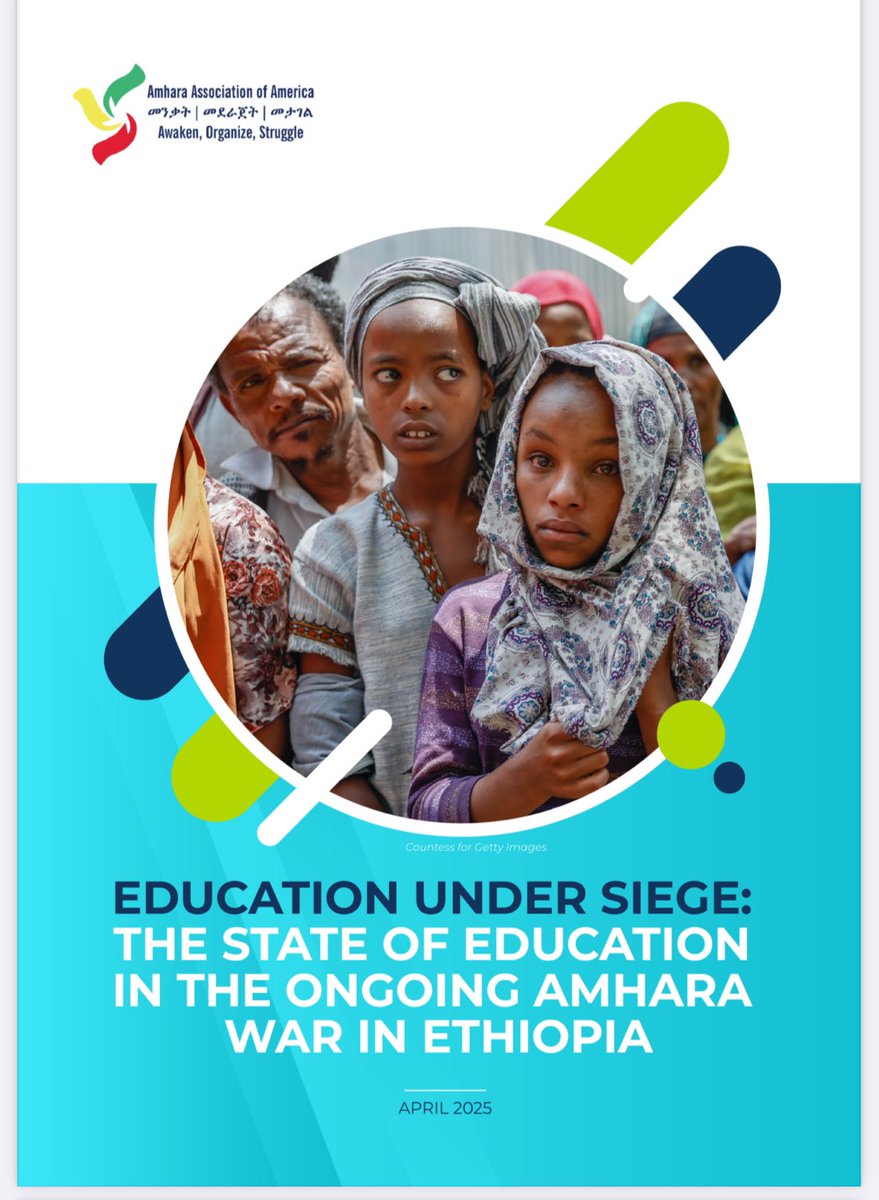
New report from @AAA_Amhara: 5,200+ schools (65%) in Amhara are shut down—damaged, used as military posts by regime forces, or in Fano-held areas. Out-of-school children now outnumber populations of many regions including Tigray & Addis Ababa. Link to the report in comments.
Hone Mandefro tweet media
English
10
65
83
5.4K
እየመጡ ነው retweetledi
Mesay Mekonnen
Mesay Mekonnen@mamamesay·
ለንደኖች የአማራን ህዝብ በደል በዓለም ዓቀፍ መድረኮች ላይ ለማሰማት የምታደርጉት ጥረት የሚደነቅ ነው። ብራቮ - ለንደን ፋኖ!
AM
0
59
181
7.1K