Radio Inkingi

3.5K posts

Radio Inkingi

Radio Inkingi

@radioinkingi

Katılım Haziran 2015
266 Takip Edilen623 Takipçiler
Radio Inkingi retweetledi
Marius Komeza
Marius Komeza@marikomz·
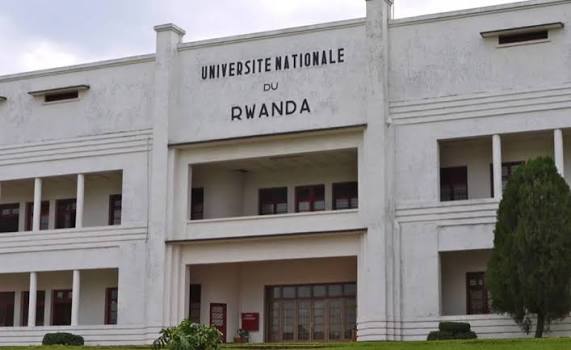
Les accusations répétées du ministre @DrDamascene contre les #Hutus s’inscrivent dans une stratégie politique installée depuis la prise de pouvoir du #FPR Inkotanyi : celle qui consiste à étiqueter systématiquement tout intellectuel Hutu comme porteur ou héritier d’une « idéologie génocidaire ». Ce schéma récurrent vise avant tout à neutraliser toute voix critique potentielle afin de préserver la domination du pouvoir FPR @rpfinkotanyi sur l’ensemble de l’espace politique rwandais. Dans ce contexte, la dernière diabolisation du mathématicien Augustin Banyaga est particulièrement révélatrice. Installé aux États-Unis depuis 1971 et absent du Rwanda pendant le génocide de 1994, il est aujourd’hui la nouvelle cible du régime de #Kagame. Ce cas illustre parfaitement l’absurdité et la systématisation de ces accusations. Depuis des années, l’association @CLIIR_org dénonce cette stratégie du FPR @rpfinkotanyi, qui consiste à stigmatiser et marginaliser les intellectuels Hutus dans le but d’écarter progressivement cette composante de la société du débat public et de l’espace politique rwandais. À cet égard, la relecture de la série d’articles réédités en décembre 2014 par #CLIIR, dans le cadre de sa campagne contre le mensonge et l’impunité au Rwanda; met en évidence des dynamiques persistantes de marginalisation et d’exclusion des Hutus au fil du temps. Je vous invite à les consulter : > Extermination de l’Intelligentsia Hutu cliir.org/quinzaine-de-l…⁠ > Elimination des collaborateurs Hutus cliir.org/quinzaine-de-l… > Purges des parlementaires indésirables cliir.org/quinzaine-de-l… Douze ans plus tard, force est de constater que rien n’a changé : la même mécanique d’accusation, la même logique de stigmatisation, les mêmes cibles. Plus précisément, les intellectuels Hutus, notamment ceux issus de l’Université Nationale du Rwanda @Uni_Rwanda, semblent être dans le viseur constant du ministre Bizimana. Dès lors, plusieurs questions fondamentales se posent : - Quel rôle joue réellement un ministre chargé de l’Unité nationale lorsqu’il tient, de manière répétée, des propos stigmatisants ? - La mission du ministère de l'Unité nationale @Unity_MemoryRw consiste-t-elle à rassembler les citoyens ou au contraire à désigner une partie de la population comme coupable par défaut ? - Comment un gouvernement @RwandaGov peut-il prétendre promouvoir l’unité nationale si l’un de ses ministres régaliens contribue lui-même à approfondir les fractures de la société ? - À force d’accuser collectivement les Hutus d’« idéologie génocidaire », ne finit-on pas par produire exactement ce que l’on prétend combattre : une logique de stigmatisation et de haine contre les Hutus fondée sur une culpabilité collective ? - Un ministre qui entretient un tel climat de division peut-il encore être crédible pour porter une politique nationale de réconciliation ? - Et enfin les rwandais peuvent-ils réellement avancer vers une véritable réconciliation en ignorant ces dynamiques d'exclusion à l'oeuvre ? Je pose directement ces questions au président de la République @PaulKagame et au premier ministre @Dr_JNsengiyumva, en tant que garants de la cohérence gouvernementale. Le #Rwanda a besoin d’un ministre capable de reconstruire la confiance entre ses citoyens. Il n’a pas besoin d’un ministre irresponsable qui attise les divisions et fragilise la nation. Dans ces conditions, le ministre Bizimana Damascène constitue un véritable facteur de risque pour la cohésion nationale. Il est donc imperatif qu’il soit démis immédiatement de ses fonctions.
Marius Komeza tweet mediaMarius Komeza tweet media
Français
4
50
61
7.4K
Radio Inkingi retweetledi
Jambo
Jambo@jamboasbl·
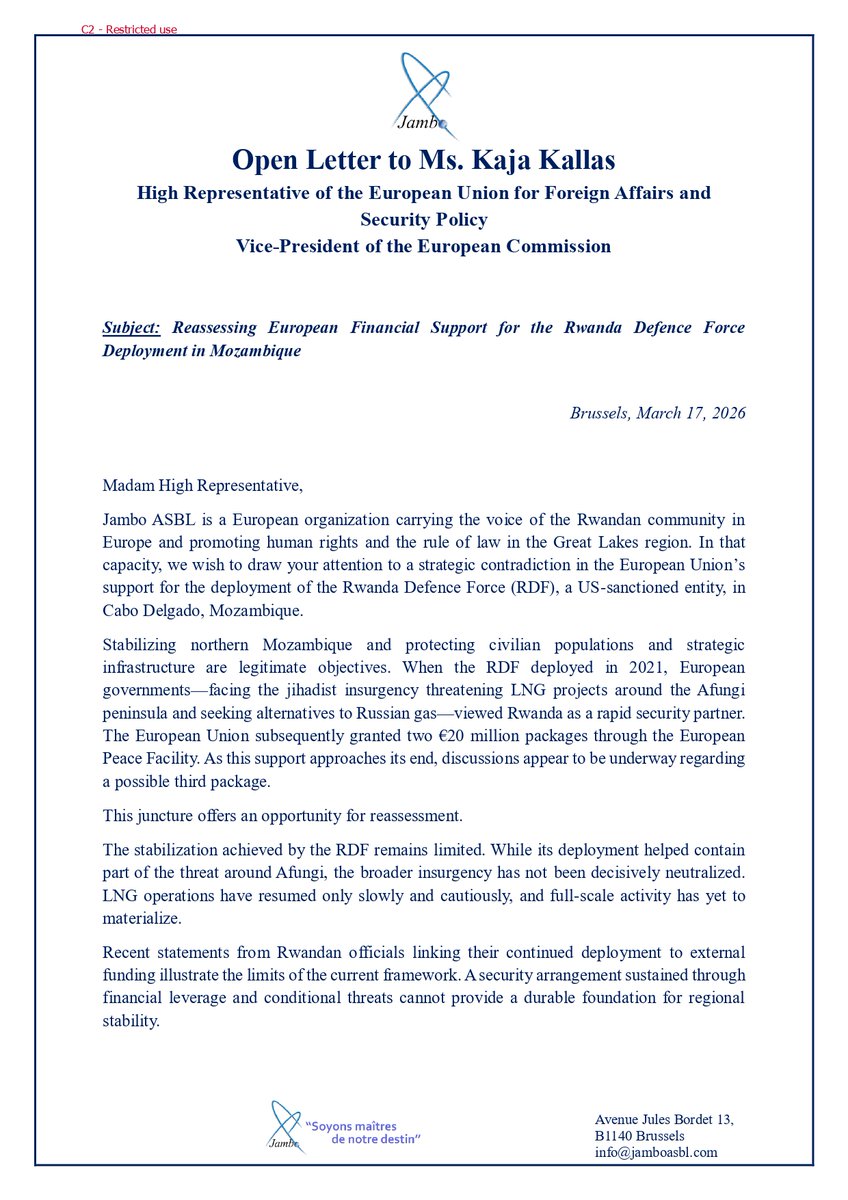
🇪🇺🌍Madam @kajakallas, We respectfully submit our open letter on EU funding for Rwanda’s military deployment in Mozambique. Supporting peace efforts in the DRC requires ending EU support to the Rwandan army and progressively delinking European interests from its military deployments. This is essential for regional stability and in the EU’s own strategic interest.🌍 Europe must act with clarity and consistency. — Jambo ASBL ✉️ 🔗Open Letter: jamboasbl.com/article/open-l… cc: @eu_eeas @OlofBSkoog @llombartpatUE @AMaioColicheUE
Jambo tweet mediaJambo tweet media
English
13
32
42
12K
Radio Inkingi retweetledi
Norman Ishimwe 🤝
Norman Ishimwe 🤝@NormanIshimwe·
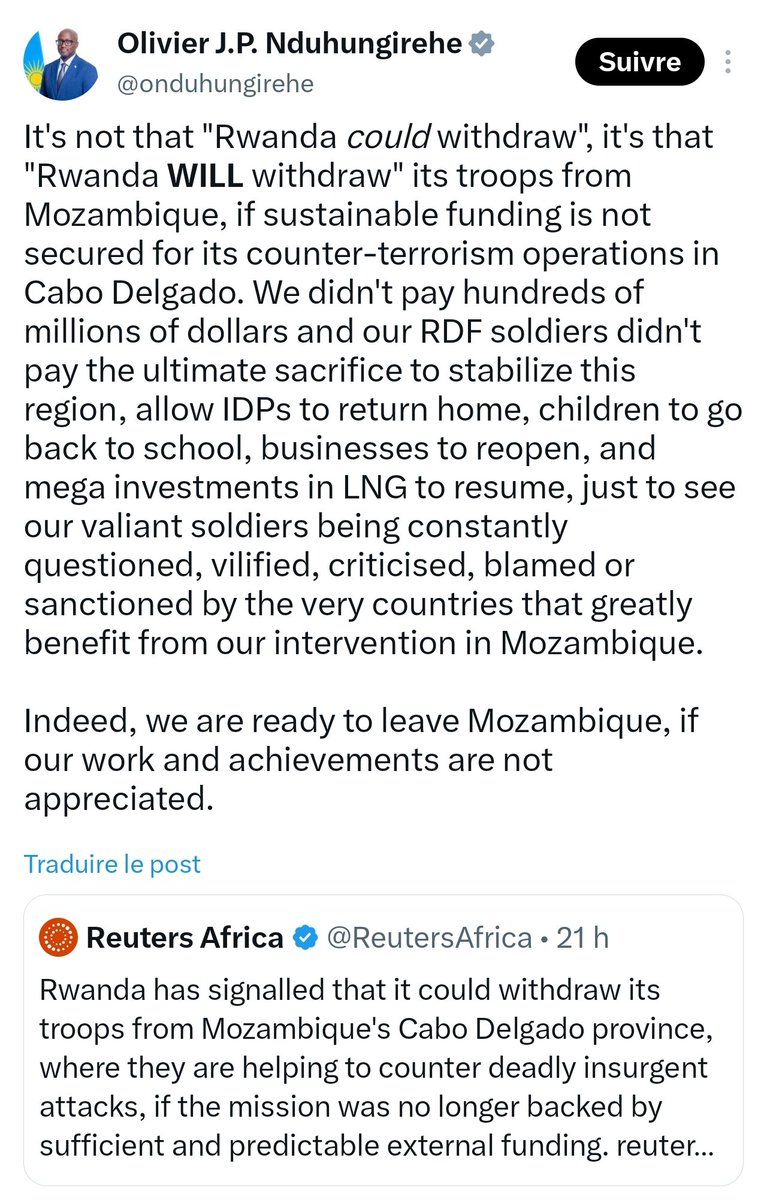
.@onduhungirehe’s statement that Rwanda “will withdraw” its troops from Cabo Delgado if funding is not secured should not be read as leverage. It should be read as an opportunity. If Rwanda is threatening to leave Mozambique, Western partners should not rush to reassure Kigali. They should calmly accelerate preparations for a post-RDF security framework. In geopolitics, threats are not rewarded. Such threats from the diplomacy of a country to which the @EU_Commission and France have given considerable political and financial support over the past five years — sometimes at significant moral cost — are inappropriate and frankly insulting. If the @EU_Commission were to yield to the pressure exerted by @onduhungirehe, it would only reinforce the long-term insecurity surrounding the LNG projects in Cabo Delgado instead of stabilizing them. The jihadist insurgency in Cabo Delgado has been strategically useful to President @PaulKagame. In 2021, the Rwanda Defence Force positioned itself as the security guarantor of the LNG projects led by @TotalEnergies, @eni and @exxonmobil around the Afungi peninsula — one of the largest gas developments in Africa — at the exact moment when Europe urgently sought alternatives to gas from Russia. This effectively placed Western governments and energy companies in a position of reliance on Rwanda’s security role. Yet five years later, LNG operations have resumed only slowly and cautiously. Full-scale activity has still not materialized, despite Kigali’s constant narrative of decisive stabilization. This contradiction raises an uncomfortable question: if the jihadist threat were fully eliminated, what would remain of Rwanda’s strategic leverage? The reality is that Kigali’s leverage depends less on resolving the crisis than on managing its persistence. As long as insecurity exists, Rwanda remains indispensable. This logic mirrors Rwanda’s approach in eastern DRC. There too, Kigali justifies its military posture by invoking hostile armed groups and the unresolved question of Rwandan refugees — while consistently resisting the only durable solution: a genuine political settlement enabling their safe and voluntary return. As long as the problem remains unresolved, the justification for military presence remains as well. Meanwhile, Rwanda has expanded its footprint in Mozambique across sectors such as agriculture, trade, banking and private security, while also projecting influence over the long-established community of Rwandan refugees living in Mozambique for decades. All this suggests Kigali has little strategic incentive to see the current arrangement disappear. Rwanda’s pressure should therefore not be misunderstood as a simple funding dispute. What is ultimately at stake is the preservation of Western political backing at a time when Rwandan officials face growing diplomatic pressure and U.S. sanctions over the conflict in eastern Congo. If Rwanda now conditions its presence on continued external funding and political backing, Western partners should take this statement at face value and begin preparing an orderly transition toward alternative security arrangements. The stability of such a strategic region cannot indefinitely depend on a security model built on financial subsidies, political pressure, and the strategic management of unresolved conflicts. If Rwanda says it is ready to leave, the most responsible answer from its partners may well be: very well — let us organize the transition. cc: @KajaKallas @eu_eeas @llombartpateu @ppouyanne
Norman Ishimwe 🤝 tweet media
English
13
27
35
6.3K
Radio Inkingi retweetledi
MPOZEMBIZI Théophile
MPOZEMBIZI Théophile@TheoMpoze·
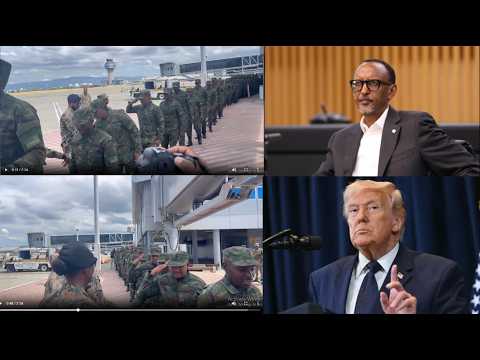
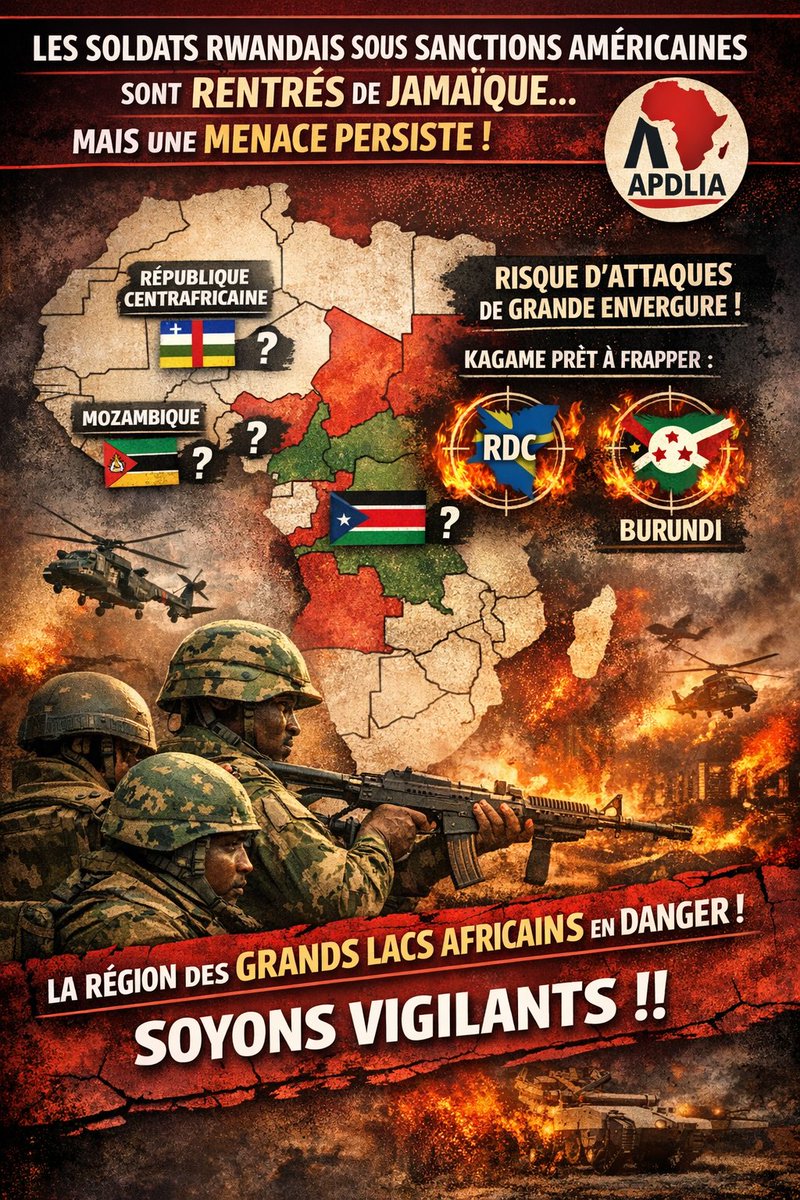
🚨 URGENT 🚨: Retour des soldats rwandais sous sanctions américaines 📢📌 Les soldats de l’armée rwandaise -#RDF sous sanctions américaines 🇺🇸, qui étaient déployés en #Jamaïque 🇯🇲, sont désormais rentrés au #Rwanda 🇷🇼. 👉 Cependant, une question importante demeure : Qu’en est-il des autres soldats rwandais déployés à l’étranger, notamment en : ▪️République Centrafricaine 🇨🇫 ▪️Mozambique 🇲🇿 ▪️Sud Soudan 🇸🇩 ⚫ Une inquiétude pour la région des Grands Lacs Africains 📌📢 Pour la région des Grands Lacs Africains, la prudence — voire une vigilance renforcée — s’impose. 📌📢 En effet, #PaulKagame étant dans un mode suicidaire, il pourrait utiliser ses soldats pour mener des attaques de grande envergure contre : ◾la République démocratique du Congo 🇨🇩 ◾le Burundi 🇧🇮 🔊🔊 Appel à la vigilance 📌 Face à cette situation préoccupante : Soyons vigilants !! youtu.be/py6A1sumq2w?is…
YouTube video
YouTube
MPOZEMBIZI Théophile tweet media
Français
7
53
85
3K
Radio Inkingi retweetledi
Hinga Placide
Hinga Placide@HingaPlacide·
@PaulKagame’ claims that Rwanda will become one of the highest-income countries by 2050. But @rpfinkotanyi is constantly involved in conflict, while citizens are reportedly killed, imprisoned, or silenced on a daily and continued looting of minerals in Congo? Development needs stability, trust, and real investment not conflict and exploitation. If you have spent 30 years in power without building strong institutions, when exactly do you plan to build them? peoples are tired to hear your meaningless promises . @JF_LE_DRIAN @NewTimesRwanda @rbarwanda @Annemwiza @RevColeman @AAwithJGS .
English
0
10
11
192
Radio Inkingi retweetledi
Norman Ishimwe 🤝
Norman Ishimwe 🤝@NormanIshimwe·
Madame @CoulibalyBojana, Votre tweet montre surtout que vous connaissez mal — ou que vous ne comprenez pas — les réalités historiques et societales de la région. Quelques faits simples. 1. Il y a en RDC plusieurs centaines de milliers de réfugiés rwandais. Ce n’est pas moi qui l’affirme : ce sont les chiffres du HCR, qui parle de près de 200 000 réfugiés enregistrés, et probablement bien davantage si l’on inclut les non-enregistrés et les apatrides. 2. Depuis près de 30 ans, des rapports internationaux documentent aussi des massacres et des violences graves contre ces réfugiés rwandais. Le Rapport Mapping de l’ONU (2010) évoque des actes qui pourraient constituer un crime de génocide contre les réfugiés hutu en RDC. Les rapports récents du Groupe d’experts de l’ONU parlent également de violences pouvant constituer des crimes contre l’humanité contre cette population. 3. Malgré cette réalité démographique et ces crimes documentés, la question de ces réfugiés n’a jamais été sérieusement traitée politiquement. La seule réponse proposée depuis 30 ans a été des programmes de retour individuel dit “volontaire”, qui ont largement échoué, ou aujourd’hui des retours forcés, comme ceux coordonnés actuellement par le régime de Kigali et le M23. 4. C’est dans ce contexte que les FDLR existent : elles sont une conséquence de ces trois réalités qui précèdent — une population de réfugiés rwandais importante, des violences graves subies pendant des décennies, et l’absence de traitement politique sérieux de la question. Donc non, je ne « confirme » aucune idéologie. Je rappelle simplement des faits documentés depuis longtemps. Encore faut-il connaître un minimum le sujet avant d’en parler.
Norman Ishimwe 🤝 tweet media
Bojana Coulibaly, Ph.D.@CoulibalyBojana

Les #FDLR: menace génocidaire globale. Le président du réseau idéologique #FDLR basé en Belgique confirme que les #FDLR ne sont pas juste un petit nombre de combattants mais des 100aines de milliers de réfugiés Hutu biberonnés à l’idéologue genocidaire en #RDC depuis 30 ans.

Français
2
6
21
2.5K
Radio Inkingi retweetledi
Nadia MUGUNGA
Nadia MUGUNGA@Nadia_MUGUNGA1·
Monsieur le Ministre @onduhungirehe Votre réaction au post du fils de l’ancien président Habyarimana @JLHaby illustre malheureusement une pratique devenue récurrente dans la communication du régime de @rpfinkotanyi : détourner un débat politique légitime vers des attaques personnelles, des accusations graves et des rappels sélectifs de l’histoire, au lieu de répondre sur le fond des questions soulevées. Assimiler systématiquement toute voix critique à une menace pour la sécurité nationale ou à une proximité supposée avec les #FDLR ne renforce en rien la crédibilité d’un gouvernement. Au contraire, ce type de rhétorique appauvrit le débat public et restreint l’espace politique dont toute société a besoin pour progresser. De nombreux Rwandais, à l’intérieur du pays comme dans la diaspora, aspirent simplement à un débat ouvert et mature, où les questions politiques peuvent être discutées sans intimidation ni diabolisation. Répondre par des insinuations et des procès d’intention ne fait que renforcer l’idée que toute critique est automatiquement perçue comme un crime. Quant aux déplacements ou aux activités personnelles du fils de l’ancien président, les présenter comme une « insulte à l’intelligence » relève davantage de la disqualification politique que d’un argument sérieux. La véritable insulte à l’intelligence des citoyens serait plutôt de prétendre que tout Rwandais qui exprime une opinion politique en dehors de la ligne officielle doit nécessairement être présenté comme un ennemi de l’État. Le Rwanda mérite mieux qu’un débat fondé sur la peur et la stigmatisation. Un ministre des Affaires étrangères @RwandaMFA devrait contribuer à élever le niveau du débat public, et non à l’abaisser. Les Rwandais sont parfaitement capables de juger par eux-mêmes, sur la base des faits, des idées et d’un débat politique ouvert , pas à travers des campagnes de disqualification. —FIN— @JLHaby @haby_haby2 @MukizaAntoine @Nkurangalphonse @louiseuwacu @jacksonmukunda @IGIHE @ruhumuza
Nadia MUGUNGA tweet media
Français
2
50
115
23.8K
Radio Inkingi retweetledi
Norman Ishimwe 🤝
Norman Ishimwe 🤝@NormanIshimwe·
FDLR : SORTIR DU PIÈGE NARRATIF L’article de Christophe Rigaud sur @afrikarabia rappelle une réalité que presque tous les observateurs reconnaissent aujourd’hui : après plus de vingt ans d’opérations militaires, la « neutralisation » des FDLR reste un objectif insaisissable. Mais si tout le monde admet désormais qu’il n’existe pas de solution militaire, pourquoi toute piste politique — faite de dialogue, de discussion et de compromis — reste-t-elle systématiquement écartée ? Si la neutralisation des FDLR apparaît comme un objectif inatteignable, c’est pour une raison simple : les FDLR ne sont pas seulement un groupe armé. C’est un mouvement politico-militaire enraciné dans une réalité bien plus large, celle de centaines de milliers de réfugiés rwandais vivant depuis près de trente ans dans l’est de la RDC et dans la région, souvent sous la menace constante du régime rwandais et de ses relais. On ne peut pas « neutraliser » militairement un phénomène lié à une population de réfugiés aussi importante. Kigali peut multiplier les annonces et les opérations de rapatriement forcé, mais ces retours ne représentent qu’une goutte d’eau. Le problème est politique et structurel. Un autre problème tient au langage utilisé dans la plupart des analyses. Les FDLR sont presque systématiquement décrites comme un mouvement « génocidaire » ou porteur d’une « idéologie génocidaire ». Pourtant, très peu d’éléments précis sont avancés pour étayer ces affirmations. Qui peut aujourd’hui citer ne serait-ce que cinq dirigeants actuels des FDLR accusés de génocide par une juridiction internationale ou même par la justice rwandaise ? Même les deux figures les plus connues du mouvement — Gen. Victor Byiringiro et le commandant militaire Gen. Omega — n’ont jamais été inculpées pour génocide ni par la justice internationale ni même par la justice rwandaise. De la même manière, si l’on affirme que les FDLR porteraient une idéologie génocidaire ou extrémiste, il serait utile de pouvoir citer des textes, communiqués ou déclarations officielles qui en témoignent clairement. Christophe Rigaud est sans doute, comme beaucoup d’analystes, de bonne foi. Mais nombre d’analyses sur les FDLR restent prisonnières d’un cadre narratif largement façonné par Kigali. Cette grille de lecture, parfois inconsciemment reprise, empêche souvent de voir la réalité politique du problème. Tant que cette dimension — celle des réfugiés rwandais et de leurs revendications politiques — restera ignorée, la question des FDLR continuera d’apparaître, comme le disent beaucoup d’analystes eux-mêmes, comme un casse-tête insoluble. Dès lors, une question stratégique mérite d’être posée : et si rendre la question des FDLR — et plus largement celle des réfugiés rwandais — apparemment insoluble constituait précisément l’objectif poursuivi par Kigali ? Réfléchir dans cette perspective permet peut-être de mieux comprendre certaines logiques régionales et certaines positions politiques qui, autrement, paraissent difficiles à expliquer. Deux articles pour mieux saisir le sujet: ▪️jambonews.net/actualites/202… ▪️jambonews.net/actualites/202…
Christophe RIGAUD@afrikarabia

🔴🇨🇩#RDC : le casse-tête de la #neutralisation des #FDLR toujours insoluble. Un article à lire sur 👉 afrikarabia.com/wordpress/rdc-…

Français

11
25
41
9.1K
Radio Inkingi retweetledi
Hinga Placide
Hinga Placide@HingaPlacide·
Niba koko @rpfinkotanyi ivuga ko iha umugore agaciro n’ijambo mu miyoborere y’igihugu, birakwiye ko ibyo ivuga bijyana n’ibikorwa. Kuki se abafite ibitekerezo bitandukanye na yo, nka Madame @VictoireUmuhoza n’abandi bagore barimo #Idamange, bafungwa cyangwa bagashyirwaho ibirego mpimbano? Guha umugore agaciro nyako bisaba kubaha uburenganzira bwe bwo gutanga ibitekerezo no kugira uruhare mu buzima bwa politiki atikanga gufungwa cyangwa gutotezwa. #freeIngabireUmuhozaVictoire @amnesty @hrw
FPR-Inkotanyi@rpfinkotanyi

Umuryango FPR Inkotanyi wifurije Abanyarwandakazi, Abanyamuryango, n’abagore muri rusange umunsi mwiza mpuzamahanga w’abagore. Umugore ni uw’agaciro. #IWD2026

Indonesia
3
9
11
715
Radio Inkingi retweetledi
Norman Ishimwe 🤝
Norman Ishimwe 🤝@NormanIshimwe·
KAGAME’S NARRATIVE IS STUCK ON A BROKEN RECORD Yesterday in Kigali, during the dinner held in honor of the diplomatic corps, President @PaulKagame once again deployed the full architecture of the Rwandan narrative regarding the war in eastern Congo. On @Jambonewsnet, we have already analyzed this narrative in detail. Nothing new was presented. The same storyline was repeated almost word for word. The Rwandan leadership once again portrayed the FDLR as an existential threat to Rwanda, attempting to revive the emotional memory of the 1994 genocide. In that context, Kagame even mentioned Jean-Luc Habyarimana, presenting him as "the son of the former president who led Rwanda into genocide" — an attempt to symbolically link today’s political actors to the events of 1994. This is not a serious analytical argument. It is a crude political manipulation — an attempt to instrumentalize the memory of the genocide and the suffering of Rwandan victims and survivors for purely political ends. The objective is clear: to keep the genocide narrative permanently activated in order to justify Rwanda’s current military actions in the Democratic Republic of Congo — including territorial advances, support for the M23, and the exploitation of Congolese mineral resources. In Kigali’s diplomatic messaging, the logic remains the same: if Rwanda is facing a “genocidal threat,” then any military action becomes legitimate — even operations conducted hundreds of kilometers inside Congolese territory. But a diplomatic narrative only works if the key actors of the international system adopt it. And this is precisely where the Rwandan strategy is now failing. Since December 12, 2025, when U.S. Ambassador @michaelgwaltz addressed the United Nations Security Council, the United States has decided to move away from ambiguity and focus on the reality on the ground. Washington’s position is now explicit: Rwanda is conducting a war of aggression in eastern Congo, using the M23 as a proxy force, while invoking the FDLR narrative as a political pretext. The objective of this war is no longer seen as defensive. It is increasingly understood as a strategy linked to territorial influence and control of mineral resources in eastern DRC. This shift also explains the growing impatience within the Trump administration. In Washington, policymakers are not interested in historical storytelling. They focus on facts, strategic stability, and accountability. When the Rwandan leadership continues repeating the same narrative framework despite mounting evidence and an evolving diplomatic consensus, it does not persuade anyone. It simply wastes time. In Washington, wasting time in the middle of a regional war that directly affects the security of critical mineral supply chains in an already tense global environment is not seen as diplomacy. It is seen as an attempt to evade responsibility. At this stage, repeating the same narrative does not strengthen Rwanda’s position. It reinforces the perception that Kigali is refusing to engage with the reality of the conflict. As we explained on Jambonews, the Rwandan diplomatic strategy is built on a carefully constructed narrative architecture. And if we at Jambo can identify and dissect that architecture, you can be certain that American policymakers understand it perfectly as well. As civil society, it is also our responsibility to ensure that all actors and facilitators have the necessary clarity to address this crisis in the right way. Discover below our analysis of the Rwandan diplomatic narrative of the conflict: jambonews.net/en/actualites/…
English
4
43
64
4.5K
Radio Inkingi retweetledi
The Rwandan
The Rwandan@therwandaeditor·
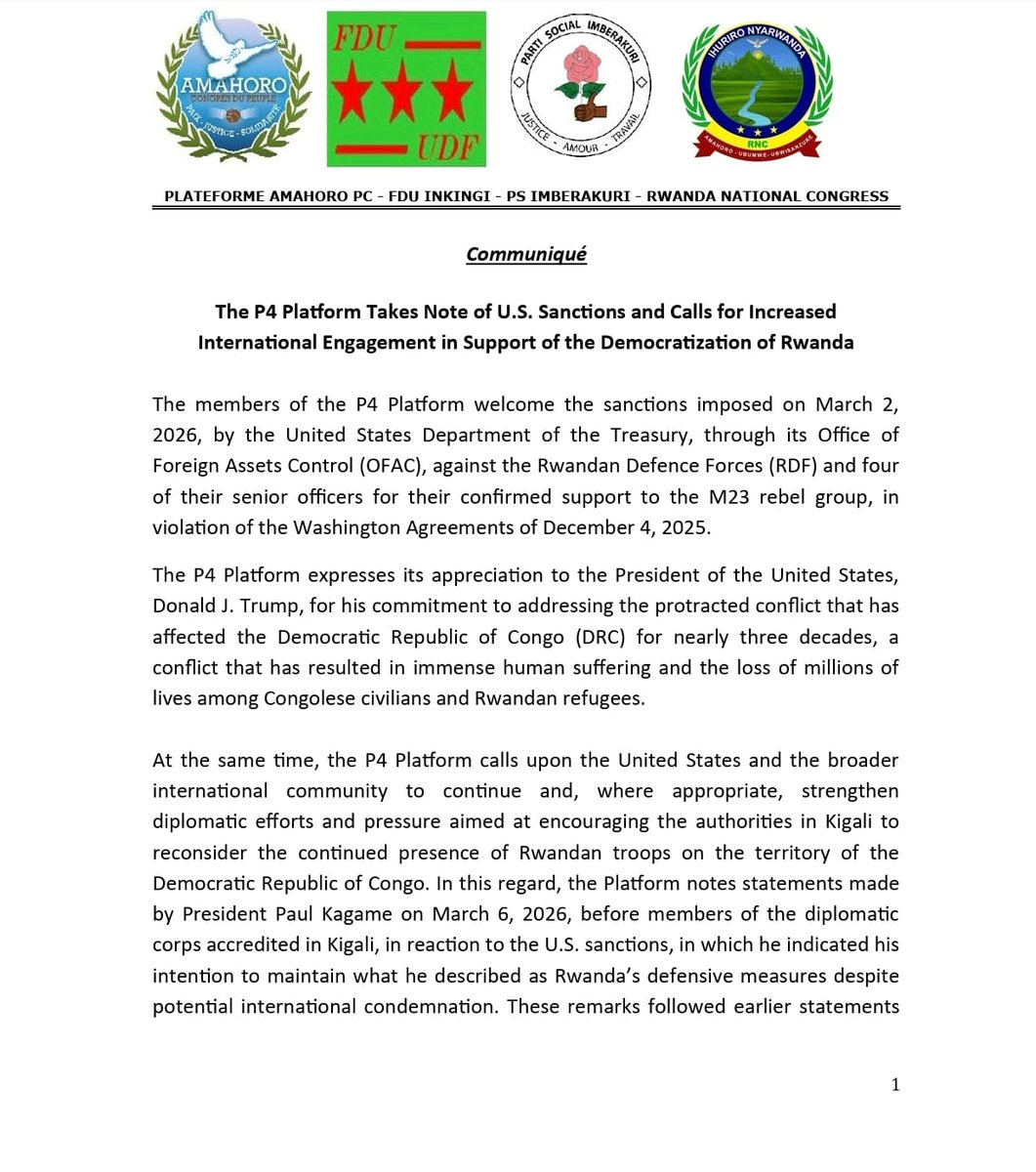
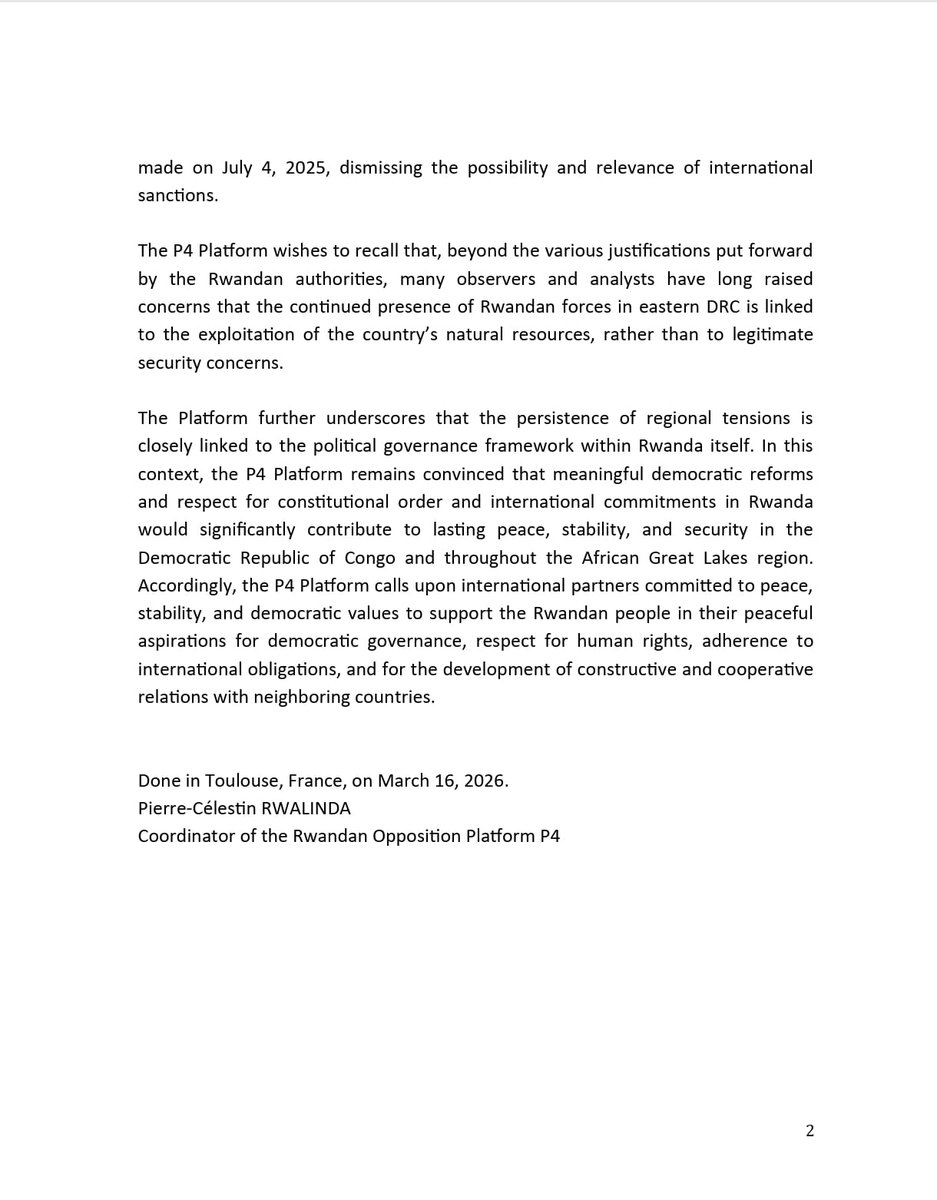
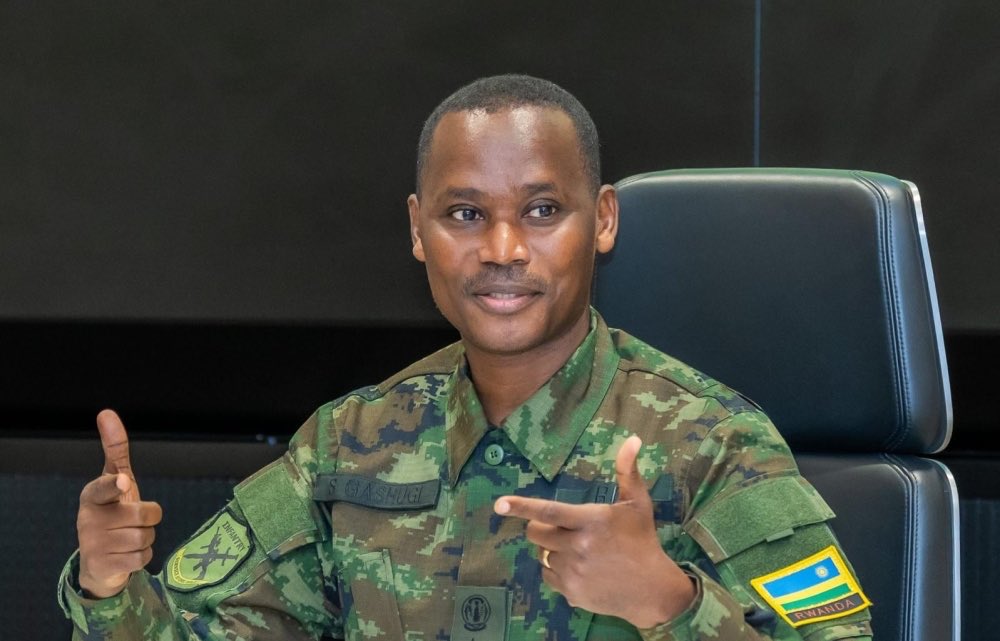
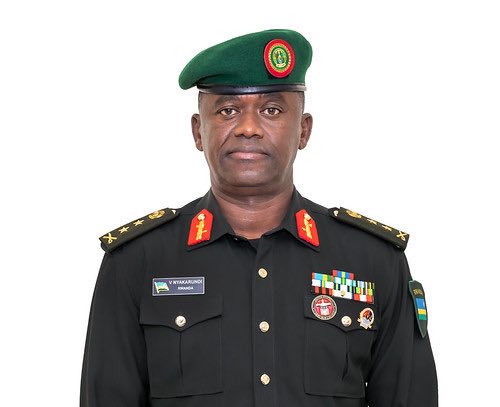
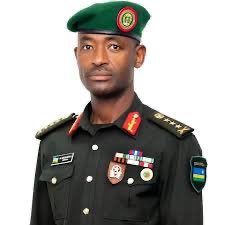
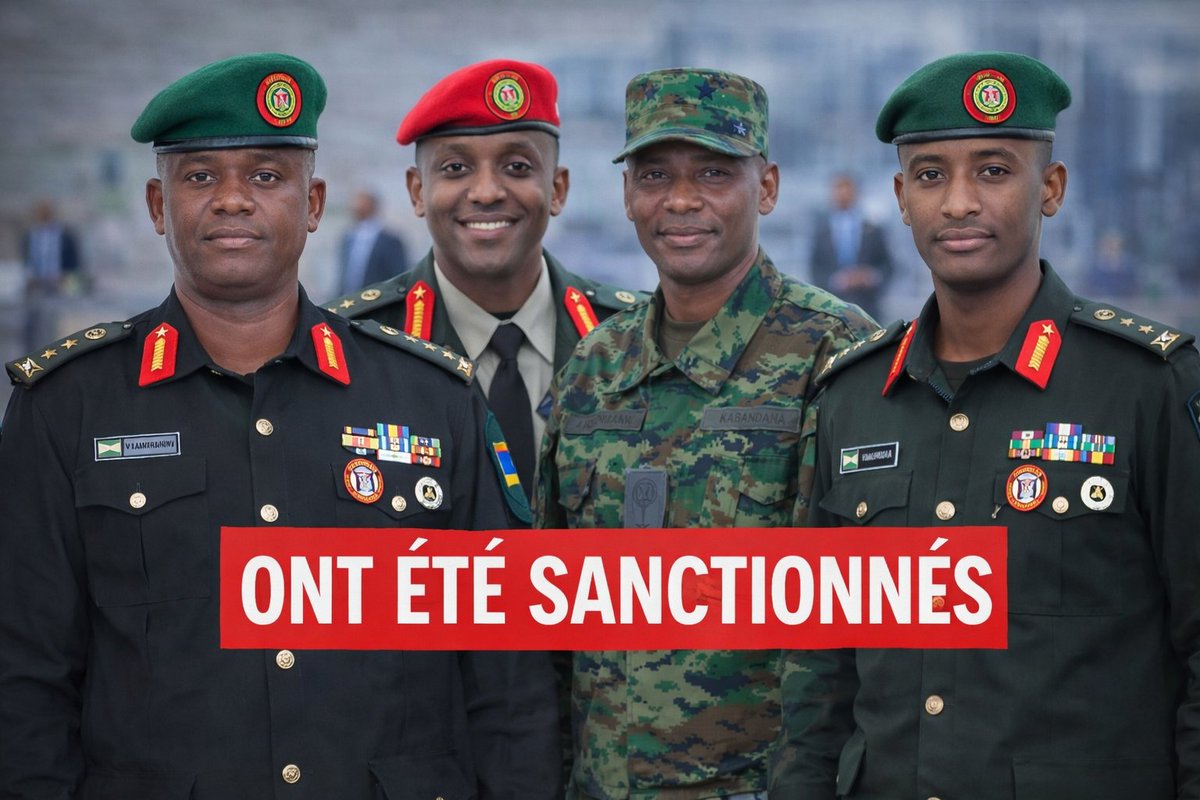
Today, the U.S. Department of the Treasury’s Office of Foreign Assets Control (OFAC) imposed sanctions on the Rwanda Defence Force (RDF)—the military of Rwanda—and four of its senior officials.  home.treasury.gov/news/press-rel…
The Rwandan tweet mediaThe Rwandan tweet mediaThe Rwandan tweet mediaThe Rwandan tweet media
English
3
5
12
1.4K
Radio Inkingi retweetledi
MPOZEMBIZI Théophile
MPOZEMBIZI Théophile@TheoMpoze·
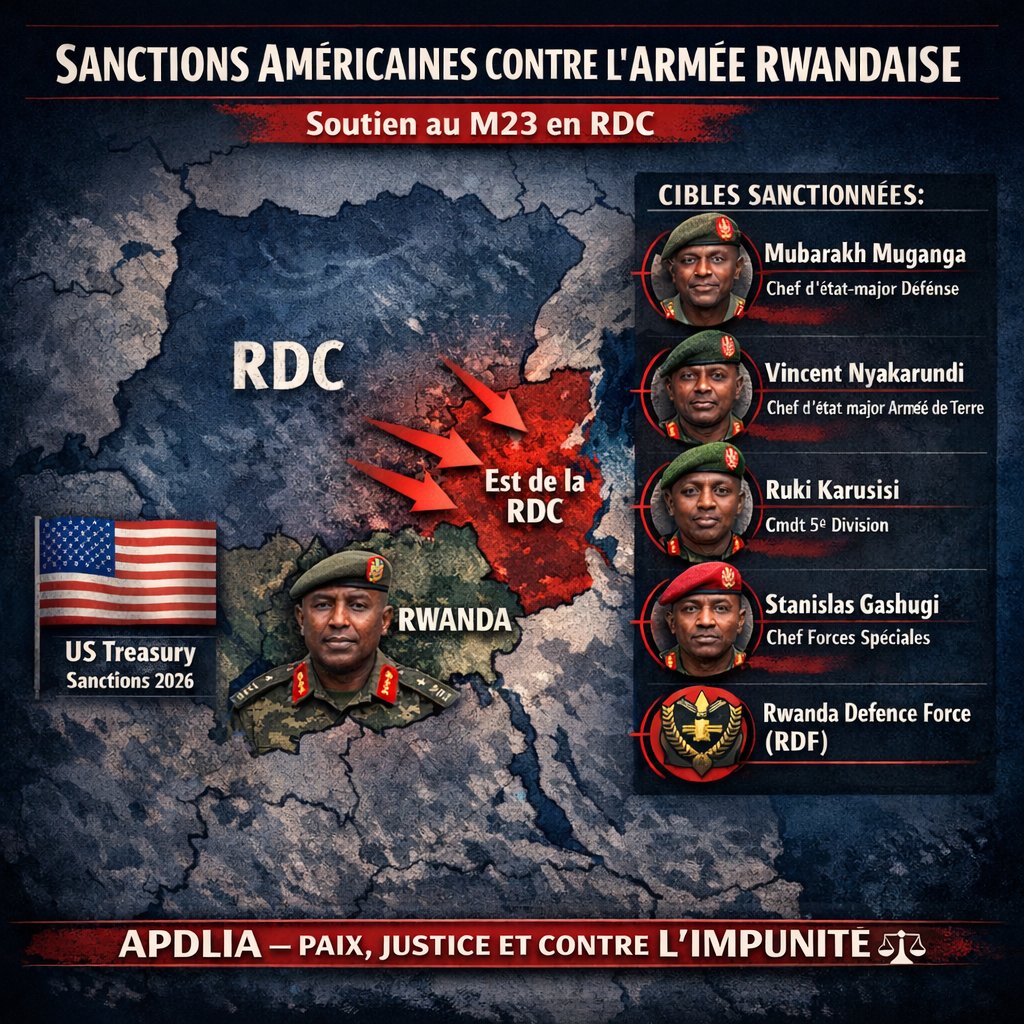
🚨 📢 URGENT: Sanctions du Trésor Américain contre la #RDF de #PaulKAGAME et son Chef d'État Major 🚨 🟢 👉: home.treasury.gov/news/press-rel… 📢❌ Sanctions américaines contre les responsables militaires rwandais Le Département du Trésor des États-Unis a imposé de nouvelles sanctions contre l’armée rwandaise et plusieurs hauts responsables militaires pour leur implication directe dans la guerre à l’Est de la République démocratique du Congo et leur soutien au mouvement armé #M23. #Washington 👉 accuse clairement les forces rwandaises d’avoir soutenu, entraîné et combattu aux côtés du M23, contribuant à la prise de territoires, de villes stratégiques et de zones minières dans l’Est de la #RDC. 📍📢 U.S. Department of the Treasury. ◽Selon le Trésor américain, les offensives du M23 n’auraient pas été possibles sans l’appui actif de l’armée rwandaise (RDF), qui a déployé des milliers de soldats, fourni des équipements militaires avancés et participé aux opérations sur le terrain. 📌❌ Personnes sanctionnées par le Trésor américain 👉 Les sanctions visent directement les plus hauts niveaux de la hiérarchie militaire rwandaise : 1️⃣ Mubarakh Muganga – Chef d’état-major de la Défense 2️⃣ Vincent Nyakarundi – Chef d’état-major de l’armée de terre 3️⃣ Ruki Karusisi – Commandant de la 5e division d’infanterie 4️⃣ Stanislas Gashugi – Commandant des forces spéciales ⚫ Entité sanctionnée : 5️⃣ Rwanda Defence Force (#RDF) – Armée rwandaise Ces responsables sont accusés d’avoir dirigé ou soutenu des opérations militaires menaçant la paix et la stabilité en RDC. 🔵 Signification stratégique Ces sanctions constituent une escalade majeure de la pression américaine contre Kigali, car elles visent directement les plus hauts responsables militaires du Rwanda. Elles confirment que les États-Unis considèrent désormais le rôle de l’armée rwandaise en RDC comme central dans la déstabilisation de la région des Grands Lacs. @ApdliaA À suivre...
MPOZEMBIZI Théophile tweet media
Français
9
35
36
1.7K
Radio Inkingi retweetledi
Norman Ishimwe 🤝
Norman Ishimwe 🤝@NormanIshimwe·
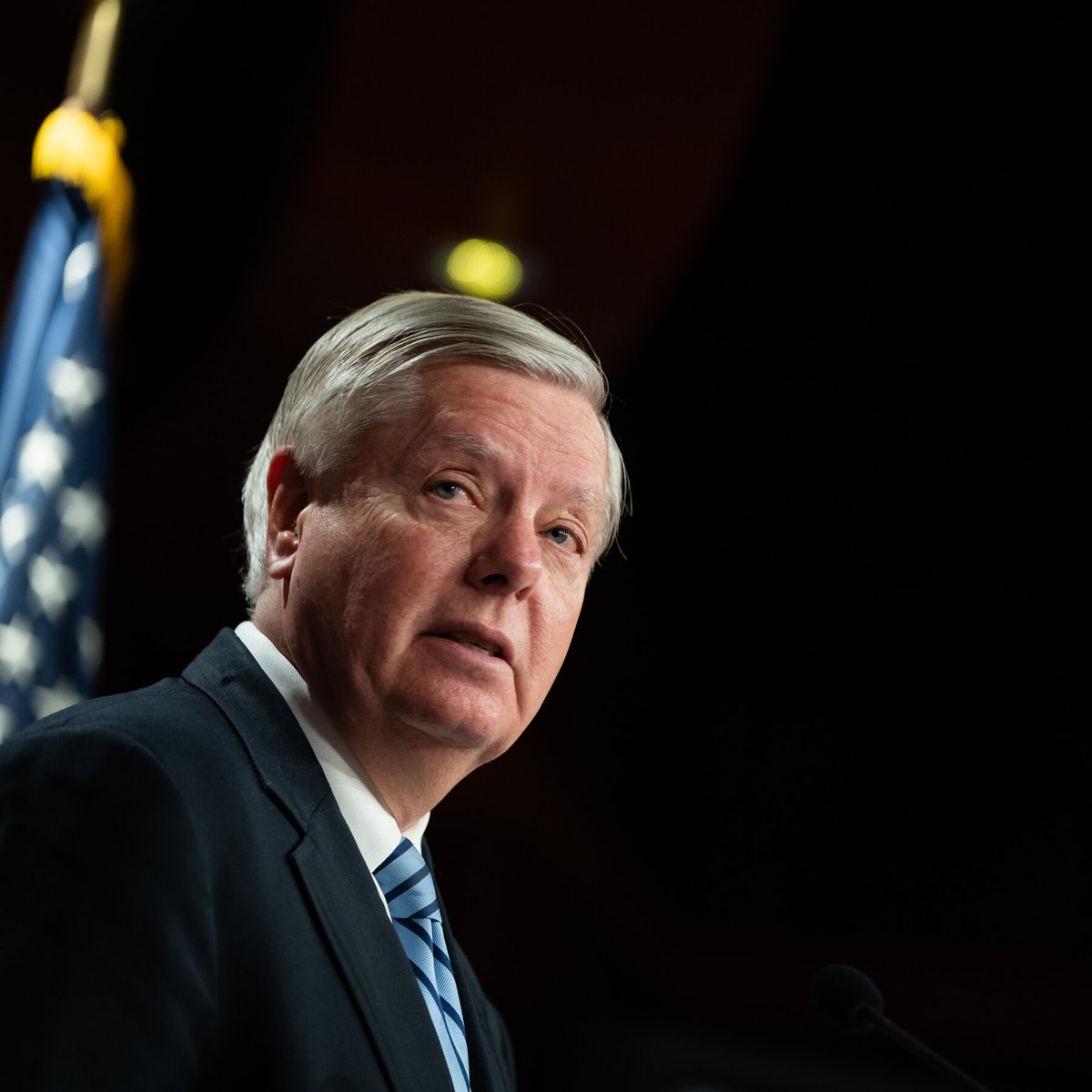
PAUSING SANCTIONS ON RWANDA RAISES A STRATEGIC QUESTION FOR WASHINGTON The Wall Street Journal reports that a prepared U.S. sanctions package on Rwanda was halted following outreach involving Senator @LindseyGrahamSC. A few days ago, we noted that Kigali would respond to pressure by activating political channels in the U.S. Senate and reinforcing its positioning as a U.S. commercial and security partner. That is now visible. Parallel efforts are also underway to deepen Rwanda’s engagement with pro-Israel and U.S. security networks, including the involvement of former National Security Advisor @robertcobrien, who is being paid by the Government of #Rwanda through a formal contract with the Rwanda Development Board (@RDBrwanda). The core issue is alignment. Rwanda’s posture in eastern Congo directly affects U.S. mineral security. Continued instability enables mineral flows that reinforce China-dominated refining networks — undermining U.S. diversification efforts. U.S. interests are better served by a stronger, sovereign Congo capable of becoming a strategic partner — and by a Rwanda that cannot operate as a regional conduit benefiting China-linked supply chains. That position serves American interests and regional peace. Any posture that shields destabilizing behavior weakens U.S. leverage and primarily benefits President @PaulKagame. Senator Graham’s influence should reinforce President @realDonaldTrump negotiating power — not narrow it. Durable peace will come from maintained leverage, not premature accommodation.
Norman Ishimwe 🤝 tweet media
Norman Ishimwe 🤝@NormanIshimwe

SANCTIONS ALONE WILL NOT MOVE KIGALI — STRATEGIC AND MILITARY PRESSURE WILL For days, observers have been waiting for Washington’s reaction — and especially whether new sanctions would be imposed on Rwanda. But we need to listen carefully to what the Americans are actually signaling. In his recent interview, @US_SrAdvisorAF Massad Boulos reminded everyone that at the very beginning of this administration, sanctions were imposed on General James Kabarebe, widely seen as the principal coordinator of RDF and M23 operations. That reminder carries a message: sanctions were tried — and they did not change the strategic calculus. Even Rwanda’s Foreign Minister @ONduhungirehe said it bluntly: “If sanctions could solve the problem, I would sign tomorrow.” Washington could escalate if it chooses. It could target additional senior officers such as: Brig. Gen. Patrick Karuretwa, Brig. Gen. Ruki Karusisi, Lt. Col. Jean Paul Nyirubutama, Brig. Gen. Stanislas Gashugi,... It could sanction FPR-linked entities like Crystal Ventures. It could widen financial and travel restrictions — including measures targeting Paul Kagame himself, members of his family, and his close inner circle. But the core reality remains: this war is existential for Kagame. From Kigali’s perspective, failure to secure its objectives in eastern DRC risks long-term strategic decline. Even arrangements that seemed advantageous under the Washington framework — informal influence over eastern DRC, secured logistical corridors toward Rwanda, and the refining and value-chain control of eastern Congolese minerals through Rwandan channels — are insufficient if Congo stabilizes and develops independently. A stronger DRC reduces Rwanda’s regional leverage. The relaunch of M23 was strategic, not impulsive. Kigali perceived that Uganda and Burundi were expanding influence in what it considers its strategic space. This is why Boulos’ wording matters: “We have a number of tools.” Sanctions are only one of them. The recent retaking of Goma — supported by American private security actors close to the Trump administration and Israeli contractors with ties to Israeli security and intelligence circles, providing targeted drone capabilities alongside FARDC — had an immediate deterrent effect. Within days, Kigali recalibrated. For a military-centered regime, calibrated pressure on its security apparatus carries more weight than financial penalties. Expect Kigali to respond in a structured way: • Slow visible military escalation • Intensify the genocide and FDLR threat narrative • Activate diplomatic channels in Doha and Brussels • Mobilize allies in the U.S. Congress, including figures such as George Graham and Ronny Jackson • Repair and strengthen recently strained security and intelligence ties with Israel • Offers of cooperation on migration, security, trade • Present Rwanda — under @PaulKagame — unlike the DRC, as the more reliable and predictable commercial partner; his Los Angeles outreach during the NBA All-Star Game reflects that deliberate positioning strategy The Trump administration is pragmatic. It avoids escalation but defends its red lines. So far, it has sent calibrated signals without fully breaking with Kigali. The real issue is whether deterrence — now clearly demonstrated — will reshape Kigali’s strategic calculus. Washington holds clear escalation dominance. In any sustained confrontation, the asymmetry of power leaves little doubt about the outcome.

English
16
20
38
6.6K
Radio Inkingi retweetledi
Norman Ishimwe 🤝
Norman Ishimwe 🤝@NormanIshimwe·
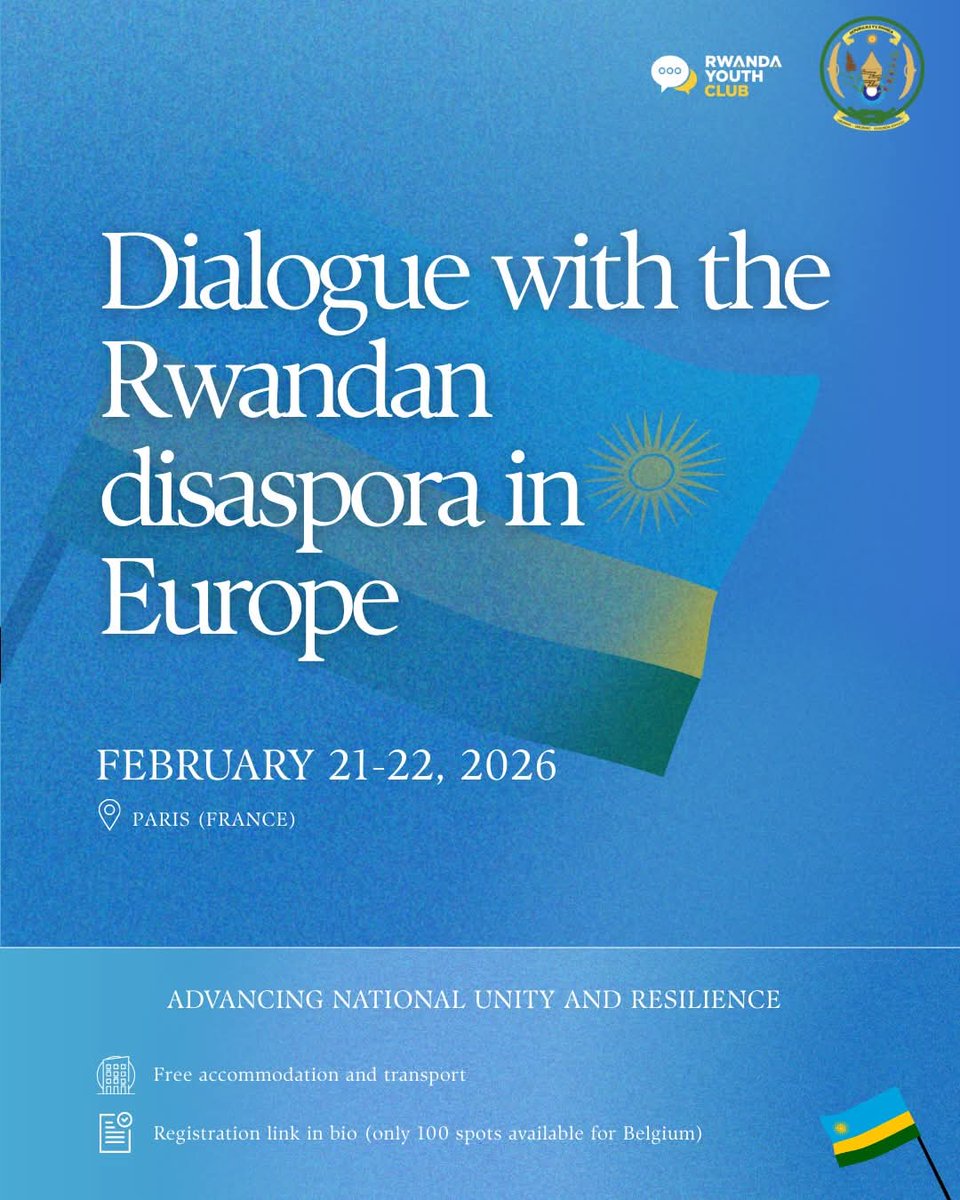
🧭 Ces dernières semaines, plusieurs jeunes rwandais d'Europe m’ont interpellé. Certains sont des amis. D’autres m’ont simplement contacté via les réseaux sociaux. Ils me demandaient si j’étais informé de la venue en France de @DrDamascene, Ministre rwandais de l'Unité Nationale et de l'Engagement Civique, pour une rencontre avec la jeunesse rwandaise d’Europe. Beaucoup m’ont expliqué avoir été approchés, avec voyage et séjour pris en charge. Un week-end attractif leur est proposé : rencontres entre jeunes, moments festifs, convivialité, réseautage. Certains me demandaient si je m’y rendrais. D’autres me demandaient ce que je leur conseillais. Ma réponse est constante : j’invite tous les jeunes Rwandais à développer leur esprit critique. La politique de la chaise vide ne profite qu’à ceux qui préfèrent parler sans contradiction. Lorsqu’une occasion se présente, il peut être utile d’être présent, de poser des questions, de challenger les discours, de confronter les narratifs aux faits et de mettre les responsables face à leurs contradictions lorsqu’elles apparaissent. Mais cela suppose d’être préparé. Informé. Formé à la réalité politique actuelle. Je me réjouis de voir que de nombreux jeunes Rwandais vivant en Europe sont de plus en plus vigilants, curieux et désireux de diversifier leurs sources d’information. Cependant, il faut aussi reconnaître une réalité stratégique : les réseaux de communication proches du régime rwandais ont particulièrement investi certains espaces européens, et notamment la France. Des personnalités comme @RichardGisagara, @LMushikiwabo, @jessicamwiza, @chrismanzi ou @FNimfura et d'autres ont contribué à structurer en France un écosystème narratif puissant, cohérent et discipliné. Il ne s’agit pas de débats spontanés. Depuis des années, un travail méthodique de cadrage du récit est mené : présence médiatique, relais politiques, influence dans les cercles institutionnels, organisation d’événements ciblés, instrumentalisation de notre histoire. En France plus qu’ailleurs en Europe, cet appareil de communication a réussi à s’implanter profondément et à façonner les perceptions. Cela explique en partie pourquoi certains jeunes disposent de moins d’outils pour accéder à une pluralité d’analyses. Ce n’est ni un procès d’intention ni une attaque personnelle. C’est un constat lucide sur la manière dont fonctionne l’influence politique du regime rwandais contemporain. Ce n’est donc pas un hasard si ce type de week-end se déroule précisément en France. À tous mes jeunes compatriotes qui participeront à ce week-end, je souhaite sincèrement un moment enrichissant. Je leur souhaite surtout d’y aller avec des questions. De ne pas se contenter d’un récit unique. De confronter les discours aux réalités. Et d’en ressortir avec un esprit encore plus critique qu’à l’entrée. Jambo ASBL a d’ailleurs adressé une lettre ouverte pour accompagner cette réflexion. Parce qu’une jeunesse informée est une jeunesse libre. Et qu’aucune unité durable ne peut se construire sans pluralité de voix. 🎥 youtu.be/qjA_M9aN4OI 📄jamboasbl.com/article/lettre…
YouTube video
YouTube
Norman Ishimwe 🤝 tweet media
Français
14
20
48
12K
Radio Inkingi retweetledi
Norman Ishimwe 🤝
Norman Ishimwe 🤝@NormanIshimwe·
SANCTIONS ALONE WILL NOT MOVE KIGALI — STRATEGIC AND MILITARY PRESSURE WILL For days, observers have been waiting for Washington’s reaction — and especially whether new sanctions would be imposed on Rwanda. But we need to listen carefully to what the Americans are actually signaling. In his recent interview, @US_SrAdvisorAF Massad Boulos reminded everyone that at the very beginning of this administration, sanctions were imposed on General James Kabarebe, widely seen as the principal coordinator of RDF and M23 operations. That reminder carries a message: sanctions were tried — and they did not change the strategic calculus. Even Rwanda’s Foreign Minister @ONduhungirehe said it bluntly: “If sanctions could solve the problem, I would sign tomorrow.” Washington could escalate if it chooses. It could target additional senior officers such as: Brig. Gen. Patrick Karuretwa, Brig. Gen. Ruki Karusisi, Lt. Col. Jean Paul Nyirubutama, Brig. Gen. Stanislas Gashugi,... It could sanction FPR-linked entities like Crystal Ventures. It could widen financial and travel restrictions — including measures targeting Paul Kagame himself, members of his family, and his close inner circle. But the core reality remains: this war is existential for Kagame. From Kigali’s perspective, failure to secure its objectives in eastern DRC risks long-term strategic decline. Even arrangements that seemed advantageous under the Washington framework — informal influence over eastern DRC, secured logistical corridors toward Rwanda, and the refining and value-chain control of eastern Congolese minerals through Rwandan channels — are insufficient if Congo stabilizes and develops independently. A stronger DRC reduces Rwanda’s regional leverage. The relaunch of M23 was strategic, not impulsive. Kigali perceived that Uganda and Burundi were expanding influence in what it considers its strategic space. This is why Boulos’ wording matters: “We have a number of tools.” Sanctions are only one of them. The recent retaking of Goma — supported by American private security actors close to the Trump administration and Israeli contractors with ties to Israeli security and intelligence circles, providing targeted drone capabilities alongside FARDC — had an immediate deterrent effect. Within days, Kigali recalibrated. For a military-centered regime, calibrated pressure on its security apparatus carries more weight than financial penalties. Expect Kigali to respond in a structured way: • Slow visible military escalation • Intensify the genocide and FDLR threat narrative • Activate diplomatic channels in Doha and Brussels • Mobilize allies in the U.S. Congress, including figures such as George Graham and Ronny Jackson • Repair and strengthen recently strained security and intelligence ties with Israel • Offers of cooperation on migration, security, trade • Present Rwanda — under @PaulKagame — unlike the DRC, as the more reliable and predictable commercial partner; his Los Angeles outreach during the NBA All-Star Game reflects that deliberate positioning strategy The Trump administration is pragmatic. It avoids escalation but defends its red lines. So far, it has sent calibrated signals without fully breaking with Kigali. The real issue is whether deterrence — now clearly demonstrated — will reshape Kigali’s strategic calculus. Washington holds clear escalation dominance. In any sustained confrontation, the asymmetry of power leaves little doubt about the outcome.
Norman Ishimwe 🤝 tweet media
English
21
23
46
15K