Karlo Filipovic retweetledi
Karlo Filipovic
33 posts

Karlo Filipovic
@karlo_ep
MD/Clinical Electrophysiologist
Berlin, Germany Katılım Ocak 2015
131 Takip Edilen53 Takipçiler
Karlo Filipovic retweetledi

🆕#Europace #EPeeps
Semaglutide as adjunctive therapy to catheter ablation in obesity-related paroxysmal atrial fibrillation
🔗📚 doi.org/10.1093/europa…
@GiulioConteMD @FraSantoroMD @marcovitoloMD @Dominik_Linz @AndyZhangMD @DavideMei93 @LuigiDiBiaseMD

English
Karlo Filipovic retweetledi

2025 PRACTICE-CHANGING CLINICAL TRIALS #recap
~~ a thread 🧵 ~~ 👇
English

@EPWaveDoc @ftrae @ecgandrhythmRoe @ecgrhythms @Ecgloverr @ALFIEEP1 @ArashArya_EP @adribaran It looks like VA-dissociation, the P-waves wander away from the QRS towards the end of the strip..
English

#Epeeps What’s your take on this #ECG from a 16 yo girl from another center? I suspect fascicular tachycardia but I am unsure how to interpret the apparently 2:1 linked, positive P waves in inferior leads. @ecgandrhythmRoe @ecgrhythms @Ecgloverr @ALFIEEP1 @ArashArya_EP @adribaran

English
Karlo Filipovic retweetledi

1/
nejm.org/doi/full/10.10…
A few observations from TRISCEND II Trial Results
Primary effectiveness endpoint (7-component hierarchical composite): Device won overall, driven by outcomes (KCCQ>10, NYHA>1) that are susceptible to bias/placebo effect in an unblinded trial.
English
Karlo Filipovic retweetledi

Presented at #ESCardio:
Among older patients with non–ST-segment elevation myocardial infarction (MI), an invasive strategy did not result in a lower risk of cardiovascular death or nonfatal MI than a conservative strategy. Full SENIOR-RITA trial results: nej.md/4fZIG9z

English
Karlo Filipovic retweetledi

CAMERA MRI 2: RCT: AF ablation ⬆️LVEF of 21%, VO2 MAX, QOL & ⬇️HF Hospital in HFrEF LGE + on CMR vs med rate control #ESCCongress @drsunnyprabhu @drlouisesegan @AlfHeartCentre


Dansk
Karlo Filipovic retweetledi

1/
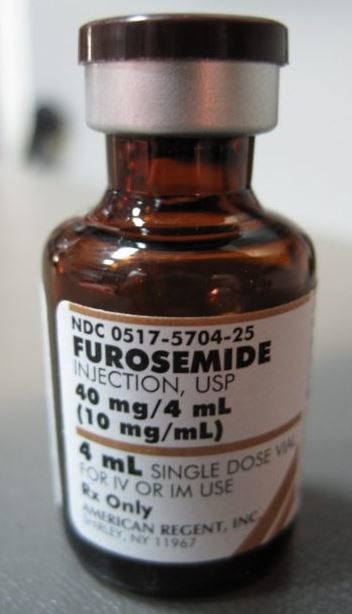
Why can furosemide improve dyspnea/pulmonary edema from acute congestive heart failure within minutes of administration?
The answer does not involve diuresis.
#medtwitter #tweetorial

English
Karlo Filipovic retweetledi

This morning, Nature published two papers on bridge editing, the new genome engineering technology from @ArcInstitute: nature.com/articles/s4158…, nature.com/articles/s4158…. I'm quite excited about its potential!
Since the whole thing is pretty arcane, I fed the blog post (arcinstitute.org/news/blog/brid…) to Claude 3.5, and asked it to write an introduction. Below is the rather impressive (unedited) result.
Genome Design: The Bridge to Our Biological Future
I.
Imagine you're trying to edit a document, but instead of a cursor, you have a pair of scissors. You can cut out words you don't like, maybe paste in a few new ones, but precise editing? Forget about it. Now imagine someone hands you a pen. Suddenly, you can write whatever you want, wherever you want. This is the kind of leap we're seeing in the world of genome editing.
For the past few decades, we've been snipping away at genomes with tools like CRISPR, making impressive progress but always constrained by the fundamental nature of our tools: they cut DNA. But what if we could write directly into the genome, inserting whatever we want, wherever we want, without ever making a single cut?
This isn't just a "wouldn't it be nice" daydream anymore. Researchers at the Arc Institute have discovered a new system that does exactly that. They're calling it "bridge recombination," and it might just be the biggest revolution in genetic engineering since CRISPR.
II.
To understand why this is such a big deal, we need to take a quick tour through the history of genetic manipulation.
In the late 1990s, we discovered RNA interference (RNAi). This was our first real taste of programmable biology. We could use short RNA sequences to target and shut down specific genes. It was like having a universal remote control for gene expression. Cool, right?
Then came CRISPR in the early 2010s. Suddenly, we could not just turn genes off, but edit them directly. It was like upgrading from a remote control to a basic text editor. We could cut out bad genes and paste in good ones. But there was always a catch: CRISPR works by cutting DNA, and cells don't always repair those cuts exactly the way we want them to.
Both of these systems were revolutionary, but they shared a common limitation: they were destructive. They worked by breaking things – either the RNA transcripts of genes (in the case of RNAi) or the DNA itself (in the case of CRISPR).
III.
Enter the bridge recombination system.
The researchers at Arc Institute, led by Dr. Patrick Hsu, were poking around in the genomes of bacteria, looking at transposable elements. These are sometimes called "jumping genes" because they can cut themselves out of one part of a genome and paste themselves into another.
They were particularly interested in a group called IS110 elements. These are about as minimalist as you can get while still being functional – just a gene for the enzyme that does the cutting and pasting, plus some mysterious flanking DNA segments.
What they found was surprising. When an IS110 element cuts itself out of a genome, those mysterious flanking segments join up to form an RNA molecule. This RNA folds into two loops, one that binds to the IS110 element itself, and another that binds to the target DNA where the element will insert itself.
This RNA – which they've dubbed "bridge RNA" – is the key to the whole system. It's like a set of instructions, telling the enzyme exactly where to insert the DNA and what DNA to insert.
IV.
Now, you might be thinking, "Okay, that's neat, but how is this different from CRISPR?" The key is in how the insertion happens.
CRISPR works by making a cut in the DNA and then relying on the cell's repair mechanisms to insert the new DNA. It's effective, but it's also a bit like performing surgery with a chainsaw. Sometimes you get exactly what you want, but often you end up with small errors or unwanted insertions or deletions.
The bridge recombination system, on the other hand, doesn't cut the DNA at all. It unzips a small section, inserts the new DNA, and zips it back up again. No broken DNA strands, no relying on error-prone repair mechanisms. It's precise in a way that CRISPR can only dream of.
But the real magic is in the programmability. Remember those two loops in the bridge RNA? They can be programmed to recognize any DNA sequence. This means you can tell the system to insert any piece of DNA into any location in the genome. It's like having a word processor for DNA.
V.
The implications of this are staggering. Here are just a few possibilities:
• Gene Therapy 2.0: Current gene therapy approaches often rely on somewhat random insertion of therapeutic genes. With bridge recombination, we could insert corrective genes exactly where they need to go, without risking disruption of other important genes.
• Synthetic Biology: Want to give an organism a completely new capability? Just design the gene and insert it precisely where you want it.
• Evolutionary Biology: We could insert reporter genes at specific locations across the genome, allowing us to watch evolution happen in real time.
• Agricultural Improvements: We could insert beneficial genes into crops with unprecedented precision, potentially revolutionizing our ability to create drought-resistant or nutrient-enhanced plants.
• Bioengineering: Imagine being able to design and build entire genetic circuits, inserting each component exactly where it needs to be for optimal function.
VI.
In the grand scheme of things, the discovery of bridge recombination feels like a pivotal moment. It's as if we've been trying to write the book of life with a typewriter, and someone just handed us a word processor.
The researchers at Arc Institute have opened a door to a new era of genome design. As with any breakthrough of this magnitude, it's hard to predict exactly where it will lead. But one thing is certain: the future of biology just got a lot more interesting.
As we stand on the brink of this new frontier, I'm reminded of a quote from Arthur C. Clarke: "Any sufficiently advanced technology is indistinguishable from magic." With bridge recombination, we're not just editing the genome anymore. We're writing it. And that, my friends, is pretty close to magic.
English
Karlo Filipovic retweetledi

Symptoms of gastroesophageal reflux disease predicts low voltage zones in the posteroinferior left atrium in patients with persistent atrial fibrillation
heartrhythmopen.com/article/S2666-…
English
Karlo Filipovic retweetledi

Thanks for the mention. Indeed there are reasons to pursue rhythm control. Nearly always for symptoms. But. But.
Rhythm control is a) hard, b)confers risk, c) requires expertise
EAST is one of the most over-interpreted trials in #Afib space (less than 20% rhythm control arm had ablation)
If you think anti-arrhythmic drugs reduce MACE, well, you should think again
The answer to EAST is in the trial procedures section. Hint: did care differ in the two groups?
Anil Makam@AnilMakam
I rarely comment on medical podcasts since I never listen to em this one caught my eye evidence base largely relies on the EAST AFNET 4 Trial It didn't nudge how I practice then or now I still lead with rate control Here is why nejm.org/doi/full/10.10…

Louisville, KY 🇺🇸 English
Karlo Filipovic retweetledi

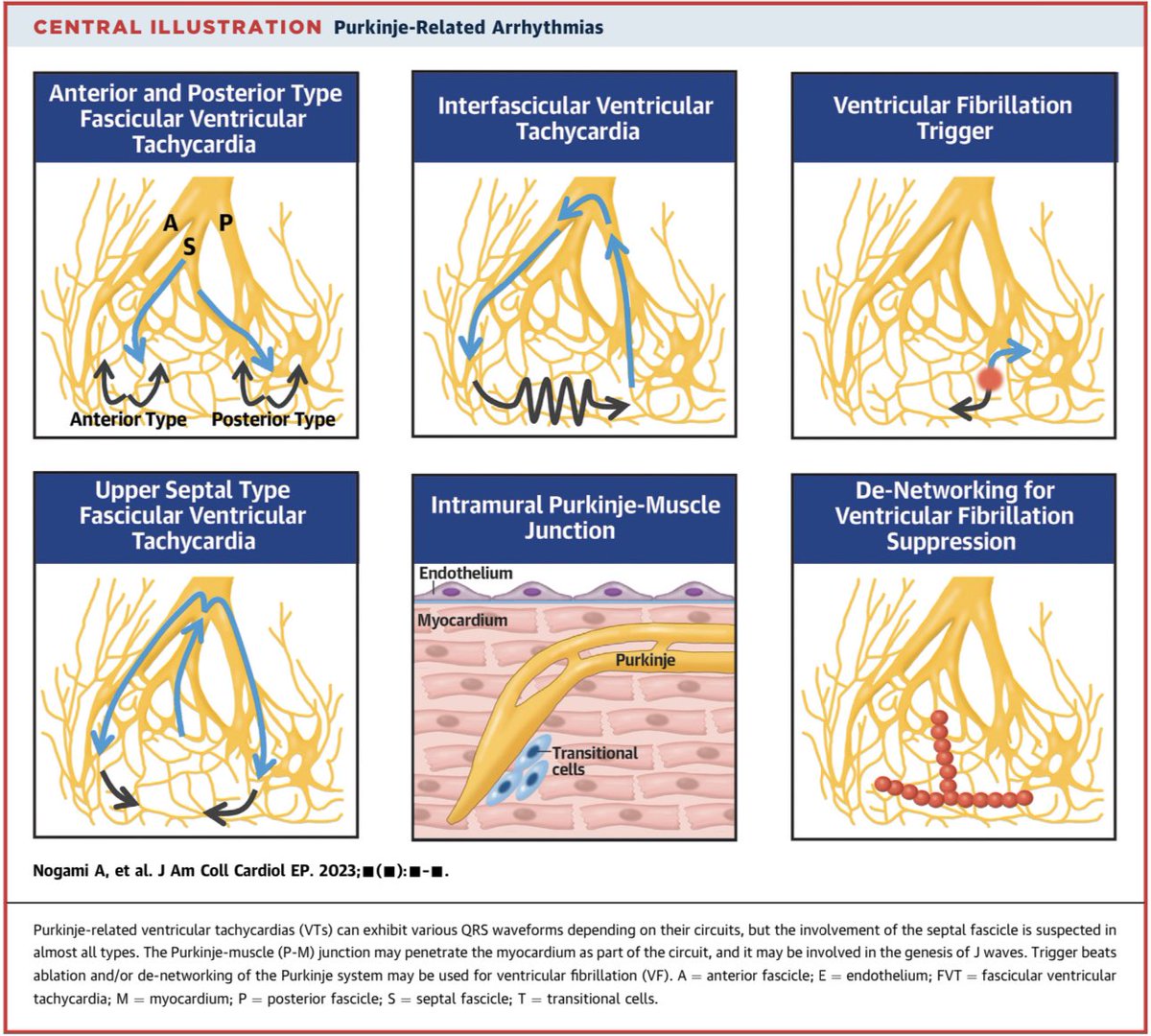
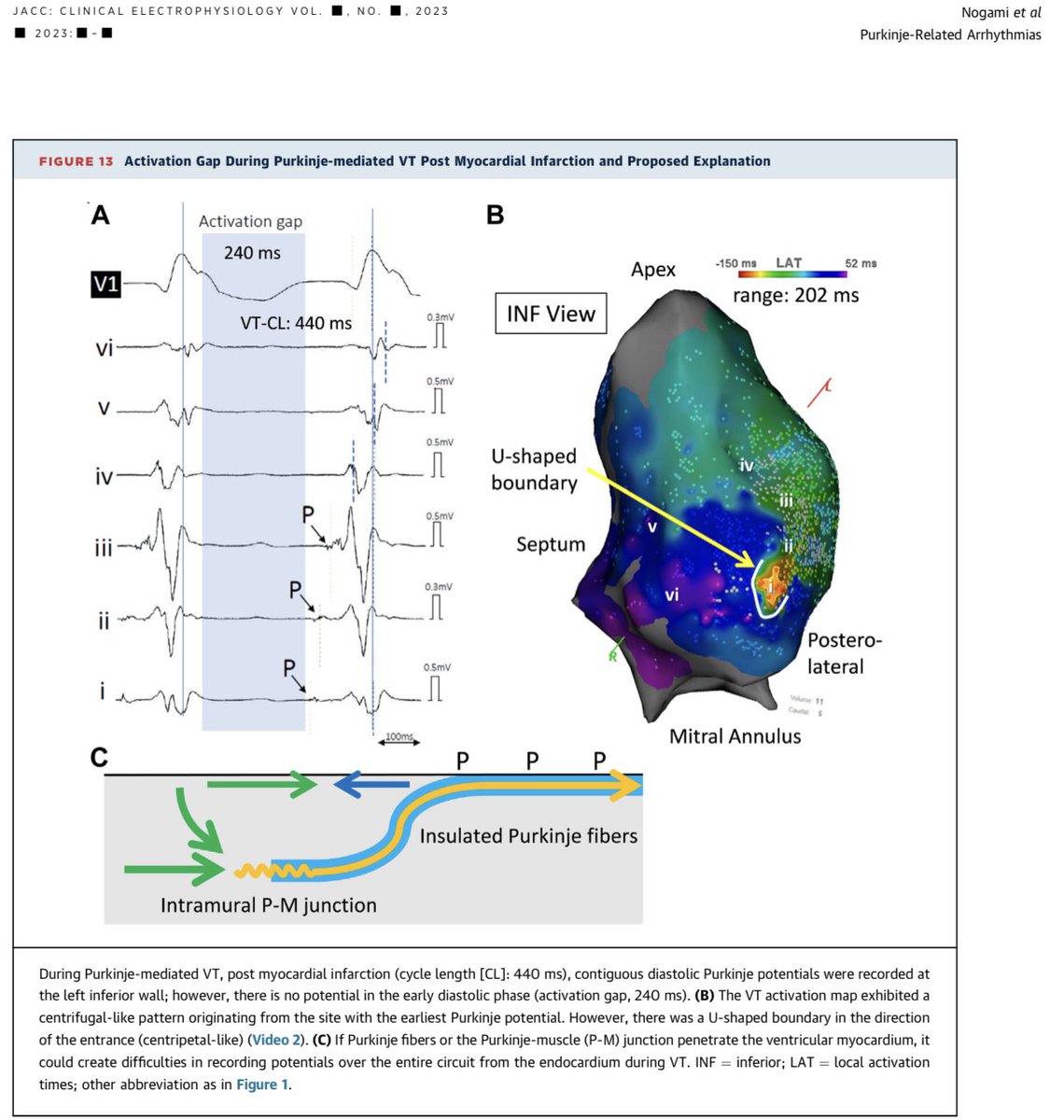
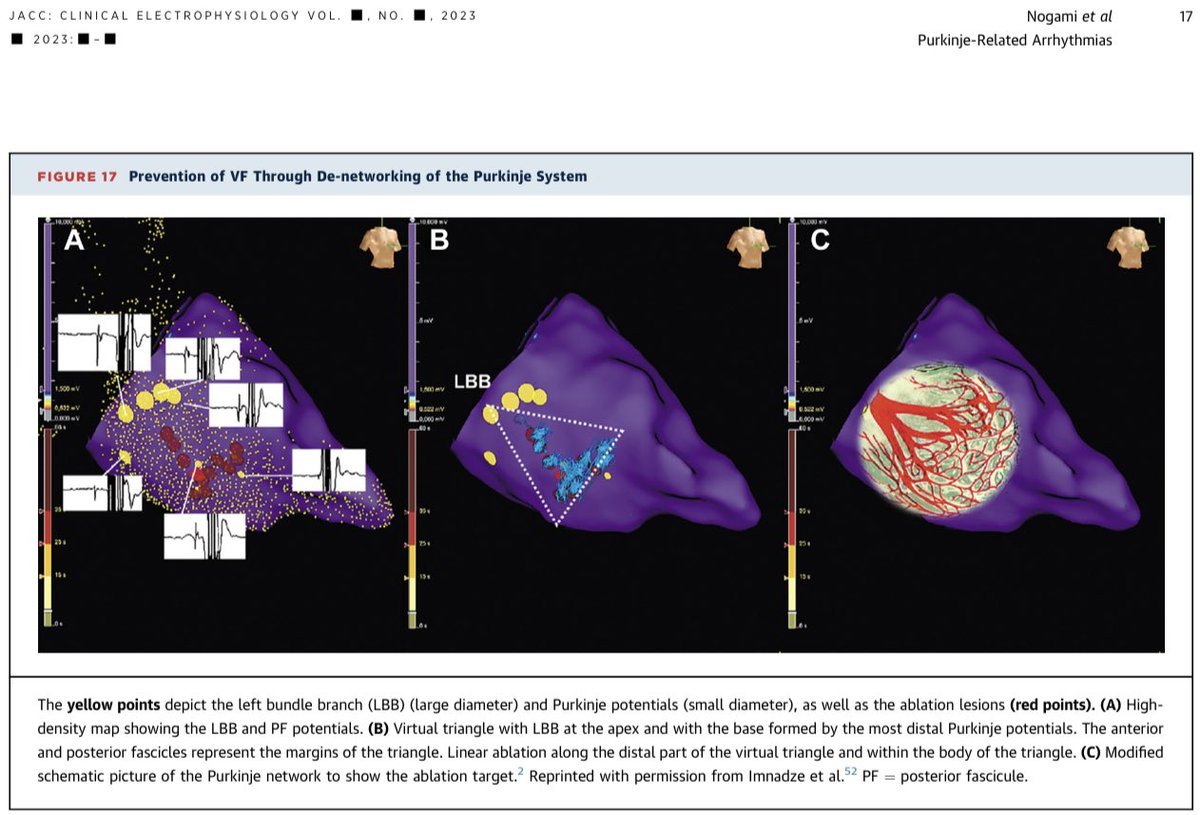
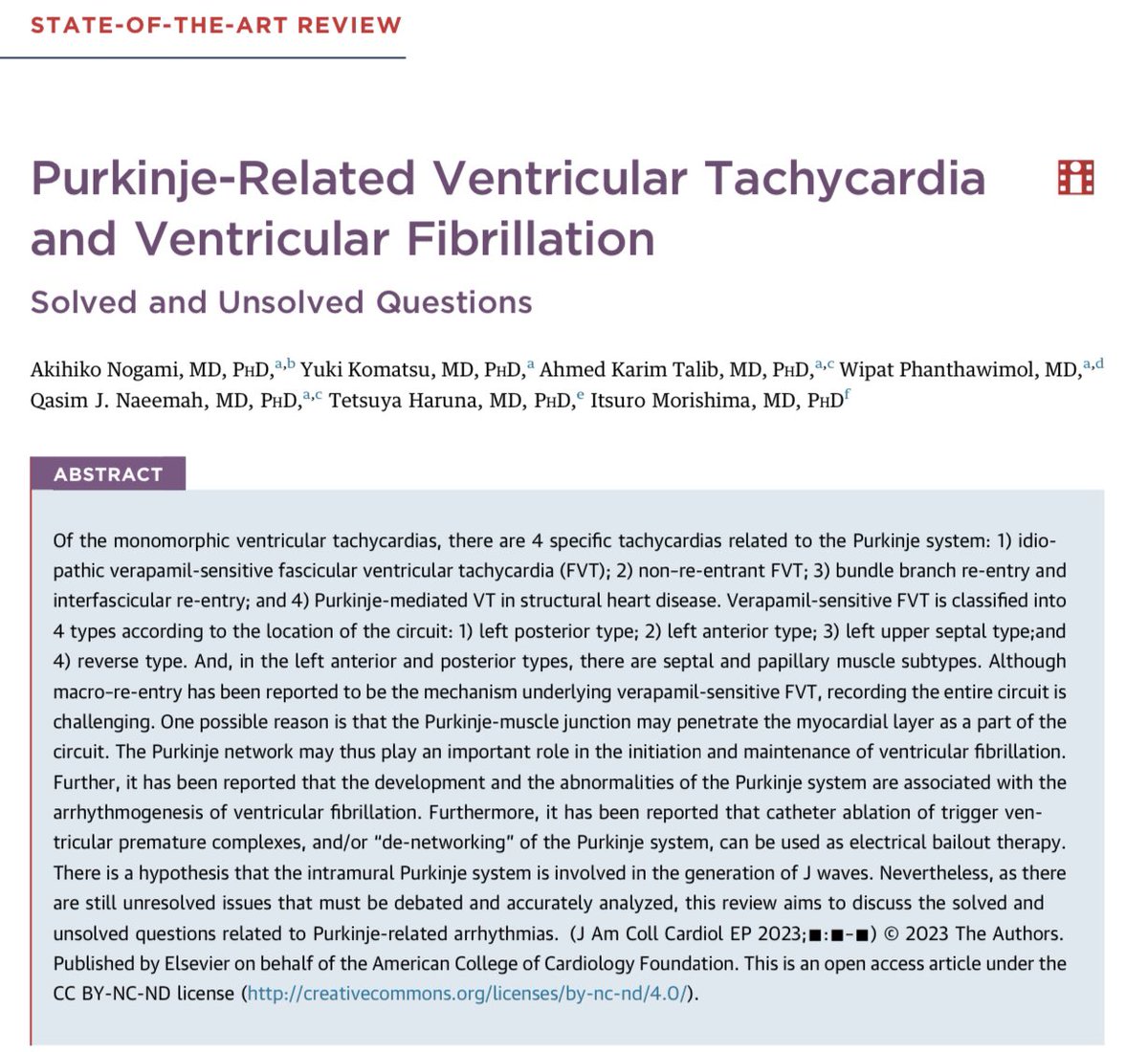
STATE-OF-THE-ART REVIEW
Purkinje-Related Ventricular Tachycardia and Ventricular Fibrillation
elegant
Nogami et al @ JACCJournals #jaccep
citeddoi. org/ 10.10 16/j.jacep.2023.05.040
c
@shivkumarmd @C_Meyer_MD @JonPicciniSr @MaullyShah @utedrow @HanCardiomd @FH_Verbrugge @pjsm83 @mencardio @S_NarayanMD @hhuang123 @mspartalis5 @lFa1d @Ahmed43101178 @KSharmaMD @HanCardiomd @iamritu @Hragy @rafavidalperez @SilCastelletti
@Innov_Medicine
@TJaredBunch @dredcronin @d_changy @ftrae @CRB_EP @drrakeshg1
@SchakrabartiEP @DrMarwanRefaat @javadm20 @pjsm83 @mencardio @shemybenchetrit @glckty @gabustillosg @berniann @ugurcanpolatmd @manuelpatete @liviateixeiramd @ACuevaParra @mspartalis5 @KTamirisaMD @yolyabreuh @DrRoderickTung
@Maeskander @EugenioCingolan @drrpathak @CSHeartResearch


English

Some medical uses of the amazing new language model ChatGPT from @OpenAI
#EPeeps #cardiotwitter
tillthecavalryarrive.substack.com/p/the-time-sav…
Try it here: chat.openai.com/chat
English

ERASE-AF - a rare positive persAF RCT with PVI+, simple and biologically plausible as well.. Should we still wait for a redo to do PVI+ since trend towards more adverse events and most patients do well with PVI only? #EPeeps
evidence.nejm.org/doi/full/10.10…
English
Karlo Filipovic retweetledi

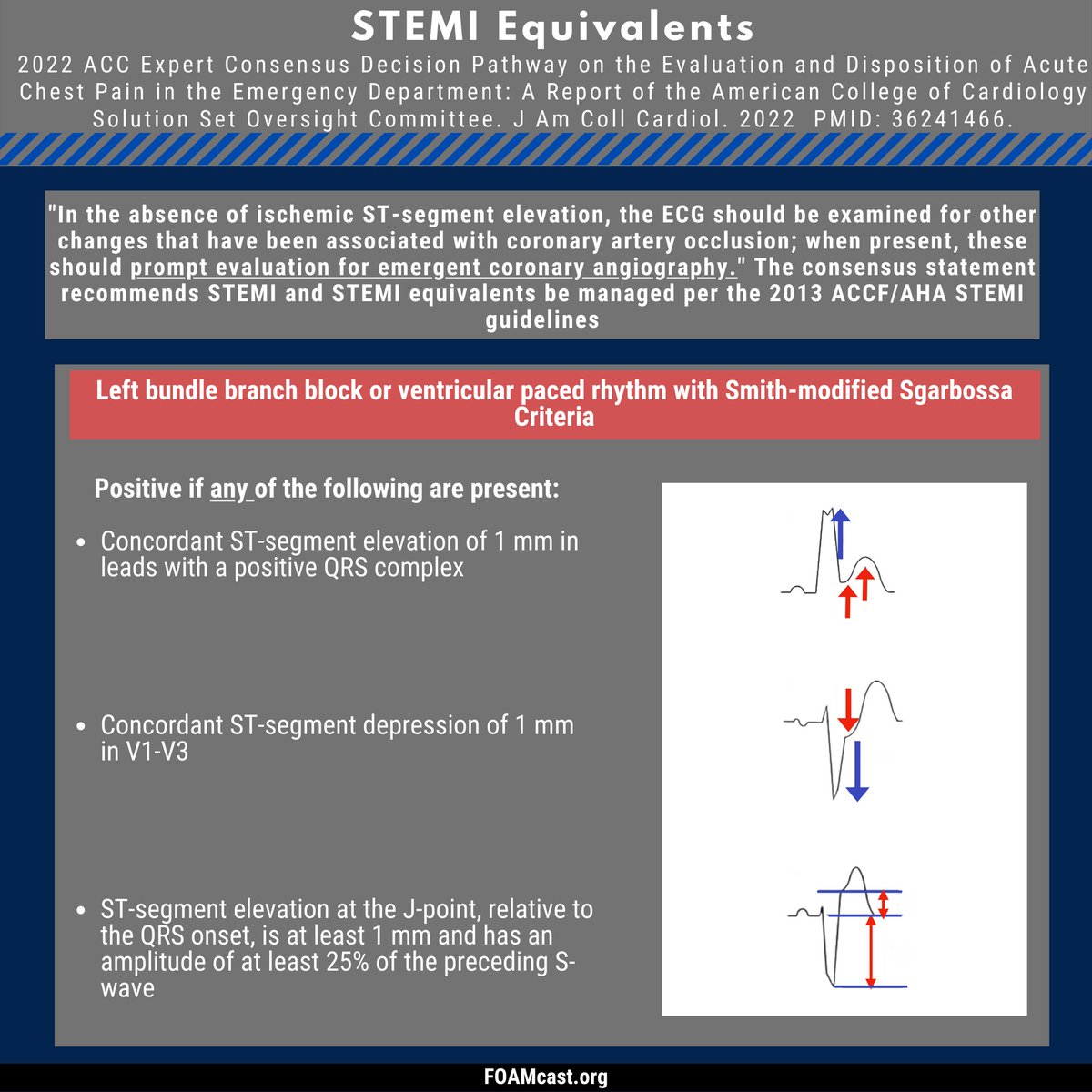
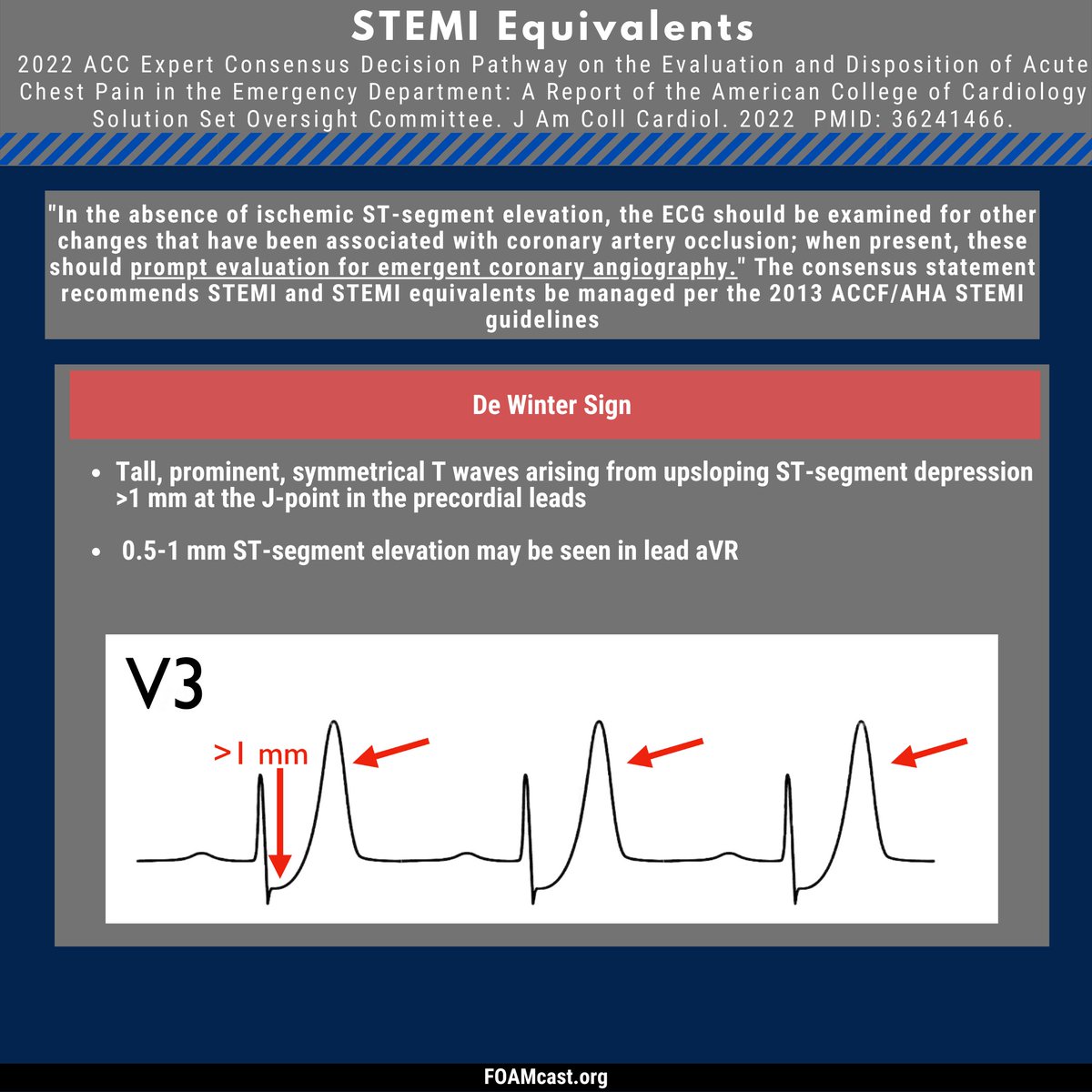
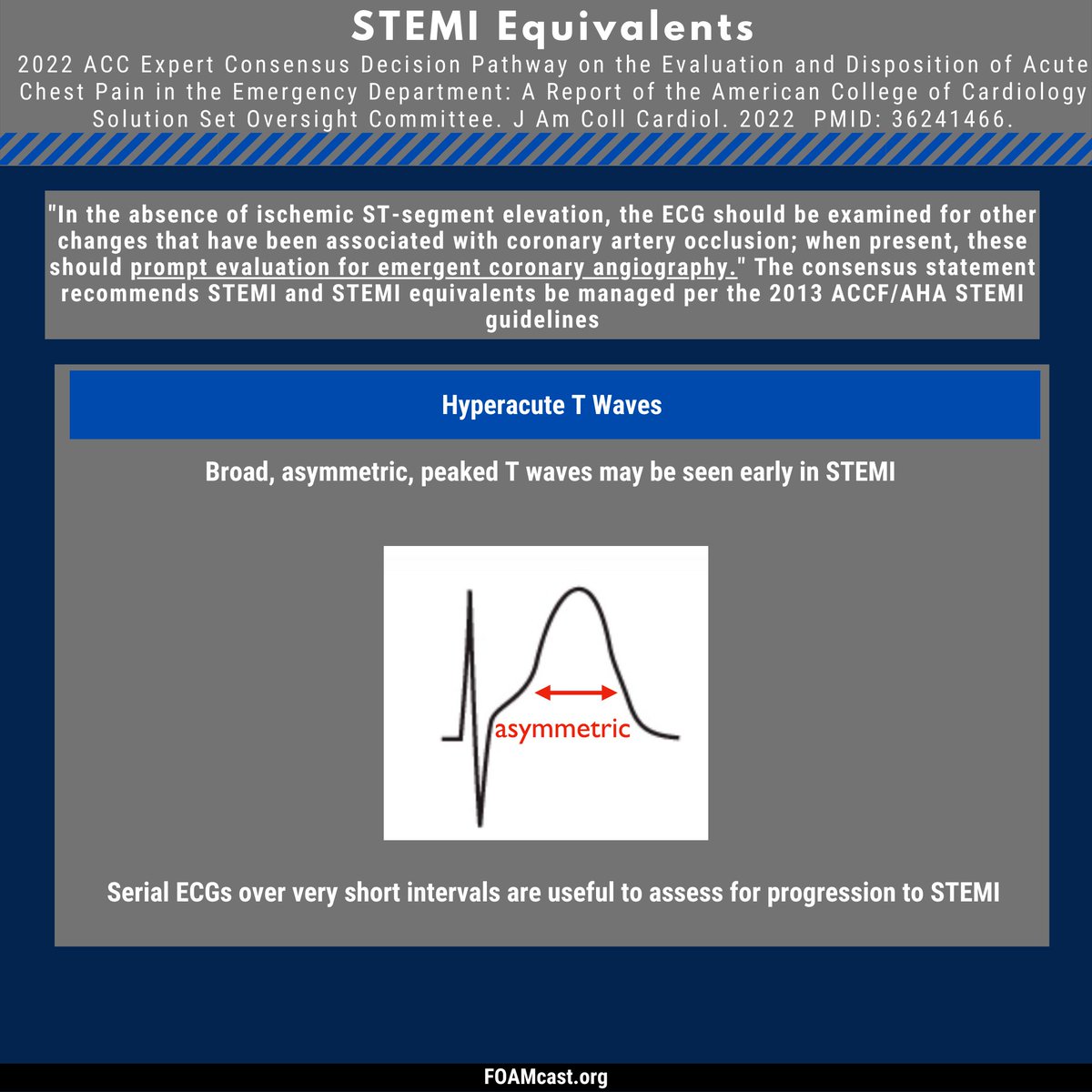
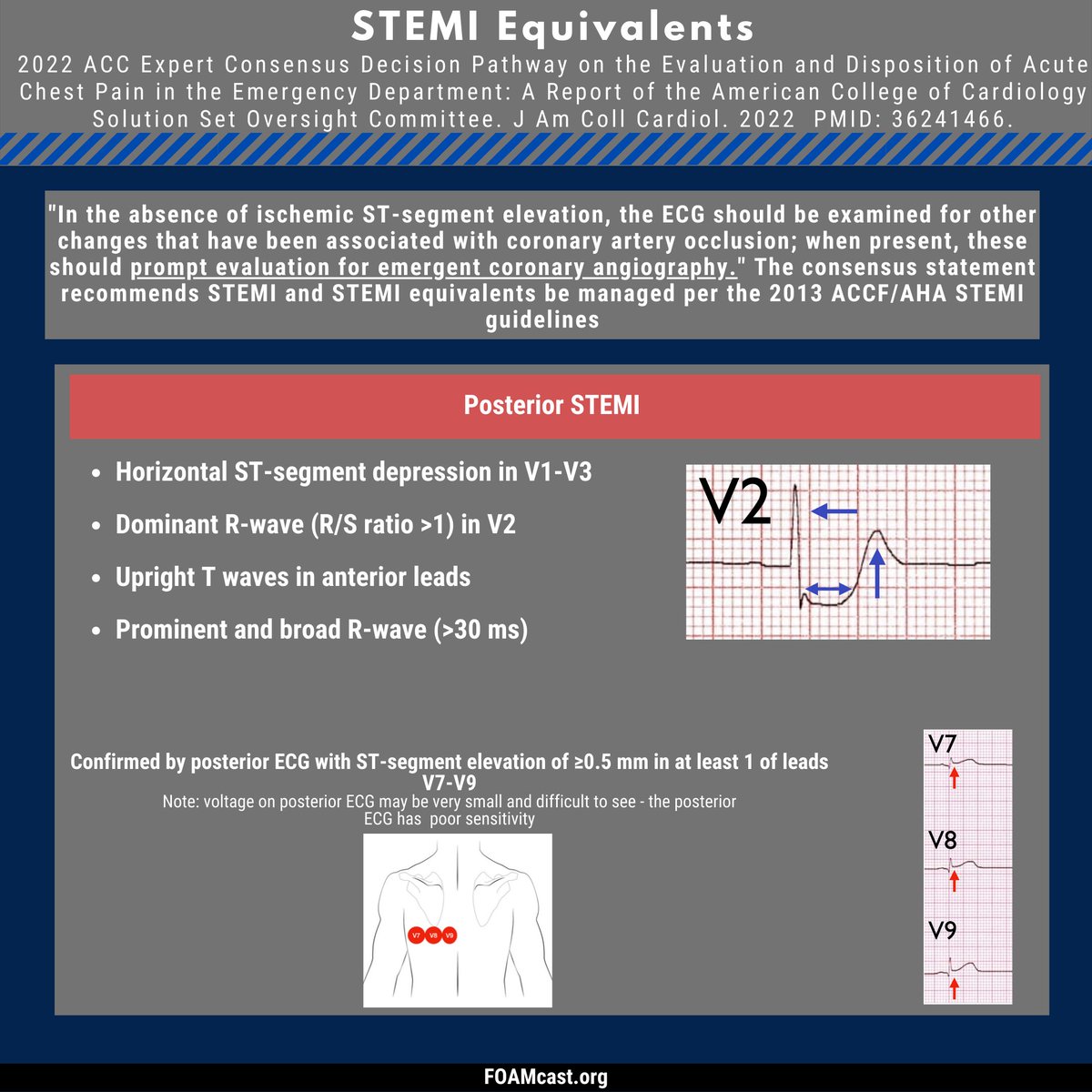
Summary of the new @ACCinTouch statement
⭐"STEMI" binary misses patients with occlusion MI (@smithECGBlog @PendellM have been saying this for years)!
⭐STEMI equivalents should be treated as STEMI
Podcast:bit.ly/3CLpV6W
Blog:bit.ly/3ER2oUJ 🧵 (1/X)


English

@S_NarayanMD @Peteweissmd @EladAnter @jskoruth @netta_doc @MDTolgaAksu @Mitch_Faddis interesting data, proarrhythmicity of those border zones could be a problem... we had a case of anterior reentry in a border zone after PFA application on the LA-roof.. time will tell
English

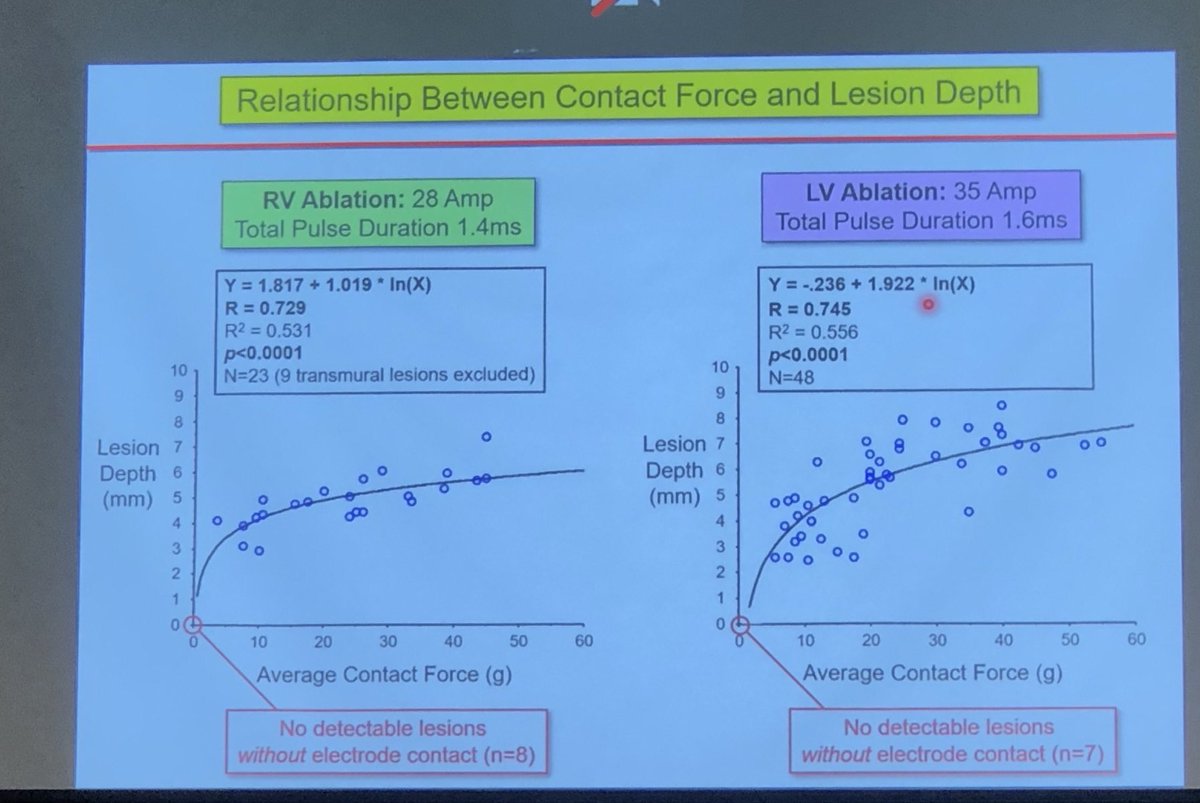
#PFA pulsed field ablation: contact force matters! @ Hiroshi Nakagawa Is some of early electrogram loss transient (cytochrome oxidase staining)? 🤔 @Peteweissmd @EladAnter @jskoruth @antianic4 @netta_doc @MDTolgaAksu @Mitch_Faddis


English

peterattiamd.com/rickjohnson2/ amazing in depth podcast on fructose as the key driver of metabolic disease/syndrome.. effects largely independent of calorie intake #CardioTwitter @PeterAttiaMD
English
Karlo Filipovic retweetledi

#Farapulse #PFA finally arrived at #University Hospital Cologne. Very powerful and impressive new tool....curious about long-term durability though. THX to the team at #EPCGN and #Abbott. @danielsteven_ep @woerjon @LukerJakob @JvdBruck @karlo_ep @MalteWader @BillerCornelia


English
Karlo Filipovic retweetledi

Today with @emblebi, we're launching the #AlphaFold Protein Structure Database, which offers the most complete and accurate picture of the human proteome, doubling humanity’s accumulated knowledge of high-accuracy human protein structures - for free: dpmd.ai/alphafolddb 1/
English