FARE | Food Allergy Research & Education

12.6K posts

FARE | Food Allergy Research & Education banner
FARE | Food Allergy Research & Education

FARE | Food Allergy Research & Education

@FoodAllergy

FARE is the largest US nonprofit organization dedicated to driving research and a cure for the more then 33 million people in the US with food allergies

McLean, VA Katılım Nisan 2009
998 Takip Edilen23.3K Takipçiler
FARE | Food Allergy Research & Education
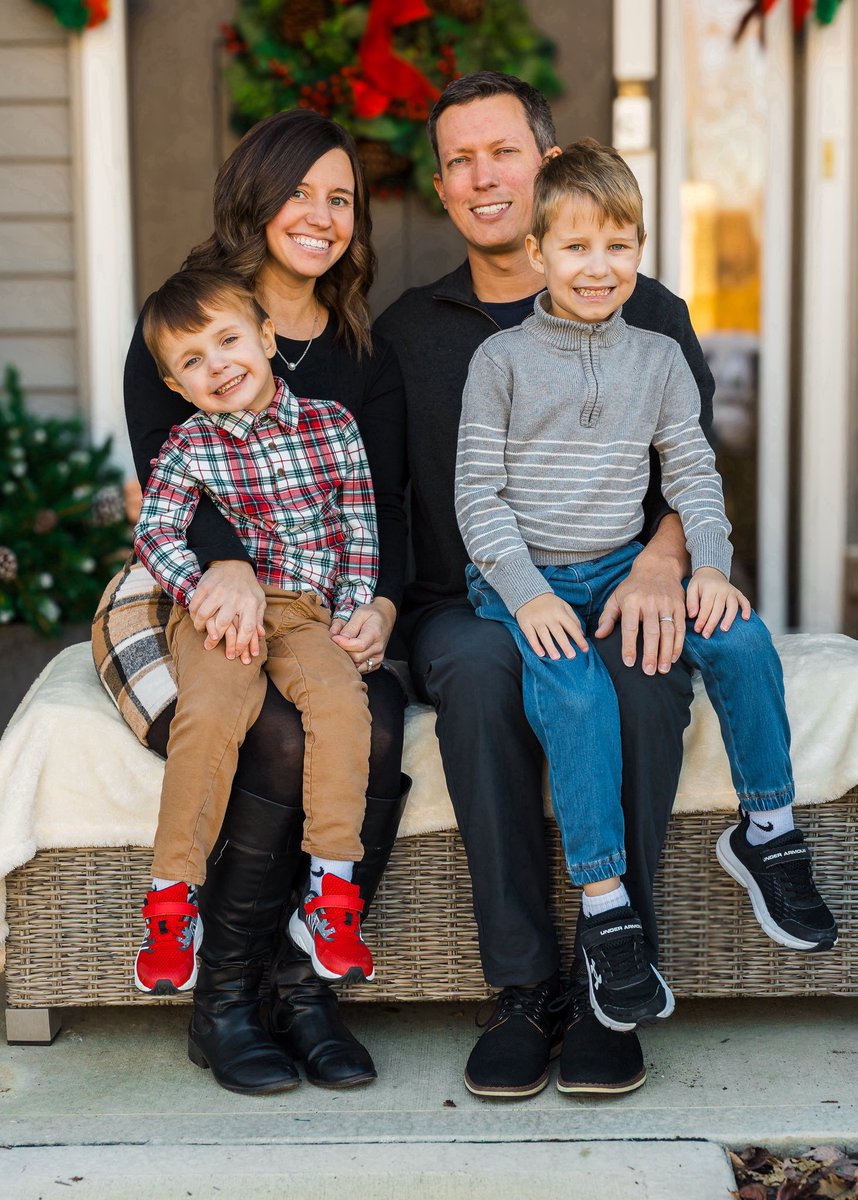
"What started as a small rash with shredded cheese was only just the beginning clues of allergies with Korbin. In a short amount of time in his infancy, we discovered he was allergic to eggs, dairy, peanuts and mustard. We navigate life pretty well with him, eating mostly at home to keep him safe. However, we go out when we need to and love to travel -which is where we tend to have more difficulty. Two years ago, we went to Paris for a summer vacation, and after leaving a wonderful restaurant, Korbin started complaining of belly pain, which I just brushed off as him likely still just adjusting to the new place and different food. We kept walking toward our hotel and stopped at a grocery store like we commonly do to get safe food for Korbin for breakfast and snacks. While we were walking, he started to lag pushing the cart, and I turned around to see a completely different face -swollen and full of panic. Everyone had told me we’d know when to use the epipen and I certainly did. We gave a dose and carried him to the hotel to be able to have more English-speaking help. We called an ambulance, and I administered a second epi as he was pretty lethargic and his symptoms seemed to be worsening again. We were rushed to the children’s hospital in Paris, where we stayed the night for monitoring in case he had a delayed reaction. The staff was very nice, and we were thankful for them all. Having a child with a life-threatening allergy has taught us so much. Almost 9 years of reading every label, talking at length to servers, trying to educate others so he’s protected at school, and other places he may encounter food when not with us. I appreciate people who learn what they can’t have and try to accommodate and understand. It’s not his fault, and I always want him to feel included in all functions that have food involved." -Natalie Submit your story for a chance to be featured on an upcoming #FAREsundaystory: bit.ly/3WNio3g
FARE | Food Allergy Research & Education tweet mediaFARE | Food Allergy Research & Education tweet mediaFARE | Food Allergy Research & Education tweet mediaFARE | Food Allergy Research & Education tweet media
English
0
1
2
442
FARE | Food Allergy Research & Education
Happy April Fools' Day! While most pranks bring laughter, those involving food can pose serious risks. Remember the saying, 'it's all fun and games until someone gets hurt'? This April Fools Day, keep that saying in mind when you think about pranking a friend, family member, or coworker. #aprilfools #foodallergyawareness
FARE | Food Allergy Research & Education tweet media
English
0
1
4
187
FARE | Food Allergy Research & Education
"My daughter's severe, anaphylactic peanut and tree nut allergy diagnosis at 12 months old has been a transformative journey, shaping not only her life, but mine and our entire family's over the past 11 years. For over a decade, I’ve passionately educated others that her allergy is a life-threatening condition—not an intolerance or stomach issue—and that even trace exposure to peanuts or tree nuts can trigger full anaphylaxis. The challenges we've faced extend far beyond food labels. Holidays and family gatherings can be stressful, requiring constant vigilance. I've had to be proactive—bringing backup food, double-checking ingredients, and staying alert when others are relaxed—because one misstep can have severe consequences. At school, we've had to fight for formal protections, implementing 504 plans to ensure accommodations, awareness, and emergency response. Despite the difficulties, my resolve has only strengthened over the years. I firmly believe that children, teens, and adults living with peanut, tree nut, or any food allergy deserve compassion, respect, and consistent protections—at church, at school, at home, at work, and everywhere in between. To those who have made parties and gatherings more inclusive by asking about safe foods, I am eternally grateful. I want you to know that your thoughtfulness has touched this mama’s heart in ways you’ll never know." -Kami Submit your story for a chance to be featured on an upcoming #FAREsundaystory: bit.ly/3WNio3g
FARE | Food Allergy Research & Education tweet mediaFARE | Food Allergy Research & Education tweet mediaFARE | Food Allergy Research & Education tweet mediaFARE | Food Allergy Research & Education tweet media
English
1
1
6
609
FARE | Food Allergy Research & Education
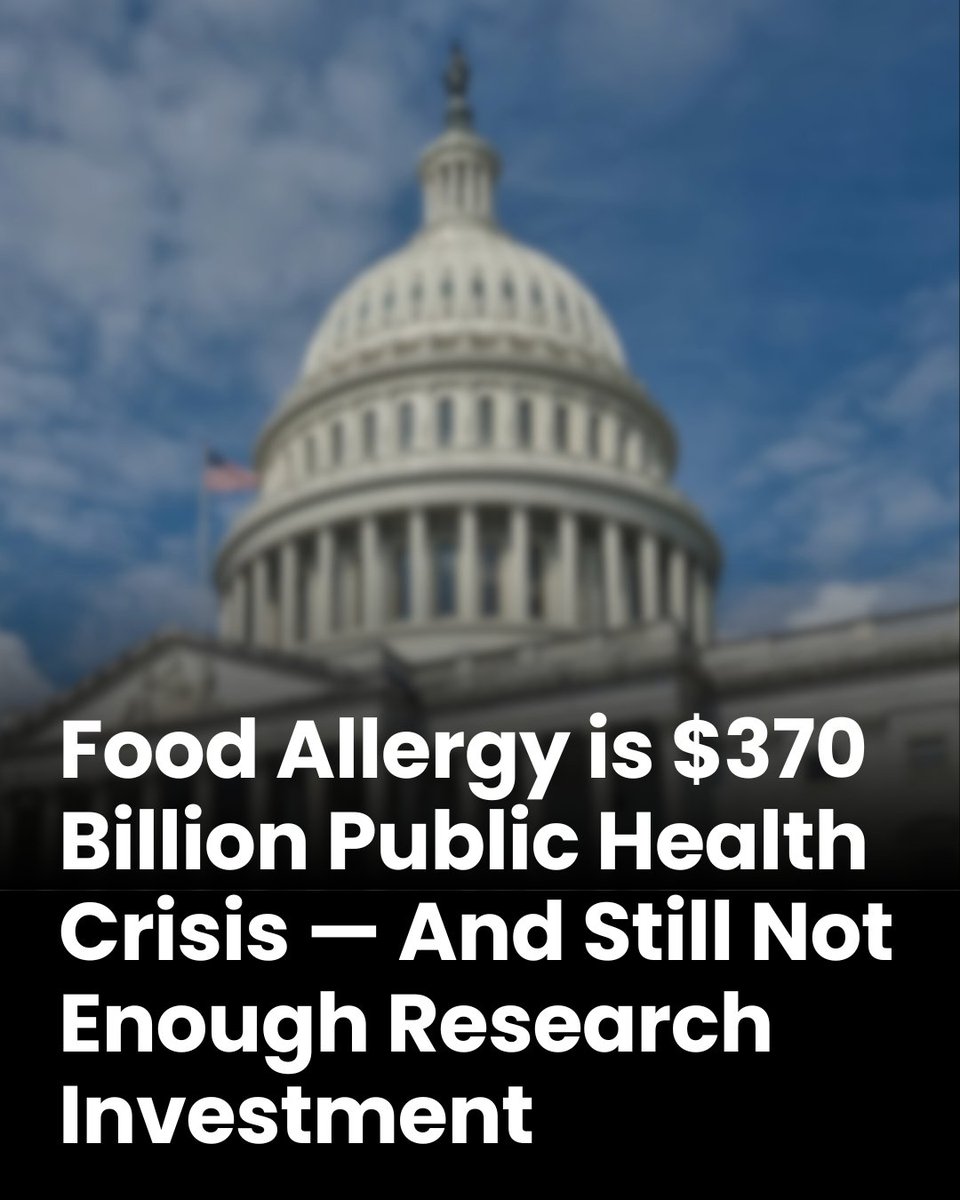
The cost of food allergy in the U.S. has reached $370.8 BILLION. A recent study estimates the average annual cost per patient at $22,000, a staggering increase compared to the $24.8 billion estimate for children reported just over a decade ago. This is not just a statistic. It represents millions of families managing a life-threatening disease every day. Food allergy research is critical to changing this trajectory. Today, leading policymakers and advocates will gather on Capitol Hill for a briefing hosted by the Congressional Food Allergy Research Caucus to discuss the rising impact of food allergy and the importance of advancing prevention and treatment through research. Tag your representatives and tell them to support food allergy research funding. The need for progress has never been greater. foodallergy.org/media-room/far…
FARE | Food Allergy Research & Education tweet media
English
1
4
4
219
FARE | Food Allergy Research & Education
Food allergy is placing an enormous and growing burden on families, and the United States cannot afford to ignore it. A recent study estimated the societal cost of food allergy in the U.S. at $370.8 billion, with an average annual cost of about $22,000 per patient. This estimate is 15 times higher than the $24.8 billion estimate for children reported by the same author just over a decade ago. Behind these numbers are millions of families navigating life-threatening reactions, rising medical costs, lost productivity, and the constant burden of managing a serious disease. The science must move faster. And that requires investment. On March 19, leading policymakers and advocates will gather on Capitol Hill for a briefing hosted by the Congressional Food Allergy Research Caucus to discuss the rising impact of food allergy and the urgent need for stronger federal investment in research that can advance prevention and treatment. Lawmakers need to hear from the food allergy community. Tag your representatives and urge them to prioritize food allergy research funding. The time to act is now. lnkd.in/dUR7WAHm
FARE | Food Allergy Research & Education tweet media
English
1
2
3
241
FARE | Food Allergy Research & Education
"Owen is four, and his first allergic reaction happened when he was just seven months old. We gave him yogurt puffs, something that seemed harmless and common for babies. Within minutes he began vomiting. At the time, we assumed it was just a reaction to a new food. Soon after, we tried oatmeal. Again, he vomited. We wondered if his stomach was just sensitive as he was beginning solids. Then came the moment that changed everything. One morning we gave Owen French toast. Shortly after eating, he began struggling to swallow. It was terrifying to watch your baby suddenly unable to manage something as simple as swallowing food. That moment began our journey into the world of severe food allergies. Today, Owen has life-threatening (anaphylactic) allergies to dairy, eggs, wheat, and peanuts. He is also sensitive to several other foods, which makes introducing new foods extremely complicated and stressful. Because of the severity of his allergies, Owen has never eaten at a restaurant. Every meal requires careful planning, label reading, and preparation at home. Something as simple as grabbing lunch out or sharing a birthday cake with friends carries risks that most families never have to think about. Food is supposed to be joyful, especially for children. But for families like ours, it can feel like navigating a minefield. We carry emergency medication everywhere we go and constantly worry about accidental exposure. Despite these challenges, Owen is an incredibly happy, resilient little boy. His allergies have taught our family to advocate, educate others, and appreciate the small victories—like finding a safe food he enjoys or watching him confidently navigate a world that isn’t always built with kids like him in mind. Food allergies aren’t just preferences or mild sensitivities. For children like Owen, they are life-threatening medical conditions that shape everyday life. Our hope in sharing his story is to help others understand the seriousness of food allergies and to create a safer, more inclusive world for children living with them." -Brittney Submit your story for a chance to be featured on an upcoming #FAREsundaystory: bit.ly/3WNio3g
FARE | Food Allergy Research & Education tweet mediaFARE | Food Allergy Research & Education tweet mediaFARE | Food Allergy Research & Education tweet media
English
1
2
8
669
FARE | Food Allergy Research & Education
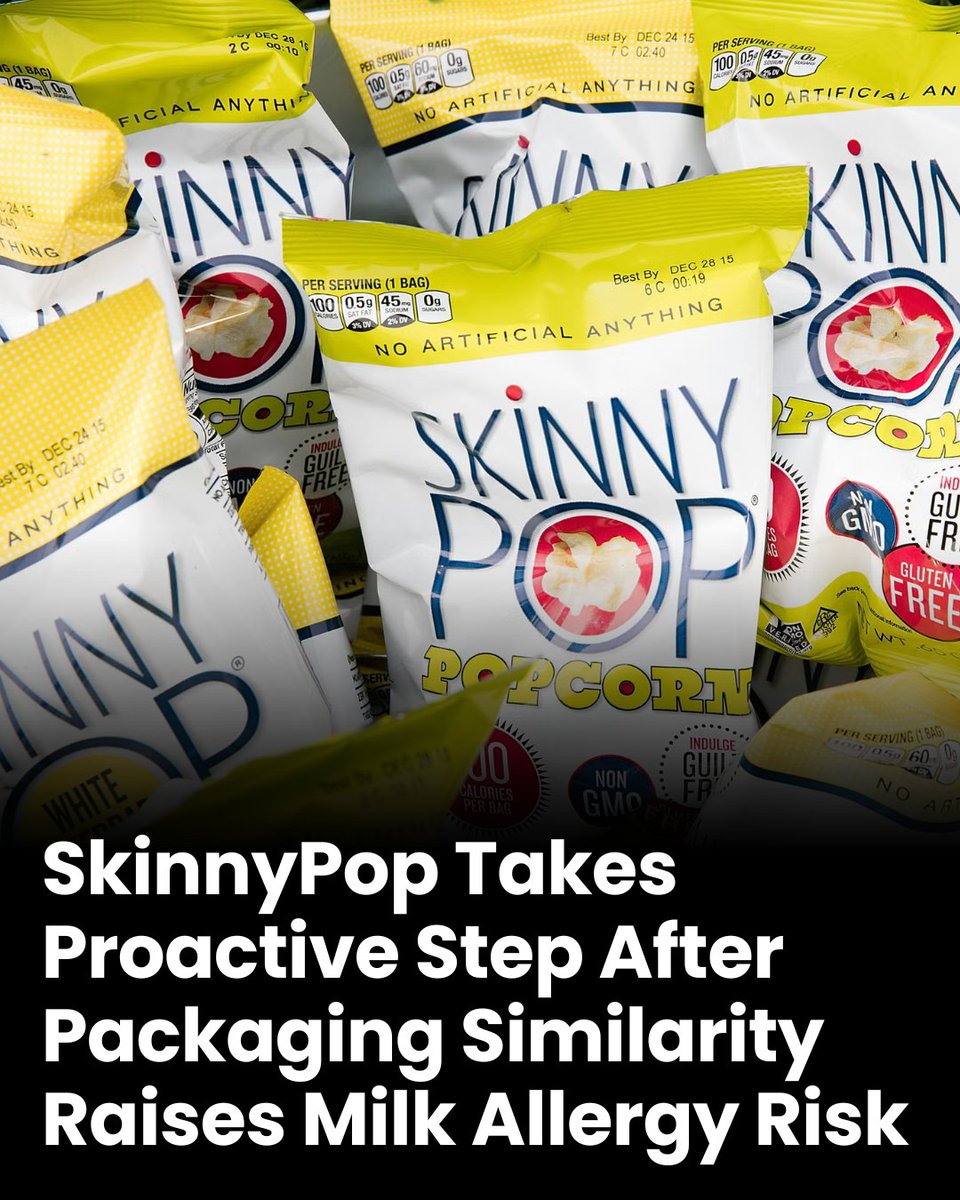
Snack brand SkinnyPop has voluntarily removed its newly launched White Cheddar Popcorn from store shelves after recognizing that its packaging looked very similar to its dairy-free White Cheddar variety. While the product itself was accurately labeled, the company acted out of an abundance of caution to prevent potential confusion for people with milk allergy. For the food allergy community, packaging clarity matters. A simple mix-up can have serious consequences. That’s why proactive decisions like this help set an important standard for food safety and consumer awareness. FARE applauds SkinnyPop for taking swift action and prioritizing the safety of people living with food allergies. Steps like this help build a safer food environment for the more than 33 million Americans managing this serious disease.
FARE | Food Allergy Research & Education tweet media
English
1
1
4
366
FARE | Food Allergy Research & Education
"My oldest child, Emma, was diagnosed with anaphylactic allergies at 11 months old, after having an anaphylactic reaction to eggs. We were visiting family, and somebody had made ice cream from scratch (with raw eggs) and Emma only had 2 bites. She ended up vomiting repeatedly, but we thought it was just a reaction to foods that she wasn't used to. On our way to the airport to return home, we noticed her body was covered in hives, and her ears were swelling: anaphylaxis (but a phone call to the doctor had us just picking up Benadryl). We had NO clue what could have happened and got on our return flight home without further incident by sheer luck. Looking back, there were probably a dozen times we should have administered epinephrine, but we just weren't educated enough. When we got the prescription, we were shown an old video and sent on our way. Emma had a dozen allergies, but outgrew many (like squash and cinnamon), and we've since added a bunch as well as Eosinophilic Esophagitis. She manages anaphylactic allergies to eggs, peanuts, tree nuts, soy, and mustard, and avoids dairy, fish, and shellfish due to EoE. I learned a lot through my own internet research and Facebook support groups and advocacy websites like FARE. Because of this, we were confident when we needed to use the epi pen on her one Christmas Eve, after a cross-contact exposure to peanuts. We've learned that even eating nuts and then kissing her on the cheek would cause hives, so we've adjusted protocols to keep her safe, and her two younger siblings (neither with allergies) has grown up inherently knowing how to keep Emma safe as well. I am outspoken about prevention and safety protocols in our school district, and I've had so many friends refer their friends to me when they have a new experience with allergies. Two years ago, Emma and I traveled to Washington, D.C. to help with FARE's Courage at Congress, and it was such a life changing experience for us. We both hope to do more advocacy work in the future!"" -Wendy Submit your story for a chance to be featured on an upcoming #FAREsundaystory: bit.ly/3WNio3g
FARE | Food Allergy Research & Education tweet mediaFARE | Food Allergy Research & Education tweet mediaFARE | Food Allergy Research & Education tweet mediaFARE | Food Allergy Research & Education tweet media
English
0
1
6
617
FARE | Food Allergy Research & Education
"My son Graham first had a reaction to egg at 6 months old. It was fairly minor with hives around his mouth and on his neck and some redness. We took him to an allergist that dismissed us and told me he just had a drool rash and it wasn't an allergic reaction and to try egg again after we continued exposing him to more foods. Two months later, we gave him scrambled egg again and he was anaphylactic. He became completely covered in hives and red all over. He also started vomiting. We, unfortunately, were not well-versed in anaphylaxis and we thought that since he was vomiting that was a good sign that he was getting it out of his body. We were going to just stay home and monitor him. Thank goodness my sister-in-law is an emergency pediatric doctor. We FaceTimed her and she told us we needed to take him to the ER immediately, and he needed epinephrine. We drove ourselves to the ER and by the time we got there, he was starting to turn blue. He ended up with two doses of epinephrine and an obvious egg allergy. Three months later, we gave Graham some risotto we made with cashew cream. It didn't even cross our minds that he might have a tree nut allergy. His entire face swelled up quickly with his eyes almost swelling shut and his whole face was covered with hives. We could also hear that he was having trouble breathing. My husband was calm enough to administer the Epipen (which we thankfully had from the egg allergy). I called 911. It was amazing how quickly the Epipen worked and brought his symptoms down. By the time we arrived at the hospital in the ambulance Graham's face was starting to swell again so they gave him another dose of epinephrine. We are now in OIT for cashew and are monitoring his blood tests to decide on a course for egg. But wow, being an allergy parent brings a lot of emotions!" -Emily Smith Submit your story for a chance to be featured on an upcoming #FAREsundaystory: bit.ly/3WNio3g
FARE | Food Allergy Research & Education tweet mediaFARE | Food Allergy Research & Education tweet mediaFARE | Food Allergy Research & Education tweet media
English
1
5
14
1K
FARE | Food Allergy Research & Education
Alpha-gal syndrome is more than a “red meat allergy.” Today, FARE and the Alpha-gal Alliance are announcing a new collaboration to improve public and clinical understanding of alpha-gal syndrome (AGS), a growing and under-recognized IgE-mediated food allergy that begins with a tick bite. An estimated 450,000 people in the U.S. may be living with AGS, yet delayed reactions and varied symptoms mean many spend years searching for answers. Together, our organizations will work to elevate patient voices, address misconceptions, strengthen education, and advance advocacy efforts, especially as legislation is considered to recognize alpha-gal as the nation’s tenth major allergen. We’re launching this effort with a new “Myths and Facts” guide and coordinated awareness campaign to help the public better understand AGS and its impact. Read more here: bit.ly/4qZkEzG
FARE | Food Allergy Research & Education tweet media
English
0
4
4
337
FARE | Food Allergy Research & Education
As the allergy community gathers at the 2026 American Academy of Allergy, Asthma, and Immunology @AAAAI_org Annual Meeting in Philadelphia, FARE is unveiling new and updated resources to better support the more than 33 million Americans living with food allergy. New tools include the National Indicators Report on Food Allergy, establishing a national baseline for the state of food allergy in the U.S.; “Anatool,” a clinical support resource to aid healthcare professionals in identifying anaphylaxis; and an enhanced Food Allergy Clinical Trial Finder to make it easier for patients to find and enroll in eligible studies. Together with the Alpha-gal Alliance, FARE also launched a new Myths and Facts resource to build broader understanding of Alpha-gal Syndrome. FARE is also presenting research from its FARE Neighborhoods Initiative, showing improved quality of life and reduced financial stress among families who received access to allergen-safe foods and education. “Food allergy is a serious disease of the immune system affecting more than 1 in 10 Americans, yet it has been chronically under-resourced relative to its public health impact,” said Sung Poblete, PhD, RN, CEO of FARE. “The release of these new resources reflects FARE’s commitment not only to giving clinicians, researchers and public health professionals the tools they need to improve the quality of life and health of those managing food allergy, but also to elevating public awareness of this top-tier public health issue.” If you’re attending AAAAI, visit FARE at Booth 1515 to learn more about these resources and how we’re working to drive meaningful progress for the food allergy community. #AAAAI26 Read more here: foodallergy.org/media-room/far…
FARE | Food Allergy Research & Education tweet media
English
0
0
3
381
FARE | Food Allergy Research & Education
Food allergy prevention, treatment, transparency, and access took center stage at the FDA’s Expert Roundtable on Food Allergy, and FARE made sure the patient voice was not just present, but heard. As the patient advocacy organization represented, FARE CEO Sung Poblete, PhD, RN, spoke to the profound physical, emotional, and economic burden food allergy places on millions of families. She called for prevention strategies, like early allergen introduction backed by the 2025–2030 Dietary Guidelines, to move beyond research and into nationwide implementation, including through the WIC program. She also urged stronger ingredient transparency, modernization of food service allergen policies, and the removal of PBM barriers that delay access to care. “As someone who leads a patient advocacy organization and lives daily with severe food allergy, I really want to acknowledge not only the profound emotional burden but also the physical and economic burden that food allergy places on more than 33 million Americans… In addition, timely FDA approval of drugs and devices must support innovation in diagnostics and treatments to improve food allergy management for all food allergy patients,” Dr. Poblete said. @DrMakaryFDA @US_FDA
English
0
0
2
407
FARE | Food Allergy Research & Education
Valentine’s Day in the classroom should be fun for every kid! But for the 1 in 13 children living with a food allergy, candy-centered celebrations can create stress, exclusion, and safety risks. Food allergy isn't a preference; it's a disease. And small choices, like opting for non-food valentines or allergen-friendly treats, can make a big difference in helping all students feel safe and excited to participate. When we plan with food allergies in mind, we’re teaching empathy, care, and community alongside the candy hearts! Explore FARE's Valentine's Day resources: bit.ly/46yTVm9
FARE | Food Allergy Research & Education tweet media
English
0
1
2
253
FARE | Food Allergy Research & Education retweetledi
Dr. Marty Makary
Dr. Marty Makary@DrMakaryFDA·
What's behind the sudden rise in food allergies? Join us live on February 25 at 1pm for a panel discussion with top experts in the field! fda.gov/patients/fda-e…
English
90
93
449
36.6K
FARE | Food Allergy Research & Education
Costco has issued a recall of mini beignets after discovering the products were mislabeled and may contain an undeclared tree nut allergen. The recalled items were sold as caramel-filled mini beignets but may actually be filled with chocolate hazelnut, which poses a serious risk for individuals with hazelnut allergy. This recall serves as an important reminder of why accurate food labeling is critical for the safety of the food allergy community. The affected products were distributed between January 16 and January 30, 2026, in Alabama, Arizona, Colorado, Florida, Georgia, Hawaii, Idaho, Illinois, Iowa, Louisiana, Michigan, Missouri, Nevada, New Jersey, New York, Ohio, Oregon, Pennsylvania, Tennessee, Texas, Virginia, and Washington. Customers are encouraged to return them to Costco for a full refund. For more information and to stay informed about recalls and safety alerts like this, sign up for FARE’s Allergy Alerts today: bit.ly/3X7sF9S
FARE | Food Allergy Research & Education tweet media
English
0
1
0
395
FARE | Food Allergy Research & Education
“I want to share our food allergy story in the hope that it raises awareness and helps other families recognise how suddenly and dangerously allergies can appear. My daughter is 16 years old. She has lived with eczema and asthma since she was three, but she never had any known food allergies. She had eaten nuts many times before in Indian sweets, in meals like butter chicken with cashews, and even whole almonds without ever having a reaction. In May this year, we went shopping after school to buy a birthday present for her friend. She was excited and happy. Before heading home, we picked up dinner and some nuts from the open compartments at Coles. On the way home, she asked for the nuts, and I gave her a small handful. Within minutes, everything changed. She started complaining that her throat felt itchy. Soon after, she said her throat and stomach were burning. We reached home quickly, and thinking it might be a mild reaction, I gave her cetirizine. She had never experienced anything like this before. Very quickly, her breathing became laboured. I rang the ambulance immediately. Those 20 minutes waiting for help felt like the longest and most terrifying moments of my life. I stayed on the phone, updating them as her condition worsened. When the paramedics arrived, she was still alert and talking. They checked her airways and told us they would take her to hospital for observation. She was given Ventolin and an adrenaline injection. But inside the ambulance, she suddenly ran out gasping for air. I was told it was likely a panic attack even though she had never had panic attacks in her life. Seconds later, she collapsed. My daughter went into cardiac arrest. The paramedics began CPR. When they found the pulse, she was rushed to the heart hospital and admitted to ICU. Doctors told us her brain and heart were the most affected and that they could not say whether she would recover fully. We were given very little hope. By the grace of God, after three days in ICU and a week in the hospital, she survived and made a full recovery. She responded to our voices and touch in ways that felt nothing short of divine.” -Rimmi Submit your story for a chance to be featured on an upcoming #FAREsundaystory: bit.ly/3WNio3g
FARE | Food Allergy Research & Education tweet mediaFARE | Food Allergy Research & Education tweet media
English
0
1
3
961
FARE | Food Allergy Research & Education
This week, @GSK announced the acquisition of RAPT Therapeutics, which is developing ozureprubart, an investigational anti-IgE antibody being studied as a preventive treatment for food allergy reactions. The therapy targets the same immune pathway as omalizumab, a treatment already used in allergy care, and is currently in clinical trials. For individuals and families living with food allergies, innovation matters. Long-lasting protection and expanded treatment options could meaningfully impact daily life, confidence, and safety. At FARE, we’re encouraged to see continued progress across the food allergy treatment pipeline as research continues to move the field forward.
FARE | Food Allergy Research & Education tweet media
English
0
2
4
408
FARE | Food Allergy Research & Education
"My son was diagnosed with a severe, anaphylactic dairy allergy at eight months old. He’s fifteen now, and this has shaped nearly every part of his life—and mine. For fifteen years, I’ve had to explain that his allergy isn’t an intolerance or a stomach issue. Dairy can cause full anaphylaxis for him, even from trace exposure. Yet because it’s dairy, it’s often underestimated —by people who mean well and by systems that should know better. The challenges extend far beyond food labels. Even within our own family, holidays can be stressful. Traditions revolve around shared meals, and despite repeated conversations, reminders are still needed. I bring backup food. I double-check ingredients. I stay alert when everyone else is relaxed—because one assumption or forgotten detail can have serious consequences. At school, safety requires formal protections. We’ve had 504 plans in place to ensure accommodations, awareness, and emergency response, because relying on informal understanding simply isn’t enough. Advocacy has been constant—educating staff, updating plans, and making sure his allergy is taken seriously year after year. After fifteen years, the vigilance hasn’t eased. What has changed is my resolve. Dairy anaphylaxis is real, and children and teens living with it deserve understanding, respect, and consistent protections—at school, at home, and everywhere in between. At school, safety requires formal protections. We’ve had 504 plans in place to ensure accommodations, awareness, and emergency response, because relying on informal understanding simply isn’t enough. Advocacy has been constant—educating staff, updating plans, and making sure his allergy is taken seriously year after year. After fifteen years, the vigilance hasn’t eased. What has changed is my resolve. Dairy anaphylaxis is real, and children and teens living with it deserve understanding, respect, and consistent protections—at school, at home, and everywhere in between." - Kindra Submit your story for a chance to be featured on an upcoming #FAREsundaystory: bit.ly/3WNio3g
FARE | Food Allergy Research & Education tweet media
English
3
2
7
887