PUTT

17.5K posts

PUTT banner
PUTT

PUTT

@TruthRX

Pharmacists United for Truth and Transparency (PUTT), is an independent watchdog and transparency advocate. Learn More at https://t.co/nQV7vDUuup

Across the United States Katılım Nisan 2012
4.7K Takip Edilen6.6K Takipçiler
PUTT
PUTT@TruthRX·
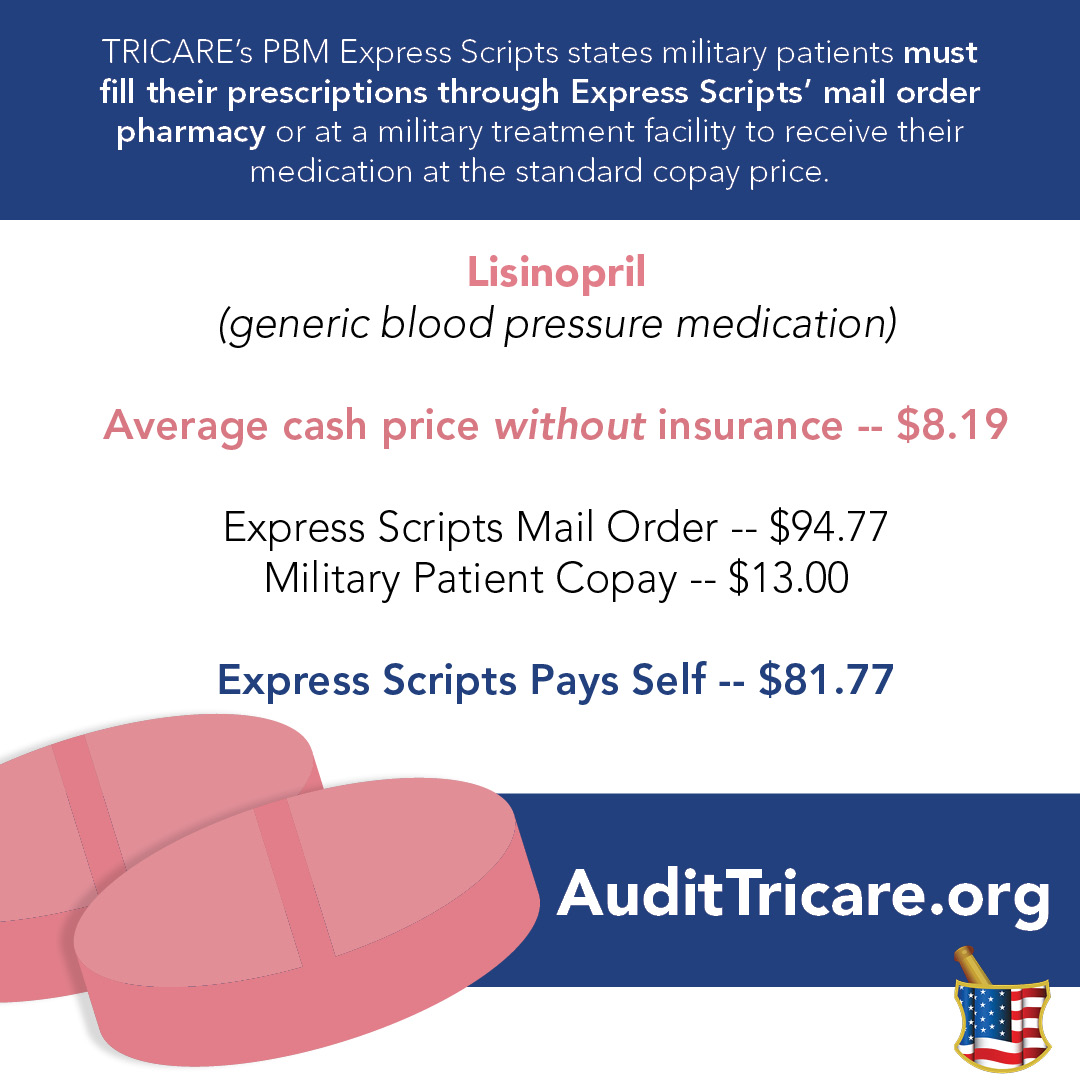
PUTT praises the introduction of the Rx ACCESS Act, bipartisan legislation sponsored by U.S. Senators Tom Cotton (R-AR) and Tim Kaine (D-VA) that would strengthen pharmacy access for TRICARE beneficiaries. Read full press release: bit.ly/4cWb0L5
PUTT tweet media
English
0
4
15
424
PUTT retweetledi
Speaker Cameron Sexton
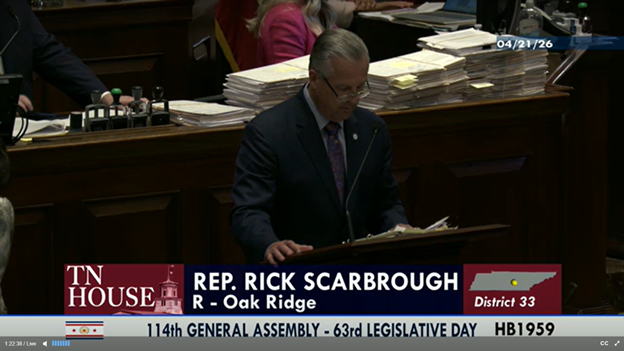
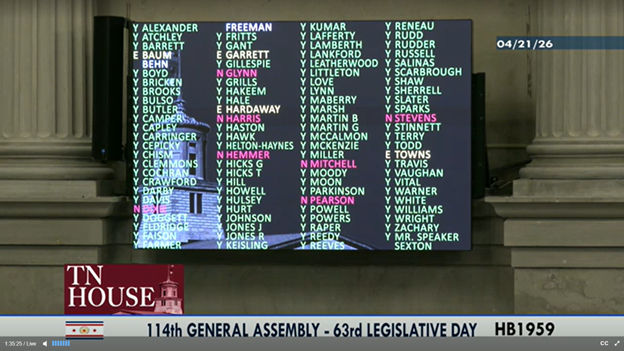
Great explanation from Dr. Griffith on how PBMs use vertical integration to dictate the market and drive independent pharmacies out of business through discriminatory pricing. Proud to support #HB1959 which simply says you can’t own both a PBM and a pharmacy. Safeguarding free-market practices in TN. @mattmurphyshow @TruthRX @Commpharmacy
English
9
29
133
52.5K
PUTT
PUTT@TruthRX·
Pharmacies shouldn’t need a four-leaf clover to survive PBM tactics. Patients shouldn’t need the “luck of the Irish” to afford their prescriptions. 🍀 Join us at bit.ly/3ywxHDq and help bring transparency, accountability, and fairness back to pharmacy.
PUTT tweet media
English
0
4
8
171
PUTT
PUTT@TruthRX·
TODAY is the Final Day to Submit Comments to the FTC regarding the proposed Express Scripts Settlement. MAKE YOUR VOICE HEARD Submit Your Comments at regulations.gov/commenton/FTC-…
PUTT tweet media
English
1
6
7
367
PUTT
PUTT@TruthRX·
March is officially #PBMLawEnforcementMonth at PUTT. ⚖️ We’re highlighting why enforcing PBM laws is so difficult, and have a call to action: submit comments to the FTC on the ESI settlement before March 16! 📖 Read the blog: bit.ly/4s5cTd1 📢 Make your voice heard
PUTT tweet media
English
0
4
8
310
PUTT
PUTT@TruthRX·
What happens when too much power sits in the hands of a few vertically integrated giants? Patients, pharmacies, and employers all lose. Our latest blog explores why divestiture may be the key to restoring fair pharmacy practices. Read more 👇 bit.ly/3MQJW5k
PUTT tweet media
English
3
6
13
471
PUTT retweetledi
APCI
APCI@_APCI·
Our final session of the day features public policy and the legislative outlook for independent pharmacy, led by APCI VP of Public Policy Greg Reybold. #APCI2026
APCI tweet media
English
0
2
9
285
PUTT retweetledi
John Vinson
John Vinson@johnalanvinson·
Arkansas Act 624: Reply Brief to 8th Circuit : “What’s in the public interest of Arkansans is to have their democratically enacted law enforced and to be protected from PBMs’ predatory practices.” @AGTimGriffin @SarahHuckabee @Commpharmacy @JeremiahMooreAR
John Vinson tweet media
Joe Carlo@JoeCarloLaw

Never thought I’d read “Wherefore . . . the fox is guarding the henhouse” in bill language. PBM bill advances in House subcommittee, CVS ramps up opposition wcyb.com/news/local/pbm…

English
0
3
12
651
PUTT retweetledi
Dutch Rojas
Dutch Rojas@DutchRojas·
Dear @CMSGov I was looking through some Medicare expenditure data, which I assume is not how most people spend their evenings, but I do… And something jumped out at me. Across five specialties, independent physicians had the lowest total Medicare expenditures: $26,377 per beneficiary per year. Okay. So that’s the baseline. Now let’s look at the other models. Private equity–affiliated practices: $26,824. Corporate practices: $27,769. Hospital-affiliated physicians: $30,416. So just to make sure I understand this correctly… The most expensive model in the system is the one where doctors are employed by hospitals. And the least expensive model is the one where doctors run independent practices. That’s a $4,039 difference per Medicare beneficiary every year. Which would seem like the sort of thing policymakers might want to pay attention to. But it gets better. When physicians transition from independent practice to private equity, Medicare spending decreases by about $963 per beneficiary per year. Okay. Interesting. But when physicians transition to hospital employment, spending increases by $1,327 per beneficiary per year. Corporate affiliation? Also increases costs, by about $1,140. So the pattern here seems… fairly consistent. The model everyone keeps saying is “unsustainable” actually produces the lowest costs in the system. Meanwhile, the model that keeps absorbing those practices is also the one that drives spending up. And every time an independent physician disappears into a health system… Costs go up. Every time. Which raises a small question: If the goal is controlling healthcare costs… why is the United States Government steadily replacing the least expensive model with the most expensive one? Just asking…. -Rojas out
Dutch Rojas tweet media
English
40
168
493
71.5K