
Tom Allen

10.9K posts

Tom Allen banner
Tom Allen

Tom Allen

@baldpathologist

Extension/Research Professor and Plant Pathologist with Mississippi State University at the DREC - corn, cotton, grain sorghum, rice, soybean, and wheat

Stoneville, MS Katılım Ağustos 2009
1.2K Takip Edilen5.3K Takipçiler
Tom Allen retweetledi

Crop Protection Network
Crop Protection Network@CropNetwork·
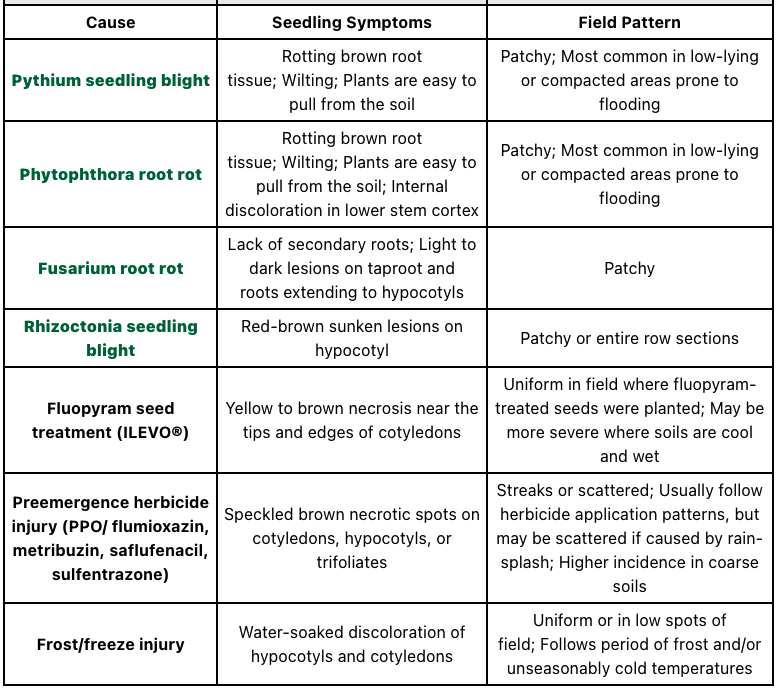
Many pathogens cause seed decay and seedling blight in corn. The first symptom may be an area of the field with poor or no stand. Decayed seeds are very soft and may be covered with fuzzy fungal growth. Post emergence damping off appears as yellowing and wilted seedlings that soon collapse leaving only dead leaves above the soil. Favored by cool, wet soils, these diseases are more common in low-lying or poorly drained areas or in fields planted too early in spring. Standard seed treatment fungicides reduce risk. Planting when the soil is above 50°F and soil moisture is not excessive also may reduce risk. Ask local Extension for more information. @baldpathologist @alisonrISU @tjcksn @cropdoc08 @DTelenko @badgercropdoc @MartinChilvers1 @ppp_trey @travisfaske @YuanZeng3 @alabamaED @MandyBish1 @maddishires #plant26 #corn #grow26
Crop Protection Network tweet media
English
1
14
22
1.3K
Tom Allen retweetledi
Tom Allen
Tom Allen@baldpathologist·
@Tallawanta I’m sure there will be some cotton…..but gonna be a lot of soybean acres. Economists saying soybean is the safest bet.
English
0
0
1
34
Tom Allen retweetledi
Tom Allen
Tom Allen@baldpathologist·
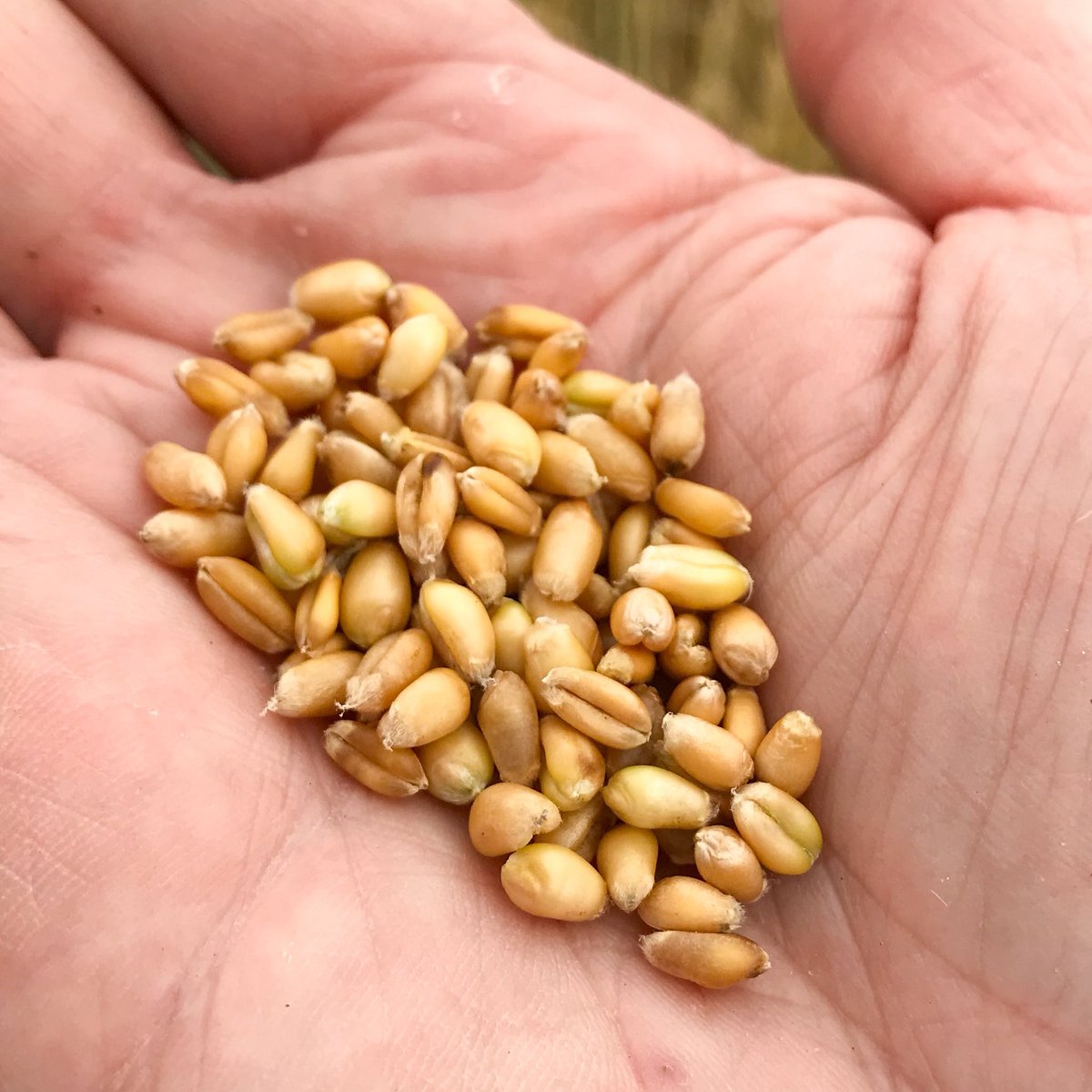
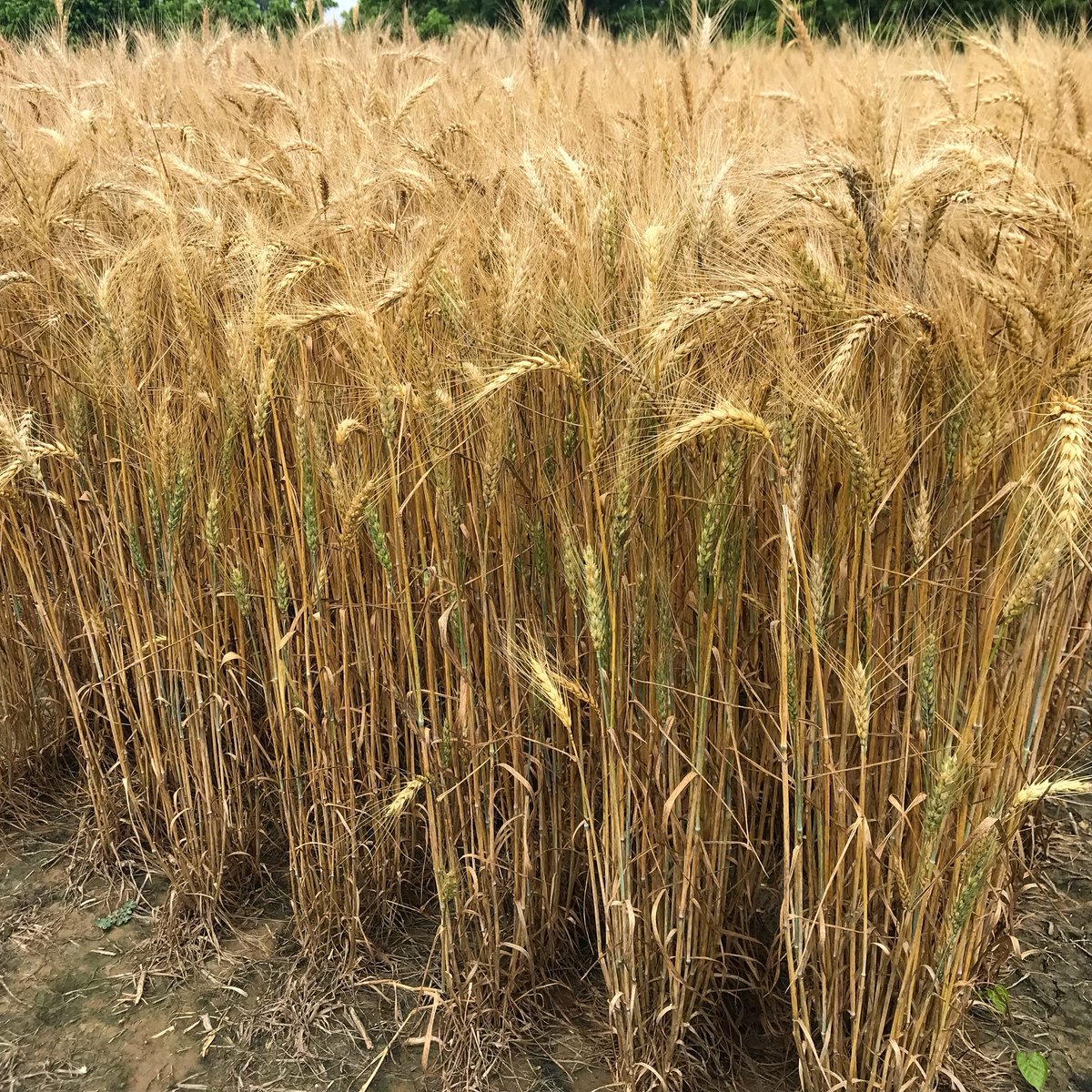
First stripe rust of the 2026 wheat season in Hinds County, MS in the MSU OVT #wheat #mscrops
Tom Allen tweet mediaTom Allen tweet mediaTom Allen tweet mediaTom Allen tweet media
English
0
0
12
278
Tom Allen retweetledi
Crop Protection Network
Crop Protection Network@CropNetwork·
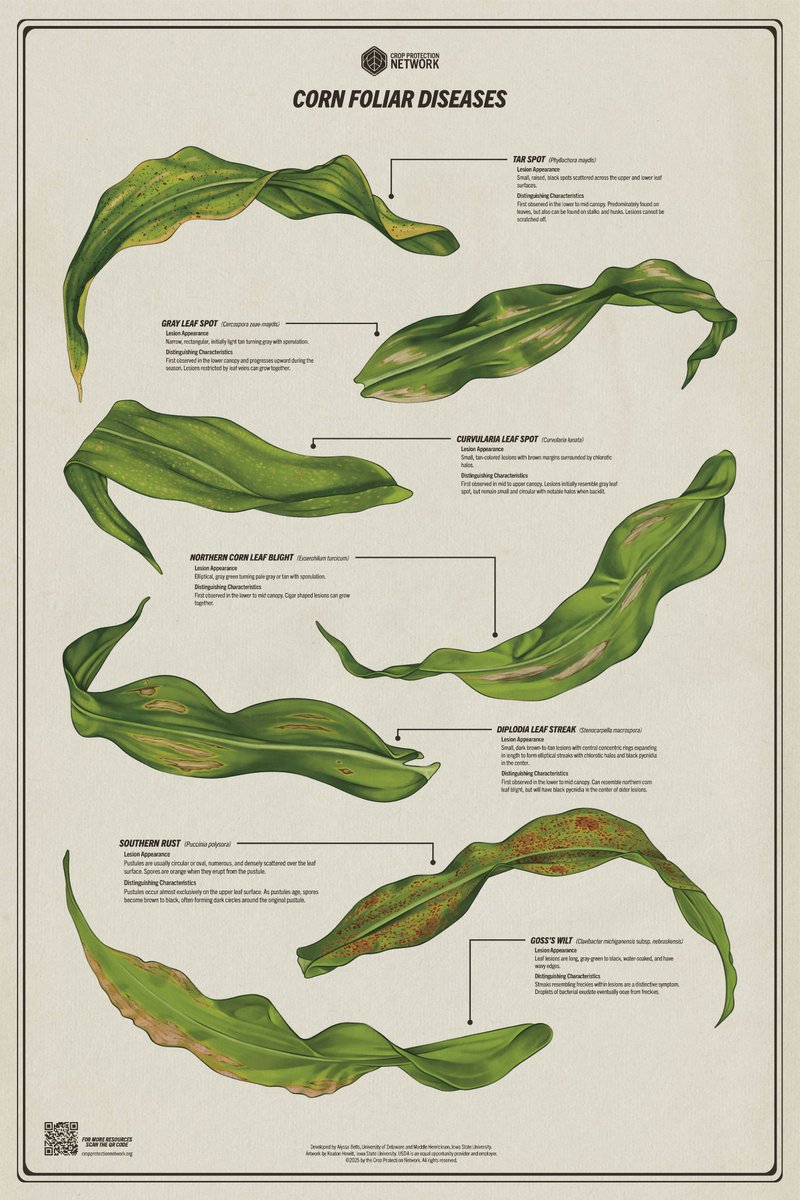
Disease reduced corn yield by nearly 1.3 billion bushels worth more than $5.2 billion USD in 2025. Southern rust caused the greatest losses, followed by tar spot and northern corn leaf blight. Read the whole article at cropprotectionnetwork.org/publications/c…. From @alabamaED @travisfaske @bobkemerait @BorisCamiletti @DTelenko @alisonrISU @dsmuelle @OnofreLab @cropdoc08 @PatePlantSci @ppp_trey @MartinChilvers1 @baldpathologist @MandyBish1 @tjcksn @DaisyHAhumada @NDSUcerealpath @MahDuffeck @AlbertTenuta @PACropDoc @MPlumblee @maddishires @YuanZeng3 @badgercropdoc +others. #corn #agriculture #farming @NationalCorn
Crop Protection Network tweet mediaCrop Protection Network tweet mediaCrop Protection Network tweet mediaCrop Protection Network tweet media
English
0
20
28
4.2K
Tom Allen retweetledi
Crop Protection Network
Crop Protection Network@CropNetwork·
After tillering, stripe rust of wheat develops parallel to leaf veins, giving the foliage a distinct striped appearance. After infection, the fungus may produce new generations of spores in as few as 10 days under optimal conditions. The primary means to manage stripe rust is to plant resistant varieties. Consider applying fungicides to susceptible varieties if stripe rust has been detected in the region and forecasted conditions are favorable for disease development and spread. Applications at flag leaf emergence help protect the flag leaf and reduce yield loss. Read more in An Overview of Stripe Rust from Extension at cropprotectionnetwork.org/publications/a…. @badgercropdoc @MartinChilvers1 @cropdoc08 @AlbertTenuta @travisfaske @SaskWheat @wheatgrowers @USWBSI @wheatsd @mnwheat #wheat @pcdmn @baldpathologist
Crop Protection Network tweet mediaCrop Protection Network tweet media
English
0
14
23
1.9K
Tom Allen retweetledi
Crop Protection Network
Crop Protection Network@CropNetwork·
“Accurate diagnosis of [soybean vein necrosis virus] is important because it can be easily confused with other soybean diseases, disorders, or damage, potentially leading to unnecessary fungicide applications.” From the updated publication An Overview of Soybean Vein Necrosis Virus at cropprotectionnetwork.org/publications/a… by @badgercropdoc @cropdisease @MartinChilvers1 @dsmuelle @AOV_OlmedoVelar @alabamaED @AlbertTenuta @cropdoc08 +more @baldpathologist @MandyBish1 @MahDuffeck @travisfaske @ppp_trey @maddishires @DTelenko @BisonBeanDoc #soybeans #thrips #virus #USSoy
Crop Protection Network tweet mediaCrop Protection Network tweet mediaCrop Protection Network tweet mediaCrop Protection Network tweet media
English
0
16
24
1.1K
Tom Allen
Tom Allen@baldpathologist·
The first leaf rust of the season, Stoneville, MS loam wheat OVT #mscrops
Tom Allen tweet mediaTom Allen tweet mediaTom Allen tweet media
English
0
6
20
927
Tom Allen retweetledi
Crop Protection Network
Crop Protection Network@CropNetwork·
Disease reduced cotton yield by nearly 5%, or 702,244 bales, in 2025. Root-knot nematode, reniform nematode, and seedling diseases caused the greatest losses. Find out more in the new article "Cotton Disease Loss Estimates from the United States — 2025" at cropprotectionnetwork.org/publications/c…. From @travisfaske @StrayerScherer @IGrett @zgrabRuns @bobkemerait @OnofreLab @ppp_trey @LSUNematology @baldpathologist @DaisyHAhumada @MahDuffeck @OSU_CottonIPM +others. @kmbiss @CottonInc @TheCottonBoard @MizzouIPM #cotton #disease #farming #Agriculture
Crop Protection Network tweet media
English
0
10
21
1.7K
Tom Allen retweetledi
Crop Protection Network
Crop Protection Network@CropNetwork·
“Management of charcoal rot includes the use of resistant varieties when available and certain cultural practices, including those that conserve soil moisture. No fungicide seed treatments have been identified that offer consistent control of charcoal rot.” From the updated publication An Overview of Charcoal Rot at cropprotectionnetwork.org/publications/a… by @badgercropdoc @MartinChilvers1 @NCLegumeLady @dsmuelle @maddishires @BisonBeanDoc and @cropdoc08. @baldpathologist @MandyBish1 @MahDuffeck @travisfaske @ppp_trey @DTelenko @AlbertTenuta #soybeans #fungi #USSoy
Crop Protection Network tweet mediaCrop Protection Network tweet mediaCrop Protection Network tweet mediaCrop Protection Network tweet media
English
0
13
27
1.2K
Tom Allen retweetledi
Crop Protection Network
Crop Protection Network@CropNetwork·
“Chemical management strategies do not result in complete control of white mold and, therefore, should be considered only as one component of an integrated management program. Reduction of white mold incidence achieved by fungicides in university field trials has ranged from zero to approximately 60%.” From the updated publication An Overview of White Mold at cropprotectionnetwork.org/publications/a… by @badgercropdoc @cropdisease @MartinChilvers1 @travisfaske @DylanMangel @dsmuelle @ISU_IPM @BisonBeanDoc @cropdoc08 +more @AlbertTenuta @baldpathologist @MandyBish1 @MahDuffeck @maddishires @DTelenko #soybeans #USSoy
Crop Protection Network tweet mediaCrop Protection Network tweet media
English
0
15
27
1.8K